
Most of us walk into a restaurant, glance at the menu, maybe peek at a few online reviews, and then place our order with a smile. Honest enough. But there is a whole other layer to dining out that the average customer never sees, and frankly, that layer matters a lot more than the décor or the ambient lighting.
Former restaurant workers, food safety researchers, and health inspection data are all quietly pointing to the same uncomfortable truth: what happens behind that kitchen door is almost always more revealing than anything printed on a menu. So before you order that daily special or let your guard down at a glossy chain restaurant, there are ten things you really should know. Let's dive in.
The Scale of the Problem Is Bigger Than You Think

Here's the thing most diners don't want to hear at dinner: the CDC estimates that one in six Americans becomes ill every year from contaminated food or beverages. That is not a fringe statistic. That is roughly 55 million people a year, many of whom will never connect their upset stomach to the restaurant they ate at two nights before.
A forthcoming CDC study estimates that about 10 million cases of foodborne illnesses each year in the U.S. are caused by six pathogens, including Salmonella, Listeria, Campylobacter, Clostridium perfringens, E. coli, and norovirus, resulting in about 53,300 hospitalizations and over 900 deaths annually. Those are not abstract numbers. Those are real people who sat down for a meal just like you.
About 800 foodborne outbreaks are reported to the CDC every year, and most of these happen in restaurants. Restaurant inspections are one of the main tools health departments have for improving restaurant food safety and preventing foodborne illness. Watching that kitchen door is not paranoia. It is common sense.
2024 Was Especially Alarming for Food Safety
The Food for Thought 2025 report showed a total of 1,392 Americans in 2024 became ill after consuming a contaminated food item, up from 1,118 in 2023. The number of hospitalizations more than doubled, rising from 230 to 487, and deaths climbed from 8 to 19. Think about that trajectory for a moment. More illnesses, more hospital beds, more deaths. All in a single year.
The deadliest outbreak in 2024 involved Boar's Head deli meats, which were associated with 60 hospitalizations and 10 deaths across 19 states. Inspection reports revealed numerous violations at the company's plant in Virginia, including unsanitary conditions, which likely contributed to the outbreak. This was not a small or obscure brand. This was a household name.
The number of recalls because of Listeria, Salmonella, and E. coli increased by 41 percent and accounted for nearly two fifths of all recalls in 2024. Recalls because of Listeria contamination rose from 47 to 65, and recalls for Salmonella increased from 27 to 41. The trend is moving in the wrong direction, and diners are the ones at the end of that supply chain.
Most Outbreaks Start Right There in the Kitchen
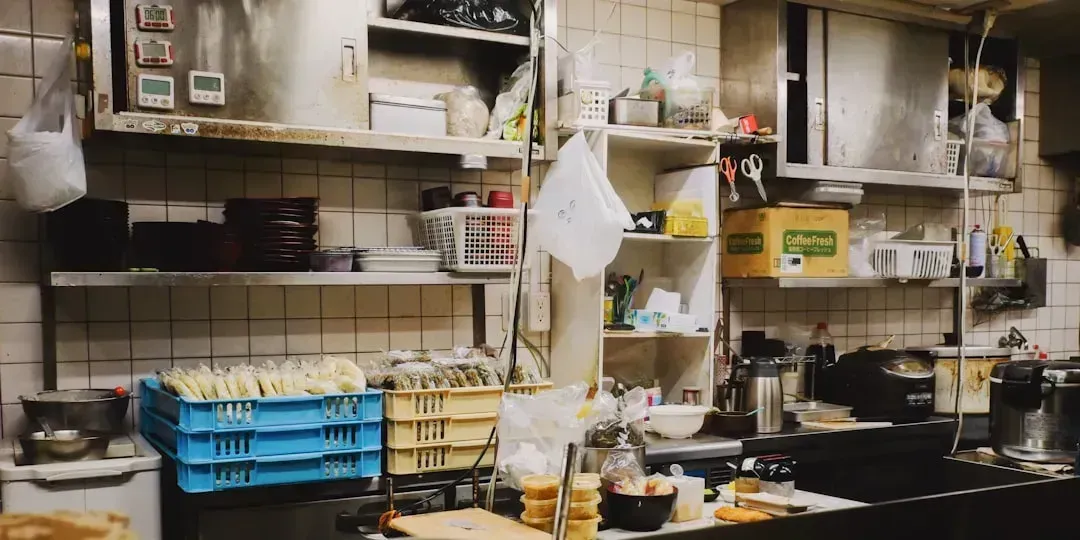
Foodborne illness is a persistent public health concern in the U.S., with over 800 foodborne illness outbreaks reported to the CDC annually. Most of these outbreaks, around 60 percent, are linked with restaurants. Contamination of food with foodborne pathogens during preparation and storage is a significant contributing factor to many of these outbreaks. That connection between what happens in the kitchen and what ends up on your plate is direct and undeniable.
The spread of germs from the hands of food workers to food is a common cause of foodborne illness outbreaks in restaurants. It accounts for nine of ten outbreaks in which food was contaminated by food workers. Nine out of ten. That is not a small margin of error. That is an overwhelming pattern.
Most foodborne outbreaks at restaurants are caused by food handlers unknowingly transferring pathogens from their body onto food. Neglecting personal hygiene greatly increases the risk of transferring harmful pathogens to food. The kitchen door, in a very real sense, separates the world you see from the world that shapes what you eat.
Cross-Contamination Happens in More Kitchens Than You Would Imagine
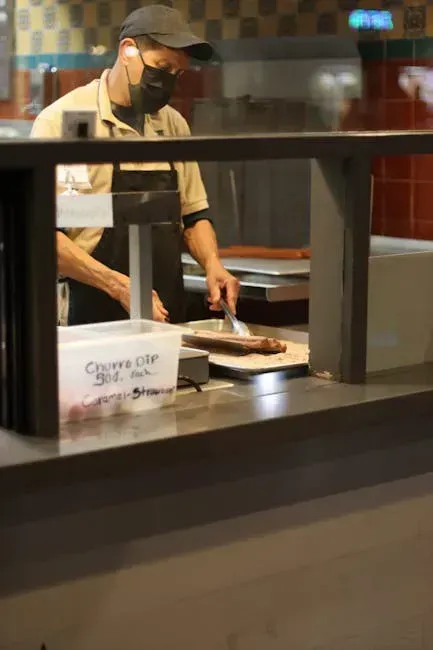
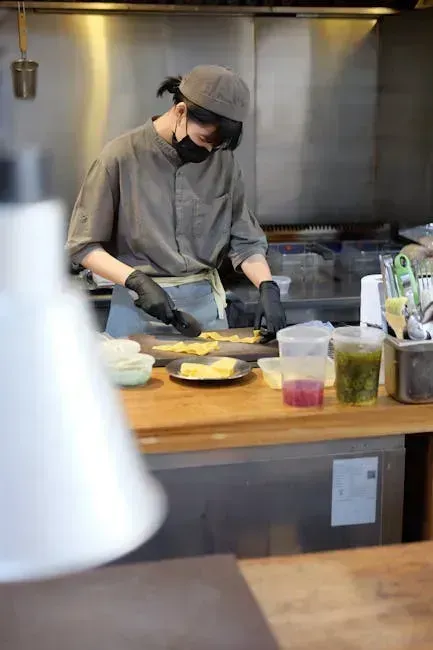
Honestly, this one shocked me when I first read the data. Overall, researchers observed an average of 1.29 potential cross-contamination actions per restaurant, and at least one food worker action leading to food contamination was seen in 63 percent of establishments. That means in roughly two out of every three restaurants, something potentially dangerous was observed happening with food during a single visit.
The most frequently observed action that could lead to contamination was bare-hand or dirty glove contact with ready-to-eat food, occurring in over a third of observed restaurants. Ready-to-eat food means it goes straight into your mouth without any cooking to kill off bacteria. Salad. Bread. Sushi. That sandwich you ordered on your lunch break.
Avoiding cross-contamination is one of the most important aspects of food safety. Contamination can occur at any stage of the cooking process, including the handling, storage, and preparation of foods. It can also occur from the misuse of tools and utensils, poor personal hygiene, and neglecting to maintain a safe, sanitary kitchen environment. The chain of contamination is long, and it only takes one weak link.
Sick Employees in the Kitchen Are More Common Than Restaurants Admit
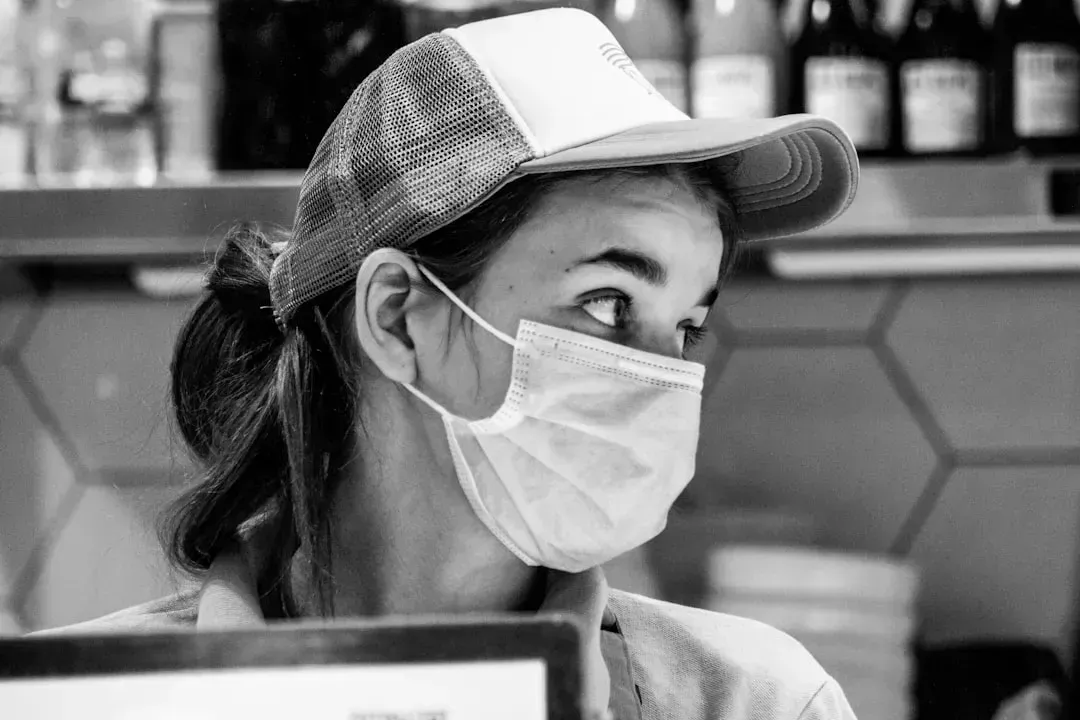
Let's be real about something uncomfortable. Research found that 56 percent of fast-food restaurants and 70.7 percent of full-service restaurants had no employee health policies for managing ill food workers. No policy. Nothing formal in place to prevent a symptomatic worker from handling your food. That is a staggering gap.
A 2024 survey of restaurants in Seoul found that just 10.3 percent of restaurants had employee health policies for managing ill food workers, 8.3 percent had a food hygiene certificate, and only 37.5 percent provided paid sick leave. Without paid sick leave, workers who are ill face a brutal choice: stay home and lose income, or show up and potentially contaminate food.
Allowing employees who are sick to come to work is a well-known source of health code violations. Even if a restaurant is short-staffed for a shift, it is better to keep employee health top-of-mind and let them stay home rather than spread illness among the team or guests. Yet the financial pressure of being short-staffed pushes managers in the opposite direction, quietly and regularly.
The Truth Behind Handwashing Policies (and Why They Often Fail)
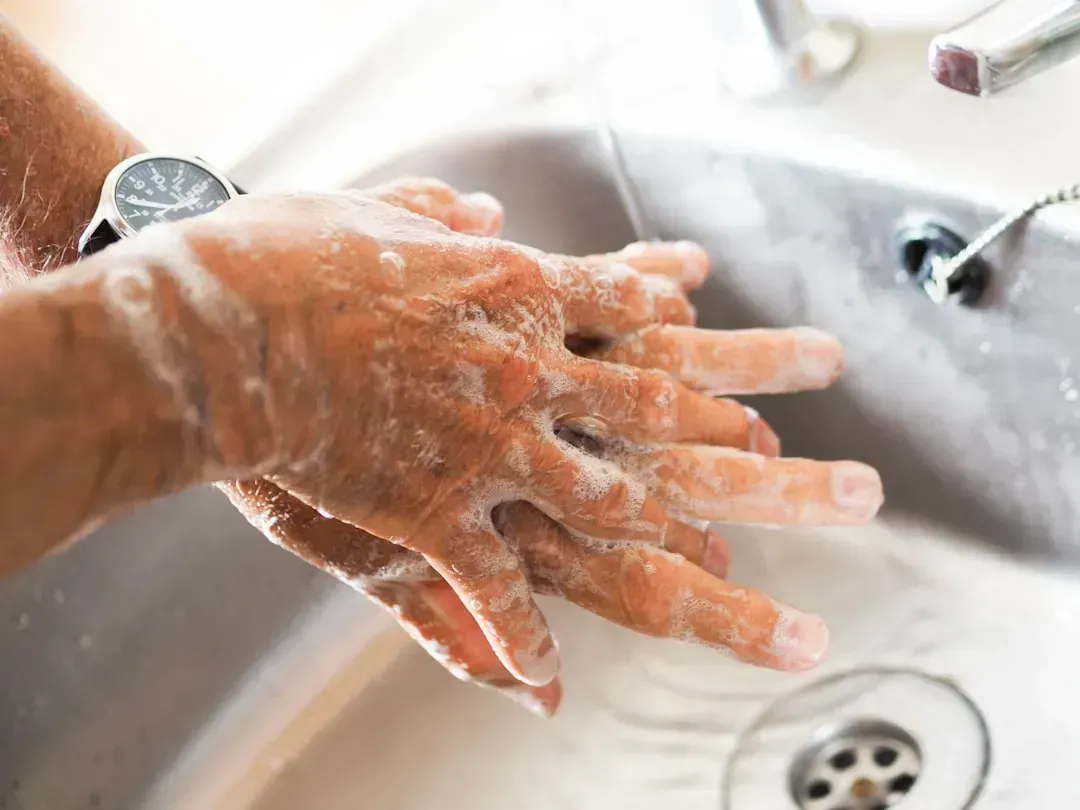
A handwashing policy sounds reassuring. Almost every restaurant has one written down somewhere. Manager interviews revealed that over 85 percent of restaurants had written or verbal policies designed to minimize cross-contamination. Specifically, over 96 percent of restaurants had a handwashing policy. Great, right? Except having a policy and following a policy are two very different things.
Health inspectors frequently flag handwashing and hygiene lapses because even small oversights can spread harmful bacteria. Employees may skip washing after handling raw foods, using the restroom, or touching their face or hair. It happens fast, and it happens quietly, when no one is watching. Including when the inspector is not there.
Contamination actions were more frequent when restaurants did not have a handwashing policy, which confirms the policy matters. But so does enforcing it. Washing hands takes mere minutes, and it's a crucial step in preventing the spread of germs that cause foodborne illness. A foodservice handler who forgets to wash their hands one time could potentially contaminate food. Just once is enough.
What Restaurant Surfaces Are Actually Hiding
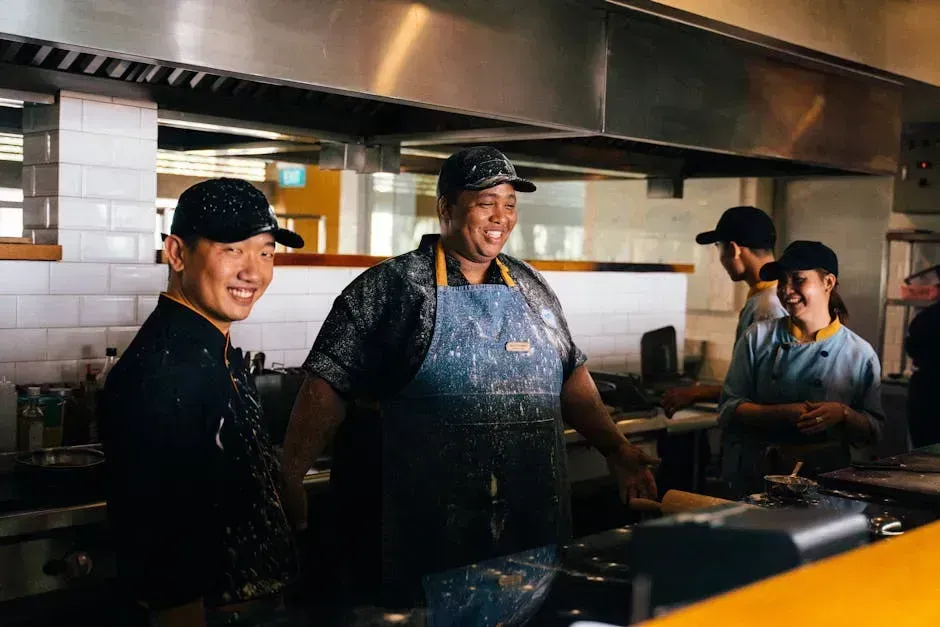
A surface can look spotless and still be dangerously contaminated. This is the unsettling gap between "clean" and "sanitized," and it is one former kitchen workers will tell you about freely. An important distinction: clean is different than sanitized. A clean surface means it is free of visible dirt and crumbs, but that does not mean it is 100 percent sanitary.
A published scientific study measuring contamination on restaurant food contact surfaces found that workers' hands had a cleanliness rate of just 46.43 percent and worktops had a rate of 53.57 percent. The chopping board, worktop, and workers' hands had the highest contamination levels overall. The surfaces doing the most work in the kitchen were also the dirtiest ones.
The buildup of grease on equipment affects the taste of foods and also presents a fire hazard. If the unseen surfaces inside, beneath, and behind equipment are allowed to collect food debris, it attracts pests to the kitchen. Former restaurant workers from the subreddit r/KitchenConfidential have long echoed this same point: what you cannot see is often the most alarming part of any professional kitchen.
Temperature Abuse Is One of the Most Overlooked Risks

Time and temperature control is one of the most important aspects of food safety. All foods must be kept at food-safe temperatures for the appropriate length of time, including hot foods, cold foods, raw foods, and cooked foods. Failing to observe time and temperature control can lead to bacteria growth in foods and the spread of foodborne illness. It is the kind of violation that leaves no visible trace.
Maintaining proper time and temperature controls to keep food out of the danger zone, which ranges from 40°F to 140°F, prevents bacterial growth and foodborne illness. Once food sits in that range for too long, bacteria multiply rapidly. Think of it like a slow countdown that customers never know has begun.
As a rule of thumb, it is generally a good idea to toss food that has been left out at room temperature for over two hours. At that point, the risk of sufficient bacteria colonies forming on the food is high enough that some people may get sick. Food spoilage does not always look, taste, or smell like anything out of the ordinary in the early stages. That is the truly frightening part. You cannot always tell.
What a Quick Look at the Kitchen Door Actually Tells You
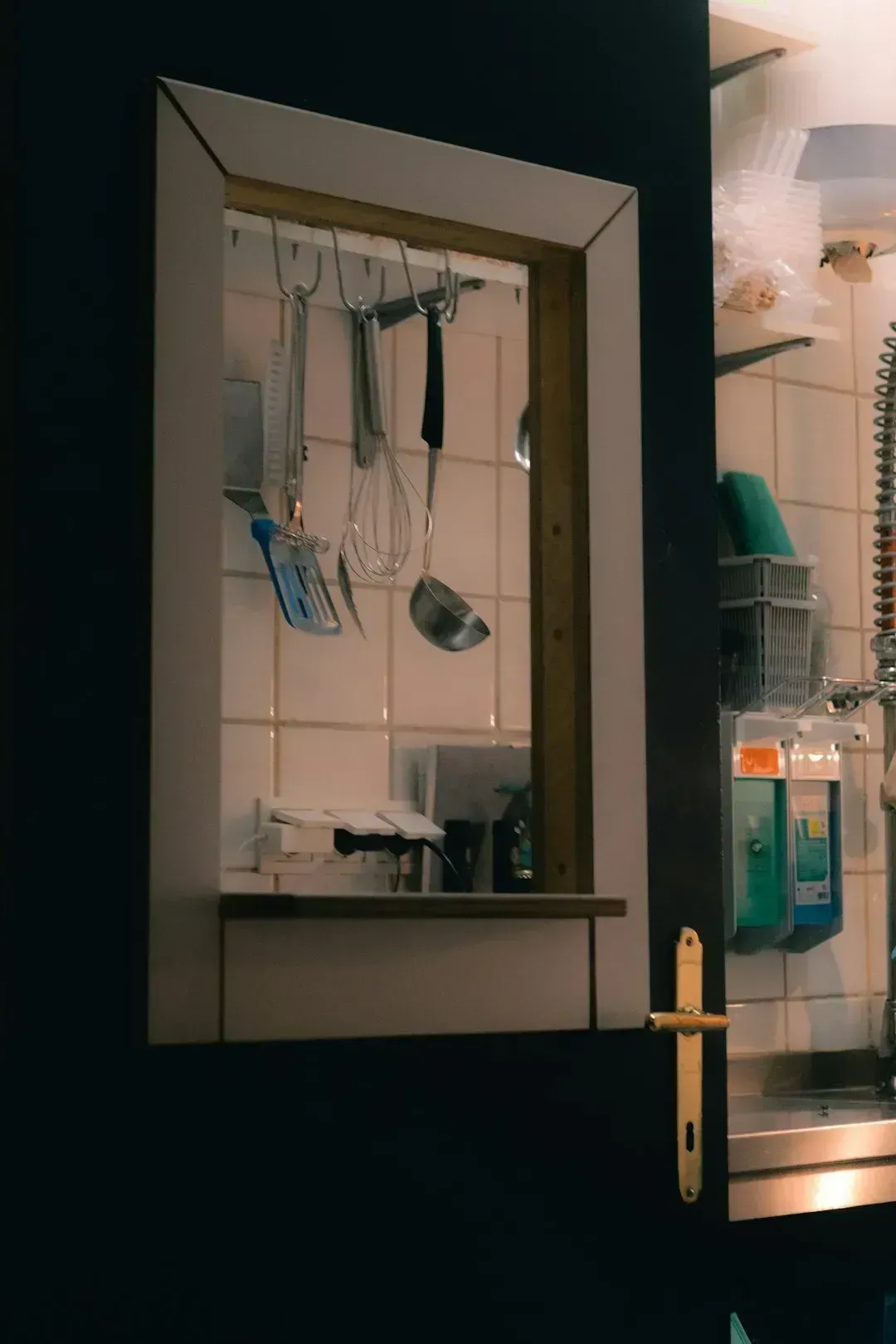
Here is where the practical wisdom of former restaurant staff really comes into sharp focus. Former kitchen workers have noted that one of the cleanest grills you can find belongs to restaurants where the entire cooking process is visible to customers, like Waffle House, where the grill is cleaned with a grill brick every day. Visibility, it turns out, creates accountability. When staff know they can be seen, standards tend to rise.
Watch the kitchen door when a server walks through. Is the kitchen loud and chaotic, or calm and organized? Does the kitchen staff keep their aprons clean, or are they covered in multiple layers of debris from who knows how many service shifts? Improper food storage, poor hygiene, and cross-contamination are leading causes of restaurant health code violations. Cleaning, sanitization, and waste management are essential for preventing unsafe conditions and failed inspections. Pest control and proper plumbing maintenance are also critical for keeping kitchens sanitary and compliant.
According to Jolt restaurant cleanliness statistics, 66 percent of customers will not revisit a restaurant with bad food hygiene, and 75 percent of people will not go back to an establishment implicated in a food poisoning or hygiene-related incident unless it has changed ownership. Your gut reaction at the door is often more accurate than any star rating.
High-Profile Outbreaks Show No Restaurant Is Immune
It is tempting to think this is all a problem for grimy, back-alley establishments. It is not. When health officials traced a nationwide E. coli outbreak to slivered onions used in the McDonald's Quarter Pounder in late 2024, more than 100 people across 14 states were sickened and dozens were hospitalized. Despite McDonald's quick response, including pulling the onions from menus and issuing a public apology, the damage was already done.
Statistics show a worrisome rise in food safety infractions from 2024. Reports from different areas showcase contaminated food, poor hygienic standards in restaurants, and false labelling of food goods. The supply chain feeding modern restaurants is long and complex, and contamination can enter from many points before a single plate ever reaches your table.
The true number of people sickened in foodborne illness outbreaks is likely much higher than those confirmed as outbreak patients. The CDC estimates that for every Salmonella patient confirmed, there are actually 29 patients in reality. Most food poisoning cases simply go unreported, undiagnosed, and silently attributed to "a stomach bug." The actual scale of the problem dwarfs the official numbers by a wide margin.



Leave a Reply