
Most people walk into a restaurant thinking about the menu. Maybe the ambiance. Who they're with. What they'll order. But here's what almost nobody thinks about: that very first moment when your server arrives at your table is loaded with information - and experienced servers say it tells you everything you need to know about the meal ahead.
There's a whole invisible language happening at your table before you've even asked for water. Former servers know exactly what to look for, and once you understand it, you'll never sit down at a restaurant the same way again. Let's dive in.
1. The Introduction - Or the Lack of One
The single most revealing first action a server can take at your table is whether they introduce themselves by name. It sounds almost too simple to matter. Honestly, though, this one small gesture is backed by real data.
A study done in southern California found that half of the waiting staff greeted their tables with their names and the other half didn't - and the difference in tips was significant. The group who introduced themselves received an average tip of roughly 23% compared to just 15% for those who did not. That's a massive gap triggered by about three words.
Greeting and introducing by name proved to cause much greater tips than in the no-name group. Of course, the greeting must be genuine and friendly. It doesn't matter what you say if you say it in a surly way. So when your server opens with their name, take it as a good sign - the meal has a solid foundation.
2. Whether They Make Eye Contact Right Away
Eye contact is one of the fastest signals a server sends you from the moment they approach. It may feel like a small thing. It isn't.
Great eye contact sends a message of welcome and sincere interest. Lack of, or poor, eye contact sends the message that you have no time for, or interest in, the most important person on your premises - the customer. A server who can't quite meet your gaze in the first few seconds is already signaling distraction or disengagement.
Confident, open posture and maintaining eye contact make guests feel at ease. Slouching or avoiding eye contact, on the other hand, can come off as disinterest. Think of it like a handshake. A limp, distracted handshake tells you something. So does an averted gaze.
3. The Smile - Genuine vs. Painted On
Every training manual in the restaurant industry tells servers to smile. The question is whether the smile is real. Customers are far better at detecting a fake smile than most people realize.
A study conducted in a cocktail bar in Seattle found that smiling more often could double the tip for the server. However, people can tell a genuine smile from a fake one - so it has to be real. That finding alone should tell you how much weight this single gesture carries.
Smiling is a well-known tactic of social influence. Research has confirmed the cultural wisdom regarding smiling: smiling people are perceived as more attractive, sincere, sociable, and competent than unsmiling people. Therefore, servers who smile receive larger tips. When a server arrives at your table with a warm, authentic smile, the entire atmosphere of the meal shifts before a single order is placed.
4. How Quickly They Acknowledge You After You Sit

Here's something former servers rarely spell out for customers: the clock starts the moment you sit down. Speed of acknowledgment is one of the clearest markers of how the rest of your experience will go.
Research shows that guests who receive acknowledgment within 10 seconds of entering report roughly 30% higher satisfaction rates, regardless of wait times. That means even a simple nod or a "I'll be right with you" can transform a guest's perception of the whole visit.
When guests sit for too long at a table without a waiter acknowledging their presence, they consider it rude. While your guest can usually understand you are busy and may not be able to greet them at the table right away, they do expect some basic signal that you are aware of their presence. It's not about speed. It's about being seen.
5. Whether They Read Your Body Language First
Experienced servers don't just walk up and launch into a scripted greeting. The best ones take a fraction of a second to read the table before saying a word. And according to former servers, this quick reading process starts the moment they approach.
Hospitality professionals notice body language first, as it can be seen from a distance and helps determine how to approach a person. For example, if you stride quickly to your table, immediately open the menu and avoid eye contact, it signals that you prefer efficiency and minimal interaction.
Servers are expert body language readers. Everything from the position of your shoulders to where you put your phone reveals important information about who you are, what you want out of the dining experience and how your waiter will interact with you. Think of it less like being judged and more like being understood before you've even opened your mouth.
6. Whether They Scan the Table Composition Immediately
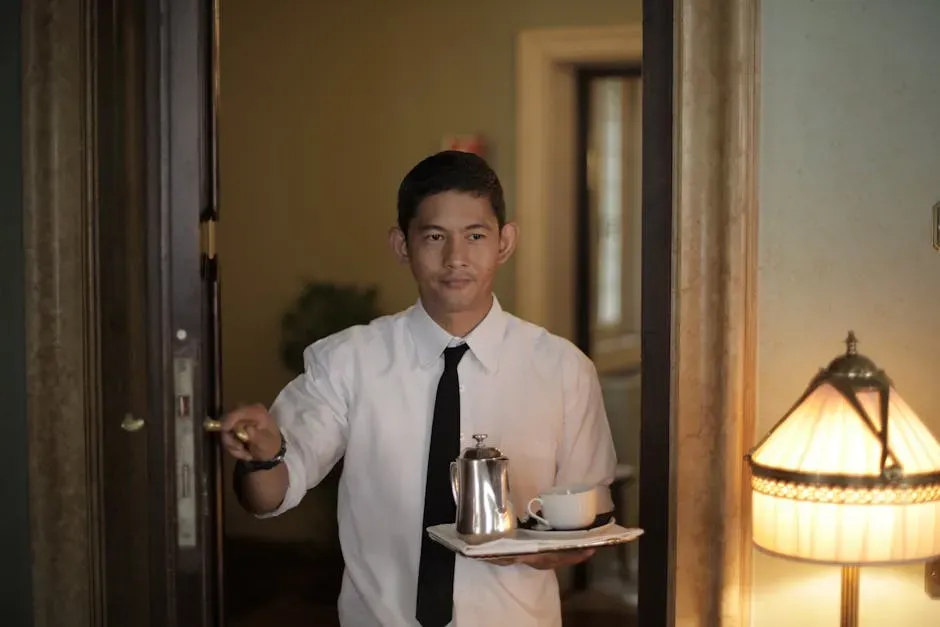
One thing former servers are nearly unanimous about: they size up who is sitting at the table within seconds. This isn't about being nosy. It's a practical survival skill that shapes every service decision from that point forward.
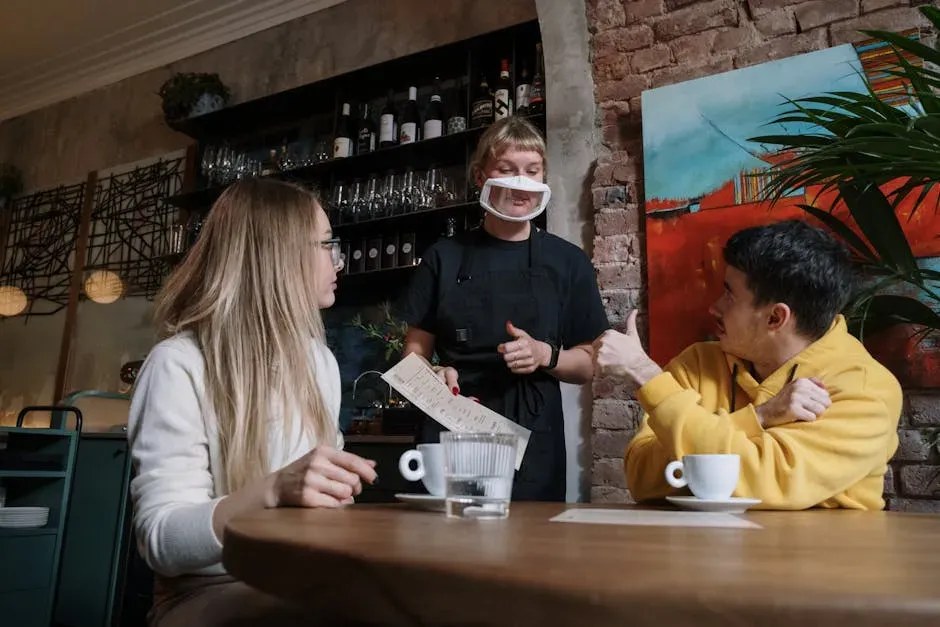
Waiters are also paying close attention to your dining group as you approach. Are you alone, with a date, or part of a large gathering? Solo diners may appreciate prompt service with minimal interruptions, while a couple on a date might prefer a slower pace to enjoy the conversation. Large, lively groups typically need more service overall but less individual attention.
Smaller parties, like families or close friends, might expect personalized recommendations or tailored service. Details like these help waiters and restaurant professionals adjust their approach to provide the best experience for each guest. Whether it's knowing when to deliver speedy service or recognizing when a diner might want to linger, these quick assessments happen before you even sit down.
7. The Mood Check - Did They Pick Up on the Energy?

Let's be real. Not every table is the same. Some guests are celebrating. Some are stressed out from a long workday. Some are deep in a difficult conversation. A skilled server clocks all of this in seconds - and adjusts.
A table radiating positive energy tends to get more playful banter, while a tense or tired table receives more straightforward, efficient service. This mood assessment isn't superficial - it's practical. If someone seems irritable or impatient, the server knows to prioritize speed and minimize small talk.
In 2024, satisfaction with full-service dining increased by 4% to a score of 84 out of 100, suggesting that many servers are successfully adapting their approach to match customer expectations. A server who reads your mood correctly in that first approach is already putting you on track for a great experience.
8. Whether They Notice Who the Decision-Maker Is
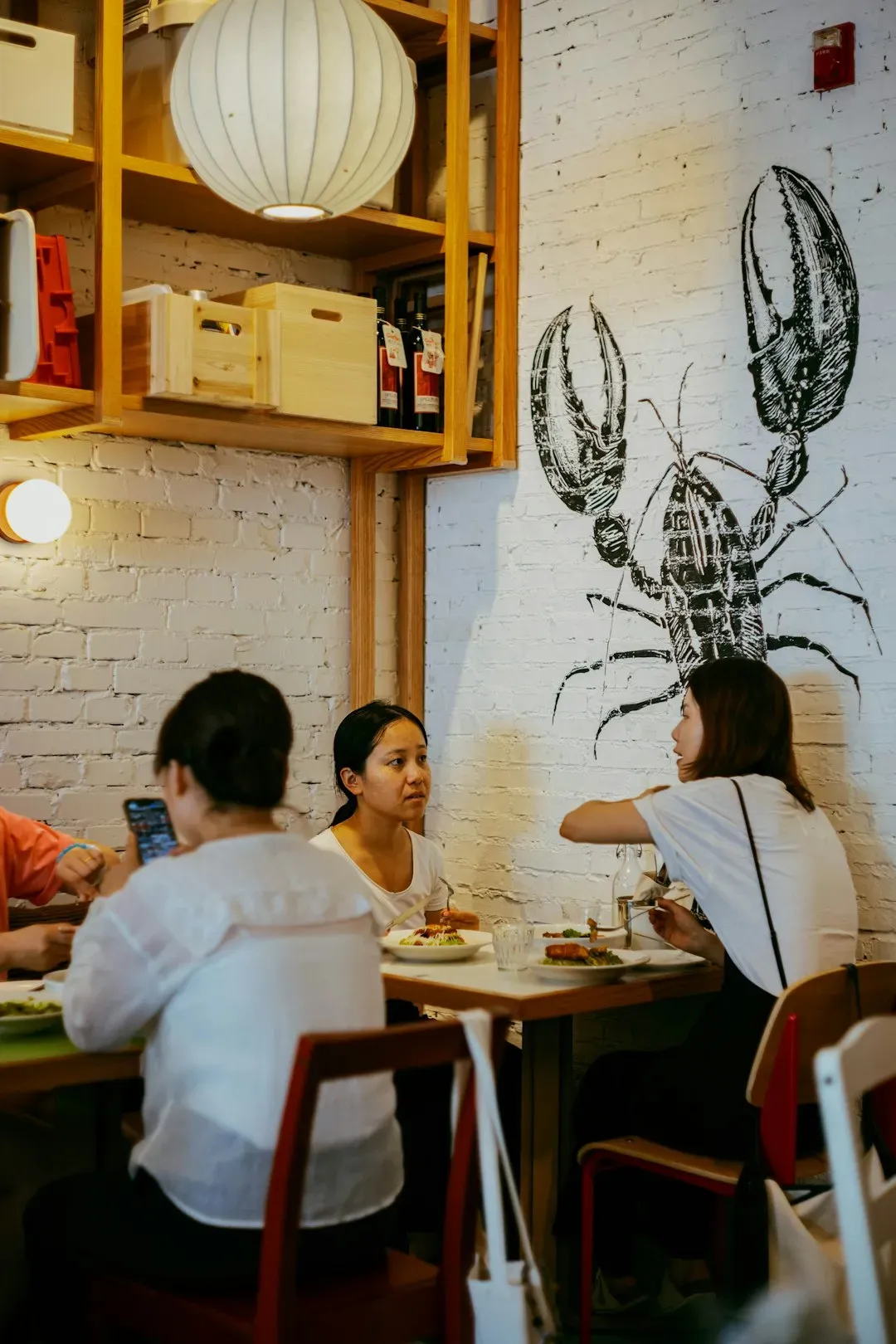
This one is subtle. Blink and you'll miss it. Seasoned servers have an almost eerie ability to identify, within the first table interaction, who is leading the group. Who holds the menu longest. Who speaks first. Who everyone else glances at.
Within moments, servers figure out who's calling the shots. Who's holding the menu longest? Who's asking all the questions? Someone who insists on ordering for the whole table, dominates the conversation, or is very demanding sends clear signals about table dynamics. Smart servers adapt their focus accordingly - they'll direct questions to the decision-maker but remain inclusive of everyone.
It's like watching a quiet chess move. The best servers don't ignore the rest of the table - but they know exactly who to anchor their communication to. Notice whether your server catches this dynamic in the first sixty seconds. It's a tell for how finely tuned their instincts really are.
9. Whether They Present Themselves Professionally at First Glance
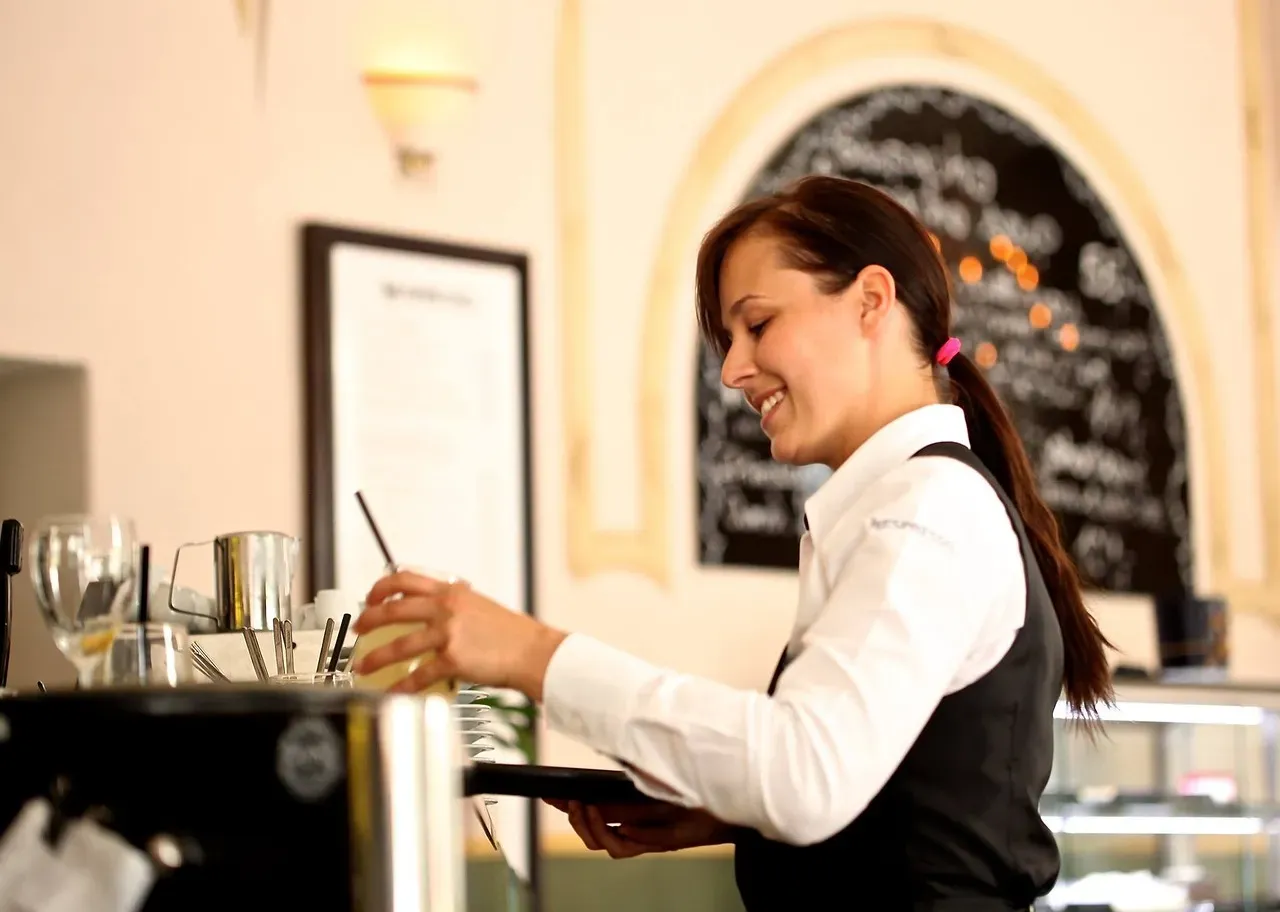
Before a word is spoken, your server's appearance speaks for them. Former servers are well aware that their physical presentation is part of the first impression - and it signals something to every table they approach.
A waiter's presentation is a reflection of the restaurant's overall standards. Wearing a clean, well-ironed uniform and maintaining good hygiene speaks volumes about professionalism. A server who arrives looking polished and composed is, in a way, making a silent promise about the quality of service to come.
A guest's first impression is more than just a greeting - it's the foundation of their experience. By mastering timing, warm greetings, observation, conversation, and discretion, servers can create a lasting impact that keeps guests coming back. That foundation is built in literally the first few seconds. You set the tone or you don't.
10. Whether They Make the Interaction Human or Transactional
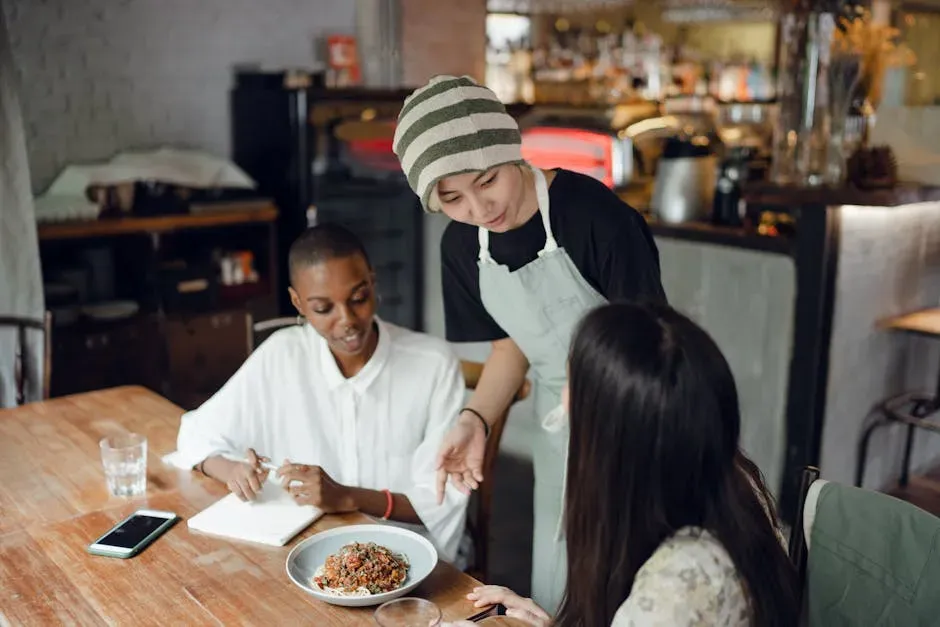
Here's the thing that separates a good meal from a forgettable one. It often has nothing to do with the food. When a server approaches your table and immediately makes you feel like a person - not a table number - the whole experience changes.
Small talk is one of the most essential skills a waiter can develop. It's not just about filling silence; it's about creating a personal connection that enhances the guest's experience and leaves a lasting impression. Great waiters make small talk look effortless, but behind the scenes, they've mastered the art of engaging guests with confidence and ease.
This was the first thing experienced servers noticed every single shift. Some people would look right through the server when introduced. Others would actually look at them when they spoke, catch their name, and use it throughout the meal - not weirdly, just naturally. The irony is that this works both ways. When a server makes that human connection first, the guest tends to reciprocate. A positive customer experience can lead to customer satisfaction, loyalty, and positive word-of-mouth recommendations. Meanwhile, a negative experience can result in lost business and damage to the restaurant's reputation.
That first moment at your table is never just a greeting. It's a quiet handshake between two people agreeing to make the next hour or two worth something. The next time you sit down at a restaurant, pay attention. Does your server introduce themselves? Do they smile like they mean it? Do they look at you - really look at you - or are their eyes already somewhere else? You'll know within about thirty seconds whether you're in good hands. What do you think - have you ever noticed these signals before?


Leave a Reply