
The kitchen feels like a safe place. Warm, familiar, full of good smells. Most people spend years in there without ever questioning what they're doing. Yet behind that comfort hides a surprisingly dangerous room, one that accounts for approximately 60% of all reported home accidents, making it the most hazardous room in the house.
Kitchen hacks promise to save time, cut effort, and make you look clever. Problem is, some of the most popular ones are genuinely risky, and professional chefs have been sounding the alarm for years. What's truly surprising is that people keep doing them anyway. Let's dive in.
1. Washing Raw Chicken to "Clean" It

This one has been passed down through generations like a family heirloom. Grandma did it, mom did it, and now millions of home cooks still rinse their raw chicken under the tap thinking it removes bacteria. Honestly, it does the opposite.
Rinsing raw poultry spreads bacteria like Salmonella and Campylobacter through water droplets that can travel up to three feet across countertops, cutting boards, and even nearby dishes. Biological hazards like harmful bacteria and viruses found in raw or undercooked food can cause dangerous foodborne illnesses such as E. coli, Salmonella, and Norovirus. These pathogens are invisible, and a quick rinse simply redistributes them.
Nearly 48 million Americans fall ill from foodborne illnesses each year, and contaminated poultry handling is a major contributor. The only thing that actually kills bacteria on chicken is heat. Cooking it to the correct internal temperature eliminates the risk entirely. No rinsing required, ever.
2. Using a Dull Knife Because It "Feels Safer"
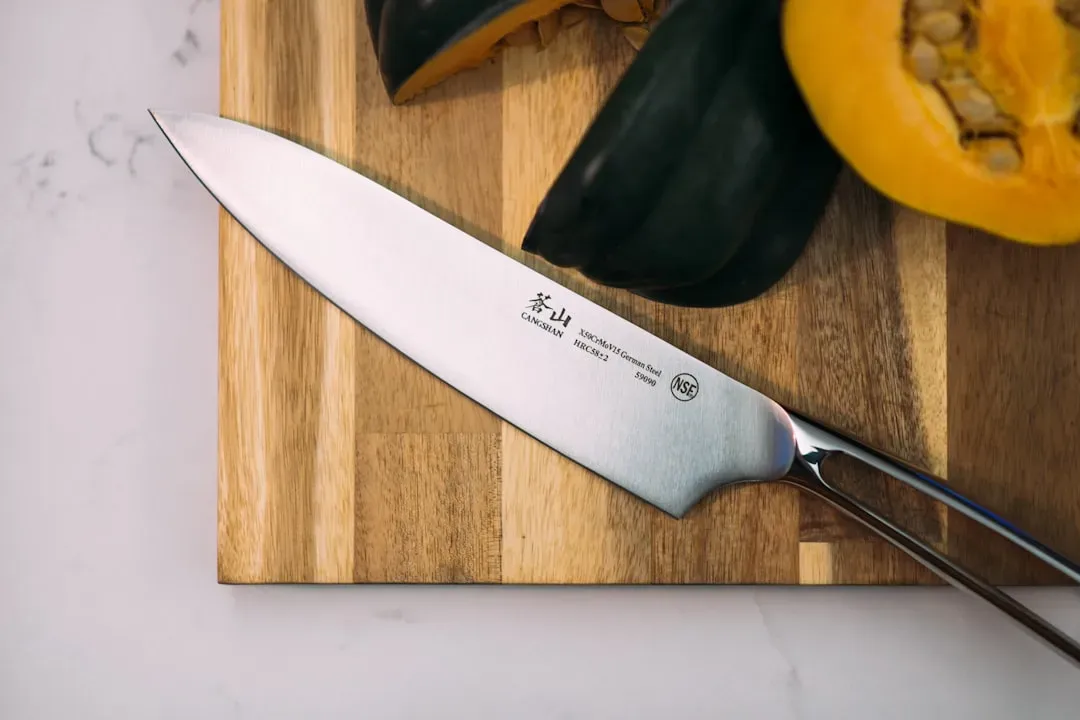
Here's the thing, this might be the most widespread misconception in home cooking. The logic seems reasonable: a duller blade can't cut as deeply, right? Wrong. Dead wrong, actually.
Keeping knives sharp actually leads to fewer injuries, because dull knife blades are more likely to slip since they require more pressure to cut. That extra pressure means less control. When the blade skips off a tomato skin or a carrot, it tends to head straight toward fingers.
Approximately 350,000 people require a visit to the emergency room for kitchen knife injuries each year, and many of these injuries occur from incorrect cutting techniques or by using a knife as a makeshift tool. Over 60% of kitchen accidents involve cuts from knives or other sharp objects, and a significant portion of those come from dull, poorly maintained blades. Sharp knives cut where you aim them. Dull knives go wherever they want.
3. Thawing Frozen Meat on the Kitchen Counter
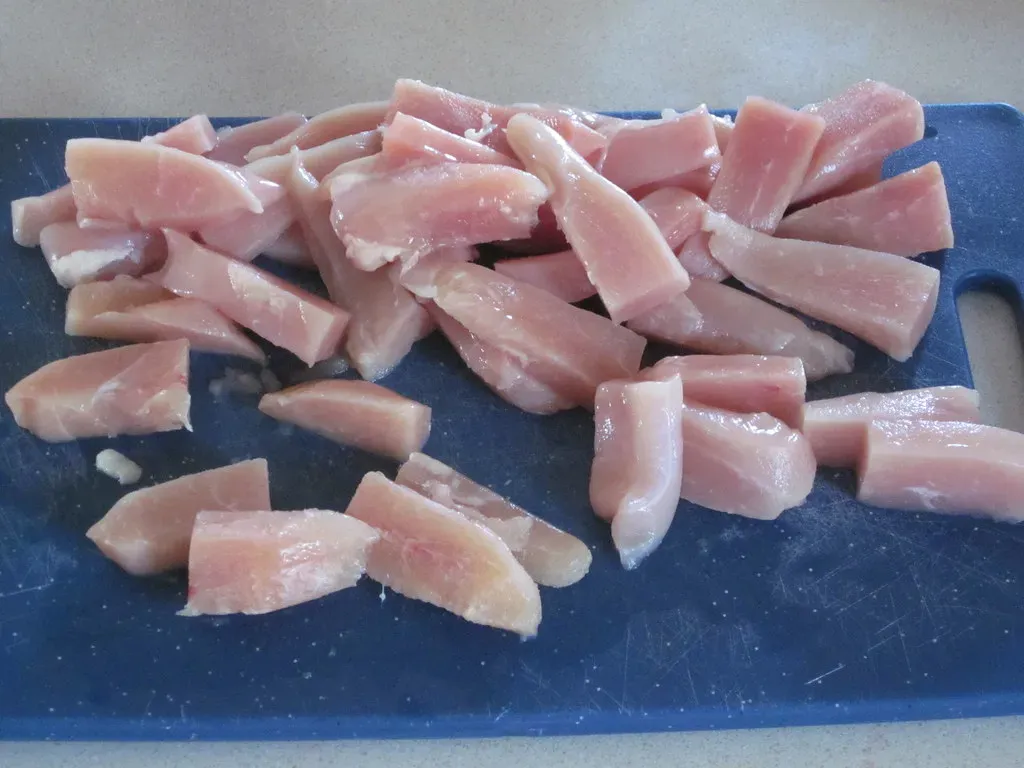
You forgot to take the chicken out of the freezer last night. It's 5 PM and dinner is in an hour. So you put it on the counter and hope for the best. Millions of people do this every single day. Chefs, food scientists, and food safety authorities all agree it's a genuine hazard.
The problem is what is called the "danger zone." Bacteria are only killed at temperatures of 165°F or higher, and while cold temperatures slow bacterial growth, they don't eliminate it. Meat left sitting at room temperature passes through the bacterial sweet spot for hours while the center remains frozen. The outside is already breeding pathogens while the inside hasn't even started to thaw.
The safe alternatives are thawing in the refrigerator overnight, under cold running water in a sealed bag, or using the microwave's defrost setting and cooking immediately. These food hazards are especially dangerous because they are invisible and can spread quickly through poor hygiene or improper food storage. The fact that the meat still looks and smells fine makes counter thawing feel safe. It's not.
4. Cutting an Avocado in Your Hand
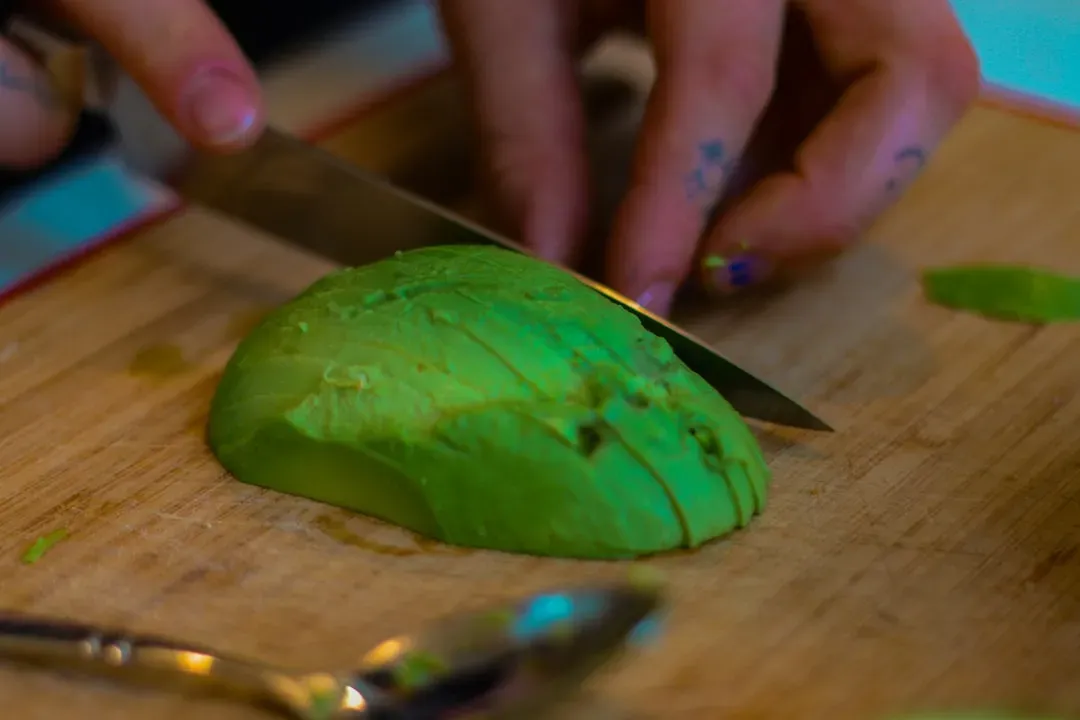
Social media turned this into a badge of culinary confidence. You've seen it a hundred times, someone holding an avocado in one palm and slicing it lengthwise with a large chef's knife. It looks effortless and professional. Emergency rooms have a name for what happens when it goes wrong: "avocado hand."
A chef-instructor at the Institute of Culinary Education noted that certain hand-held knife techniques involve "a lot of work," and warned that a knife blade could easily slip sideways during such maneuvers. The avocado's skin is tough and slippery, and the moment the knife breaks through, it continues toward whatever is holding it steady, which is your palm.
Many kitchen injuries occur from incorrect cutting techniques, like slicing a bagel or avocado in your hand. The safest method is always placing the avocado flat on a cutting board before using a knife. It takes two extra seconds. Those two seconds are worth it every single time.
5. Using Wet Oven Mitts to Handle Hot Pans
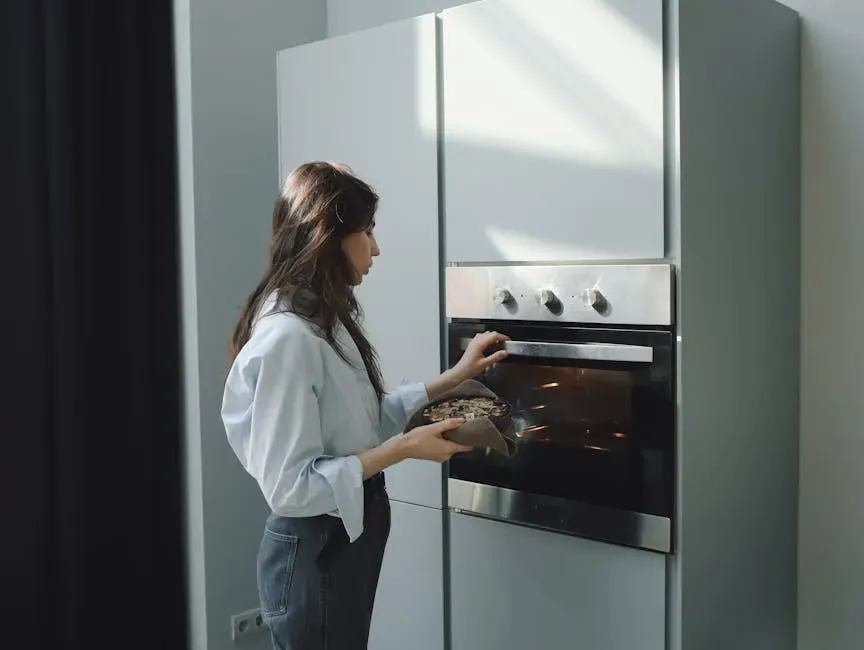
This one surprises people because the logic feels sound. A wet cloth is just a cloth, right? Water doesn't burn. Except it absolutely does, in the wrong context, and this particular hack sends people to the sink running cold water over their hands far too often.
Never use a wet oven mitt, as the steam created inside when the fabric is heated can seriously scald your skin. The moisture turns to steam almost instantly when it contacts a hot pan surface, and steam burns are nasty. Reaching over a vigorously steaming pot is incredibly dangerous, and research has shown that steam penetrates through the skin pores onto the lower skin layer, the dermis, causing severe second-degree burns before you even realize what happened.
Each year, an estimated 486,000 burn injuries occur in the U.S., equating to one every 65 seconds. Over 53% of home cooking injuries are caused by contact with hot objects or surfaces. Dry, thick oven mitts or silicone pot holders are the only safe tools for handling anything that comes off a hot burner or out of an oven.
6. Putting Water on a Grease or Oil Fire
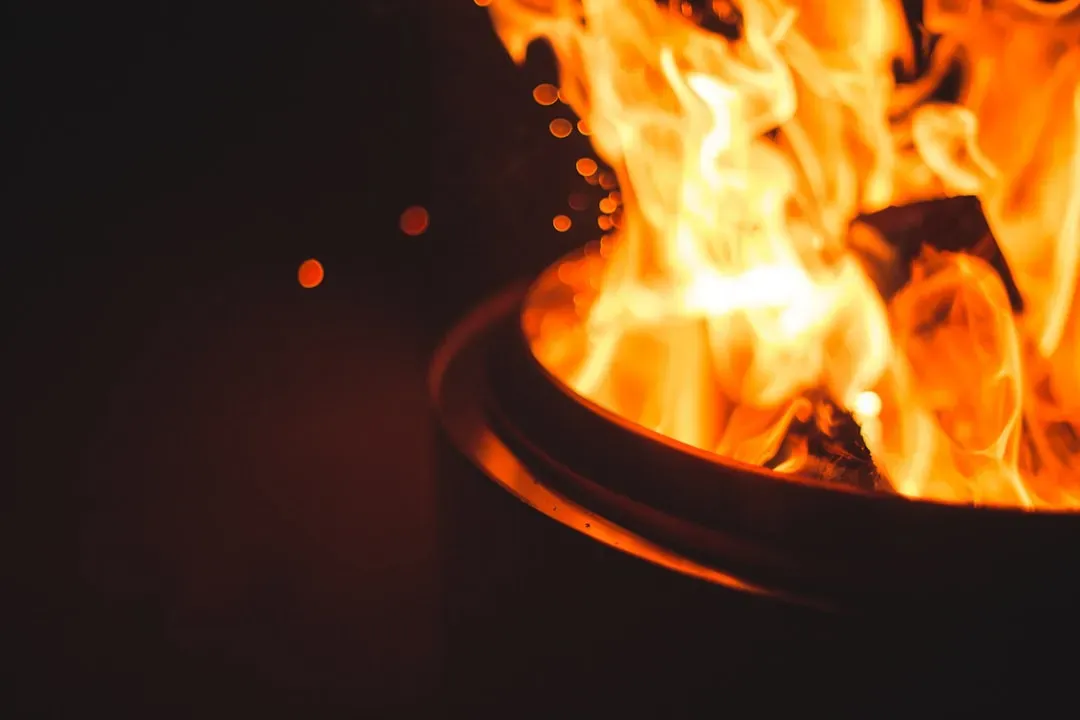
This is perhaps the most genuinely dangerous hack on this list, not because it's a subtle risk that builds over time, but because it can turn a small kitchen fire into a catastrophic one within seconds. Yet the instinct to throw water on flames is almost hardwired into people.
Cooking oil or grease fires lead to 75% of injuries and 78% of direct property damage in fires related to cooking material or food ignition. Never use flour or water to extinguish a cooking fire. Flour is combustible, and water can cause the fire to spread explosively, as the water instantly vaporizes into steam that flings burning oil in every direction.
Cooking is responsible for an average of 158,400 reported home structure fires annually in the U.S., representing 44% of all home fires, resulting in about 470 civilian deaths and 4,150 civilian injuries each year. The correct response to a small grease fire is to slide a lid over the pan and turn off the heat. That's it. Simple, calm, and actually effective.
7. Using the Microwave to Heat Sealed or Whole Eggs
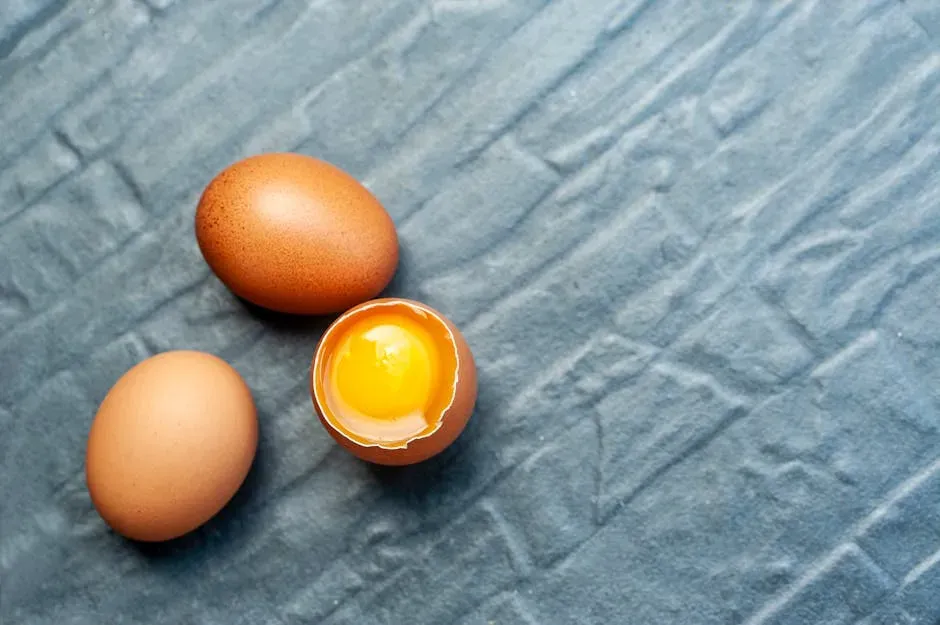
It sounds convenient, even clever. Why boil water when you can just pop an egg in the microwave? People do this regularly, either trying to hard-boil eggs or simply reheat a whole, in-shell egg. It consistently ends badly, and I think the reason it keeps happening is that most people only learn the hard way.
Microwaves cause approximately 10,000 kitchen injuries annually, the majority of which are burns. When you heat a whole egg in the microwave, pressure builds rapidly inside the shell. The egg can explode either inside the microwave or, in a particularly nasty scenario, directly in someone's face or hands when they pick it up after heating. Even peeled, whole hard-boiled eggs are risky to reheat in the microwave for the same pressure-related reason.
Microwaves can pose a fire risk if there is no moisture in the food, as dry items can overheat and ignite. Beyond eggs, sealed containers, grapes, and certain dense foods all carry similar superheating risks. Chefs consistently warn that the microwave is a powerful appliance that demands respect, not shortcuts. Over 60% of kitchen injuries are preventable with proper kitchen safety measures, and this one is among the easiest to avoid simply by never placing a whole, sealed egg in the microwave under any circumstances.




Leave a Reply