
That dusty box of colorful plastic containers sitting in grandma's attic might be hiding more value than anyone realizes. The vintage Tupperware market has exploded in recent years, with collectors paying premium prices for specific colors, patterns, and discontinued lines. What started as humble kitchen storage has quietly evolved into a full-blown collectibles category, with demand surging even further after a seismic moment in the brand's history. Tupperware, the brand synonymous with food storage in American homes, filed for bankruptcy after years of struggling with its business model and debt - the brand having written itself into American culture after its founding in the 1940s by popularizing the "party" style of sales for its tight-sealing tumblers, bowls, and cookware. That bankruptcy, filed in September 2024, did something unexpected: it made vintage pieces even more desirable. A surprising truth is that Tupperware's near-collapse actually boosted its appeal. Scarcity psychology dictates that when something becomes rare or endangered, desire grows - and the bankruptcy created artificial scarcity, turning containers in kitchens into genuine collectibles.
1. The Wonderlier Bowls - Tupperware's First Icon
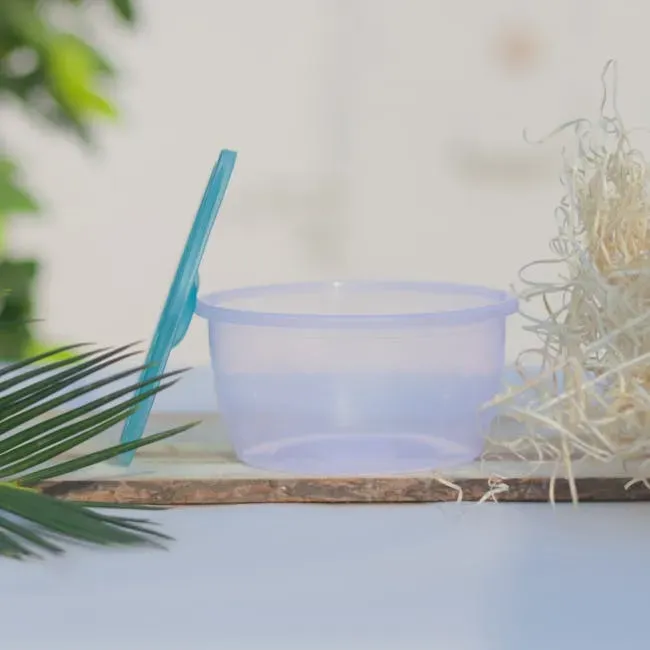
The Wonderlier Bowl was one of Tupperware's very first products, introduced in the 1940s with its signature "burping" lid. These bowls were often sold in sets, and colors range from frosted white to pastel to the warm earth tones of the 1970s. They are the foundation on which the entire Tupperware empire was built, and for collectors, they remain the most recognizable entry point into the hobby. Using low-density polyethylene plastics, Earl Tupper created the Wonderlier line, producing pieces that proved incredibly durable over the decades.
If you have a complete Wonderlier set in good shape, you are looking at around $175. Even individual bowls carry real value on the resale market. Sets sell for more, but even a single bowl with a lid will earn you $20 or more. The key to maximizing value here is color and completeness - pink pieces are especially tricky because that color fades dramatically, so if you find unfaded pink Tupperware, that is a particularly big deal because most of it has lost its color by now.
2. The Bell Tumbler - Born from World War II
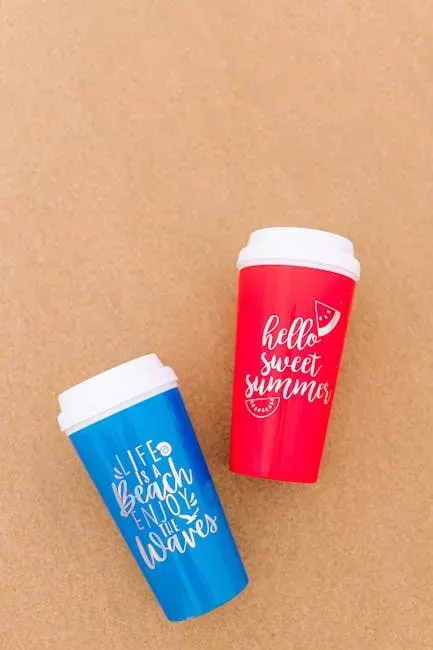
Earl Tupper first invented the Bell Tumbler to serve as a drinking vessel for soldiers in World War II, and after the war ended, he used the same technology to launch his broader line of bowls. The Bell Tumbler is therefore one of the oldest Tupperware lines in existence, and its history gives it a gravitas that purely domestic pieces simply cannot match. Released alongside the Wonderlier line, the Bell Tumbler was actually a byproduct of creating plastics to be used in WWII radars - and looking for non-military uses, Earl Tupper employed injection molding to craft these durable cups, which became staples lasting for decades.
Even after seven decades, Bell Tumblers remain much appreciated, and online these tumblers go for between $30 and $40. Complete sets in their original pastel colors command the strongest prices. The iconic mid-century carousel caddy that usually accompanied the Bell Tumblers comes with six 16-ounce pastel tumblers in blue, pink, peach, green, yellow, and white - and what makes it so clever is that the carousel separates into three pieces, with tumblers fitting snugly into cup holder sections. Originally designed for entertaining, this space-age caddy is now a sought-after collector's piece.
3. The Millionaire Collection - Atomic Age Ambition in Plastic
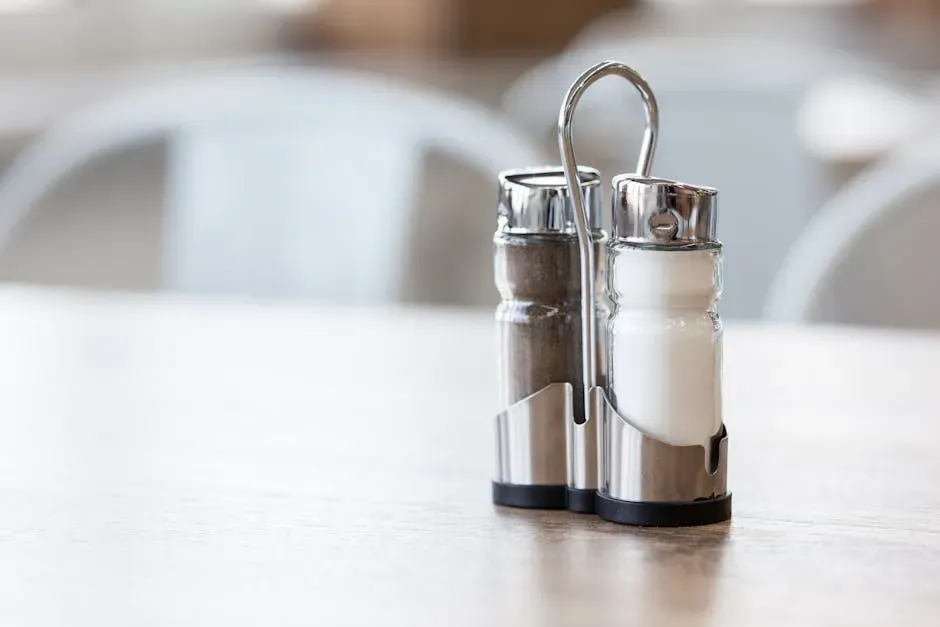
The Millionaire Collection was created in the 1960s and features strong mid-century modern influences with elements such as tapered legs and simple colors. This product line was designed to appeal to social climbers and was heavily influenced by the atomic age. It perfectly captured the optimism of postwar America, when space-age aesthetics filtered into everything from architecture to kitchen accessories. The collection represents one of the most visually distinctive chapters in Tupperware's design history.
As part of this popular Millionaire Collection, the salt and pepper shaker set stands out with its atomic-era design, featuring distinctive mini salt and pepper shakers with an atomic-age tripod stand. A lightly-used model with the lettering still on the shakers can sell for up to $60 to $120. This piece perfectly captures the space-age optimism of the 1950s and 60s, when everything from coffee shops to home decor embraced sleek, futuristic lines.
4. The Servalier Canister Line - The Harvest Gold Jackpot
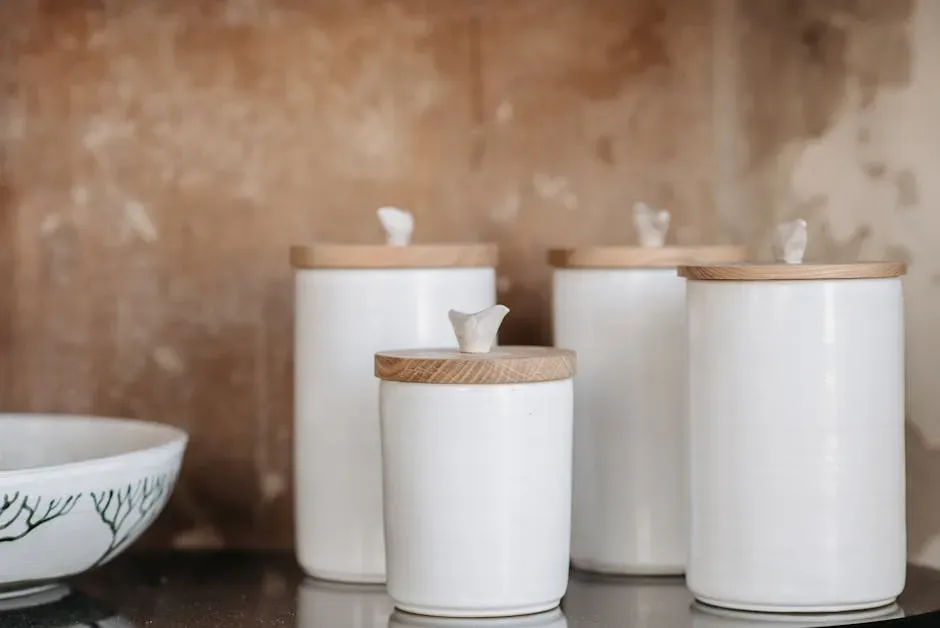
The Servalier line, also known as the "Astro" line, was created in the 1970s and is most recognizable by its three-dimensional sunburst or fan-shaped lids. Dating from the 70s, these pieces most commonly come in earthy and autumnal colors that were indicative of the era's styles. Think avocado green, harvest gold, and burnt orange - colors that are so specific to that decade that they practically conjure the smell of a 1970s kitchen on their own. Originally introduced in the 1960s, the Servalier line came in all sorts of fun colors and featured an "instant touch" seal that required only one finger to get Tupperware's famous airtight seal.
Eight Servalier containers in harvest colors have sold for $90 despite some wear, with one lid cracked and one bowl bearing a melt mark - but the buyer did not care. Harvest colors define 70s kitchen style, and Servaliers were Tupperware's answer to canisters. One of the most coveted sets from this era is the nesting Servalier canisters, which sell for around $75 for a set of three in mint condition. Rarity of color matters enormously here, as the more iconic the shade, the higher the price collectors will pay.
5. The Cake Taker - The Party Piece That Pays
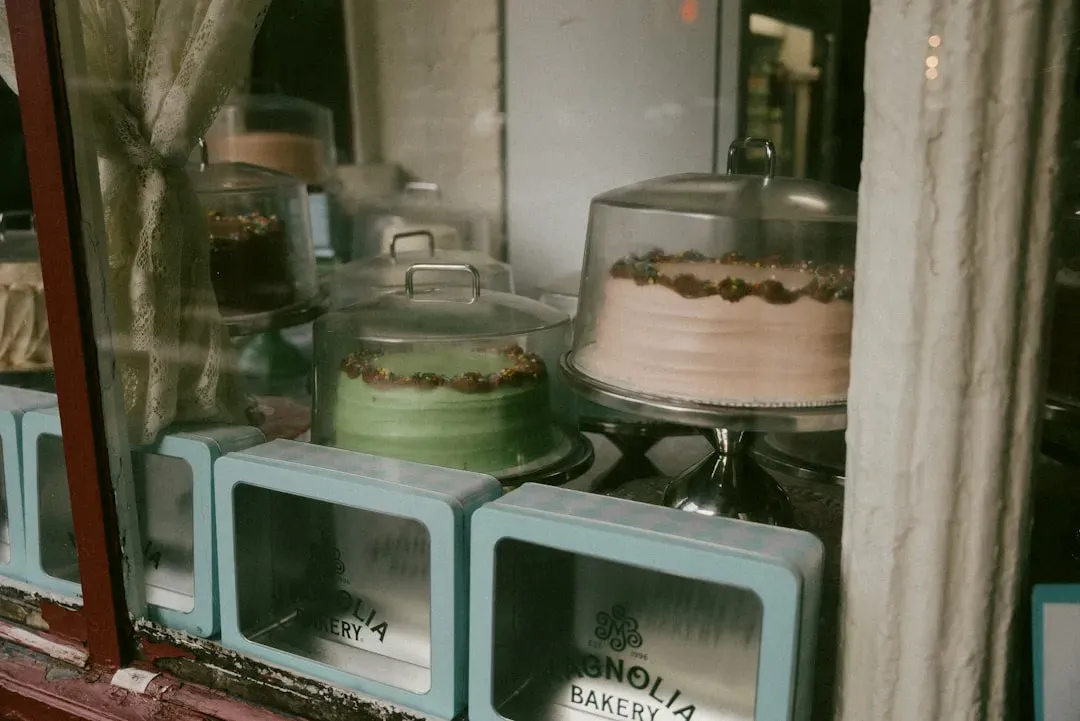
Based on Tupperware's successful Pie Taker from the 1950s, the Cake Taker made it far easier for people to bring cakes to parties and events, and a Cake Taker from the 1970s is worth $20 to $25 today and remains just as practical as ever. It may seem like a simple transport container, but collectors prize it for exactly that reason: it was utilitarian, got used constantly, and surviving examples in good condition are becoming harder to find. Desirability depends on the size, shape, and the presence of the original handle - and round cake takers are currently fetching higher prices than rectangular ones.
Like most vintage and antique items, the condition of vintage Tupperware is a huge factor in its value. Discoloration, cracks, and other damage can decrease what a container is worth, and those in like-new condition are worth the most. A Cake Taker with its original handle, matching lid, and deep, vibrant color can easily surpass the lower end of current market prices. Items in mint condition, especially with original lids, fetch higher prices, and certain colors - like classic avocado green or bright orange - are more sought after overall.
6. The Blockbuster Popcorn Bowl - Nostalgia Squared

Collectors these days are increasingly nostalgic, which is probably why the Blockbuster-branded Tupperware popcorn bowl is going for up to $72 on eBay. Even without the lid, this is a rare and valuable Tupperware find - and if the bowl comes with an old Blockbuster membership card, the seller could make even more. This piece is a perfect storm of two vanished cultural institutions colliding in one collectible object. It layers the nostalgia of Tupperware on top of the nostalgia for Blockbuster Video, making it irresistible to a very specific and passionate group of buyers.
Limited production runs, experimental designs, and pieces that only sold in certain regions are the ones collectors fight over. The Blockbuster bowl fits squarely in that category - it was a promotional item, produced in limited quantities, and tied to a brand that no longer exists. Promotional items like those Blockbuster popcorn bowls are going for $50 and above these days, and if you happen to have an old Blockbuster membership card to go with it, even better. Condition still matters, but rarity is doing the heavy lifting on this one.
7. The TupperToys Stencil Set - Grandma's Secret Treasure

Many people never realized that Tupperware sold toys, though you have probably seen several of them before. The TupperToys stencil set was once quite popular - it comes in a hard case with multiple stencils of animals, letters, basic shapes, flowers, and more. The fact that Tupperware ventured into the toy market surprises most people, and that surprise factor itself tends to drive collector curiosity. These sets were marketed to children but often ended up forgotten in toy boxes and attics, which means surviving complete examples are legitimately rare today.
One particularly sought-after Tupperware toy set from 1986 combined the brand's practical side with children's play. The Noah's Ark themed set included animal-shaped pieces that worked as both cookie cutters and bath toys, and it was part of Tupperware's Tuppertoys line, designed to be educational while still being fun - a colorful mid-1980s idea that is rare to find today. From measuring cups to serving bowls to children's toys, buyers on eBay will pay more than you might expect for these plastic items from yesteryear, even if you have lost the lid.
8. The Sealed 1970s Picnic Set - The Unopened Holy Grail
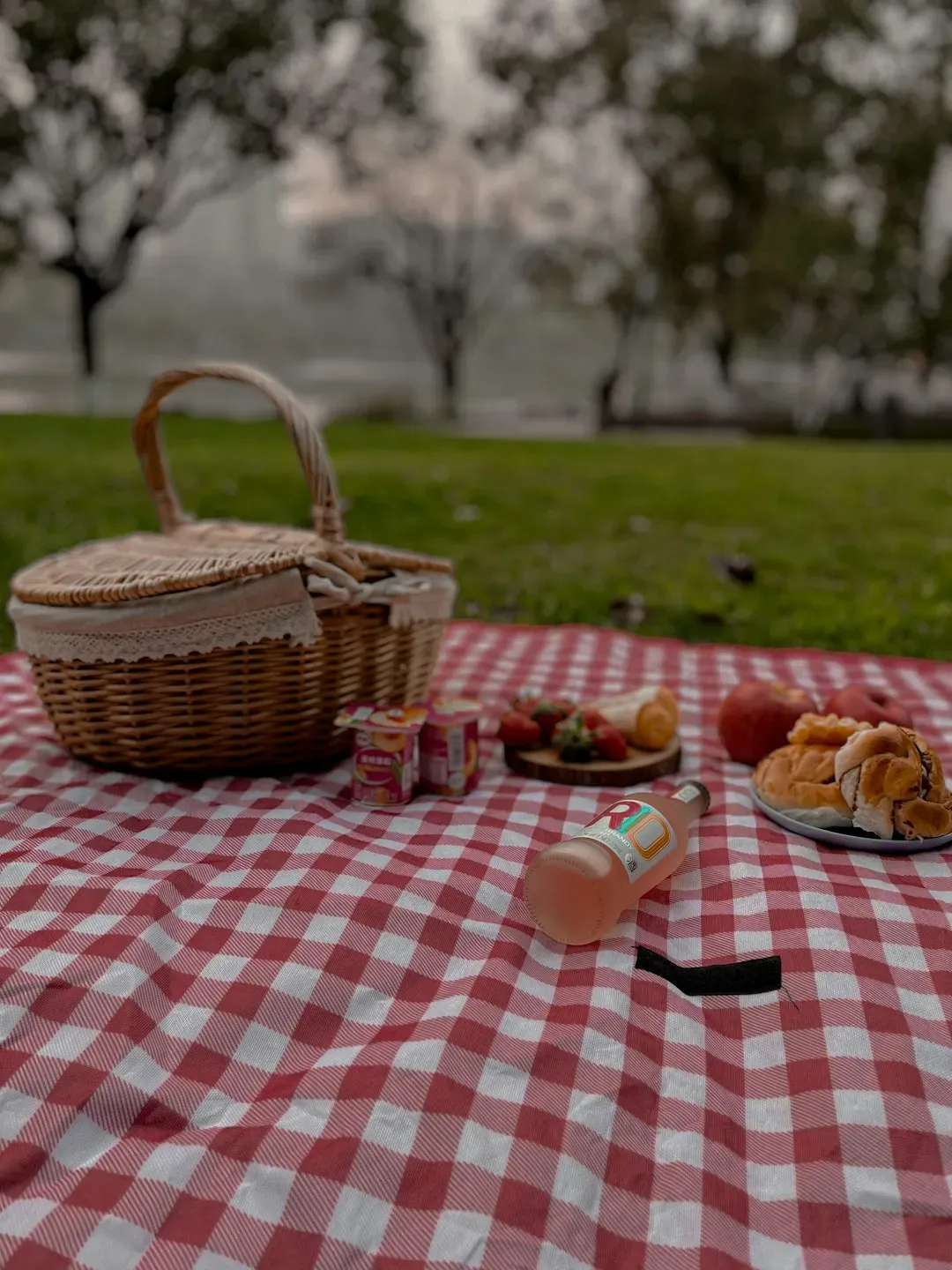
A sealed 1970s picnic set has sold for $133 because it was never opened. Finding vintage Tupperware still in its original packaging is like finding a unicorn - the orange stripe pattern was popular in the 70s, but most sets got used for actual picnics and camping trips. What makes this special is the hard case cooler design, and most people do not realize that Tupperware made insulated coolers back then. Sealed, unboxed condition is essentially the Mount Everest of vintage Tupperware collecting, and sellers who find such pieces should research carefully before pricing.
Never-used vintage Tupperware always commands higher prices, with pristine condition being a key driver of strong sales results. Full sets in difficult-to-find colors can sell for hundreds of dollars if they are in great condition. The complete picnic set format - with its cups, containers, salt and pepper shakers, and cooler all intact - represents exactly the kind of rare, unified find that serious collectors will pay a serious premium to own. The original price for many Tupperware pieces when they were sold was a spartan $2, and that translates to a roughly 1,000% increase in value for pieces that now sell for $20 or more.



Leave a Reply