
There is something magical about building up a meal in your head before a trip. You spend weeks watching food videos, scrolling through Instagram reels, and reading glowing travel blogs. Then you finally get there, take that first bite, and feel a strange, hollow flatness. Not bad, exactly. Just... not it.
Culinary tourism is now valued at over $1.06 trillion and continues to expand at a double-digit growth rate. That is an enormous amount of hope, money, and expectation riding on a single fork. And yet, the gap between a dish's legend and its tourist-area reality can be surprisingly wide. According to a World Food Travel Association report, roughly four out of five leisure tourists considered food and drink an essential factor in travel planning. So when the food disappoints, it doesn't just sting the stomach. It stings the whole trip. Let's dive in.
1. Paella in Barcelona - The Tourist Area Version
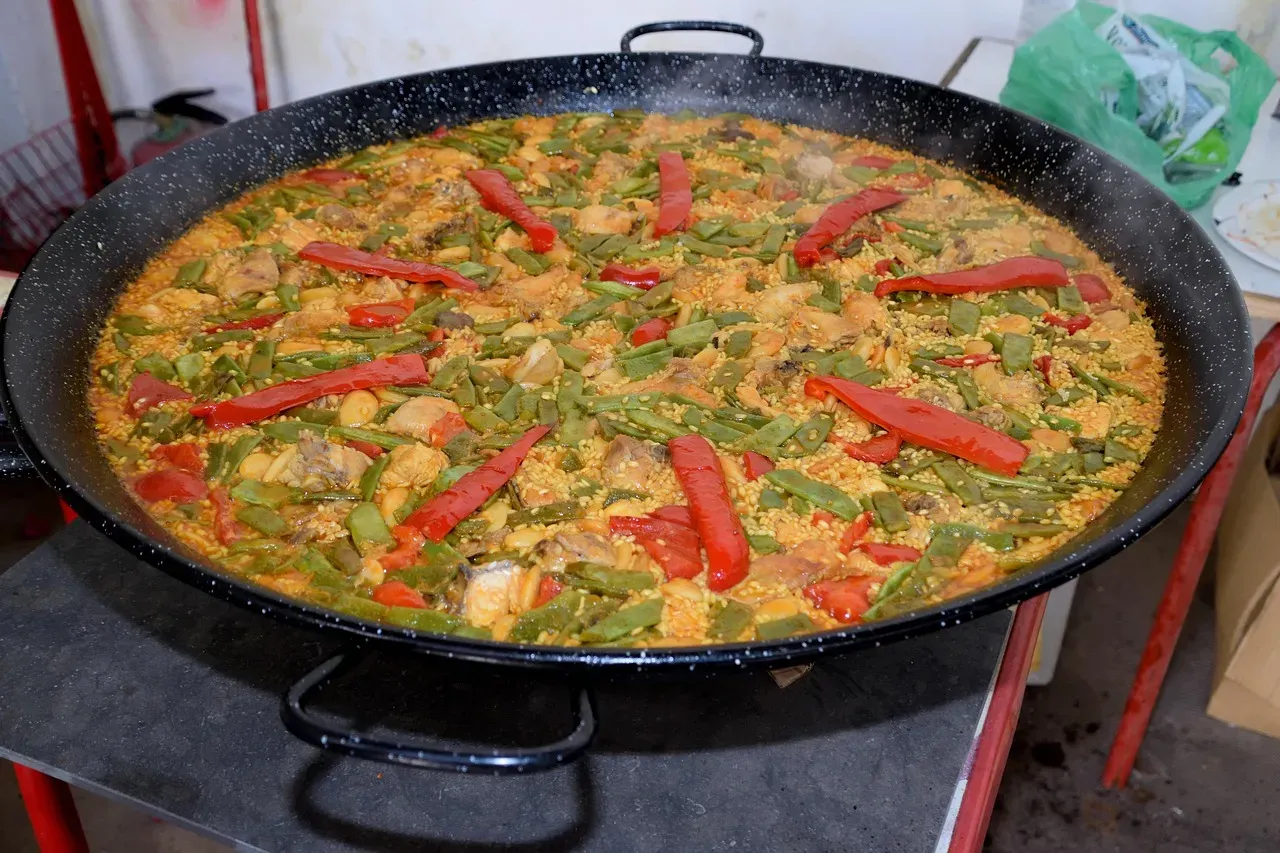
Paella is arguably one of the most romanticized dishes on earth. Golden rice, saffron, fresh seafood, the smell of it crackling in a giant pan at a Spanish market. Tourists arrive in Barcelona practically drooling. The problem? What many of them actually get served is nothing like the real thing.
Paella is a must-try when in Spain, but La Rambla is not the place to do it. Many restaurants along this famous street serve overpriced, touristy versions that are a far cry from the authentic dish. These establishments often lure tourists with flashy menus and pictures, but the quality doesn't match the price.
Many tourist-heavy restaurants, particularly in places like Las Ramblas or central Madrid, serve overpriced and subpar paella. Honestly, some travelers describe it as glorified rice soup served cold. Avoid restaurants with pictures of food on the menu or that serve paella for dinner, since authentic paella is usually a lunchtime dish. If you want the real version, you actually have to leave the tourist corridor entirely.
If every stall has "Paella!" or "Pad Thai!" written in five languages, be wary. That is not a sign of authenticity. That is a sign of a business model built entirely around people who don't know better yet.
2. Pad Thai in Bangkok - Watered-Down for the Western Palate
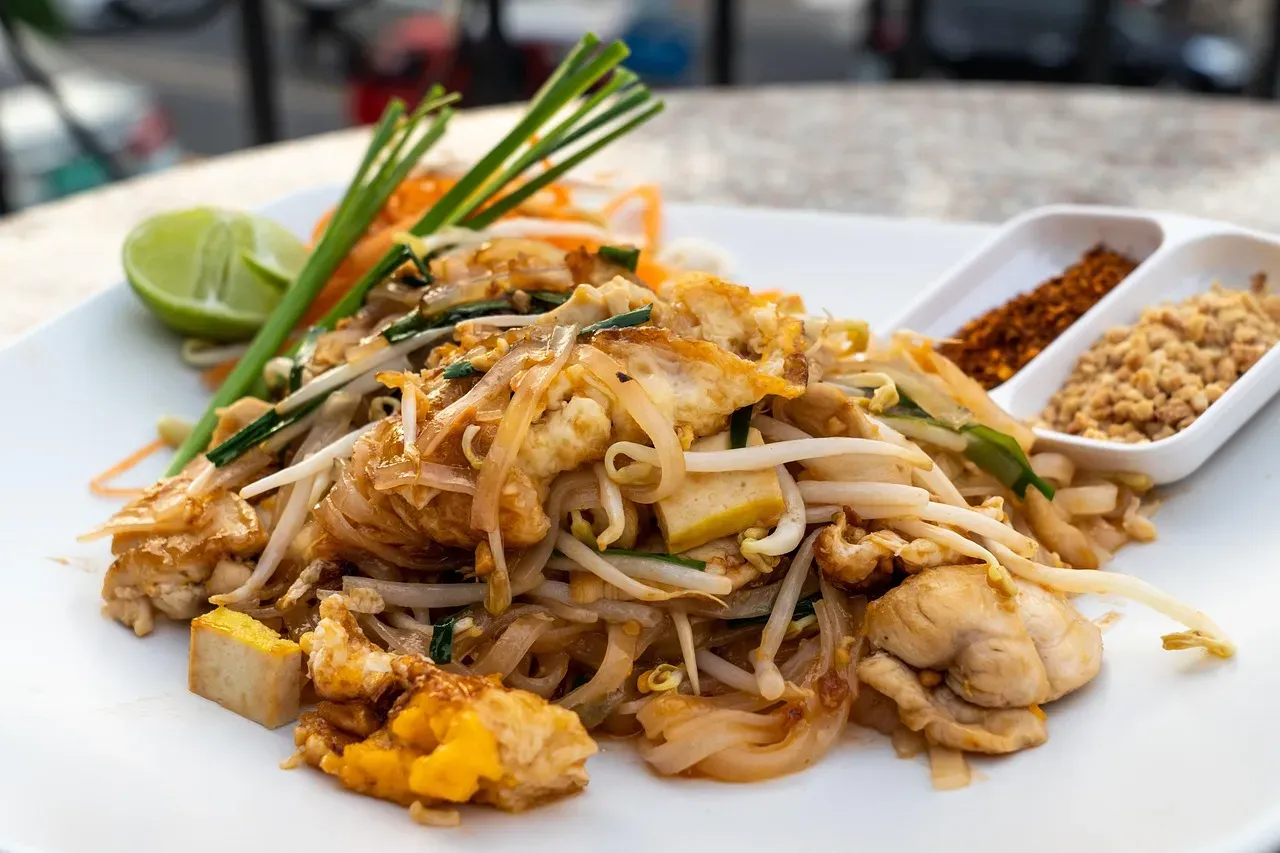
This one is heartbreaking because authentic Pad Thai is genuinely spectacular. But the version many first-time visitors stumble into in Bangkok's most tourist-trafficked streets? A different story. It can be cloying, flat, and almost pasta-like in the worst possible way.
For the second consecutive year, Bangkok retained its position as the top overrated city, with the percentage of dissatisfied tourists rising from 16.6% in 2023 to 18.4% in 2024. Much of that dissatisfaction circles back to food. The renowned street food fails to impress many reviewers, with dishes like Boat Noodles and Pad Thai, though affordable, lacking in quality for non-locals.
The issue isn't the dish itself. It's the dish as a performance. If every stall seems perfectly curated for an Instagram shot, with neon signs, elaborate displays, and a line of people posing rather than eating, you're likely in a trap. Authentic Pad Thai is cooked fast over extreme heat by someone who has been doing it for decades. The tourist-zone version is often adjusted to be less spicy, less funky, and less interesting.
3. French Croissants Near Iconic Landmarks - Style Over Substance
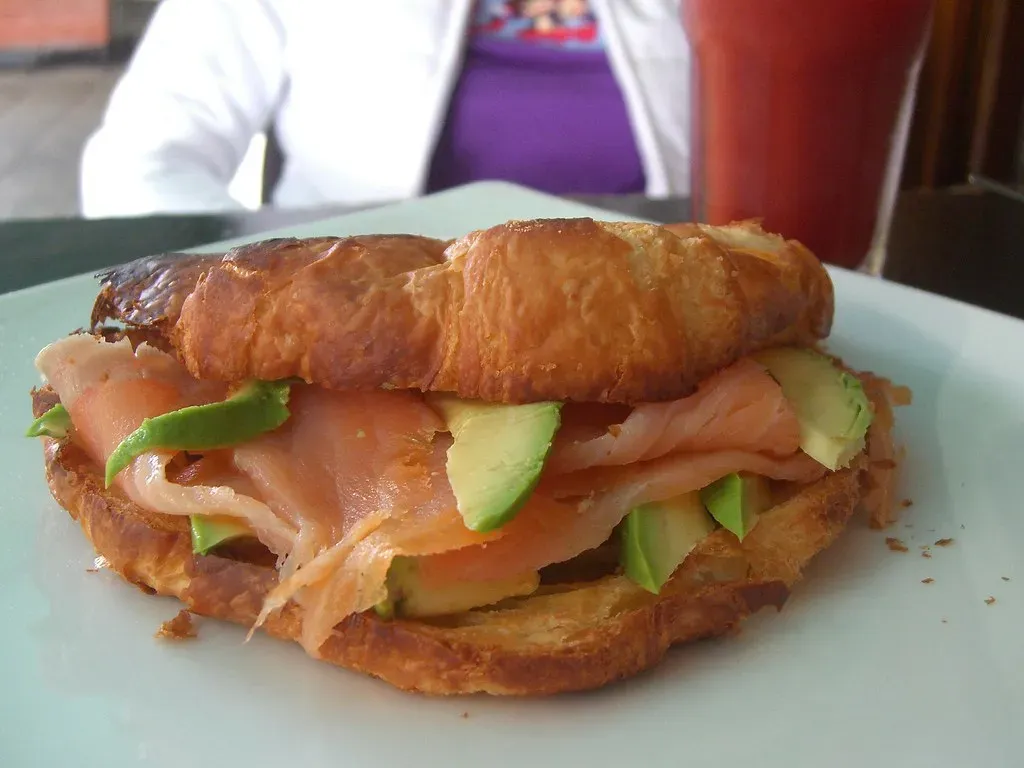
Here's the thing about Paris. Everyone arrives expecting the most perfect, buttery, flaky croissant of their life. After all, France invented the thing. So why do so many tourists leave quietly disappointed by what they ate near Notre-Dame or the Eiffel Tower?
If the menu is laminated, bilingual, and has pictures, that screams bulk-frozen and reheated. This is an unfortunate reality in high-traffic Parisian tourist zones. Bakeries near major landmarks often stock pre-baked, industrial pastries that bear almost no resemblance to what you'd find at a proper local boulangerie two streets away.
Walk two blocks. Just two, sometimes three, blocks away from any major tourist attraction like Notre-Dame, Sacré-Cœur, or the Louvre, and suddenly the menus get shorter, the prices get lower, and the food gets real. The croissant disappointment in Paris is almost always a geography problem, not a France problem.
4. New York Pizza - Living Up to a Mythic Reputation
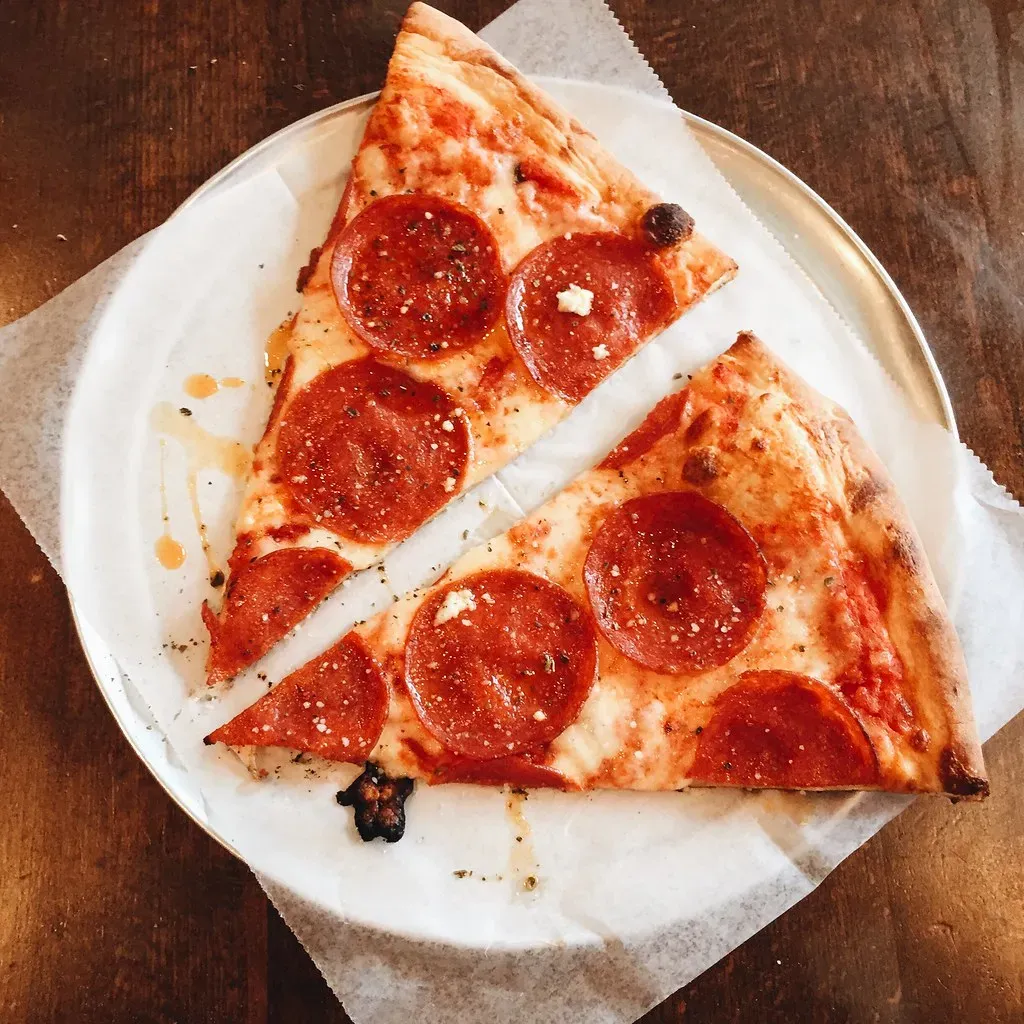
Ask anyone who has never been to New York about their food expectations, and pizza will be near the top of the list. Decades of movies, TV shows, and food journalism have made New York pizza almost mythological. So when tourists finally take a bite, the bar is impossibly high.
The problem isn't that the food is bad. It's that expectations have been inflated to a level no sandwich, slice, or dessert could realistically meet. Some tourists visiting the city's most famous pizza spots end up standing in a long line only to find a perfectly decent slice that tastes, well, like pizza. Not transcendence. Just pizza.
Over time, success brings expansion, shortcuts, and the pressure to serve as many people as possible as quickly as possible. That doesn't automatically ruin a place, but it often changes it. Recipes get streamlined, portions shift, and attention moves from craft to crowd control. The name remains iconic, but the experience quietly drifts away from what made it famous in the first place.
5. Gelato in Italy - When the Tourist Trap Strikes
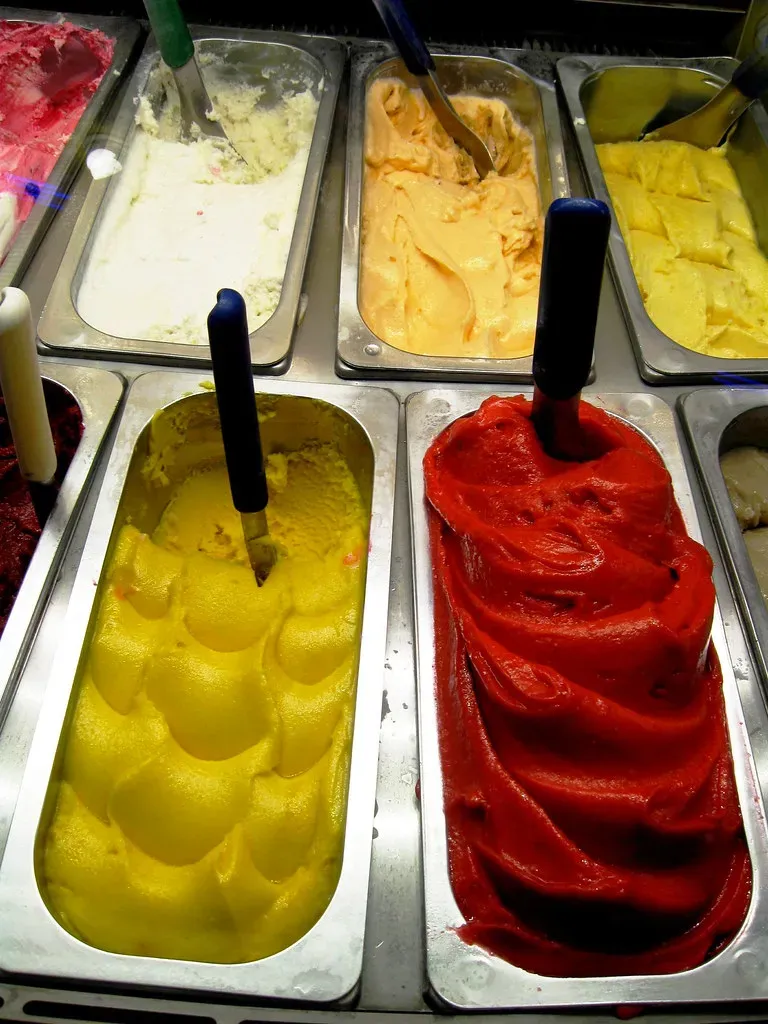
Italy and gelato. Few food pairings feel more locked-in, more guaranteed to deliver pure joy. The reality, though, is that not all gelato in Italy is created equal. In fact, some of what's scooped out near the Colosseum or the Trevi Fountain is some of the worst frozen dessert you could possibly eat at any price.
The telltale signs are easy to spot once you know them. Gelato piled high above the tubs in bright, towering mounds is almost always loaded with artificial stabilizers and air. Real artisan gelato sits low and dense, stored in lidded metal containers. The most obvious tourist trap sign is exorbitant prices. If a simple street snack costs more than a sit-down meal elsewhere in the city, you are being fleeced.
When travelling to a new place, many people fall victim to tourist trap restaurants. A few minutes into a meal, the disappointing reality of partially-reheated food begins to dawn, along with the other clues that should have been spotted earlier: a sticky menu in eight languages, defrosted bread and olive oil that were never ordered. The gelato version of this is a pasty, over-sweet scoop that costs four times what it should and tastes like dairy-flavored air. Italy's real gelato is extraordinary. The tourist-zone version? Not so much.
6. Fish and Chips in London - Soggy Expectations
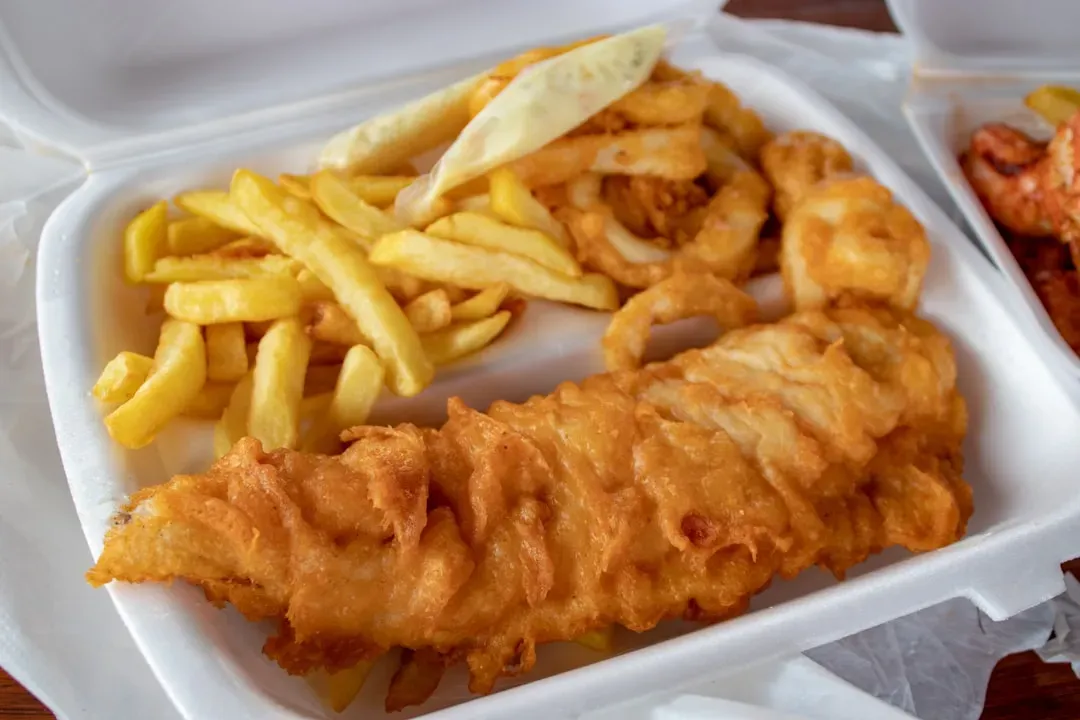
Fish and chips is perhaps the most famous dish England has exported to the world's imagination. Crispy battered cod, thick-cut chips, a squeeze of malt vinegar. It sounds simple. It sounds reliable. So why do so many visitors leave London underwhelmed by their fish and chip experience near Tower Bridge or Piccadilly Circus?
The issue is that the best fish and chips in Britain are rarely found in the centre of a major tourist district. The genuinely iconic chippy is usually a modest place in a side street, often in a coastal town or a residential neighborhood far from any hotel strip. Tourist-area versions are frequently soggy, bland, and served in greasy paper as a kind of theatrical prop rather than a genuine meal.
Overrated does not mean bad. It means expectations exceeded reality. That is a useful framework here. Fish and chips done well is genuinely brilliant. Done poorly, in a rush, for a crowd of tourists who will never come back, it can be a greasy, limp disappointment. The dish itself is not at fault. The context almost always is.
7. La Boqueria Market Food in Barcelona - Instagram vs. Reality
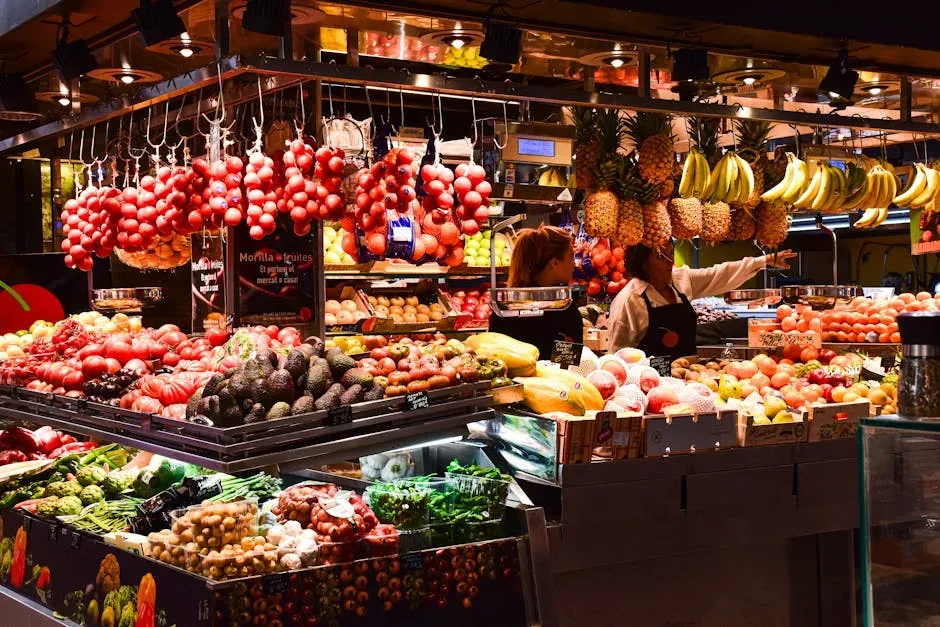
La Boqueria is visually one of the most stunning markets in Europe. The colours are electric, the produce is gorgeous, and the photographs you'll take there will look like something out of a high-end food magazine. Then you try to actually eat something, and reality arrives fast.
At La Boqueria, many visitors have envisioned themselves gliding through a wonderland of authentic Spanish flavors. What they find instead is a shoulder-to-shoulder crush of tourists, overpriced fruit cups, and paella stalls selling what looks suspiciously like yesterday's leftovers at exorbitant prices. The magic anticipated is replaced by a gnawing sense of being just another wallet in the crowd.
When roughly nine in ten people around you are holding guidebooks or cameras, and you are struggling to spot a single local doing their daily shopping or grabbing a quick bite, it is a strong indicator that the market has pivoted to serve tourists. La Boqueria is the perfect case study. Once a genuine working market, now largely a food-themed theme park. Gorgeous to walk through, frequently disappointing to eat in.
8. Touristy Sushi Outside Japan - The Expectation vs. The Roll
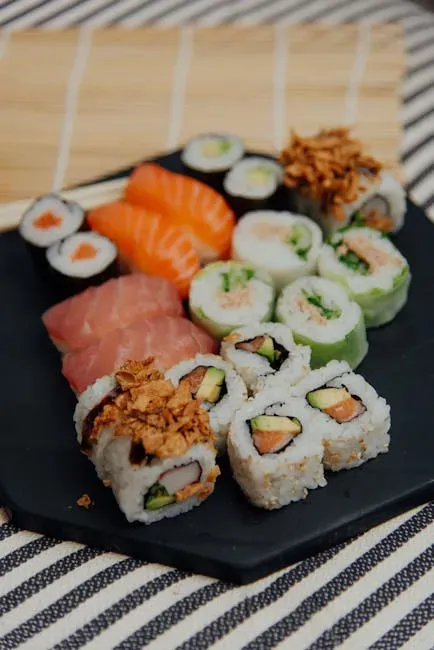
Japan has done something extraordinary for sushi's global reputation. The culture around it, the precision, the freshness, the ritual of omakase dining, all of it has created an almost sacred image of what sushi should be. So when travelers visit Japan-themed sushi restaurants in popular tourist destinations around the world and order something called "authentic Japanese sushi," the gap can be brutal.
Sushi's skyrocketing popularity can sometimes overshadow traditional, authentic preparations, leaving some to question if it's genuinely worthy of the hype. Globally, the "sushi" that tourists encounter in heavily marketed restaurants is often a far cry from the real thing. Over-sauced, poorly cut, made with fish that sat too long, and priced as if it arrived directly from Tsukiji market. It didn't.
In 2024, Hilton surveyed 10,000 travellers from nine different countries and found that culinary experiences were the top priority for over half of travellers of all generations. That is a staggering number of people pinning their travel happiness on food. When the food doesn't deliver, whether it's paella, sushi, or a croissant, the disappointment lands hard. The takeaway isn't to travel with low expectations. It's to travel with smarter ones.



Leave a Reply