
Every diner wants to believe the kitchen is a happy place, buzzing with passion, focus, and a love for food. Honestly, most of the time it is. But behind those swinging doors, there's a world of heat, pressure, and barely suppressed frustration that the average guest never sees. And some of that frustration? It's quietly triggered by the food on your very own table.
Anyone who has ever worked in the food and restaurant industry knows the feeling: that one item on the menu you absolutely dread having to make. When a group of chefs and cooks were recently asked about their least favorite dishes, the response was overwhelming and highlighted dishes that were either annoying to make, tedious, or simply too dangerous to be worth the trouble. The good news is that most kitchens will still make these dishes without complaint. The bad news is that the chefs are silently suffering. So before you place your next order, let's step behind the curtain. You might be surprised by what you find.
1. The Well-Done Steak
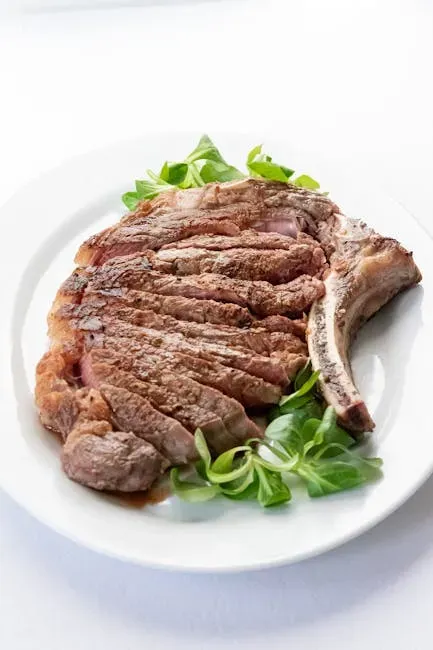
Let's be real. This one is as old as the steakhouse itself, and it remains one of the most quietly dreaded orders a chef can receive. It's a conundrum that has sparked debate in kitchens and dining rooms alike. Some diners embrace both an exterior char and a no-pink interior, while others see ordering a well-done steak as something close to a culinary crime. Whether it's personal taste or professional pride, the debate continues to evoke strong opinions from kitchens to dining rooms, with servers often taking the brunt from both ends.
Well-done steaks take significantly longer to cook, which directly impacts kitchen efficiency, especially during busy service times. That extended cooking time can also affect the quality of other dishes being prepared simultaneously. It's like one slow driver on a highway causing a traffic jam five cars back.
When a steak is cooked beyond medium-rare, significant chemical changes occur within the meat. The muscle fibers contract and become increasingly tense, while the fat that marbles premium cuts like ribeye or Wagyu begins to render out completely. This transformation fundamentally alters both the texture and moisture content of the meat. Chefs who feel they know how best to prepare the cut could take personal offense when a well-done request comes in. They'll still cook it. But they won't be happy about it.
2. Oysters on the Half Shell
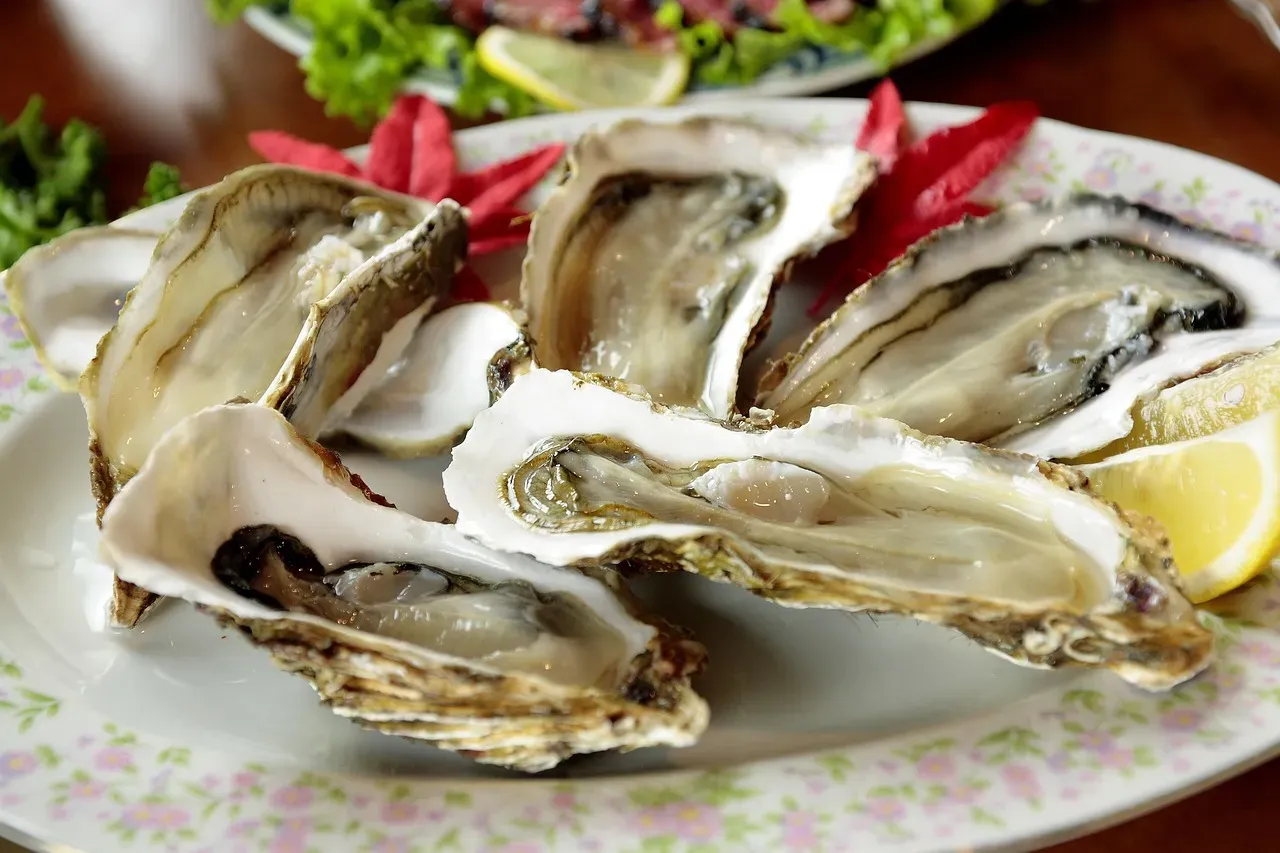
If you've ever had to shuck oysters in a kitchen, you know what a challenge it is. The work is repetitive, difficult, and dangerous. They can't be done in advance, which makes it something of a wonder they're ever on the menu at all. Every single oyster has to be pried open fresh, right before it hits your table, during the exact same window when the kitchen is drowning in other tickets.
Think about that for a moment. While the pasta station is firing three dishes at once, one person is somewhere in the corner wrestling with a stubborn shell and a blunt knife. There's a real injury risk involved too. Shucking knives slip, and a bad slip can mean a nasty cut in the middle of a packed Friday night service.
Oysters are a premium order for the diner, but a logistical headache for the kitchen. They require dedicated equipment, dedicated time, and dedicated attention that cannot be shared with any other station. It's a fast-paced, high-stress environment with long ten to twelve hour days, and success relies on good communication from the guest to the server and from the server back to the kitchen. One oyster order can quietly unravel the rhythm of an entire service.
3. Eggs Benedict During a Busy Brunch Rush
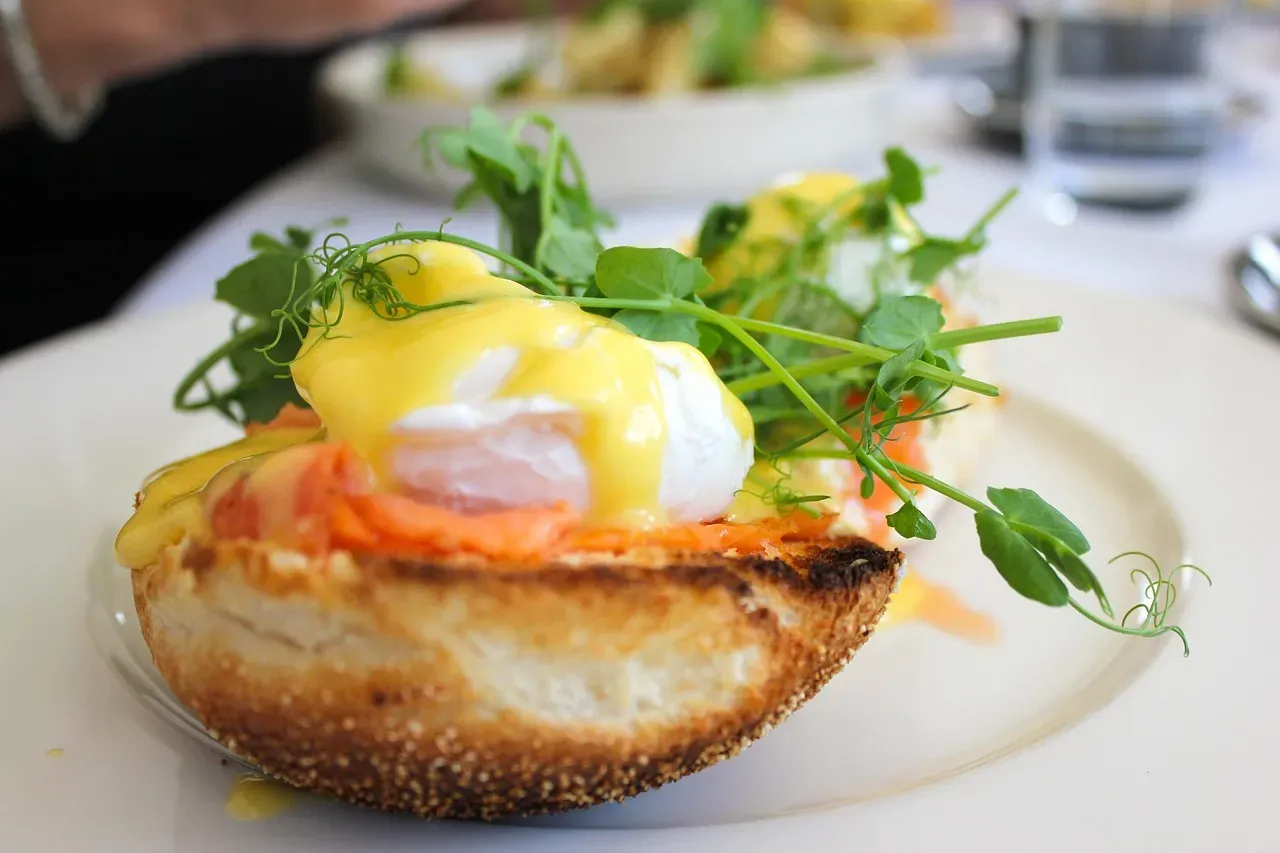
When Chef Clifton Dickerson of the Auguste Escoffier School of Culinary Arts admitted that he never orders Eggs Benedict when dining out, it came as no surprise. This brunch icon is a genuinely beautiful dish. It is also, from a kitchen workflow perspective, an absolute nightmare when a whole table orders it at the same time.
The dish demands near-simultaneous precision across multiple components. Eggs must be poached to order, hollandaise must be kept warm and stable without breaking, English muffins must be toasted at exactly the right moment, and every element must land on the plate at the same second. Hollandaise sauce is one of the French "mother sauces," made primarily from butter, eggs, and lemon juice, and it has a famously narrow window of temperature stability. Too hot and it scrambles. Too cool and it seizes.
Hollandaise sauce can split when reheated, and whisking or blending in a few drops of hot water can bring it back together if it does. That's a live repair job in the middle of a packed service. A table of four ordering Eggs Benedict during a packed Saturday brunch is the culinary equivalent of pulling a single brick from the bottom of a very tall wall.
4. Heavily Modified Orders
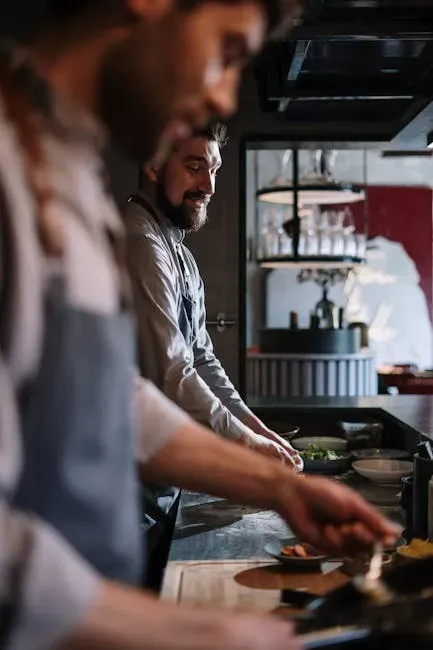
Some customers see a menu as more of a suggestion. They'll scan the items, identify ingredients they like across five different dishes, and then ask the server to relay a custom order that doesn't technically exist. A server's experience: customers would ask for something that wasn't on the menu, usually starting with an innocent "Could the chef make me..." and ending with some bespoke pasta recipe with ingredients culled from various other menu items.
When a restaurant server comes to the table to take your order, if the first three words out of your mouth are "Can I just...", the kitchen staff is already cringing. Executive chef and owner Rocco Carulli noted that when someone starts with "Can I just...", it usually means the kitchen is about to go on a little culinary detour, a detour that could pose a big headache for the people working there.
A ticket with six modifications, three substitutions, and two allergy cross-contamination protocols demands a level of individual focus that, in a kitchen processing dozens of simultaneous orders, can bring the whole flow to a grinding halt. This can lead to order mistakes, long wait times for customers, and a generally chaotic kitchen environment. Here's the thing. Kitchens are designed like machines. Chefs don't want to risk the machine breaking down. It isn't because they don't want to make people happy. It's because they know if they let one person change the menu, everyone gets to change the menu.
5. Last-Minute Closing Orders
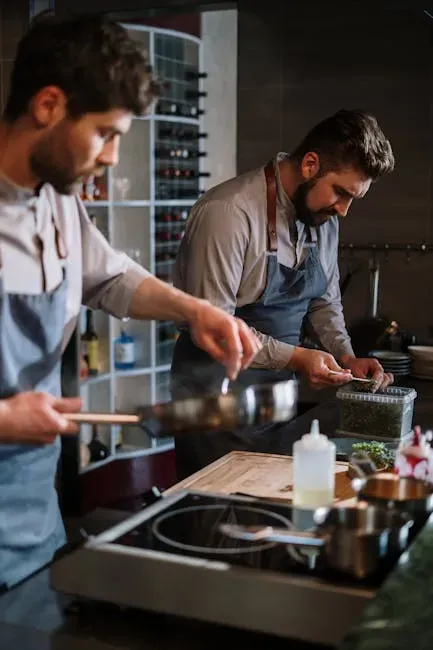
Restaurants run on efficiency, timing, elbow grease, and the fragile hope that no one orders a well-done steak five minutes before closing. That last part is only half a joke. When a table walks in right as the kitchen is winding down, stations are being broken, prepped ingredients are being stored, and the crew is already mentally clocking out. A complicated order at that moment requires someone to literally reassemble parts of the kitchen setup.
Imagine you've just spent twelve hours on your feet in a room that rarely dips below ninety degrees. You've plated several hundred dishes. You're finally starting to clean. Then a ticket drops. Research by Unilever Food Solutions found that roughly three in five chefs believe their work negatively affects their mental well-being, while nearly three in four chefs who responded to a Cozymeal survey reported experiencing anxiety from working in restaurants. That last-minute ticket adds to an already crushing load.
Demanding patrons, combined with low tipping norms, create significant psychological pressure. Industry research shows that more than a third of workers report feeling stressed, roughly a third feel overworked, and nearly a third feel exhausted when dealing with customer demands. Closing-time orders don't just delay staff. They chip away at morale in a profession already stretched remarkably thin.
6. Charcuterie Boards
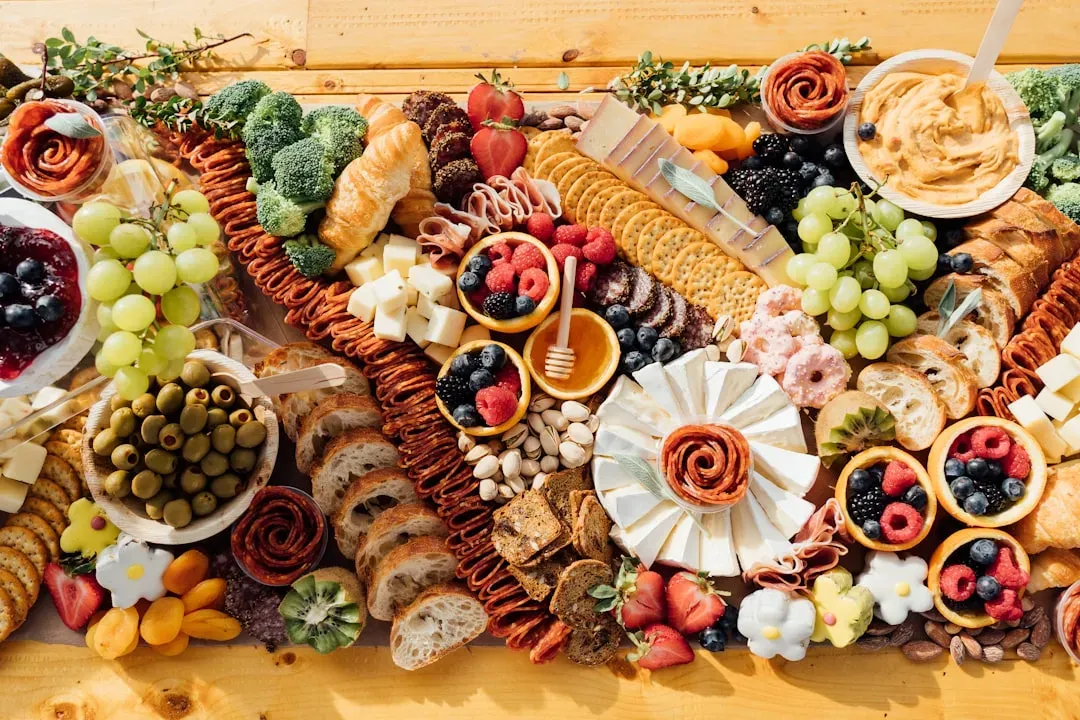
Here is a dish that looks effortless on the table and absolutely devious behind the scenes. The snackable charcuterie board might sound easy to make. These smorgasbords are assembled from a variety of cured meats, cheeses, and crackers, plus optional add-ons like olives, pickles, terrines, and spreads. Yet there is a lot more to making a beautiful charcuterie board than tossing a handful of meat and cheese on a wood plank.
Every component must be portioned precisely, arranged artfully, and replenished across the board with a level of visual care that most kitchen tasks don't demand. During a busy service, this becomes a time-consuming station all by itself. It looks like simple assembly work. It is not.
The charcuterie board also tends to take up kitchen real estate. Cutting boards, slate tiles, and wooden planks need space, and a kitchen mid-service has almost none. Labor shortages are having a profound impact on the restaurant industry, and when restaurants are short-staffed in the kitchen, ticket times take longer, resulting in slower table turns and longer waits for food. Throw a half-dozen charcuterie boards into a short-staffed service and the board that looks so serene on your table has caused real chaos getting there.
7. Soup That Gets Sent Back to Be Reheated
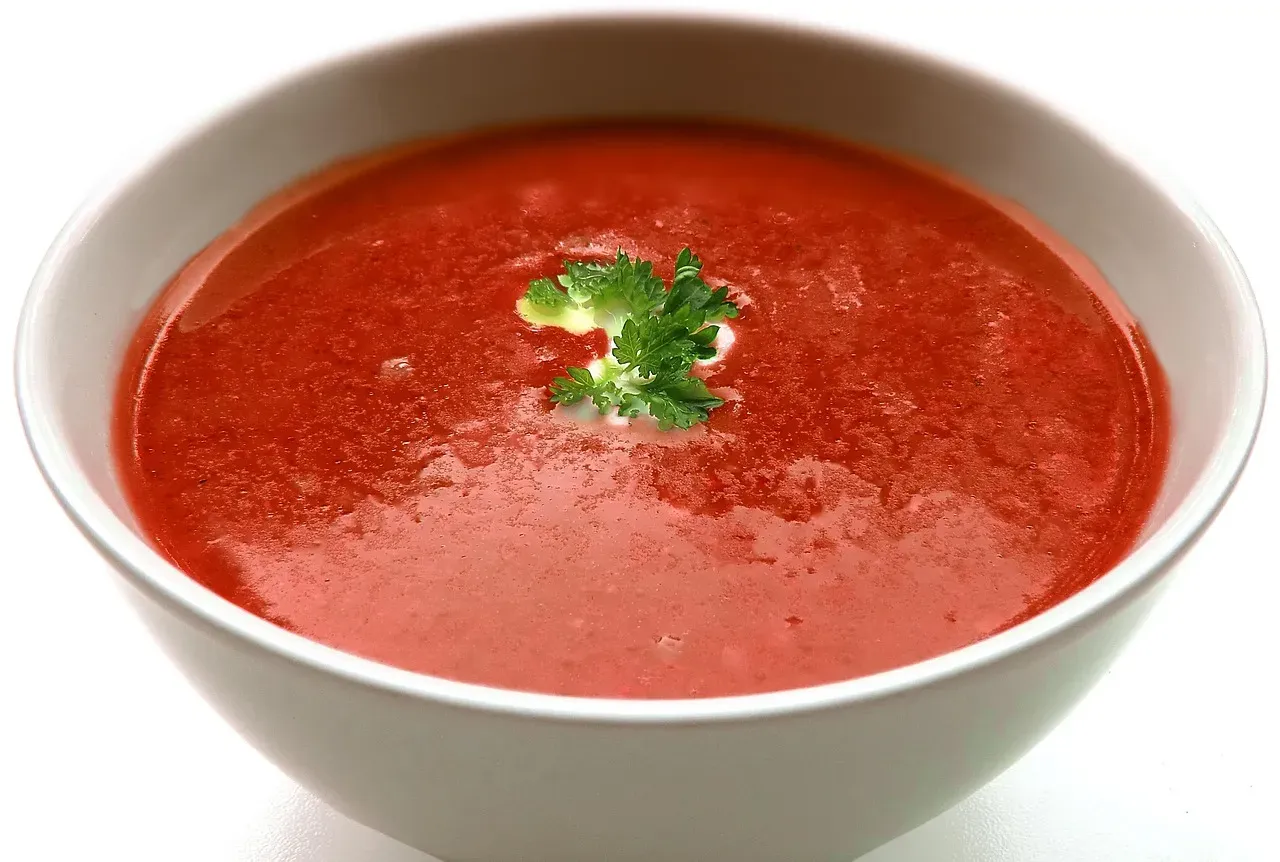
Soup seems like the least offensive thing on the menu. It's just liquid in a bowl. How complicated could it be? Fairly complicated, as it turns out, especially when a diner sends it back to be hotter. Once, maybe. Twice? The kitchen has quietly entered problem territory.
Sending a dish back for repeated reheating creates what kitchens call a "dead ticket," an order that's alive but not moving, eating up time and attention when there are fifteen other tables waiting. Restaurant diners don't like to wait more than ten minutes to be served, and the vast majority grow impatient after fifteen minutes. Every re-fired soup chips away at that window for everyone else.
The kitchen doesn't just pop the bowl in a microwave and call it done. It requires someone to take the bowl back, reheat it properly without scorching the base, re-plate it, and re-ticket it as if it were a brand new order. There is always room for error in a restaurant kitchen. When things go wrong, communication tends to break down and can cause tempers to flare. A repeated soup reheat is a small thing that sends ripples through the entire operation.
8. Foie Gras Torchon
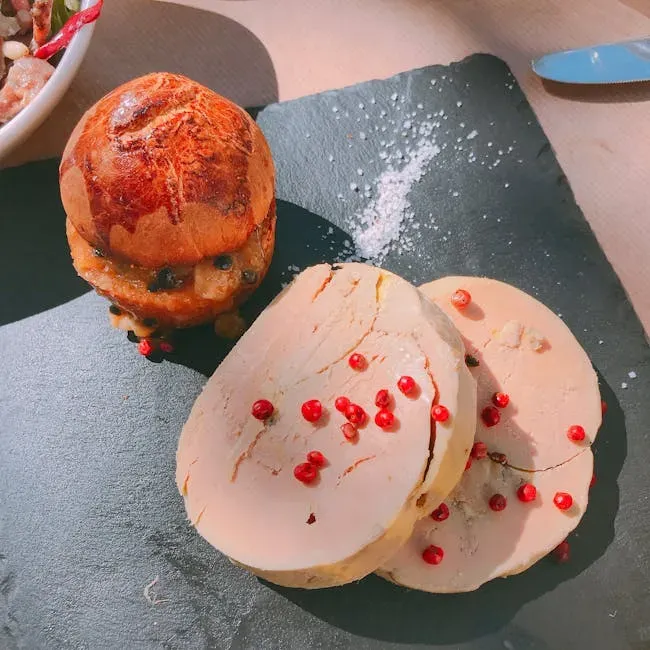
Sometimes the frustration that comes with a certain dish is worth it, if it's that good. Case in point: some chefs love to eat foie gras torchon, but making it is another story. This decadent, melt-in-your-mouth appetizer is made from fatty goose liver. It is also one of the most technically demanding preparations in classical French cuisine, and ordering it mid-service is a particular kind of test for any kitchen.
The preparation is intense. The two halves, or lobes, of the liver must be cleaned of their veins before the liver can be cured. It is a time-consuming and delicate operation. We're talking about fine-motor work that has nothing to do with cooking at speed and everything to do with careful, patient craft. Those two things are essentially opposites in a busy kitchen.
The irony is real. It's the kind of dish that makes chefs proud when done right and quietly desperate when the table next to it also orders something that needs urgent attention. This is usually a twelve-hour day from opening to closing. Working behind the scenes in a restaurant can be challenging and sometimes stressful, but it can also be fun and rewarding. Foie gras torchon sits right at that exact intersection of beautiful reward and genuine pain. And it is, without question, worth every bite for the diner who orders it without knowing the half of it.



Leave a Reply