
Some food pairings look completely wrong on paper. They clash. They confuse. They make you raise an eyebrow and take a step back. Yet somehow, once they hit your tongue, something magical happens that nobody can fully explain. The world of flavor science is full of contradictions, and even trained professionals with years of kitchen experience still scratch their heads at why certain combinations work. So let's dive in.
1. White Chocolate and Caviar
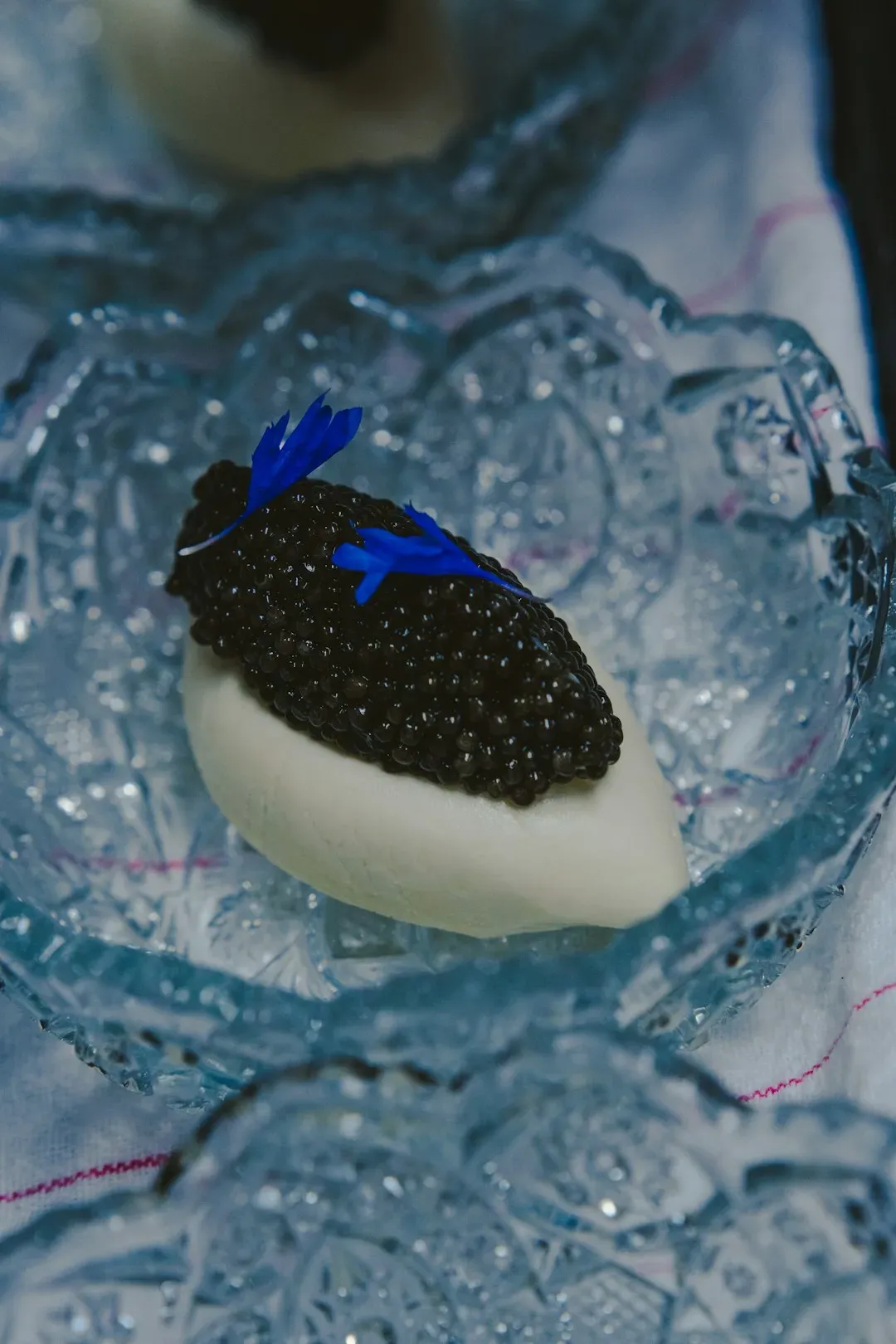
Few pairings in culinary history are more disorienting than this one. On one side you have sweet, creamy white chocolate. On the other, intensely briny, fishy, ultra-luxurious caviar. They seem to have absolutely nothing in common.
While experimenting with salty foods and chocolate, chef Heston Blumenthal discovered that white chocolate and caviar taste rather good together. To find out why, he had the foods analyzed and discovered that they had many flavor compounds in common. Benzi performed lab analyses of the white chocolate and the caviar, and made a surprising discovery: as different as the two foods are, they both have the aminoxide trimethylamine as their base aroma.
Caviar and white chocolate is a signature dish of Heston Blumenthal, who has long drawn inspiration from food pairing at The Fat Duck. The dish eventually became one of the most talked-about items on his menu, confusing guests and charming them at the same time. Honestly, it's one of those pairings that sounds like a dare but ends up being genuinely revelatory.
2. Peanut Butter and Pickles
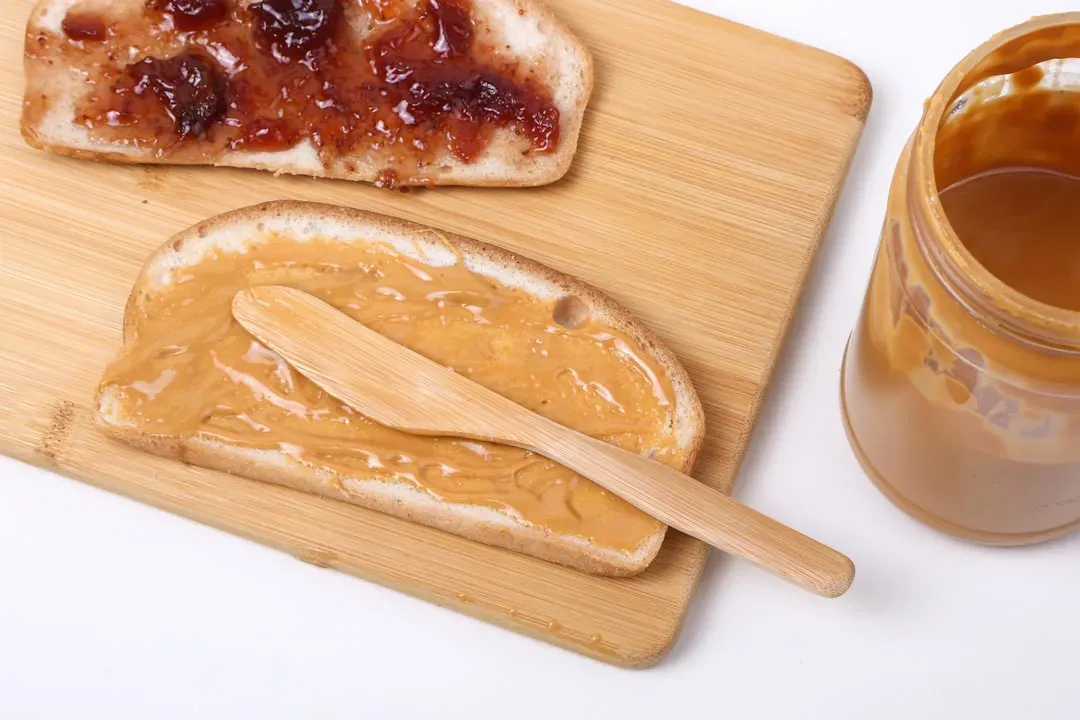
This one has a surprisingly long history. This combination may have first gained popularity during the Great Depression, when peanut butter was an inexpensive protein source, and pickles added a cheap, flavorful crunch. The sandwich became a staple for many who wanted something filling yet affordable.
The creamy texture of peanut butter contrasts with the crispness of the pickles, while the salty, savory flavor of peanut butter balances out the tangy acidity of the pickles, creating an unexpectedly delightful snack. Peanut butter and pickles is a winsome flavor agreement between the earthy qualities of peanuts and the tart tones of dill and vinegar.
Let's be real, if you describe this sandwich to someone who has never tried it, you will probably get a disgusted look. Yet food scientists point to it as a textbook example of how salt, acid, fat, and texture contrast can create something that is surprisingly addictive. It's not pretty, but it works.
3. Watermelon and Feta Cheese
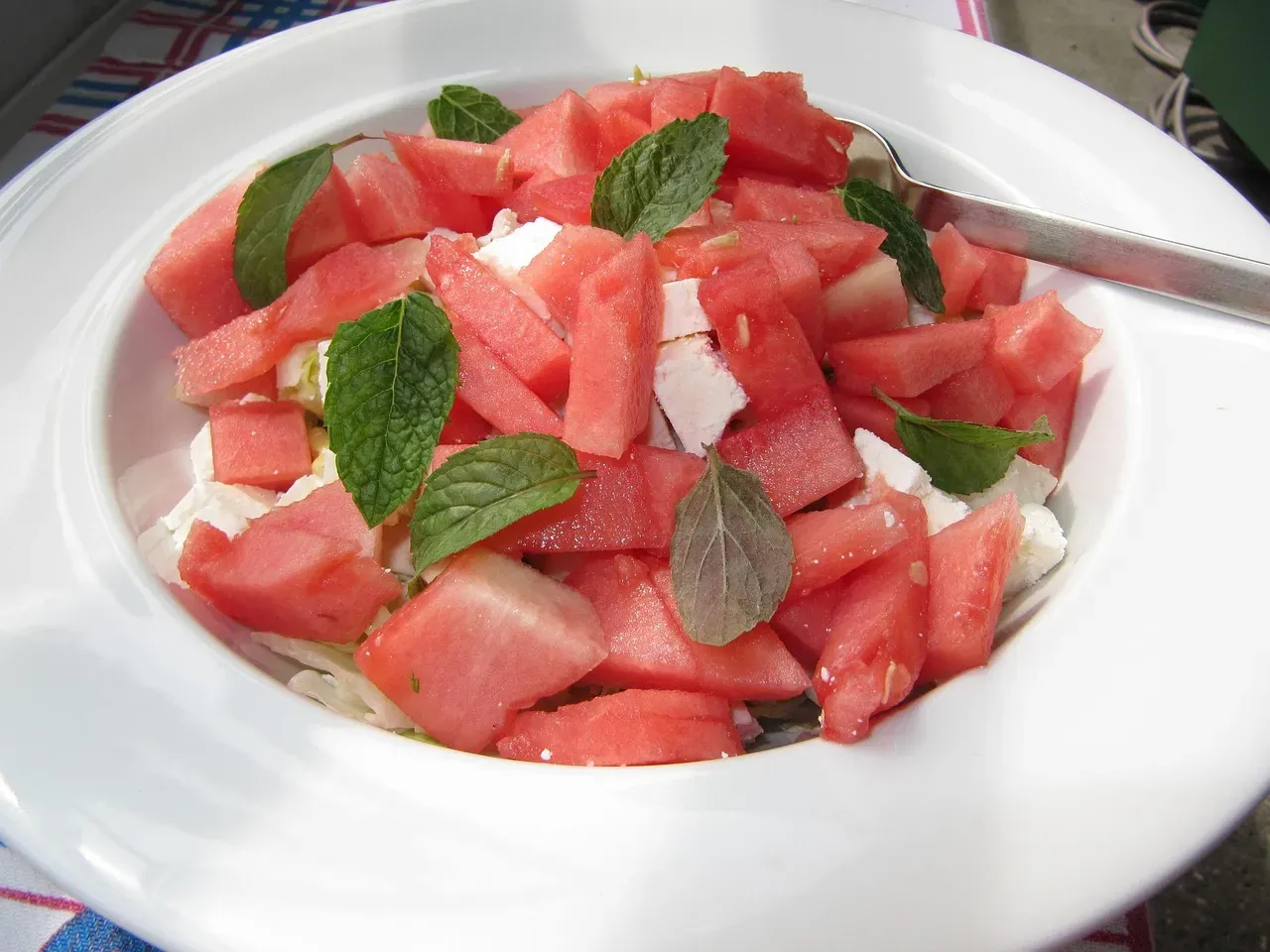
At first glance, sweet and juicy watermelon paired with crumbly, salty Greek feta sounds like a category error. The exact origin of the watermelon and feta cheese combination is not definitively known, but it is presumed to have first emerged in the Mediterranean region, where they paired the sweetness of watermelon with the tangy, salty taste of feta cheese, creating a culinary staple deeply ingrained in Mediterranean culture.
The juicy sweetness of watermelon is beautifully balanced by the tangy, salty flavor of feta cheese. The combo is light, refreshing, and perfect for warm weather, giving it an appealing contrast in both flavor and texture. Almost 20 years ago, Nigella Lawson published a recipe for Watermelon, Feta and Black Olive Salad that took the internet by storm, and it has been wildly popular ever since with numerous other versions popping up.
Today, you'll find endless salad recipes that combine feta and watermelon including Greek Watermelon Feta Salad, Persian Watermelon Salad, Lebanese Cheese and Watermelon Salad, Turkish Watermelon and Feta Salad and more. What once seemed bizarre has quietly become a global summer staple.
4. French Fries and Ice Cream
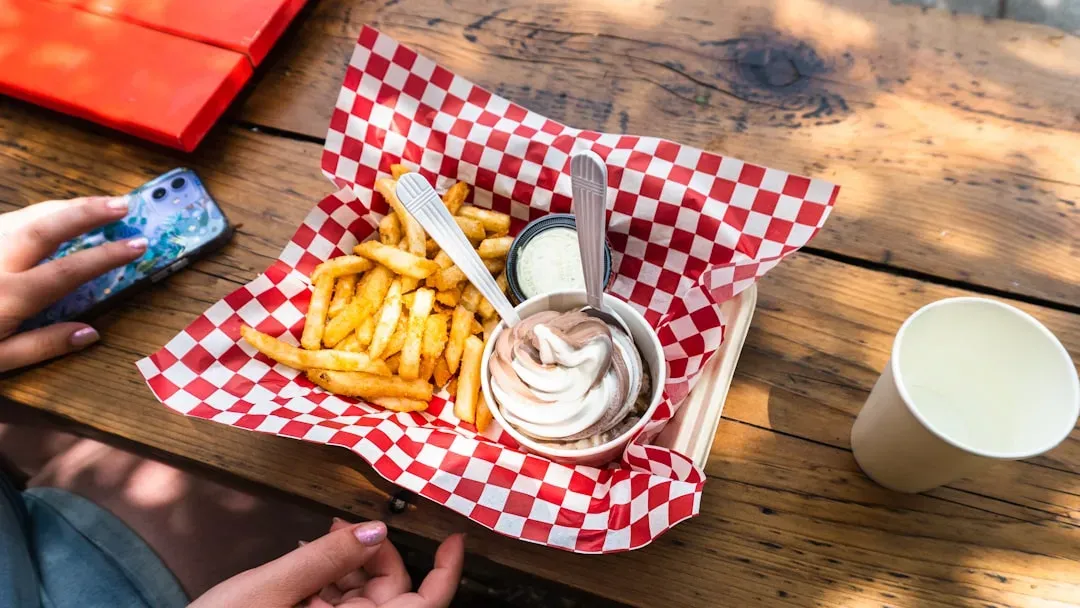
Hot, salty, crispy fries dunked into cold, sweet ice cream. Many people recoil at the image. Yet this is one of those combinations that has survived decades and multiple generations of food culture. This combo likely originated in fast-food chains where milkshakes and fries were a staple order. The practice of dipping fries into a milkshake became common in American diners in the 1950s and 60s. Some believe it began as a kid's impulse to play with their food, but the combination stuck because it tasted so good.
The hot, salty fries complement the cold, sweet creaminess of ice cream, creating an irresistible balance of temperature and flavor. It plays off the classic sweet-salty contrast that so many love. What is interesting is that this is not just a folk food trick anymore. The brand Coolhaus sells a pint of "Milkshake and Fries" ice cream that includes bits of fries, along with malt balls, blended into vanilla ice cream.
5. Bacon and Chocolate
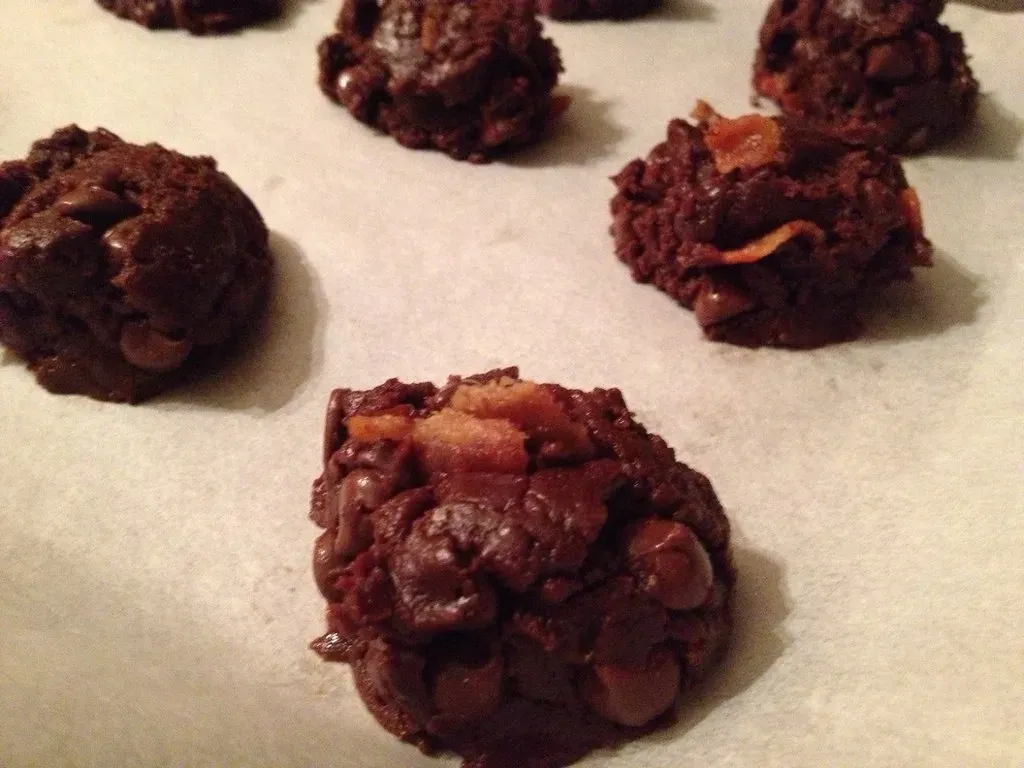
This combination probably causes more debate than almost any other on this list. Chocolate-dipped bacon, bacon-topped brownies, bacon chocolate bars. The concept circulates every few years as either a masterpiece or an abomination, depending on who you ask.
The salty, smoky bacon perfectly complements the rich, sweet flavors of chocolate. The combination of umami and sweetness has a way of satisfying multiple flavor cravings at once, making it an unexpected hit. There are many examples where food pairing principles hold, such as cheese and bacon, asparagus and butter, and in some modern restaurants, chocolate and blue cheese, which apparently share 73 flavor compounds.
The science here is actually fascinating. Think of it this way: sweet and savory have always played well together, like salted caramel, which nobody questions anymore. Bacon and chocolate is really just the more extreme, more theatrical cousin of that same concept. It's polarizing, sure, but that's exactly what makes it interesting to chefs.
6. Strawberries and Balsamic Vinegar
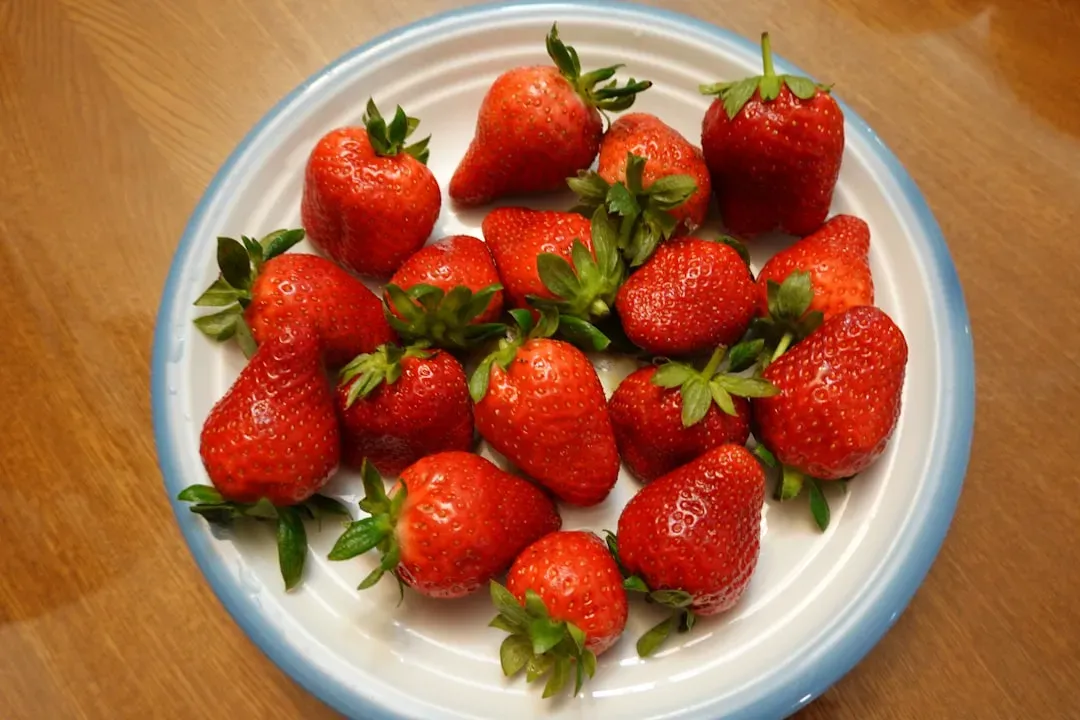
This one has an elegant, almost counterintuitive logic to it. You might be sceptical about strawberries and balsamic vinegar, but this clever food pairing really lets strawberries shine. Strong, syrupy balsamic vinegar intensifies the flavour of the delicate fruit, making them taste even sweeter.
By contrast, traditional pairings such as chocolate and cream can actually mask a strawberry's intricate berry notes. That's the part most people don't expect. The vinegar, rather than overwhelming the fruit, acts like a flavor amplifier. It's a bit like how salt makes everything taste more like itself, only with an added acidic depth that makes each bite more vivid.
Once you understand the principles of flavor pairing, you can start to experiment with combinations that seem unusual but actually work beautifully together. Strawberry and black pepper, for instance, enhances the sweetness of strawberries while adding complexity. Balsamic and strawberry follows the same principle, using contrast to deepen what's already there rather than replace it.
7. Coffee and Potato
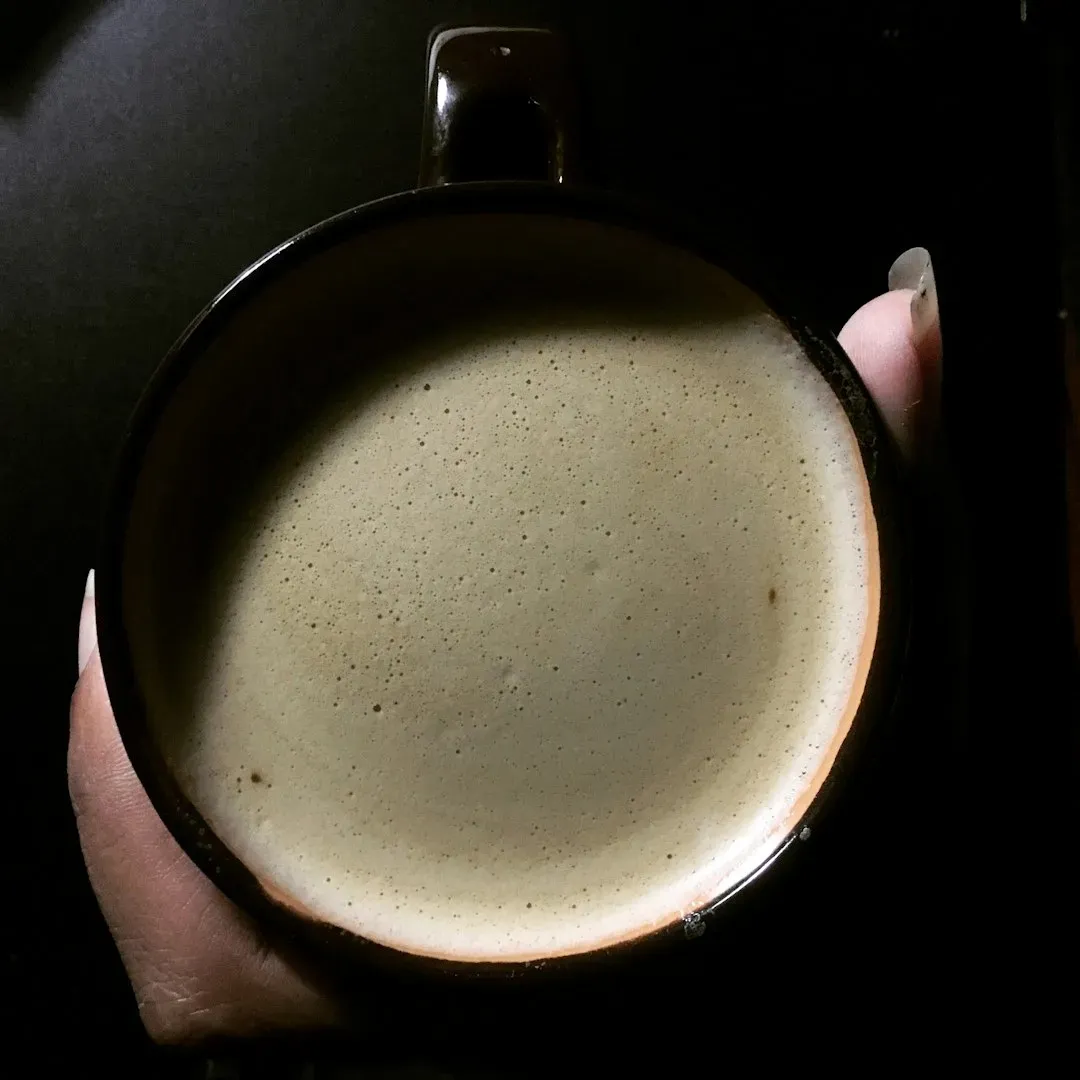
Here's the thing: this one genuinely confuses professional chefs. You would not automatically think to combine the earthy bitterness of coffee with the starchy neutrality of potato, yet molecular food science suggests they share a surprising number of flavor compounds.
As researcher Sebastian Ahnert noted, coffee and potato share a lot of compounds. He made mashed potato with milky coffee, and it was horrible. Yet he had a dish in Paris with coffee and potato that worked. His conclusion: the execution is a big part of it, and that is where chefs can really help.
Just because two foods have common shared compounds doesn't mean you can blindly lump them together and expect something delicious in return. Since temperature changes compounds, sometimes how you prepare the foods can make or break the combination. This is a perfect example of a pairing where the chemistry is real, but getting it right requires genuine skill. It's not a combination you can wing.
8. Dark Chocolate and Blue Cheese
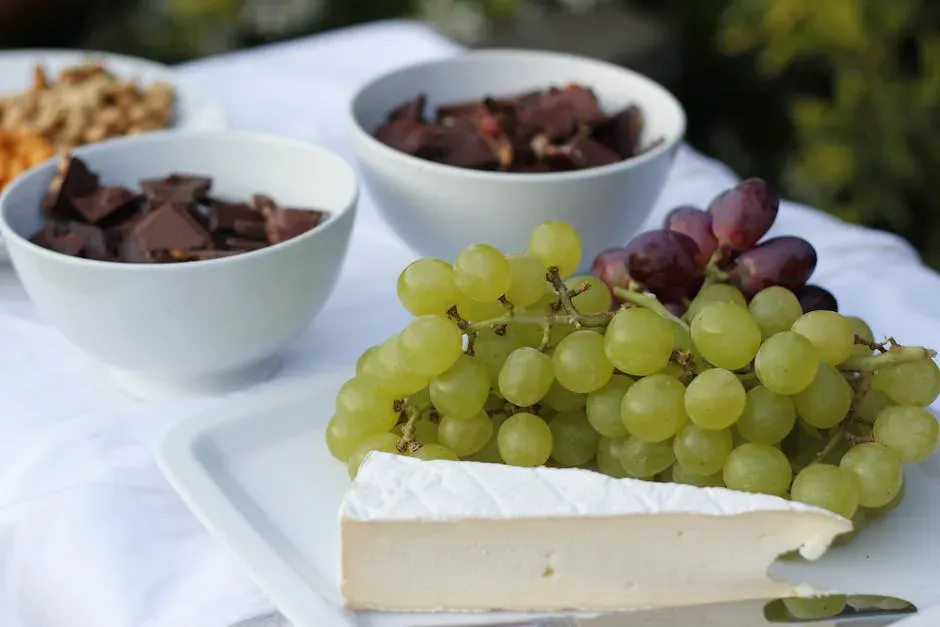
This pairing has been quietly circulating in fine dining circles for years, and it divides opinion sharply. Blue cheese is funky, pungent, and sharp. Dark chocolate is bitter and intense. Together, they sound like a recipe for disaster, not dessert.
Heston Blumenthal also discovered the magic of dark chocolate with blue cheese, stumbling upon this pairing by chance. There are many examples where the food pairing principle holds, and in some modern restaurants, chocolate and blue cheese apparently share 73 flavors. That is an enormous number of overlapping chemical compounds for two foods that seem so wildly different on the surface.
According to Wender L. P. Bredie, a professor of sensory science at the University of Copenhagen, the flavor-pairing concept needs refining, and he thinks pairings that result from such experiments are more novel than they are pleasant, with preliminary data to back it up. In other words, the chemistry might be there, but whether your brain will enjoy it is a separate, deeply personal question. It's hard to say for sure, but novelty alone can sometimes be enough to make a dish memorable.
9. Pineapple and Blue Cheese
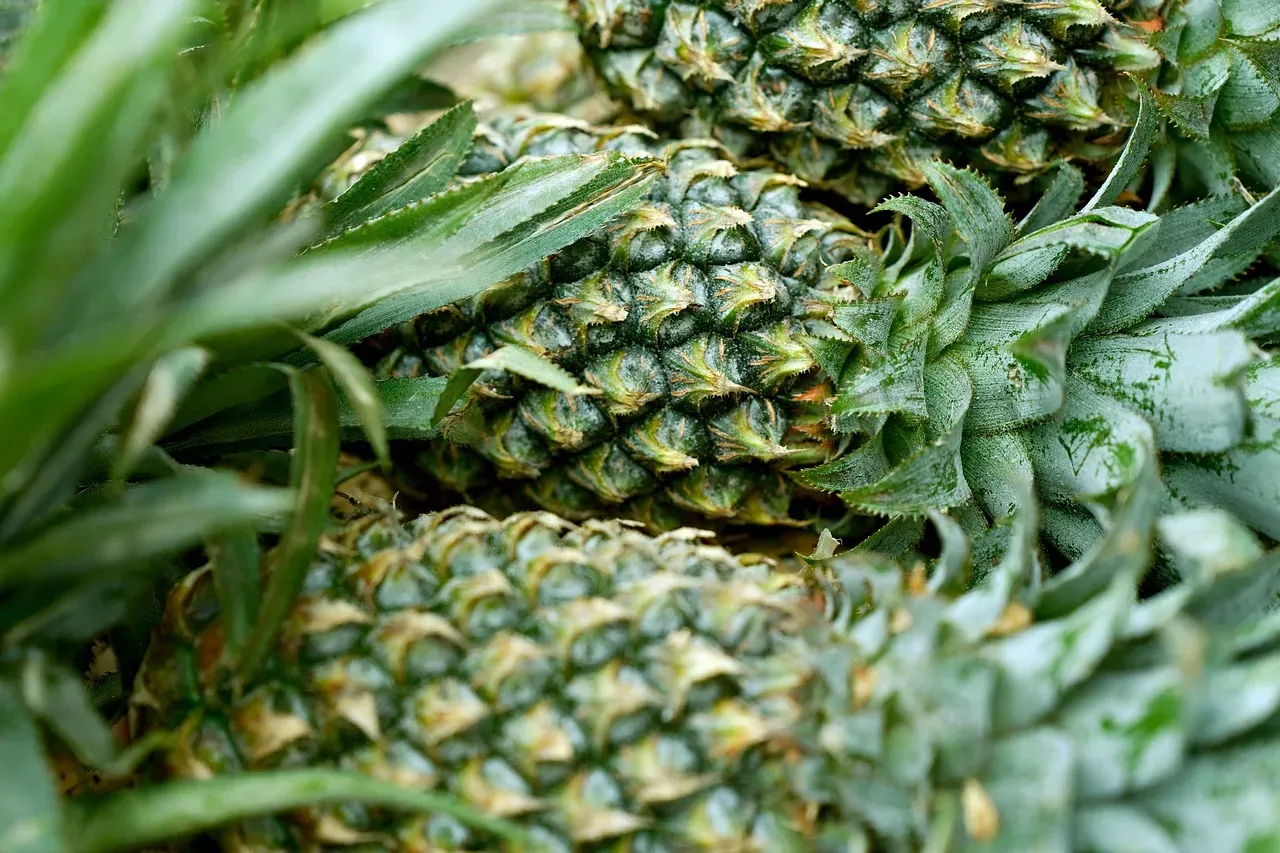
Before anyone says anything about pineapple on pizza: this is something different and somehow even stranger. Martin Lersch, a molecular gastronomy researcher, has tasted pineapple and blue cheese and confirmed they go surprisingly well together. The flavor overlap between the two sits at a very unusual crossroads of tropical sweetness and sharp, funky earthiness.
Western cuisines show a tendency to use ingredient pairs that share many flavor compounds, supporting the so-called food pairing hypothesis. Yet blue cheese with pineapple defies common culinary convention, even when the science points toward compatibility. Working with IBM's Watson supercomputer, culinary researchers gained the ability to see hidden connections between ingredients created by chemical compounds, links they never would have been able to decipher through simple tasting or smelling. Learning about these connections forced them to put aside all of the preconceived notions about what ingredients go together.
There are more than 10,000 primary aromas in all, allowing millions of possible combinations. Strawberries alone have 400 aromas. That puts the sheer scale of unexplored pairings into perspective. Pineapple and blue cheese is just one of countless combinations still waiting to be discovered, refined, and understood. The fact that even seasoned chefs raise an eyebrow at it makes it all the more worth trying.



Leave a Reply