
Something interesting is happening in kitchens and grocery store aisles across America. People are quietly but firmly turning their backs on ingredients they once used without a second thought. It's not just health nuts or wellness influencers doing it - it's regular shoppers, parents, and everyday cooks.
With rising food intolerances and dietary restrictions, people are increasingly avoiding certain ingredients due to health concerns. Shoppers are reading ingredient panels and don't want to buy items with ingredients they can't pronounce - the less processing, the better. The shift is real, and the data backs it up.
Media coverage of ultra-processed food ingredients has increased more than 300% over the past year, driven by popular science writing and growing awareness of diet-related diseases. So which specific ingredients are getting the boot? Let's dive in.
1. Seed Oils

Few ingredients have sparked as much debate in recent years as seed oils. Once considered the healthier swap for animal fats, canola, soybean, sunflower, and corn oils are now under intense public scrutiny. Honestly, the backlash has been hard to miss.
In a February 2025 IFIC survey titled "Americans' Perceptions of Seed Oils," roughly 28% of U.S. adults said they actively avoid seed oils such as sesame, soy, and walnut oil. Researchers found that around one in five Americans are now trying to avoid seed oils in cooking, and more than half of consumers are encountering information about seed oils on social media, more than any other information source.
Seed oils have been a staple in kitchens around the world for decades, recommended by health organizations for their polyunsaturated fat content. New debates online about their health impact, particularly regarding omega-6 fatty acids, have prompted many consumers to rethink their use. A 2025 review of human outcome data concluded that linoleic acid from seed oils does not increase chronic disease risk - yet consumer hesitation is growing regardless of what the science says.
2. Artificial Food Dyes

Bright blue candy. Neon orange snacks. Vivid red frosting. These colors don't come from nature, and a growing number of people know it. Artificial food dyes have become one of the most scrutinized ingredients in the entire food supply.
Innova's consumer trends research indicates that roughly 37% of U.S. consumers now actively avoid artificial food colorings, additives, and preservatives. That's a striking figure. New health regulations driven by the "Make America Healthy Again" movement have spurred investment in natural, clean label products, and in January 2025, the FDA issued a final order to ban the synthetic red food dye FD&C Red No. 3 from all foods.
Walmart's decision to remove artificial dyes from its private brand products has been called one of the largest private brand reformulations in retail history. Major food and beverage companies including Kraft Heinz, Nestlé, Hershey, and PepsiCo are also rapidly reformulating products to eliminate artificial colors and dyes. In April 2025, the FDA and the U.S. Department of Health and Human Services launched an initiative to phase out all petroleum-based, synthetic food dyes by the end of next year.
3. High-Fructose Corn Syrup

Here's the thing about high-fructose corn syrup: it's everywhere. Or at least it used to be everywhere. Consumers have increasingly learned to spot those three words on a label and put the product straight back on the shelf.
Availability of total corn sweeteners, including high-fructose corn syrup, fell from nearly 86 pounds per person in 1999 to just 53 pounds in 2023 - a remarkable decline over two decades driven by consumer pressure. Sodas deliver large amounts of pure sugar or high-fructose corn syrup in a way our ancestors never encountered, and they lead to potential health issues like obesity, heart disease, and type 2 diabetes.
U.S. packaged food makers and stores are making plans to stop using certain ingredients, including sweeteners like corn syrup, in response to what customers want as well as government health priorities. North American consumers are increasingly prioritizing health and wellness with a strong focus on reducing sugar intake, and in the U.S., nearly half of all consumers say they are conscious of limiting sugar in their diet.
4. Artificial Sweeteners

You'd think that swapping real sugar for a zero-calorie substitute would be the smarter move. For decades, millions of people did exactly that. Today, the picture looks a lot more complicated.
Studies have found that artificial sweeteners like aspartame interfere with the metabolism of neurotransmitters, which may regulate mood and contribute to depression symptoms. Experts now specifically recommend trying to reduce consumption of sugar and artificially sweetened beverages, two food categories most strongly linked to health harms.
Consumers who are concerned about ultra-processed foods are especially focused on seed oils, added sugars, and artificial ingredients as their primary concerns when shopping. Clean labels with fewer ingredients are set to dominate as a food and drink trend, with many beverage makers doing away with artificial colors, flavors, and sweeteners entirely. Brands that cling to artificial sweeteners are facing real sales pressure from an increasingly label-literate public.
5. Hydrogenated Oils and Trans Fats
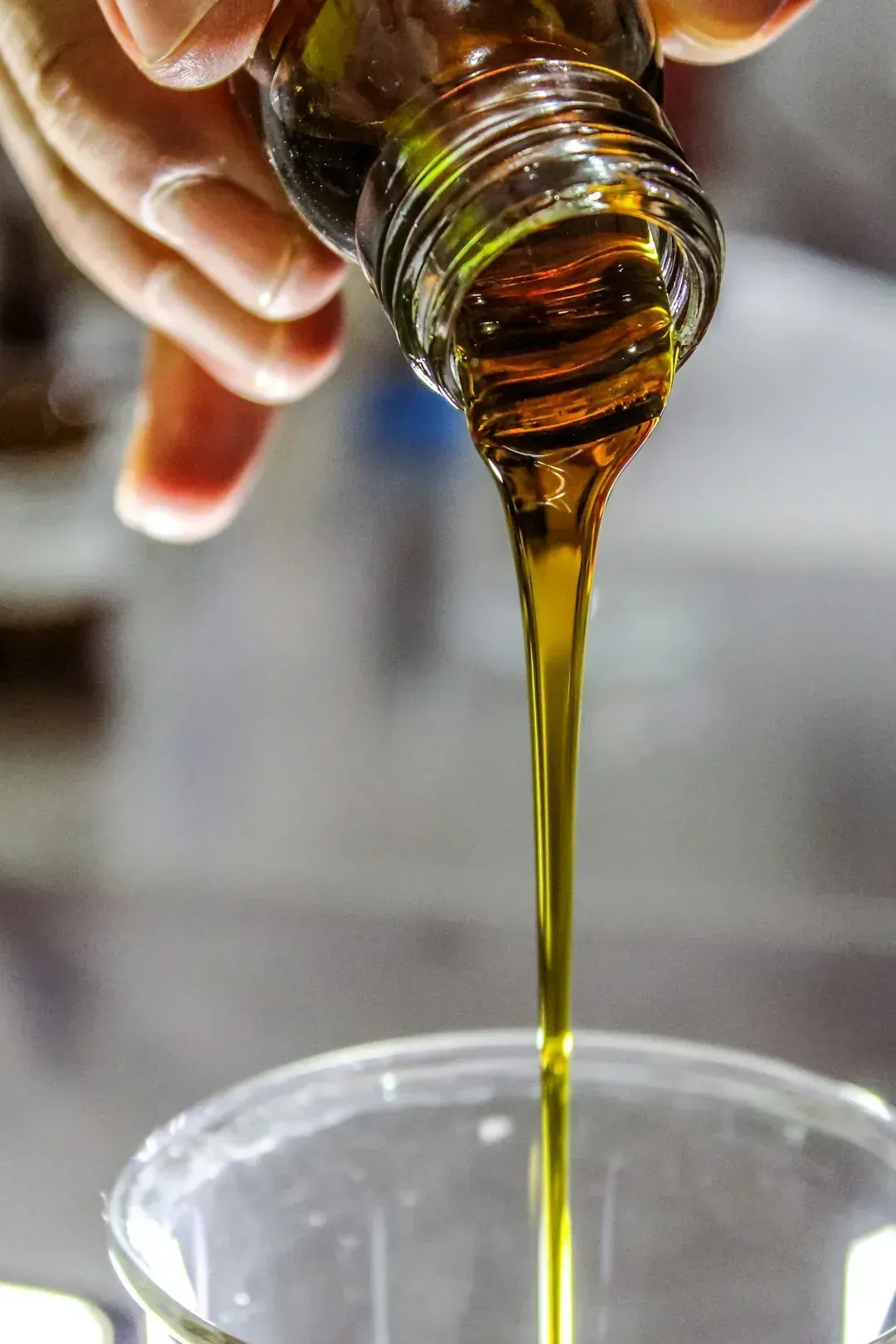
Not long ago, margarine was considered the heart-healthy hero. Shortening was in every baking aisle. Partially hydrogenated oils were in nearly every packaged snack you could imagine. Then the science caught up with decades of marketing claims - and consumers started paying attention.
Ultra-processed foods contain ingredients that wouldn't be found in a home kitchen, including chemical-based preservatives and emulsifiers like hydrogenated oils, which have become among the most widely avoided additives by health-conscious shoppers. Ultra-processed foods are industrially produced using low-cost ingredients such as hydrogenated oils, protein isolates, and glucose or fructose syrup, along with cosmetic additives like dyes, artificial sweeteners, and emulsifiers.
A major Lancet Series reviewing scientific evidence found that ultra-processed foods, which heavily rely on hydrogenated oils, are crowding out traditional dietary patterns, lowering overall diet quality, and contributing to higher risks of many chronic diseases. The regulatory picture has also shifted dramatically over the past decade, with trans fats effectively banned from the U.S. food supply - yet consumer vigilance over partially hydrogenated oils continues to grow.
6. Refined Breakfast Cereal Additives
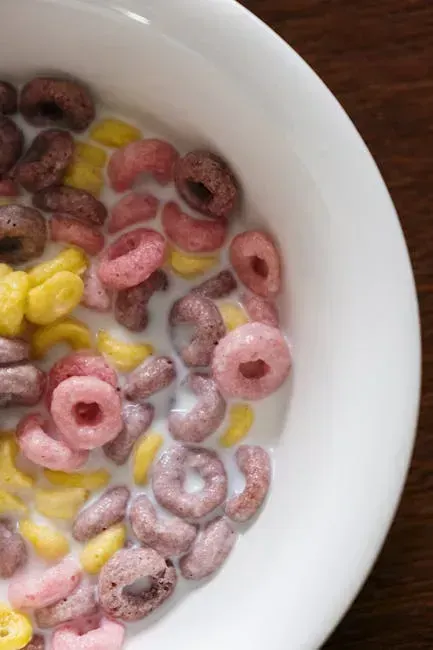
Breakfast cereal was once a symbol of an easy, healthy morning. Brightly colored boxes filled with vitamins and promises. Today, those very boxes are being left on store shelves with surprising regularity.
Analysts believe the breakfast cereal category is in a state of long-term decline, driven by a growing aversion to processed ingredients. Unit sales of ready-to-eat cereal declined in both 2021 and 2022 by roughly 8.5% and 3.5%, respectively, according to Circana data. General Mills lowered its 2024 sales outlook amid a 2% decline in retail sales in its most recent quarter.
Research indicates Americans are consuming breakfast less these days, with only about 35% of people reporting they ate something in the morning every day. The biggest driver isn't just skipping breakfast entirely - it's a conscious rejection of the synthetic dyes, refined sugars, and preservatives packed into traditional cereal formulas. Whole Foods' 2024 forecast confirms that instead of increasingly complex processed food ingredients, consumers are asking for shorter ingredient lists and the inclusion of naturally protein-rich plants.
7. MSG (Monosodium Glutamate)

MSG has had a fascinating and somewhat unfair run in the court of public opinion. For decades it was the villain of Chinese takeout boxes and instant noodle packets. While food scientists have largely defended its safety, a sizeable portion of the population still actively avoids it.
Many animal studies have reported that some food additives, including monosodium glutamate, may induce anxiety and depressive symptoms or increase susceptibility to inhibitory stimuli. These findings, though largely from animal models, have fueled consumer wariness that science alone hasn't been able to fully reverse. People are becoming wiser about food that isn't perceived as great for them, and videos on Instagram, TikTok, and YouTube are opening up an entire world of understanding about how food is manufactured and what's in it.
The "clean label" movement has been particularly tough on MSG. According to the Organic Trade Association's 2025 survey, clean-label products free from synthetic additives have evolved from premium options to baseline consumer expectations. Clean-label purchasing is important to roughly 81% of U.S. shoppers, with about 83% understanding what the term means, according to Acosta Group's 2024 Clean Label Insights study. MSG, fairly or not, sits squarely in the crosshairs of that movement.
8. Chemical Preservatives and Emulsifiers
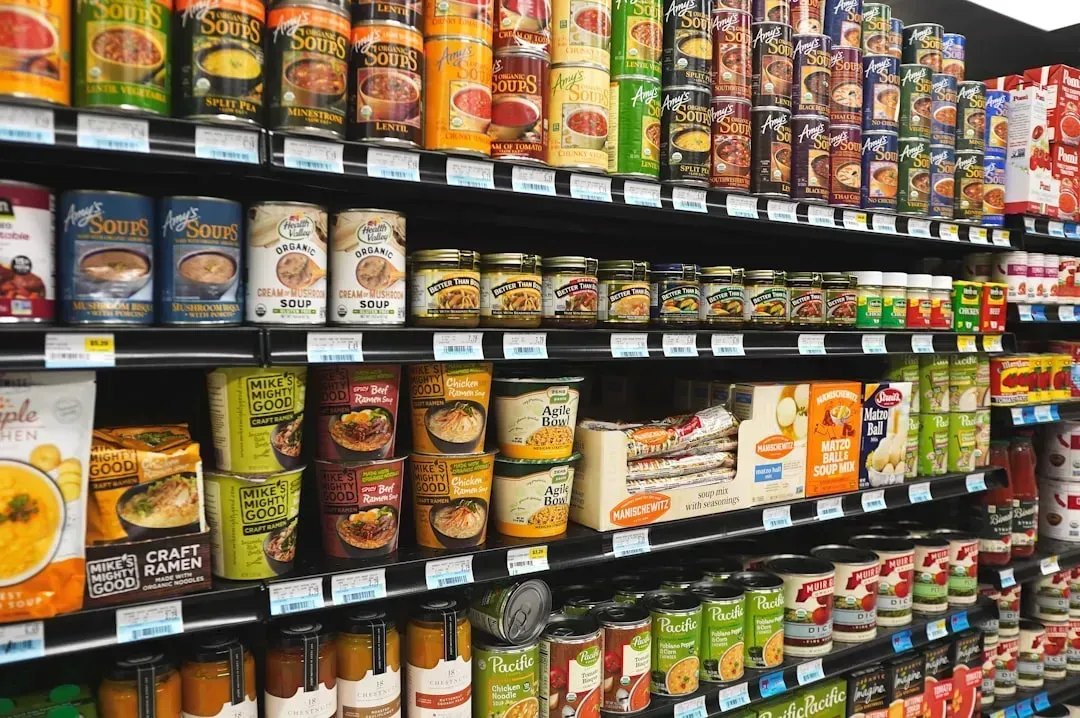
This one is a bit of a category, I know - but it's one that food experts say is driving perhaps the broadest behavioral shift of all. Consumers are no longer just checking for one or two bad actors on a label. They're scanning the entire ingredient list for anything that sounds like it belongs in a chemistry lab, not a kitchen.
A new Non-GMO Project survey found that roughly 72% of U.S. consumers are now trying to avoid ultra-processed foods, despite knowledge gaps and low trust in food companies. Eight in ten Americans now agree that highly-processed foods are a significant threat to public health, and seven in ten report checking labels to avoid artificial or highly processed ingredients.
A large prospective cohort study of over 100,000 adults linked common additive combinations to a higher incidence of type 2 diabetes, and a 2025 laboratory study found that mixtures of additives caused toxic effects in human colon, liver, kidney, and neuron cell models. San Francisco filed what was described as the first government lawsuit against major ultra-processed food producers, and more than 100 state-level bills proposing restrictions or bans on certain food ingredients were introduced across the United States in 2025. The legal and legislative landscape is shifting as fast as consumer sentiment.



Leave a Reply