
Home cooking is having a serious moment. A remarkable nine out of ten Americans say they expect to cook as much as they did last year or even more in the coming months. That sounds great, honestly. More home-cooked meals, more fresh ingredients, more control over what ends up on the dinner table. The only problem? Cooking more often doesn't automatically mean cooking better.
There are habits that quietly sabotage meals - things most people do without even thinking about them. Some of these mistakes are surprisingly subtle. Others are shockingly obvious once you see them. Whether you've been cooking for two years or twenty, a few of these might hit a little too close to home. Let's dive in.
1. Skipping the Pan Preheat
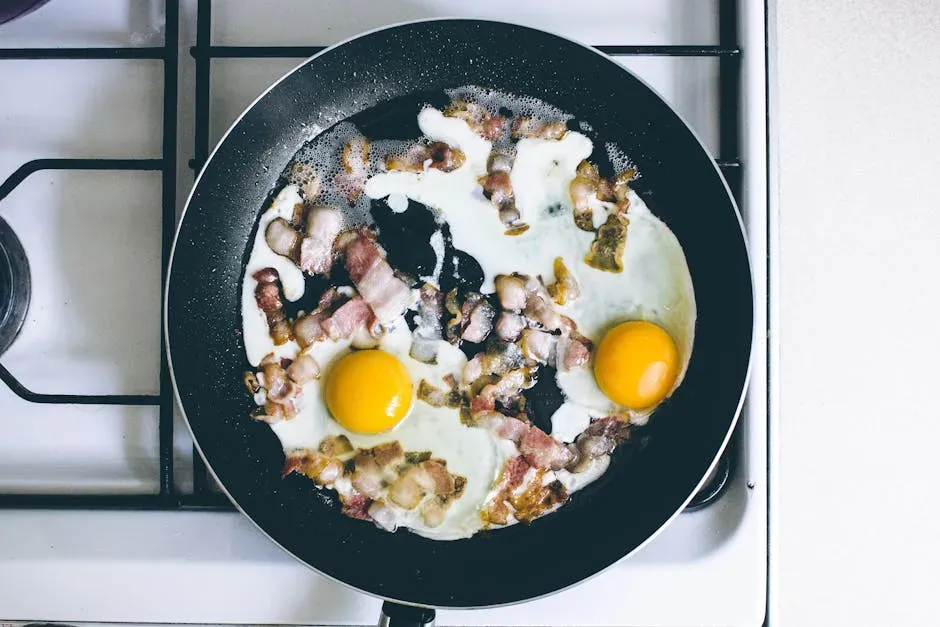
Here's a hard truth: tossing food into a cold or barely warm pan is one of the most common ways home cooks accidentally ruin a dish. Food needs heat to brown properly, and most people start cooking before the pan is actually ready. A cold or barely warm surface causes food to steam rather than sear properly. That means no golden crust, no caramelization, and a disappointing pale result sitting on your plate.
A common mistake is rushing the process and adding meat to a lukewarm pan. If the pan isn't hot enough, your meat won't sear properly - it'll just sit there and slowly cook instead of caramelizing. Think of it like trying to toast bread in a cold oven. The science simply isn't there.
If your pan is too cold when you add food, moisture from the food can't evaporate quickly. This creates tiny pockets of steam between the pan and the food, which can make it cling stubbornly to the surface. That's why preheating your pan is so important. A simple fix, massive payoff.
2. Overcrowding the Pan
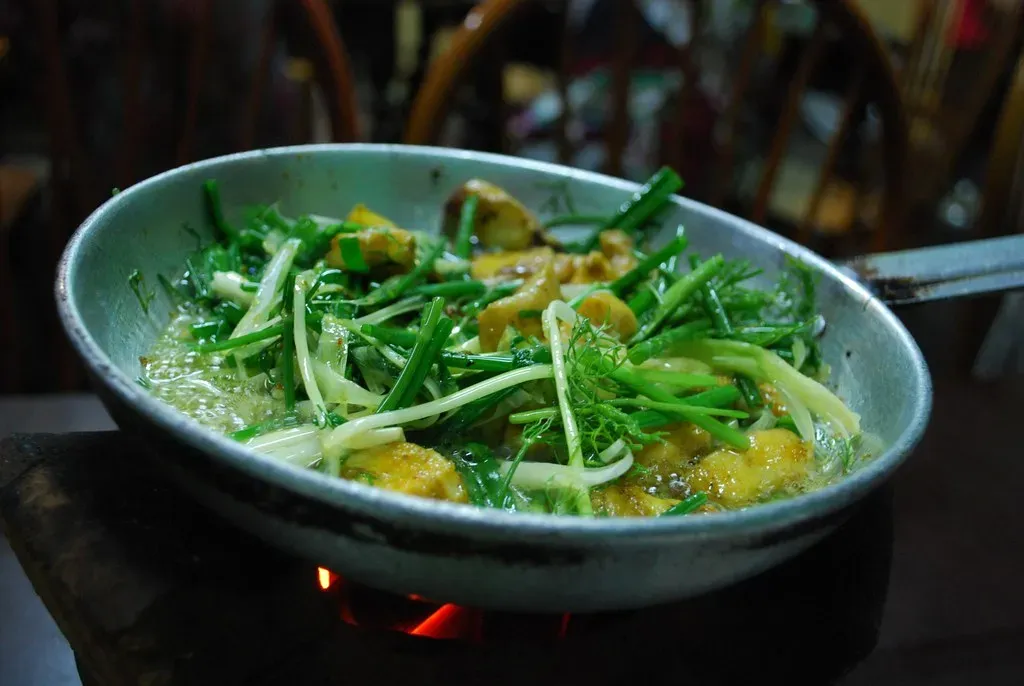
We've all done it. You're hungry, it's late, and you want everything cooked at once. So you pile the pan high and hope for the best. One of the most common cooking mistakes is overcrowding the pan - this occurs when too many ingredients are placed in the pan at once. Overcrowding leads to uneven cooking as the ingredients don't have enough space to cook properly. It also hinders the browning process, as the ingredients may release moisture, preventing them from achieving a desirable sear or crispness.
Piling too much cold food onto a hot pan drops the surface temperature, traps moisture, and turns a searing moment into a steaming sauna. That's a perfect way to describe it. Instead of a sizzling, golden-brown piece of chicken, you end up with something gray and sad.
This rules out any hope of starting the browning process until all the water has evaporated, by which time the meat will be tough or the vegetables mushy. In overcrowding the pan, not only does the food take longer to cook, but the final dish looks rather dull and insipid. Cooking in batches takes a little patience, but it's the difference between a restaurant-quality plate and a soggy disappointment.
3. Under-Seasoning Throughout the Cooking Process
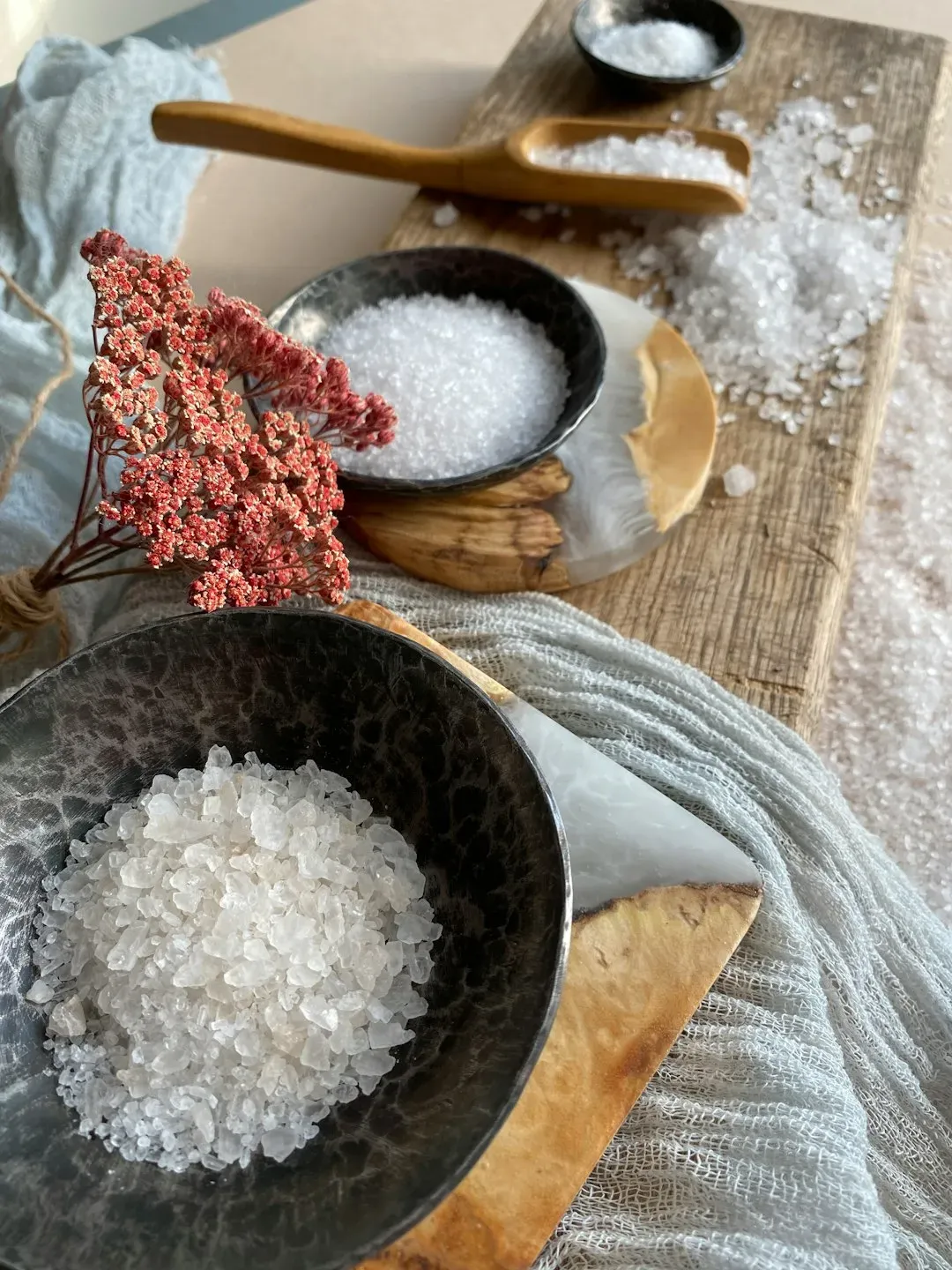
Seasoning at the end is not the same thing as seasoning while you cook. Salt and fat are equally important, but most people use them incorrectly or in insufficient amounts. Salt does more than make food "salty" - it brings out natural flavors, balances bitterness, and even affects how ingredients react during cooking. Fat carries those flavors across the palate and helps create texture in baked or cooked items.
All the time, chefs hear clients or friends say how their food is so bland. They try the food and it's the first thing they notice. People use the tiniest pinch of salt for a meal that's meant to feed a whole group. It's a widespread problem, and honestly it explains a lot of mediocre home-cooked meals.
It's easy for beginners and often professionals to overcook pasta or forget to salt the water, which is the only moment to season these staples from within. Salting pasta water isn't optional - it's the only shot you have at seasoning the pasta itself. Miss that window and no amount of sauce will fully compensate.
4. Not Resting Meat Before Serving
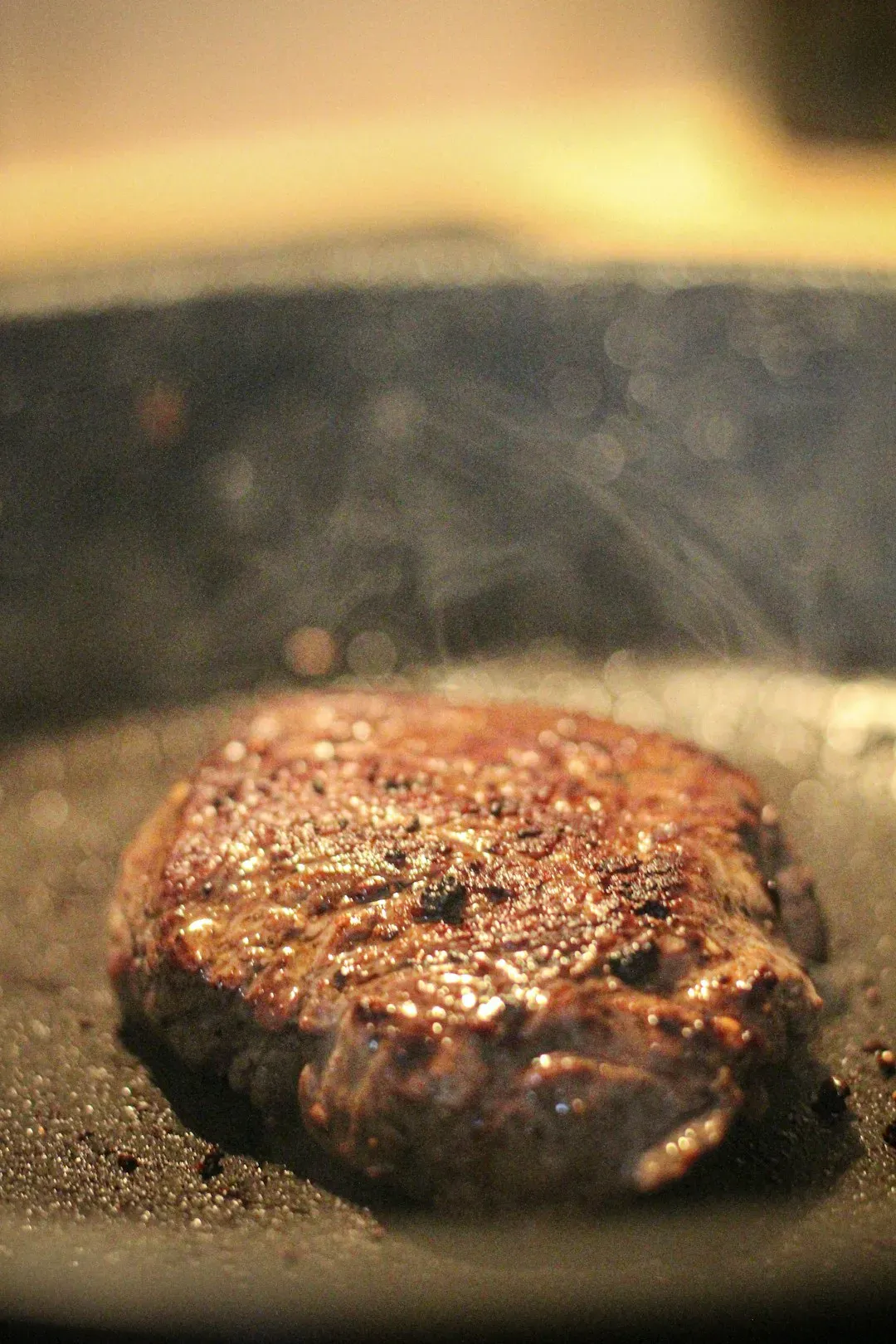
You've spent time and effort cooking the perfect steak or roast chicken. Then you slice straight into it the moment it comes off the heat. Big mistake. The thing that will guarantee a dried-out product is failing to let your meat rest before serving it or slicing it open. During the cooking process, the proteins which bind the meat together wind themselves up really tightly as a reaction to the heat being applied. When they shrink, they squeeze moisture out which collects in the center of whatever you're cooking.
During cooking, heat drives the juices in the meat toward the center. Resting the meat allows these juices to redistribute evenly throughout the meat, preventing them from spilling out when cut. Skipping this step means all those precious juices end up on your cutting board instead of in your mouth.
A bare minimum of 15 minutes is recommended for a 12-ounce steak; a bare minimum of 30 minutes for a larger roast. That might feel like forever when you're hungry, but it's worth every second. Use the time to plate your sides, pour a drink, and let patience do its work.
5. Using the Wrong Oil for the Heat Level
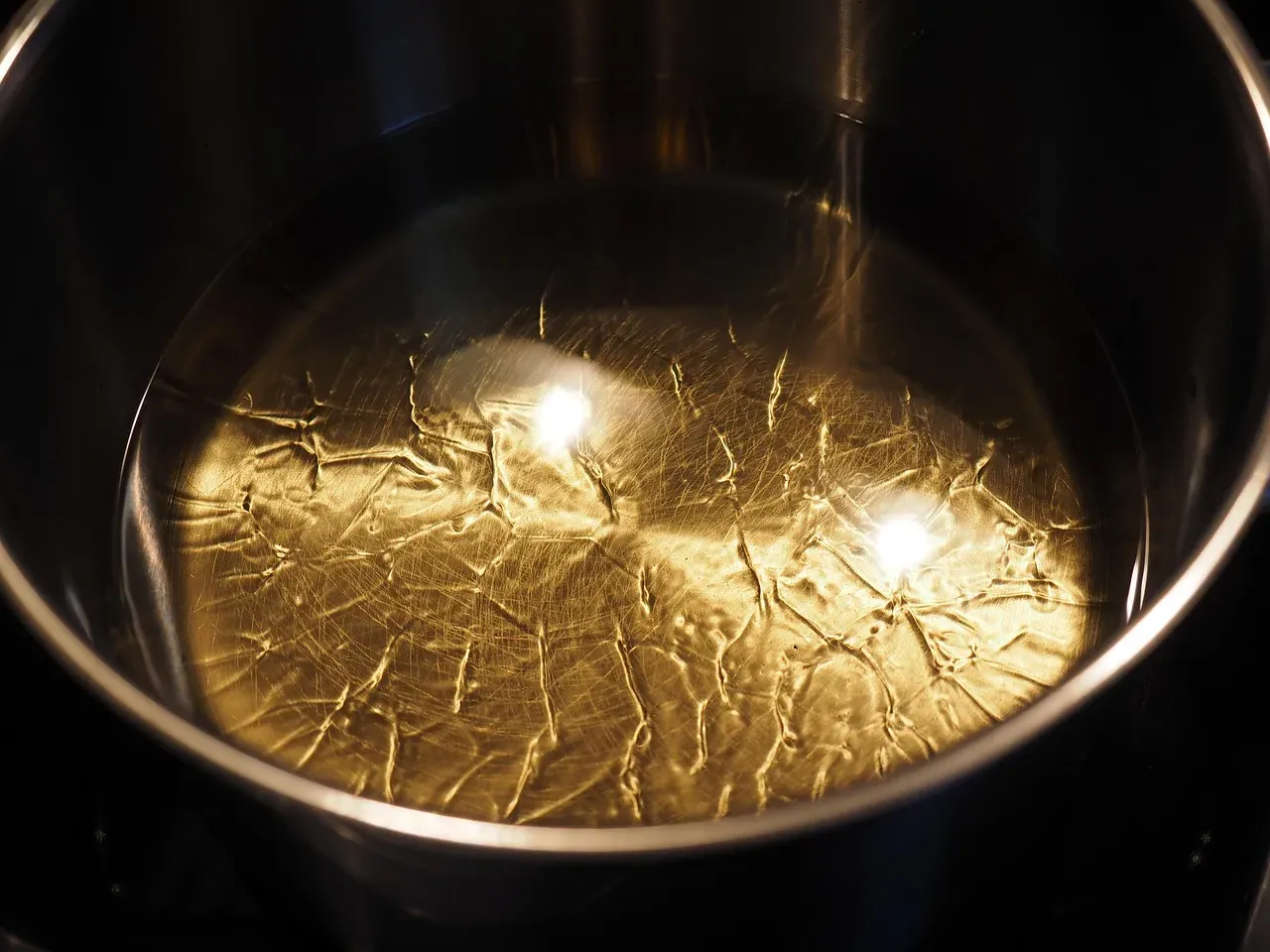
Not all cooking oils are created equal, and using the wrong one for the wrong purpose is a fast track to a ruined dish. Not all oils are created equal. Using a low smoke point oil like olive oil for high heat cooking can lead to burnt, bitter flavors and even harmful smoke. That acrid smell filling your kitchen? That's your oil breaking down and taking your meal with it.
Using a low smoke point oil for high heat cooking can lead to burnt, bitter flavors and even harmful smoke. For high heat tasks, oils with higher smoke points should be used for frying, searing, or roasting, such as avocado oil and coconut oil. Save your nice extra virgin olive oil for salad dressings or a finishing drizzle - where it actually shines.
I think this is one of the most overlooked mistakes in home kitchens, partly because we're so used to reaching for the same bottle of oil out of habit. The fix is simple: check the smoke point before you cook. Match the oil to the task. It genuinely changes everything about the final flavor.
6. Adding Ingredients in the Wrong Order
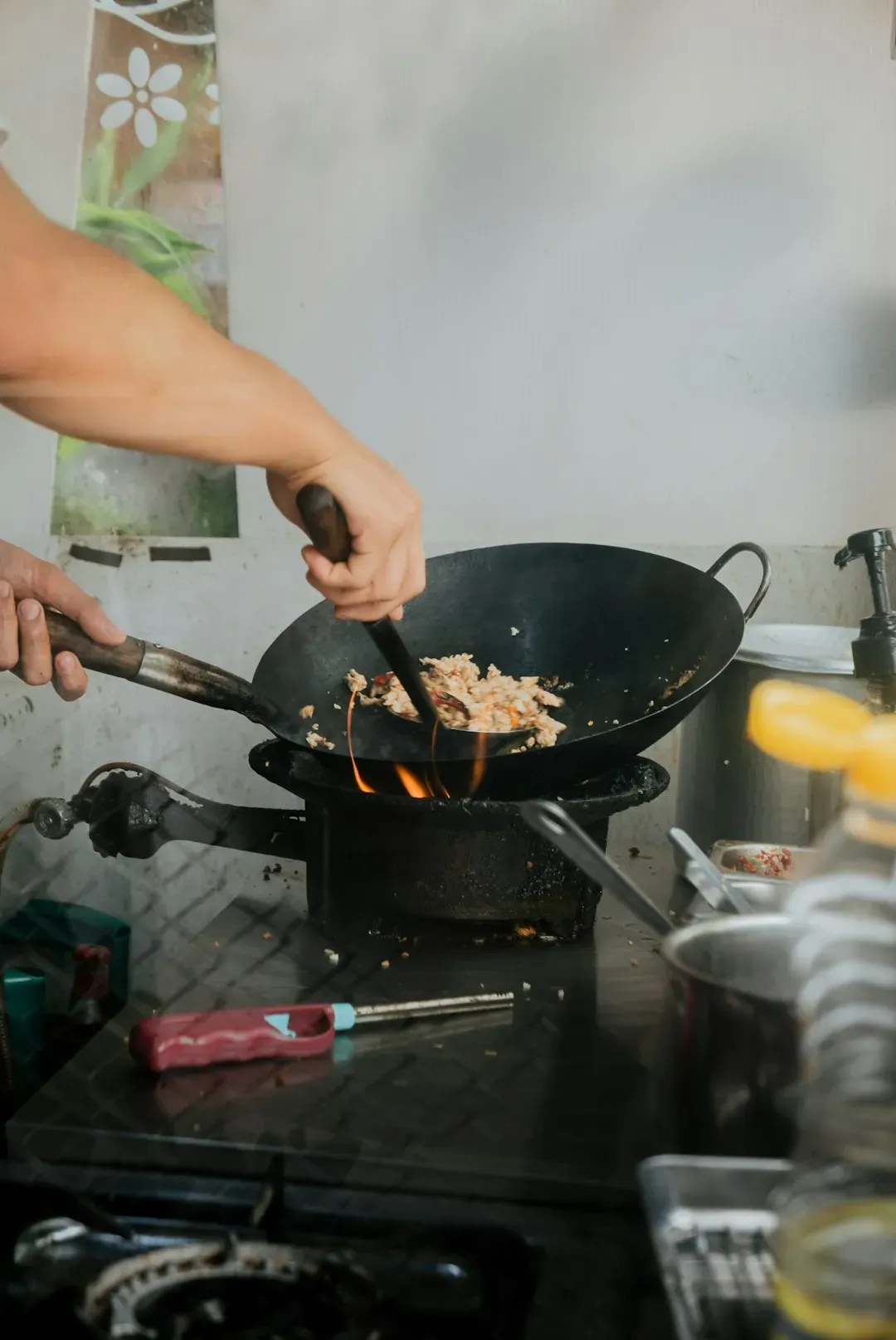
Recipes list ingredients in a specific order for a very good reason - and ignoring that sequence can quietly wreck the entire dish. Recipes have you add ingredients in a specific order for flavor development. If you add them out of order it could ruin your dish or taste different than the original recipe. This sounds obvious, but in the rush of everyday cooking, it's easier than you'd think to toss everything in at once.
Garlic is the classic example of this going wrong. Many people always put garlic in at the start of cooking like with the onions, but it only takes about three minutes or so to cook. Add it too early and garlic burns, turning bitter and harsh - an unpleasant flavor that permeates the entire dish and can't be undone.
Skipping prep work is a related problem. Many people start cooking before everything is ready, which often leads to missed steps or uneven cooking. The French call proper preparation "mise en place" - everything in its place before you start. It's not just chef jargon; it's the difference between a controlled, enjoyable cook and a chaotic scramble that ends in burnt garlic and confusion.
7. Cooking Proteins Straight From the Refrigerator
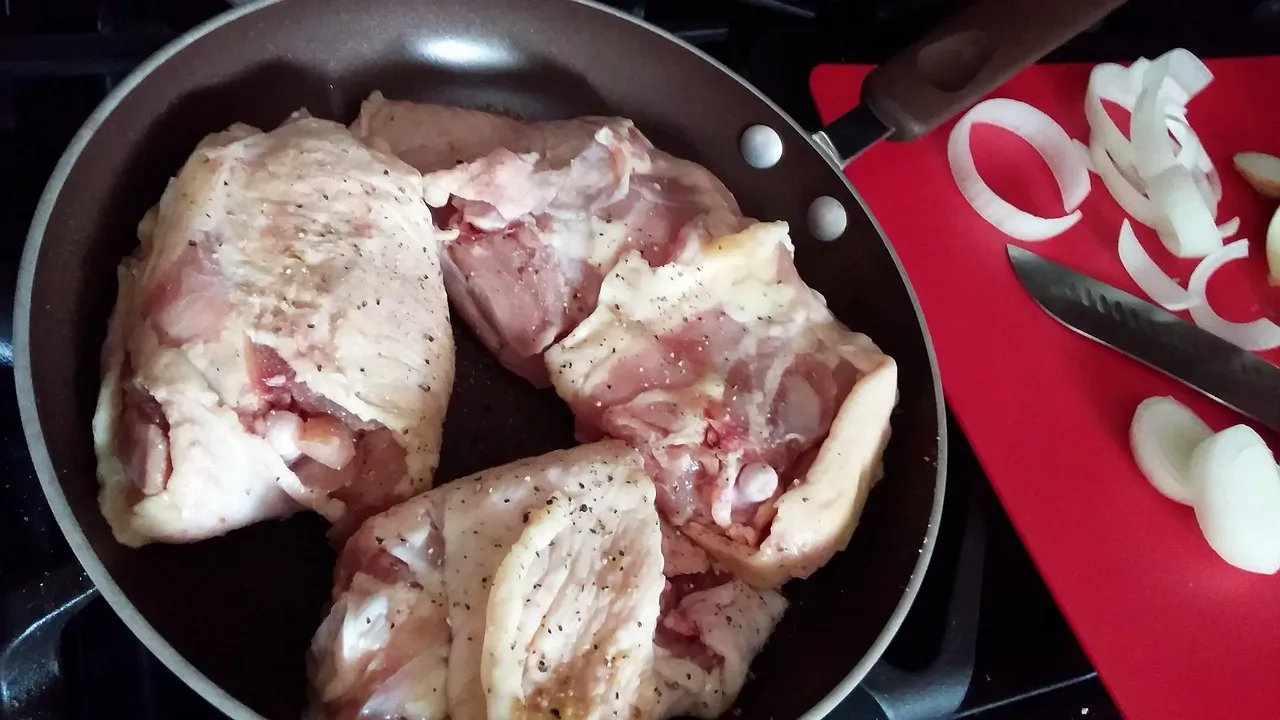
This one surprises a lot of people. You pull a thick chicken breast or a steak directly from the fridge and immediately drop it into a hot pan. The problem is instant. Cold meat or eggs can cool down the pan and prevent even cooking. The recommendation is to let them sit at room temperature for a few minutes before cooking. A cold piece of protein hitting a hot surface creates an uneven cooking situation from the very first second.
Fear of undercooking meat or fish often leads to dry, tough results. Overcooking can happen in seconds, especially with lean proteins like chicken breast or shrimp. When the outside of your protein is racing ahead because it's compensating for a cold center, you often end up with overcooked edges and an undercooked middle - the worst of both worlds.
Learning by failing remains a constant in the kitchen: surveyed home cooks reported burnt dishes among the most common setbacks, followed by the addition of incorrect ingredients and even personal injuries. Allowing proteins to rest briefly at room temperature before cooking isn't about following a rigid rule - it's about giving your food the best possible starting conditions before it ever hits the heat.
What's the most surprising entry on this list for you? A lot of these mistakes are so deeply baked into everyday routines that they feel totally normal - right up until you stop making them. Tell us in the comments which habit you're going to ditch first.


Leave a Reply