
Walk into any modern supermarket and you're staring down somewhere around 40,000 individual products. That's a lot of choices. For the average shopper, it's overwhelming. For an experienced chef, it's a minefield. After two decades in professional kitchens, a seasoned chef learns to spot the difference between something genuinely useful and something that just looks good on a shelf. The gap between those two things is wider than most people realize.
So what does someone with that kind of culinary mileage actually put in their cart? More importantly, what do they leave behind? The answers might genuinely surprise you. Let's dive in.
1. Pre-Bagged Salad Kits
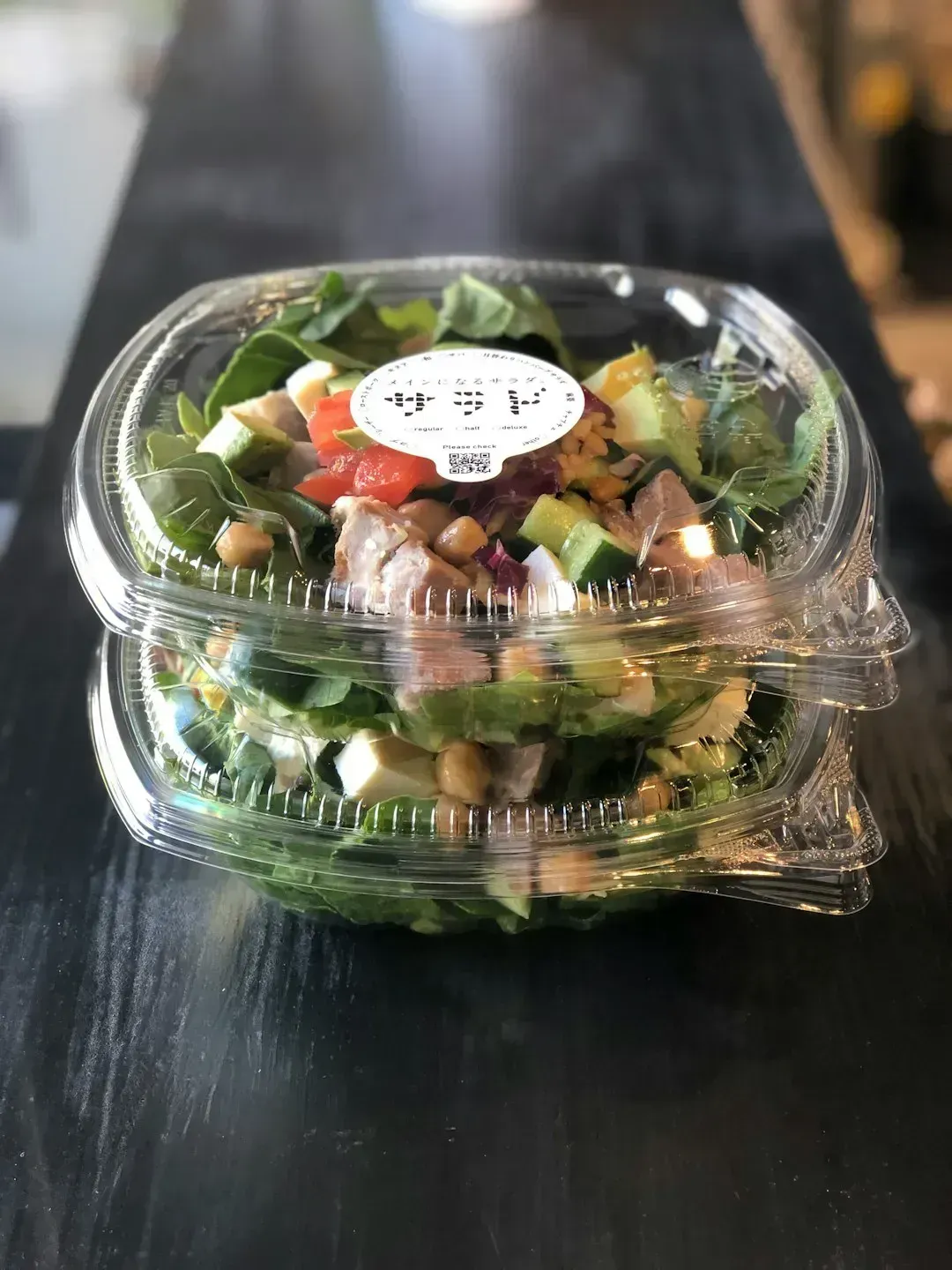
Pre-washed, pre-cut, and ready in seconds. Sounds perfect, right? Honestly, for a chef, this is one of the first things to skip in the produce aisle. The extra steps involved in industrial processing make bagged lettuce more prone to the development of dangerous bacteria, such as listeria, salmonella, and E. coli. The very convenience you're paying for introduces more risk, not less.
The most severe contamination was found in ready-to-eat salads, with around 6% of samples being contaminated with human pathogenic bacteria such as Salmonella, Listeria, or Escherichia coli. Moreover, roughly 42% of the tested salads exceeded the reference value for the total bacteria count. That's a sobering number. During a period spanning from January 2015 to May 2024, the FDA classified recalls of approximately 240 packaged salad products because of potential contamination with Listeria monocytogenes. That's not a fringe problem. A whole head of lettuce, washed at home, is the better call every time.
2. Jarred Pasta Sauce
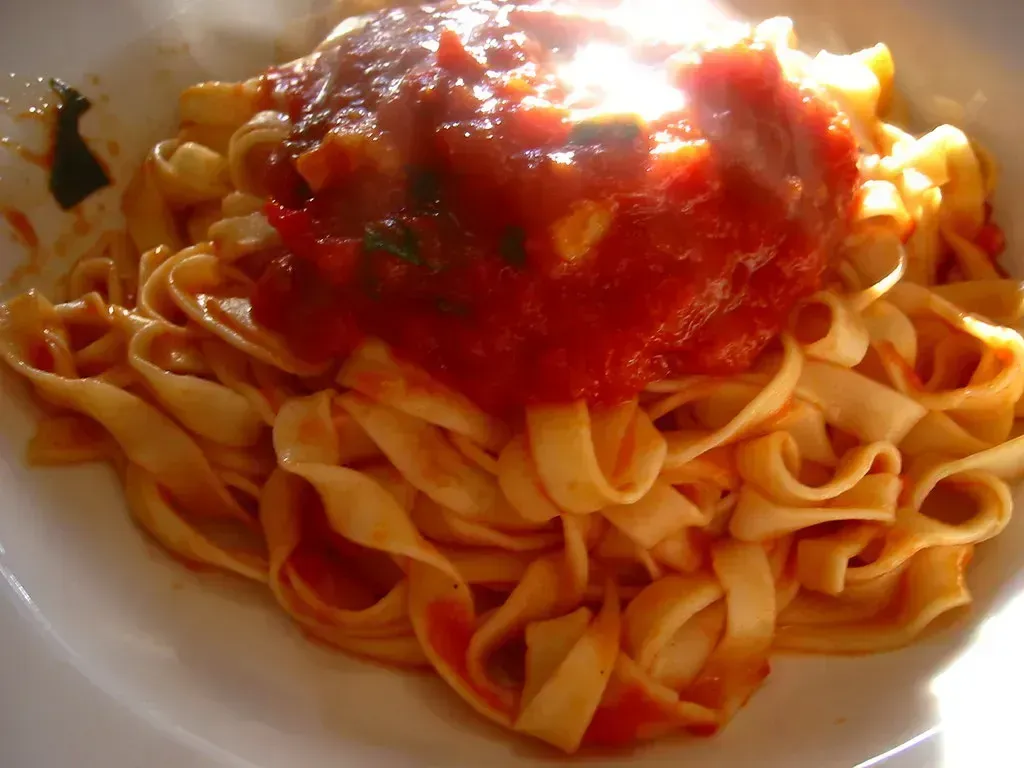
Chefs, culinary experts, and true Italians all preach that there's nothing quite like homemade pasta sauce. It's a labor of love that rewards you with an authentic, rich, and fresh flavor, and a well-seasoned pasta. Any professional cook will tell you the same thing. The jarred version is a shortcut that costs you far more in flavor than it saves in time.
A jar of marinara sauce might be tempting when you want to get dinner on the table fast, but it's something that a chef would never buy. These jarred sauces are usually overbearing, with none of the nuance of fresh tomatoes. Here's the thing: a basic tomato sauce made from canned San Marzanos, a little garlic, and good olive oil takes about 20 minutes. Many commercial sauces use sugar to counter acidity, rather than balancing flavors through proper technique. That sugary, flat taste is the dead giveaway every time you open the jar.
3. Grocery Store Bread
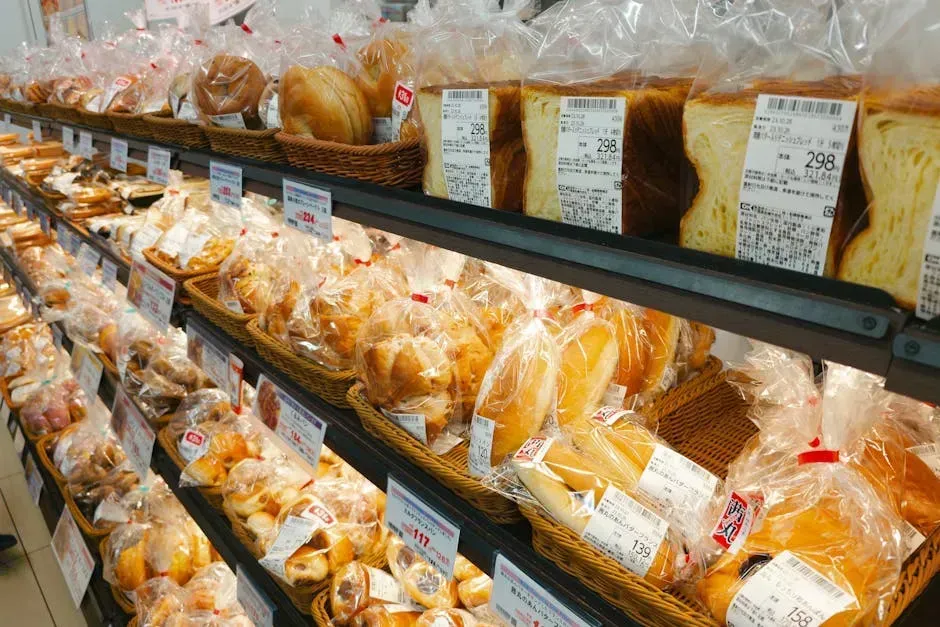
Most people don't stop to think about this one, but once you do, you can't unsee it. Most grocery store bread is made weeks before you buy it, so it's packed full of preservatives. It lacks taste and texture. That soft, perfectly uniform loaf you grab without thinking has essentially been engineered to last on a shelf, not to taste like anything extraordinary.
A real chef's instinct is to head to a local artisanal bakery instead. The difference in taste, crust, and chew is dramatic. Great bread is transformative. Think ripping into a pillowy focaccia or dipping pieces of sourdough into balsamic vinegar and olive oil. The fact is, most grocery store bread just isn't good. It's one of the easiest swaps you can make, and your sandwiches will never be the same again.
4. Pre-Made Pesto
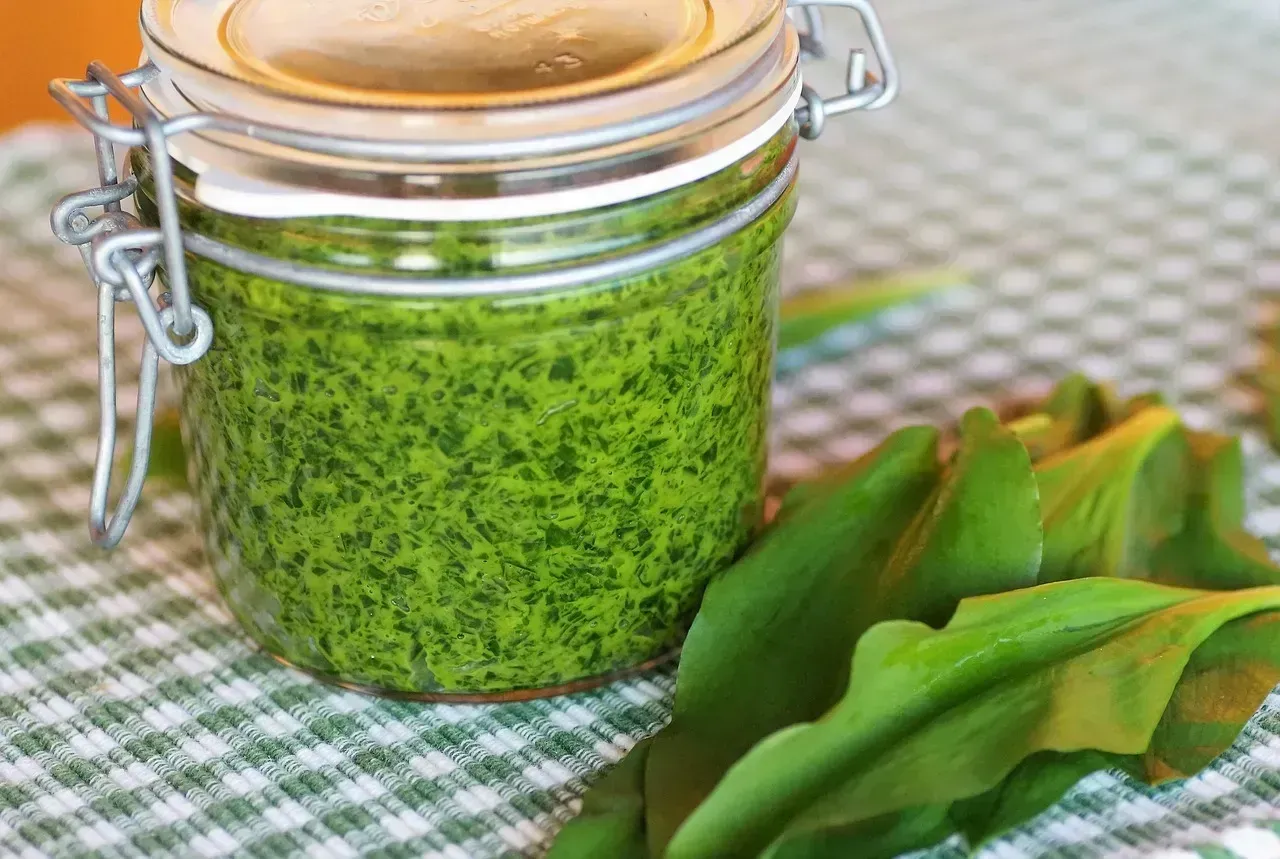
I know it sounds like a small thing, but jarred pesto is honestly one of the sadder products on a grocery shelf. If you think you don't like pesto, you might have only ever had the jarred stuff. You might change your mind if you whip some up at home. Pesto was flagged as one of the products chefs never buy at the grocery store. Once you've made it fresh, you'll understand why.
The contrast is striking. Fresh pesto using real basil, quality Parmesan, and good olive oil is vibrant, green, and alive with flavor. Jarred versions oxidize in production, turning an olive-brown color and losing the bright punch that makes pesto special. Since you can use other nuts instead of pine nuts and greens other than basil, you can tailor it to your preferences or what you already have in your pantry. It takes five minutes in a food processor. There's really no excuse to buy the jarred version.
5. Ultra-Processed Frozen Meals
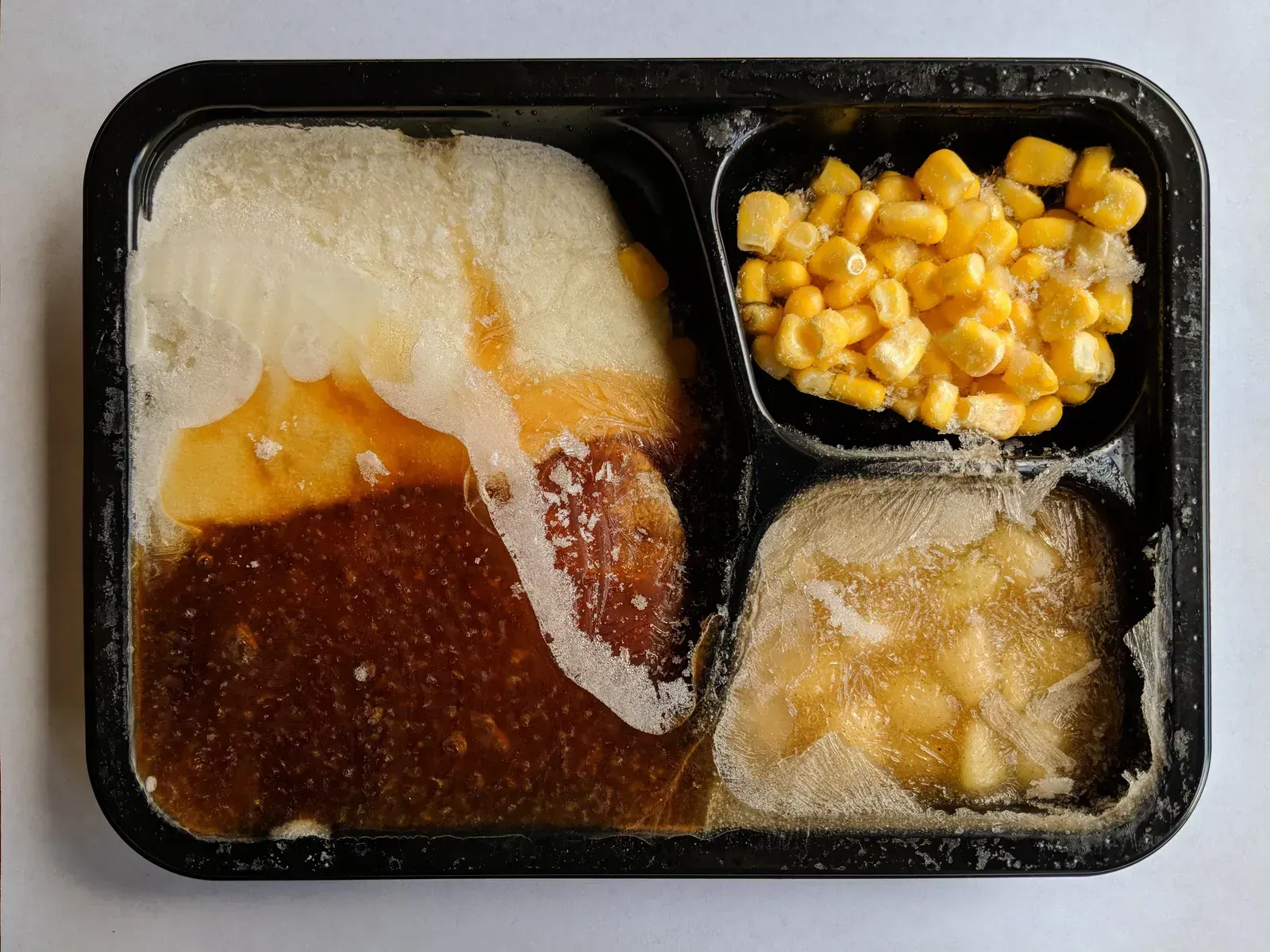
A chef's freezer looks very different from the average person's. You won't find stacks of convenience dinners in there. While some frozen meals from the grocery store may appear to be a healthy choice, they often fall short when it comes to their nutritional value. Many of these meals are highly processed and may contain fewer nutritious ingredients than expected. The picture on the box and what's actually inside are two different realities.
Many grocery store frozen meals can contain upwards of 1,000 milligrams of sodium, contributing to more than half of the recommended daily intake. A chef who has trained their palate to detect salt levels immediately notices this. A 2024 umbrella review of 45 meta-analyses including almost 10 million people found that diets high in ultra-processed foods are linked to 32 health conditions, including obesity, type 2 diabetes, cardiometabolic diseases, many cancers, and gastrointestinal disorders. The convenience just doesn't hold up against that kind of evidence.
6. Pre-Packaged Store Pastries and Baked Goods
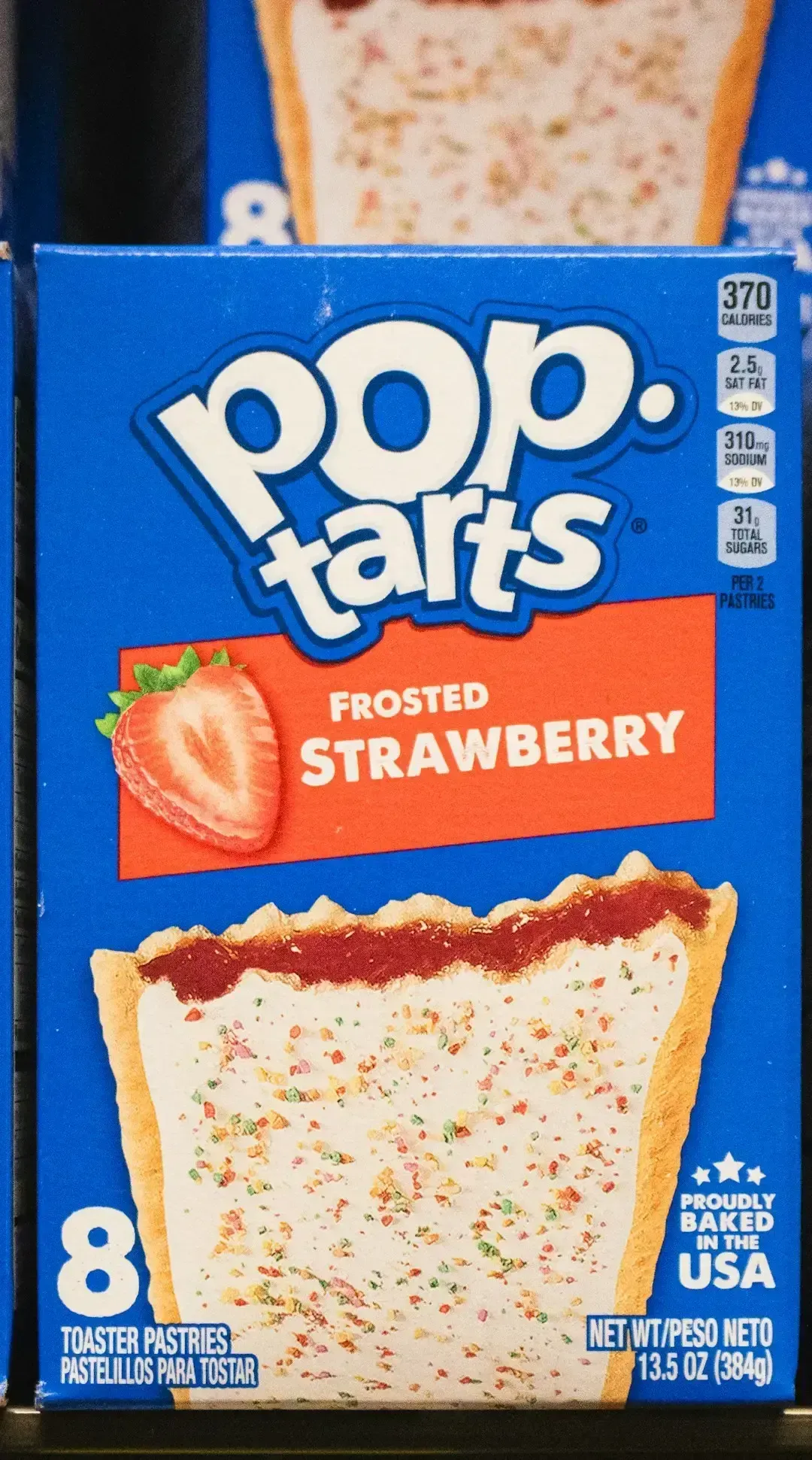
Let's be real. Those plastic-wrapped muffins near the checkout, the cellophane-covered danishes, the suspiciously perfect-looking croissants in the bakery section. None of these belong in a chef's basket. Other baked goods usually aren't great from a supermarket. Pastries are lackluster with unimaginative fillings and basically no lamination. Other sweet bakes, like cookies and cakes, can be tasteless or overly sweet.
Proper laminated pastry, the kind that creates real croissants, requires skill, patience, and quality butter. The grocery store version is typically made with vegetable shortening and additives to extend shelf life. The longer the ingredient list, especially words you've never heard of before, the more processed the foods are. "If it has a ton of ingredients that include additives, coloring agents or words you just don't know are true foods, it's definitely ultra-processed." A real bakery, visited even once a week, is worth every extra mile of the drive.
7. Bottled Salad Dressings
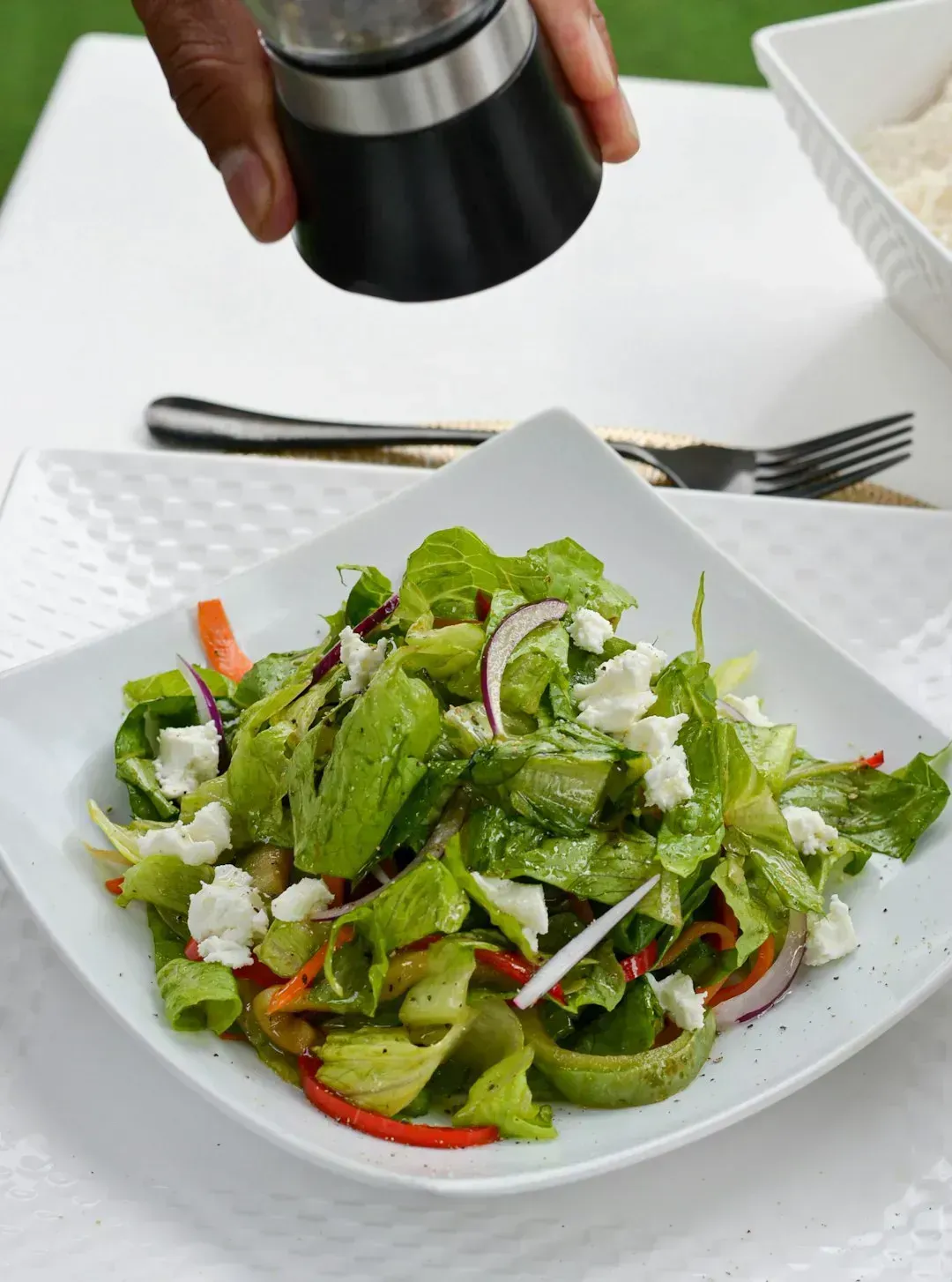
This one surprises people, but it genuinely shouldn't. Bottled salad dressings are loaded with stabilizers, emulsifiers, and more sugar than anyone expects from something that's supposed to go on a salad. The poor nutrient quality of ultraprocessed foods, characterized by high sodium, sugar and saturated fat levels, and low fiber content, is a recipe for poor health. Pre-made dressings often fall squarely into this category.
A basic vinaigrette is nothing more than oil, acid, a pinch of salt, and an emulsifier like mustard. That's four ingredients and ninety seconds of work. The gap in freshness and flavor between homemade and bottled is enormous. Chefs understand that a dish is only as good as its components, and dressing is half the salad. Paying a premium for something full of preservatives that you could make in a jar with pantry staples is, honestly, baffling to any trained cook.
8. Grocery Store Rotisserie-Style Spice Blends
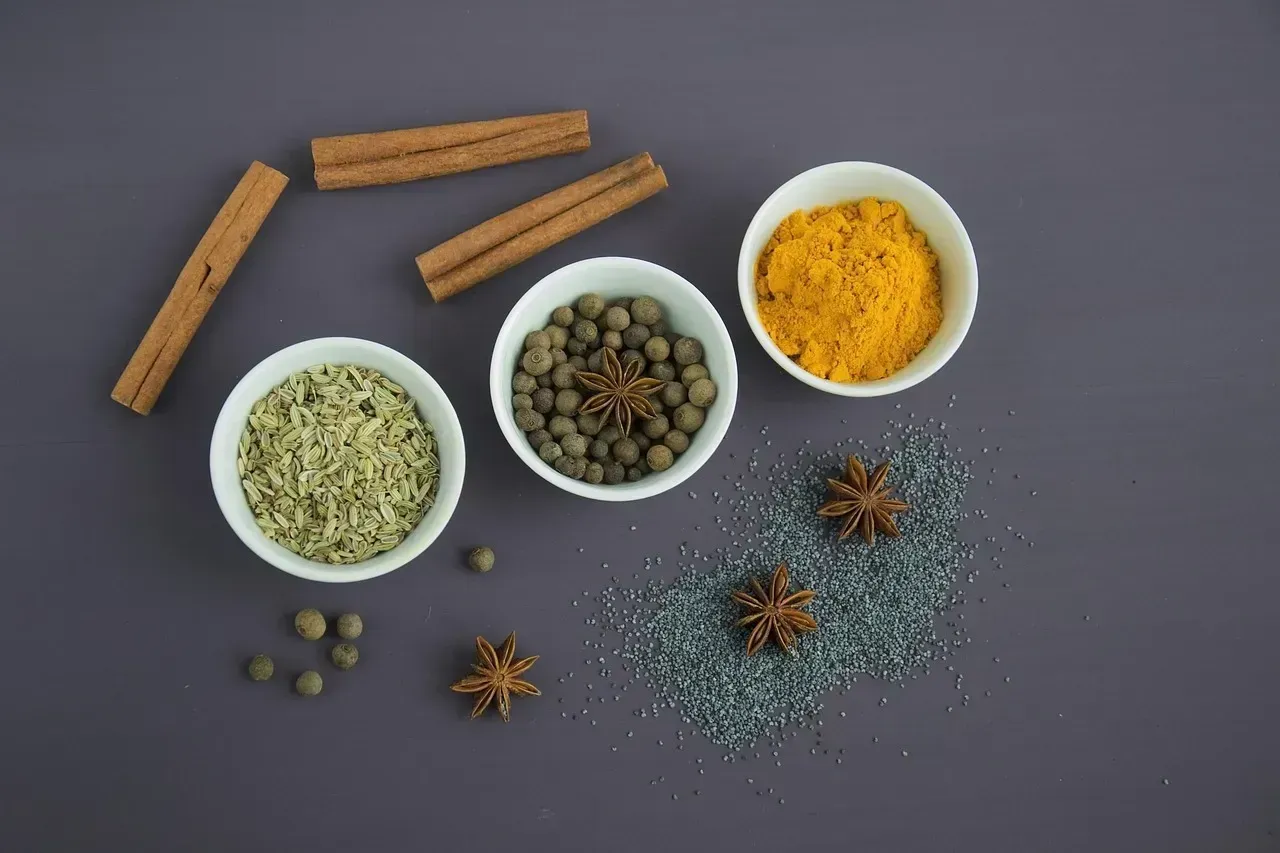
Those convenient little packets and jars of pre-made spice blends, the taco seasoning, the "Italian seasoning," the steak rub kits. A chef won't touch them. These processed foods are giving you an excessive amount of sodium, fat and sugar, and not enough nutrition. Most of these blends are largely salt, with a dusting of actual spice underneath.
Building your own spice blends from whole spices is one of the first things culinary schools teach. When you grind cumin fresh or bloom whole coriander seeds in a dry pan, the aroma and flavor are in a different league entirely. Reading the nutrition labels and ingredient lists on products before buying them, looking for foods that have only a few pronounceable, recognizable ingredients, is a practice every experienced cook applies automatically. Grocery store spice blends usually fail that test within the first three ingredients.
9. Canned Soup (Name Brand)
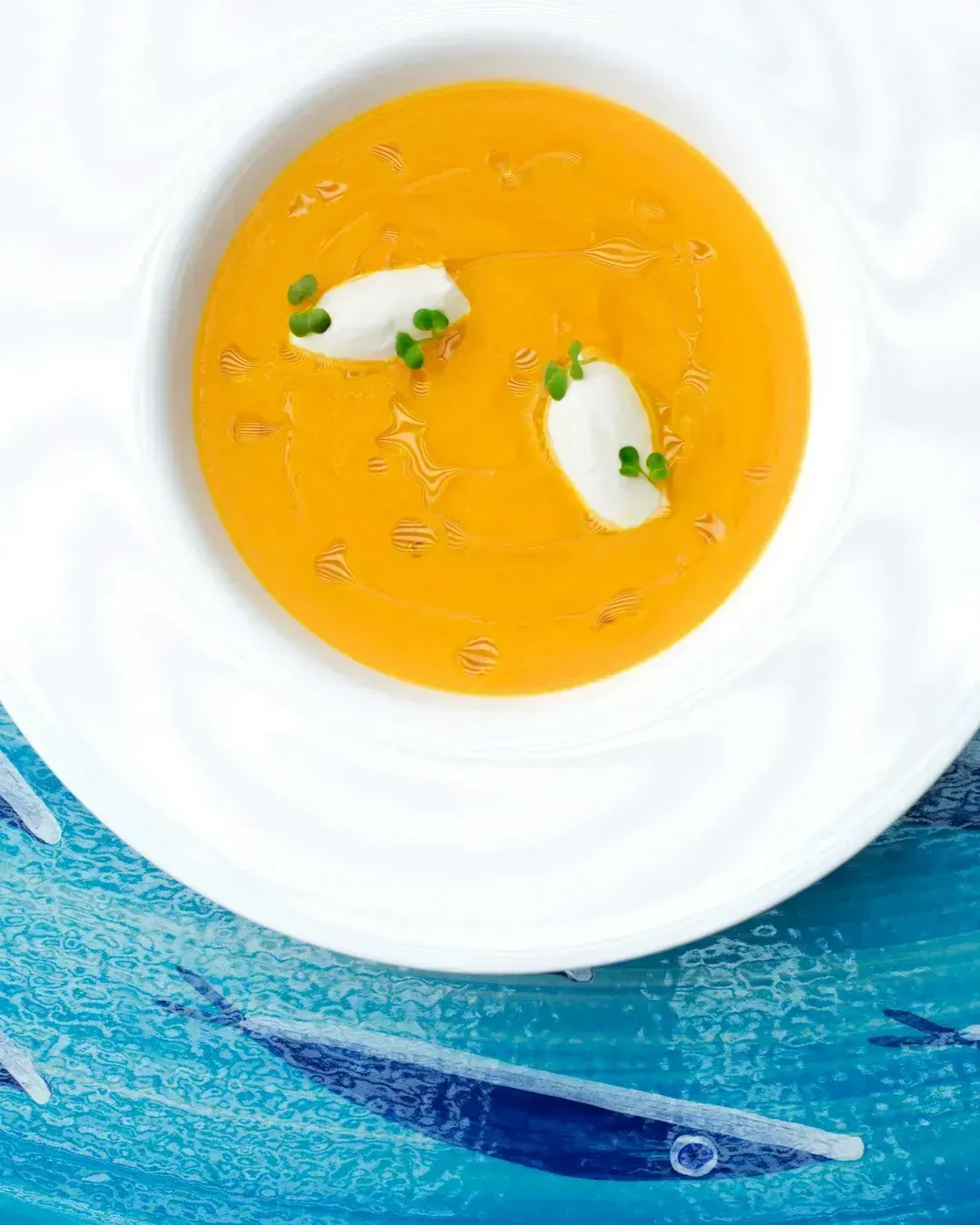
Canned soup is the original comfort food for millions of Americans. A chef, however, sees right through the can. Most commercial canned soups are shockingly high in sodium. Research has shown that diets high in ultraprocessed foods are linked to more than 30 health conditions. More exposure to ultraprocessed foods was associated with a higher risk of dying from any cause, with strong ties to cardiovascular disease-related deaths, mental health disorders and type 2 diabetes.
A good homemade broth or soup, made from roasted vegetable scraps and simmered bones, costs almost nothing and freezes beautifully. The idea of paying a premium for a can of sodium-loaded liquid when a pot of real soup can be made in an afternoon is genuinely difficult for any chef to get behind. It's one of those cases where the easy option and the smart option are pointing in completely opposite directions. Making a big batch of soup on a Sunday and freezing portions for the week is a habit that a professional kitchen mindset naturally develops.
10. Pre-Grated Cheese
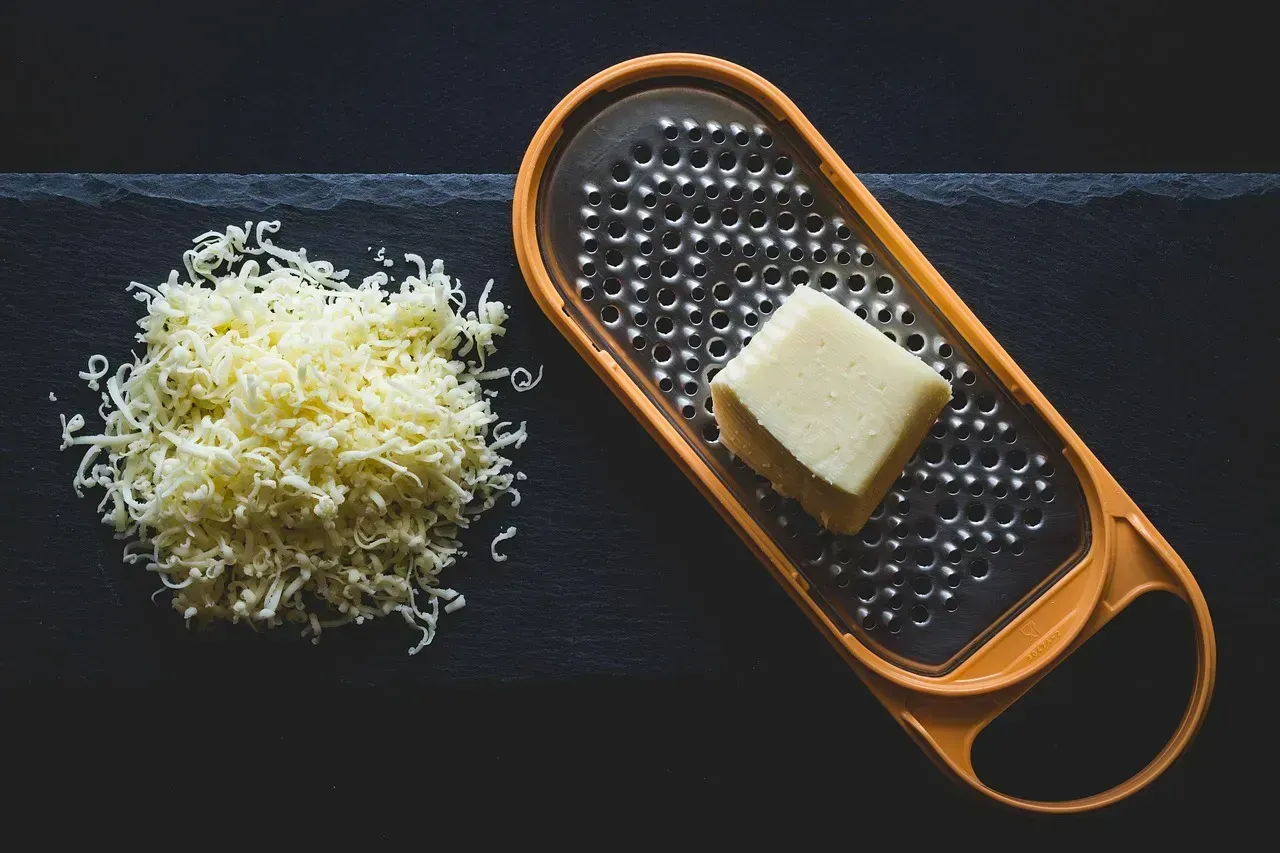
It sits right there in its convenient little bag, ready to sprinkle. The problem is that pre-grated cheese contains additives, most commonly cellulose powder or potato starch, applied to prevent clumping. Ultra-processed foods are typically high in saturated fat, sodium, and sugar, and many commercial cheese products carry additive coatings that affect how the product melts and behaves in cooking. Any chef worth their salt will tell you pre-grated cheese doesn't melt properly because of those very coatings.
Whole blocks of cheese grated fresh take sixty seconds and behave entirely differently when they hit heat. They melt cleanly, blend smoothly into sauces, and taste noticeably fresher. It's a small swap with a surprisingly large payoff, particularly for anything involving a béchamel, a pasta, or a gratin. A block of good Parmesan or aged cheddar will also last longer in the fridge than its pre-shredded counterpart, making it the more economical and superior choice by almost every measure.
11. Imitation or Flavored Olive Oil Blends
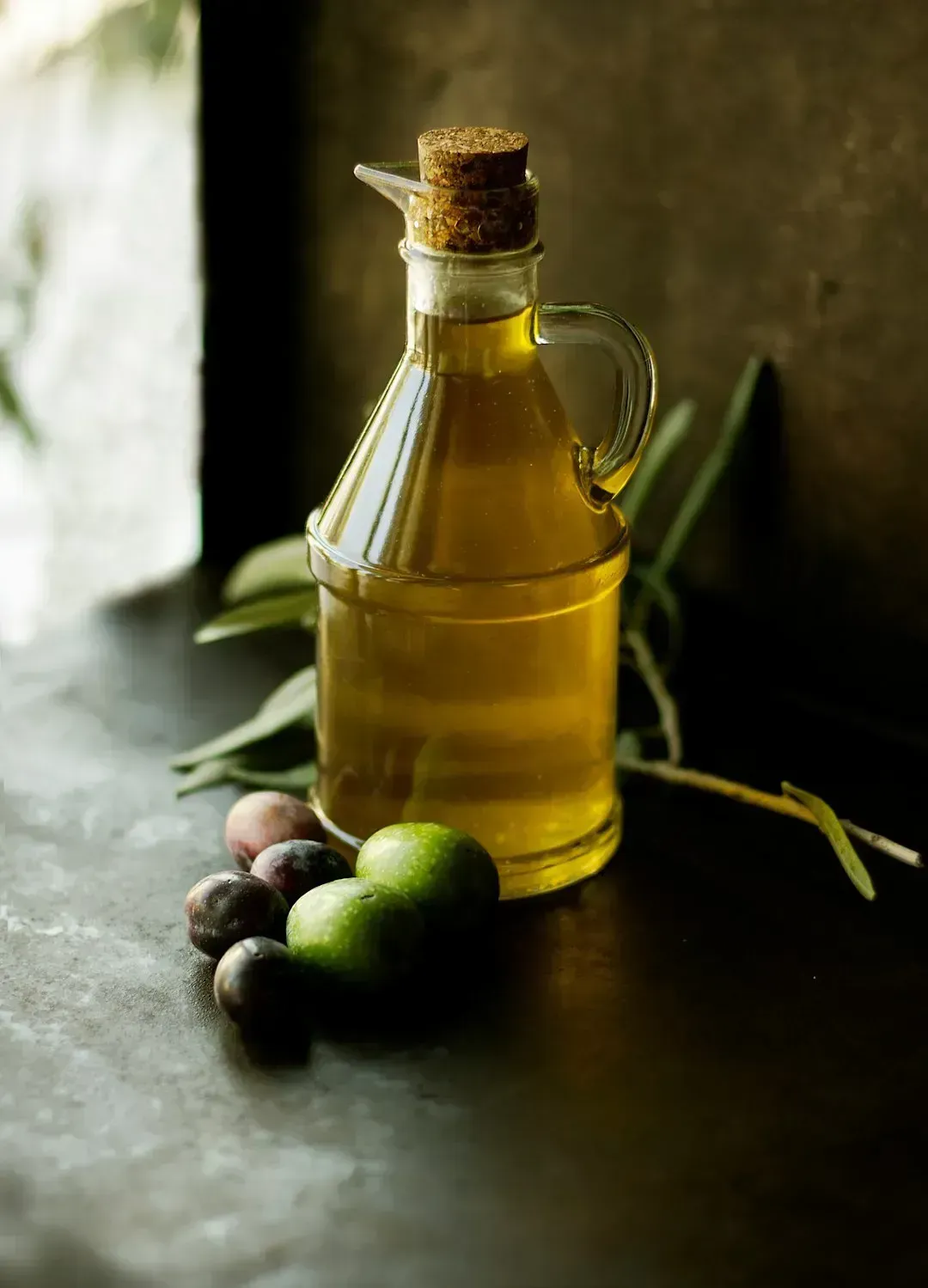
The olive oil aisle is genuinely confusing, and that confusion costs shoppers both money and quality. Many products labeled "olive oil" or "light olive oil" are actually blends, diluted with cheaper seed oils or lacking the nutritional profile of true extra virgin olive oil. Ultraprocessed foods are clever manipulations of mostly unhealthy ingredients titrated to appeal to common cravings. Our bodies are naturally drawn by evolution to certain flavors, but ultraprocessed foods draw on those cravings while being largely devoid of genuine nutritional value.
A real extra virgin olive oil has a peppery finish and distinct aroma. If an oil is flavorless and odorless, it has almost certainly been blended, refined, or mislabeled. Chefs typically have one quality bottle of real extra virgin for finishing and dressing, and a higher smoke point oil for high-heat cooking. The so-called "flavored" olive oils sold in grocery stores, truffle-infused, garlic-infused, herb-infused, almost never contain real infused oil; they use artificial flavoring compounds instead. That distinction matters enormously at the table.
12. Packaged Deli Meats
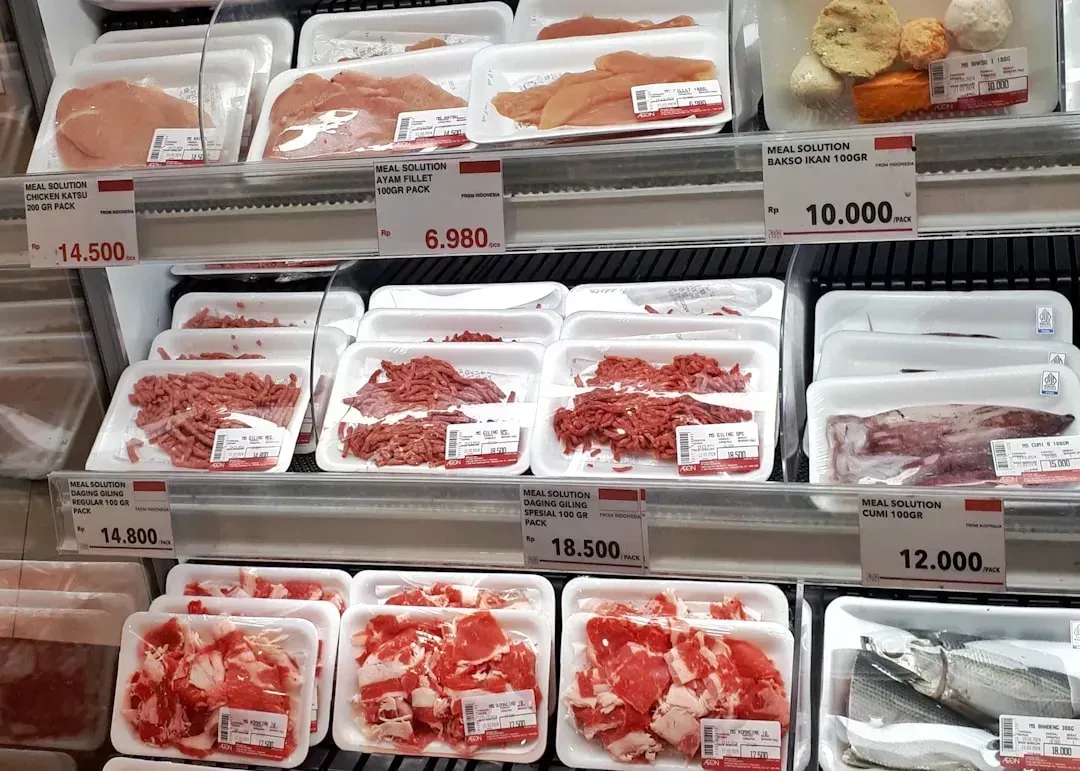
They're a staple in millions of lunch boxes, but professional kitchens have a very different view of sliced deli meats sold in plastic packaging. Ultra-processed meats, meaning any meat that has been processed to change its shape, flavor, and freshness, have been classified by the WHO as a Group 1 carcinogen, a categorization shared by tobacco and asbestos, for their link to colorectal cancer. That is not a minor detail on a nutrition label.
In 2024, Boar's Head faced a severe Listeria outbreak linked to its liverwurst products, resulting in 10 deaths and 60 hospitalizations. The incident was a brutal reminder that the risks associated with processed deli products are not theoretical. Many ultra-processed foods will have a large amount of saturated fat, which is linked to higher risk of developing heart disease and diabetes. The additives, food dyes, sugar and fat combined can put consumers at increased risk for developing cancer and other diseases as well. Roasting a piece of real meat at home and slicing it thin produces something incomparably better, in both safety and taste, than anything sealed in cellophane.



Leave a Reply