
We love our dogs. Deeply, sometimes embarrassingly so. We buy them birthday cakes, monogram their blankets, and probably talk about them more than we talk about our own problems. The bond between humans and their dogs is genuinely one of the most studied and celebrated relationships in all of science. Yet, here's the uncomfortable truth hiding in plain sight: some of the most affectionate, well-intentioned things we do for our dogs every single day are quietly, measurably stressing them out.
It's not that we're bad pet owners. It's that dogs and humans don't always speak the same emotional language. What feels like love from our side of the relationship can register as threatening, confusing, or overwhelming on theirs. The gap between what we think we're communicating and what our dogs are actually experiencing is wider than most of us want to admit. So let's get into it.
1. Hugging Them - Tight, Long, and With Great Enthusiasm

Let's be real: the urge to hug your dog is practically irresistible. They're warm, soft, and always there when you need them. But science has been quietly building a case against this one for years.
In 2016, psychology professor and neuropsychological researcher Stanley Coren studied over 250 photos of dogs being hugged and discovered that an overwhelming number of the dogs, around 81%, were clearly displaying signs of increased stress and anxiety while being hugged, including lowering their ears and avoiding eye contact.
One study of 250 photographs of people hugging their dogs found that roughly four out of five showed at least one sign of stress. A study of videos found that nearly two-thirds of dogs who were hugged responded by trying to nip or bite. That's a staggering number, and it's something most dog owners would never believe about their own pet.
Dogs are technically cursorial animals, which means that they are designed for swift running. In times of stress or threat, the first line of defense a dog uses is not his teeth, but rather his ability to run away. Behaviorists believe that depriving a dog of that course of action by immobilizing him with a hug can increase his stress level.
Dogs can become overstimulated much more quickly than humans. Because we're essentially trapping them when we hug them and they have no way of escaping, the whole situation can trigger a stress response. Couple that with the fact that our hugs are normally accompanied by intense eye gazing and putting our faces right next to our dog's, and you can see how this snuggling scenario can feel both scary and threatening.
2. Staring Into Their Eyes as a Sign of Affection
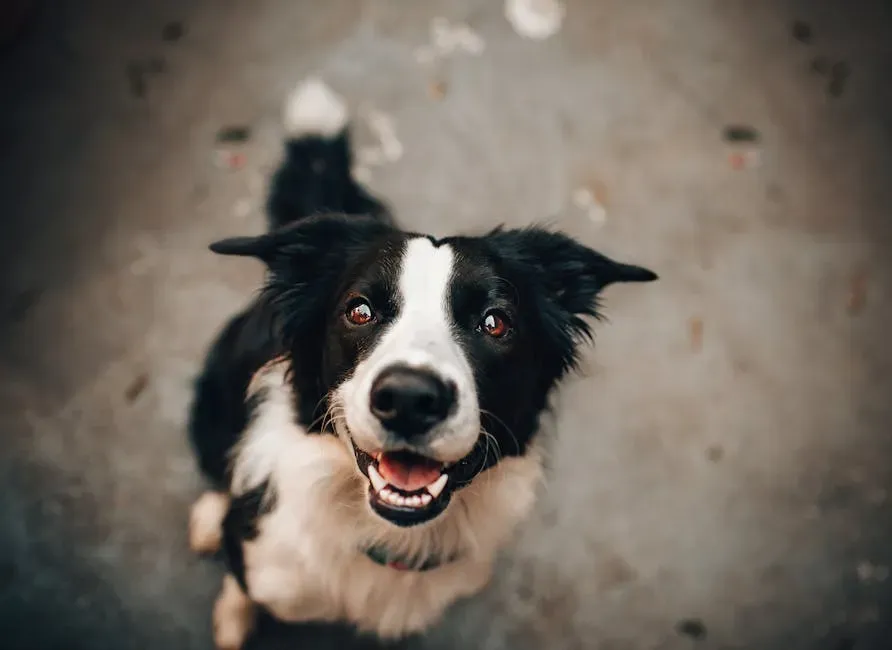
Humans use prolonged eye contact to signal love, connection, and trust. In the dog world, it's a completely different story. Sustained direct staring is a dominance signal and can be read as a threat or challenge. Think of it like walking up to a stranger and refusing to blink, nose to nose. Unsettling, right?
For dogs, a long, unwavering gaze from a human can trigger the same kind of tension. Experts advise to avoid direct eye contact with dogs, as it can be intimidating. This is especially true for unfamiliar dogs or those with anxiety. It's a simple thing to adjust, yet most owners never even realize they're doing it.
Interestingly, brief, soft eye contact between a dog and its owner who share a trusting bond can actually release oxytocin. The keyword there is "soft." There's a world of difference between a loving glance and a hard, unbroken stare. Learning to read that line is genuinely useful.
3. Using Punishment-Based Training "For Their Own Good"
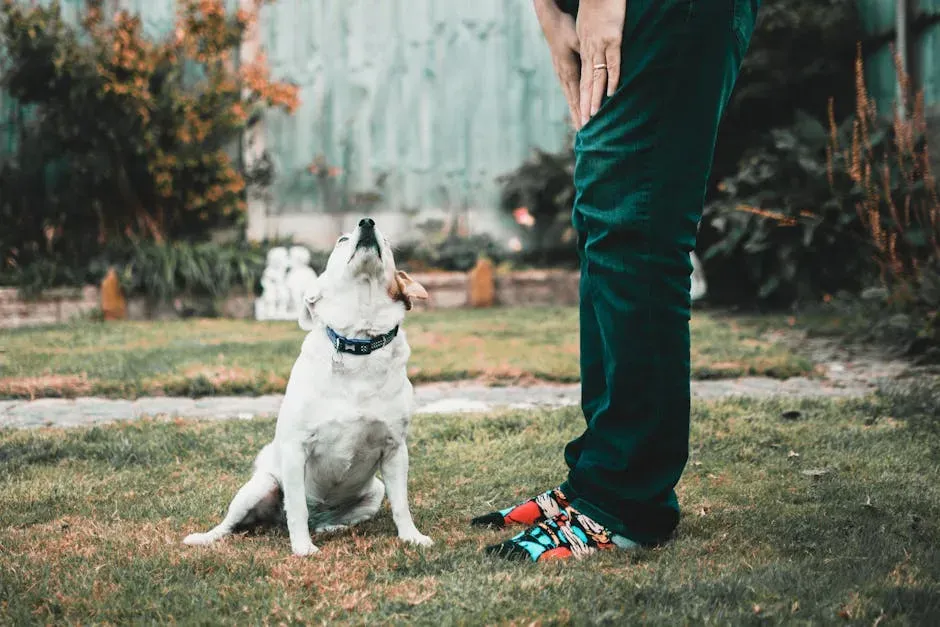
Here's the one that sparks the most heated debates. Many owners still reach for a sharp "No!", a leash correction, or a spray bottle when their dog misbehaves, convinced they're simply teaching manners. The research, however, tells a very different story.
Using aversive stimuli and punishments to train dogs leads to increased stress and anxiety. Dogs trained using aversive and mixed methods displayed more stress-related behaviors, such as crouching and yelping, and showed greater increases in cortisol levels after training than dogs trained with rewards.
Researchers found that the higher the proportion of aversive stimuli used in training, the greater the impact on the welfare of dogs, both within and outside the training context. This result is in line with findings showing that a higher frequency of punishment was correlated with higher anxiety and fear scores.
The stress of aversive training can cause cortisol and stress hormones to rise and remain in your dog's bloodstream for up to 72 hours. As a result, other behavior issues may pop up. That's not a quick correction. That's a three-day hormonal storm rolling through your dog's system from a single training session. I think that statistic deserves to sit for a moment.
A novel study suggests programs that use even relatively mild punishments like yelling and leash-jerking can stress dogs out, making them more "pessimistic" than dogs that experience reward-based training. The effect isn't just in the moment. It reshapes how dogs emotionally interpret the world around them.
4. Leaving Them Alone for Long Stretches - Thinking They're "Fine"
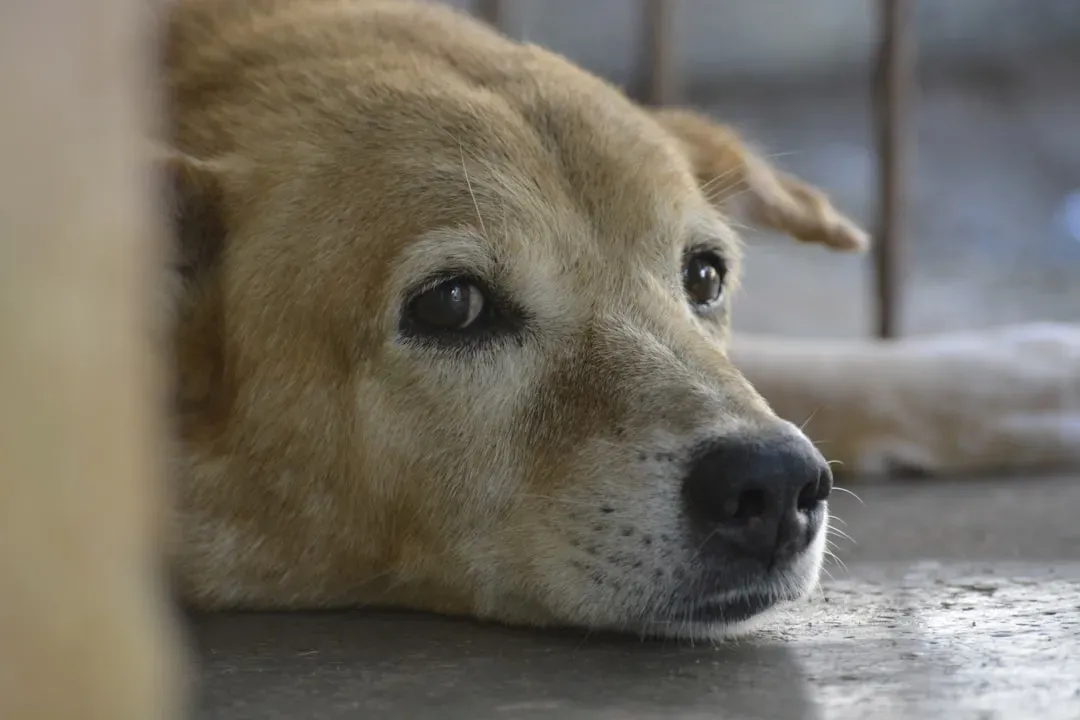
We tell ourselves our dog is probably just napping while we're at work. Maybe enjoying the quiet. The reality for a large number of dogs is quite different and genuinely heartbreaking.
Research suggests that roughly eight out of ten dogs find it hard to cope when left alone. Yet, nearly half won't show any obvious signs, so it can be easy for owners to miss. The silence you come home to is not necessarily a sign that everything was fine. It can be a sign that your dog has learned that calling out doesn't help.
Separation anxiety is when your dog exhibits extreme stress from the time you leave them alone until you return. The symptoms can vary, but they will act as if they are terrified to be in the house on their own.
Every time your dog becomes highly distressed, stress hormones occur in the body which can take days to reduce. This can cause negative, long-term effects on your dog's body and mental state. Some will sadly learn that calling for their owner to come back doesn't work, so they learn to suffer in silence. Honestly, that last sentence is one of the more sobering things I've come across in pet care research.
5. Rewarding Over-the-Top Greetings When You Walk Through the Door

Picture this. You come home after a long day, your dog goes absolutely wild with excitement, and you match their energy with squeals and enthusiastic petting. It feels wonderful. It feels mutual. But according to animal behaviorists, this habit may be quietly reinforcing a cycle of anxiety rather than resolving it.
Experts advise that you should always act calm when you leave and when you return. Big, dramatic greetings signal to your dog that departures and arrivals are emotionally enormous events. Over time, that can amplify the anxiety a dog feels the moment you start picking up your keys.
Separation anxiety describes dogs that are overly attached or dependent on family members. They become extremely anxious and show distress behaviors such as vocalization, destruction, or house soiling when separated from owners. Most dogs with separation anxiety try to remain close to their owners, following them from room to room and rarely spending time outdoors alone.
The fix is deceptively simple. Keep arrivals and departures calm and low-key. Greet your dog quietly, wait for them to settle, and then offer calm affection. It takes discipline on the human side, but the payoff for your dog's nervous system is real.
6. Smothering Them With Constant Attention and No Alone Time

We work from home, we take our dogs everywhere, we hate to see them bored, so we're always there, always engaging. It feels like the right thing to do. It feels kind. But building a dog that has never learned to be alone is, ironically, setting them up for suffering.
Research shows that a history of long times with the owner without being left alone is a factor associated with canine separation-related problems. These findings suggest that owners should aim for moderation in the length of absences from their dogs.
It's a good idea to teach your dog how to be alone early on in your relationship. When you're at home together, switch between giving attention and leaving them alone so they don't expect constant close attention. Have them stay in another room from time to time while you're home together.
Think of it like teaching a child to sit with boredom or discomfort. It's not neglect. It's actually a profound act of care. A dog that can self-regulate and rest comfortably on its own is a far happier, more resilient animal than one who can't bear five minutes without its owner in sight.
7. Projecting Our Emotions Onto Them Without Realizing It
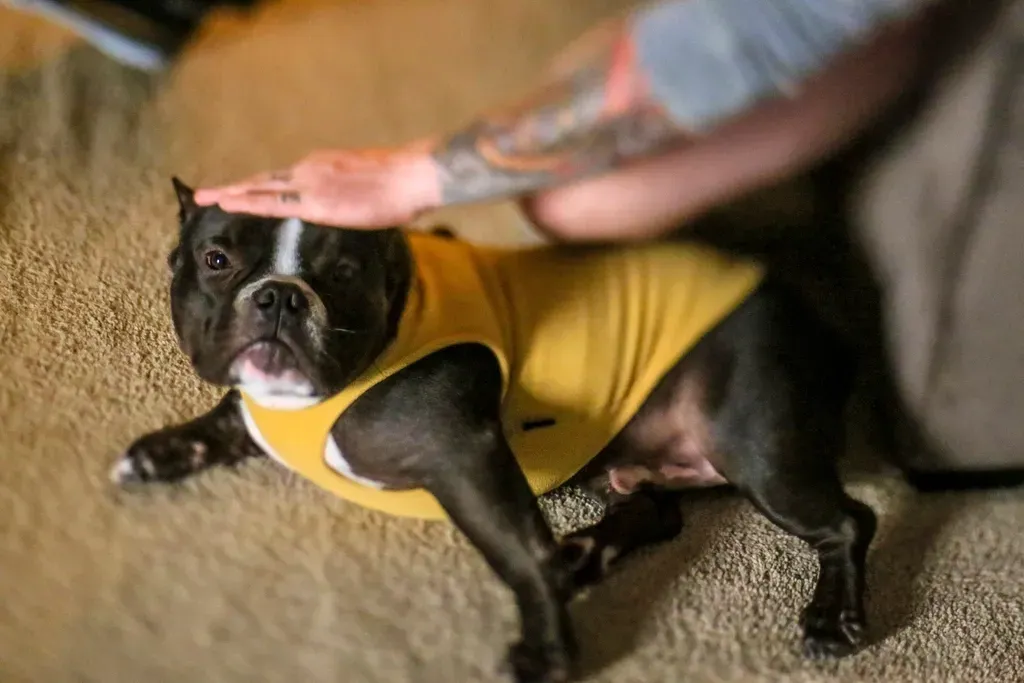
This last one is subtle. So subtle, in fact, that it's almost invisible. We're stressed, we're anxious, we're sad, and our dogs notice. More than notice, actually. They absorb it.
Job stress can have well-being consequences for an employee's loved ones through the transference of work-related stress from an employee to their family members. Pet dogs, who most Americans view as family members, may also be susceptible to this crossover. Given prior support for dogs' abilities to perceive and absorb a human's emotions via emotional contagion, researchers expected that pet dogs of owners with higher job stress would themselves be more stressed.
Controlling for home stress, researchers found that job stress related to behaviorally indicated stress in dogs. That's a remarkable finding. Your Monday morning mood doesn't stay with you. It crosses the living room and lands on your dog.
Humans may be relying on environmental context to interpret their dog's emotions. In a study, a researcher filmed her father's beloved dog in both positive and negative situations. In some clips, the dog saw his toy. In others, he reacted to a vacuum cleaner. Identifying a dog's mood may seem easy with help from context clues, but when the researcher removed those clues from the video, study participants couldn't tell if the dog appeared happy or distressed. We are, it turns out, not nearly as good at reading dogs as we think we are.
Beyond our emotional state, there's a layer of physical behavior we project without meaning to. Tense body language, short, sharp movements, rushing through routines, all of it registers. Dogs are watching us constantly, reading us like a book we've never even opened.
What This All Means for You and Your Dog
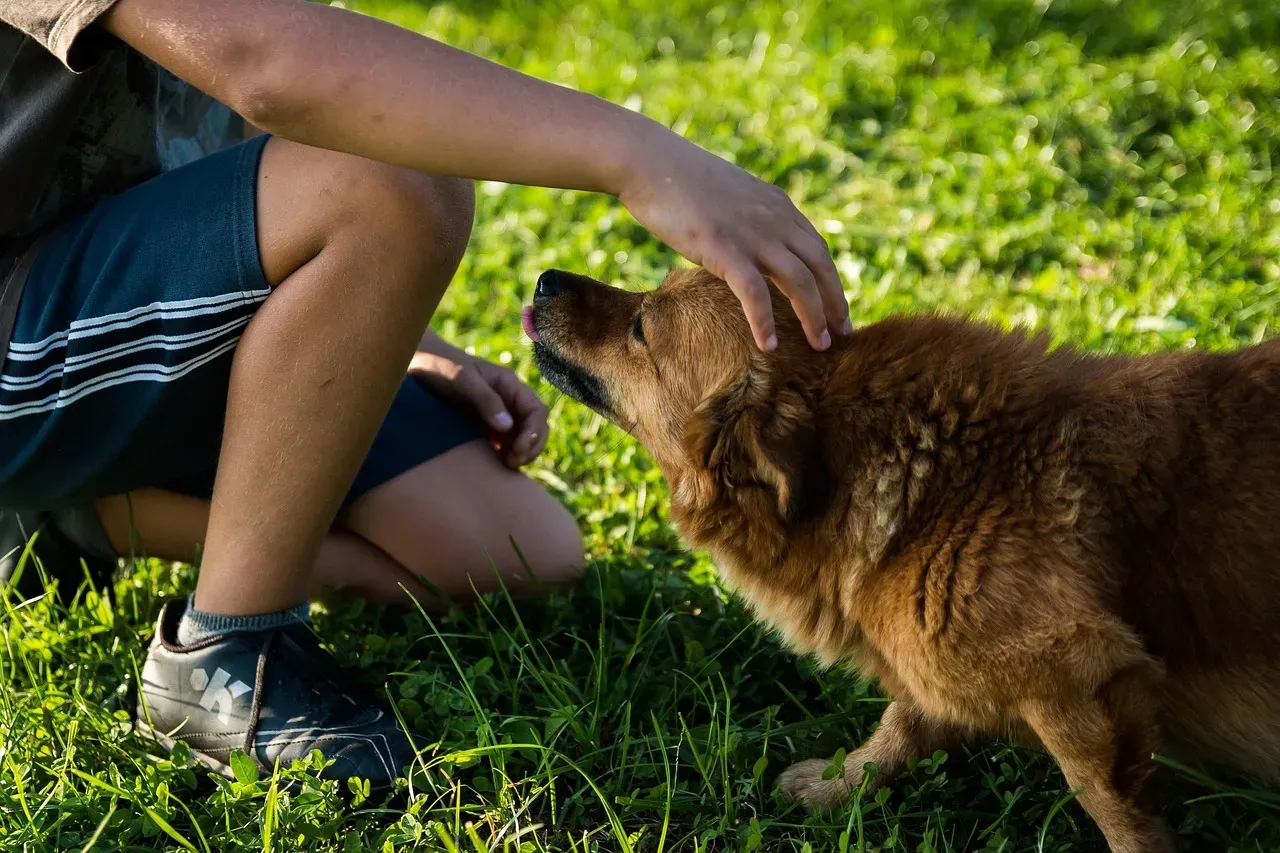
None of this means you're a bad dog parent. The fact that you're reading this at all says something genuinely good about you. The habits above come from love. Every single one of them. The challenge is simply learning to express that love in a language your dog actually understands.
The good news? Most of this is fixable with modest, consistent changes. Softer greetings, calmer goodbyes, reward-based training, and a little deliberate alone time can transform the daily experience of a dog who's been living quietly on edge.
Dogs don't need us to be perfect. They need us to be present, observant, and willing to learn. The science is remarkably clear on that front. And honestly, given everything our dogs give us without a single complaint, the least we can do is try.
Which of these surprised you the most? Drop your thoughts in the comments, we'd love to know what you're reconsidering about your own routine.


Leave a Reply