
There's something deeply comforting about feeling a warm, furry body curl up next to you in bed. It feels safe. It feels like love. Most pet owners would never trade that nightly ritual for anything. But here's a thought that might make you pull back the covers with just a bit more scrutiny: your dog or cat isn't just bringing warmth and affection to your bed. They're bringing a whole microscopic passenger list.
We're not talking about a worst-case horror story. Honestly, for most healthy people, the risks are manageable. Still, understanding what exactly is hitchhiking its way onto your pillowcase every single night is something every pet owner deserves to know. So let's dive in.
More People Share Their Bed with Pets Than You'd Think
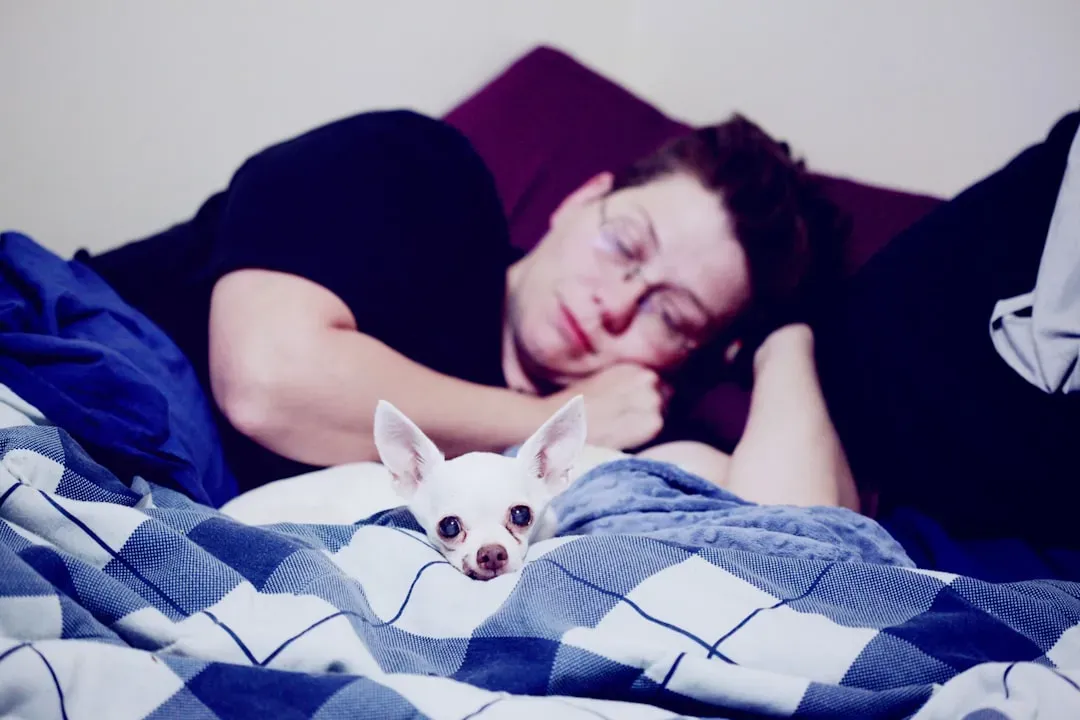
Let's start with the scale of this. According to a survey from the American Academy of Sleep Medicine, nearly half of Americans sleep in the same bed with a pet. That's a staggering number of shared sheets.
In a nationally representative study of 1,591 United States adults, 758 participants reported co-sleeping with pets, representing roughly 47 to 48 percent of the sample. Think about that. Close to half the country is essentially inviting another species into their most intimate sleep space each night.
Pets are increasingly becoming part of the family, and interactions between pets and their owners are changing, resulting in extended and more intimate contact, which gives rise to zoonotic risks. The trend shows no sign of slowing down.
Your Pet Is a Walking Microbial Universe
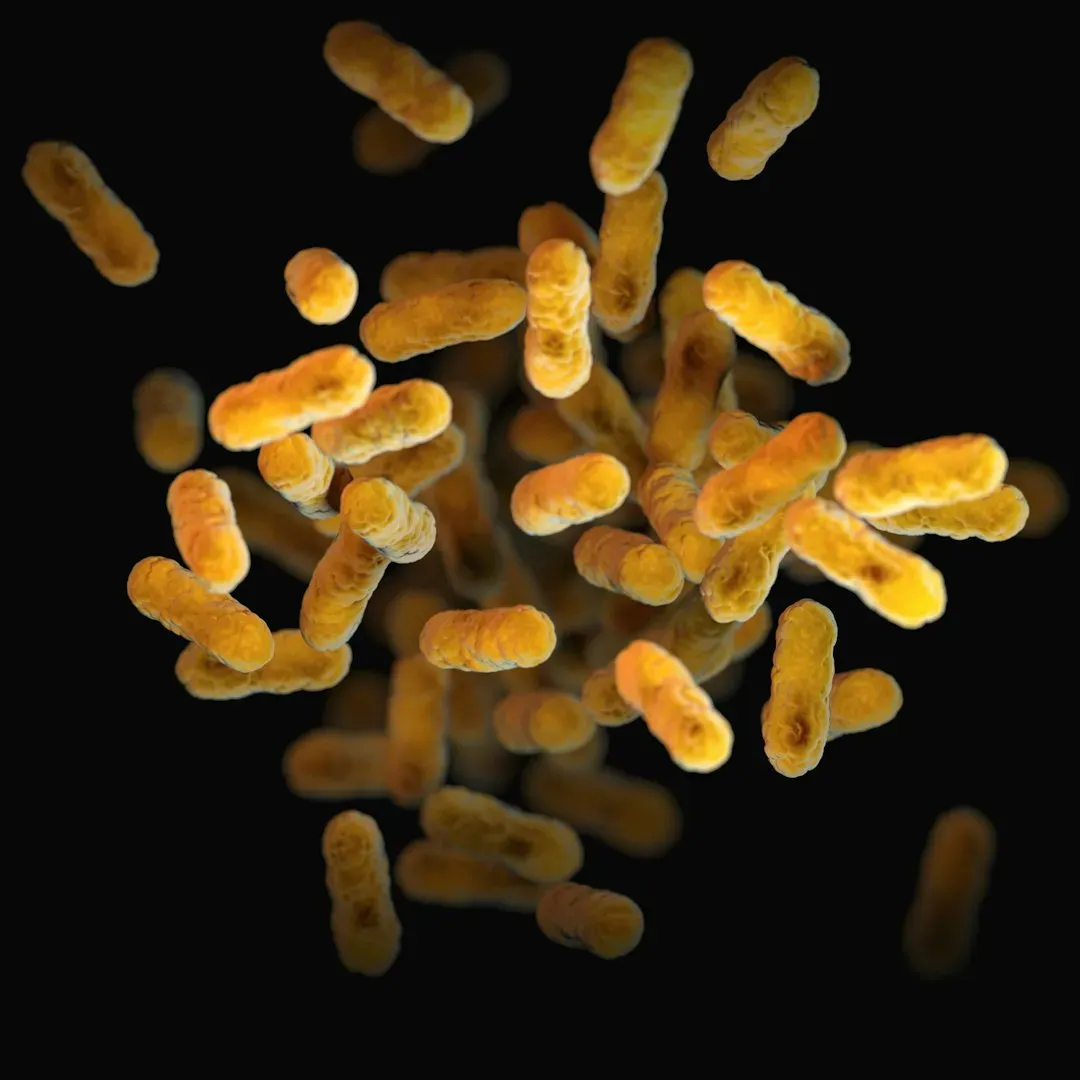
Here's the thing most people don't fully appreciate: your pet's body is covered in bacteria. That's not unusual or alarming on its own. Every living creature is. But some of the bacteria your pet carries have the potential to cause real harm in humans.
In one pilot study, 45 percent of cats and 75 percent of dogs tested positive for one or more potential zoonotic pathogen. These were healthy animals. No visible signs of illness. Just quietly carrying microbial hitchhikers that could, under the right circumstances, jump to their owners.
Among the bacteria found were Clostridium difficile, Salmonella, Campylobacter jejuni, and members of the Enterobacteriaceae family. These aren't obscure laboratory curiosities. These are bacteria with the power to cause serious intestinal illness in humans.
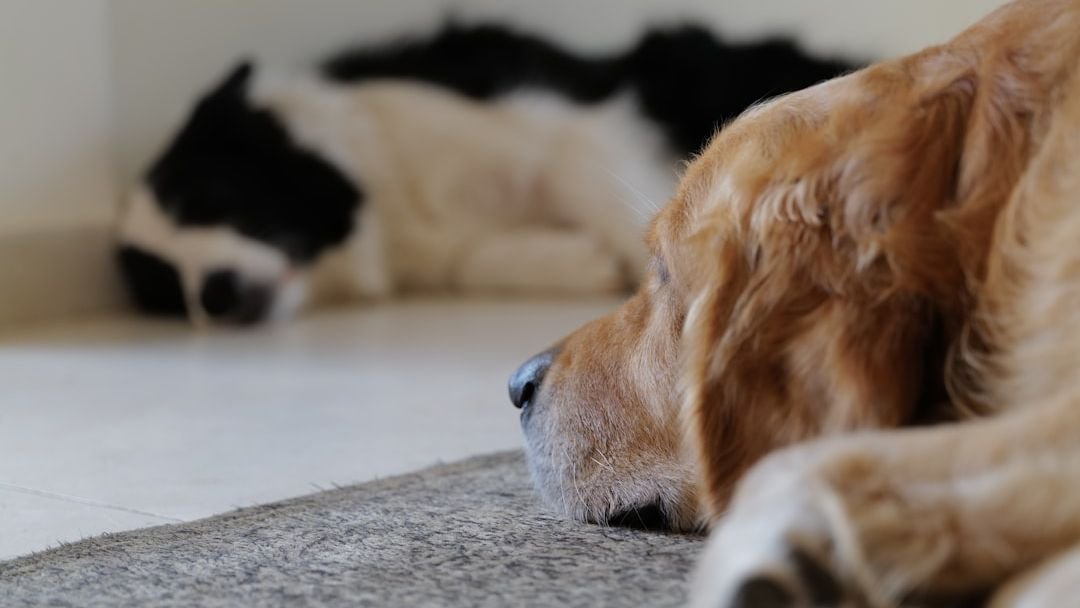
Most pets do not show clinical signs and are, as carriers, a hidden source of contamination. That healthy-looking golden retriever sleeping across your legs may be carrying more than you bargained for.
The Paws That Walk Everywhere Also Walk on Your Sheets
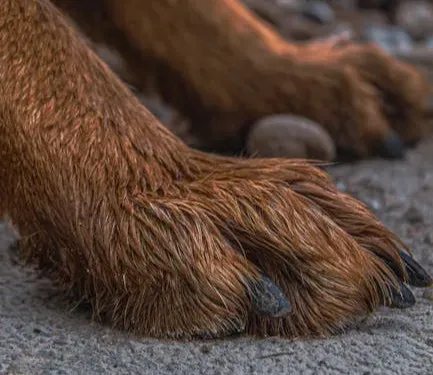
Think about where your dog's paws go in a single day. Outside on the sidewalk. Across the grass where other animals have been. Through puddles. Possibly into their own food bowl or water dish. Then straight into your bed.
Researchers examining zoonotic risks took samples from fur, footpads, and the animal's sleeping place, and found a range of concerning bacteria across all three locations. The footpad samples were particularly notable given how much ground pets cover outdoors.
You may not be allergic to your dog or cat, but you could be allergic to the pollens they come into contact with outside or to the dust they crawled through under the sofa. Unless you wash your pet along with the dust and pollen off their fur every night, those allergens are coming to bed with you.
It's a bit like if you walked barefoot through a park all day and then climbed straight into bed without washing your feet. Only your dog does it every day, and we treat it as perfectly normal.
Salmonella, C. difficile, and Their Nightly Visit to Your Pillow

Let's talk specifics, because this is where things get genuinely eye-opening. When pets are infected with Salmonella, they may shed it in their feces and contaminate their fur and the environment, including furniture, carpets, and the bed of the owner.
When pets are fed raw meat, this can be contaminated with zoonotic pathogens such as Salmonella, E. coli O157:H7, and extended-spectrum beta-lactamase producing E. coli. With raw pet diets surging in popularity in recent years, this is a particularly timely concern.
Clostridium perfringens, C. difficile, Staphylococcus aureus, and Listeria species have been identified in commercial raw pet diets, resulting in infection risks and antimicrobial resistance for both the animal and the owner. I know it sounds extreme, but C. difficile is notoriously difficult to treat and highly contagious. Finding it in a pet's sleeping area should genuinely give pause.
The MRSA Problem: When Your Pet Becomes an Antibiotic Resistance Carrier
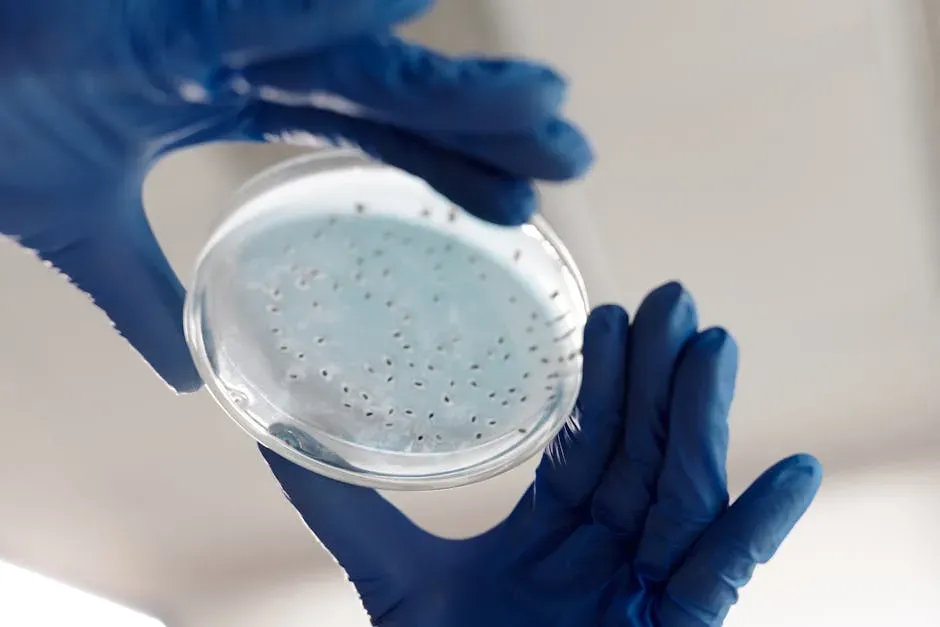
This is probably the part that surprises people the most. MRSA, the antibiotic-resistant superbug that strikes fear into hospital wards, has a well-documented relationship with household pets.
Methicillin-resistant Staphylococcus aureus is a major problem in global health, and due to their frequent interaction with humans, pets are one of the main risk factors for the spread of MRSA. The possibility for zoonotic transmission exists since frequently kept dogs and cats are prone to contract MRSA and act as reservoirs for spreading it.
The mouth, nose, and perineum are the primary locations of MRSA colonization in pets, and the types of MRSA clones identified in cats and dogs correlated with MRSA clones infecting humans living in the same geographic area. That close a match is hard to ignore.
Pets may carry MRSA on their skin or in their nose and have no outward signs of illness, which is called colonization with MRSA. Silent carriers, sleeping under your duvet. The relationship is genuinely bidirectional too: transmission of MRSA is known to occur bidirectionally between humans and animals, including in household settings.
Capnocytophaga: The Bacteria Living in Your Pet's Mouth
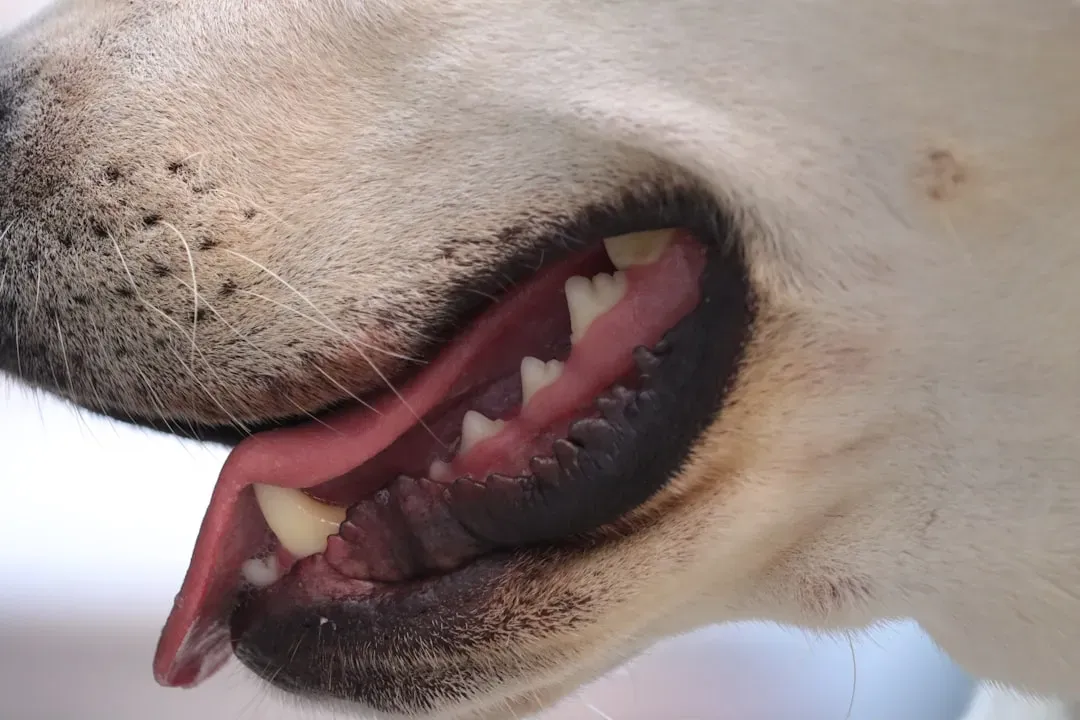
Most people have never heard of Capnocytophaga canimorsus. That might change after reading this. According to the U.S. Centers for Disease Control and Prevention, up to 74 percent of dogs and 57 percent of cats have Capnocytophaga in their mouths. The vast majority of dogs walking the planet carry this bacterium.
Capnocytophaga canimorsus has the potential to cause serious infection when transmitted to a human, and while such infections are very rare, the CDC has reported cases of serious illness.
Capnocytophaga infection is caused by bacteria commonly found in the mouths of dogs and cats, and while rare, human infection can occur through bites, scratches, or close contact with a pet's saliva. People with weakened immune systems may be more susceptible. If you're someone who lets your dog lick your face before you fall asleep, this is worth knowing.
Cat Scratch Disease Is More Real Than Ted Nugent Made It Sound

Many people have heard the name "cat scratch fever" and assumed it was essentially a rock song and a mild myth. It is very much a real disease. Bartonellosis, also known as cat scratch disease or cat scratch fever, is an emerging global disease most commonly caused in cats by Bartonella henselae bacteria.
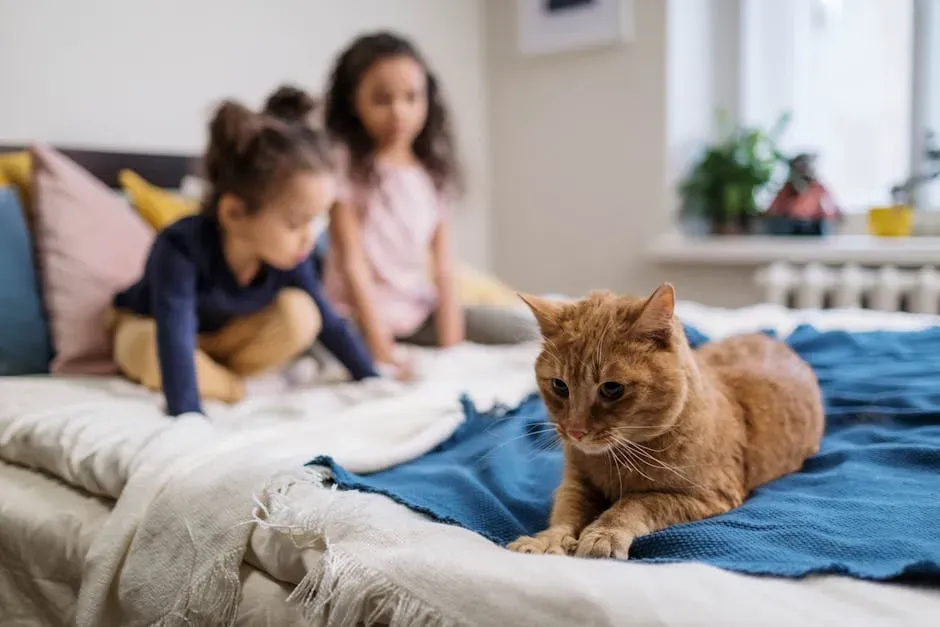
Cats who acquire bartonellosis can become carriers, and since the disease is zoonotic, cats are able to transmit Bartonella bacteria to people through scratches and bites, and also possibly through licking or sleeping next to their owner.
It is a real disease carried by cats that often show no signs of infection, most often transmitted to humans through bites, scratches, and licks, and you are more likely to get it if your cat sleeps in your bed. That last detail is particularly relevant for the millions of cat owners who share their sleeping space every night.
Your Microbiome Actually Changes When You Share a Bed with Pets
Here is where the story becomes more nuanced. It is not all bacteria bad news. The science around microbiome sharing between humans and pets is genuinely fascinating and, in some ways, reassuring.
It is common for people in the modern era to spend more than 90 percent of their time indoors, often sharing the same living environment with their pets, facilitating the exchange of microbes. Findings from studies have shown that pet owners often share more microbial similarities with pets in their household compared with pets in other households, through direct contact, shared surfaces, and even the air.
In households where dogs are treated as family members, owners tend to have a greater skin microbiota diversity, and these dogs often share similar skin microbial profiles with their owners. For example, Betaproteobacteria are commonly found on the skin of dog owners, likely transferred through close contact, as these bacteria are typically found in the canine mouth.
The presence of dogs or cats significantly influences the makeup of bacteria found in a home, which in turn can impact the immunity of humans living there. Researchers hypothesize that exposure to a diversity of microorganisms benefits human health and strengthens immunity. So yes, your pet changes your microbial world. The question is whether that change helps or hurts.
Children and Immunocompromised People Face the Greatest Risk

Let's be real: for most healthy adults, the risks of sleeping with a well-cared-for pet are relatively low. The science is actually somewhat reassuring on that front. The concern scales up significantly, however, depending on who is sharing the bed.
Researchers emphasize that the people most at risk are young children and those with compromised immune systems. This includes elderly individuals, people undergoing chemotherapy, those with autoimmune conditions, and anyone on medications that suppress immune function.
While MRSA may be common and harmless in healthy people and their pets, there is a subset of the population that is more susceptible to these infections: the very young, who still have an immature immune system; the elderly, with declining immune function; and people who have open wounds or sores.
The CDC states that zoonotic infections acquired by sleeping with a pet are uncommon, but also recommends that people most at risk, such as young children and those with compromised immune systems, avoid sharing their bed with their pets. That is a reasonable, evidence-based line in the sand.
The Silver Lining: Pets Offer Real Health Benefits Too
It would be deeply unfair to paint this picture entirely in grim colors. The science is genuinely two-sided, and the benefits of pet ownership are well-documented and significant.
The presence of a pet may be even more beneficial to the developing immune systems of children and infants. Being exposed to two or more dogs or cats in the first year of life may reduce a person's likelihood of developing allergies to dogs and cats, as well as dust mites and certain grasses.
Pets contribute to the overall health of individuals both physically and mentally. According to some evidence, keeping pets reduces stress, fights depression, lowers blood pressure, and prevents heart disease.
Similar to how growing up on a livestock farm has been shown to be protective against the development of allergies and asthma in European children, living with a pet in early life has been investigated for its relationship with the subsequent development of allergies and asthma, with many studies generally reporting that pet exposure, particularly to dogs, decreases the risk of allergic diseases. So the microbial exposure cuts both ways.
Practical Steps to Reduce Your Overnight Bacterial Exposure
If you've read this far and you're still committed to sharing your bed with your four-legged companion, that is completely understandable. The bond is real. The love is real. The good news is that several practical steps can dramatically reduce your microbial risk without requiring you to exile your pet to the hallway.
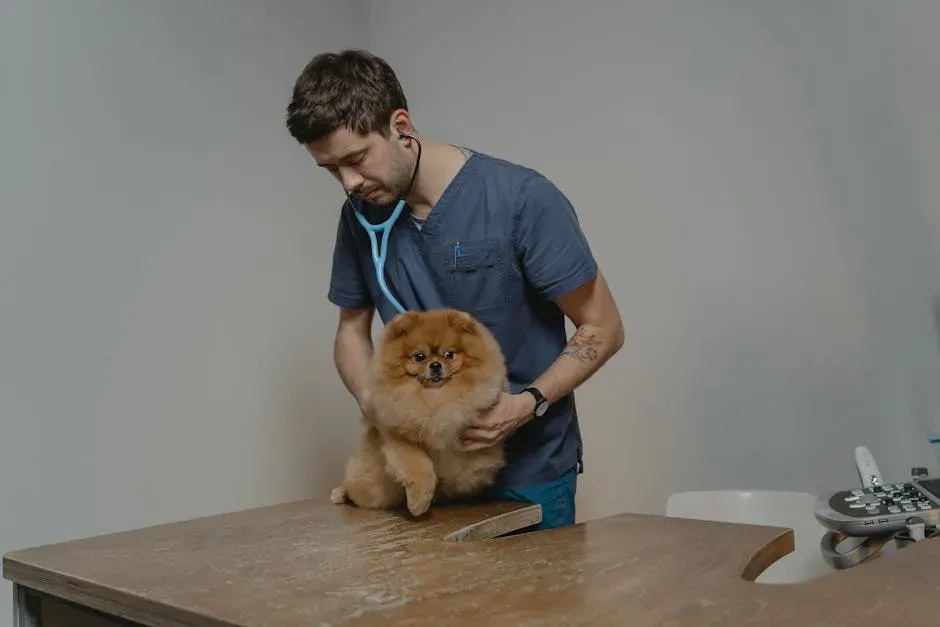
Regular wellness exams for pets, parasite control, and vaccinations are key because healthy pets carry little risk of disease. Think of it as investing in your own health as much as your pet's. Any area licked by a pet, especially if it is an open wound or on a vulnerable person, should be washed immediately with soap and water, and pets should be kept free of fleas, dewormed, and taken to regular veterinary visits.
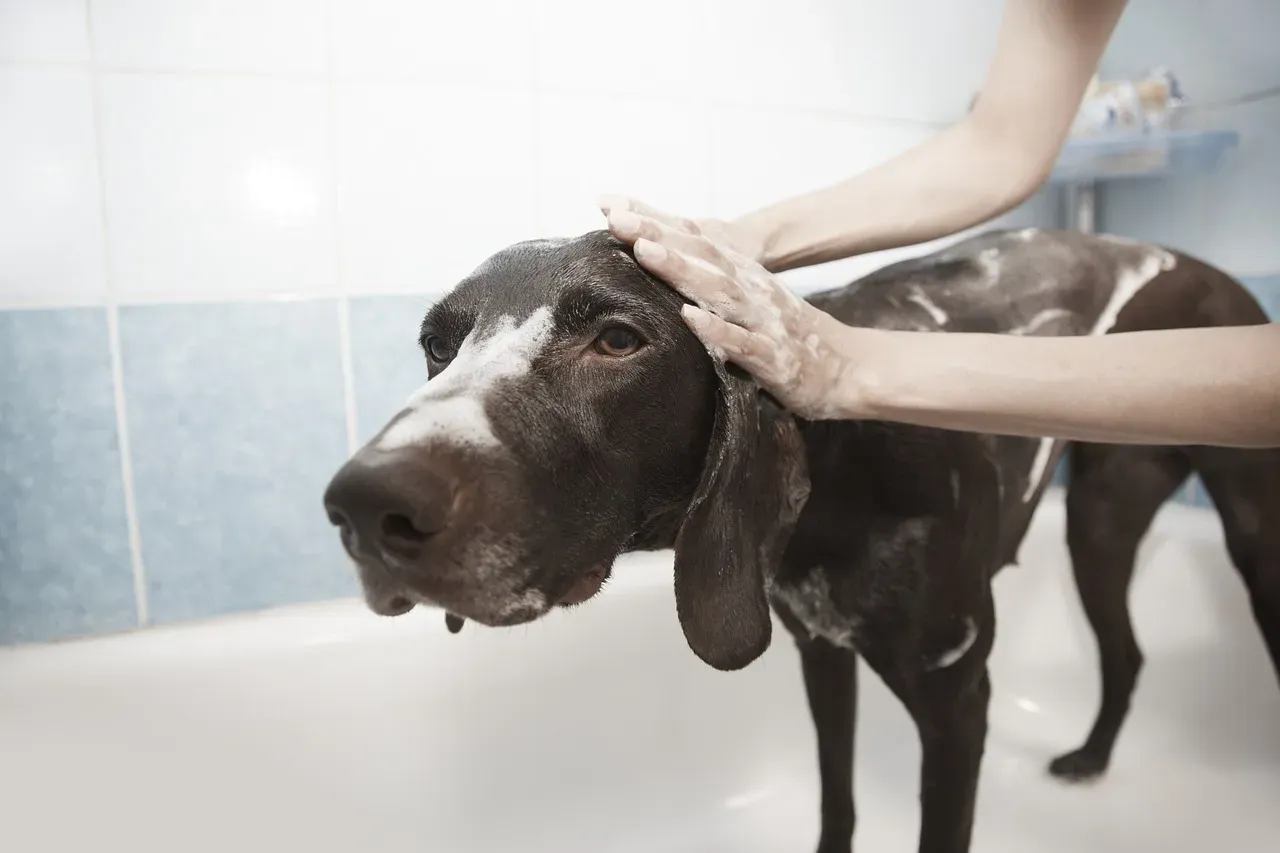
Clean washable items that become soiled with hot water and laundry detergent, using bleach if possible. Drying laundry in a hot dryer, rather than air-drying, also helps kill bacteria. Washing your sheets more frequently, particularly if your pet is also an outdoor explorer, is one of the simplest and most effective protections you have. Wash your hands after playing with pets, before preparing food, and after handling feces, and avoid letting your pet lick your face.
Conclusion: The Bacteria Are Real, But So Is the Bond

There's a strange beauty in the fact that science has revealed just how deeply intertwined we are with our pets, down to the very microorganisms living on our skin. We share our homes, our routines, our emotional lives, and yes, apparently our sheets with a whole invisible menagerie of bacteria that travel back and forth between species.
The risks are real but for most healthy people, they are manageable with a few sensible habits. Regular vet visits, good parasite control, frequent sheet washing, and basic hand hygiene go a long way toward making co-sleeping with pets genuinely safe. The danger escalates significantly if someone in the household is immunocompromised, elderly, or very young, and in those cases the conversation is worth having seriously with a doctor.
Honestly, knowing what I know now, I'd still probably let the dog on the bed. Just maybe not directly on the pillow. What about you? Would knowing what's really on your sheets at night change anything?


Leave a Reply