
There are thousands of ingredients in the world, but very few can both elevate a dish to something memorable and completely destroy it with a single misstep. Salt and acid - primarily in the form of citrus juice or vinegar - sit in a class entirely their own. Used with intention, they are the invisible architecture of great food. Used carelessly, they turn a carefully prepared meal into something unpleasant or beyond saving. Understanding what these two ingredients actually do at a chemical level is, without question, one of the most practical things any cook can learn.
Salt: The Only Rock We Eat
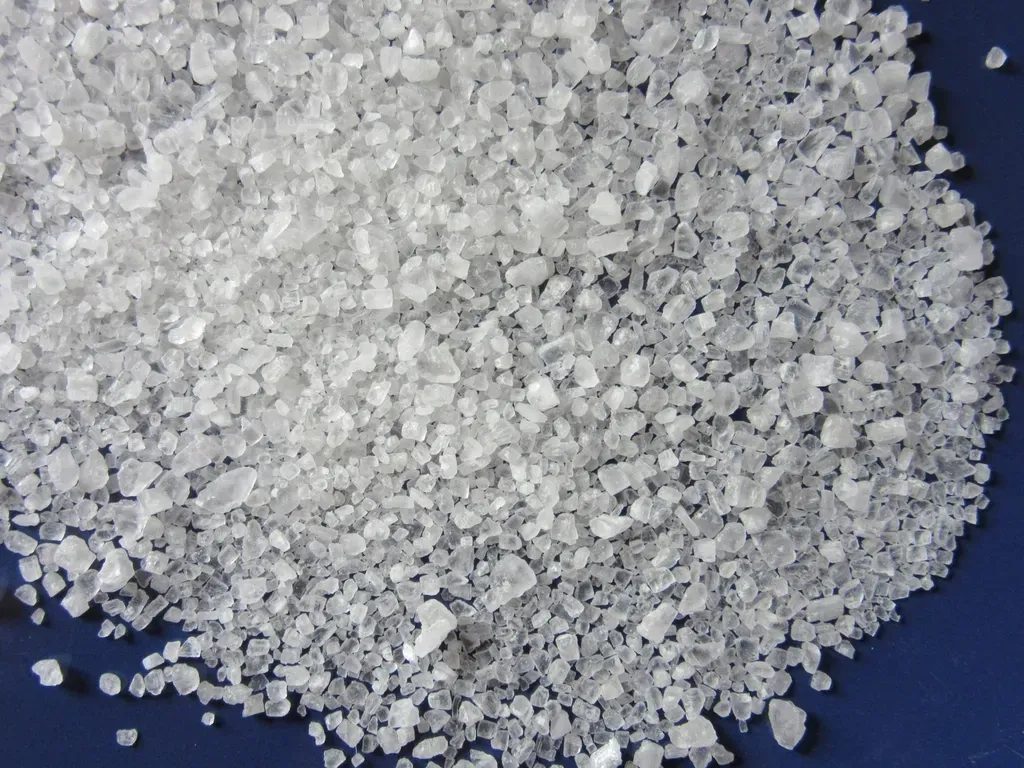
Salt, the only rock we eat, is more than just a seasoning - it's an essential flavor in our food. It can intensify aromas, balance other flavors, make meat taste juicier, and preserve food for months or even years. That's a remarkable range of effects for a single mineral compound. Dating all the way back to the early Roman Empire, salt has played a vital role in our cooking and eating experiences for thousands of years. It's so deeply woven into human civilization that, as NPR has noted, the word "salary" comes from "salarium," because "sal" is the Latin word for salt.
Salt can enhance the flavors of other foods by simply increasing the perceived saltiness on our tongues, and it can balance other flavors like sweet and sour and override bitter flavors by suppressing the perception of bitterness. This is why a pinch of salt in brownie batter or caramel doesn't make it salty - it makes it taste richer and more complex. Salt interacts with food molecules to make them more volatile, meaning they evaporate more quickly and reach our noses, triggering our sense of smell. Since taste and smell are intricately linked, this amplification of aroma intensifies the overall perception of flavor. This is why food can taste flat or underseasoned if it lacks enough salt - it simply hasn't been given the opportunity to fully release its flavor profile.
What Salt Does to Proteins and Texture
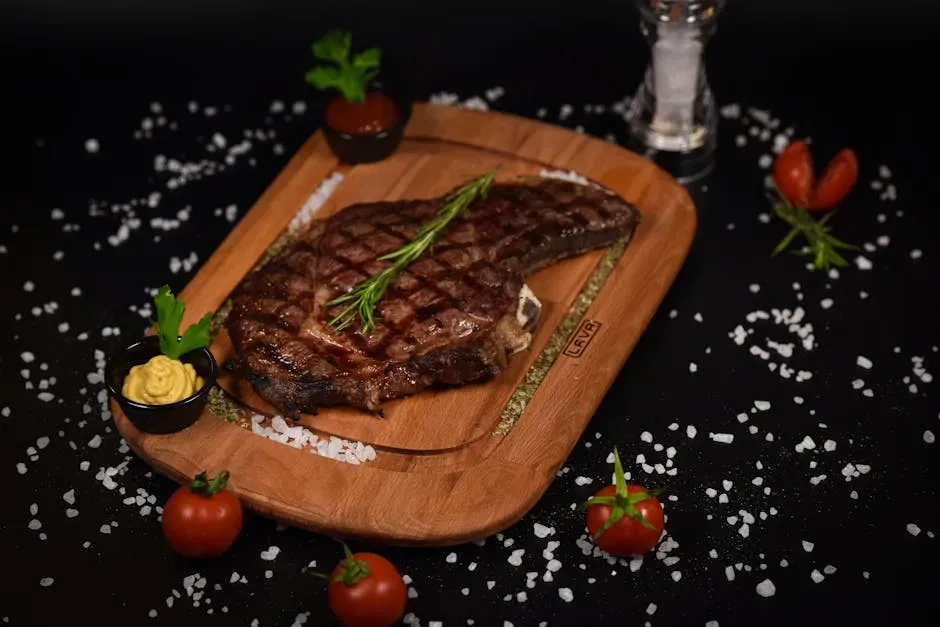
Salt also unravels - or denatures - the tight spiral structure of proteins, making their flavors tastier and more aromatic. This is one reason why salting meat properly isn't just about seasoning the surface; it's about changing the internal structure of the protein itself. In brining, the concentration of salt in the brine is more dilute than the protein-rich liquid inside the meat cells, and so the brine moves into the flesh. There, the water from the brine bonds to the proteins, resulting in juicier meats. As salt enters the meat cells, it alters the structure of the muscle fibers and proteins, swelling their water-holding capacity by about 10 percent. Since most meat loses about 20 percent of its moisture during cooking, brining meat can cut moisture losses by almost half.
When you add a pinch of sodium chloride can also have a big impact on not just taste, but texture too. Because salt affects protein structure and how food holds moisture, adding it early can make some foods tougher but others more tender. And exactly when you add it to certain vegetables can affect how they brown. A 2024 study published in Frontiers in Nutrition examined salt concentrations in chicken soup and found that when varying amounts of sodium chloride - between 1.5 and 3% - were added, sensory evaluation results showed that the 2 and 2.5% treatment groups had the highest scores, illustrating that precise salt ratios meaningfully change how food is experienced.
When Salt Goes Wrong
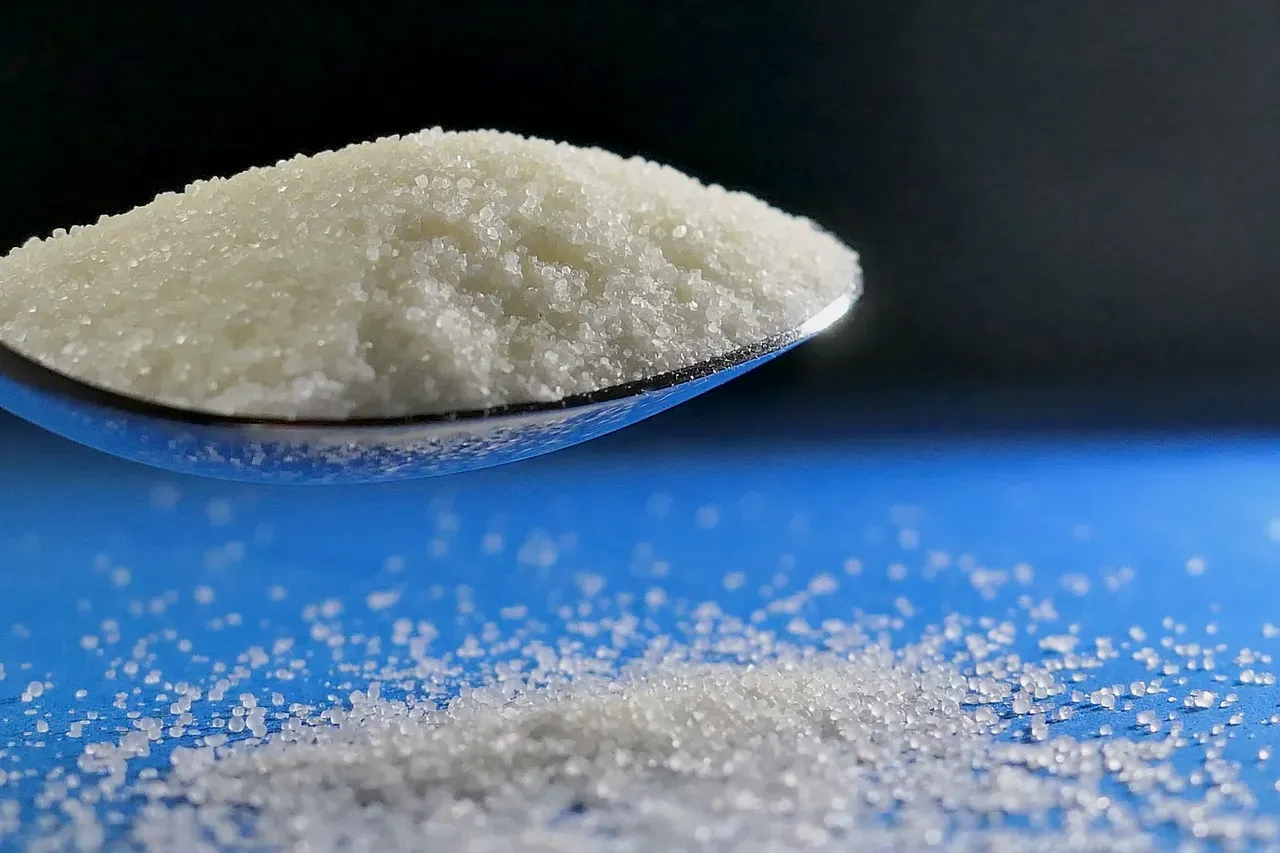
The challenge in cooking with salt is finding the right balance. Too little salt results in bland food that lacks depth, while too much salt can overpower the other flavors and make a dish too salty to enjoy. The key is to use salt in moderation, adjusting it as needed to bring out the best in a dish. This sounds simple, but it trips up even experienced cooks. We only taste about 20 percent of the salt in foods, and most of the salt we perceive is on the surface. Research found that when you use about 40 percent less salt during the cooking process and just sprinkle a little bit on top when you're done, it can taste just as salty as using all of the recommended salt.
Salting a liquid, like a sauce or soup, too early could mean it's too salty when you're ready to eat, thanks to a higher concentration of salt left behind as water evaporates. Instead, it's best to salt at the end of the cooking process, tasting until it's just right. Research published in 2025 in the International Journal of Food Science further confirmed that sodium levels can be reduced by 30% without compromising the flavor by adding aroma compounds, such as smoked garlic, to the broth when cooking chicken. The timing and context of salting matters far more than most home cooks realize.
Acid: The Other Game-Changer
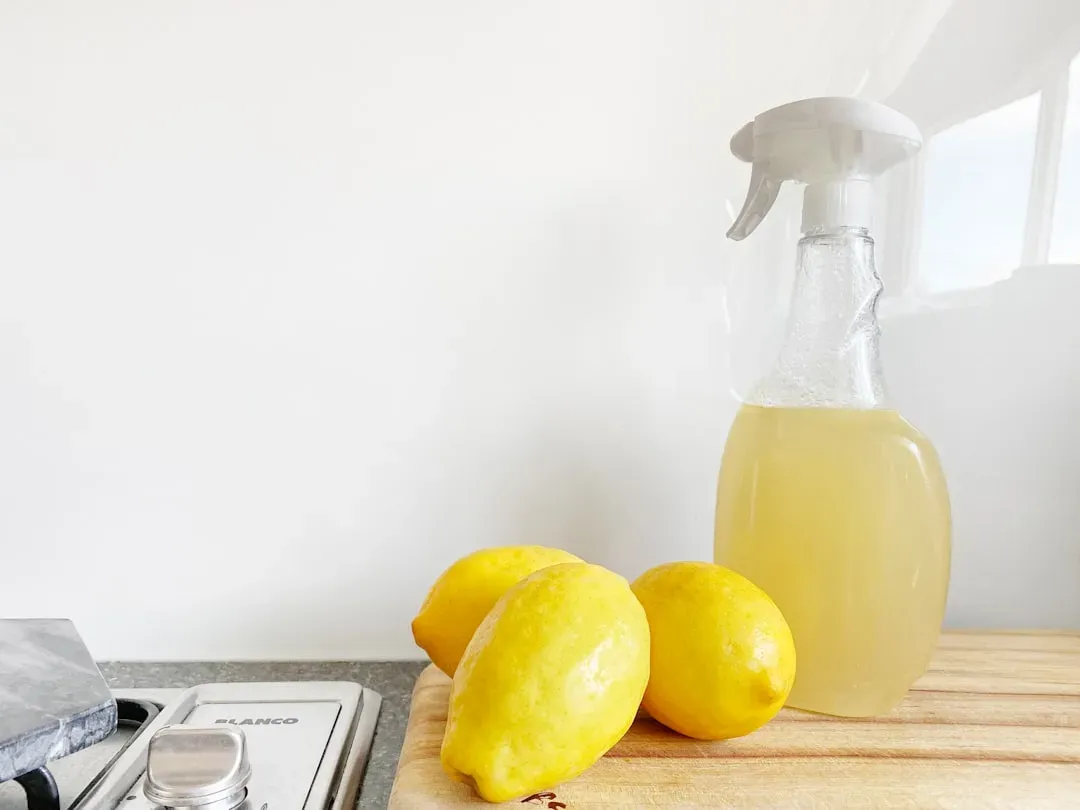
Acidity shapes taste, texture, and even color in food. It's one of the most underused tools in the average home kitchen, yet it's what separates a dish that tastes alive from one that tastes flat. For savory dishes, balance means having appropriate ratios of fat, salt, and acid. Like salt, acid competes with bitter flavor compounds in foods, reducing our perception of them and brightening other flavors. Think of the last time a squeeze of lemon over a piece of fish made it taste completely different - that's the effect of acidity working in real time.
The most common acidic ingredients found in home kitchens span a surprisingly wide range. Vinegars - white wine, apple cider, balsamic, rice, sherry - each have their own level of sharpness and sweetness. Citrus fruits like lemons, limes, oranges, and grapefruit brighten food instantly. Tomatoes are naturally acidic and versatile, adding depth to sauces and soups. Yogurt and buttermilk are gentle acids that tenderize while adding creaminess. Fermented foods like kimchi, sauerkraut, kefir, and pickles bring tang and complexity. Every type of vinegar contains acetic acid, the organic compound responsible for that sharp, sour bite you taste in salad dressings, pickled vegetables, and marinades. Most household vinegar sits between 4% and 8% acetic acid by volume, and the pH of vinegar ranges from 2.0 to 3.5 depending on the type.
How Acid Changes Food at the Molecular Level
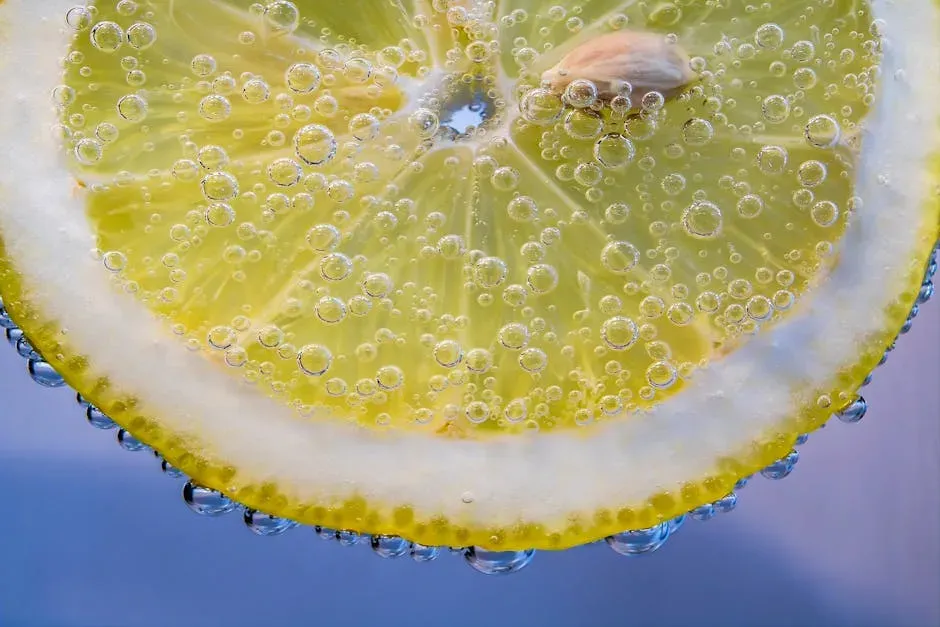
Acids don't just change taste - they also change structure. Acids break down proteins, which is why they're so effective in marinades. Yogurt or citrus juices unwind protein chains, allowing flavors to soak in and softening the texture. But too much acid for too long can do the opposite, tightening proteins again and leaving meat mushy. This is one of the most misunderstood effects of acid in the kitchen. Acid can also affect the texture of vegetables and legumes. When acidic ingredients like vinegar or tomatoes are added early in cooking, they can strengthen the pectin in cell walls, which slows down softening. Adding tomatoes to a pot of beans before they've fully cooked, for instance, can keep those beans firm and underdone far longer than expected.
To chefs, acidity is control. When used judiciously, acidity can brighten a heavy or fatty dish, bring attention to subtler flavors in a dish, or add complexity. A dash of vinegar added at the end of cooking brings the flavors in a pot of soup into sharper focus - without you even tasting the vinegar itself. This subtle, background role is what makes acid so powerful. Acids work as tenderizers by breaking down fibers in foods that are cooked or marinated in them, and as they tenderize, they also penetrate and flavor the food. The chemistry is constant and active, even when you can't directly taste what's happening.
When Acid Becomes the Problem

Adding too much acid can overpower the natural flavors of your dish, disrupt ingredient balance, and alter texture. It may also lead to curdling in dairy-based recipes and interfere with proper cooking reactions. This is where many cooks run into trouble, often not recognizing the cause of the problem because over-acidification doesn't always announce itself as sourness. When there's too much acid in food, it throws off the flavor balance and affects texture. Brightness turns into sharpness, and what was supposed to taste fresh now feels sour and harsh. Acid also interacts with proteins, which can cause milk to curdle or eggs to toughen too quickly. In sauces or dressings, it might cause separation. Leafy greens or vegetables can lose their color and crispness.
Acidic flavors tend to be on the strong side, and it's easy to go overboard. That's why experts recommend adding lemon juice or vinegar gradually instead of all at once. In baked goods, too much acid can interfere with the rise of cakes and cookies, especially if it reacts too strongly with baking soda. This can cause a dense or gummy texture. Over-acidic batter can also affect the taste, making it tangy when it's not supposed to be. If a dish has already gone too far, balancing citrus or vinegar with a little sweetness - honey, sugar, or even fruit - can help. For tomato-heavy dishes, stirring in butter or cream can help mellow the acidity, as dairy not only neutralizes acid but also improves mouthfeel. Salt and acid are, ultimately, the two ingredients that demand the most respect - and reward you most generously when you give it to them.



Leave a Reply