
Most Americans genuinely believe they eat pretty well. A little too much here, maybe a treat there - no big deal, right? The problem is, the gap between what we think we eat and what nutrition science actually shows is enormous. Year after year, the same categories of food consistently push people past healthy limits, quietly piling up damage that takes years to fully reveal itself. The consequences are showing up everywhere - in hospitals, in chronic disease statistics, in the weight of a nation that keeps getting heavier despite knowing more about nutrition than any previous generation.
So what exactly are we overdoing? Some of the answers will surprise you. Let's dive in.
1. Added Sugars: America's Quiet Addiction

Here's the thing about added sugars - they are practically invisible. They hide in salad dressings, pasta sauces, breakfast cereals, and flavored yogurts. You might not even taste them. Yet based on National Health and Nutrition Examination Survey data, roughly 13% of total daily calories among U.S. adults came from added sugars, well above the recommended 10% limit.
Only about 35% of children aged 2 to 19 years and 47% of adults aged 20 years or older actually met the dietary recommendation for added sugars in 2015 to 2016. That means the majority of Americans, including most children, are regularly exceeding the guidelines. Added sugars within foods and beverages provide excess calories with little nutritional value and increase the risk of chronic diseases including obesity, hypertension, dyslipidemia, and cardiovascular disease mortality.
Excessive sugar intake is increasingly recognized as a contributor to impaired cognitive health. While sugar is a quick source of energy, chronic overconsumption of added sugars can negatively impact memory, learning, and overall brain function. That is not a trivial side effect. It is a signal that this overconsumption reaches far beyond the waistline.
2. Sodium: The Invisible Pressure Cooker

Americans eat on average about 3,400 mg of sodium per day. The Dietary Guidelines for Americans recommends adults limit sodium intake to less than 2,300 mg per day - that's equal to about 1 teaspoon of table salt. Think about that for a second. The average American is consuming nearly half again as much sodium as recommended, every single day.
Nearly 9 in 10 adults overconsume dietary salt in the United States, each of which independently contributes to the development of hypertension and cardiovascular-related mortality. This is not a minor concern. The primary health effect associated with diets high in sodium is raised blood pressure, which increases the risk of cardiovascular diseases, gastric cancer, obesity, osteoporosis, and kidney disease.
Honestly, most people assume their salt problem comes from the shaker on the dinner table. They're wrong. Despite what many people think, most dietary sodium - over 70% - comes from eating packaged and prepared foods, not from table salt added to food when cooking or eating. In 2024, the FDA even issued new draft guidance with fresh targets to reduce sodium in the food supply, signaling just how serious the problem remains.
3. Ultra-Processed Foods: The Dominant Force on American Plates

If there is one category that truly defines modern American eating, it is ultra-processed food. The United States is the leading country in ultra-processed food consumption, accounting for roughly 60% of caloric intake, compared to a range of 14 to 44% in Europe. That is a staggering contrast.
A 2024 umbrella review of 45 meta-analyses including almost 10 million people found that diets high in ultra-processed foods are linked to 32 health conditions, including obesity, type 2 diabetes, cardiometabolic diseases, many cancers, gastrointestinal disorders, asthma, anxiety, depression, cardiovascular events, and all-cause mortality. Thirty-two conditions. Let that sink in.
A 2024 review found convincing evidence that a diet high in ultra-processed foods increases the risk of death from cardiovascular disease by 50% and the risk of anxiety by 48%. It found highly suggestive evidence that greater consumption increases the risk of death from heart disease by 66%, the risk of obesity by 55%, and Type 2 diabetes by 40%. These numbers are not from fringe research. They represent a near-consensus across millions of study participants.
4. Refined Grains: The Whole Grain Gap

White bread. White rice. Crackers, pastries, and most packaged breakfast options. These are refined grains, and Americans eat them by the truckload. The Dietary Guidelines for Americans 2020 to 2025 highlighted that more than 50% of Americans met or exceeded the overall grains recommendation, while a full 74% exceeded limits for refined grains among those aged 1 year and older.
Among nutrients, U.S. diets included higher-than-recommended densities of saturated fats and sodium, and among food groups, densities of added sugars and refined grains were higher than recommended. Whole grains, fiber, and vegetables were all eaten at rates well below recommendations. The diet essentially flipped - more of what we shouldn't have, less of what we need.
Dietary patterns with lower whole grains and higher refined grains were associated with higher fat-mass index and body mass index later in adolescence. Limited evidence also suggested that dietary patterns in children and adolescents with higher intakes of whole grains and legumes were associated with lower blood pressure and blood lipid levels later in life. This is a problem that starts young and compounds over decades.
5. Sugar-Sweetened Beverages: Liquid Calories Nobody Counts

Sodas, energy drinks, fruit punches, sweetened coffees - they go down so fast that most people don't even register them as part of their diet. Yet they are one of the most damaging sources of excess calories and sugar. Total beverages contribute 43% and 54% of daily added sugars intake for children and adolescents aged 2 through 19 and adults aged 20 and older, respectively.
Sugar-sweetened beverages are the top food category contributor to added sugar intake. Consumption of sugar-sweetened beverages is associated with unfavorable growth patterns and body composition, higher risk of obesity in childhood up to early adulthood, and higher risk of type 2 diabetes in adults and older adults.
Too many children in the U.S. are drinking sugar-sweetened drinks at a young age. In 2021, data found that over 57% of children aged 1 to 5 years had consumed at least one sugar-sweetened beverage in the past 7 days. These habits formed in toddlerhood are notoriously hard to break later in life - making prevention a matter of urgency.
6. Saturated Fat: Still Overconsumed, Still Debated
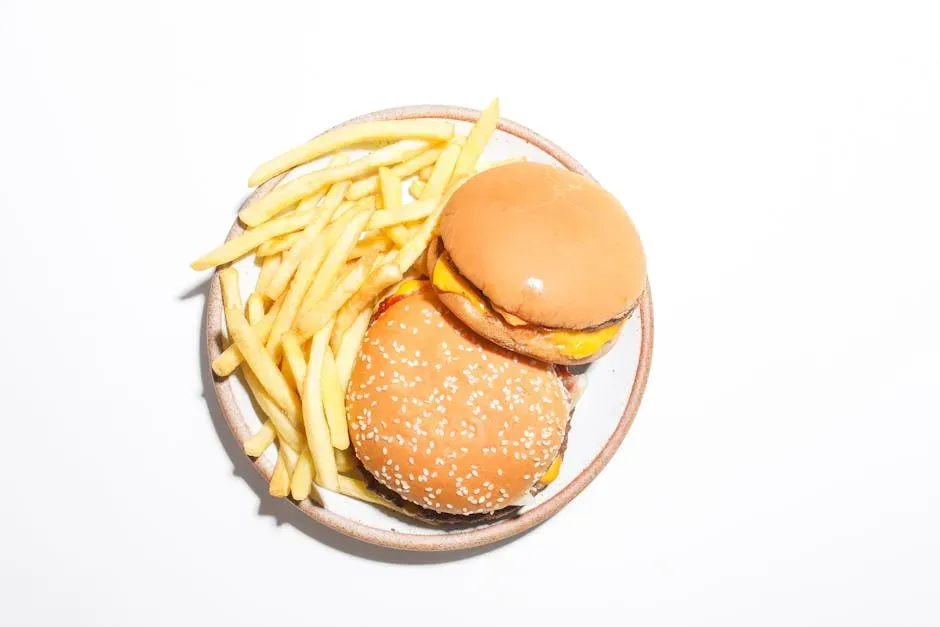
Saturated fat has been at the center of nutrition debates for decades. Eating too much saturated fat can raise the level of LDL (bad) cholesterol in your blood. The American Heart Association recommends aiming for a dietary pattern that achieves less than 6% of total calories from saturated fat. Yet average American intake continues to exceed this threshold.
Food sources of saturated fat in the U.S. include both animal- and plant-based foods. The 2025 Scientific Report notes that saturated fat is commonly found in higher amounts in high-fat meat, full-fat dairy products, butter, coconut oil, and palm oil. The Committee reaffirms guidance to limit total saturated fat intake to less than 10% of calories per day.
There is some nuance here worth acknowledging. The 2025 to 2030 Dietary Guidelines sparked a real controversy by simultaneously advising Americans to cap saturated fat and promoting red meat, full-fat dairy, and butter as healthy options. The new guidelines also simultaneously promote foods such as red meat, full-fat dairy, butter, and beef tallow. Following these food-based recommendations would make it difficult, if not impossible, for many Americans to remain below the recommended upper limit for saturated fat. It's a contradiction that has left many nutrition scientists frustrated.
7. Red and Processed Meat: A Growing Concern

Americans love meat. That is not a judgment - it is a statistical fact. Red meat consumption remains significantly above levels considered optimal for long-term health by most mainstream nutrition bodies. In a marked shift from prior reports, the 2025 Dietary Guidelines Advisory Committee recommends reducing intake of red and processed meats and eating more plant-based sources of protein.
Ultra-processed meats - any meat that has been processed to change its shape, flavor, and freshness - have been classified by the WHO as a Group 1 carcinogen, a categorization shared by tobacco and asbestos, for their link to colorectal cancer. That is a sobering comparison, and yet processed meat remains one of the most consumed protein sources in the country.
The 2025 to 2030 nutrition panel advises limiting red and processed meats, sugar-sweetened foods and beverages, refined grains, and saturated fats as part of a healthy dietary pattern. These recommendations reflect a broad consensus from decades of research linking high red meat intake to increased risk of heart disease, certain cancers, and type 2 diabetes.
8. Fast Food: Convenient, Consistent, and Costly to Health

Let's be real - fast food is woven into American culture in a way that goes far beyond convenience. Drive-throughs, value meals, and late-night runs are a national ritual. Fast-food consumption has been associated with an increased intake of calories, fat, sodium, and sugar, and with a lower intake of fiber, calcium, iron, fruits, dairy, whole grains, nuts, and seeds.
According to a 2024 study, high consumption of ultra-processed foods, which can include fast food, is associated with a higher incidence of high blood pressure compared with eating fewer or unprocessed foods. Regularly or excessively eating fast food and other ultra-processed foods can harm a person's health, contributing to diet-related chronic health conditions, because most fast food is high in sugar, salt, saturated fat, trans fats, processed ingredients, and calories.
There is a small encouraging sign on the horizon. As of 2025, some data suggests younger adults are beginning to cut back on fast food. Still, it remains a dominant part of daily caloric intake for tens of millions of Americans, and its nutritional profile consistently works against long-term health.
9. Calories Overall: The Portion Distortion Problem
This one is uncomfortable to discuss, but it is impossible to ignore. 70% of U.S. adults have overweight or obesity, one in three have prediabetes, and 45% of cardiometabolic deaths - including heart disease, stroke, and diabetes - are now linked to poor diet. Overconsumption of calories is the foundational driver behind these numbers.
Ultra-processed foods are the perfect storm to promote overconsumption and weight gain: they are laboratory engineered to maximize appeal, are calorie-dense, and have little or no fiber or other healthful nutrients. Think of it like trying to feel full by eating air popcorn versus a handful of nuts - the body simply does not register ultra-processed calories the same way.
Because ultra-processed foods are typically high in saturated fat, sodium, and sugar, and lower in water and fiber content, they are also more calorie-dense per gram - approximately 378 calories per 100 grams - compared to whole foods like fruits and vegetables, which are around 68 calories per 100 grams. That is a fivefold difference in caloric density. Eating the same volume of food can mean wildly different outcomes depending on what that food is.
10. Refined Carbohydrates Beyond Grains: Snacks, Sweets, and Packaged Foods

Chips, cookies, crackers, candy bars, breakfast pastries - they all fall under the broader umbrella of refined carbohydrates, and they are absolutely everywhere. The 2025 to 2030 Dietary Guidelines call for a dramatic reduction in "highly processed foods laden with refined carbohydrates, added sugars, excess sodium, unhealthy fats, and chemical additives."
Seventy-three percent of the food on U.S. grocery store shelves is ultra-processed, and the U.S. is currently the top-ranked country for ultra-processed food consumption in the world, alongside the UK. When nearly three-quarters of what you can buy at a grocery store falls into this category, making healthy choices requires genuine effort and, often, more money.
Studies have linked high intake of food containing refined, added sugar with a whole host of adverse health conditions, ranging from cardiovascular diseases to diabetes and obesity, to cancer. I think this is one of those areas where the science has been pretty clear for a long time, yet snack culture continues to outpace the warnings.
11. Alcohol: Underestimated and Under-Examined

Alcohol is one of those foods Americans consistently undercount in their daily dietary picture. A glass of wine with dinner, a beer at the game, a cocktail on the weekend - it all adds up. Studies firmly link alcoholic beverages with increased risk of various chronic diseases and adverse health outcomes.
A federal report released in January 2025 suggested that at least one daily drink could increase the risk of liver cirrhosis, esophageal cancer, and oral cancer. That finding caught many people off guard, particularly those who had long considered moderate drinking relatively harmless. Around the same time, Surgeon General Dr. Vivek Murthy called for cancer warning labels on alcoholic beverages.
Research now suggests that there is no truly "safe" level of alcohol consumption. That is a significant shift from previous public health messaging. A healthy dietary pattern simply doesn't have much room for extra added sugars, saturated fat, sodium, or alcoholic beverages. Alcohol delivers empty calories, disrupts sleep, increases cancer risk, and interacts badly with a long list of medications - yet it remains one of the most normalized overconsumptions in American life.
The Bigger Picture: A Nation in Nutritional Crisis

Taken individually, any one of these eleven food categories might seem manageable. The real problem is that most Americans are not just overconsuming one of them - they are overconsuming several at once, often daily. On average, U.S. diets differed by more than 20% from the recommended density level for 16 of the 23 nutrients and food groups examined in recent federal data - a sweeping indictment of the modern American diet.
More than 80% of health care dollars in the United States are now spent on treating chronic illness, a large proportion of which is diet-driven. That is not an abstract statistic. It represents real human suffering, real financial strain, and a healthcare system stretched to its limits by largely preventable conditions.
The USDA and HHS released the 2025 to 2030 Dietary Guidelines for Americans, urging people to focus on whole, nutrient-rich foods while cutting back on added sugars and highly processed items - reflecting a shift toward real food that can improve overall health nationwide. The guidelines are there. The research is overwhelming. The real question is whether the food environment, food policy, and cultural habits can catch up fast enough to make a difference.
What do you think - were you surprised by any of the items on this list? Share your thoughts in the comments.



Leave a Reply