
Most people walk out of a grocery store without a second thought. You grab your bags, maybe check your phone, and move on. But what if you quietly left behind money that was rightfully yours, taken not through a mugging or a scam, but through a price tag that expired weeks ago? It sounds like a minor inconvenience. For millions of American shoppers, it has become a very real and very costly pattern.
The chain at the center of this conversation is Kroger, one of the largest grocery retailers in the United States. A major investigation published in 2025 by Consumer Reports, The Guardian, and the Food and Environment Reporting Network pulled back the curtain on something millions of shoppers had already suspected. What they found was difficult to ignore. Let's dive in.
The Investigation That Shook the Grocery Industry
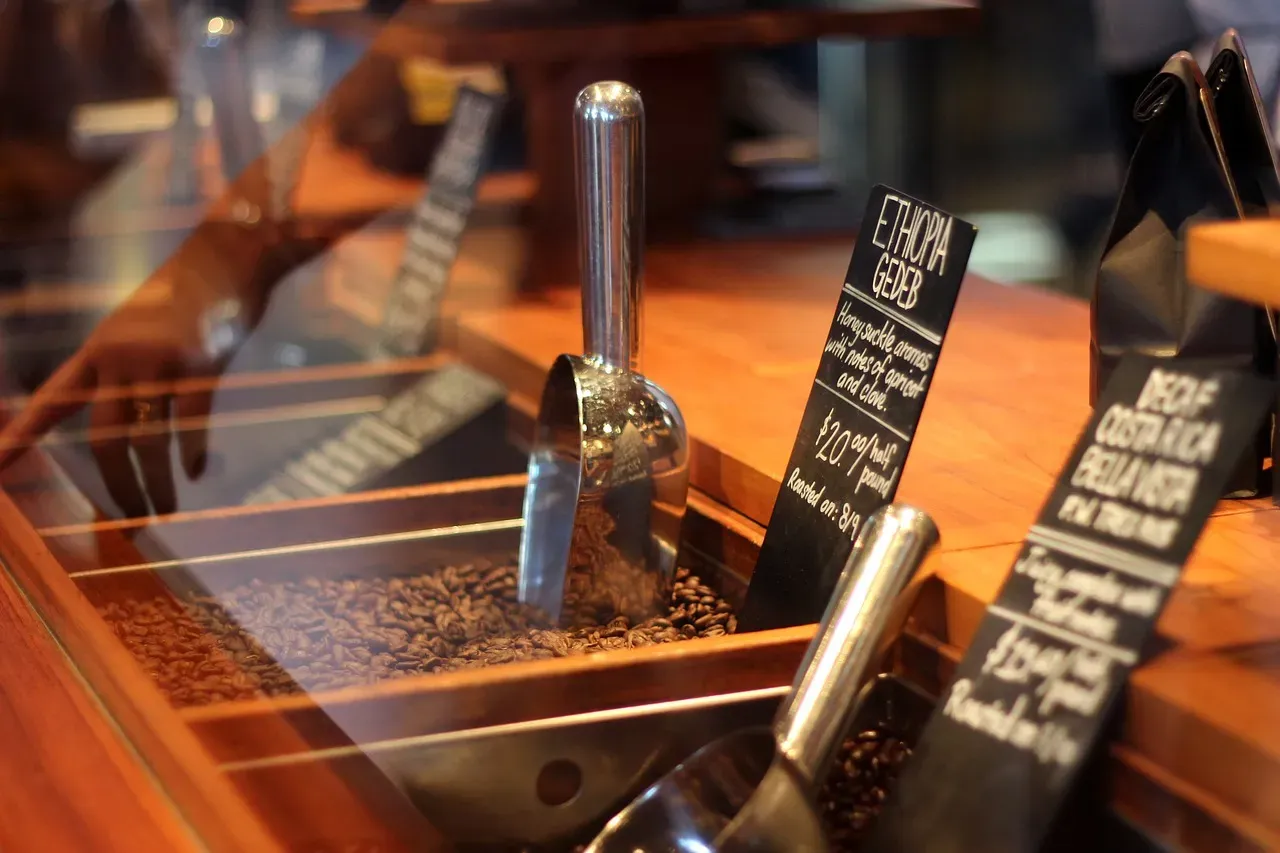
Consumer Reports, The Guardian, and the Food and Environment Reporting Network recruited people to shop at more than two dozen Kroger and Kroger-owned stores in 14 states and the District of Columbia over a roughly three-month period. This was not a quick sweep. It was a methodical, multi-state operation designed to reveal what shoppers had been quietly complaining about for years.
The investigation found that expired sales labels led to overcharges on more than 150 grocery items, with an average overcharge of $1.70 per item, or 18.4%. Think about that for a second. Nearly one fifth more than the price you saw on the shelf. That is not rounding error territory.
Some stores have as many as 15,000 discount tags hanging at any one time. Managing that kind of volume is genuinely difficult, but the evidence suggested the problem ran much deeper than simple chaos.
The Products You Would Never Suspect

Here is the thing that makes this so unsettling. It was not just obscure specialty items buried in the back of the store. Expired discount tags were found on everyday products ranging from Cheerios cereal to Nescafé instant coffee, according to the investigation by Consumer Reports, The Guardian, and the Food and Environment Reporting Network.
They found expired sale tags on more than 150 different grocery items, which led to overcharges at the checkout counter on everything from beef to salmon, coffee, juice, vegetables, cough medicine, and dog food. Essentially, the full weekly grocery run of an average American household.
For instance, a bag of Mission Flour Tortillas at a Harris Teeter in Alexandria, Virginia, was advertised as on sale for $2.99, while customers were charged $4.99. A two dollar overcharge on tortillas. Harmless once, devastating across a full cart, and multiplied across millions of transactions.
How Long Had Those Expired Tags Been Hanging There?

Honestly, this part is where things go from frustrating to deeply concerning. A third of the expired sales tags were out of date by at least 10 days, and the prices of five of the products were expired by at least 90 days. Three months of incorrect pricing. That is not an oversight that slips through the cracks. That is a pattern.
The out-of-date or expired tags, some of them were as old as three months, and that means they had been sitting there for that long. Anyone who bought those items probably paid full price at the register.
Consumer Reports noted that Kroger employees "work quickly" to resolve the price discrepancies when consumers identify them, but many shoppers could also be unknowingly paying the elevated prices. The key word there is "unknowingly." Most people never even catch it.
The Staffing Connection Nobody Wanted to Talk About

Consumer Reports found a correlation between the staffing cuts the grocer made and the amount of pricing errors. That is not a coincidence. That is cause and effect.
Since 2019, even though the number of Kroger-owned stores has largely remained the same at more than 2,700, Kroger has significantly cut the number of workers in most of its stores. In the Kroger-owned stores where investigators found significant price tag errors, between 2019 and 2024 the average number of employees was reduced by 10.3 percent, or 17 employees per store, and the average number of hours they work each week fell by 9.9 percent.
Many Kroger workers claim staffing cuts and reduced hours stretch them thin, making it nearly impossible to change price tags as often as they change. One employee said it plainly to Consumer Reports. Customers, especially older ones on fixed incomes, simply have no idea they are paying more.
Kroger's Response and the "Make It Right" Policy

To be fair, Kroger did not stay silent. In a statement, Kroger said its "Make It Right" policy "addresses any situation when we unintentionally fall short of a customer's expectations," and allows employees to fix price discrepancies on the spot, on a case-by-case basis.
A Kroger spokesperson said the errors cited by the investigators represented only a "few dozen examples across several years out of billions of customer transactions annually." I think that response misses the point entirely. A few dozen examples that an outside team found in just three months at 26 stores is not reassurance. It is a sample size.
A day after Consumer Reports and other news organizations published the investigation, Kroger announced it would be hiring an additional 15,000 employees across the country to "enhance the customer experience." Whether that announcement was a coincidence or a direct response is something each reader can decide for themselves.
Kroger Is Not the Only Chain with This Problem
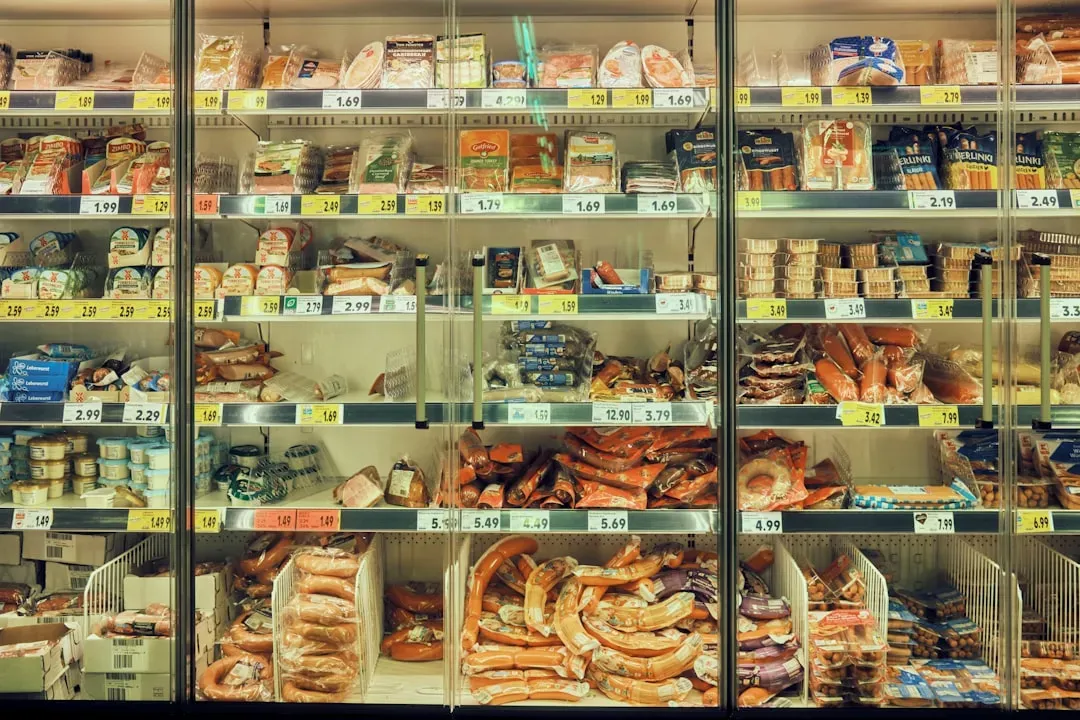
Let's be real. Kroger grabbed the headlines, but it is not the only grocery giant with pricing questions hanging over it. Other grocery chains have struggled with this. There have been class-action lawsuits and state regulator investigations and fines involving Walmart, Safeway, Vons, and Albertsons.
Walmart paid 45 million dollars to consumers as part of a settlement on a lawsuit for overcharging consumers on food like seafood sold by weight. The lawsuit, filed in October 2022, alleged Walmart overcharged shoppers for certain groceries that were sold by weight, including meat, poultry, pork, seafood, and certain fruits sold in bulk.
Albertsons and its affiliates, including Safeway and Vons, agreed to pay 3.9 million dollars to resolve allegations that they charged customers more than advertised prices on groceries. The complaint, filed in Marin County Superior Court, claimed the companies violated state consumer protection laws by engaging in false advertising and unfair competition. The breadth of this problem across major chains is staggering.
What the Law Actually Says About Overcharges

The legal framework here is stronger than most shoppers realize, and it varies significantly by state. Shoppers are entitled to the current advertised or sale price. That is not a courtesy. That is a right.
In Michigan, for example, the seller must refund the difference between the amount charged and the price displayed. The seller may also choose to pay a "bonus" of ten times the difference, which must be at least one dollar but no more than five dollars. That is a real financial incentive built into state law to encourage shoppers to check their receipts.
In states with scanner laws, items that ring up wrong have to be given at the correct price. Any overcharge has to be refunded immediately. The protections are there. But you cannot use them if you walk out the door without a receipt.
The Receipt Is Your Only Real Evidence
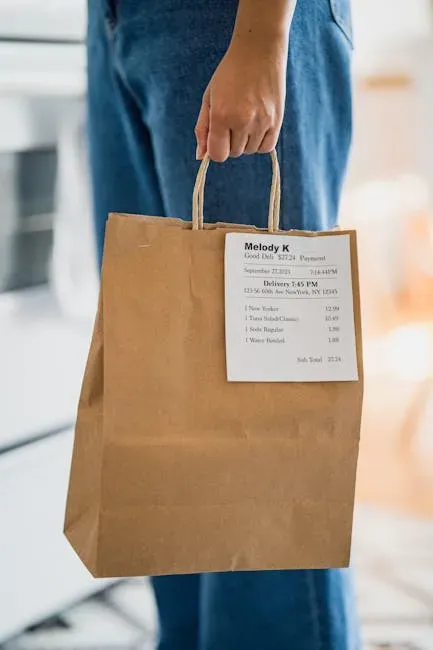
This is the crux of the whole thing. Without a receipt, you have no proof. You cannot dispute a charge you cannot document. Shoppers should check receipts before leaving the store to make sure they are correct. If overcharged, a shopper should bring the receipt to the attention of the manager or customer service desk.
You must have a receipt showing the overcharge before you are eligible to receive any applicable bonus under scanner law protections. That piece of paper is not just a record of your purchase. In states with scanner laws, it is the document that unlocks your legal rights.
Consumer Reports recommends that shoppers take photos of price tags when shopping and compare them to the receipt, digital or paper, at checkout. It sounds tedious. It is. But until chains consistently fix their pricing systems, it is the most reliable protection a shopper has.
Vulnerable Shoppers Are the Ones Most at Risk

It is hard to talk about this topic without acknowledging who gets hurt the most. Elderly shoppers and people on fixed or tight incomes are least likely to scrutinize every line on a receipt. And yet they are the ones for whom every dollar overspent matters most.
A Kroger employee who has worked at a King Soopers store in suburban Denver for 18 years told Consumer Reports: "It really makes me feel bad because some of the customers are on fixed incomes and they're older. They're not going to pay attention. They think that when they took it off the shelf, it was $2.50. They don't know that they're paying $3.75 for that one item."
In Ohio, where Kroger is headquartered and has significant market share, the attorney general's office received nearly 60 complaints about price tag and overcharge issues at Kroger since 2021. In Michigan, where Kroger is dominant in metro Detroit, the attorney general's office received 229 consumer complaints about Kroger since 2020. These are not isolated incidents. They are a pattern spread across years and states.
What You Can Do Right Now to Protect Yourself
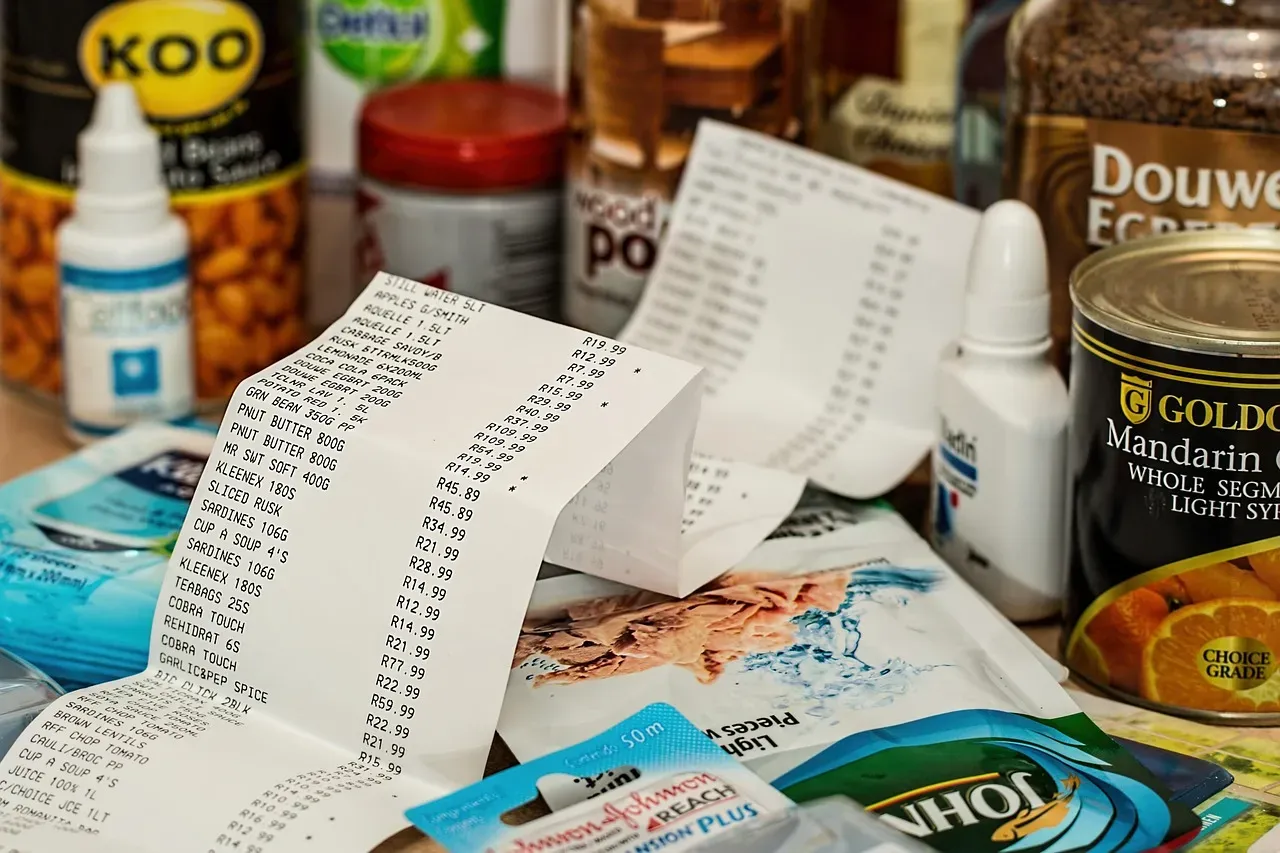
Protecting yourself does not require becoming a professional auditor every time you go shopping. A few simple habits go a long way. Consumer Reports says that no matter where you shop, take a quick photo of the sale tags, review the receipts before leaving the store, and demand a refund if the price is not right.
Ask the store manager for a copy of the transaction record, which often includes item codes, the cashier ID, and the time of the sale if you suspect something is wrong and do not have your receipt. Documentation creates leverage.
Make sure you get a receipt from the payment platform, or get a signed receipt from the service provider. Closely monitor your credit card balance online rather than waiting for a monthly statement, so you can quickly pick up on any overcharges. That last habit alone has saved many people from discovering a problem weeks too late.




Leave a Reply