
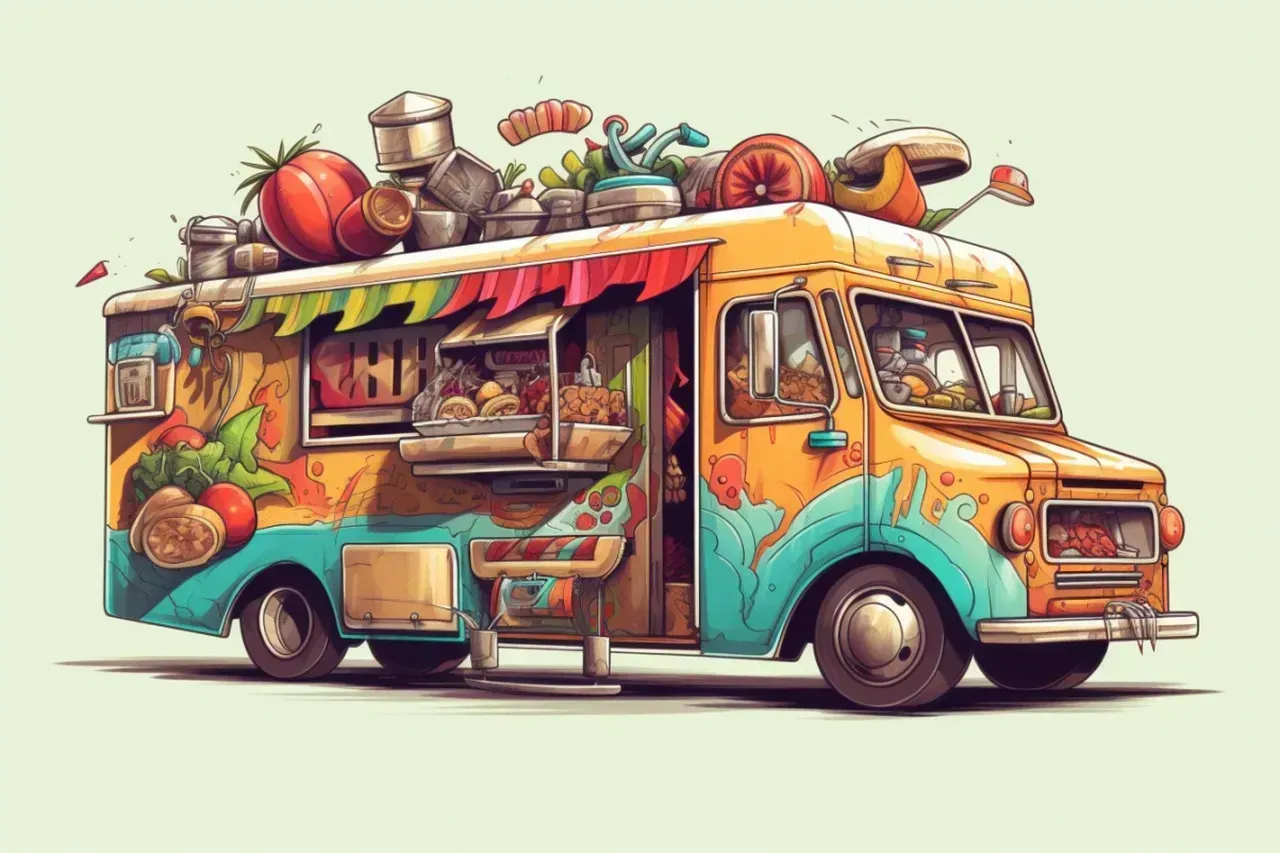
Something quietly dramatic is happening in the world of food. White tablecloths are collecting dust while street corners are drawing queues that snake down the block. The American dinner table has shifted, and it is no longer sitting in a chandelier-lit dining room - it is parked curbside, ready to roll.
Food trucks are not a fad. They are a full-blown movement, and the numbers behind them tell a story that the restaurant industry is scrambling to understand. Whether you are a devoted foodie, a curious observer, or just someone who grabbed a taco on a Tuesday and never looked back, what is driving this shift is more layered than you might think.
Let's dive in.
1. Fine Dining Is Bleeding Traffic - and the Data Is Stark
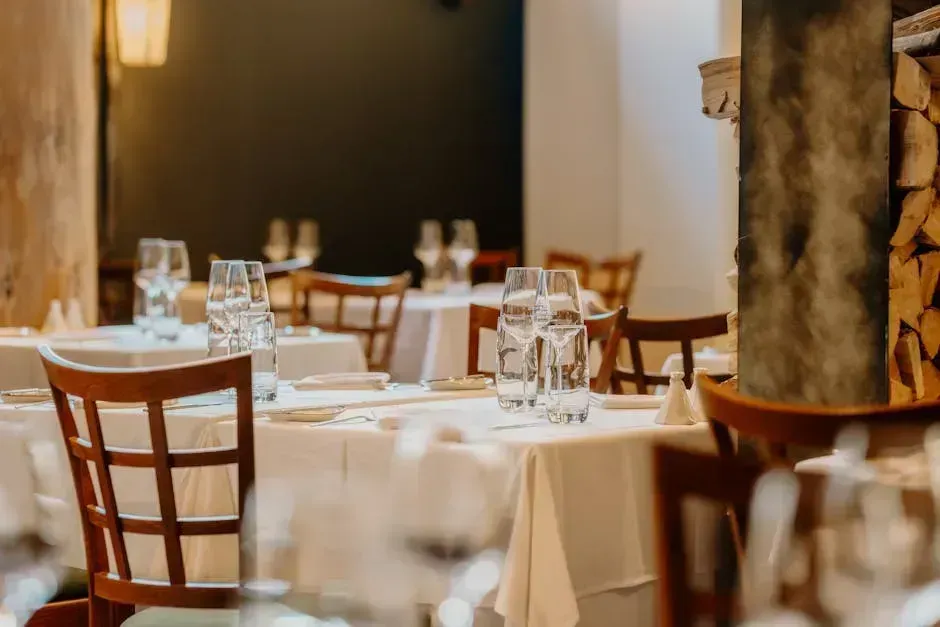
Let's start with the hard truth. Fine Dining has been the worst performer on same-store sales growth for five straight months, according to Black Box Intelligence data tracking through late 2025. That is not a blip. That is a trend line heading in one direction. Meanwhile, the people who used to fill those tables on a Tuesday night are increasingly eating somewhere else entirely.
Restaurant categories that are typically higher end, such as New American, have seen a decline of 46%, Teppanyaki down 40%, and Modern European down 36%, as consumers grapple with rising prices even as inflation cools, according to Yelp's 2024 State of the Restaurant Industry report. Those are brutal numbers for what many operators considered bulletproof segments. Honestly, I think that should have alarmed the industry a lot sooner than it did.
The high end continues to struggle as consumers trade down to more budget-friendly options. Even higher-income guests, who are holding up better than lower-income cohorts, appear to be shifting some of their dining choices due to mounting uncertainty and worsening near-term expectations. The luxury dinner out is becoming an event, not a habit.
2. Food Trucks Are a Billion-Dollar Industry, Not a Side Hustle
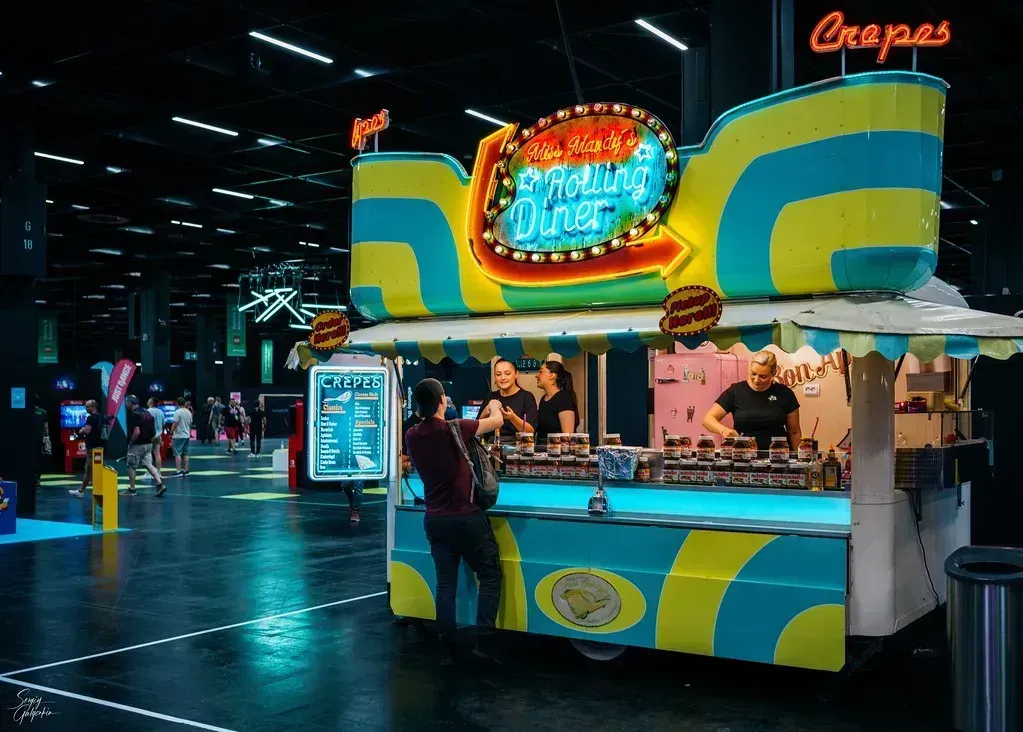
Here is something that catches a lot of people off guard. The global food truck market size was valued at USD 5.42 billion in 2024 and is projected to reach USD 7.87 billion by 2030, growing at a CAGR of 6.3% from 2025 to 2030, according to Grand View Research. That kind of growth does not happen in a passing phase. That happens when something genuinely fills a real consumer need.
By 2024, there were over 58,000 food truck businesses in the US, an increase of 15.9% since 2018. Think about that for a second - from roughly 4,000 trucks in 2010 to over 58,000 in 2024. The growth curve is almost hard to believe, and it shows no signs of flattening. There is something deeply telling about an industry that keeps multiplying even through inflation, supply chain disruptions, and economic uncertainty.
Between 2021 and 2024, the global food truck market expanded due to increasing demand for convenience and unique dining options. A report by Global Market Insights shows that the food truck market size is expected to increase at a compound annual growth rate of more than 5% during the forecast period of 2024–2029. The momentum is real, and it is accelerating.
3. The Cost Gap Between a Food Truck and a Fine Dining Restaurant Is Enormous
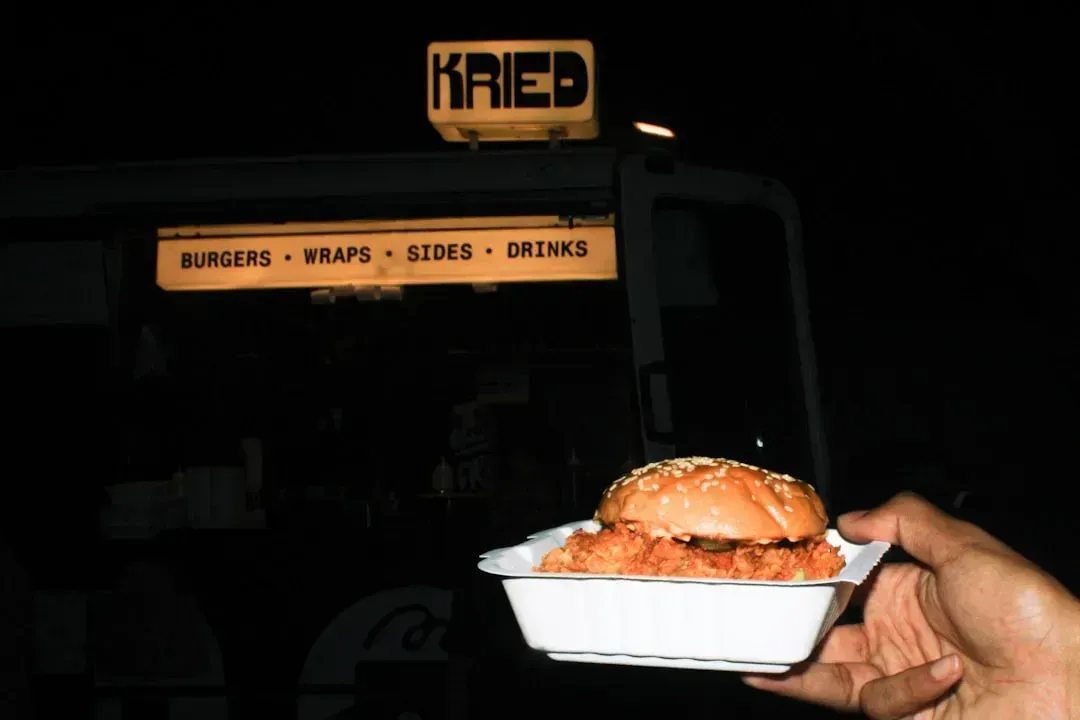
Think of it like this - starting a fine dining restaurant is like buying a luxury apartment. Starting a food truck is like buying a really nice van. The financial barrier alone explains a lot about why the restaurant landscape is tilting. Fine dining restaurants demand significantly higher startup costs. Securing a prime location, creating an upscale ambiance, and investing in top-of-the-line equipment often pushes the initial investment well beyond $500,000.
Compare that with food trucks. On average, launching a food truck business costs between $50,000 and $250,000 all-in. This includes the vehicle, kitchen equipment, permits, insurance, branding, inventory, and technology setup. That is a fraction of the cost of a fine dining buildout, and it comes with far fewer fixed monthly obligations like rent and extensive wait staff. For aspiring chefs and operators, it is the obvious proving ground.
Food trucks hit 6–9% profit margins once established - better than most restaurants at 3–5%. Breaking even takes 6–18 months. Most trucks make $250,000–$500,000 annually. That is a compelling business case in a market where traditional full-service restaurants are watching their margins get squeezed from every direction.
4. Younger Diners Are Rewriting the Rules of What "Great Food" Looks Like
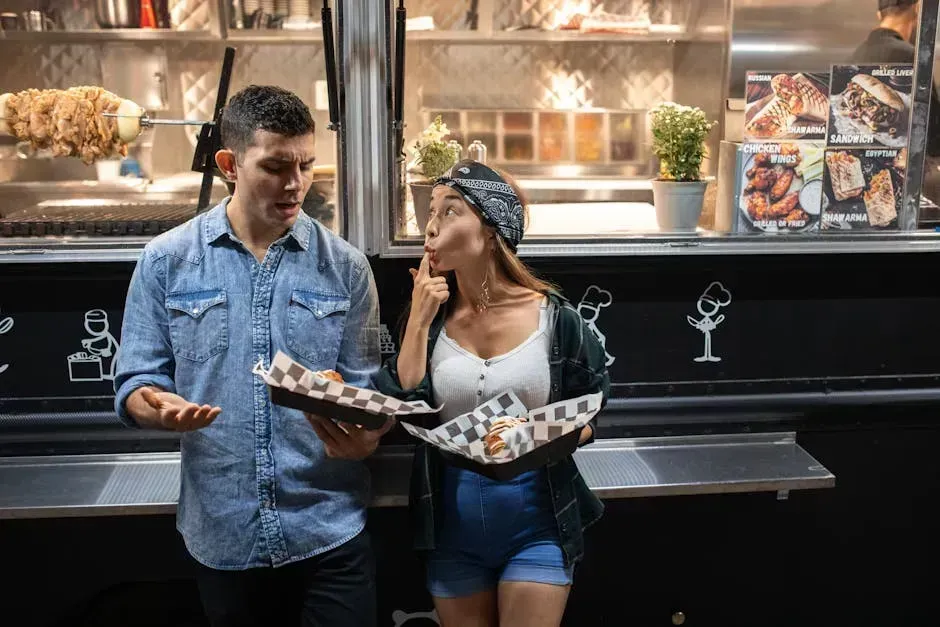
Gen Z and Millennials are the dominant dining force right now, and their relationship with food is nothing like their parents'. They are not impressed by crystal glasses or a sommelier. They want something genuine, fast, and shareable. A surge in gastronomy worldwide, coupled with the rising preference of consumers between the age group of 16–34 years for new meal experiences over a conventional brick-and-mortar restaurant experience, is expected to drive the food truck market.
According to a recent study, over 60% of millennials have eaten in a food truck in the last year, showing sustained interest in 2024 among a customer base that represents a large portion of diners. That is a striking statistic. Pair it with the fact that according to OpenTable's research, 71% of Gen Z and 68% of Millennials planned to dine out more in 2025 than they did in 2024, and the demand signal becomes very clear. These generations are hungry, and food trucks are feeding that energy perfectly.
TouchBistro reports the most popular type of restaurant among Gen Z to be fast casual, with 36% citing this as their preference. Other popular picks include family style at 26%, bar and grill at 15%, and fast food at 10%. Notice that fine dining does not even register prominently in that list. The dining preferences of the next generation have fundamentally shifted the competitive landscape.
5. Social Media Turned Food Trucks Into Discovery Machines

Fine dining lives behind a reservation wall. Food trucks live on TikTok. That difference has never mattered more. According to Statista's September 2024 report, an overwhelming 70% of Gen Z respondents identify TikTok as their most valuable platform for food recommendations. A perfectly plated street taco filmed under good light gets ten times the engagement of a restaurant's polished press photo. Authenticity wins on social media, every single time.
According to TouchBistro, 52% of Gen Z diners have tried a new restaurant solely because of positive social media feedback. Food trucks are practically built for this dynamic. They operate in public spaces, they serve photogenic food at accessible prices, and they carry an energy that feels spontaneous and alive. That is catnip for a generation that shares its entire life online.
Understanding that 84% of Gen Z actively try social media food trends is a roadmap for restaurant marketing evolution. Fine dining, by its very nature, struggles to translate into the kind of quick, emotionally engaging content that drives discovery today. A six-course tasting menu with a dress code just does not perform the same way on a 30-second reel.
6. The "Tipping Fatigue" Effect Is Pushing People Away From Formal Restaurants

Here is one that rarely gets talked about openly, but it is absolutely real. Every time someone sits down at a formal restaurant today, the bill comes with a gut punch at the end. "Tipflation," a phrase that arose when inflation began significantly increasing in 2022, has even made its way into Yelp reviews, with mentions up 399% comparing May 2023 to April 2024 versus the prior year period. People are noticing, and they are voting with their feet.
As diners encounter more tip screens or automatic gratuity, references to "gratuity" are rising more rapidly at lower price point establishments compared to higher-end restaurants. This rise may be driven by consumers who, due to high inflation, are more conscious of their spending and opting for more affordable dining options. The mental math of a dinner out has become exhausting. You budget for the food, then add tax, then add a 20% tip, then wonder why you spent that much.
Food trucks operate with none of that pressure. You order, you pay the price you see, and you enjoy your meal. No hovering server. No tip screen guilt. No pretending to study a bill that already stings. It is a fundamentally more relaxed financial transaction, and that simplicity resonates deeply with consumers right now.
7. Fine Dining Meal Costs Have Climbed Sharply - And Diners Noticed
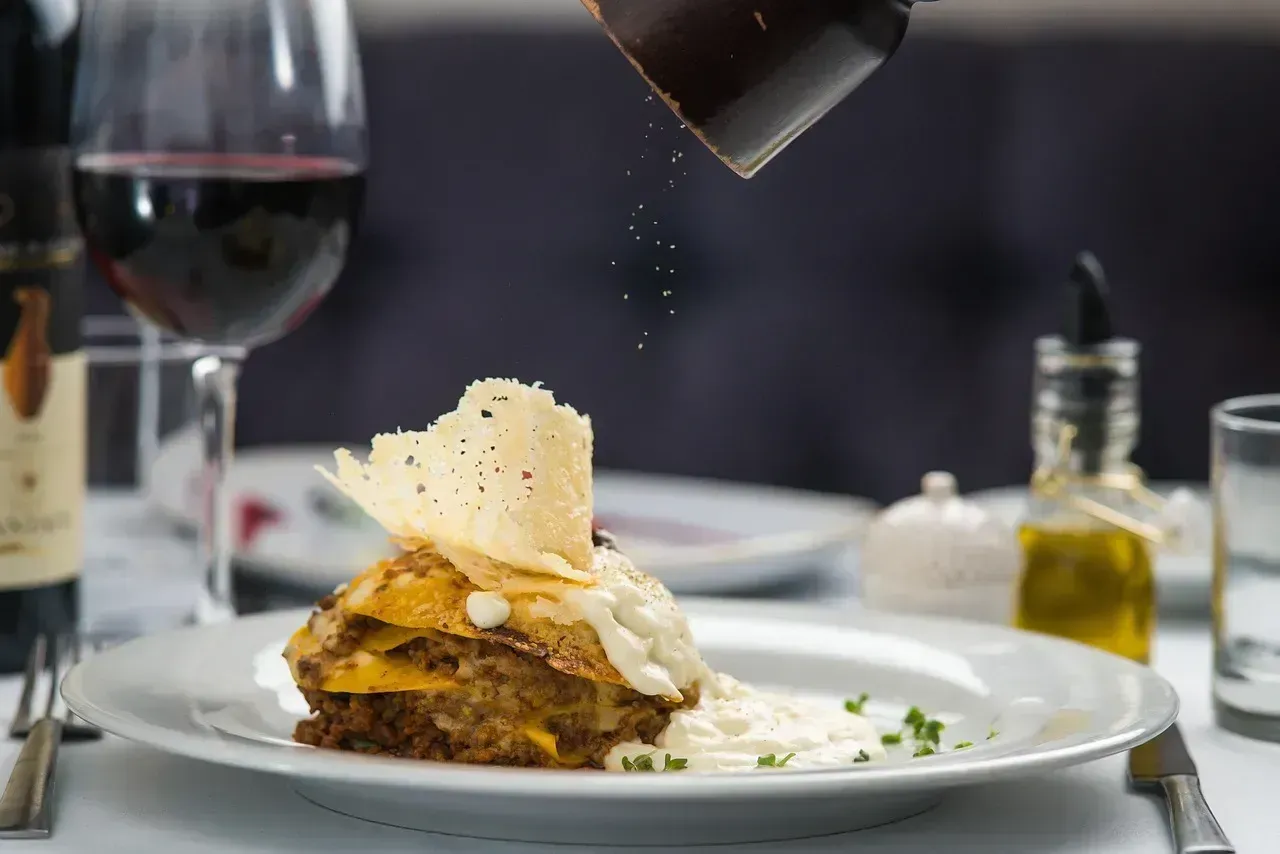
Prices at fine dining establishments have been climbing steadily for years. Dining out, especially at fine-dining restaurants, became more expensive from 2019 to 2023, as the average fine-dining meal cost rose from $41.18 in 2019 to $47.73 in 2023. That might not sound shocking in isolation, but layer that onto inflation, tipping expectations, parking, and valet, and a casual night out starts feeling like a small financial event.
In 2024, 91% of independent restaurants raised menu prices, mostly in the 5–10% range. Those who went beyond 15% saw a drop in profits and foot traffic. Restaurants are caught in a brutal squeeze - they raise prices to survive, which drives customers away, which forces them to raise prices again. Food trucks, by contrast, operate leaner and can absorb some of those costs with greater agility.
Nearly 80% of Americans now believe fast food to be a "luxury," according to a Lending Tree survey. If people consider fast food a luxury now, fine dining is in an entirely different stratosphere of perceived indulgence. Food trucks occupy a sweet spot between those two extremes - real, quality food that does not require you to book three weeks in advance or dress up for the privilege.
8. Food Trucks Deliver Something Fine Dining Rarely Can: True Culinary Adventure
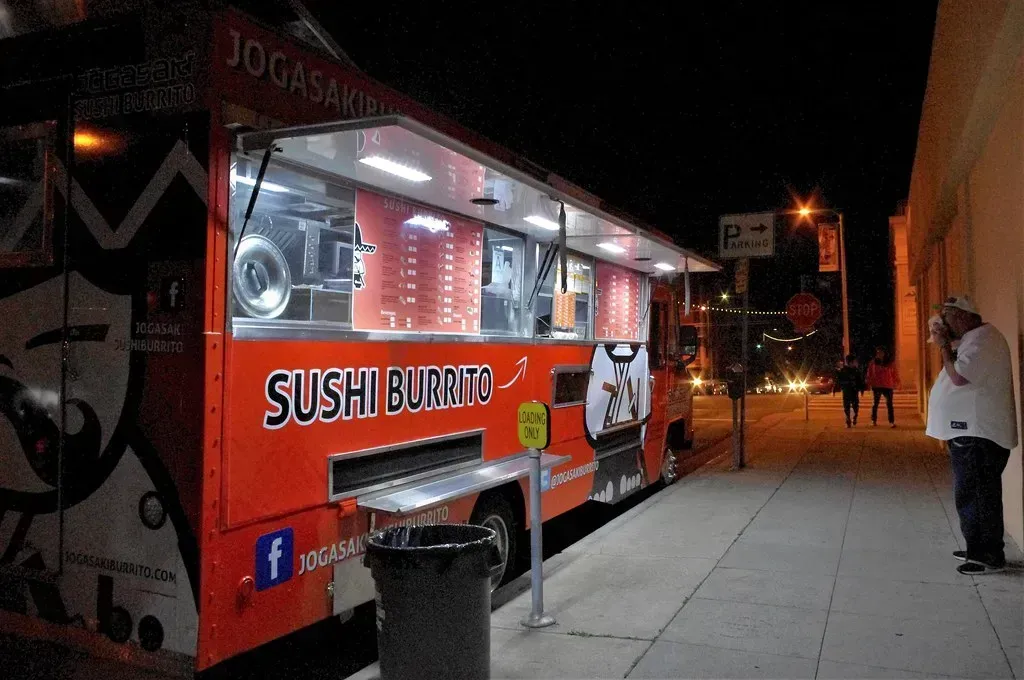
There is a quiet irony here. Fine dining positions itself as the pinnacle of culinary experience, yet it is often food trucks that are actually taking the biggest creative risks. Trends include the rise of gourmet and fusion cuisines, adoption of zero-emission vehicles, digital transformation through social media and mobile tools, temporary partnerships with local businesses, and the growth of food truck parks. These are not the moves of a boring industry. That is a creative, adaptive ecosystem.
The growth of food trucks is not just about quantity; it also reflects an increase in the variety of cuisines and concepts, from gourmet and fusion dishes to locally sourced and organic options. A food truck can serve Korean BBQ tacos one week and pivote to a Sicilian arancini concept the next. Fine dining menus, shaped by expensive kitchen buildouts and fixed brand identities, move at the speed of tectonic plates by comparison.
Food trucks that regularly update their menu based on customer feedback and trends experience a 25% higher customer retention rate. That responsiveness creates a kind of ongoing excitement that multi-course tasting menus simply cannot replicate on a Tuesday afternoon in a busy city.
9. The Convenience Factor Is Non-Negotiable for Today's Consumer
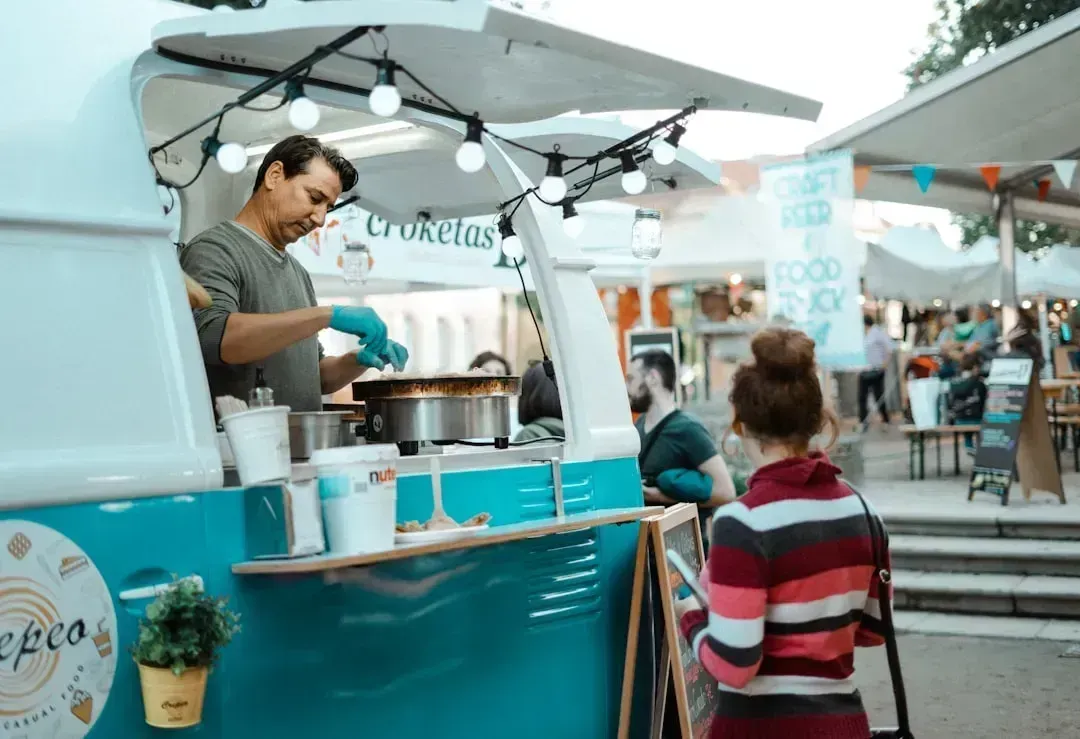
Speed, flexibility, and ease have become core dining values for a huge chunk of the population. Fine dining asks you to slow down, commit to a time slot, and surrender a couple of hours of your evening. Not everyone has that to give anymore. According to the United Nations, metropolitan areas house around 55% of the world's population. This urbanization trend has increased demand for convenient dining options in cities, where time is typically limited. As consumers emphasize quick and convenient dining options, the global food truck market trend thrives.
About 20% of Gen Z respondents indicated that speed of service was one of their top dining frequency drivers in 2024, according to a Toast survey. For a generation that grew up with same-day delivery and instant streaming, waiting 45 minutes for an amuse-bouche is a genuine friction point. Food trucks eliminate that friction completely. You walk up, you order, you eat in minutes.
Trendy formats like ghost kitchens and food trucks are now each used by about 11% of consumers for to-go food. That share is growing. Convenience is not a compromise anymore - it is a preference. And the dining industry needs to understand that this shift in values is structural, not temporary.
10. Tourism Declines Are Hitting Fine Dining Especially Hard
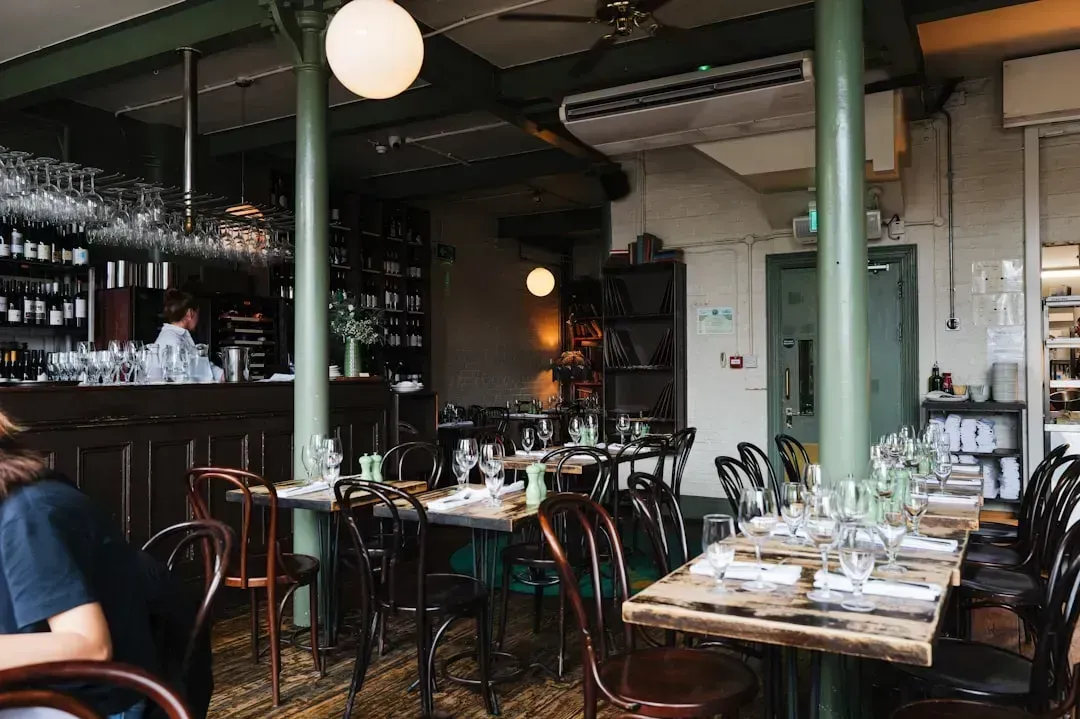
There is one more factor that rarely makes the headlines but is quietly devastating fine dining specifically. Much of the high-end restaurant business has historically been propped up by visitors and travelers. One in four fine dining operators say visitors account for at least 60% of their annual sales. That is a staggering dependency on a customer base that is not guaranteed.
The decline in travel and tourism sales has exacerbated these challenges. According to research data, 47% of operators say their sales from travelers and visitors in 2025 were lower than they would normally be in a typical year. International tourism to the U.S. has been declining, with visits dropping from 72.4 million in 2024 to 67.9 million in 2025, a decrease of more than 6%. For fine dining establishments that depend on expense accounts and tourist spending, these are existential numbers.
Food trucks, meanwhile, serve the local community by definition. They move to where the people are - festivals, office districts, farmers markets, college campuses. They are built on repeat local customers, not weekend visitors with corporate credit cards. That community-rooted model is proving far more resilient than anyone expected, and it is one of the most compelling reasons the two dining worlds are growing further apart, not closer together.
A Final Thought: Is Fine Dining Dying or Just Changing?
It would be too simple to declare fine dining dead. The fine dining restaurants market reached an estimated $166.9 billion globally in 2024 and is projected to grow to $243.2 billion by 2030, representing a robust 6.5% CAGR during that period. There is clearly still appetite for luxury experiences at the very top end. Special occasions, milestone dinners, and high-net-worth clientele will keep those white tablecloths filled.
Yet the everyday diner, the curious millennial, the Gen Z explorer scrolling TikTok for their next great meal - they are not waiting for a reservation. They are finding something better, faster, more creative, and far more accessible right on the street corner. The food truck industry's rapid growth over the past decade is more than a passing trend; it's a significant shift in the foodservice landscape.
The shift is not really about food trucks winning and fine dining losing. It is about a generation deciding for itself what quality, value, and experience actually mean. And right now, for millions of people, those words point toward a window in the side of a truck, not a podium in a marble foyer. What do you think - has your own relationship with dining out changed in recent years? Share your thoughts in the comments.

Leave a Reply