
There's something deeply human about cooking for other people. It's an act of care, of vulnerability, of love expressed through heat and seasoning and time. So when someone opens their home and sets a plate in front of you, they're offering a lot more than just food. They're sharing a piece of themselves.
That's what makes careless comments about someone's cooking so surprisingly damaging. Most people who say the wrong thing at the dinner table don't realize the impact their words carry. They're just talking. They think they're being honest. But words about food land differently than words about almost anything else. So before you open your mouth at the next dinner party or family gathering, you might want to read this first. Let's dive in.
1. "This Is Interesting" - The Backhanded Non-Compliment

Here's the thing about the word "interesting" - everyone knows what it actually means. Words like "interesting" should never be used in a dining context. The first is almost always assumed to be a faux polite synonym for bad, with comments like "This braised rabbit is really interesting" implying dislike without saying it outright. It's a social escape hatch that fools nobody.
Even an honest inquiry into what is being served can be taken as rude if it's phrased awkwardly, such as "What in the world is this?" Word choice is very important when dining in someone's home, and comments that are meant to be flattering can sometimes be taken as insults if they're not clearly and appropriately phrased.
Think of it like this: if someone spent three hours painting a portrait of you and you said "Wow, that's interesting," would they feel proud? Probably not. Cooking is a creative act too, and vague language signals exactly what you were trying to hide.
2. "It's Actually Really Good!" - The Surprise That Stings

This one catches people off guard because it sounds like a compliment at first glance. The key word in this backhanded compliment is "actually," which implies that you didn't anticipate the food your host prepared would taste good. Tossing in filler words like "actually" or "surprisingly" tends to disqualify your compliment, even if you meant well.
Tone, timing, and body language all contribute to the way remarks are perceived. When it comes to a personal endeavor such as cooking, it's especially important to approach commentary in a gentle manner. You might think you're being enthusiastic. The cook hears that you walked in expecting a disaster.
Honestly, just drop the word "actually." Replace it with genuine warmth. "This is delicious" is three words long, lands perfectly every time, and costs you nothing.
3. "My Mom Makes This So Much Better"

Few comments shut down a dinner atmosphere faster than a comparison to someone else's version of the same dish. There is no amount of clever wording that can make up for suggesting that someone's cooking could have been improved by using a different preparation method. Critical comments, however truthful, are always rude - even if they were directly requested by someone who values your input.
Scholars argue that cooking is not reducible to nutrient optimization but is embedded in emotion, memory, and identity. Research found that participants rarely defined cooking in nutritional terms. Instead, they spoke of cooking as "care," "love," and "personal effort," with health outcomes treated as secondary. For many, a home-cooked meal was defined by whether it was prepared from scratch with attention and affection.
Comparing someone's cooking to their mother's, their grandmother's, or a restaurant's version essentially tells them that their effort wasn't good enough. That's a heavy message to receive over a shared meal.
4. "You Should Have Used Less Salt" - The Unsolicited Cooking Lesson

Despite your pro status in the kitchen, it's best to avoid offering your host unsolicited cooking advice that could potentially make them wonder if their culinary skills are in question. Nobody asked for a cooking class at their own dinner table. Yet people do this constantly, often framing it as "helpful."
Definitely don't say it bluntly - try to find a way to talk to them one-on-one, and make any comment constructive, not critical. There is a difference: the former seeks to improve and grow, while the latter looks only to beat and tear down. And frankly, most unsolicited food tips fall squarely into the "tear down" category, regardless of how they're intended.
Let's be real: if the cook wanted your opinion on their seasoning choices, they would have asked. Staying quiet in this moment is not weakness - it's basic decency.
5. "Is That Healthy?" - Policing Food Through Diet Culture
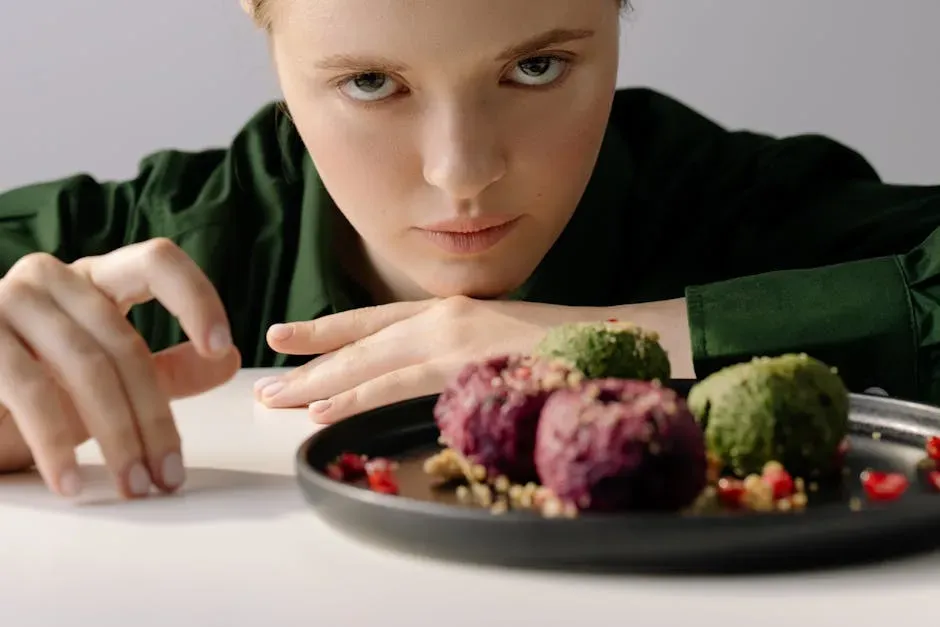
Comments about food and eating can be difficult for someone with an eating disorder or someone who is anxious about eating with others. These remarks - even if they're well-meaning - can make some people feel judged, shamed, and self-conscious. A simple question about nutritional content can carry an enormous amount of unintended weight.
Diet culture refers to a belief that thinness and appearance matter more than health. Those who embrace diet culture often restrict calories and engage in negative self-talk. They typically label food as either good or bad and feel shame after eating "bad" food. Diet culture can be dangerous and can be a precursor to eating disorders such as anorexia and bulimia.
Avoid labeling foods as "good" or "bad" or "healthy" or "unhealthy." For example, if you say "Isn't that unhealthy to eat for breakfast," it could foster a sense of shame and be triggering for some people. The person who cooked for you doesn't need a nutrition audit. They need appreciation.
6. "I Could Never Eat That Much" - The Body-Shaming Disguise

This one gets smuggled in under the guise of personal dietary preference. Pointing out how you avoid eating whatever is on someone's plate, for whatever reason, could make them feel shamed. It also reinforces diet culture and can seem like you're comparing your body to theirs, especially if you say something like, "I could never eat that much sugar, or I'd gain weight." Statements like this can make someone feel judged about their eating choices.
Shaming does not make people healthier - in fact, the stigma perpetuated by shame undermines motivation and promotes anxiety, low self-esteem, and a belief that something is fundamentally wrong with the person. Even when the comment is aimed at yourself, it sends a message to everyone else at the table about what you consider acceptable.
The research on this is clear and consistent. Shame around food does real psychological harm. It belongs nowhere near a dinner plate - especially one that someone lovingly prepared for you.
7. "I Don't Eat That Kind of Food" - Dismissing Cultural Identity

This cuts deeper than most people realize. Food and its cooking, and the taste choices of individuals as well as nations, seem to play an important role in the construction of identity - because, in common words, "we are what we eat" and therefore "we make ourselves." When someone cooks food from their culture and you casually reject it, you're not just turning down a dish.
Traditional cuisine is passed down from one generation to the next, operating as an expression of cultural identity. Immigrants bring the food of their countries with them wherever they go, and cooking traditional food is a way of preserving their culture when they move to new places. Continuing to make food from their culture for family meals is a symbol of pride for their ethnicity and a means of coping with homesickness.
Food contributes to an individual's physical and mental well-being and expresses one's cultural identity through preparation, sharing, and consumption. Dismissing it flatly, without curiosity or willingness to try, tells the cook that their heritage isn't worth engaging with. I think most people would be mortified to know how much that stings.
8. "I'm Not Really Hungry" - When Silence Would Be Kinder

You may genuinely not be hungry. That happens. But there's a graceful way to handle it and a graceless way. After your host has worked hard to prepare a meal for you, it's important to explain the situation to mitigate any false assumptions your host may formulate. Refusing food when you're not hungry feels awkward, but there are ways to make your host feel appreciated regardless of your lack of appetite - try making a small plate of side dishes or grabbing a plate to save for later.
When food is offered as a support behavior, this resonates with the associations between food and its social and emotional properties that have developed throughout a person's lifespan. Closeness between the provider of food and the recipient should increase due to the offer of food as a support behavior. Turning that offer away without acknowledgment sends the opposite signal entirely.
The person who cooked for you spent time, money, and mental energy. Even a symbolic bite and a sincere "thank you" matters more than you might think. It's one of those small social gestures that quietly holds relationships together.
9. "There's No Way of Knowing How Someone Will Interpret a Comment About Food" - And That's Exactly the Point
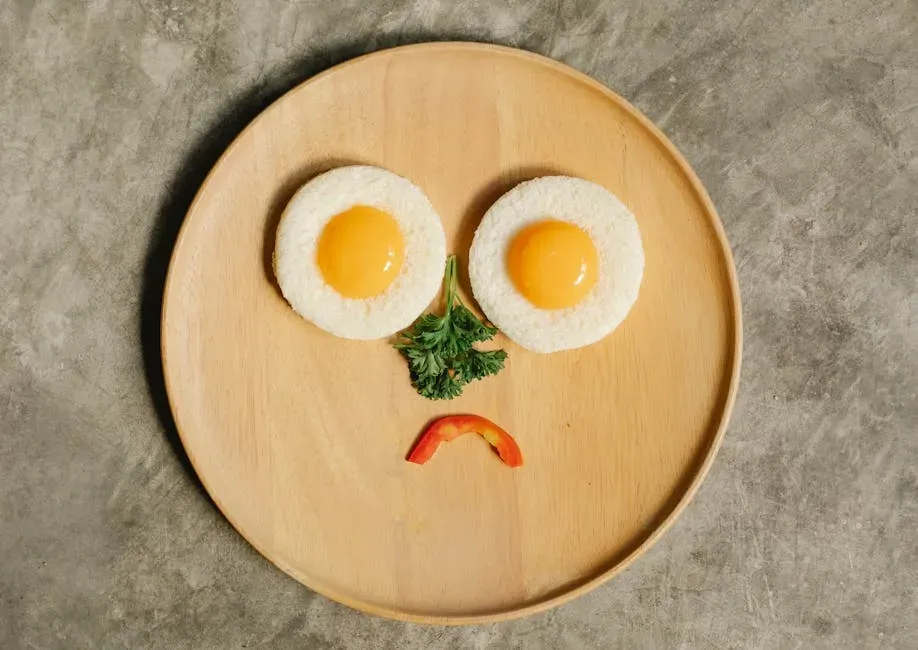
There's no way of knowing how someone will interpret a comment about food, even if there are good intentions behind it. This isn't alarmism - it's just reality. Food is tangled up with memory, self-worth, culture, family history, and emotion in ways that are completely invisible to outsiders. A throwaway line can land on a deep wound nobody knew was there.
Food is a symbol of our value system: what we believe to be true, what we believe to be right, what we strive for, feel guilty for, what we regret, what we are proud of. That's an enormous amount of psychological weight for a plate of pasta to carry. And yet, it does.
You never know what someone else is going through and why they're eating what they're eating. Someone could be dealing with or recovering from an eating disorder, and remarking on how healthy they're eating or that they're "being good" by eating vegetables could come across as praise for their condition. The safest and most respectful default is simple: if you wouldn't want someone saying it to you over a meal you made, keep it to yourself.
Conclusion: Kindness at the Table Is Never Overrated

Cooking for someone is an act of trust. It's an invitation into something personal. The research is consistent and the etiquette is clear: how we speak about someone's food reveals how much we truly respect them.
The meaning of food has altered as we evolved. Due to its abundance and the creativity of humans, it has come to represent the way we express love, sorrow, celebration, and comfort. With these new representations, our interactions with food lead us to form associations that are highly connected to our emotions and moods.
Next time someone sets a plate in front of you, remember that you're being handed something far more significant than dinner. A little warmth and genuine gratitude go a long way. After all - when was the last time someone cooked for you and you thought, "I really wish they'd criticized this more"?
What do you think - have you ever accidentally said the wrong thing at someone's table? Tell us in the comments.



Leave a Reply