
It has been a rough few years at the checkout. Since the pandemic, grocery bills have climbed, plateaued, then climbed again, and most shoppers have grown quietly exhausted by it all. Now, for the first time in a while, there is genuine reason to look at certain food categories with cautious optimism. Not everything is headed down, but a meaningful number of markets are showing real signs of softening.
The World Bank's food price index declined by roughly seven percent in 2025 year-over-year and edge slightly lower in 2026. That is not a revolution, but it is movement in the right direction. The categories listed below are those in which independent forecasts, government data, and supply-side fundamentals all point to some form of price relief. Let's dive in.
1. Eggs: The Most Dramatic Comeback Story
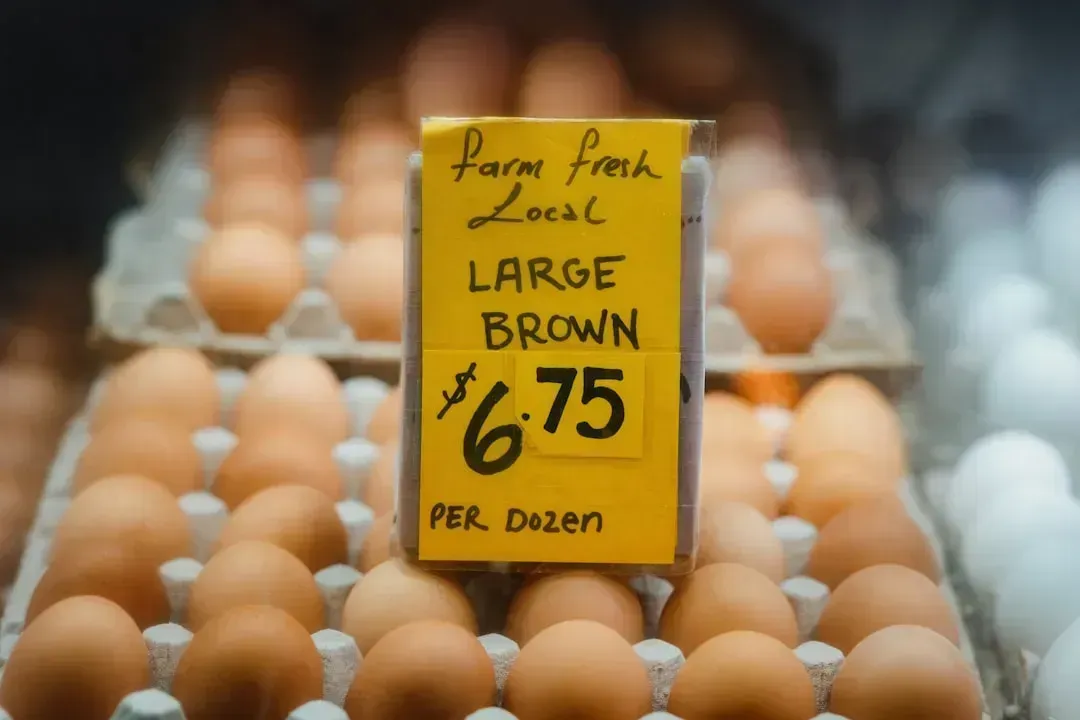
If you spent early 2025 grimacing at six-dollar egg cartons, here is the best news you will read today. In the first quarter of 2025, egg prices were marred by a breakout of avian influenza, commonly known as bird flu, causing prices to skyrocket and peaking in March at over six dollars per dozen. That surge felt almost surreal at the time. Now the tide has turned sharply.
Egg prices have dropped sharply from last year's record highs as national laying flocks continue to recover from widespread losses tied to highly pathogenic avian influenza. Retail eggs averaged around two dollars and fifty cents per dozen in the latest Consumer Price Index report, down roughly fifty-eight percent from a year ago. That is a stunning reversal for what had become one of the most talked-about grocery items in years.
Egg prices are predicted to decrease roughly twenty-seven percent in 2026, with a prediction interval ranging from nearly forty percent down to just under ten percent down, according to USDA's Economic Research Service. The flock is rebuilding. U.S. table egg layer numbers rose from about 292 million last March to approximately 308 million this year, marking a solid rebound. The market is correcting, and consumers are finally feeling it.
2. Wheat and Grain Products: A Multi-Year Slide Continues
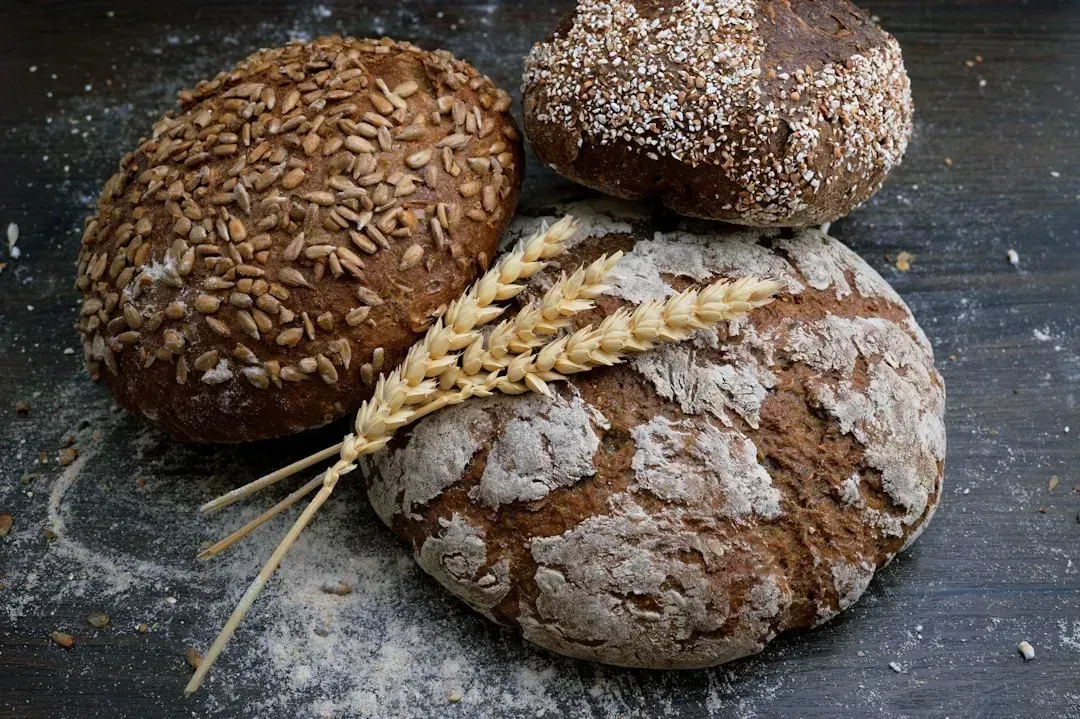
The Russia-Ukraine war sent wheat prices into the stratosphere back in 2022. That shock is still unwinding, and the unwinding is good news for anyone who buys bread, pasta, flour, or cereal. Prices peaked for farm-level wheat in the first half of 2022 following the beginning of the Russia-Ukraine war, and after decreasing substantially in 2023, 2024, and 2025, farm-level wheat prices are expected to decline at a slower rate in 2026.
The decline in grain prices has been led by an eight percent fall driven by improved production prospects in major exporting countries. Think of it like a slow exhale after years of holding your breath. Global grain supplies are projected to reach a record 3.6 billion tons in the 2025 to 2026 season, marking a third consecutive year of growth.
Cereal and bakery prices are predicted to increase only modestly in 2026, with a real possibility they could drop as much as three percent, according to USDA ERS analysis. For products like bread and pasta that live in nearly every household's weekly shop, even a small softening is meaningful. Grain markets remain somewhat volatile, but the directional trend is clearly downward from peak crisis levels.
3. Dairy Products: Supply Is Outrunning Demand

Here is something you don't hear often in the food industry: there is too much milk. Supply growth outpaced demand in the latter half of 2025, pushing prices for milk and many dairy products sharply lower. This market situation is unlikely to change in the near term, with prices expected to remain low through much of 2026.
The latest USDA data highlights record-level dairy cow numbers and accelerated growth in milk yields. As one USDA official noted, we are seeing the highest dairy cow inventories since the 1990s alongside very strong growth in milk per cow. That is a staggering amount of supply entering a market where demand has not kept pace.
The USDA is projecting milk prices to drop in 2026, with the all-milk price projected to be around eighteen dollars and seventy-five cents per hundredweight. The USDA ERS confirms that prices for dairy products are predicted to decline in 2026 compared to 2025. Consumers who rely heavily on cheese, butter, yogurt, and fluid milk could see tangible savings on those line items at the grocery store.
4. Fats and Oils: A Category Quietly Heading Lower
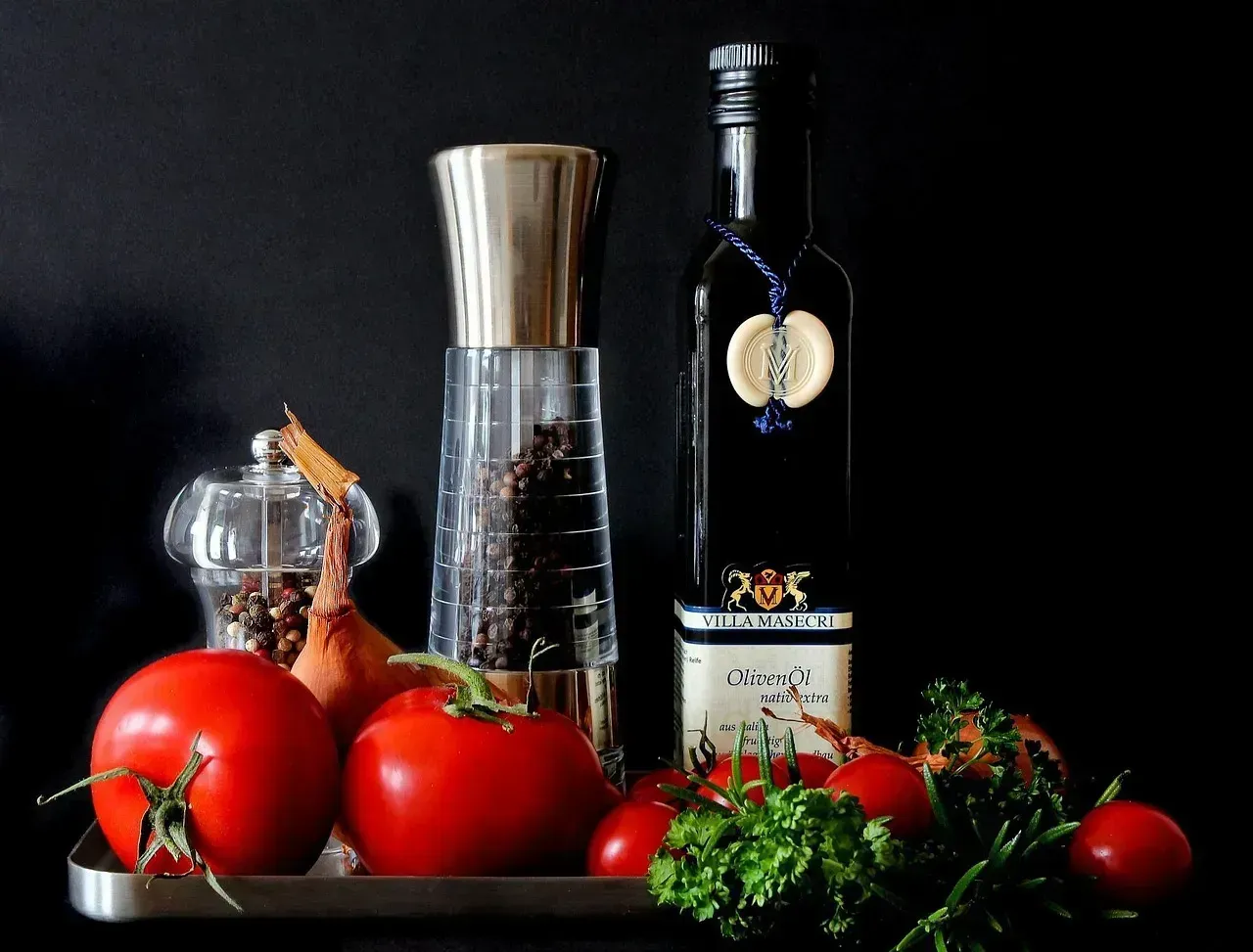
Cooking oils had a wild ride during the pandemic years. Palm oil, sunflower oil, and soybean oil all surged due to conflict, supply disruptions, and biofuel demand. Now, several forces are pushing prices back down. Global edible oil supply is expected to rise by five percent in the 2025 to 2026 crop year, marking the fourth consecutive year of expansion and outpacing the long-term trend.
According to USDA ERS, prices for fats and oils are predicted to decline in 2026 compared to 2025. That covers everything from vegetable oil on the supermarket shelf to cooking fats used commercially. In fact, fats and oils was already one of the three categories to experience large price decreases between January and February 2026.
Honestly, this is one of the less-publicized stories in food pricing right now. Most of the attention goes to eggs and beef, but household cooking oil costs quietly eating into budgets for three straight years. The supply expansion currently underway, driven particularly by record soybean production boosting soybean oil output, should bring meaningful relief to home cooks and food manufacturers alike.
5. Cocoa: A Boom Market That Is Finally Cracking
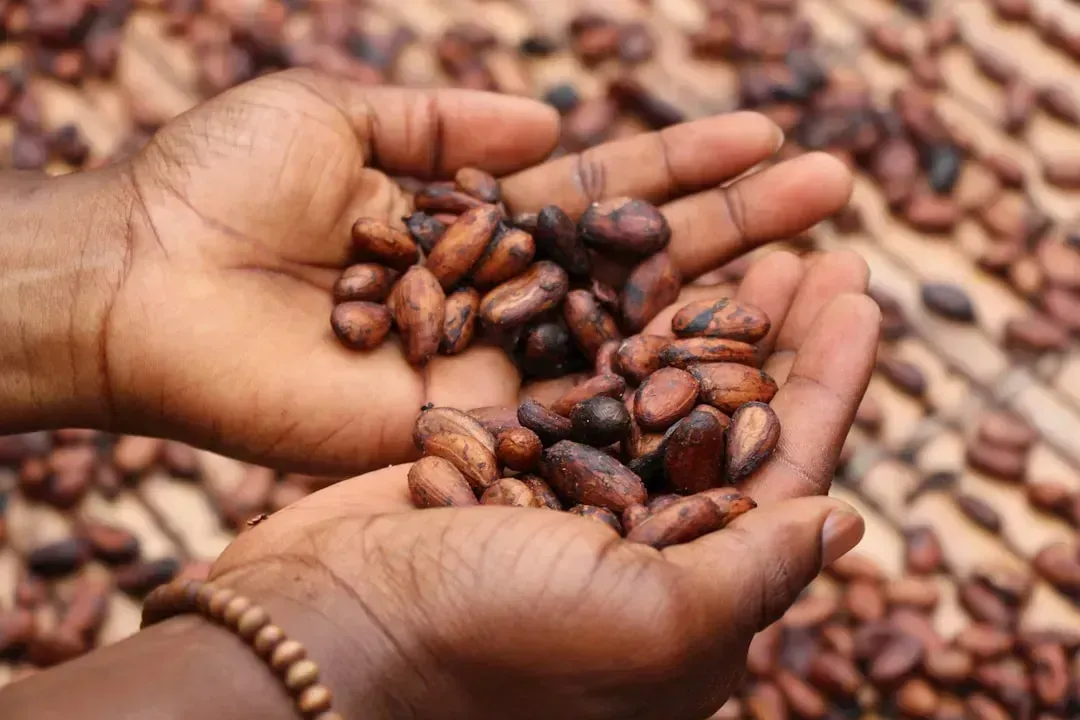
Cocoa hit jaw-dropping highs in 2024, crossing above twelve thousand dollars per tonne at one point, essentially tripling from prior-year levels. The root cause was a devastating West African harvest failure. But the rebound has begun. Cocoa prices dropped more than ten percent year-on-year in just the first twelve days of 2026, building on a downward trend that began in late 2025.
Global cocoa output, which declined sharply in 2024 to 2025 due to unfavorable weather, is projected to rebound by more than ten percent, supported by production increases in Côte d'Ivoire of roughly five percent and Ghana of roughly thirty-four percent. That is a massive supply recovery from two countries that together supply the majority of the world's cocoa. StoneX recently projected a global cocoa surplus of roughly 287,000 tons for the 2025 to 2026 crop year.
Cocoa prices, which were projected to rise around nine percent in 2025, are expected to fall by six percent in 2026 and an additional seven percent in 2027 as supplies continue to recover, according to the World Bank. It is worth noting that retail chocolate prices tend to lag commodity shifts by months, sometimes a full year. Still, the direction of travel is clearly positive for consumers who love chocolate products.
6. Coffee: Sky-High Prices Set to Pull Back
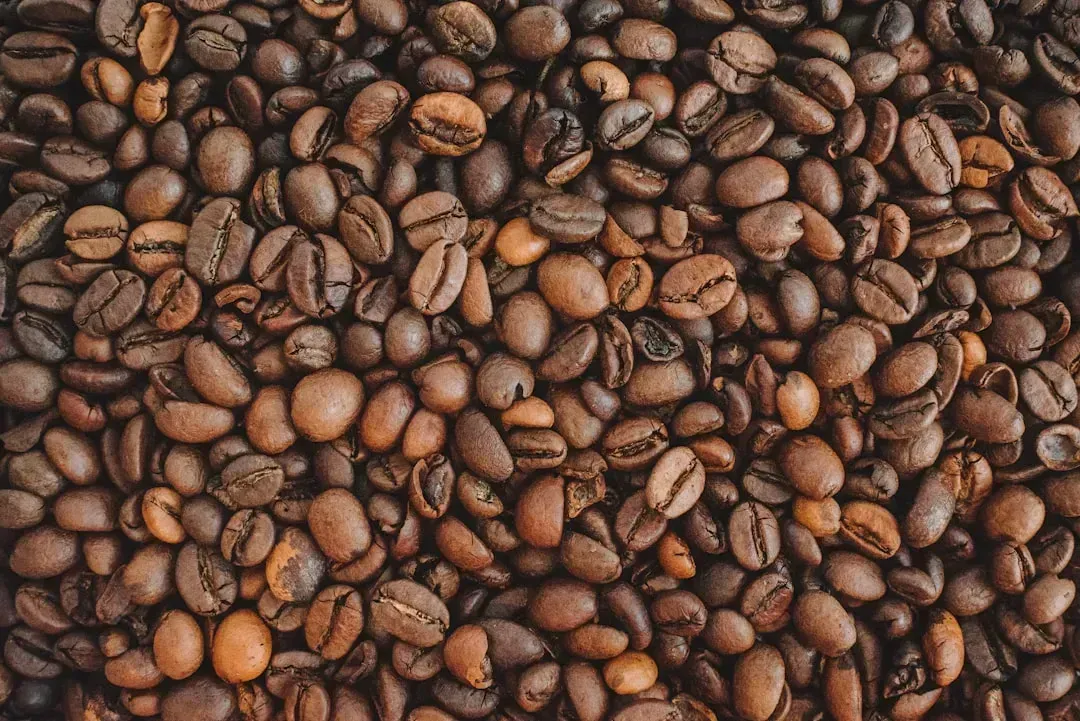
Coffee has been almost painfully expensive over the past year or so. Since the beginning of 2025, coffee prices have been near-consistently higher than at any point in the previous ten years. Arabica has suffered in particular, due to droughts, irregular flowering, and looming regulatory issues in Europe. If you have noticed your morning coffee routine costing noticeably more, you are not imagining it.
The shift is coming, though. Global coffee production reached roughly 175 million bags during the 2024 to 2025 season and expected to rise to 179 million bags in 2025 to 2026. As production recovers, especially in Colombia, the world's second-largest Arabica producer, Arabica prices are projected to fall by thirteen percent in 2026.
Commodity price analysts predict both Arabica and Robusta coffee prices to fall in the coming months. Increased production in Arabica-producing regions such as Brazil and Robusta-producing regions like Vietnam could lead to lowering prices. The caveat here is that weather in Brazil can derail any forecast with very little warning. It's hard to say for sure how quickly this relief filters through to the price of a bag on the supermarket shelf, but the trend is clearly encouraging.
7. Sugar: A Structural Surplus Is Building

Sugar has been another casualty of recent commodity volatility. Global supply deficits pushed prices higher throughout 2023 and into 2024. Now the arithmetic is shifting decisively. Analysts estimate that global sugar prices dropped by roughly fifteen percent in 2025 compared to 2024, with an additional decrease expected in 2026 due to production exceeding consumption.
Key bodies such as the International Sugar Organization and market analysts predict that the sugar surplus will increase in 2026, with production outpacing consumption. Sugar prices are unlikely to rally significantly in 2026 based on this expectation. When production exceeds consumption, the economics of price increases simply disappear. Think of it like a bathtub filling faster than it drains.
According to commodity analysts, the sugar market has gone from a global deficit in recent years to a global surplus, as more investment in production facilities and efficiencies in growing techniques have increased yields, aligned with friendlier weather patterns in 2025 and into 2026. The main risk to this forecast is an unexpected weather event in major producing regions like Brazil, the world's dominant supplier. For now, though, the supply picture looks considerably more comfortable than it has in years.
8. Fresh Fruits: Gentle Softening on the Horizon
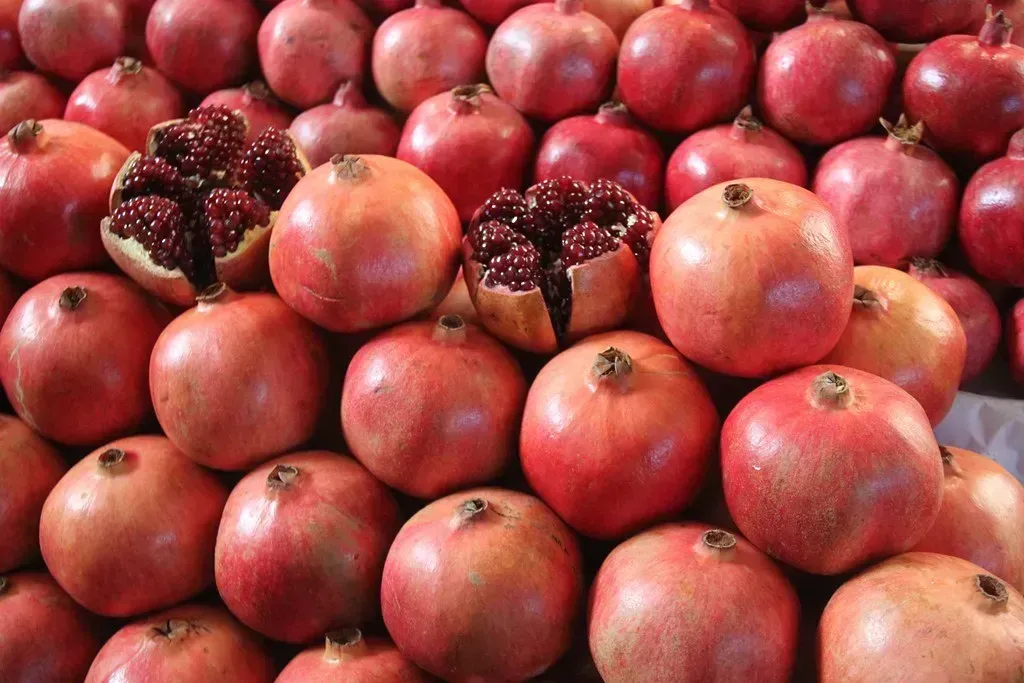
Fresh fruit pricing has been choppy, shaped heavily by weather and seasonal variability. The overall trajectory, however, points toward modest easing. Farm-level fruit prices were still around eight and a half percent lower in February 2026 than in February 2025, and farm-level fruit prices are predicted to decrease by about one percent in 2026, according to USDA data.
USDA producer price forecasts show farm-level fruit prices down roughly two percent, while vegetables show an even sharper projected decline after prior weather-driven spikes. The key word there is "farm-level." Price reductions at the farm do not always translate cleanly to the retail shelf, especially for fresh produce where logistics and labor costs add significant layers of cost. Still, it is a positive signal.
Fruits and vegetables should stay close to normal historical inflation if weather patterns remain favorable, according to market analysts. Prices for fruit, like those for vegetables, can undergo large swings based on weather, production, seasonality, and other factors. Weather remains the biggest wildcard of all, as any grower, trader, or frustrated supermarket shopper knows. A single extreme weather event in California or Mexico can undo months of favorable supply data overnight.
9. Soybeans and Soybean Products: Record Production Weighs on Prices
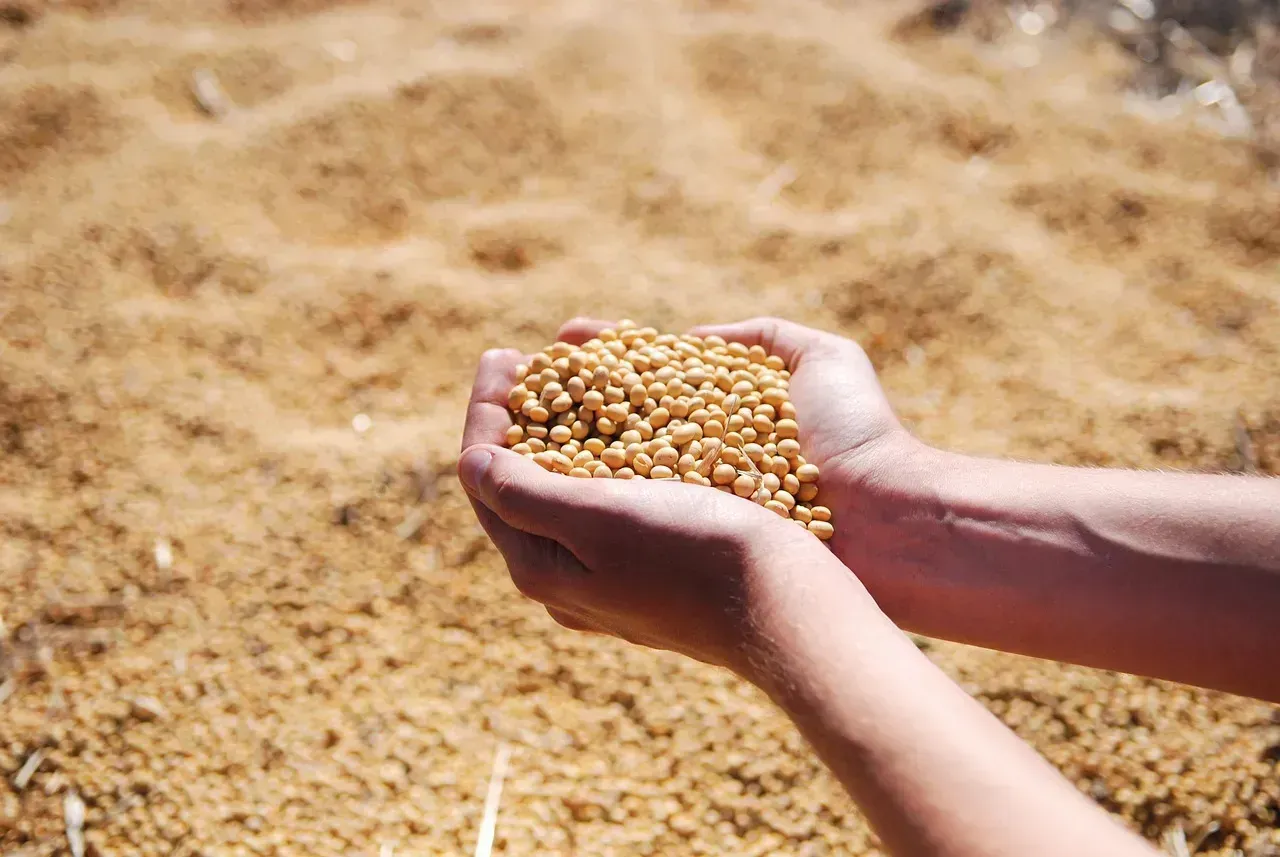
Soybeans touch almost everything in the modern food system, from animal feed to vegetable oil to countless processed food ingredients. When soybean prices soften, the ripple effect is wide. Soybean prices decreased in 2025 due to record production volumes, though costs will stabilize in 2026 to 2027.
Global edible oil supply growth is largely driven by record-high soybean production, which is boosting soybean oil output. Record crops tend to push prices down. It is the most basic rule in commodity markets, and soybeans are following that rule right now. Soybean area was expected to fall in the 2025–2026 season, reflecting lower prices for soybeans driven in part by large supplies in South America.
Lower soybean meal costs also feed into cheaper poultry and pork production, since both industries rely heavily on soybean meal as a feed ingredient. The downstream effect on chicken and pork prices at retail may not be immediate, but it is real. USDA predicts that pork, other meats, poultry, and fresh fruits are among the categories predicted to grow slower than their twenty-year historical average rate of growth in 2026. Soybean market softness is a significant part of why.
10. Poultry: Stabilizing After Years of Volatility
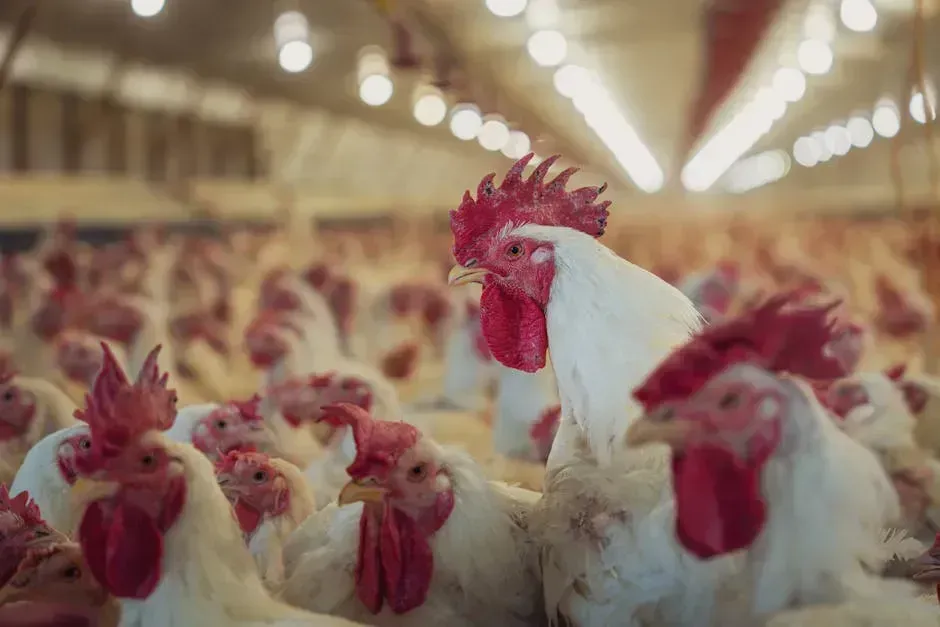
Chicken has long been the budget shopper's best friend, and its pricing has shown more restraint than beef or eggs during recent inflationary waves. Looking ahead, the picture remains relatively constructive. Higher broiler and turkey production is projected for 2026, and egg production should recover if flock rebuilding from HPAI continues.
Poultry is among the categories predicted to grow slower than their twenty-year historical average rate of growth in 2026, according to USDA ERS. For a food category this central to how families stretch their food budgets, below-average price growth is a genuinely welcome outcome. Animal products overall may stabilize if livestock cycles improve and disease pressures ease, according to market analysts.
All components of the World Bank's food price index decreased in 2025, with grain prices falling roughly eleven percent, oils and meals by roughly seven percent, and other foods by about five percent. Poultry benefits from nearly all of these trends simultaneously, through lower grain feed costs, cheaper oil inputs, and reduced logistical pressures. The World Bank Group's agricultural price index is projected to slip by about two percent in 2026, adding further foundation to the case for poultry price stability. For the everyday consumer, that means chicken is likely to remain one of the most reliably affordable proteins in the refrigerated aisle for the foreseeable future.



Leave a Reply