
Walk into most kitchens in America today and you'll find the same silent disaster: shelves bursting with half-used jars, drawers that won't quite close, and a pantry that looks like it was organized by someone in a hurry who never came back. It's overwhelming, and honestly, most of us have been there.
The surprising thing is that the culprit usually isn't the appliances or the pots and pans. More often than not, it's a handful of specific ingredients that quietly multiply over time, stealing space and creating that low-grade chaos you feel every single time you cook. So let's dive in.
1. Spices - The Biggest Pantry Offender of All
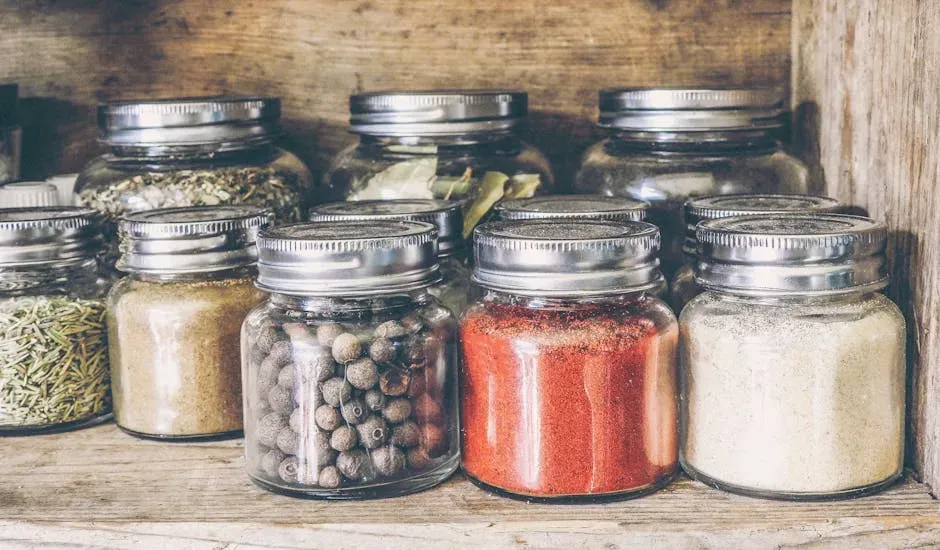
Let's be real: the spice situation in most kitchens is completely out of control. One of the most cluttered kitchen areas is the spice cabinet, and many home cooks find themselves doing the old "lift and look" maneuver, trying to read spice labels at the back of the cabinet to find the particular seasoning they need. It's frustrating, and it wastes more time than you'd think.
The problem compounds itself fast. You buy a jar of smoked paprika for one recipe, forget you have it, and buy another three months later. When decluttering spices, laying out every jar, container, or packet onto the counter allows you to see duplicates, expired items, and things you no longer need. That moment of reckoning is often genuinely shocking.
Many spices have a surprisingly quick lifespan, and knowing whether yours are expired is important. Ground spices typically lose their potency within one to three years, meaning that dusty jar of ground coriander from 2021 isn't helping your cooking. It's just taking up real estate.
2. Flour - Multiple Bags, Multiple Problems
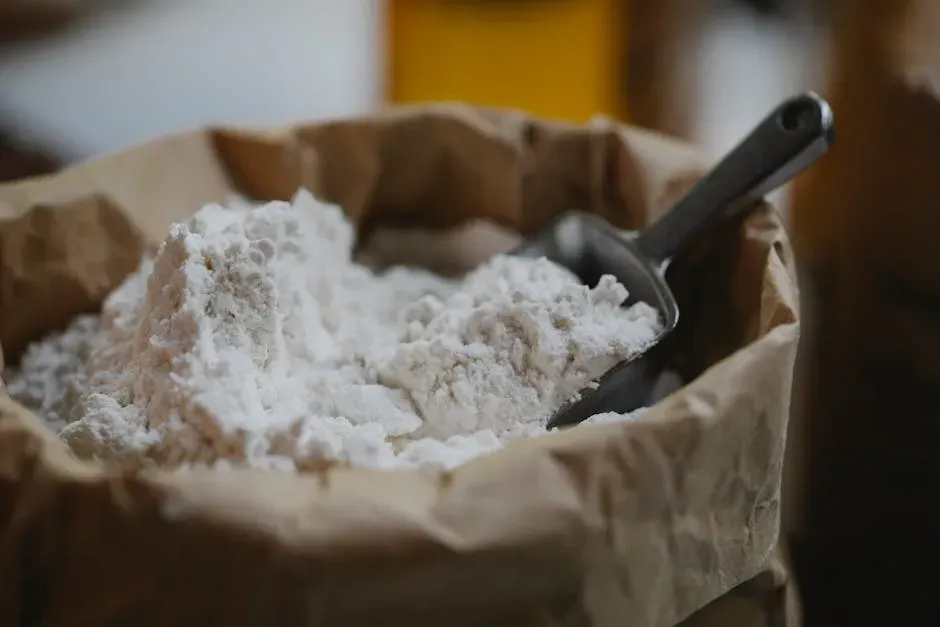
Here's the thing about flour: people tend to accumulate several types at once. All-purpose flour, bread flour, almond flour, rice flour, and maybe a bag of chickpea flour from that one ambitious week last year. Professional organizers say you should start in the pantry by tossing stale grains and consolidating any half-used bags of flour. It sounds simple, but almost nobody does it regularly.
The clutter problem with flour is physical bulk. Bags are large, bulky, and hard to stack neatly. Storing items like sugar, flour, and rice in clear, airtight containers helps preserve freshness and allows for easy visibility. Switching to containers also forces you to confront just how much you actually have before buying more.
When decluttering food, the real question is whether you will actually use it. If you were using it regularly, you probably wouldn't be checking the expiration date. It doesn't matter if it stays good for another four years or if it was expensive - if you won't use it, it's just eating up pantry space.
3. Condiments - The Fridge Door Black Hole
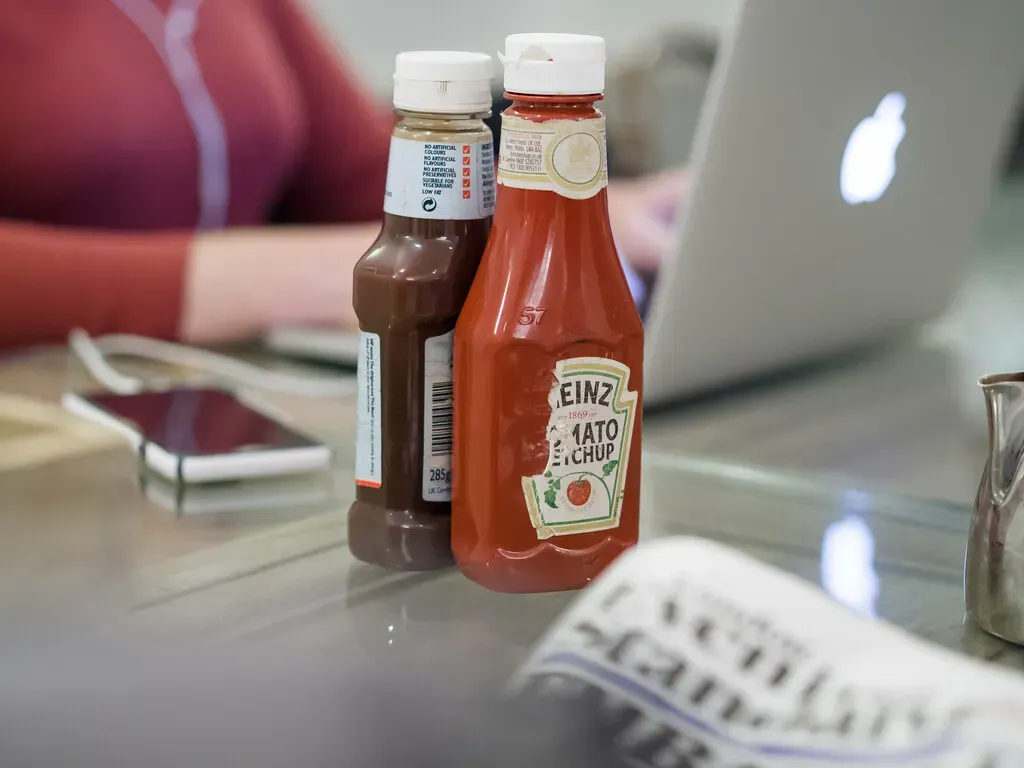
Open your fridge door right now. Honestly. Count those condiment bottles. If the number surprises you, you're not alone. Many people's refrigerators are packed with extraneous condiments and lots of leftovers. Condiments are probably the sneakiest category on this list because each one feels essential when you buy it, yet most of them sit there for months barely touched.
Think about it like a junk drawer, except it's cold and smells vaguely of pickles. Embracing the rule of one is one of the most essential rules in minimalism. Multiples of anything lead to clutter. You don't need multiple flavors of jelly or ten different varieties of salad dressing. Yet somehow, that's exactly what most of us have.
The financial side of condiment hoarding is real too. In 2024, the average American spent $762 on food that went uneaten, and consumer food waste accounts for over 45% of surplus food in the U.S. at a cost of $259 billion. A significant chunk of that waste lives right on the fridge door.
4. Baking Ingredients - The Once-a-Year Problem
Baking ingredients are a specific kind of pantry trap. You bake something lovely in December, and then a half-used bag of brown sugar, a half-squeezed tube of almond paste, and a nearly empty bottle of vanilla extract sit undisturbed until the following holiday season. Clustering similar ingredients like flours, sugars, and extracts together is the first step professionals recommend, because at least then you can see the true scale of what you're dealing with.
It's not just about space. Baking ingredients go stale, lose leavening power, and sometimes go rancid in ways that genuinely affect the flavor of your baked goods. Tossing out expired or stale food can stir up guilt, but instead of beating yourself up over the money or food wasted, think of it as a chance to learn and do better going forward. Clearing out your pantry gives you a fresh start and the opportunity to set up a system that really works for your family.
A clutter-free kitchen makes it easier to see what you have available, allowing you to make quicker and more informed choices when it comes to meal planning and grocery shopping. That is especially true for baking, where having a clear inventory means you stop buying the same things over and over.
5. Grains and Dry Legumes - Good Intentions in Bulk
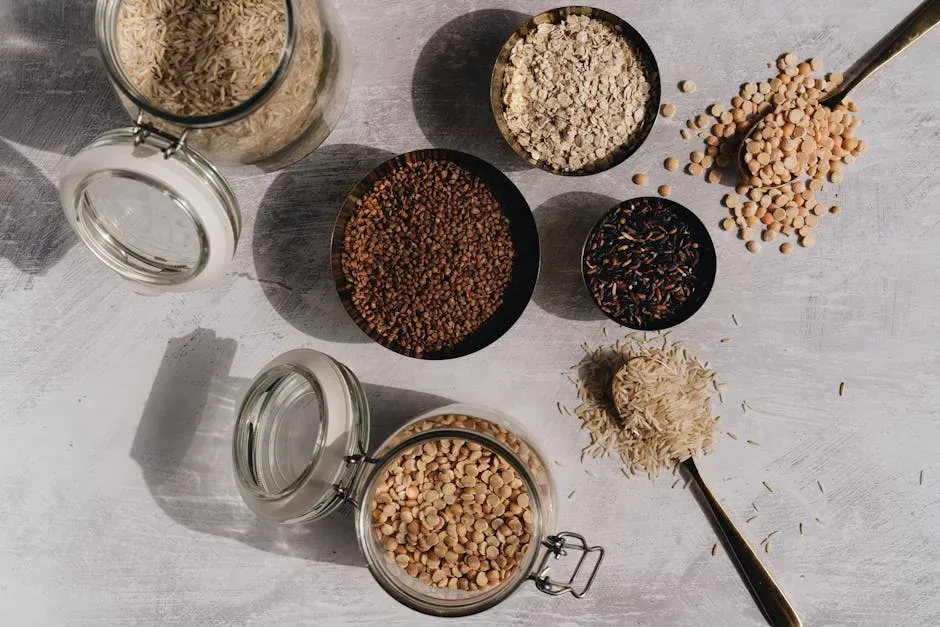
You know the feeling. You discover a new recipe, buy a bag of farro or red lentils with genuine enthusiasm, use roughly a third of it, and then the bag gets pushed to the back of the shelf. Months pass. When doing a pantry declutter, it's common to find the most random stuff you forgot you even had - quinoa, flax, a ten-pound bag of pinto beans, four bags of cornmeal. Sound familiar?
Grains and legumes are among the most space-consuming pantry items because they often come in large bags that are awkward to store once opened. Seeing exactly everything you have in the pantry is an invaluable asset. It can be impossible to count how many duplicate bags of jasmine rice get purchased just because it was hard to take inventory before hitting the store. That's a waste of both money and space.
Before your next shopping trip, take a quick look at your pantry and check what staple ingredients you're running low on. To keep your pantry organized without it getting cluttered, aim for just enough without going overboard. It takes a little practice to find that balance, but as you build this habit, it gets easier to keep what you need without overloading.
6. Oils and Vinegars - The Specialty Shopping Trap
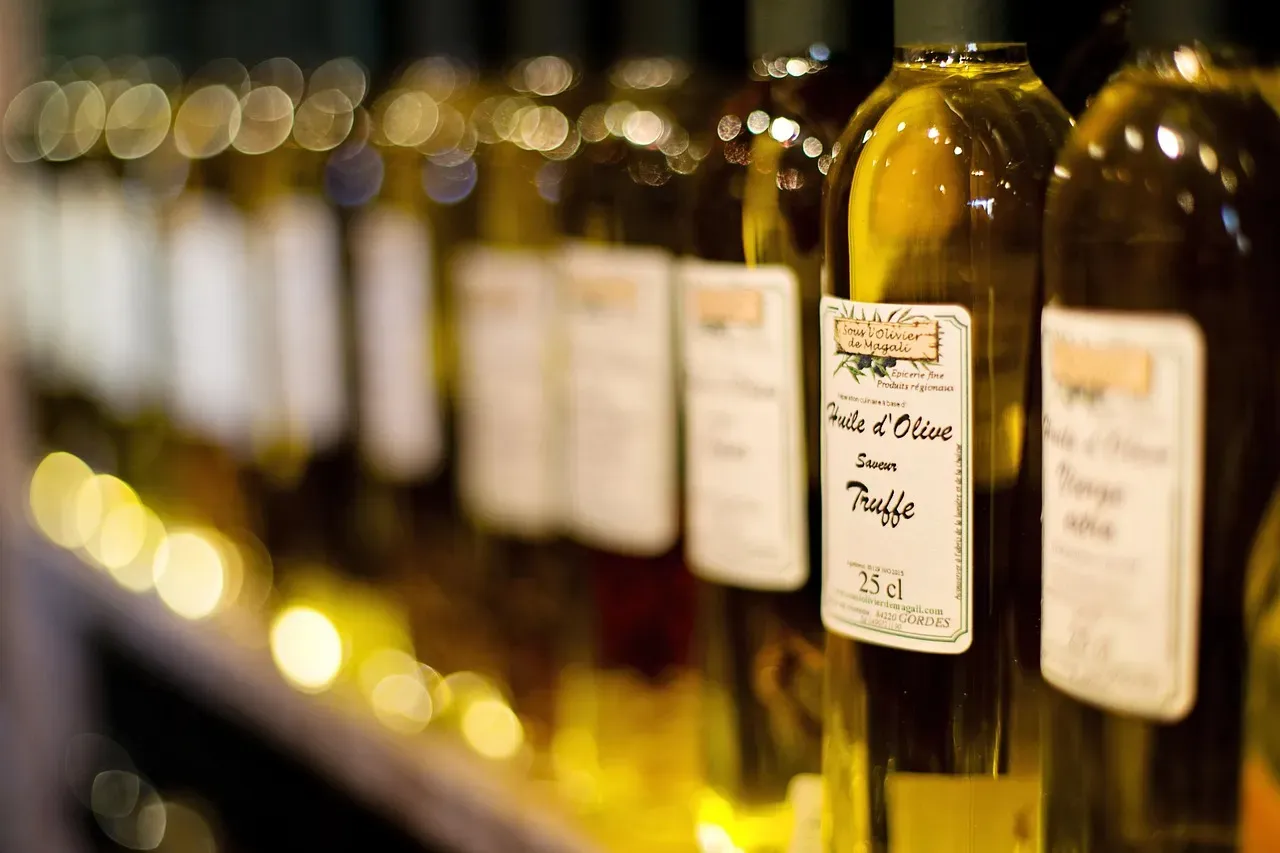
Specialty oils and vinegars have a particular way of multiplying. One trip to a farmers market and suddenly you have truffle oil, sesame oil, avocado oil, walnut oil, and three kinds of balsamic vinegar crammed onto one shelf. I think most of us have been guilty of this at least once. A functional kitchen isn't about owning one more item - it often relies on what you don't have. Pantry staples past their prime quietly steal precious space, making navigating your kitchen harder than it needs to be.
Oils, in particular, go rancid faster than most people realize. Olive oil, for example, is generally best used within one to two years of harvest, and well within the "best by" date once opened. Decluttering your kitchen can help you save money by reducing food waste, as you'll know exactly what you have on hand and are less likely to buy duplicates. That principle applies perfectly to the oil and vinegar collection.
7. Canned Goods - The Forgotten Stockpile
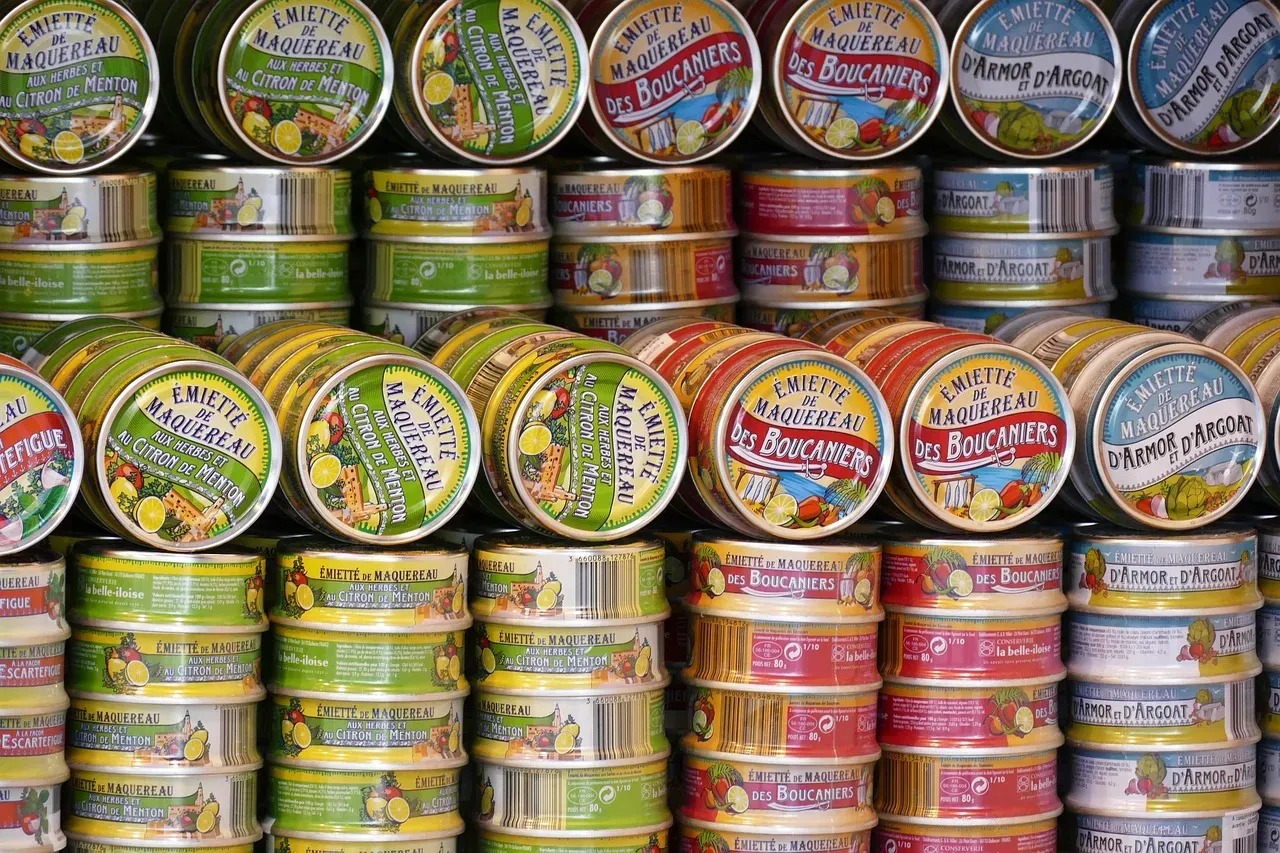
Canned goods are the ultimate "just in case" category. People stock up during sales, during uncertain times, and honestly sometimes just on autopilot at the grocery store. A pantry might be hiding a can of soup that's older than some children in the household. The best approach is to take things shelf by shelf and throw out anything that's expired without becoming overwhelmed by the project.
Removing expired foods, donating foods you bought but never used, and tossing half-empty packages lurking in the corners - then grouping like items together - makes it easier to see what you're short on and what you already have. It's a simple process that can free up a remarkable amount of physical space.
The bigger picture here is real. The United States is often cited as one of the countries with the highest levels of food waste. Estimates suggest that around 30 to 40% of the food supply in the U.S. goes to waste, equating to approximately 80 billion pounds of food wasted annually. A surprising amount of that starts in the home pantry, buried under cans of cream of mushroom soup nobody quite remembers buying.
The Real Cost of Kitchen Clutter Goes Deeper Than You Think
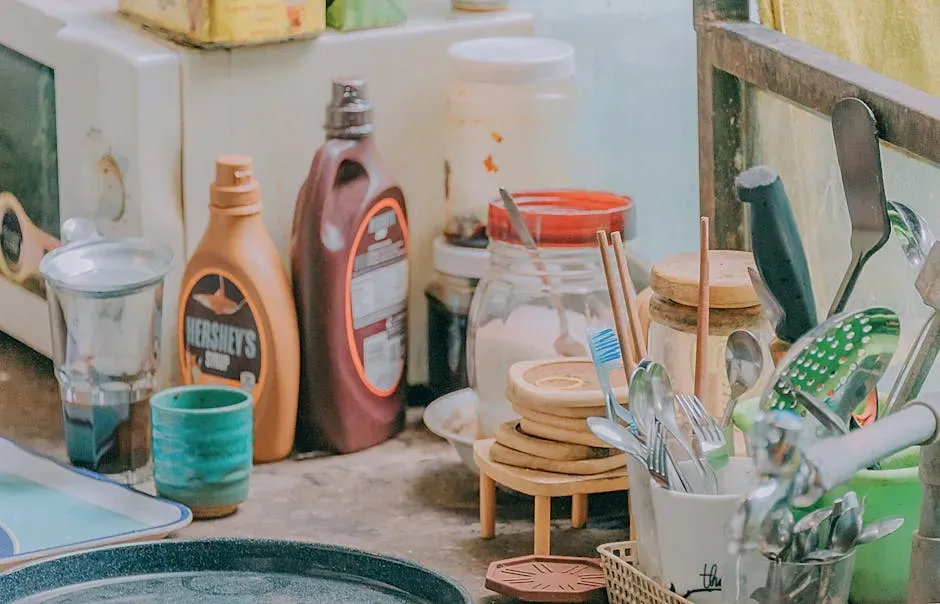
Here's something worth sitting with: the clutter in your kitchen isn't just a visual annoyance. Over half of surveyed homeowners believe an organized kitchen would help reduce stress. That is a striking number and honestly, it tracks with how most people feel when they walk into a chaotic kitchen and immediately lose motivation to cook.
When your space is free of clutter, it creates a more organized and calming atmosphere that can benefit your stress levels and the flow of your day. It's a bit like the difference between working at a clear desk versus one buried under papers. The content of the work is the same, but the environment changes everything.
Key emerging trends in kitchen design include personalized design, clutter reduction, and multifunctional approaches. In other words, the experts designing kitchens professionally are already responding to the fact that we all have too much stuff in ours. The good news? The fix doesn't require a renovation. It starts with being honest about those seven ingredients and deciding, once and for all, how many you actually need.
What would you find if you did a full pantry audit today? Tell us in the comments - and be honest.




Leave a Reply