
Most of us have a bad habit of throwing away food scraps without a second thought. The wilted herb stems, the hard Parmesan rind, the banana going soft on the counter - straight into the trash they go. Here's the thing, though: professional chefs have known for decades that those "scraps" are actually treasure.
The secret behind those deep, rich flavors in restaurant food isn't fancy equipment or expensive ingredients - it's actually using every single part of every ingredient. According to the UNEP Food Waste Index Report 2024, approximately one trillion dollars' worth of food is wasted globally every single year. That's a staggering number, and a massive chunk of it starts right in your home kitchen. So let's dive in.
1. Parmesan Rinds: The Umami Bomb You Keep Throwing Away
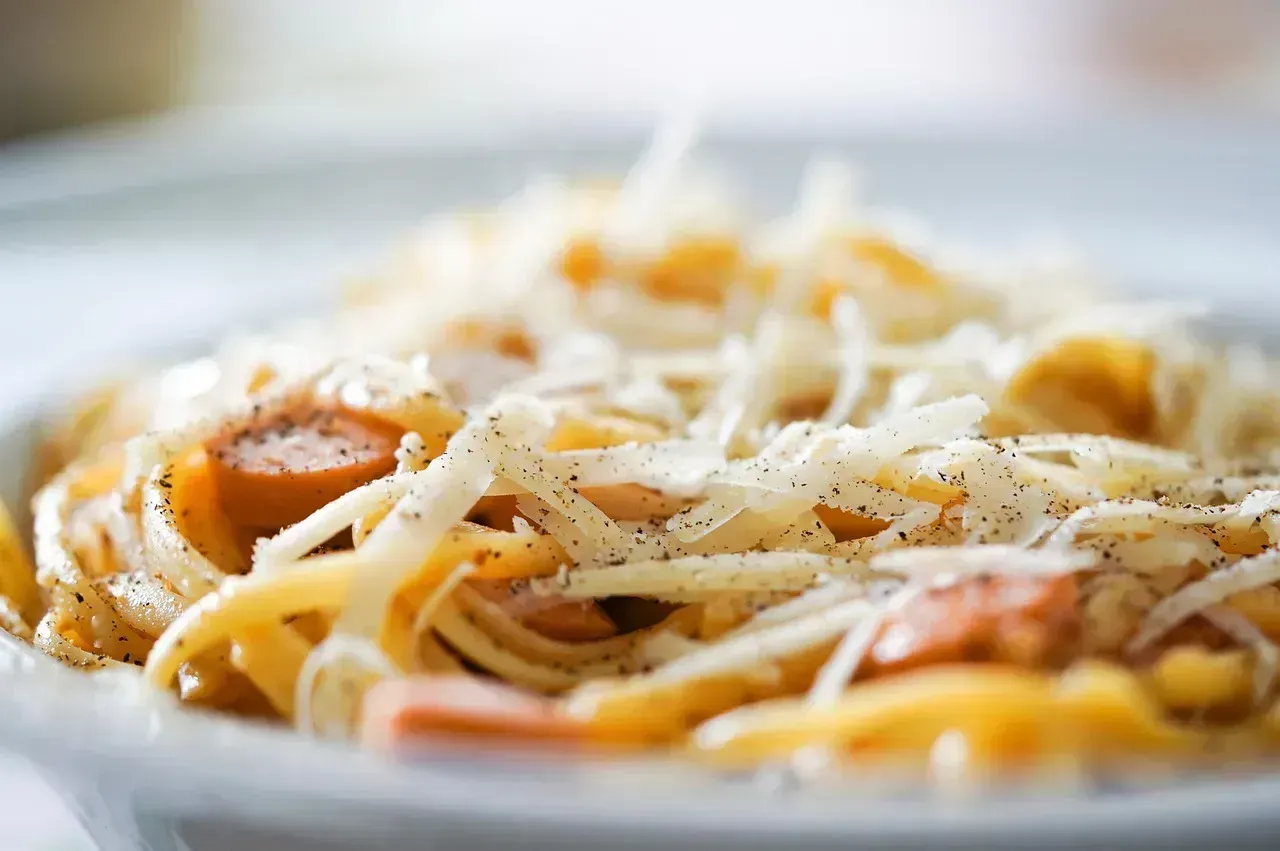
You finish a block of Parmesan, peel off that tough outer rind, and toss it. Completely understandable - but according to professional chefs, it's one of the most costly flavor mistakes you can make at home. Once-overlooked kitchen scraps get recycled and utilized in creative ways, and one prime example of culinary detritus with abundant potential comes in the form of the humble Parmesan rind. These flavor-packed outer cheese shells are a favorite "secret ingredient" of many pro chefs.
According to professional chefs, Parmesan rinds truly shine when used to deepen the flavors of stocks, broths, and sauces. Think of the rind like a slow-release flavor capsule - the longer it simmers, the more it gives. When added during cooking, individual Parmesan rinds impart a rich savory note, or umami, to sauces, soups, and risottos.
The easiest way to store leftover Parmesan rinds is in a zip-lock bag in the freezer for up to nine months. Honestly, once you start doing this, you'll wonder how you ever cooked without it. Parmesan rind broth can be used in any recipe that calls for another flavored broth, and this homemade broth packs an umami, cheesy punch into dishes like soups, risottos, and pasta dishes.
2. Stale Bread: A Chef's Secret Weapon in Disguise
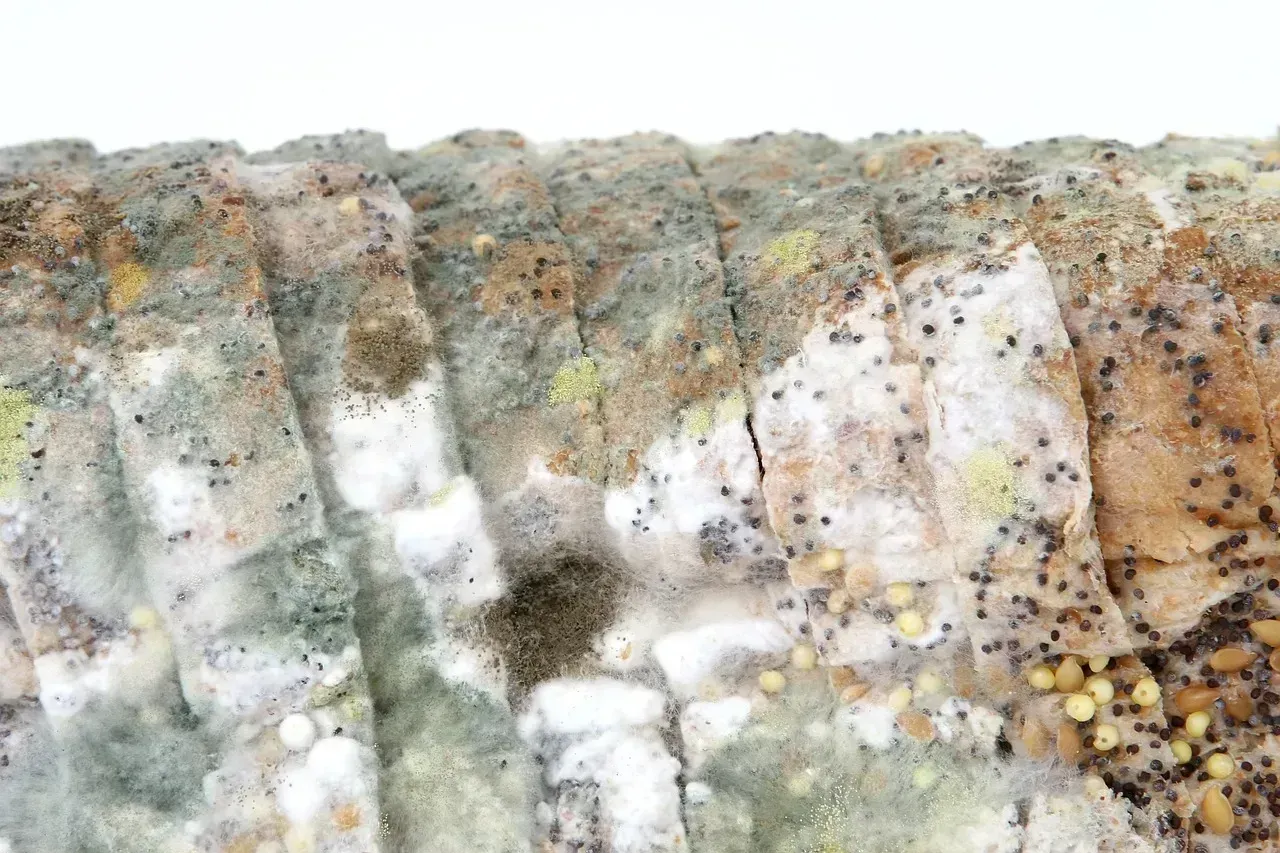
That slightly hard loaf sitting on your counter? Don't even think about throwing it out. That loaf going stale on your counter isn't trash - it's the beginning of something delicious. Stale bread is actually a secret weapon in professional kitchens. The reason is simple physics, really.
Drier bread absorbs flavors better than fresh bread. Day-old bread makes the best French toast because it soaks up the egg mixture without falling apart. Think of it like a sponge that's been dried out - it's ready to soak up everything you give it. Chefs know that bread goes through stages, and each stage has ideal uses. Fresh bread is perfect for sandwiches. Slightly stale bread works for toast and grilled cheese. More stale bread becomes panzanella salad or ribollita soup. Really stale bread gets processed into breadcrumbs or bread dumplings.
3. Vegetable Scraps: The Stock Gold Mine Hiding in Your Trash
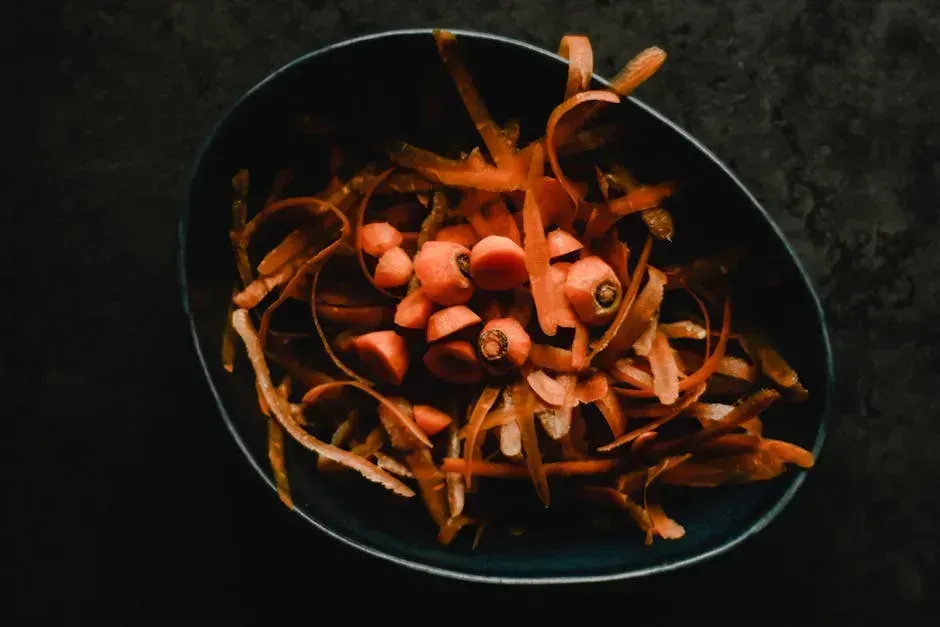
You know that habit of trimming off carrot tops, celery leaves, and broccoli stems? Stop right there! These "scraps" pack incredible flavor that most home cooks miss out on. When you buy vegetables, you're paying for the whole thing, so why use only half? It's a fair point, honestly.
Often, we focus on the main part of a vegetable and discard the rest. But many parts of vegetables that we usually throw away are actually edible and tasty. For example, beet greens can be sautéed like spinach, and broccoli stems can be peeled, chopped, and added to stir-fries or soups.
Whether it's dehydrating mushroom stems to add flavor to soups or repurposing other food scraps, the opportunities for closing the loop in the kitchen are endless. A great trick is to keep a freezer bag going - every time you have onion skins, carrot peels, or the green tops of leeks, throw them in. At the end of the month, simmer it all into a rich, free vegetable stock.
4. Overripe Fruit: When "Too Ripe" Actually Means "Perfect"
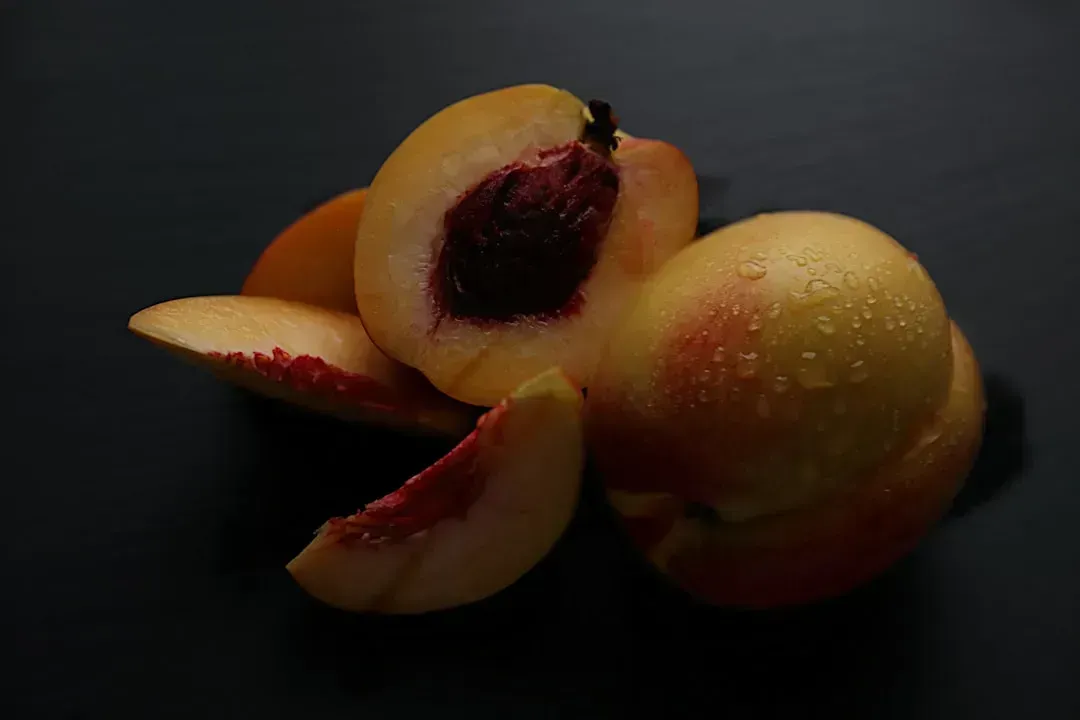
There's a common misconception that fruit past its visual prime is ruined. Chefs laugh at this idea. The key is to stop seeing "perfect" as the only usable state for fruit. In fact, many desserts and preserves actually taste better when made with fruit that's a bit past the stage you'd want to eat fresh.
Slightly overripe, bruised peaches might go into smoothies or be pureed for sauces. Apples past their prime get cooked down into applesauce or apple butter. The same logic applies to bananas. Overripe bananas are perfect for baking. You can use them to make banana bread, muffins, or pancakes. The natural sweetness of ripe bananas means you can use less sugar in your recipes. Less sugar, more flavor - that's a win on every level.
5. Citrus Peels: Way More Than Just the Fruit Inside
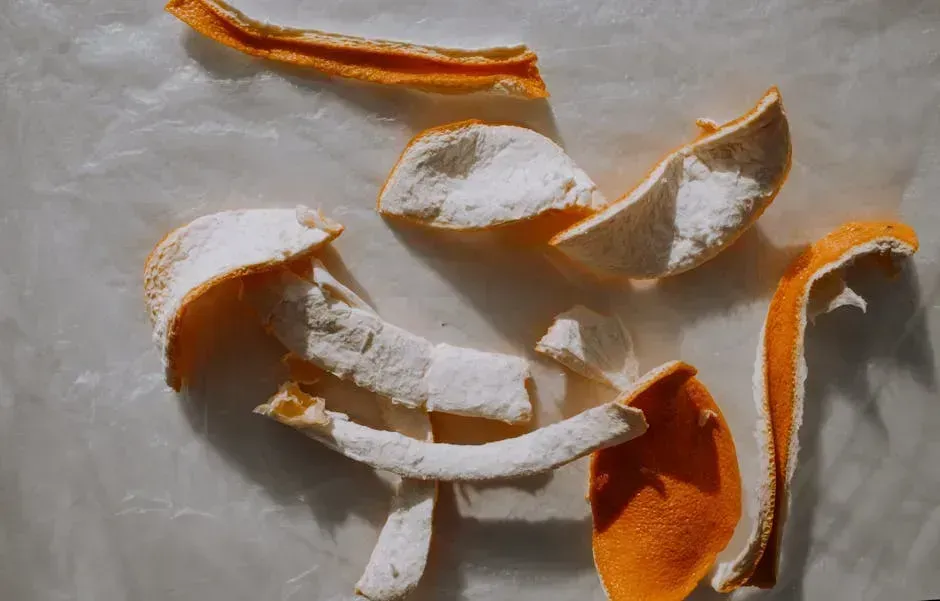
Most people tear into an orange or squeeze a lemon, then toss the peel without a second glance. That's a lot of wasted potential. Even citrus peels find purpose - they're zested for flavor, candied for garnishes, or infused into syrups. Professional pastry chefs treat citrus zest as a primary ingredient, not an afterthought.
Citrus peels like lemon, orange, and lime are perfect for making natural cleaning products. You can use these peels to create a simple, effective cleaner by soaking them in vinegar. Fill a jar with citrus peels, pour vinegar over them, and let the mixture sit for a couple of weeks. After that, strain out the peels and pour the liquid into a spray bottle. This natural cleaner works great on countertops, sinks, and other surfaces, and it smells fresh too.
So beyond cooking, citrus peels have real utility across your home. The oils in the peel are also deeply aromatic - dry them and drop them into a pot of simmering water with cinnamon for a zero-cost home fragrance that beats any candle.
6. Coffee Grounds: The Morning Habit With an Afternoon Life
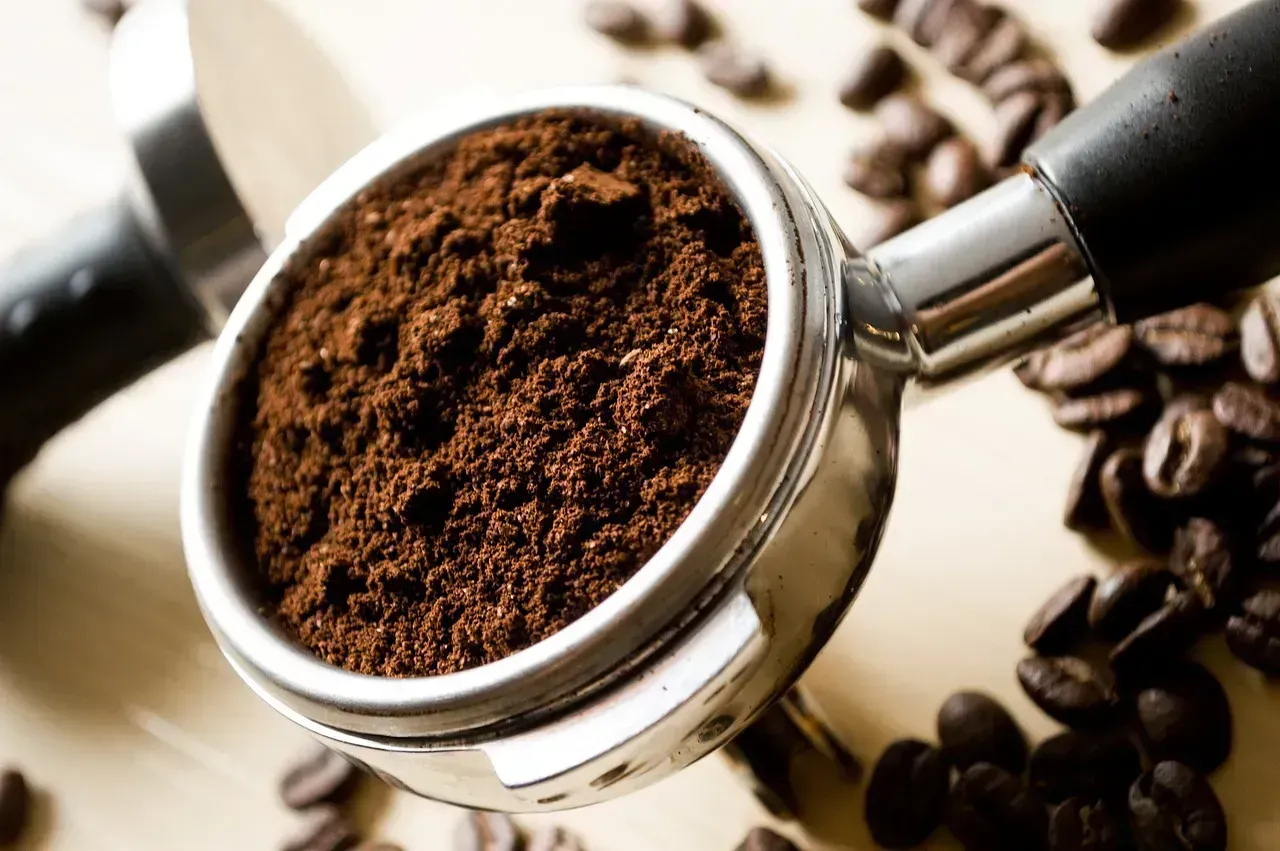
You brew your morning coffee and dump the grounds. Every. Single. Day. It's almost painfully routine. But let's be real - those grounds still have enormous value after your cup is made. Coffee grounds are a great source of nitrogen, and contain some of the other major plant elements - phosphorus and potassium - and are also a good source of micronutrients like magnesium, copper, calcium, zinc, manganese, and iron.
Using leftover coffee grounds as fertilizer for a kitchen herb garden is one of the most practical and well-known ways to close the loop in the kitchen. Beyond the garden, chefs use dried coffee grounds as a rub for red meats - the slight bitterness creates a beautifully dark, complex crust when seared over high heat. It sounds unusual, but it's a genuine culinary technique used in professional kitchens worldwide.
7. Eggshells: Calcium-Rich and Criminally Underused
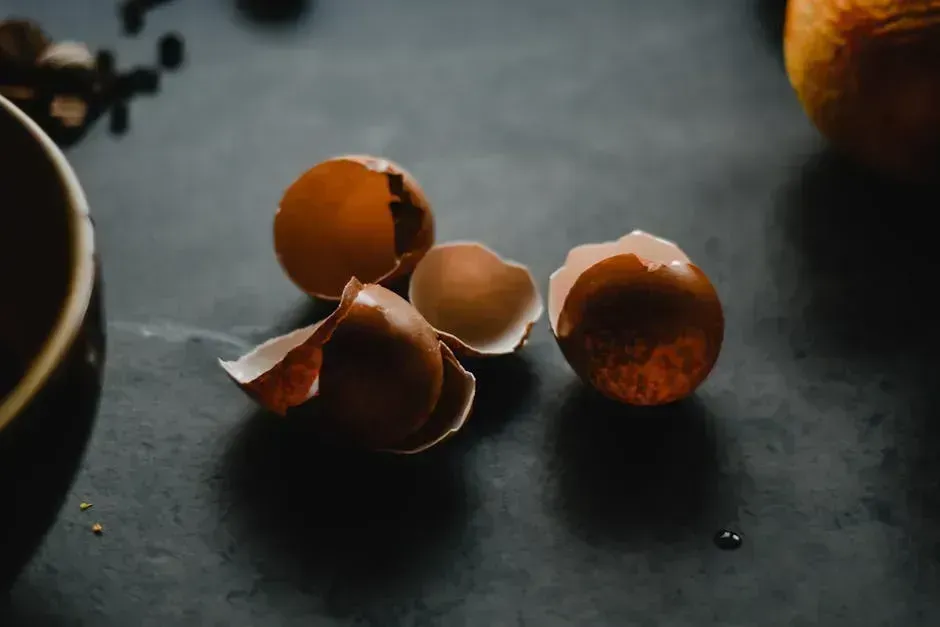
Eggshells look like trash. They feel like trash. Chefs, however, see them differently. In baking, crushed eggshells have long been used as a natural abrasive to clean cast iron pans without scratching the surface. Everyday kitchen scraps like eggshells are packed with nutrients that can help your plants thrive. When used correctly, these simple leftovers can improve soil structure, support beneficial microbes, and provide slow-release fertilizer all season long.
Eggshells provide calcium, phosphorus, and magnesium - three nutrients that garden plants and herbs absolutely love. Crush them finely and work them into the soil around your kitchen herb pots. It's also worth knowing that coffee grounds, along with other organic materials like eggshells and banana peels, offer a promising solution for improving food security, according to research published in 2024. The kitchen scrap equation is bigger than most of us realize.
8. Herb Stems: The Part You Were Always Told to Discard
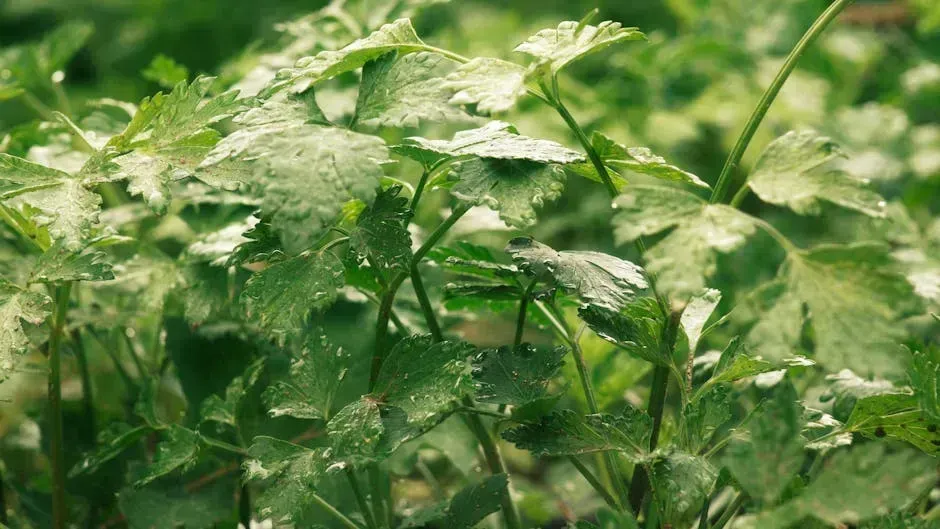
Ask any home cook what they do with parsley stems or cilantro stalks and the answer is almost always the same: they throw them out. Professional cooks find this genuinely baffling. The stems of most soft herbs - parsley, cilantro, basil - carry just as much flavor as the leaves, sometimes more. They're slightly more fibrous, sure, but once you chop them finely or toss them into a hot pan, that difference disappears completely.
Chefs are finding creative ways to minimize food waste by utilizing ingredients fully, composting scraps, and reimagining leftovers. Herb stems are one of the easiest places to start. Chop them into sauces, blend them into pestos, or simmer them directly into stocks. Woody herb stems from rosemary or thyme can even be used as skewers for grilling, imparting a smoky herbal flavor to whatever they pierce. It's a technique straight from restaurant kitchens, and it costs absolutely nothing extra.
The numbers behind all of this food waste make the case even more urgent. In 2024, the U.S. let a huge 29% of the 240 million tons in its food supply go unsold or uneaten. In 2022, the world wasted 1.05 billion metric tons of food - amounting to roughly one-fifth of all food available to consumers being wasted at the retail, food service, and household levels. Every herb stem you save is a tiny act of resistance against that staggering number.
Conclusion: Your Trash Might Be Someone Else's Secret Ingredient
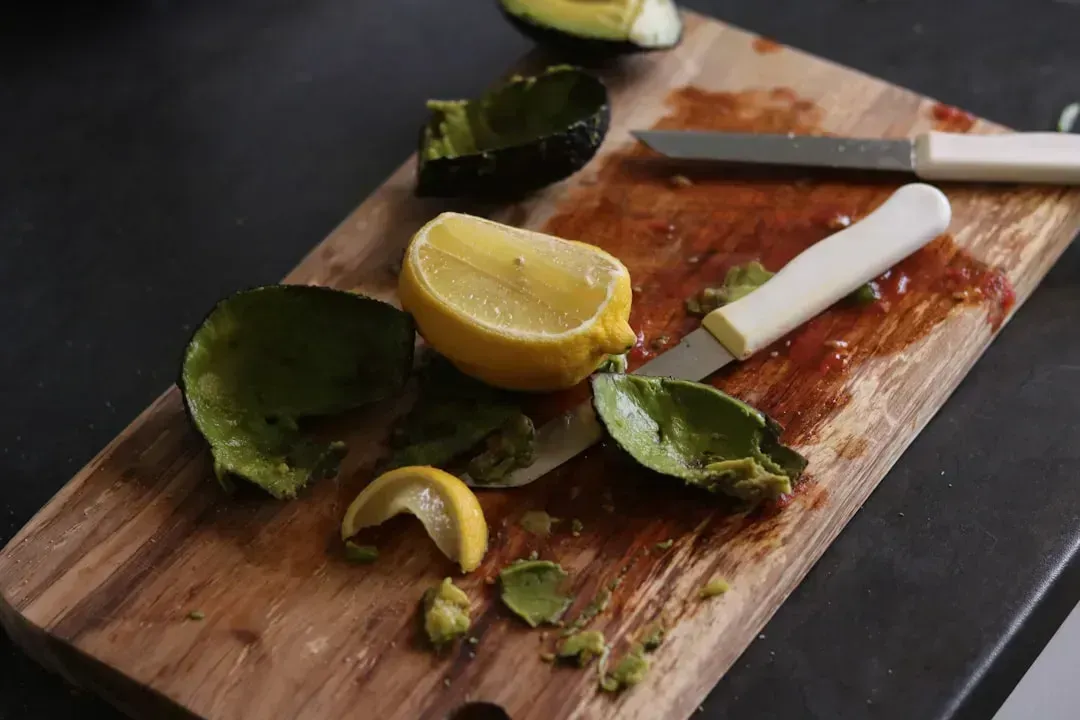
There's a quiet revolution happening in professional kitchens, and it's been going on longer than most people know. We've been throwing away vegetable scraps, stale bread, and cheese rinds without a second thought. But in professional kitchens, these are treasure. The shift in mindset is actually quite simple: stop looking at your kitchen scraps as the end of an ingredient's life, and start seeing them as a new beginning.
There are restaurants around the world that have taken the zero-waste movement to a new level. The "Silo" restaurant in Hackney Wick, East London - known as the world's first zero-waste restaurant - reuses everything they can in a distinctive and extraordinary way to create special dishes. You don't need to run a Michelin-starred kitchen to adopt this thinking, though. A freezer bag for Parm rinds, a jar for citrus peels, a compost pot for eggshells - small habits that compound into real change.
The next time you reach for the trash bin mid-cook, pause for just a second. Ask yourself what a chef would do. The answer might surprise you. What ingredient have you been throwing away that you'll never toss again?



Leave a Reply