
There's a generational tension simmering right below the surface of everyday life, and honestly, it's hard to ignore. Whether it's an eye-roll at the dinner table, a dismissive "OK Boomer" at the office, or a snide comment about being "out of touch," many older adults are navigating a world that sometimes feels like it's stopped respecting their experience altogether. A recent Pew Research Center study reveals that nearly half of Americans believe people have grown ruder since the 2020 pandemic, with about one third reporting they regularly witness rude behavior in their daily lives.
So how do Boomers fight back? Not with anger. Not with lectures. They do it with wit, calm, and words that land like a quiet thunderclap. Let's dive in.
1. "I'm Vintage, Not Old"

This one is pure gold. When someone makes a snide comment about age or being "outdated," Boomers have learned to flip the script entirely with a single, playful line. A response like "I am vintage, not old" turns the joke into a compliment, because vintage items are often considered valuable, stylish, and built to last, cleverly reframing the conversation in a positive way.
Think about it like a classic car or a first-edition book. Nobody looks at a 1969 Mustang and calls it garbage. Humor has a powerful effect in tense moments. It softens the atmosphere and prevents the conversation from becoming defensive. Delivered with a grin, this comeback doesn't just end the conversation. It wins it.
2. "Interesting Perspective"

Not every rude comment deserves a dramatic response. Sometimes the smartest move is to remain calm and neutral. Saying "Interesting perspective" acknowledges that the other person spoke without agreeing with them. It is polite, composed, and slightly disarming.
People who make snarky comments often expect an emotional reaction. When they don't get one, the remark just floats there, awkward and unfinished. It's the verbal equivalent of refusing to pick up a fight someone threw on the floor. Calm non-reaction is one of the most underrated power moves in human communication, full stop.
3. "You'll Understand When You've Lived It"

When younger people dismiss advice or mock experience, this response gently reminds them that perspective changes with time. Life tends to look very different after you have navigated careers, relationships, economic ups and downs, and decades of responsibilities.
The beauty of this comeback is that it is not insulting. It simply points out a reality. Most people eventually reach a moment in life when they realize that some of the advice they once ignored was actually valuable. There's no rage in this line. Just a knowing patience that only comes from age. And honestly? That patience is almost more intimidating than anger.
4. "I Thought You Were the Tolerant Generation"
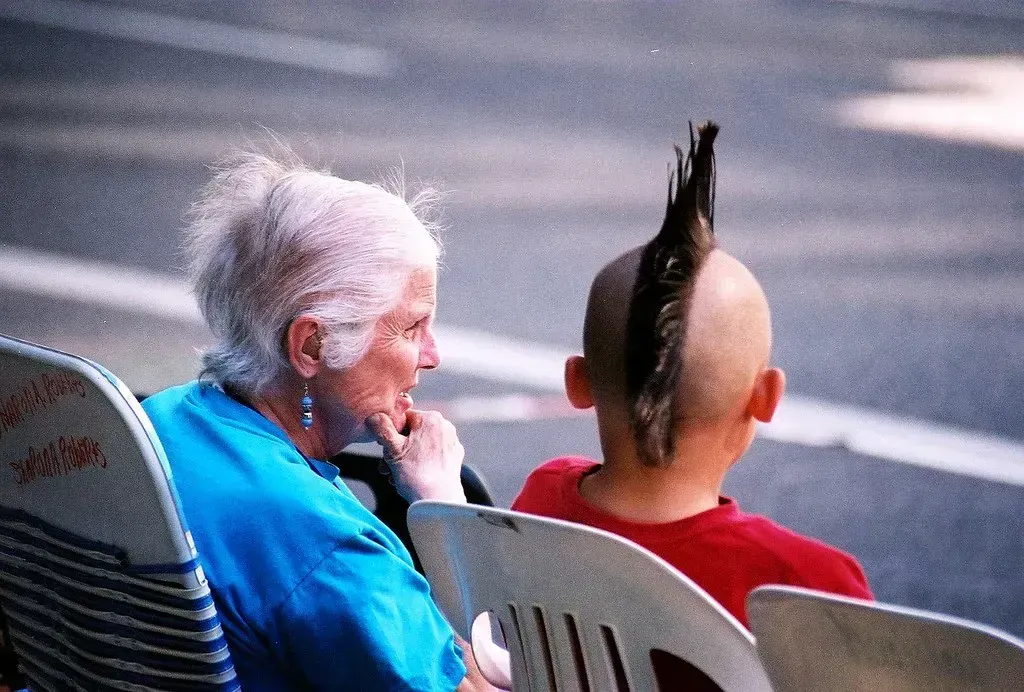
Here's the thing: younger generations pride themselves on inclusion and open-mindedness, and rightly so. But that energy doesn't always extend to people who are older. This comeback reminds the younger person that they should be more supportive, and that they aren't being particularly tolerant of generational differences when it comes to older generations.
Millennials are often depicted by their elders as lazy, entitled, and disrespectful. On the other hand, Baby Boomers also come under fire, portrayed by younger critics as greedy, complacent, and wasteful. The back and forth can get vicious fast. This comeback cuts right through the noise by holding younger generations to the very standards they set for themselves. Simple, sharp, and nearly impossible to argue with.
5. "I've Been Wrong Before, But Not About This"

Confidence can be a powerful way to respond to dismissive remarks. When someone brushes off experience or advice, this line acknowledges humility while standing firm. Saying "I have been wrong before, but not about this" shows that the speaker is not arrogant. At the same time, it signals that their opinion comes from genuine knowledge or experience.
This balance between confidence and honesty makes the statement persuasive. It reminds the listener that wisdom often comes from years of learning, mistakes, and real life lessons. It's like a seasoned chess player who doesn't boast, but you still somehow know not to underestimate them. The quiet confidence here does the heavy lifting.
6. "Do You Really Mean That?"

Sometimes the most powerful comeback is also the simplest. When someone says something rude, a calm response like "Do you really mean that?" can completely shift the tone of the conversation. It forces a pause. A moment of reflection. The person on the receiving end of this question suddenly has to sit with what they just said.
This response works because it highlights the awkwardness of a rude remark without directly insulting the person who said it. When someone hears "That is an interesting thing to say out loud," they suddenly realize that their comment might have been better left unspoken. Either response, whether a direct question or a calm observation, puts the spotlight back where it belongs. On the person being rude.
7. "We Built the World You're Living In"

This comeback highlights the significant influence Boomers had while younger generations were still developing, showing that Boomers didn't just live through history. For Baby Boomers, history wasn't just something that happened around them; it was something they helped shape. Their experiences during these pivotal moments laid the foundation for the world we live in today.
Boomers lived through significant historical events that tested their ability to cope with stress. From dealing with economic recessions to navigating global crises like the Vietnam War, Boomers faced challenges that shaped their ability to handle stress and adversity. It's one thing to scroll through social media and criticize the past. It's another thing entirely to have actually lived through those decades and kept going anyway.
8. Silence, Followed by a Calm Smile

Let's be real: sometimes the most devastating response is no response at all. Sometimes, the best response is no response. By not responding, you are showing maturity, and you are acting like the bigger person. It may make the other person feel ashamed of their childish behavior.
Boomers spent decades navigating workplaces, raising families, dealing with difficult coworkers, and handling all kinds of personalities. That kind of life experience builds a skill that cannot be taught in a classroom. It teaches people how to respond with confidence without losing their cool. A composed smile after a rude comment is the social equivalent of a checkmate. It says everything by saying nothing at all.
9. "My Worth Doesn't Come From Your Approval"

Boomers didn't rely on social media to validate their worth. They measured their worth by personal achievements, hard work, and relationships, not by how many people approved of them online. That lived reality gives older adults a kind of emotional self-sufficiency that is genuinely hard to rattle.
Boomers grew up with the understanding that respect had to be earned through actions, character, and integrity. It wasn't something that came automatically; it had to be demonstrated. This reflects Boomers' belief that respect shouldn't be given just because of one's age or title, but earned through genuine effort and consistency. When someone tries to dismiss a Boomer with a snide remark, this line lands like an anchor. Unmoved. Unimpressed. Completely unbothered.
10. "You'll Get Here One Day, and I'll Be Cheering for You"

This is perhaps the most disarming comeback on this entire list. It's generous and even a bit affectionate, and that's exactly what makes it so effective. Many Boomers recognize that younger people often challenge ideas simply because they are still figuring out the world. Instead of arguing endlessly, a calm response like "You will learn eventually" ends the conversation without hostility. The key is the tone.
The benefits of intergenerational interaction have been well documented. Not only do interactions between different generations offer a healthy mechanism for the mutual exchange of knowledge, skills, and values, they also improve the social skills of both younger and older groups. A Boomer who responds to rudeness with warmth and a forward-looking wish for the younger person's growth isn't being naive. They're being wise in the deepest possible sense. It disarms, it dignifies, and it quietly makes a point that no snappy comeback ever could.
The Bigger Picture: It's Not Really a War

Nearly half of Americans believe people have grown ruder since the 2020 pandemic, and research suggests a fundamental restructuring of social norms after an unprecedented period of isolation. That context matters. When manners meet modern life, the definition of "rude" depends a lot on the decade you grew up in. Generational shifts in technology, communication, and values have completely reshaped what people see as respectful behavior today.
At the heart of these generational tensions isn't rudeness, it's reinterpretation. What Boomers see as disrespect, younger generations often view as adaptation to a faster, more digital, and emotionally open world. Knowing this doesn't make the rude comments sting less. However, it does help frame a wiser, calmer response. And a calm, clever response, as every Boomer on this list knows, is almost always the one that wins.
The generational divide isn't going away anytime soon. Both sides have real grievances, real blind spots, and real things to learn from each other. Still, if there's one takeaway here, it's that confidence, wit, and composure will always outlast a cheap shot. What would you say is the most powerful comeback on this list?




Leave a Reply