
Everyone said meal prepping would change my life. And honestly? It did. Just not always in the ways the Instagram reels promised. After a full year of stacking identical containers in the fridge every Sunday, batch cooking proteins and grains, and religiously planning my weekly menus, I've learned things about myself - and about food - that nobody warned me about.
Some of it was genuinely great. Some of it was quietly frustrating. A few things were outright embarrassing to admit. So let's skip the highlights reel and get into what really happened - starting with the stuff I genuinely wish someone had told me before I cleared out my kitchen cabinets.
1. I Underestimated How Much Time Sunday Would Actually Eat Up

Let me be real: I walked into meal prepping thinking I'd spend maybe an hour on Sundays and sail through the rest of my week stress-free. What I didn't expect was losing the better part of four to five hours each time. Research has found that the average person already spends around 64 minutes preparing meals and 324 minutes a week cooking - and bulk prepping compresses all of that into a single session. That's not a minor errand. That's an event.
The math felt fine in theory. In practice, chopping, marinating, cooking, portioning, labeling, and cleaning up after five meals worth of food turned Sunday afternoons into a production. I started dreading it by month three. Honestly, I think I needed to treat prep day like a genuine time commitment instead of something I could "fit in."
2. I Had No Idea How Quickly Prepped Food Could Go Bad

This one genuinely surprised me - and slightly alarmed me. I assumed a fridge was a fridge, and if something looked fine, it was fine. Not quite. Cooked food stored properly in the fridge at or below 40°F is generally safe for only three to four days, after which bacteria can grow quickly, increasing the risk of foodborne illness. I had been cheerfully eating day-five chicken like it was nothing.
Microbial contamination and chemical contamination are the main factors that cause food safety and quality problems in pre-prepared meals, according to a 2024 study on pre-prepared food risk factors. The most common bacteria found in ready-to-eat foods include Salmonella, Listeria monocytogenes, Escherichia coli, Staphylococcus aureus, and Clostridium perfringens. None of those are guests I wanted at my dinner table.
3. Eating the Same Three Meals on Repeat Killed My Appetite
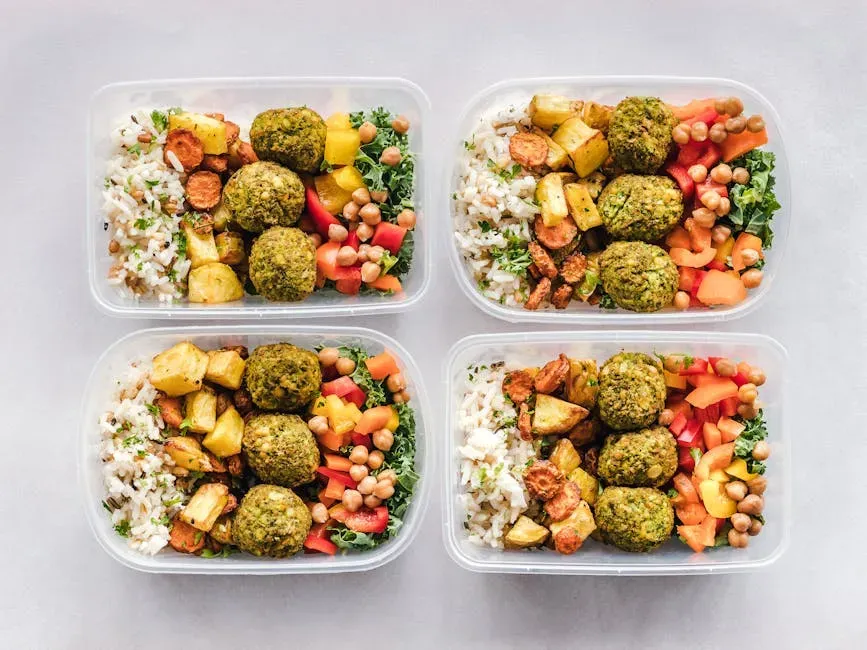
I cooked a big batch of lemon herb chicken and roasted vegetables in week one. By Thursday, the mere smell of it made me want to order a pizza. This is one of the most common - and least discussed - downsides of meal prepping. Avoiding meal prep burnout addresses the common challenge of losing motivation due to repetitive meals or overwhelming routines, with the goal being sustainability rather than perfection.
A component-based approach that supports steady energy levels and prevents burnout recommends cooking ingredients separately so you can mix and match daily, and switching sauces, grains, or cooking methods weekly to avoid repetition. I didn't know any of that in month one. I just cooked six portions of the same thing and suffered through it. The boredom is real, and if you ignore it, it'll make you abandon the whole system.
4. I Wasted More Money Than I Expected at the Grocery Store
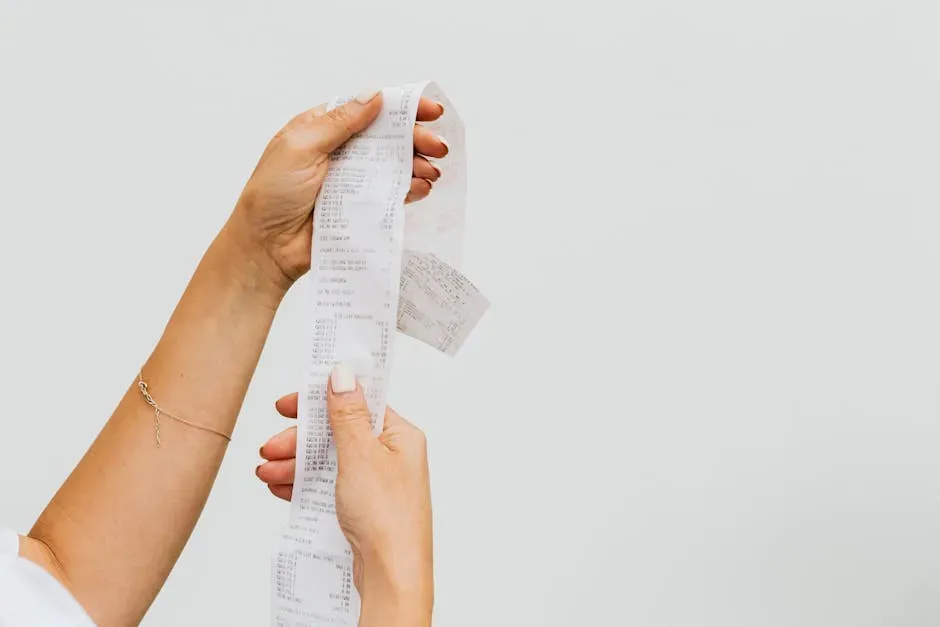
One of the big promises of meal prepping is saving money. And it can - but only if you actually nail your planning. I kept overbuying. Produce I thought I'd use by Thursday sat in the crisper drawer turning soft. It's estimated that roughly 30 to 40 percent of the food supply in the U.S. is wasted, much of it from households tossing spoiled or unused food. I was absolutely contributing to that statistic.
The average American household spends around $6,224 a year on groceries - about $519 a month - and that number doesn't include the $728 per person per year the EPA estimates is wasted on food that's bought and never eaten. When I finally got strategic about it, things improved. A survey of over 2,500 meal planners found they reduced food costs by around $47 per person per month, with savings coming from less food waste, fewer impulse purchases, and fewer delivery orders. That potential was there - I just wasn't accessing it.
5. My Containers Were a Disaster (And Possibly a Health Risk)

I started with whatever plastic containers I already owned. Some were years old, lids didn't seal properly, and I was regularly microwaving directly in them. It took me several months to realize this was a problem beyond just aesthetics. Degradation of plastic storage containers, especially when used for microwave heating or long-term storage, can release microplastics and nanoplastics into food. That's not a small footnote.
Beyond the material issue, improperly sealed containers sped up spoilage and made my fridge smell strange by mid-week. Using airtight containers and dividing large portions into smaller servings can help maintain freshness, and proper storage and labeling make it easier to track how long your leftovers have been stored, keeping meals safe and reducing waste. Honestly, investing in good glass containers earlier would have saved a lot of headaches.
6. I Completely Ignored the Mental Health Side of Rigid Eating Schedules
There's something weirdly controlling about opening the fridge every day and being told exactly what you're going to eat. For a while, it felt empowering. Then it started feeling like a cage. Potential mental health risks stem from being over-prepared, controlled, and structured, with meal prepping creating a degree of rigidity that could conceivably become a fixation or rut.
I noticed I was getting genuinely anxious on days when plans changed and I couldn't eat "what I'd prepped." If a friend wanted to grab lunch, I felt guilty about wasting a container sitting in my fridge. Proactively planning for spontaneous or takeout nights in a normal routine can help prevent mealtime burnout, especially if it's pre-built into the week. That's advice I really could have used back in month two.
7. My Grocery Bill Didn't Go Down as Much as I Thought - At First
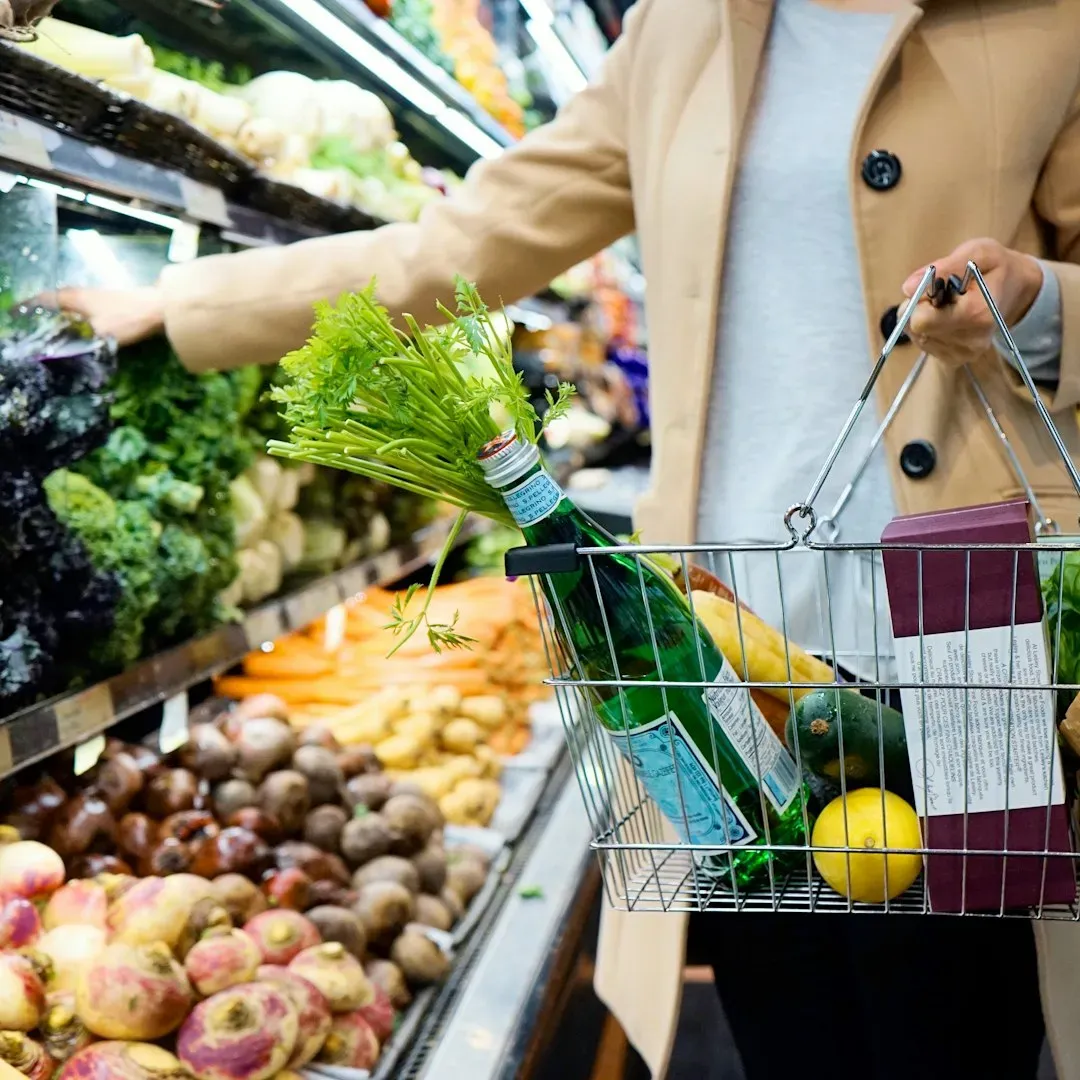
Here's the thing about meal prepping and saving money: the savings don't just happen automatically. You have to actually change your behavior at the store, too. According to the Consumer Price Index, the cost of eating food away from home rose 3.6 percent in the one-year period from November 2023 to November 2024, while the price of food at home only increased by 1.6 percent - meaning the cost of going out to eat increased roughly two-fold versus eating at home.
About seven in ten Americans say they're spending more on groceries compared to last year, according to an October 2025 ABC News survey, with food prices rising around 2.7 percent from September 2024 to September 2025. Meal prepping in that environment helps - but only when done with discipline. Prepping meals in advance helps reduce last-minute trips to the store and the impulse buys that come with them. I had to retrain my shopping habits entirely before I saw real savings.
8. I Never Learned Proper Food Labeling - And Paid for It
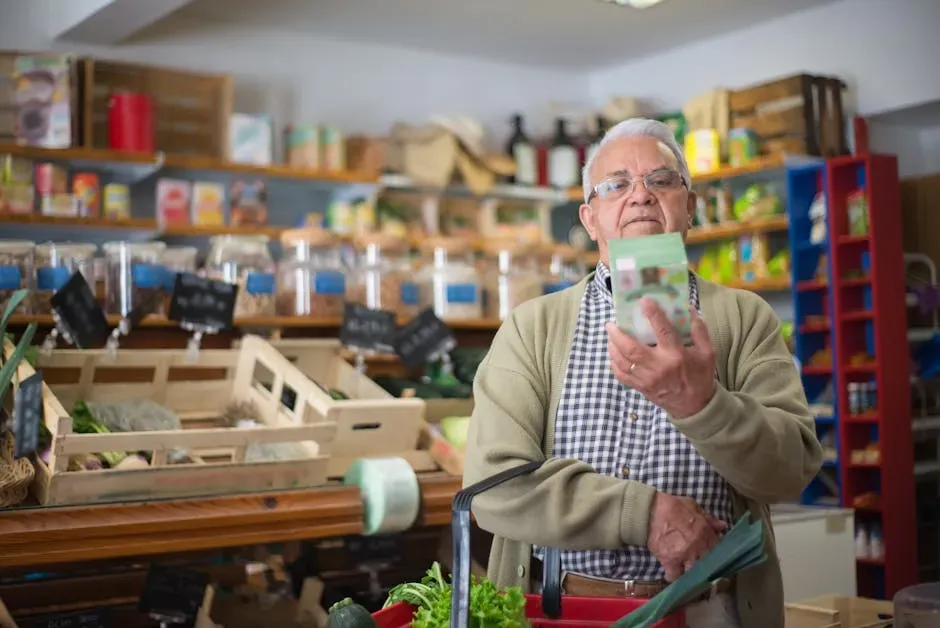
Nothing like opening a mystery container on a Wednesday evening and playing "is this from last week or the week before?" I know it sounds absurd, but when you're prepping multiple meals simultaneously, things genuinely start to blur. Proper food labeling is key - when storing food, clearly marking the date on each container lets you know exactly when it was cooked, which helps with meal portioning and ensures you don't accidentally eat food past its safe limit.
According to the United States Department of Agriculture, no one should be planning to keep pre-prepped meals around for longer than a handful of days. That seems obvious in retrospect. I once ate something I was fairly sure was six days old and rationalized it because "it still looked fine." That kind of casual guesswork is exactly how people end up sick. Label everything. It takes five seconds.
9. Cooking in Bulk Dramatically Changed How Much I Actually Enjoyed Food
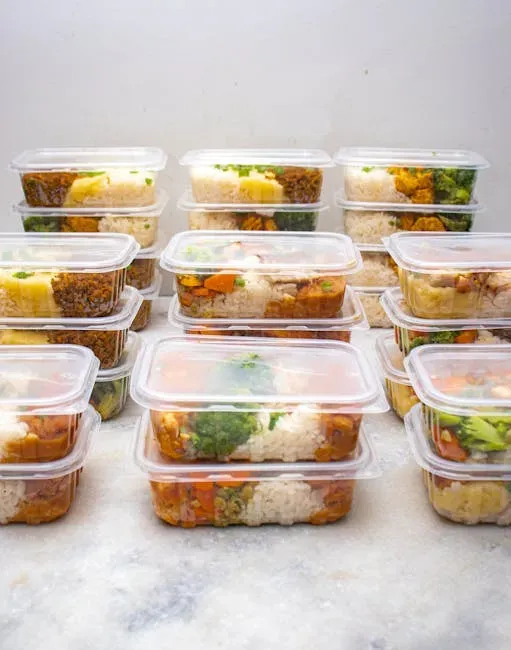
There's a joy in cooking a meal fresh - the smells, the texture, the little adjustments you make on the fly. Batch cooking removes almost all of that. You're running an assembly line, not cooking. I started to feel disconnected from food in a way I hadn't expected after years of genuinely loving to cook. Globally, more than half of people report experiencing joy from cooking in the last seven days, and I quietly stopped being one of them for several months.
It sounds dramatic, but it's surprisingly easy to lose the emotional relationship with food when every meal is a pre-portioned calculation. Creating positive mealtime experiences is far more important for overall wellbeing than the actual food itself. I think the real lesson here is that meals should still feel like meals - not just fuel management. The balance matters.
10. I Didn't Appreciate How Much Flexibility I Was Giving Up Until It Was Gone
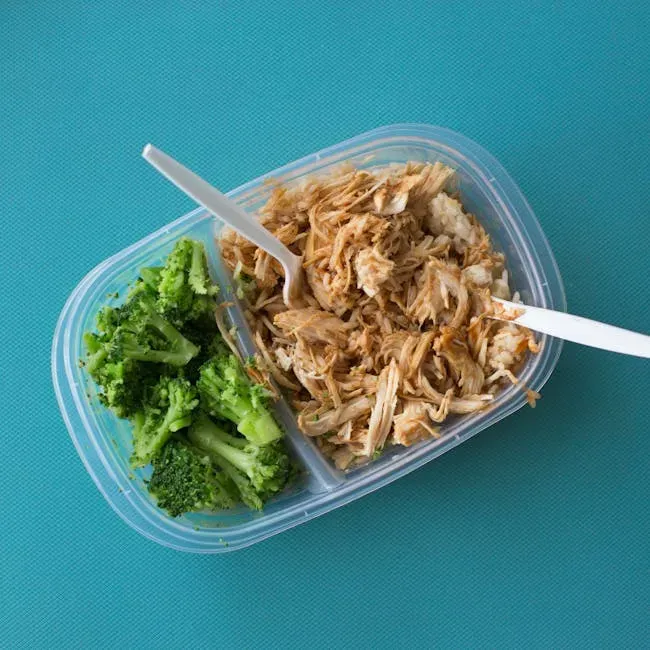
When you've prepped five days of food, you've essentially committed to a menu. Craving something different on Tuesday? Too bad - unless you want to feel guilty about those four perfectly good containers going to waste. By preparing meals in advance, there is a limited need to purchase food from restaurants or bars, which can have an average markup rate of around 300 percent. That's the upside. The downside is that the spontaneity of eating simply evaporates.
I know it sounds crazy, but I genuinely missed not knowing what I was going to have for dinner. There's pleasure in that small daily decision. Changing up a meal plan can add variety to the diet, something that may even foster healthy aging, according to a 2025 study published in the journal BMC Nutrition. Rigidity has a real cost to how we experience daily life - and food is one of the most sensory, emotional parts of it. After a year, I finally made peace with a hybrid approach: prepping some things in advance, but leaving room for improvisation.
The Takeaway After a Year of Prepping
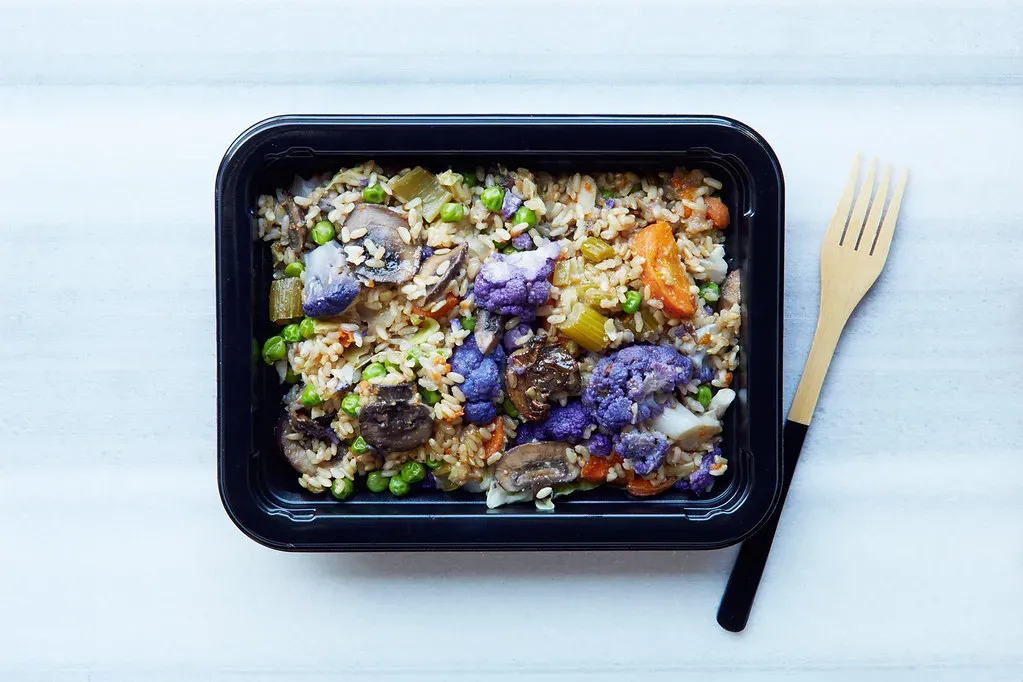
Let me be clear: meal prepping is not bad. Done thoughtfully, it genuinely reduces costs, supports better nutrition, and cuts down on that exhausting 5 PM panic most households know too well. By using fresh, healthy ingredients, meal preparation provides numerous health benefits over eating outside of the home frequently, and multiple studies have shown that those who consume meals prepared at home more often had a significantly lower risk of acquiring type 2 diabetes.
The regrets above aren't arguments against meal prepping. They're arguments for doing it smarter. The people who succeed at it long-term treat it as a flexible tool, not a strict religion. They prep components, not just finished dishes. They label everything, rotate recipes regularly, and give themselves permission to deviate from the plan without guilt.
A year in, I prep differently now. Less rigid, more intentional. I don't dread Sundays anymore, and I've stopped eating suspicious day-six leftovers. Small wins. What I wish I'd known on day one is that the goal isn't to be a perfectly optimized meal machine - it's to make your actual life a little easier. Did you expect any of these regrets, or do some of them hit a little close to home? Let us know in the comments.




Leave a Reply