
Every experienced server has a kind of sixth sense. You walk up to a table, exchange maybe two sentences, and something in the back of your mind quietly whispers: "This one's not going to tip." It's not magic, and it definitely is not judgment for the sake of it. It's pattern recognition earned through hundreds of shifts, thousands of tables, and more than a few deeply frustrating nights.
Servers who have spent years waiting tables develop a finely tuned skill for spotting bad tippers before the appetizers even hit the table. Once someone has waited tables for a number of years, an acute sense of awareness comes with the territory. So what exactly are the telltale phrases that set off alarm bells? You might be surprised. Let's dive in.
1. "I'll Just Have Water, Thanks"
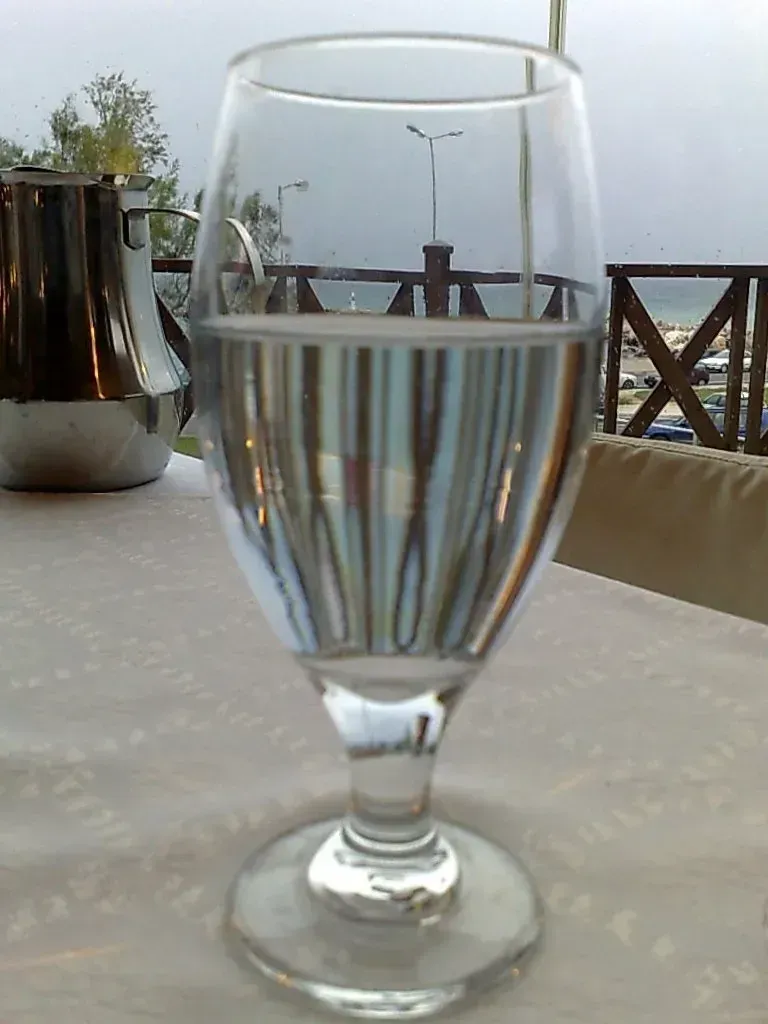
This one might seem harmless, and honestly, sometimes it really is. Ordering water is completely fine, and plenty of health-conscious diners do it without any intention of skimping on the tip. However, in the restaurant world, this phrase has developed a bit of a reputation.
Many servers believe that a customer who orders water is a "cheap" customer and therefore a poor tipper, which can sometimes cause a server to give that table less attention. It's not a fair bias, but it exists. The logic, right or wrong, is that someone not willing to spend a few extra dollars on a drink might not be willing to leave a generous gratuity either.
In today's health-conscious culture, many people order water to stay hydrated and avoid sugary drinks, and the server's assumption is often incorrect, but it can still affect the quality of service a customer receives. So if you're a water-only diner who tips generously, you're actively helping break the stereotype. Keep it up.
2. "Is the Bread Included?"
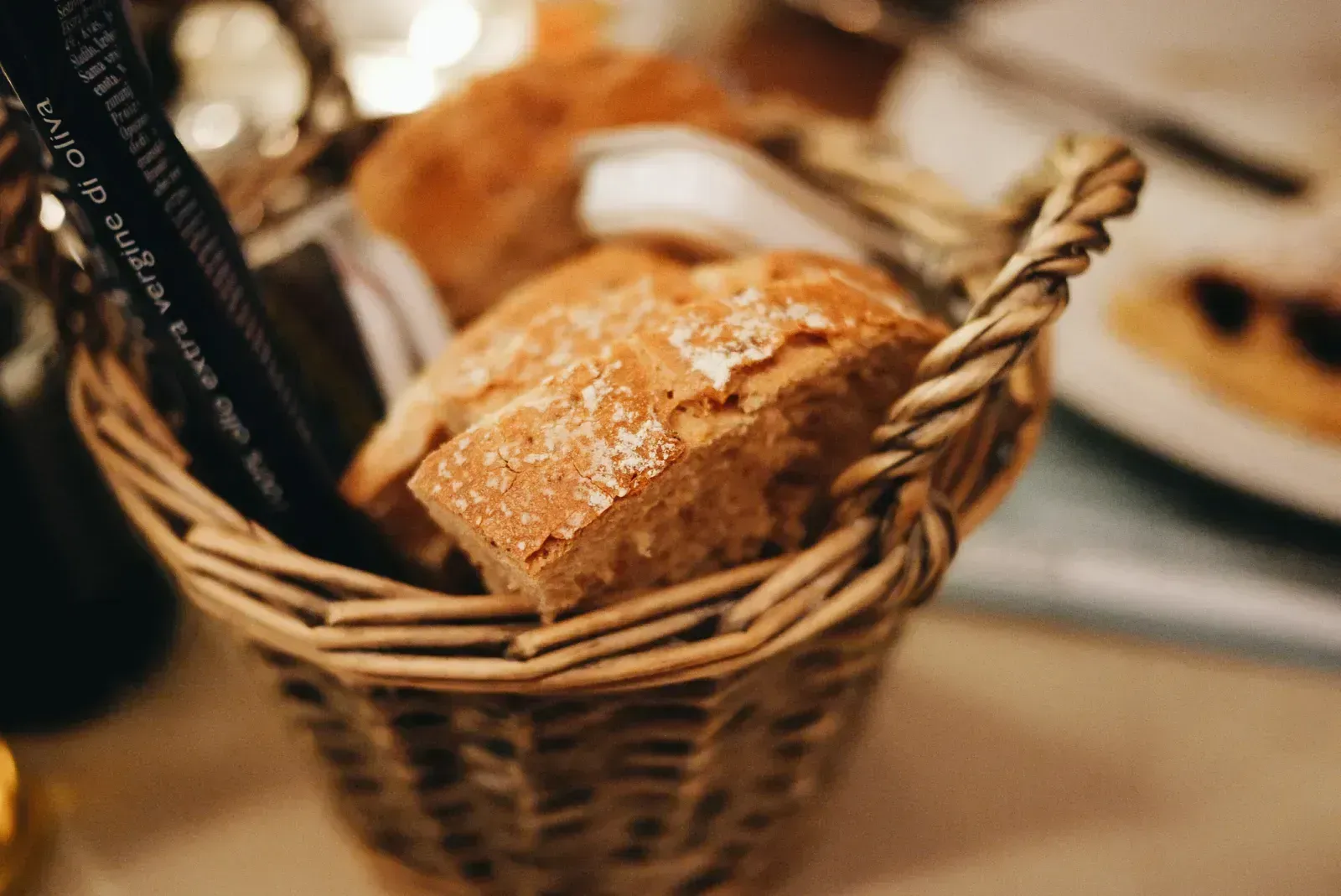
The moment a customer sits down and the very first thing out of their mouth is about what's free, servers quietly brace themselves. When the first question is "Do you have any specials that aren't on the menu?" or "Is the bread included?", the wheels start turning in the server's head. A customer who asks things like "How much will this be with tax?" or "Do you offer free refills?" is always a good indication that the customer is watching their pennies, and they for sure aren't going to watch very many of them go into the apron of their server.
When the questions come fast and focus entirely on cost, experienced servers piece the picture together quickly. It signals that the final bill, and whatever percentage gets left on it, is something the customer has been calculating since before the hostess even seated them. It's like watching someone count every single coin before buying a coffee. You already know they're not going to round up.
3. "I'll Take Care of You, Don't Worry"
This one is almost legendary in the server community. A customer leans back, grins, and with great confidence says something like, "Just make sure everything's perfect and I'll take care of you." Sounds promising, right? Every server knows better.
When a customer indicates that if they're well taken care of, they will "take care of" their server, it implies a hefty tip. But it never results in that. Generally, the tip is far below average. There is almost an inverse relationship at work here. The bigger the promise made at the start of the meal, the smaller the tip that lands at the end.
If someone introduces themselves as a great tipper or promises to "take care" of their server, most of the time the tip doesn't live up to the expectation. Think of it like a movie trailer that overpromises. The more someone builds up the tip before they've even ordered, the more likely they are compensating for the fact that they have no real intention of following through. Servers hear this so often it has become almost a red flag rather than a green one.
4. "I Used to Be a Server, So I Know How This Works"
You might think this would be the green light. Someone who has worked in the industry surely understands the struggle, right? Experienced servers would beg to differ. This phrase tends to come wrapped in a whole lot of demanding behavior and a surprisingly thin tip at the end.
Anytime a customer immediately declares themselves to be a server or bartender, they are going to be very demanding and leave a bad tip. In a vast majority of cases, they work somewhere corporate and don't actually have any experience working in real bars. It becomes an excuse to nitpick everything rather than a foundation for mutual respect.
Here's the thing: people who genuinely understand the industry tend to show it quietly, through patience and generosity. The ones who announce it loudly are usually the ones using it as a bargaining chip for more attention while leaving less money on the table. It's a fascinating contradiction, and servers notice it every single time.
5. "I Need..." Instead of "Could I Please Have..."
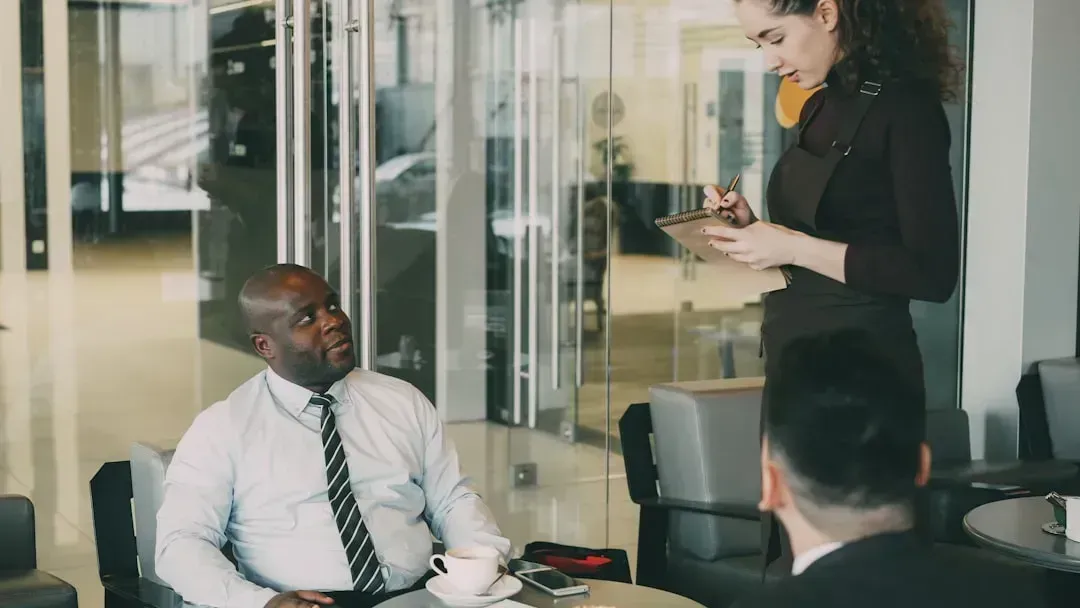
Word choice matters more than most diners realize. Walking up to a table where the first order begins with "I need a Diet Coke" instead of "Could I get a Diet Coke?" tells a server quite a bit about how the rest of the interaction is likely to unfold.
If a customer starts their order with "I need...", servers know the tip is going to be poor, no matter how well the server performs. It's not just about politeness. It signals an entitlement mindset, a customer who views their server as subordinate rather than as a professional doing a job.
Some customers don't even use full sentences, issuing one-word commands like "Splenda!" instead of asking politely. Others are so demanding and difficult that servers recognize the pattern immediately as a sign of a bad tip ahead. The research actually backs this up. For most people, tipping is first and foremost about service, with around three-quarters of adults saying the quality of service they receive is a major factor in deciding whether and how much to tip. What many customers forget is that attitude goes both ways.
6. "Everything Was Amazing! You Were Incredible!"
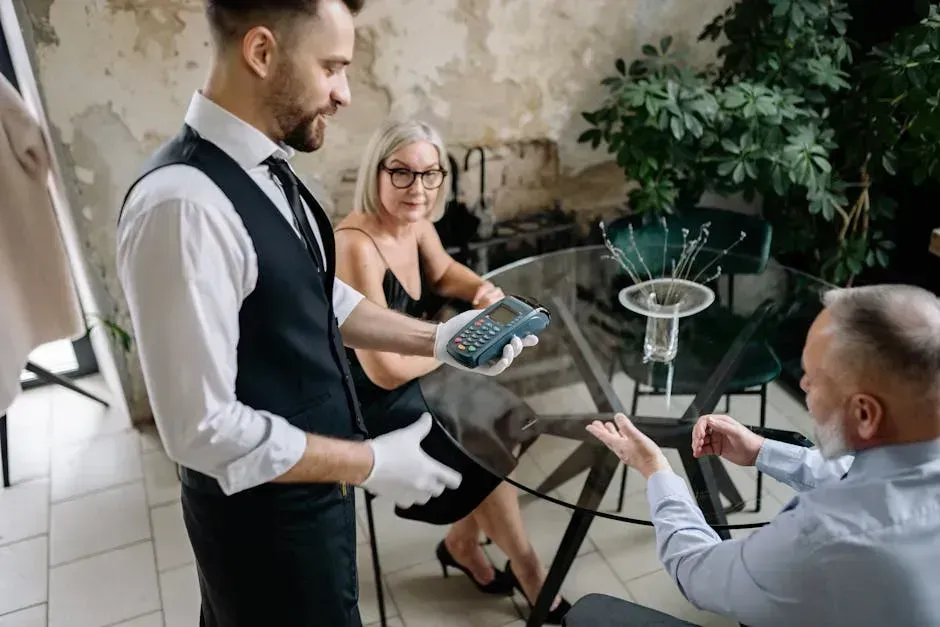
Wait, this sounds like good news. Enthusiastic praise, right? Actually, this phrase sends a chill down many servers' spines. It is possibly the most emotionally confusing signal of all.
This one genuinely stings. A customer finishes their meal, looks their server in the eye, and says something like "This was honestly the best dining experience I've had in years. You were incredible." Then they leave twelve percent. Servers have a name for this type of customer: the "verbal tipper." If they rave and gush about the service and are all smiles and pats on the back, there's a good chance the server gets stiffed on the actual tip.
Honestly, effusive compliments combined with a poor tip might sting worse than simply being ignored. The server did everything right, earned the praise, and still walked away shortchanged. Tips account for more than half of a waitstaff's hourly earnings, which means verbal appreciation, while nice, does not pay rent.
7. "We're a Large Group, Can You Split the Check?"
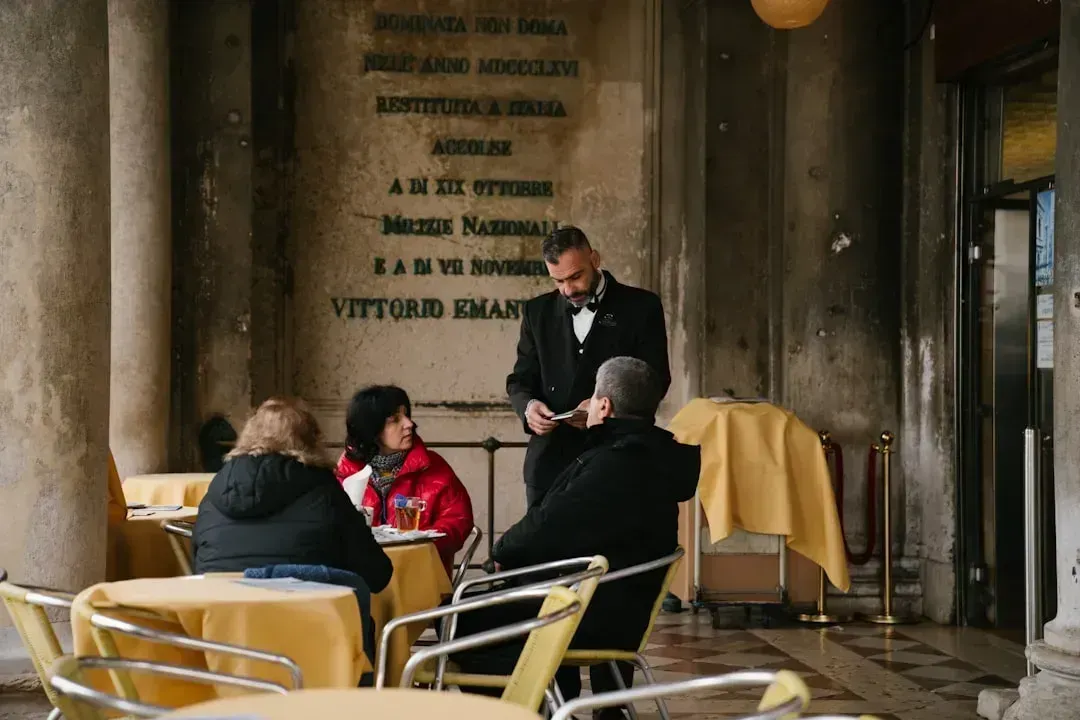
Large parties are already a logistical challenge. More people means more orders, more modifications, more drink refills, and more chaos. When the table then wants the check split fifteen different ways, every server knows the math rarely adds up in their favor.
Poor tippers are one of the reasons that the "18 percent will be added to parties of six or more" rule was initiated, so that at least with a larger party, the server didn't lose out. Many restaurants now enforce automatic gratuities precisely because split-check large groups have such a long and consistent history of under-tipping, or tipping on their individual portion while forgetting about the collective effort required.
Dividing tips based on individual portions of the check, especially in larger groups, can be complex. It is increasingly recommended to base the tip on the full tab rather than individual portions to simplify the process and avoid confusion. When each person tips only on their own plate, the server ends up with far less than the work actually warranted.
8. "No Big Deal, I Don't Tip Servers Anyway"
This one is said sometimes as a joke after a minor mix-up, like when a server accidentally brings the wrong drink. A customer laughs and says, "No worries, it's not like I tip anyway." Whether said as a joke or not, servers hear it and take note.
When a server makes a minor mistake, like setting the wrong drinks in front of the wrong people, and a customer makes a joke like "No big deal, I don't tip servers anyway," it sends a very clear signal. Even when it's technically a jest, that kind of comment usually reflects a genuine attitude. People joke about what they actually believe.
Servers and bartenders receive a federal minimum direct wage of just $2.13 per hour, supplemented by tips to meet the overall federal minimum wage. When a customer jokes about not tipping at all, they may not realize that for many servers, a tipped shift covering rent is no laughing matter. For many restaurant workers, tips are essential to making a livable wage. One former waitress described how she once earned only $2 per hour and often left work with as little as $15 in tips after an entire shift.
9. "The Food Took So Long, You Know That Affects Your Tip, Right?"
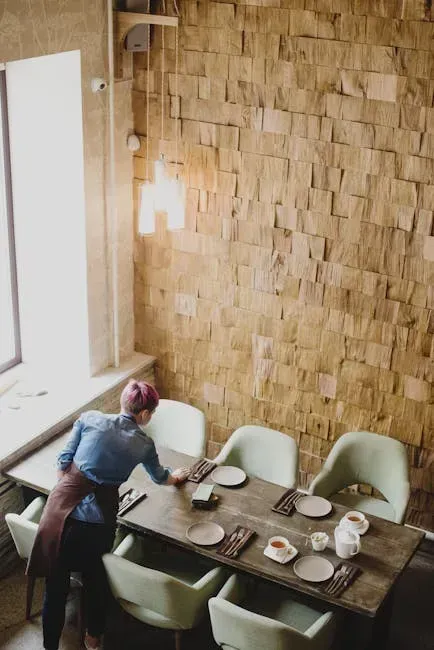
Few things make a server's eye twitch quite like this sentence. Using the tip as a threat, dangling it like a weapon, is one of the most frustrating things a customer can say. It also tends to come from people who don't fully understand how a restaurant actually operates.
Kitchen timing, supply issues, unexpected rushes: none of these are under the server's control. Some customers are the kind who demand extras, modifications, and any chance at a free something, then use the smallest issue as a reason to tip poorly, even if it's something beyond the server's control. Using tip reduction as a punishment for kitchen delays falls squarely into this category.
Only about one third of Americans typically tip at least twenty percent at sit-down restaurants. While most say the quality of service is the biggest factor in tipping, that share has been declining, meaning servers could have a harder time earning a generous tip even with excellent service. Threatening tip reduction for things outside a server's control is not a quality evaluation. It's leverage, and servers recognize it immediately.
10. "We're Students, We Can't Really Afford to Tip"
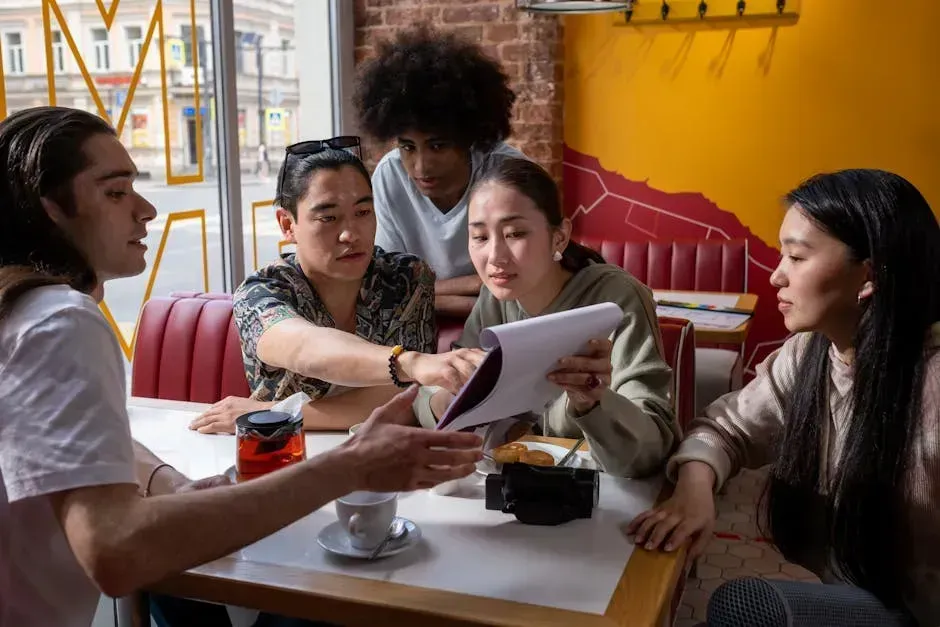
This is perhaps the most emotionally loaded phrase on this list. It arrives at the end of the meal, just as the server expects to finally see some return on a long and demanding table. It frames low or zero tipping as a financial necessity rather than a choice.
In one widely reported case, a server endured a two-hour ordeal with a loud and disruptive group who refused to leave a tip, claiming they were students who couldn't afford it. The group had ordered the most expensive entrees and desserts, and their behavior disturbed other patrons so much that two older couples opted to take their meals to-go rather than remain in the eatery.
A whopping nine in ten Americans think the existing tipping culture in the U.S. has become excessive, and there is a very real debate happening about the system as a whole. Still, while that debate is worth having, it does not change the immediate reality of a server's shift. Service and support staff make their living off tips, and until that system changes, it's their reality. Framing non-tipping as a student budget problem, while ordering the most expensive items on the menu, is something servers remember long after the table has left.
What This Really Tells Us About Tipping Culture in 2026
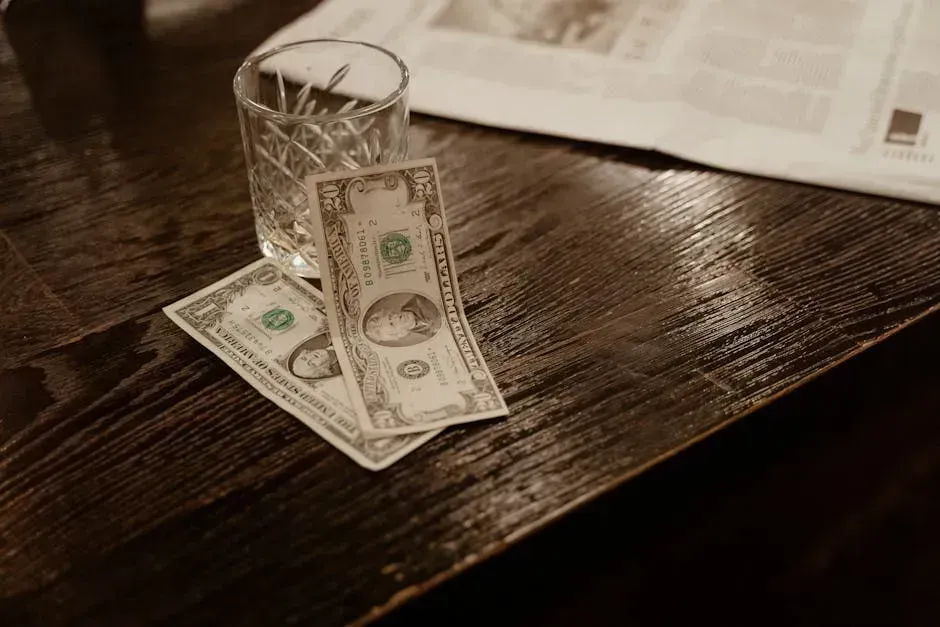
The phrases above are not just quirky server folklore. They reflect a much bigger, more complicated conversation happening across the entire restaurant industry right now. According to a Pew Research survey from late 2025, sixty-five percent of Americans say they're tired of tipping and "tip prompts everywhere." That fatigue is real and understandable.
Full-service restaurant tips averaged 19.4% in Q1 2024, essentially flat from the previous quarter, while quick-service restaurant tips averaged sixteen percent. The numbers look steady on paper. Yet Bankrate data shows Americans are tipping less frequently than in previous years, with only sixty-five percent of diners at sit-down restaurants always tipping their waitstaff, down from seventy-seven percent just a few years earlier.
The institution of tipping may encourage servers to form assumptions about customers' tipping behaviors, and the prospect of a poor tip from a certain type of customer can lead to a negative cycle. A customer leaves a bad tip, receives slightly worse service on the next visit, feels less inclined to tip well, and the pattern repeats. The system creates friction on both sides.
At the end of the day, the phrases people use at a restaurant table reveal something real about how they think and what they value. Servers are not mind readers, but they are, after years of training on the floor, some of the sharpest observers of human behavior you will ever meet. They notice everything. So the next time you sit down to eat, think about your first few sentences. They might be saying a lot more than you intended. What would you have guessed they were giving away?

Leave a Reply