
The American food landscape is being reshaped in real time. Since President Trump's sweeping "Liberation Day" tariff announcements in April 2025, the ripple effects across global supply chains have been impossible to ignore. In April 2025, U.S. President Donald Trump declared reciprocal tariffs of at least 10% and higher tariffs on imports from more than 60 nations. For food businesses, which depend on tightly integrated global sourcing, this was not just a policy shift - it was a structural earthquake. Tariff-driven cost increases have yet to fully reach grocery shelves, but analysts say the impact typically lags 12 to 18 months, setting up 2026 as a key inflection point for food pricing. Two industries in particular are staring down severe disruption, while one stands to gain in ways few predicted.
1. The Seafood Industry: An Import-Dependent Sector on the Ropes
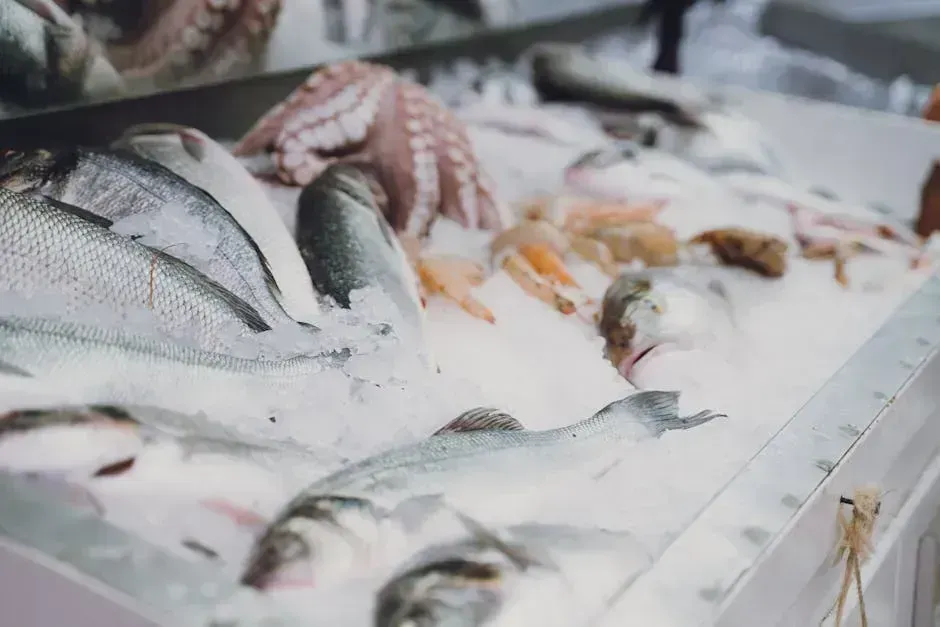
No food industry was more exposed to the 2025 tariff wave than seafood. The numbers are stark. Over 70 to 85 percent of seafood consumed in the U.S. - including shrimp, salmon, tuna, and squid - is imported from regions like Asia, Europe, and Canada. With that kind of import dependency, there is almost no buffer against tariff shocks. Based on trade data collected by the National Oceanic and Atmospheric Administration (NOAA), in 2024 the United States imported 769 million pounds of seafood from China, the largest volume from any country. China's dominance in this supply chain made the tariff escalations particularly damaging for American seafood retailers and restaurants.
The financial consequences have been severe and measurable. China sent $1.52 billion in seafood to the U.S. in 2024, and the reciprocal tariff announcement hit China with another 34 percent tariff on top of the two 10 percent increases already implemented, resulting in an additional 54 percent tariff on all Chinese goods. Meanwhile, import tariffs also increased the price of U.S. catch that is exported for processing and then imported back into the U.S. market, meaning the new policy harms many domestic seafood producers by taxing seafood of domestic origin that is exported for processing before coming back to the United States. The entire supply chain - domestic fishermen included - is caught in the crossfire. In the United States, the fish and seafood market generate $31.52 billion in revenue in 2025, with an anticipated annual growth rate of 3.10 percent from 2025 to 2029 - but that trajectory now faces serious headwinds that could erode those projections significantly as costs continue to climb through 2026.
2. The Coffee Industry: A Structurally Broken Trade Model

Coffee sits in an almost uniquely vulnerable position among American food and beverage categories. Unlike most agricultural products, there is virtually no domestic substitute available at scale. Outside of Hawaii and Puerto Rico, and California on a much smaller scale, the U.S. relies on green coffee imports to support its coffee industry, which adds over $343 billion to its economy every year. That dependency makes every tariff increase a direct tax on roasters, cafés, and ultimately the everyday consumer. In 2025, the U.S. raised its effective tariff rate to 22.5%, the highest since 1909, triggering price increases across nearly every imported product, including coffee. The shock to the specialty coffee world in particular has been profound.
The data paints an unsettling picture for anyone in the supply chain. While tariffs on coffee imports from many countries still face a 10 percent duty, geopolitical tensions have driven some rates much higher. Goods from Brazil, the world's largest coffee producer, became subject to a staggering 50 percent tariff, and other large producers like India at 25 percent, Vietnam at 20 percent, and Indonesia at 19 percent have also been hit with steep increases. The downstream effects on consumer prices have already been documented. U.S. consumers saw a 20 percent increase in coffee prices due to tariffs on Brazil and Colombia, which also led to global price benchmarks going up, hitting the rest of the world. These market adjustments come at an already challenging time for the coffee industry, which has been navigating historically high prices due to climate change-induced supply shortages in major producing regions. The layering of climate disruption on top of trade policy chaos has created a near-perfect storm for the sector heading into the latter half of 2026.
3. Domestic Agriculture and Local Food Producers: The Unexpected Boom
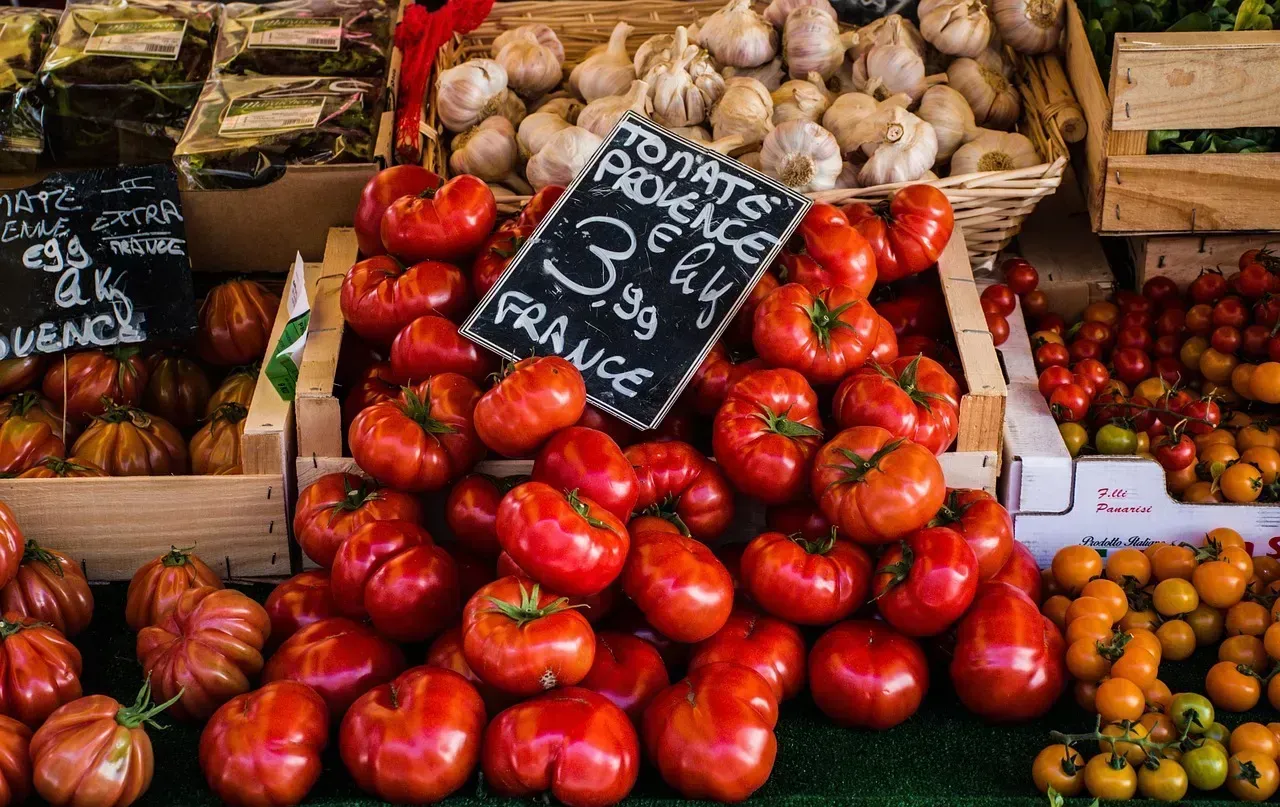
While imported food categories struggle, the tariff environment has created real - and growing - opportunity for domestic food producers. The economic logic is straightforward: by increasing the cost of imported products, tariffs encourage consumers to shift toward domestically produced goods, thus supporting local businesses and potentially stimulating domestic economic activity. American consumers, faced with rising prices on imported seafood, produce, and beverages, are increasingly turning toward homegrown alternatives. Domestic seafood producers might see a surge in demand as retailers look for local alternatives to offset rising import costs. The same dynamic is being observed across fresh produce and locally sourced proteins, with several regional markets experiencing a notable uptick in demand for American-grown goods.
The broader trend is being confirmed by market analysts and industry observers alike. Growing support for local food products has been on the rise in America, and consumer surveys consistently show a growing preference for buying local. While some hope the tariffs might encourage domestic production, offering opportunities for local producers to fill the gap left by reduced imports, the overall expectation is that local sourcing will gain meaningful ground. Still, there are real limits to how fast domestic production can scale. The U.S. fishing industry, for example, may not have the capacity to fully meet demand, leading to supply shortages and further price increases. The opportunity is real, but it will take time and capital investment for domestic producers to fully capitalize on the structural shift now underway in American food consumption patterns heading into and beyond.



Leave a Reply