
There was a time when grabbing a table at a chain restaurant felt like a reliable, even comforting, thing to do. You knew what you were getting. Familiar menu, familiar vibe, fair enough price. That era is increasingly fading. Across the country, diners are pushing back hard, leaving scathing reviews, walking out before ordering, and flat out refusing to return. The gap between what these chains charge and what they actually deliver has grown wide enough to drive a food truck through.
Honestly, some of these disappointments are genuinely surprising. Many of these brands built decades of loyalty, only to squander it through rising prices, inconsistent food, and service that can best be described as indifferent. So which chains are showing up on diners' personal no-go lists right now? Be prepared - some of these names might sting a little.
1. Red Lobster: A Seafood Giant That Lost Its Way
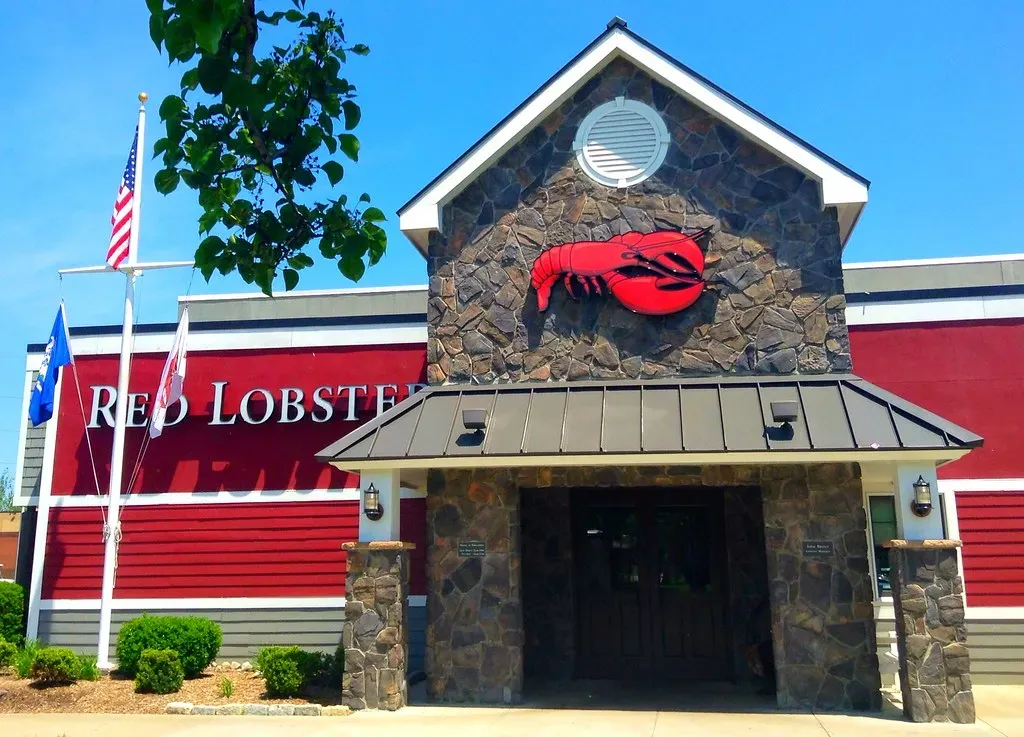
Red Lobster, carrying $300 million in debt, filed for Chapter 11 bankruptcy protection in one of the biggest filings in restaurant industry history. That says a lot about how far the chain fell. For years, diners felt the value proposition was just not there anymore - paying premium seafood prices for quality that kept declining.
In a declaration filed with the bankruptcy court, Red Lobster reported that its customer count had declined by about 30% since 2019. That is a staggering drop. Customers simply stopped returning, and the reasons go beyond a viral shrimp promotion.
Years of underinvestment in Red Lobster's marketing, food quality, service, and restaurant upgrades hurt the chain's ability to add Millennials to its core Baby Boomer customer base. When a restaurant stops evolving, the customers eventually move on to places that do.
Just shedding debt and unprofitable stores has not been enough to reverse the chain's fortunes. Sales haven't returned to pre-bankruptcy levels, and in many restaurants' nautical-themed dining rooms, big upgrades are needed. For diners checking back in 2026, it remains a cautious proposition.
2. TGI Fridays: Bankruptcy on the Booth Cushion
To say that TGI Fridays has had a difficult stretch is the understatement of the century. The chain was once one of the most beloved restaurants in the country, but over time it began being viewed as a somewhat outdated place to eat. As new competitors came in and began taking over, TGI Fridays struggled, culminating in a bankruptcy claim in November 2024.
By the end of April 2025, TGI Fridays had just 85 locations around the country. That's a shell of what it once was. For most diners, it barely registers as an option anymore, let alone a worthwhile splurge.
The chain filed for Chapter 11 bankruptcy in late 2024 and continues to operate under that protection into 2026. Bankruptcy doesn't automatically mean a shutdown, but it does mean the company is in survival mode, straining to stay alive by reorganizing its finances, closing locations, and cutting costs.
To be fair, the brand has tried to adapt, but years of declining traffic and shifting dining habits have definitely taken a toll. The nostalgia is real, but nostalgia alone does not justify the bill at the end of a mediocre meal.
3. Shake Shack: Premium Branding, Budget-Draining Prices
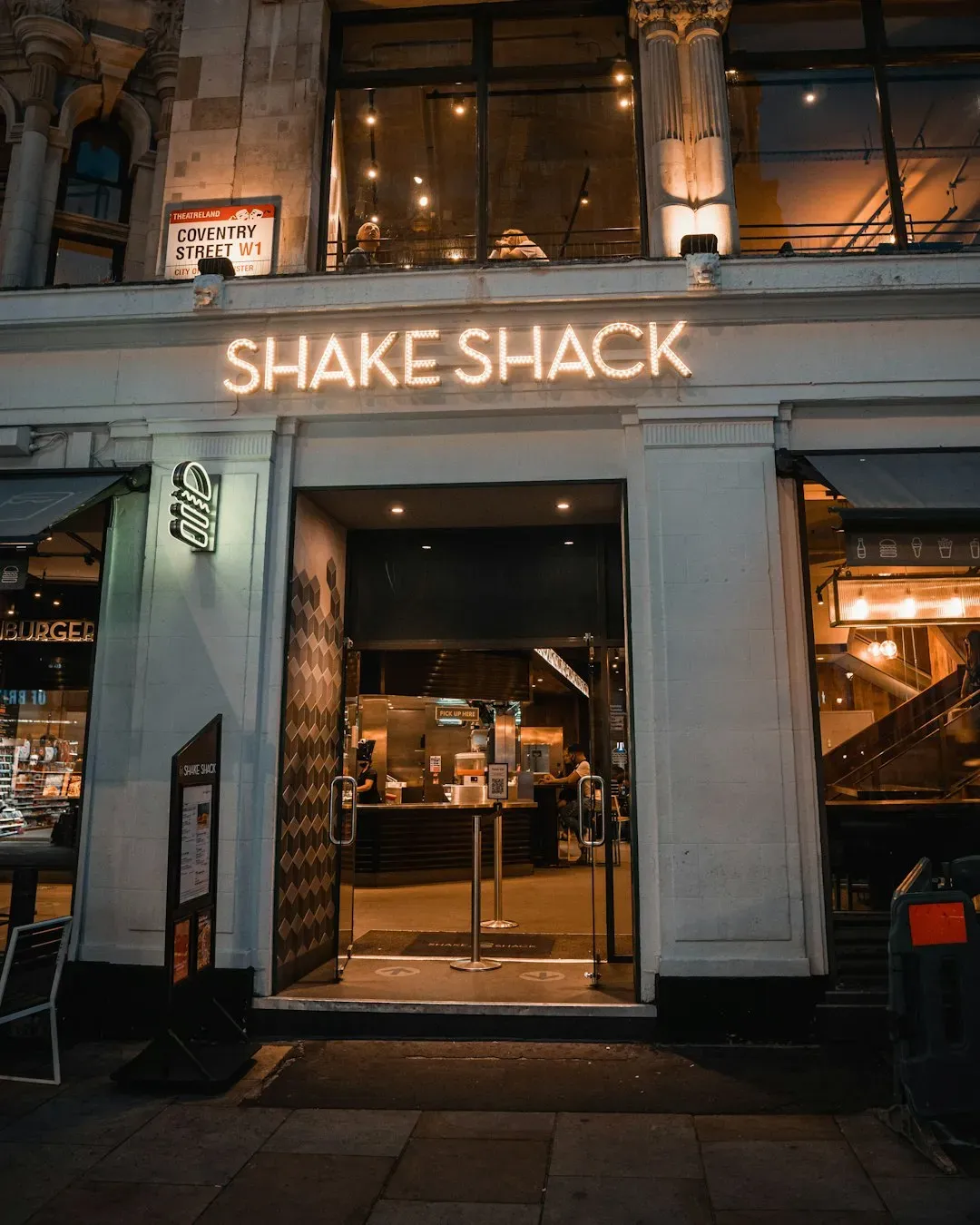
A study by language-learning platform Preply analyzed over 57,000 Google reviews of more than 10,000 restaurants in the top 50 major U.S. cities. Zeroing in on language reviewers used to describe overpriced restaurants, the analysis looked at how often words like "pricey," "expensive," "overpriced," and "rip-off" appeared. These terms helped Preply determine which restaurants are perceived as overcharging and underdelivering.
Among thousands of local and chain eateries considered in the study, Shake Shack received more complaints about overpriced food than any other restaurant chain. That's a crown nobody wants. The brand has cultivated a premium image, but diners are increasingly questioning whether the experience lives up to the price tag.
Customers across America are crying "overpriced." The cost of a single ShackBurger typically falls between $6.99 and $7.99 depending on the region, and an order of fries runs around $4.49, bringing a total to at least $11.48, not including a shake or beverage. That's fast-casual pricing creeping into casual-dining territory.
Fast-food costs have risen by nearly 50% in the past decade, making hitting up your favorite fast-food joint feel more like a splurge than savings. Shake Shack sits at the expensive end of that already escalating scale, and many diners are simply done justifying it.
4. Denny's: A Diner That Stopped Delivering
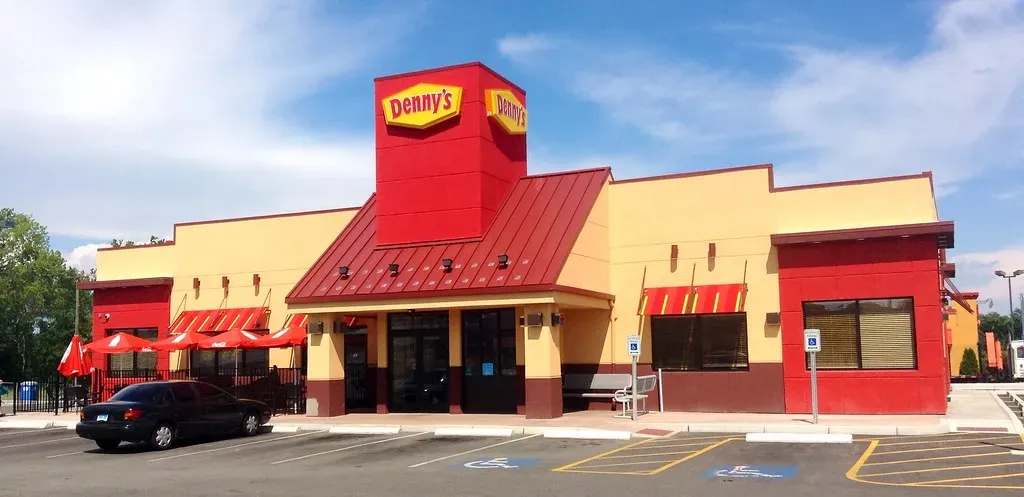
Denny's experienced a terrible 2024 and has been struggling to stay in business. Toward the end of the year it announced it was closing 50 of its restaurants in just a few months, citing underperformance as the main reason for these closures. This shuttering followed a difficult period for the brand, which saw a large number of its restaurants stop operating round-the-clock in a bid to save money.
In total, 180 restaurants were due to close in just 24 months, a huge proportion of its remaining locations. This, paired with a sluggish renovation program that had only affected a few dozen of its restaurants, has made the chain feel like it's falling behind.
Let's be real - Denny's has always been a diner, and diners have a certain charm. The problem is that charm wears thin when the prices feel like a mid-range restaurant and the experience feels like a greasy spoon that stopped trying. Denny's CFO specifically pointed to inflation as the reason for the company's financial struggles during an earnings call in early 2024. While inflation has continued to cool compared to 2022 numbers, the cost of goods has not come back down to pre-pandemic levels.
By the end of 2025, Denny's had closed about 150 underperforming restaurants. Those shutterings signal trouble, but the bigger shift came when the company agreed to a roughly $620 million sale to a private equity ownership group. Private equity and beloved diner chains rarely make a feel-good love story.
5. Applebee's: The Neighborhood Bar That Forgot the Neighborhood
Applebee's domestic same-store sales have decreased for three consecutive quarters. These dropped by 0.5% in the fourth quarter of 2024, with this decrease tied to declining traffic. It's a pattern that mirrors what customers are saying loudly on review platforms across the internet.
On PissedConsumer, Applebee's holds a 1.9-star rating from hundreds of reviews, with 71% of those reviews being unfavorable and consumers mostly dissatisfied. Reviewers cite high prices while noting inconsistent atmosphere. A striking 78% say Applebee's should improve its customer service.
Pervasive poor customer service, long waits, and rude managers are among the most common Applebee's complaints. Frequent food quality issues include undercooked and cold meals as well as reports of food poisoning. Order errors and billing disputes round out the picture. That's a tough trio of failures for any restaurant trying to retain diners.
The "neighborhood grill and bar" positioning was always aspirational, and I think it worked for a while. Today, though, many visitors describe a dining room that feels tired, a menu that's inflated beyond its worth, and service that swings wildly depending on the location. Consistency is everything in this game, and Applebee's clearly hasn't cracked that code.
6. KFC: Falling Behind in Its Own Category
KFC has been struggling over the past year. According to Circana's Definitive U.S. Restaurant Ranking 2025 report, chicken chains including Raising Cane's, Wingstop, Chick-fil-A, Zaxby's, Bojangles, and Popeyes saw consumer spending increase in 2024, while KFC saw consumer spending fall by 4% to $4.34 billion.
KFC has had a difficult time in 2025, with sales declining by a massive 5% in the second quarter of the year. This decline continues a downward trend for the brand, with the end of 2024 having seen a similar 5% decrease in sales. That's a sustained slide, not a blip.
Here's the thing about KFC - when rivals are serving fresher, crispier, more exciting chicken at comparable or lower prices, customers do the math quickly. Top executives have pointed out that the chicken chain's move to try and entice customers back with its "Kentucky Fried Comeback" promotion didn't quite go to plan, and people weren't enthusiastic about the brand's efforts.
KFC's CEO admitted during an earnings call that the chain "has been struggling" in the United States, blaming declines on fierce competition from rival chicken chains and rough weather that racked the country earlier in the year. Competition is real, but when your own CEO admits the brand is struggling, that's more than weather-related.
7. Sonic Drive-In: A Retro Concept Running on Empty
Customers report dealing with rude staff, shakes that arrive runny instead of thick, and an ordering system and app that is often not working. Getting orders wrong appears to be a regular occurrence, and even worse are the complaints about undercooked food. For a brand built on fun and nostalgia, these are deeply unflattering patterns.
The drive-in format used to feel like an adventure. Now, based on what reviewers report, it feels more like a gamble. After ordering through the app, one customer waited a staggering 50 minutes at a pickup stall only to receive a meal where nothing was right. The onion rings arrived black and burnt. Her chicken wrap featured soggy lettuce with hardly any chicken, and it was all served cold. Even the Sprite tasted like "water with bubbles."
Sonic has tried to modernize with app ordering and digital loyalty tools. The problem is that when the foundation - fresh, hot, correctly prepared food - keeps crumbling, the digital layer on top doesn't help. Some chains are rolling out sweeping ownership changes, untested business strategies, and cost-cutting measures that directly affect the dining experience. When customer complaints start sounding the same across dozens of cities, it becomes harder to ignore the warning signs.
It's hard to say for sure whether Sonic can turn this around, but right now, the reviews tell a consistent and uncomfortable story for the brand.
8. Wendy's: Counting Closures Instead of Customers
Wendy's has announced plans to close up to 350 U.S. locations after already shuttering about 140 stores in 2024. Sales at existing restaurants are slipping, and overall profits have taken a noticeable hit. Fewer restaurants means fewer convenient options, which accelerates the sense that the brand is contracting.
Starting in late 2025, Wendy's began a large wave of closings affecting hundreds of locations, and customers have already started to feel the shockwaves. Corporate leadership insists these shutdowns are part of a strategic realignment, yet the closures seem to be landing hardest in areas where residents rely on affordable fast-food options the most.
Stores that remain open may feel more rushed or understaffed as operators try to cut costs. Long waits, stressed employees, and inconsistencies in food quality are common side effects when chains are under pressure. That's the ripple effect of mass closures - the surviving locations absorb the strain.
The average cost of a McDonald's menu item jumped 40% from 2019 to 2024 - and Wendy's, similarly, has seen rising menu prices while simultaneously reducing its footprint. For diners watching their wallets in 2026, that combination of higher cost and reduced quality experience is simply not a winning formula.
Conclusion: When the Price Doesn't Match the Promise
The restaurant industry is going through one of its toughest chapters in living memory. It's been a particularly brutal five years, starting with the COVID-19 pandemic when closures and restrictions forced many into bankruptcy, leading up to the present with inflationary issues and tariffs shifting spending habits away from dining out.
The 2025 Technomic Top 500 report shows just how badly the volatile economy and stubborn inflation rates are affecting the U.S. consumer. Sales across the top 500 chains grew by just 3.1%, the worst showing in the past 10 years aside from 2020, and a full percentage point short of the 4.1% inflation rate. The math simply doesn't work in diners' favor anymore.
According to a 2023 survey from Deloitte, while a majority of people are back dining at restaurants at pre-pandemic levels, their expectations have changed considerably. Shifting consumer demands like more automation when ordering, a cap on delivery fees, and a higher priority placed on value could end up being another sticking point for restaurants that are slow or unwilling to adapt.
The message from diners in 2026 is clear: raise prices if you must, but you had better deliver. The moment the experience stops matching the cost, the no-go list gains a new name. Which of these chains would you still give a second chance?



Leave a Reply