
There's a quiet revolution happening in kitchens across America, and it has nothing to do with a new appliance going viral. It's actually the opposite. Gadgets that once felt absolutely essential, the kind you'd spot in every gift guide and on every countertop, are now getting quietly demoted to the back of the cabinet, or donated altogether.
The kitchen gadgets market in 2025 was characterized by a strong emphasis on smart technology integration, sustainability, and multi-functional designs, with consumer demand driven by health-conscious lifestyles, home cooking trends, and the influence of social media highlighting innovative tools. In other words, the rules of what belongs in a modern kitchen are being rewritten fast. And some old favorites are not making the cut. Let's dive in.
1. The Countertop Juicer: From Instagram Dream to Dusty Shelf
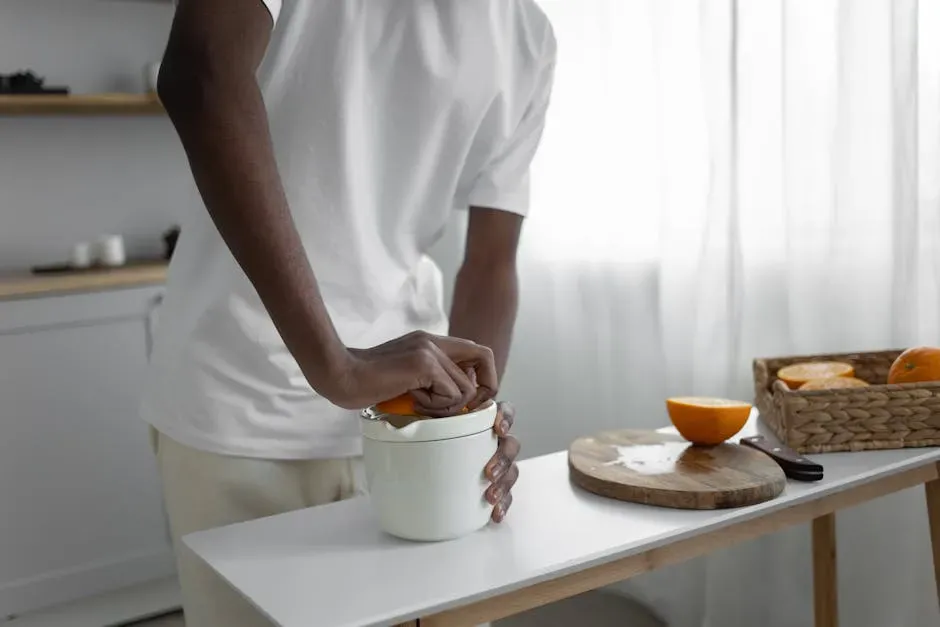
Let's be real, there was a moment when a shiny cold-press juicer on your countertop was basically a personality statement. Cold-press and centrifugal juicers had a massive cultural moment, fueled by wellness culture and juice bar aesthetics, and they found their way into countless home kitchens on the back of health trends, Instagram aesthetics, and the promise of daily green juice rituals. That promise was exciting. For about two weeks.
The reality? These machines are loud, difficult to clean, and honestly take up a ridiculous amount of counter space for how often most people actually use them. The countertop juicer has lost ground to simpler, less cumbersome alternatives. The shift in food culture away from restrictive diets and towards intuitive, balanced eating is now being directly reflected in the kitchen appliances people invest in, with whole-fruit blenders and simpler handheld citrus presses taking over for everyday use.
If the early 2000s can be characterized by a 'cut, cut, cut' approach to diet culture, the 2020s can be characterized by the holistic, 'intuitive eating' movement. We no longer fear carbs or sugar; we embrace the idea of balance, and this shift is now being reflected in the kitchen appliances we invest in. The juicer, a product born from restriction and ritual, no longer fits that ethos.
2. The Salad Spinner: Beloved by Chefs, Ignored by Everyone Else
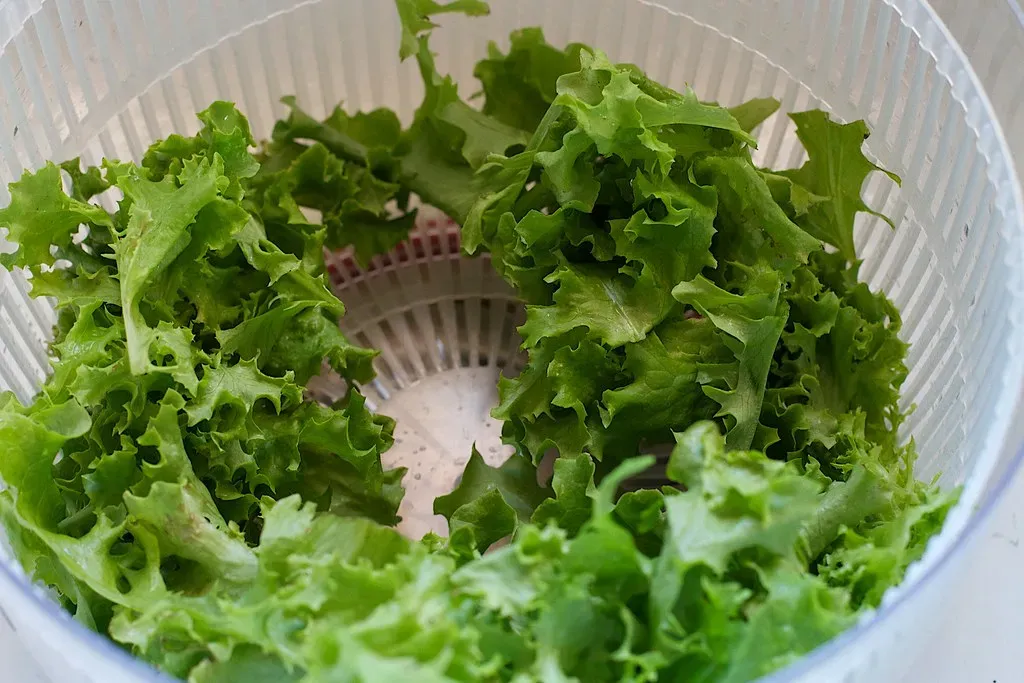
Honestly, the salad spinner might be the most misunderstood gadget on this list. Chefs genuinely love them. Home cooks? Not so much anymore. The problem is a practical one rooted in modern convenience. The near-universal availability of pre-washed, bagged salad greens in supermarkets has removed the primary reason most people owned one.
While salad spinners can often be thought of as bulky, single-use contraptions, they remain the best way to get clean and dry greens without damage or risk of wilting. Still, being labeled a bulky single-use item is exactly the kind of reputation that gets a gadget quietly retired. Think of it like a fax machine, technically still functional, technically still used by someone, but increasingly hard to justify owning.
The known negative constraint of the salad spinner market is its perception by customers as a non-critical home kitchen appliance, which creates less demand for it. One of the primary challenges is the perception of salad spinners as non-essential or single-use kitchen gadgets, particularly among budget-conscious consumers or those with limited kitchen space. The availability of alternative methods for washing and drying produce, such as colanders or towels, may also limit market penetration.
3. The Electric Egg Cooker: A Gadget That Does One Thing Too Few
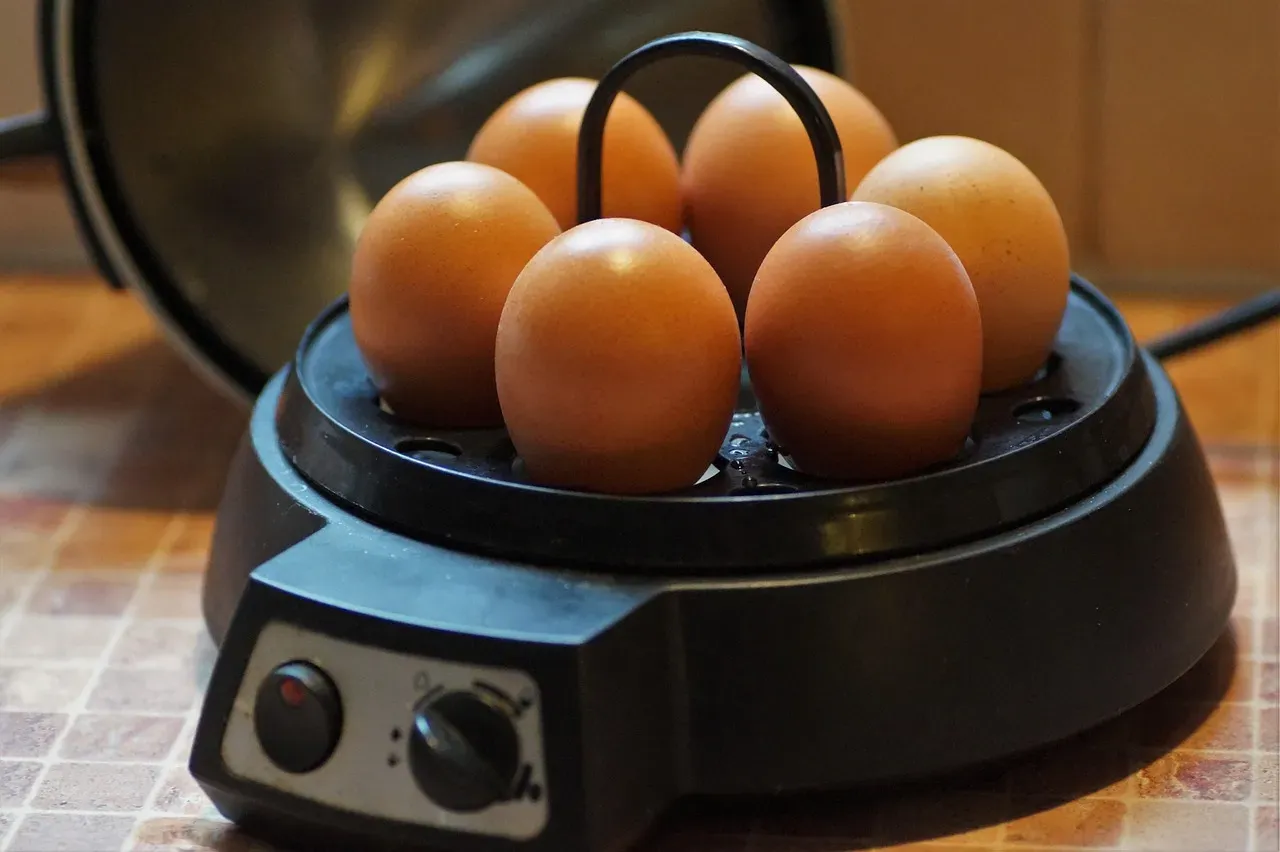
There was a time when the electric egg cooker felt genuinely clever. Push a button, walk away, get perfect eggs. What's not to love? The electric egg cooker enjoyed a genuine moment of popularity, promising perfectly cooked eggs at the push of a button. Today, however, it's being edged out by a combination of better cooking education and multifunctional competition.
While sleek air fryers and fancy coffee machines might be commonplace on countertops in the 2020s, the electric egg cooker remains a hidden gem primarily among older generations who know just how reliable the old-school kitchen tool can be. Younger home cooks, more confident in their stovetop skills and unwilling to dedicate precious counter space to a device that does one thing, are largely passing on this gadget.
Whether an electric egg cooker is worth it can depend on your cooking habits and the available space in your kitchen. Some might find them to be an unnecessary appliance if they are comfortable with traditional methods or if they have limited space for additional gadgets. In today's kitchens, a gadget with a single function needs to be truly exceptional to earn its square footage.
4. The Multifunctional Grater Set: Viral One Month, Forgotten the Next
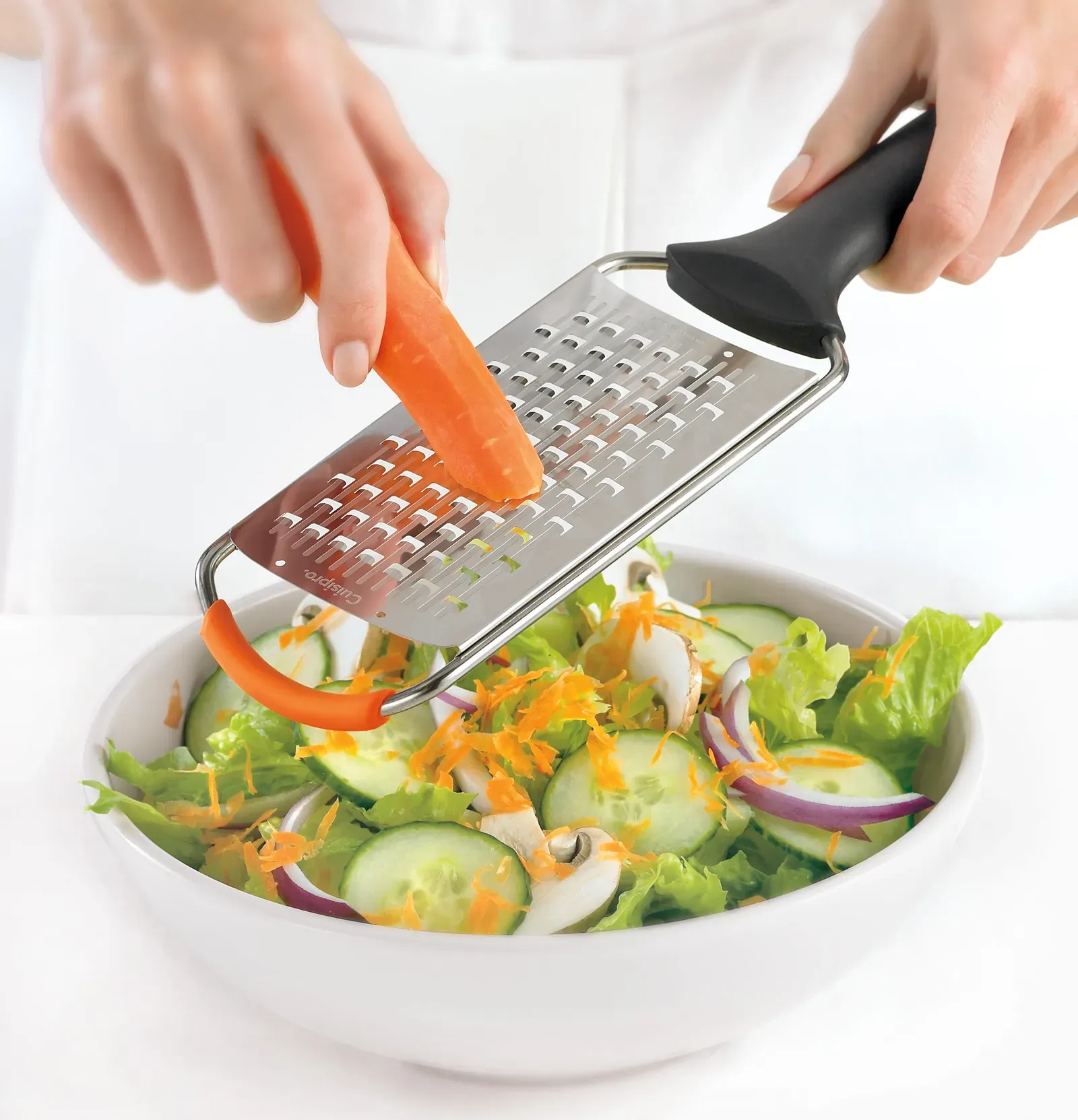
Here's a classic case of social media hype meeting cold, hard reality. Box graters and elaborate multi-grater sets once occupied a prime spot in the kitchen drawers of home cooks who took their meal prep seriously. They were a staple gift and a perceived kitchen essential. TikTok briefly gave them a second wind, but the wave crashed fast.
Rotary cheese graters saw search volumes decline by more than 7% month-on-month in mid-2025, while multifunctional graters suffered a staggering 92.8% search volume drop since January 2025, signaling significant oversaturation in this product category. That drop is not a small blip. That is a collapse in consumer interest.
Search interest for smart kitchen gadgets surged to a normalized peak of 100 in December 2024 and 79 in May 2025, indicating that consumer attention is rapidly pivoting toward smarter, more connected solutions. The multi-grater set, by contrast, offers no connectivity, no versatility beyond its narrow function, and takes up significant drawer or cabinet space. In the age of smart kitchens, analog clutter has become the enemy.
5. The Instant Pot: From Kitchen Hero to Crowded Market Casualty
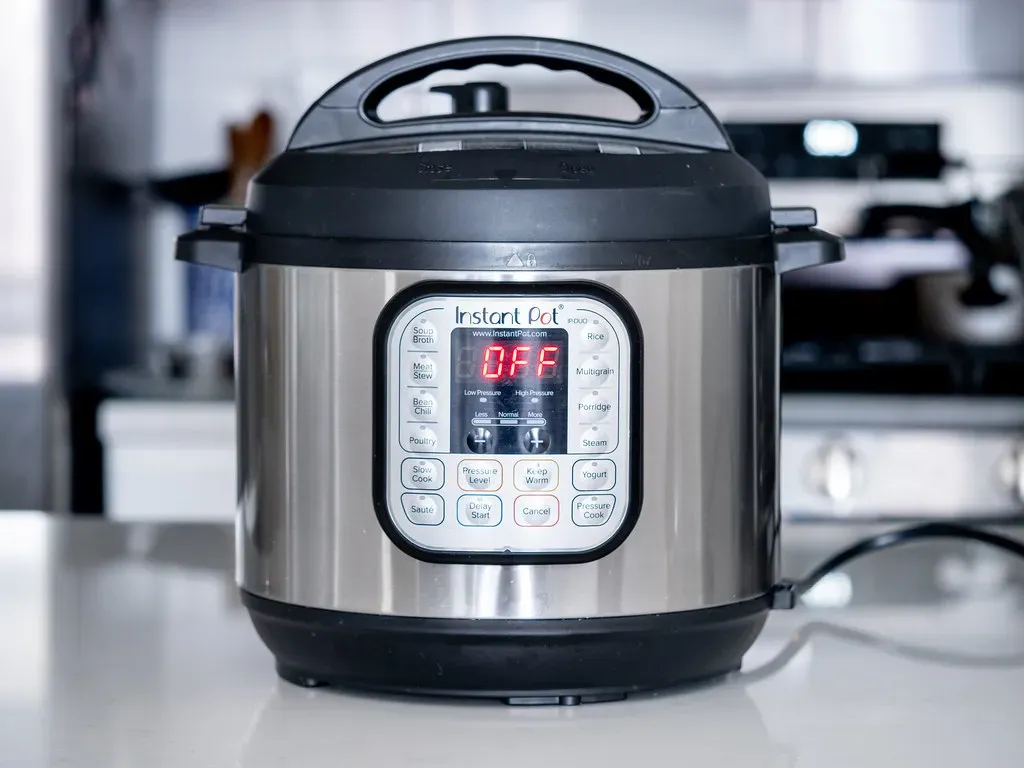
It feels almost controversial to say it out loud, but the Instant Pot era is winding down. Not because the product is bad, it is genuinely useful, but because the market got flooded and the novelty wore off. The pressure cooker market also became saturated with competitors offering similar features, which eroded the Instant Pot's market share and made it difficult to sustain its dominance.
Kitchenware is evolving to meet the demands of modern living. Multifunctional and space-saving solutions are becoming increasingly popular, catering to those who want to maximize their kitchen's potential without sacrificing style or functionality. All-in-one kitchen appliances have become indispensable cooking tools, offering multiple functions that save time, space, and energy. The Instant Pot was once that device. Now, smarter competitors have overtaken it.
I think what really happened is that people bought Instant Pots with huge ambitions for weekly meal prep, then realized their lifestyle just did not match the device. As we look towards 2025, it's clear that the kitchen is no longer just a functional space. It's becoming a powerful expression of personal values, lifestyle choices, and environmental consciousness, and the trends all point to a fundamental shift in how consumers view their kitchens. Single-use or single-purpose appliances, even good ones, are losing out to that shift.
6. The Standalone Countertop Juicer's Cousin: The Single-Use Smoothie Blender
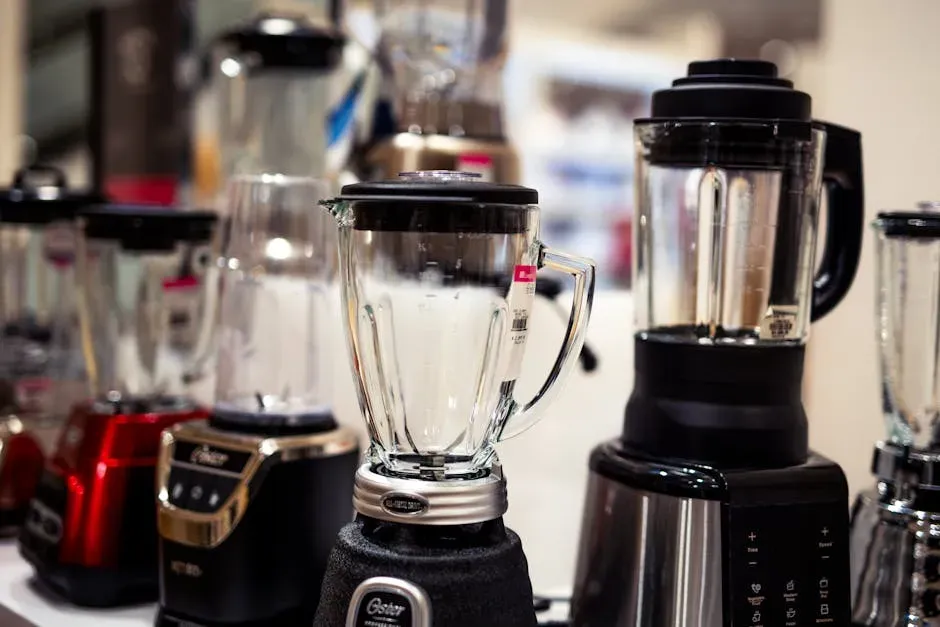
Personal blenders had their golden era. Little bullet-style blenders flew off shelves, fueled by the smoothie and meal-replacement boom. Today, however, the category is fighting hard for relevance. The past few years have seen a surge in kitchen gadgets designed for home cooks who want precise meal prep or effortless cleanup without compromising style, spanning essential utensils, food prep enhancers, beverage tools, and appliances including blenders, air fryers, and sous vide machines. The problem is that full-size blenders now do everything a personal blender does, and more.
Full-size blenders are very powerful but can be quite expensive and take up a lot of room in your cupboard or countertop. If you are short on counter space or cook for only one or two people at a time, a smaller blender may do the trick. The most useful bullet blenders are small but efficient and perfect for small-scale cooking. Yet even this narrow use case is being challenged by immersion blenders and multi-function machines that handle soups, sauces, and smoothies all in one.
The collapse of interest in single-function products mirrors a broader shift in how home cooks are thinking about their tools. Search interest for smart kitchen gadgets surged to a normalized peak of 100 in December 2024 and 79 in May 2025, indicating that consumer attention is rapidly pivoting toward smarter, more connected solutions. The kitchenware market in the US is set to hit $25.3 billion by 2027, driven by a perfect storm of culinary enthusiasm and evolving consumer values. This growth is attributed to a range of factors, including a surge in home cooking, a revival of entertaining at home, and an increasing focus on healthy eating and nutrition. The winners in that growing market will be versatile, smart, and space-efficient. Single-use gadgets, no matter how trendy they once were, are increasingly losing that race.
The Bigger Picture: Why Gadget Fatigue Is Real
Here's the thing. This is not just about a few specific products falling out of fashion. It reflects a much deeper shift in how people think about their kitchens and their relationship with stuff in general. The kitchenware market in the US is set to hit $25.3 billion by 2027, driven by culinary enthusiasm and evolving consumer values. This growth is attributed to a surge in home cooking, a revival of entertaining at home, and an increasing focus on healthy eating and nutrition. However, beneath these trends lies a deeper shift in consumer consciousness that's reshaping the very essence of kitchenware.
Today's kitchenware isn't just about functionality. It's a reflection of personal identity and values. Consumers are increasingly seeking products that align with their eco-conscious beliefs, turning their kitchens into showcases of sustainability, from bamboo utensils to recycled glass storage containers. A grater that went viral on TikTok does not fit that vision, no matter how clever the marketing is.
According to a 2024 survey by the National Kitchen and Bath Association, nearly 70% of home cooks invest in at least three specialty tools each year to improve efficiency and enjoyment in the kitchen. That spending is not disappearing. It is simply being redirected. Away from impulse buys and toward tools that genuinely earn their counter space, day after day. The gadgets that survive will be the ones that work harder, take up less space, and actually get used. Everything else? Quietly retired.
What do you think? Is there a kitchen gadget you have quietly given up on? Tell us in the comments.



Leave a Reply