
Something significant has been unfolding across two U.S. states, and the news has been hard to ignore. Residents are being urged - in some cases through formal government declarations - to prepare for disruptions to their food supply. Whether it's a federal benefits crisis, severe weather emergencies, or sweeping new restrictions on what food assistance can actually buy, the pressure on everyday Americans to take matters into their own hands has never felt more urgent. Here's a full breakdown of what's happening, why it's happening, and what it means for the hundreds of thousands of people directly in the crossfire.
Delaware and Virginia: The Two States at the Center of the Crisis
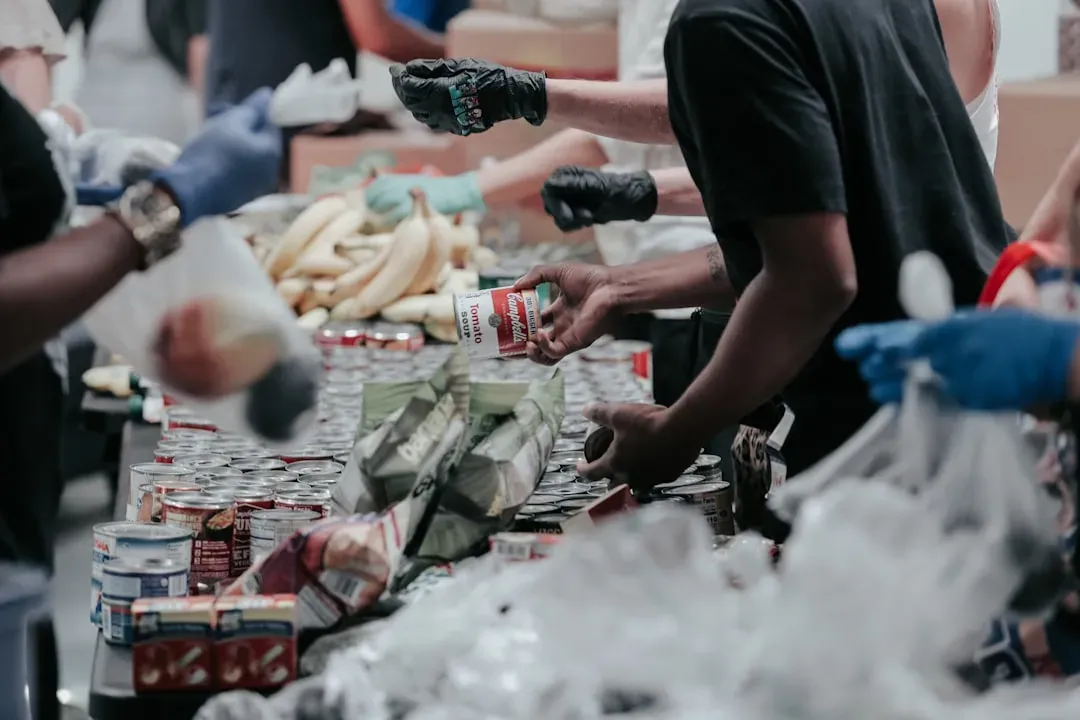
Delaware Governor Matt Meyer declared a State of Emergency in response to the federal government shutdown, citing the imminent threat to the Supplemental Nutrition Assistance Program (SNAP), which supports more than 120,000 Delawareans each month. The declaration wasn't symbolic. It allowed the state to temporarily continue SNAP benefits and redirect state funds to ensure families could access food assistance during the shutdown. Across the border, Virginia took similar action. Governor Glenn Youngkin announced the establishment of the Virginia Emergency Nutrition Assistance initiative, which would provide SNAP recipients with comparable state-supported funds sent directly to users' electronic benefit transfer cards.
Together, these two states cover a combined at-risk population that has been estimated in the range of hundreds of thousands of residents dependent on federal food assistance. As SNAP benefits lapsed on November 1, 2025, state governments scrambled to find ways to fill the void - the program serves more than 40 million people across the country, and the shutdown brought benefits to a halt, raising concerns over where millions of people who rely on the program would turn for food. The scale of the disruption was unlike anything seen in recent memory. The Agriculture Department said in a message on its website in late October that payments would not be issued on November 1 - the first time in recent history that the program had been suspended because of a shutdown.
What Triggered the Emergency: A Federal Shutdown That Hit Food Benefits Hard
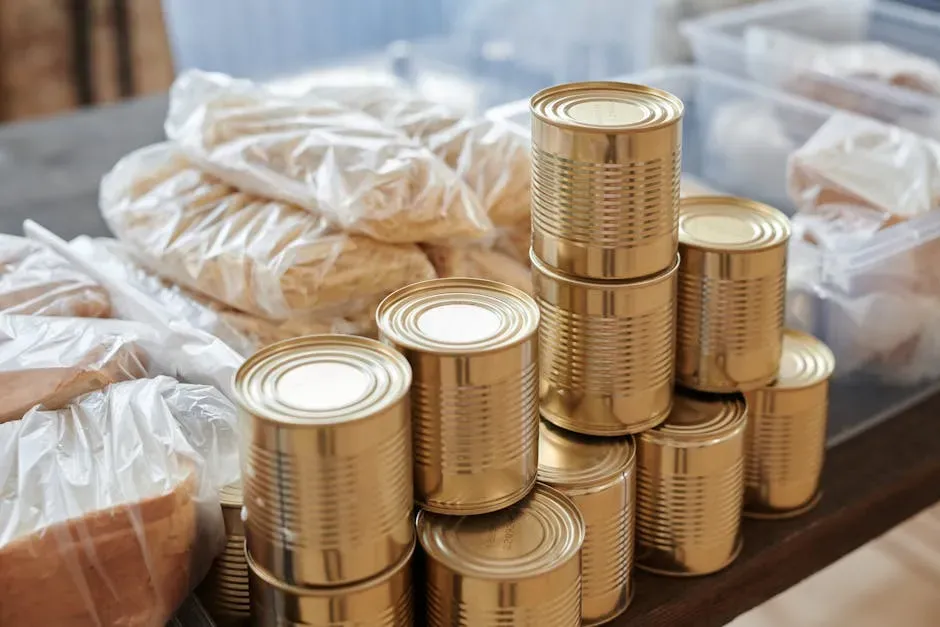
The U.S. Department of Agriculture announced that it would stop distributing payments for essential food assistance through SNAP starting November 1, and suspending these payments would force tens of millions to cut back on food, undermining their human rights. The crisis was immediate and deeply political. Twenty-five states and the District of Columbia sued the Trump administration, calling the suspension of SNAP funds "unlawful," while the government shutdown began on October 1 as Congress was unable to agree on legislation to fund federal government operations. The legal battles didn't stop the real-world consequences for families already living paycheck to paycheck.
Federal officials announced that benefits under the Supplemental Nutrition Assistance Program would not be available on November 1, affecting 42 million Americans. That figure includes millions of working parents, elderly residents, and children who depend on SNAP not as a luxury but as a lifeline. Some governors provided emergency funds to support food banks as SNAP benefits lapsed on November 1, with state governments trying to find ways to fill the void. Delaware and Virginia moved fastest among the states, making their emergency responses the most closely watched in the country.
West Virginia: A State Perpetually in Emergency Mode
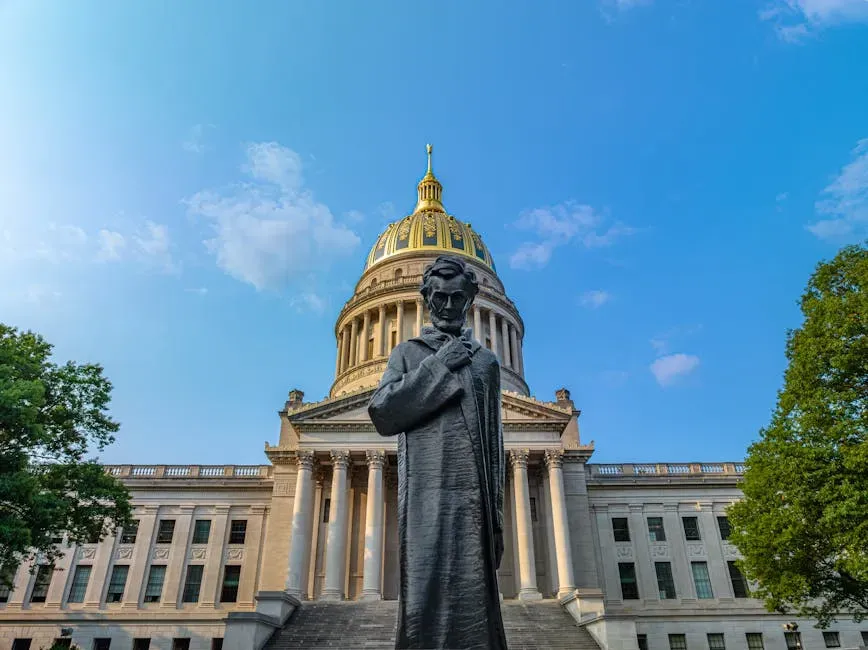
West Virginia Governor Patrick Morrisey declared all 55 counties under a State of Preparedness in January 2026, in light of an upcoming winter storm bringing bitter cold temperatures and heavy snow, with the National Weather Service issuing a Winter Storm Watch for most of the mountain state. This was not an isolated event. FEMA records show that West Virginia has faced a series of major disaster declarations, including a severe storms, flooding, landslides, and mudslides event in February 2025 and another emergency declaration as recently as January 2026. The cycle of crises leaves residents in a near-permanent state of food insecurity.
The State of Preparedness declaration allowed the West Virginia Emergency Management Division to prepare staff and resources to respond in the event of an emergency, with state agencies placed on standby and prepared to report to the State Emergency Operations Center if needed. Residents were urged to check their pantries and prepare for potential supply disruptions. West Virginia was also one of five states that implemented new SNAP food restrictions approved by the U.S. Department of Agriculture, and throughout 2026, at least 13 more states are on track to start similar restrictions. The combined effect of weather emergencies and benefit restrictions has left West Virginia families navigating an unusually difficult environment.
The SNAP Restriction Wave: What the New Rules Actually Mean
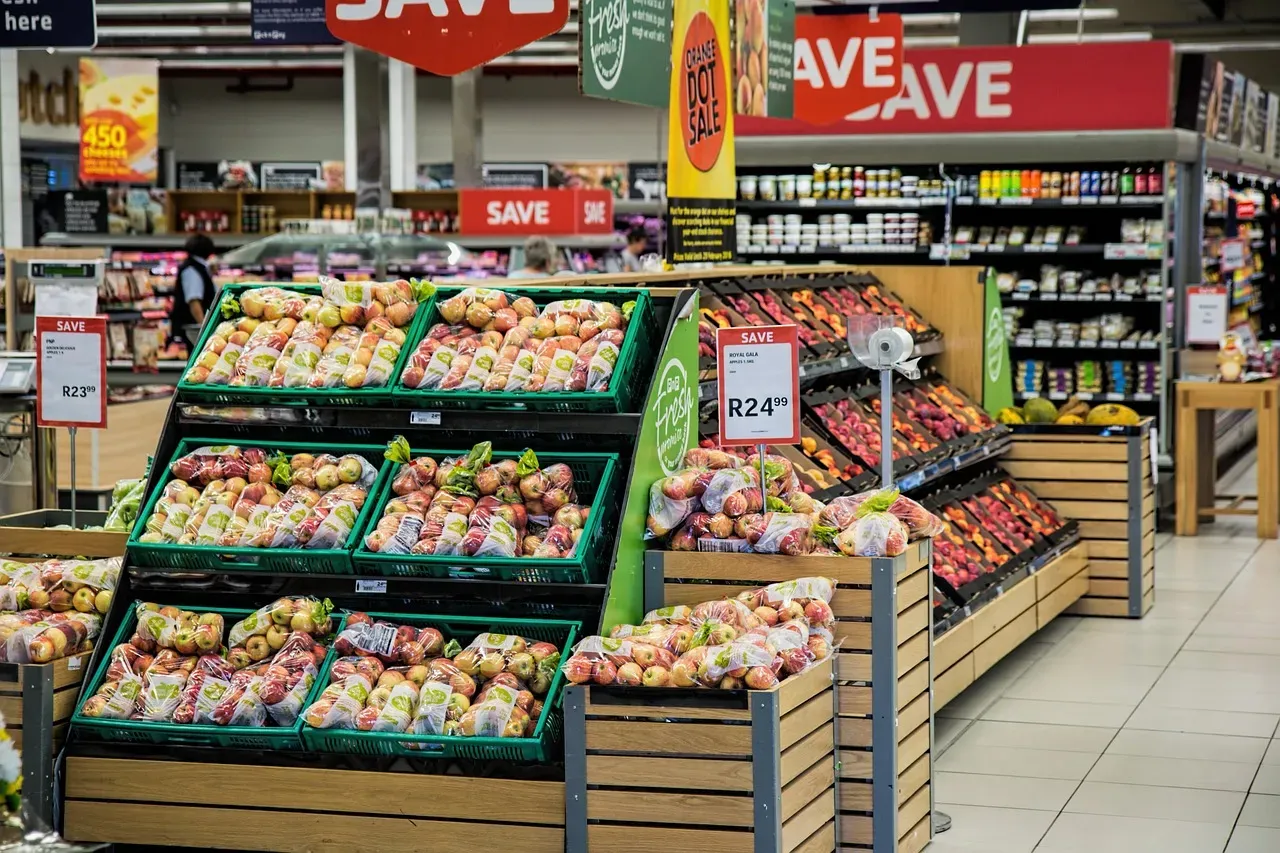
The U.S. Department of Agriculture approved waivers in 18 states, allowing for the first-ever restrictions on food purchases through the Supplemental Nutrition Assistance Program, with those on the ground in states that have already implemented these restrictions reporting confusion over what items are now prohibited - and retailers warning that compliance costs could increase food prices for all consumers. This is a sweeping change. The restrictions are the result of policies promoted by the Make America Healthy Again movement, which has found increased support in both federal and state governments, with the types of foods restricted varying widely state by state - in West Virginia, for example, SNAP participants can no longer use benefits on soda, but confusion remains among shoppers about what the term "soda" includes.
At the very end of 2025, the USDA issued additional guidance detailing penalties related to the restrictions, setting a 90-day grace period after each state's implementation date before enforcement begins - for the first states that implemented the waivers on January 1, that means enforcement started on April 1, 2026. The enforcement mechanism itself has retailers nervous. After the grace period, retailers receive one warning if caught incorrectly applying the restrictions, and upon a second error, the retailer could be involuntarily removed from the SNAP program entirely - raising real concern that many retailers could be pushed out of the program even if they are trying their best to comply.
The Bigger Picture: A Global Shift Toward Food Stockpiling
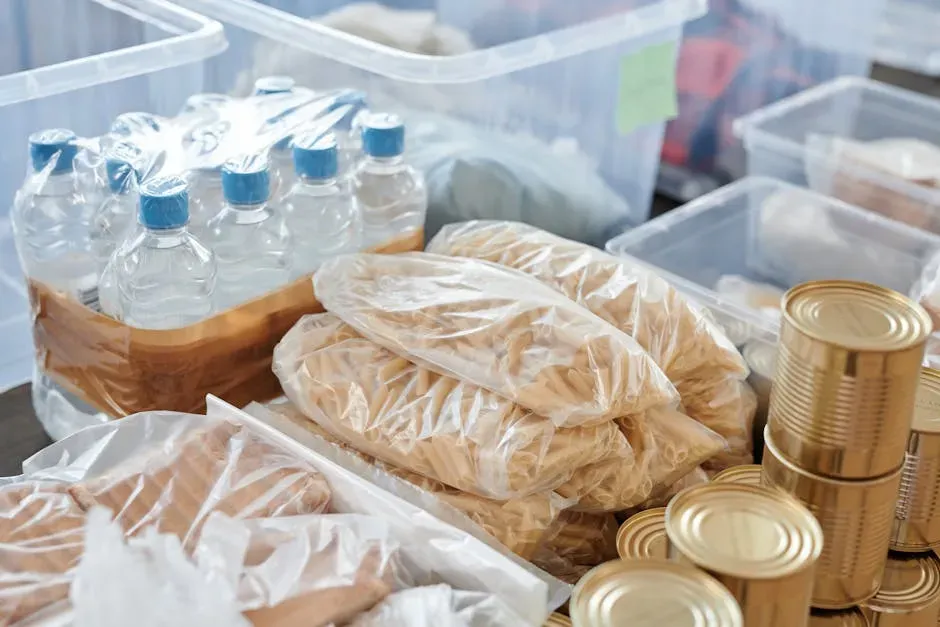
Climate change has become a more immediate driver of defensive food policy - not because food is unavailable globally, but because governments increasingly doubt they will be able to access it when weather shocks hit, with climate-driven volatility now one of the fastest-growing triggers of state intervention, according to the World Bank's April 2025 review of strategic grain reserves. The U.S. situation doesn't exist in a vacuum. The European Union told its citizens to stockpile enough food and other essential supplies to sustain them for at least 72 hours in the event of a crisis, warning that Europe faces a new reality marked by risk and uncertainty, citing Russia's full-scale war in Ukraine, rising geopolitical tensions, sabotage of critical infrastructure, and electronic warfare.
Norway, one of the world's richest and most trade-dependent economies, has begun rebuilding emergency grain reserves for the first time since the end of the Cold War, with the government contracting private operators to hold roughly 30,000 tonnes of wheat across 2024 and 2025, framing the move as a response to pandemic disruption, heightened geopolitical risk, and climate uncertainty. Meanwhile, Sweden has set aside $63 million to re-establish emergency food stockpiles, with plans to bank enough for each citizen to have 3,000 calories every day for a year. What was once considered extreme preparedness planning is now mainstream government policy on multiple continents.
What the Data Shows About Food Insecurity Right Now
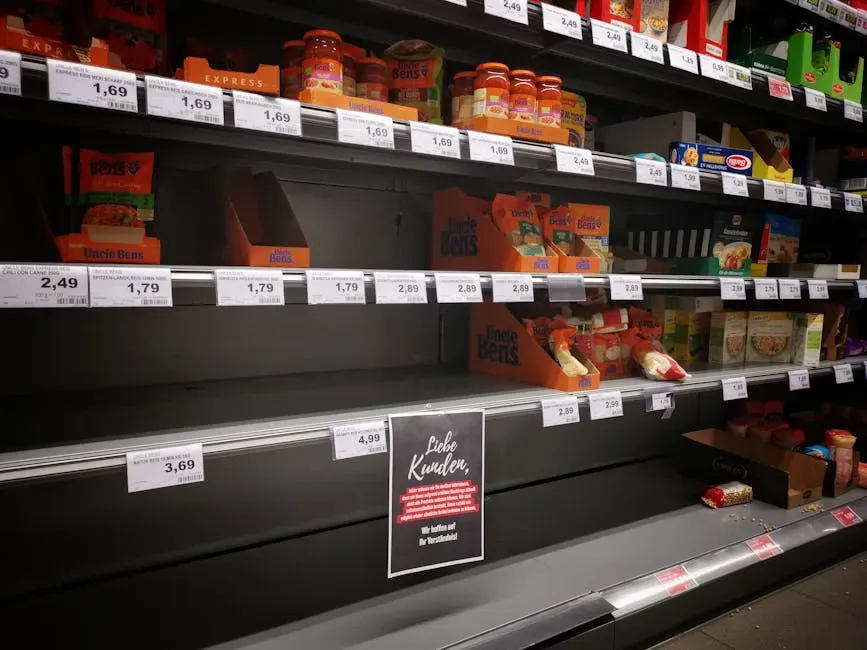
The 2025 Global Report on Food Crises, released in May, reports that 295.3 million people across 53 countries faced acute food insecurity in 2024 - representing a tripling of the number of people facing acute hunger since 2016 and a doubling since 2020. This is not a distant problem. Food supply disruptions are expected to continue into 2026, driven by climate stress and supply chain delays, with power reliability remaining uncertain as grids face higher demand and extreme weather. Families living through these pressures are being told - both explicitly by authorities and implicitly by empty shelves - that preparation is no longer optional.
Experts continue to warn that global food systems remain vulnerable to climate extremes, transportation delays, and rising production costs - which doesn't mean food disappears overnight, but does mean availability and pricing can change quickly, particularly because when disruptions hit, grocery stores rely on just-in-time delivery, and once shelves thin out, restocking takes time. The practical advice from emergency management agencies is consistent: it's always good to be prepared in case of an emergency, and in general, having an emergency food supply that includes several days of non-perishable foods is a sensible starting point. For the hundreds of thousands of residents in Delaware, Virginia, and West Virginia who have already felt these disruptions firsthand, that advice is no longer theoretical.




Leave a Reply