
Every time you sit down at a restaurant table, you're placing a remarkable amount of trust in a kitchen you can't see. You trust strangers to handle, store, and cook your food safely - which, honestly, is a pretty big leap of faith. Most restaurants get it right. But some don't, and the gap between a clean kitchen and a dangerous one can be terrifyingly narrow.
What's unsettling is that the warning signs are almost always there, hiding in plain sight - if you know where to look. So let's get into the three most telling red flags that should have you reconsidering your next meal out.
Red Flag #1: Pest Evidence That No Amount of Dimmed Lighting Can Hide
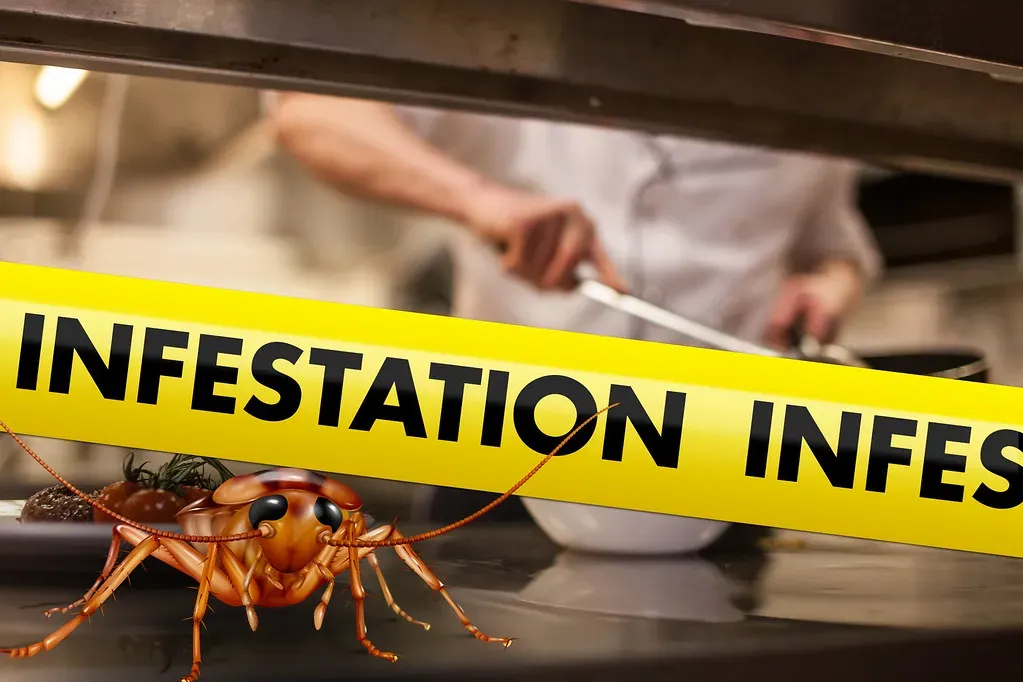
Let's be real - no restaurant wants to talk about roaches. Yet pest infestations remain one of the most commonly cited and most consequential reasons health departments shut restaurants down. Pest control violations make up roughly a fifth of a restaurant's entire health inspection score, meaning poor pest management can single-handedly tank a rating. That's not a small thing. That's a category that can demolish an otherwise decent establishment.
German cockroaches hold the grim title of the number one pest problem in U.S. restaurants. These resilient insects reproduce quickly, hide in tiny crevices, and spread disease-causing bacteria across food preparation surfaces - and they emit pheromones that attract even more cockroaches, causing populations to explode rapidly once established. Think of it like a chain reaction that starts with one roach behind the dishwasher and ends with a full-blown infestation within weeks.
A single pest sighting can result in immediate closure if it occurs during a health inspection. Inspectors have the authority to shut down restaurants showing evidence of active infestations or pest-related contamination, and even customer-reported sightings can trigger emergency inspections that lead to closure if violations are confirmed. In other words, you don't need a swarm - you need one unlucky cockroach crossing the floor at the wrong moment.
Dozens of Los Angeles County restaurants, coffee shops, and stores were temporarily shut down by the health department after failing inspections in October 2025, and the majority of those closures were due to "vermin infestation," which includes rats, mice, and insects. This is not an isolated city problem. It's nationwide, and it's ongoing. If you notice droppings near a condiment station, gnaw marks on packaging, or spot any live creature near food prep areas, trust that instinct and walk out.
Red Flag #2: Improper Food Temperatures - The Invisible Killer on Your Plate

Here's the thing about temperature violations - unlike a visible roach, you cannot see bacteria multiplying in a lukewarm bowl of soup. That invisibility is precisely what makes this red flag so dangerous. According to the Centers for Disease Control and Prevention, improper temperature control is one of the top five causes of foodborne illness outbreaks in food service operations. Bacteria can multiply rapidly when food is kept in the "danger zone," with some pathogens doubling in number every 20 minutes.
The most common proliferation contributing factor identified in foodborne illness outbreaks was improper or slow cooling of hot food, accounting for more than one in ten outbreak contributing factors studied. That's a staggering number when you consider how routine cooling tasks are in any busy kitchen. A pot of soup left to cool too slowly at room temperature isn't just a minor oversight - it's a potential health crisis for every diner who orders it the next day.
Improper thawing - such as allowing frozen food to thaw at room temperature or leaving frozen foods in standing water for prolonged periods - allows pathogens to multiply dangerously, as does prolonging preparation time by preparing too many foods at once. These are not exotic scenarios. These are everyday kitchen shortcuts that occur when staff is overworked or undertrained.
In 2024, inspections of seafood restaurants in several coastal towns showed widespread dangerous practices, including improper storage temperatures and lack of proper marking for allergens, offering major risks to customers - particularly those with dietary sensitivities. Health offices reacted by issuing fines and briefly closing several businesses until compliance was reached. The customer-facing signs? Food that arrives lukewarm when it should be steaming. Buffets with no visible temperature controls. These are your clues.
Red Flag #3: Visibly Dirty Surfaces and the "If You Can See It, Imagine What You Can't" Rule
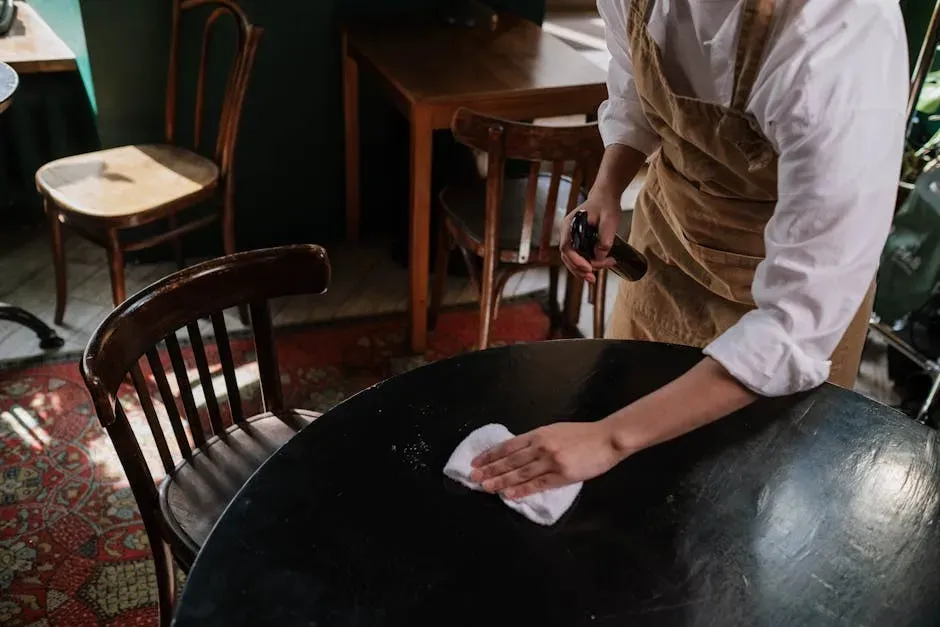
I know it sounds obvious, but dirty surfaces are more revealing than most diners realize. They're not just an aesthetic problem - they're a window into the entire operating culture of a kitchen. During routine restaurant inspections, the most commonly cited violations were for unclean surfaces of equipment that did not contact food, and floors or walls appearing unclean, poorly constructed, or in poor repair. If inspectors find it that often, imagine what a trained eye would catch in a poorly managed establishment on a random Tuesday night.
According to research, there is at least one food worker action in every restaurant that leads to cross-contamination. That's not a worst-case scenario - that's the statistical baseline. When surfaces aren't properly sanitized between tasks, that risk compounds fast. A cutting board used for raw chicken and then barely wiped down before slicing tomatoes is a textbook contamination event waiting to happen.
Restaurant industry consultant Alan Guinn, with more than 25 years of experience, has noted that in his entire career, he has never been in a restaurant with a poorly maintained restroom that had a stellar kitchen or served a superior food product, calling restrooms an immediate indication of the attention to detail that can undermine food quality. That's a bold and honestly brilliant observation. The bathroom is the easiest proxy for what's happening behind closed kitchen doors.
One real-world example from 2025 showed an inspection score of 95 with eight critical violations related to food temperatures, raw foods handled with potential for cross-contamination, mice, roaches and flies, as well as inadequately cleaned food prep surfaces and inadequate facilities for storing foods at correct temperatures. A perfect storm of failures, all visible to an inspector walking through the door. Sticky menus, grimy condiment bottles, stained tablecloths - none of these are accidents. They're symptoms.
The Scale of the Problem Is Bigger Than You Think
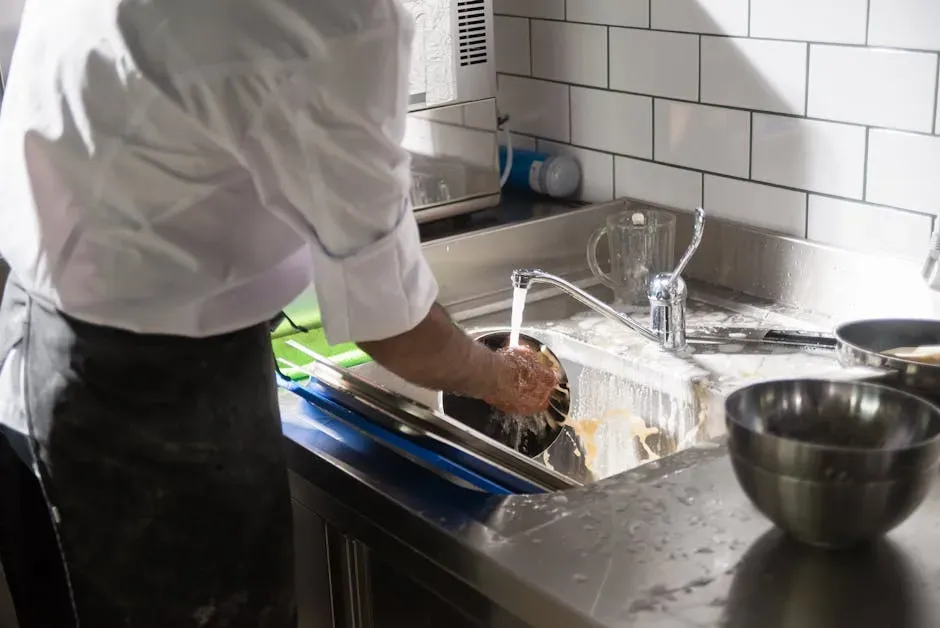
This isn't rare. It isn't limited to a few bad actors. The scale of foodborne illness in the United States alone is staggering, and restaurants are at the center of it. Each year, an estimated 48 million people in the United States suffer from food poisoning, of which 128,000 are hospitalized and 3,000 die, according to the CDC. That's nearly one in six Americans getting sick from contaminated food every single year.
Around 800 foodborne outbreaks are reported to the Centers for Disease Control and Prevention every year, and the majority of them happen in restaurants, outpacing all other food preparation settings combined. Restaurants are the leading venue for these events, not food trucks, not home kitchens - restaurants. The scale of daily food handling in commercial kitchens, combined with staff turnover and pressure to serve quickly, creates a recipe for repeat violations.
A majority of food establishments that experienced foodborne disease outbreaks received at least one critical violation on their last routine inspection before the outbreak occurred. Read that again. The warning signs were already there in most cases. The inspection had already flagged the danger. This means the data is telling a consistent story: critical violations are predictive, not coincidental.
In 2024, the Mayor's Management Report for New York City revealed that restaurant inspections were down a staggering 17% from the previous year. Fewer inspections mean more opportunities for violations to go undetected for longer. Think of the inspection system as a net - with more holes in it, more falls through unchecked.
What Inspectors Actually Look For When They Walk In
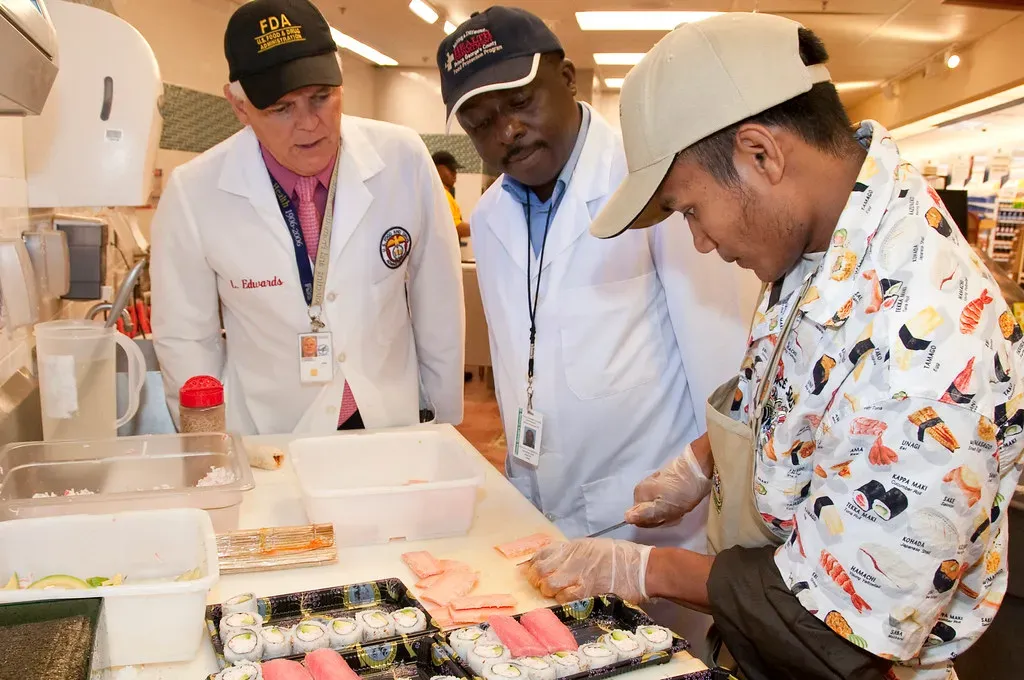
Health inspectors are trained to move fast and look smart. They know exactly where restaurants try to hide problems, and they know what cascades from one violation to another. There are a number of red flags that health inspectors look for, from overworked employees who could mean shortcuts are being taken, to unmarked bottles and even the state of the bathrooms. Nothing is off-limits in a proper inspection, and honestly, nothing should be.
Critical violations are defined as those "which are more likely to contribute to food contamination, illness, or environmental degradation and represent substantial public health hazards most closely associated with potential foodborne disease transmission." These aren't bureaucratic technicalities - they're the categories most directly linked to people getting sick. Inspectors weight these heavily, and so should diners.
Visible evidence of pest activity - droppings, nests, or live sightings of rodents, flies, or cockroaches - are clear violations, as are food storage issues like unsealed containers or exposed ingredients that attract pests and contaminate food, and structural problems like gaps in walls or poorly maintained entry points that provide easy access for infestations. Inspectors take a holistic view. A gap in a baseboard isn't just cosmetic - it's an open invitation.
In March 2025 alone, Florida Department of Business and Professional Regulation data showed that of 944 inspections across Miami-Dade County, 797 restaurants passed on the first visit - while 147 did not, and were flagged among those with the most violations in the preceding 30 days. Nearly one in six restaurants failing on a first inspection in a single county, in a single month. That number deserves real attention.
What You Can Do Before You Even Sit Down

You're not powerless here. Honestly, diners have more tools available to them than most realize, and using them requires almost no effort. In New York City alone, health inspection results for the city's 29,000 restaurants are publicly searchable, with the health department conducting unannounced inspections at least once a year. Many other cities and states operate similar public portals. Before booking your next dinner reservation, a quick search could tell you a great deal about what's happening in that kitchen.
If you arrive at a restaurant and find open dumpsters, trash and cigarette butts on the ground, that's a sign worth heeding - and dirty windows and doors are also an indicator that the establishment isn't focused on cleanliness, something that may carry over into the areas where your food is prepared. The exterior of a restaurant is its first impression, and a neglected exterior almost always signals a neglected interior.
Once inside, the first thing you hold in your hand can wave a red flag - dirty, torn, or stained menus signal that the waitstaff isn't adequately trained or that the manager doesn't pay attention to the restaurant environment. If the staff isn't paying attention to this detail, they may be missing even bigger things. It sounds almost silly, but the state of a menu is genuinely diagnostic. A menu that gets cleaned between services is a menu that reflects the culture of that kitchen.
Severe violations that pose an immediate risk to public health - such as lack of running water, pest infestations, or unsafe food temperatures - can lead to immediate closure. These aren't theoretical scenarios relegated to the news. They happen every week, in every major city, in establishments that may look perfectly fine from the outside. Your best defense is awareness, curiosity, and the willingness to trust your instincts when something feels off.
Conclusion: Your Gut Is a Better Inspector Than You Know
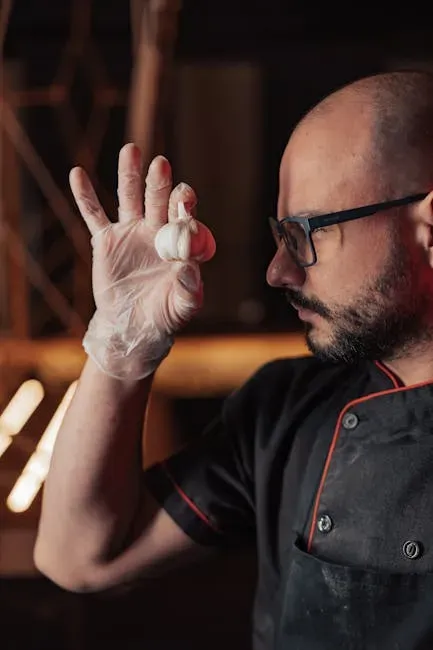
The data paints a clear and, yes, slightly uncomfortable picture. Food safety violations are not rare exceptions - they are a systemic and ongoing challenge that affects diners every single day. The three red flags explored in this article - pest evidence, temperature failures, and visible contamination - are not hypothetical scenarios. They are the most cited, most dangerous, and most preventable causes of foodborne illness in restaurants today.
The good news is that awareness is genuinely protective. Restaurants with strong inspection scores, clean exteriors, attentive staff, and properly maintained dining areas are not rare either. They exist everywhere, and they deserve your business. The ones cutting corners are usually giving themselves away - if you know what to look for.
So the next time you walk into a new restaurant, take thirty seconds to look around before you sit down. Check the bathroom. Look at the menus. Notice the floors near the kitchen door. Your instincts are sharper than any inspection app. What would you have noticed that you might have ignored before?




Leave a Reply