
Most diners walk into a restaurant and assume the service they receive is entirely out of their hands. You sit down, you order, you wait. What happens next feels like a lottery. Honestly, that's not quite how it works from the other side of the kitchen door.
The truth is that certain behaviors, small and easily overlooked, can quietly tilt the entire experience in your favor. Servers notice. Chefs notice. And the data backs this up more than most people realize. Curious what those habits are? Let's dive in.
Habit #1: Time Your Visit Like a Pro, Not Like Everyone Else
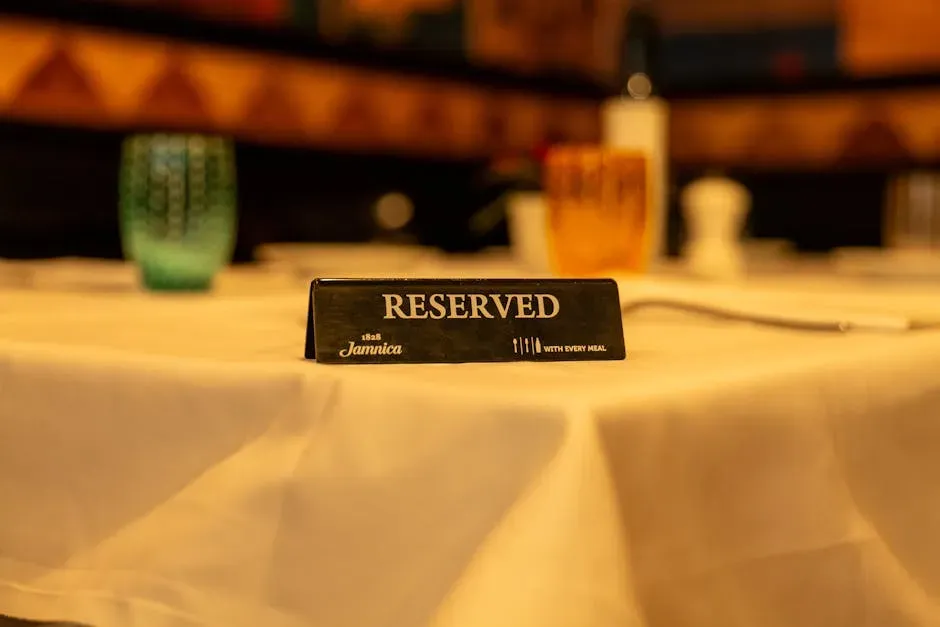
Here's the thing most diners never think about. The moment you walk through those doors matters enormously. The most popular time for a restaurant reservation in the United States is around 7 p.m. It feels like the safe, logical choice. Peak hour, full atmosphere, buzzing energy. What's not to like?
Plenty, as it turns out. As top British chef Dave Strauss noted, going early is better because the kitchen is "unstressed." It's the start of service, so the kitchen will have fewer orders to juggle, and even if the restaurant fills up quickly, the chefs should be less tired.
The food quality may even be better, since chefs won't be spread thin across a bunch of orders, allowing for more attention to detail on your plates. The same goes for service: arrive early, and servers will be less tired and managing fewer tables, allowing for a better experience.
Early dinner reservations between 5 and 6 p.m. offer significant advantages. Restaurants operate well below capacity during these hours, providing quieter environments and more attentive service, and you'll secure preferred seating locations without competition from prime-time diners. Think of it like being at a grocery store right when it opens. Everything is fresh, the staff is sharp, and nobody is rushing you out the door.
Weeknight dining also attracts fewer crowds than weekend mayhem. Tuesday through Thursday sees restaurants operating at roughly sixty to seventy percent capacity versus weekend saturation, and service quality improves when servers handle fewer tables, kitchen staff work under less pressure, and managers have bandwidth for quality oversight.
I know it sounds a little counterintuitive to skip that coveted 7:30 slot, but restaurant insiders have been saying this for years. While "Top Chef" alum Chris Scott recommends shifting your reservation time to earlier than peak hours, restaurant owner Tanner Agar prefers making reservations around 9 p.m., just after the peak dinner rush, when the rush is over but it's not so late that staff are irritated by having the last guest in the dining room.
Habit #2: Treat Your Server Like an Actual Human Being
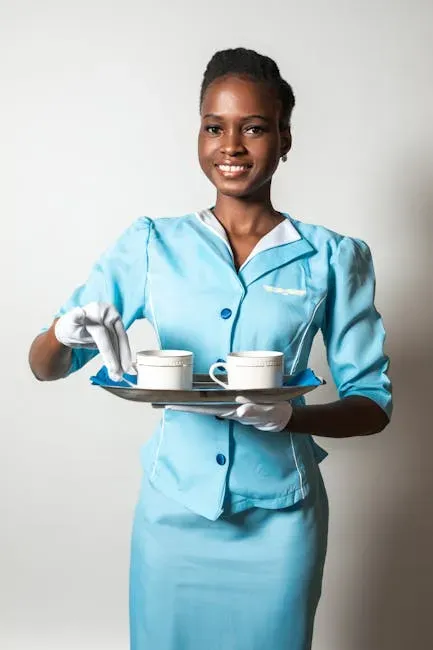
This sounds so obvious that you might be tempted to skip this section entirely. Don't. Ever wondered why some diners seem to get the VIP treatment with extra refills, complimentary sides, and better seating? It's not necessarily a result of tipping huge sums of cash, but likely because that customer has mastered the art of building positive rapport and fostering goodwill with their servers.
Restaurant manager Rishabh Khosla believes that certain habits can encourage better cooperation. Making a good first impression by greeting your server warmly, communicating your order concisely, and politely phrasing any additional requests all make a measurable difference.
Research data supports this. Eye contact and smiling from staff has been shown to boost tip averages significantly in studies, and personalization like name usage increased satisfaction by about twenty-two percent per staff interaction according to 2024 data. The relationship, in other words, flows both ways.
Certain phrases like "please" and "thank you" cushion how requests land. It's also important to phrase requests as courteous questions rather than demands. Something as small as saying "Could you help me with this?" instead of "I need this now" changes the entire dynamic at the table. It's the difference between being a guest and being a problem.
Research confirms the stakes here. Sixty percent of guests say that a negative experience with a server is the main reason they won't return to a restaurant, and eighty-nine percent of consumers are more likely to make another purchase after a positive customer service experience. The emotional exchange runs deeper than most of us appreciate.
Patience is key, particularly when things don't go perfectly. Reacting calmly rather than with frustration shows respect and empathy for staff who are managing pressure, preventing added stress that can affect service quality. Nobody gives their best to someone who is making their job harder.
Habit #3: Tip Consistently, Not Just When You're Feeling Generous
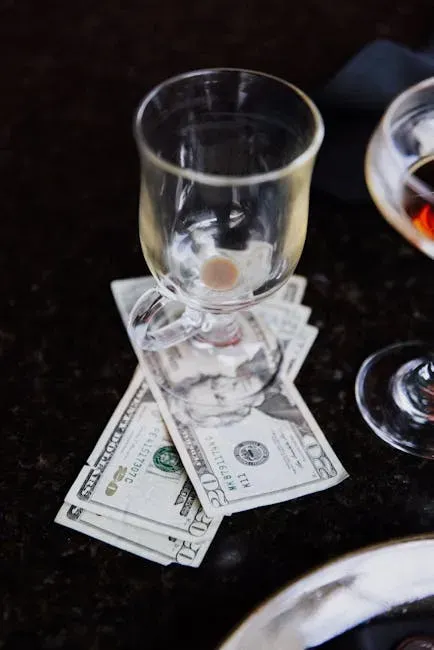
Let's be real. Tipping in America has become a complicated, emotionally loaded topic. If you feel like you're being asked to tip more often than before the pandemic, you're not alone. According to Pew Research Center, roughly three quarters of adults in the United States say tipping is expected in more places compared to five years ago.
Toast Q3 2024 data shows total tips averaged 18.8%, the same as Q2 2024. Average full-service restaurant tips remained flat at 19.3% in Q3 compared to Q2. Yet despite these numbers holding steady, the frequency of tipping is declining in a troubling way.
Bankrate data shows Americans are tipping less frequently than in previous years, with only about sixty-five percent of diners at sit-down restaurants always tipping waitstaff, down from seventy-seven percent four years prior. That is a dramatic drop, and servers absolutely notice repeat guests versus inconsistent ones.
Here's the insider angle. Research by Michael Lynn suggests that one reason customers tip isn't just for receiving good service, but to get higher-quality service than other customers. It's a form of consumer competition. Consistent tippers get remembered. They get the better table next time, the extra attention, the little extras the kitchen sometimes sends out.
For full-service dining, tipping remains essential, ranging from twenty to twenty-five percent for excellent service, twenty percent for good service, to fifteen percent for satisfactory service. If you're a regular at a place, landing consistently in that upper tier signals to the staff that you're someone worth going the extra mile for.
In a full-service restaurant, it's important to tip at least twenty percent of your tab. Servers rarely get to keep all of those tips anyway, since they actually tip out the bar staff, food runners, and bussers. Think of your tip less like a performance score and more like a recurring investment in the quality of your future visits.
The Science Behind First Impressions at a Restaurant

There is something almost invisible happening in the first two minutes after you walk into a restaurant. Before you've even looked at the menu, your server has already formed an impression of you. It's human nature, backed up by psychology. And it shapes everything that follows.
Diners still value interaction with waitstaff and the hospitality element of eating out. The National Restaurant Association found that while a majority of customers appreciate technology options for ordering and payment, they consider it just one factor in a good experience. The atmosphere, service, and food quality ultimately carry more weight.
Research shows that eighty-two percent of fine dining patrons cited personalized service recommendations as a key satisfaction driver. That kind of personalization doesn't happen accidentally. It happens when a guest signals openness, warmth, and curiosity to the person serving them. Ask your server what they love on the menu. Ask about a dish you don't recognize. Show genuine interest.
The appeal of dining out centers around the overall experience, with factors like atmosphere, socialization, and special occasions being key drivers, while diners also seek higher quality food. When you lean into that experience rather than treating a meal as a transaction, everyone at the table, including the staff, responds differently.
How Being a Regular Unlocks a Whole Other Level of Service
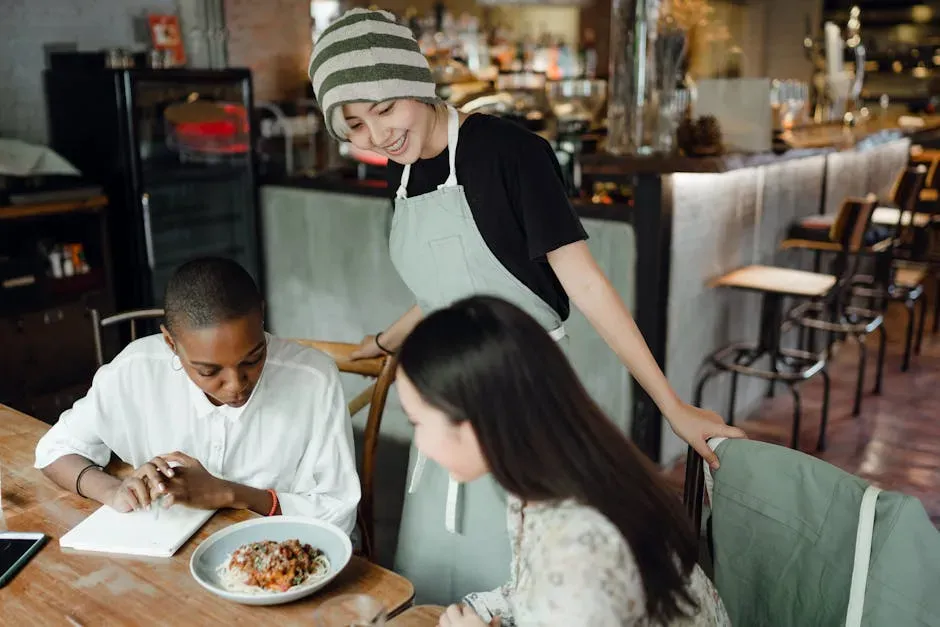
If you've ever walked into a restaurant and had the host greet you by name, you already know the feeling. It's warm. It's almost a little thrilling. It's also entirely achievable, and it doesn't require a famous face or a black credit card to get there.
Loyalty program members visit restaurants about twenty percent more frequently and spend about twenty percent more per visit compared to non-members. Restaurants notice this. Regular guests who come back consistently, especially during off-peak hours, become genuinely valued by the team.
The three pillars of building genuine loyalty with a restaurant are Rewards, Relevance, and Recognition. Recognition, in particular, makes customers feel seen and appreciated, strengthening emotional loyalty. When the kitchen knows you appreciate their work, they're more inclined to show that appreciation right back through special attention to your meal.
Good reservation etiquette comes down to treating your booking like you mean it. Show up when you say you will, call if plans change, and be honest about your party size. The restaurants that notice you're reliable are the ones who'll work with you when you really need that favor, like squeezing you in at the last minute or holding your table when you're stuck in traffic.
The One Table Habit That Almost Nobody Talks About
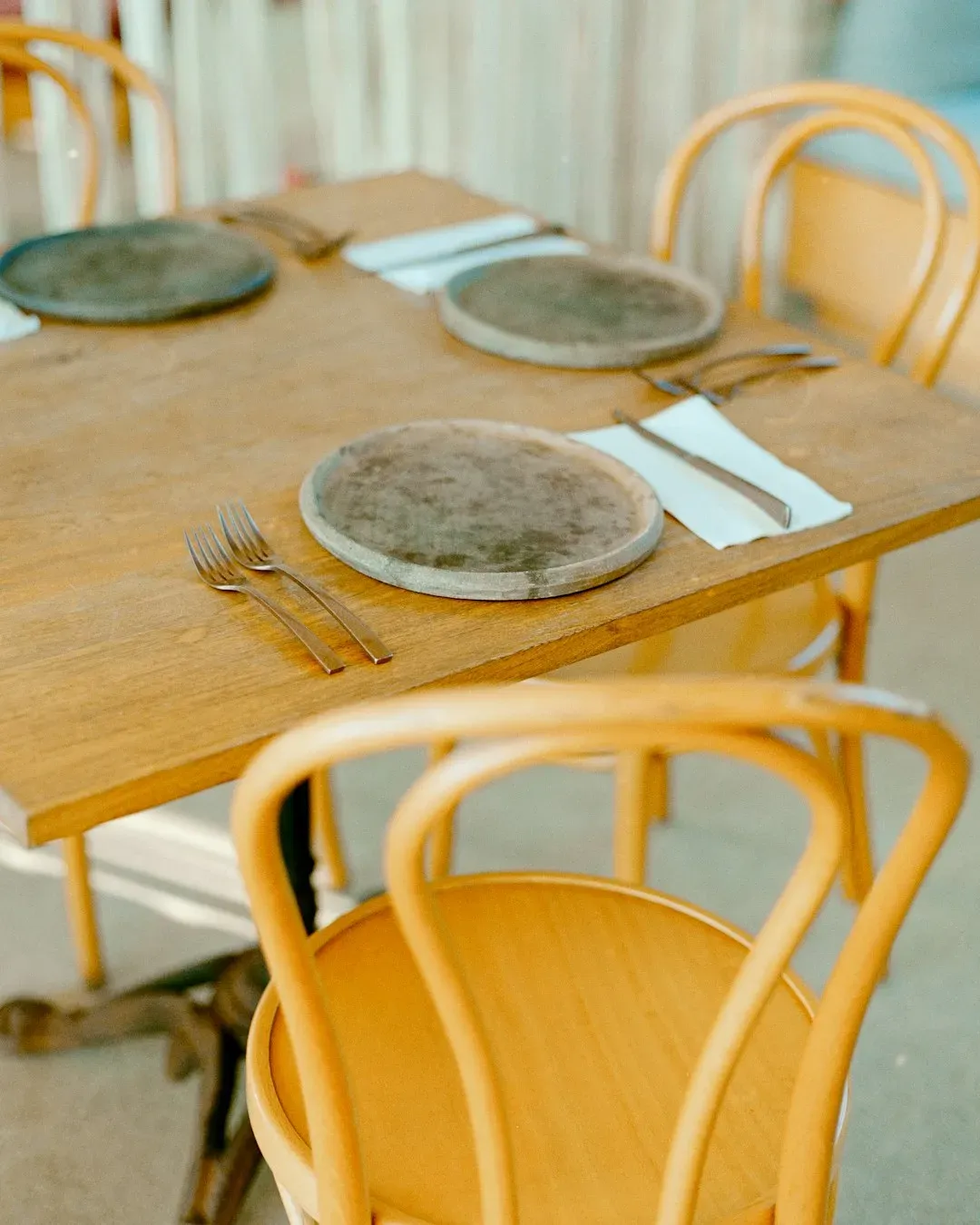
It's not about the wine you order or whether you photograph your food. It might surprise you. The single most underrated behavior at a restaurant table is keeping things tidy, and it communicates far more than most guests realize.
Small measures like keeping the table organized can lead to smoother service. Maintaining cleanliness on the table demonstrates thoughtfulness for your server's efforts, as well as for other diners nearby. It's a quiet signal that you respect the space and the people working in it.
Keeping the table tidy also works in your favor practically. If servers are constantly struggling to find a spare inch to place new dishes, the likelihood of accidental spills increases. Practical ways include placing used napkins neatly to the side, keeping utensils orderly on your plate when not in use, and handing over empty glasses and dishes promptly when asked.
Research confirms that seventy-eight percent of diners say the cleanliness of the restaurant is a top priority for their experience. That concern runs both ways. A tidy, considerate guest creates a calmer, more enjoyable environment for everyone, which naturally leads to better, more focused service in return.
Honestly, the whole system is more reciprocal than most people think. Service isn't something that just happens to you. It's something you participate in. Show up a little early on a Tuesday, treat your server like a partner in the meal, tip fairly and consistently, and you'll be surprised how quickly the experience transforms. What would you have guessed made the biggest difference? Drop your thoughts in the comments below.




Leave a Reply