
We all love dining out. There's something special about sitting down, handing someone else the cooking duties, and just enjoying a meal. The U.S. restaurant and food service industry is projected to hit approximately $1.5 trillion in sales in 2025, which tells you just how deeply eating out is woven into everyday American life. With so many options out there, the stakes of picking the wrong place feel higher than ever.
But here's the uncomfortable truth: not every restaurant deserves your money or your trust. Some places are cutting corners you can't even see from your table. The warning signs are often subtle, sometimes hiding in plain sight. So before you take that first bite, you might want to check your surroundings a little more carefully. Let's dive in.
1. The Menu Looks Like a Novel
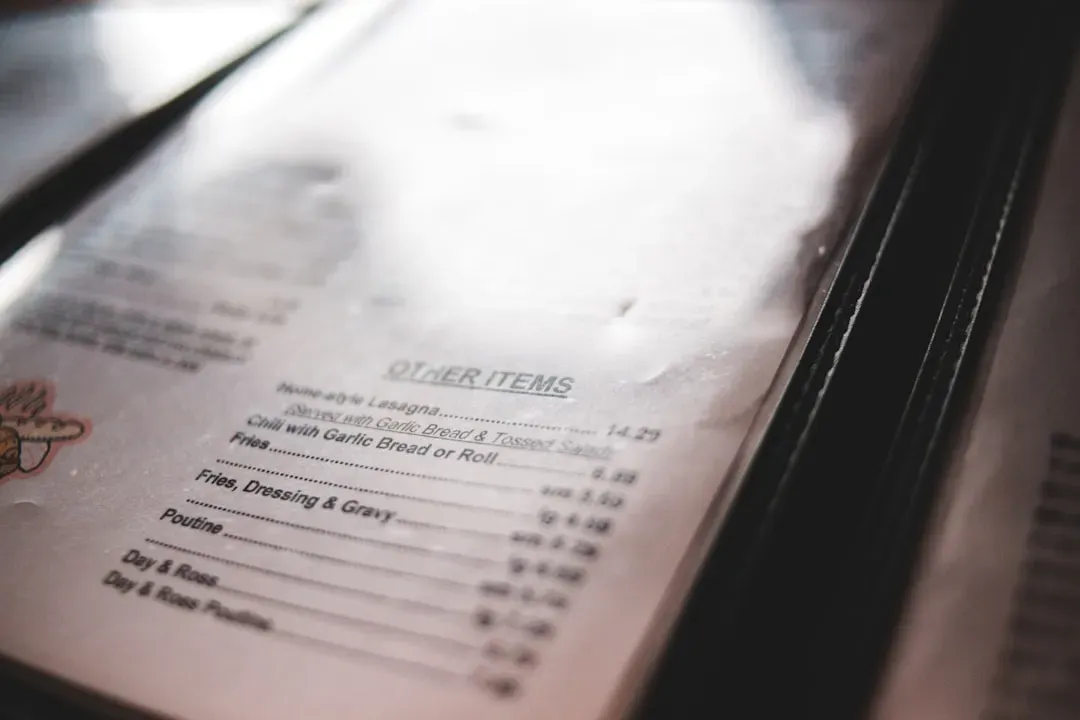
If the restaurant has a menu that's ten pages long and spans Italian food to Indian to Chinese, that's a big red flag. With so many dishes and so many different types of cuisine, it's a clear sign that a restaurant hasn't mastered any of them. Think of it like a mechanic who claims to fix motorcycles, airplanes, and submarines. Technically possible, sure. Practically believable? Not so much.
It's also a red flag for food freshness and safety. If there are a hundred dishes, when was the last time somebody ordered the same meal you're ordering? If you choose a dish that doesn't have a lot of turnover, it might be made with old ingredients that have been sitting around in the back. That's not a gamble worth taking.
Restaurant pros put it bluntly: "If the menu shows no point of view or tries to please every type of diner, you're looking at food that will be mid at best." No kitchen could execute that many cuisines well. It only means their food is pre-made or frozen. Good restaurants focus on what they can offer best.
2. The Restaurant Is Nearly Empty During Peak Hours
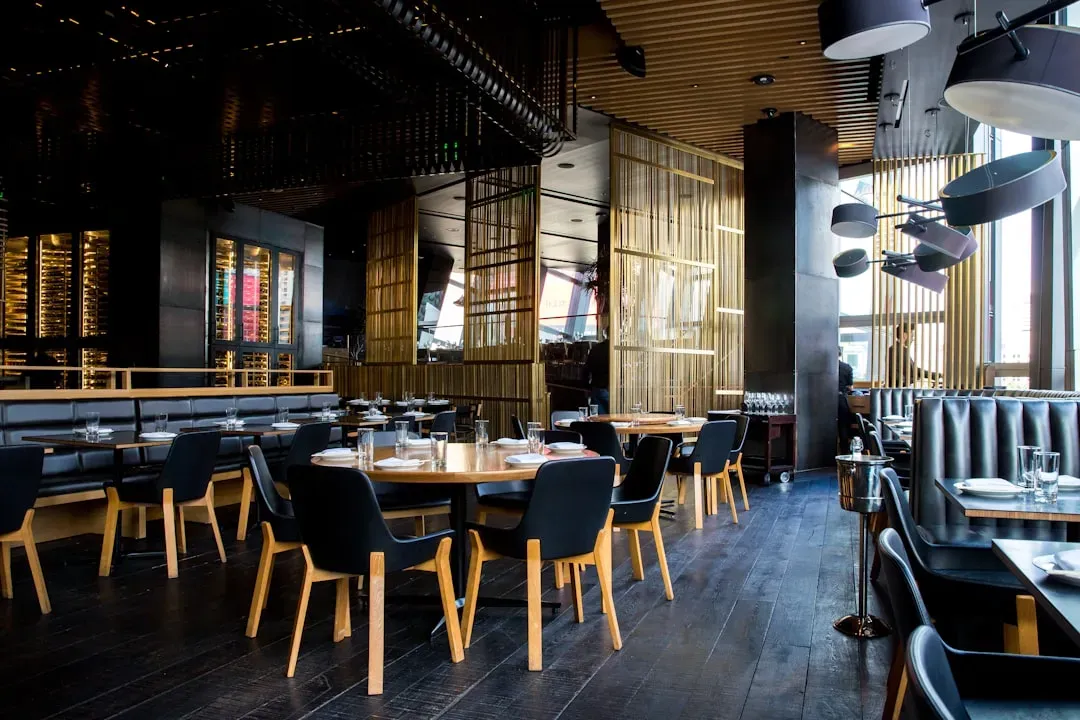
If it's seven in the evening on a Friday night and the restaurant is a ghost town, then you have your answer. Usually, neighboring establishments are packed. Locals know something that you don't. Empty restaurants during peak dining hours often signal poor food quality, bad service, or worse.
Honestly, this one is almost too obvious, yet so many people walk past an empty dining room and still sit down. The crowd is not always right, but when it comes to food, foot traffic is one of the most reliable signals in existence.
A good way to spot beloved restaurants is through their clientele. If a place has no patrons, chances are you're stuck in a bad spot. Diners and fine-dining restaurants alike attract droves of customers, so being without them is a huge red flag. Trust the crowd, seriously.
3. The Food Arrives Suspiciously Fast
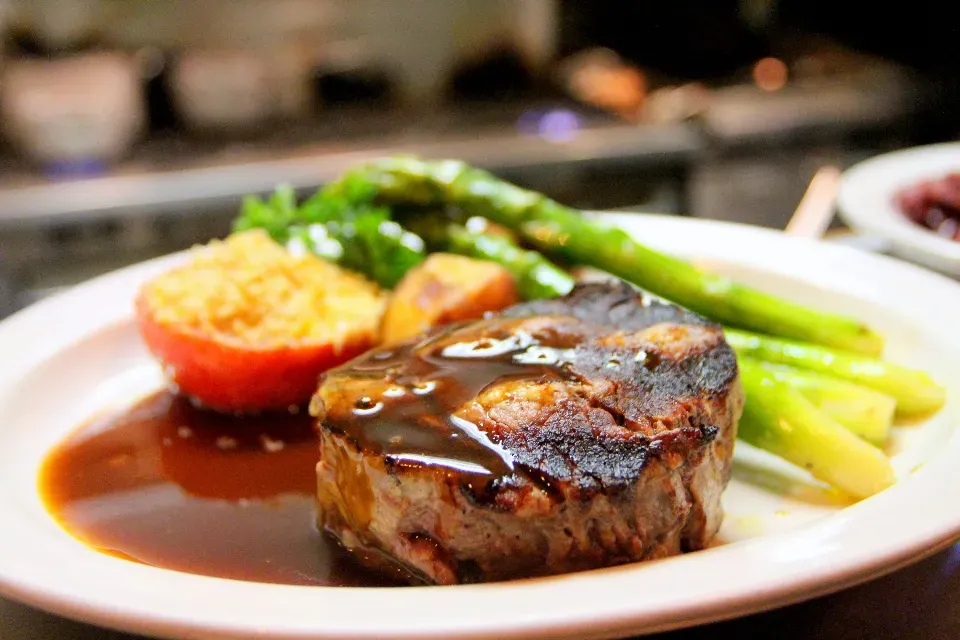
Food arriving suspiciously fast can indicate that it's not made from scratch. If a complex dish hits the table within minutes, it can make people wonder how much was actually cooked to order. There is a difference between efficient and alarming.
Real cooking takes real time. A braised short rib, a properly seared fish, a homemade pasta sauce. None of those happen in three minutes. When your food shows up almost before you've finished ordering, what you're likely getting is a microwave or a pre-portioned bag of something that was prepared long before you arrived.
Cold food served lukewarm and hot food served barely warm are red flags for improper food storage and handling. Salads should be crisp and cold, and soups should be steaming hot. Food sitting in the "danger zone" of 40 to 140 degrees Fahrenheit for too long becomes a breeding ground for harmful bacteria. That's not just bad cooking. That's a health risk.
4. The Exterior and Dining Area Are Visibly Neglected
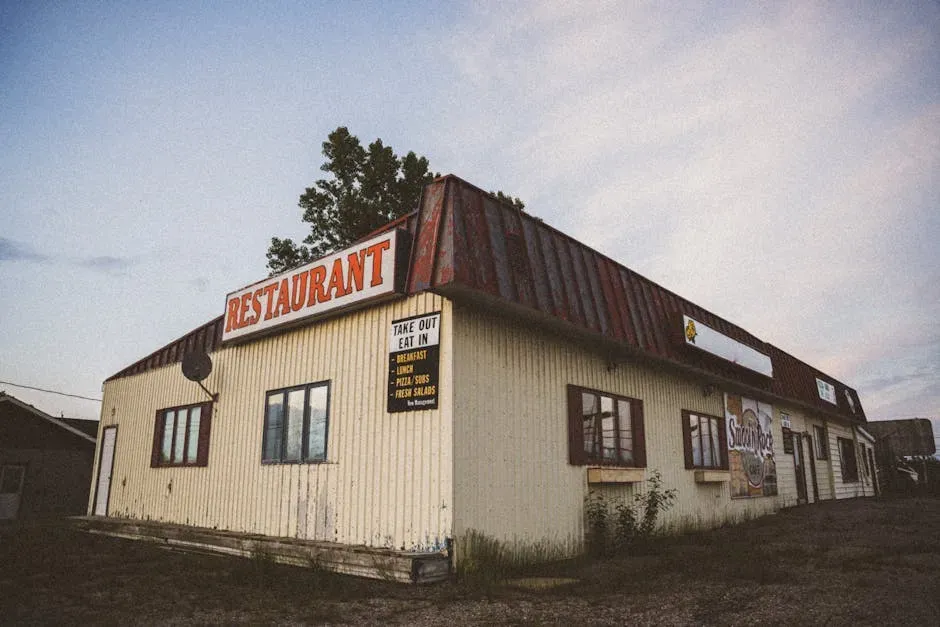
If you get out of your car and come face-to-face with open dumpsters, trash and cigarette butts on the ground, you may want to keep driving. Dirty windows and doors are also a sign the restaurant isn't focused on cleanliness, and that may carry over into the areas where your food is prepared.
Let's be real. If a restaurant can't manage its visible, public-facing spaces, what exactly do you think is happening in the kitchen? The outside tells a story. Trusted holes in the wall are much different than crumbling places. Tattered outdoor signs, peeling paint, and out-of-service bathrooms are all indicators of a bad spot.
Customers notice cleanliness before they even take a bite. In the restaurant business, delivering great food and exceptional service is only part of the equation for success. Customers also seek assurance that their dining experience will be safe and clean, free from hygiene concerns.
5. The Bathrooms Are Dirty or Lack Basic Supplies
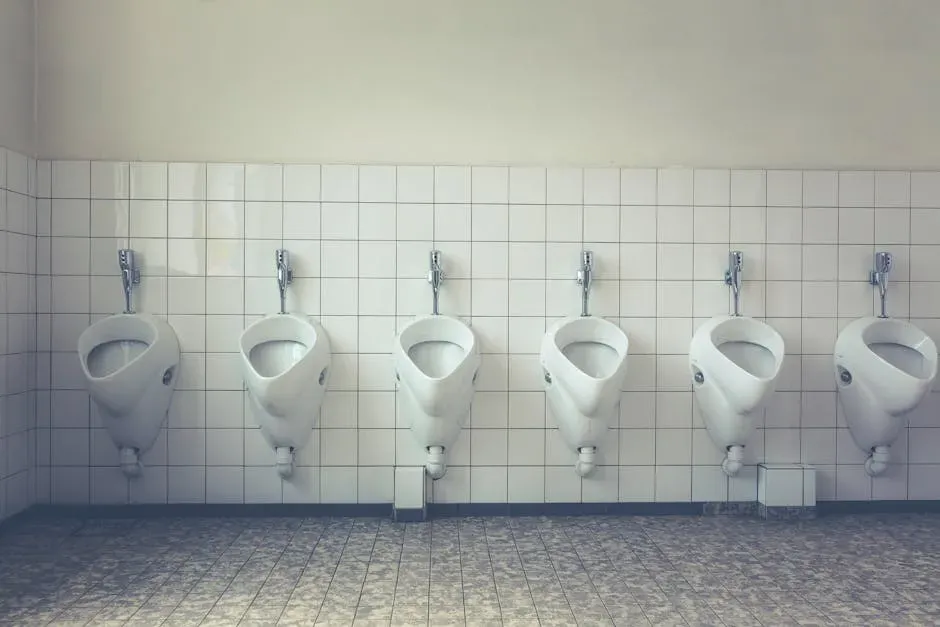
We like to park our behinds on a clean toilet, regardless of location. It's okay to walk out if you see filthy or unkempt bathrooms. Standing on a sticky bathroom floor, you can't help but wonder what else will disappoint. It sounds dramatic, but this is genuinely one of the most reliable signals in the entire dining experience.
Registered dietitians point out that restrooms without soap are one of the biggest red flags. Hand washing for at least twenty seconds with soap and clean, running water is one of the single most effective ways to prevent the spread of disease and germs like salmonella and E. coli.
Dirty restrooms reflect poorly on overall restaurant cleanliness and can lead to consumer complaints or lowered inspection scores from the health department. Inadequate hand hygiene is one of the most common violations observed by health inspectors and a major contributor to foodborne illness outbreaks. The bathroom is never just the bathroom. It is a window into the kitchen.
6. The Staff Looks Miserable or Disorganized
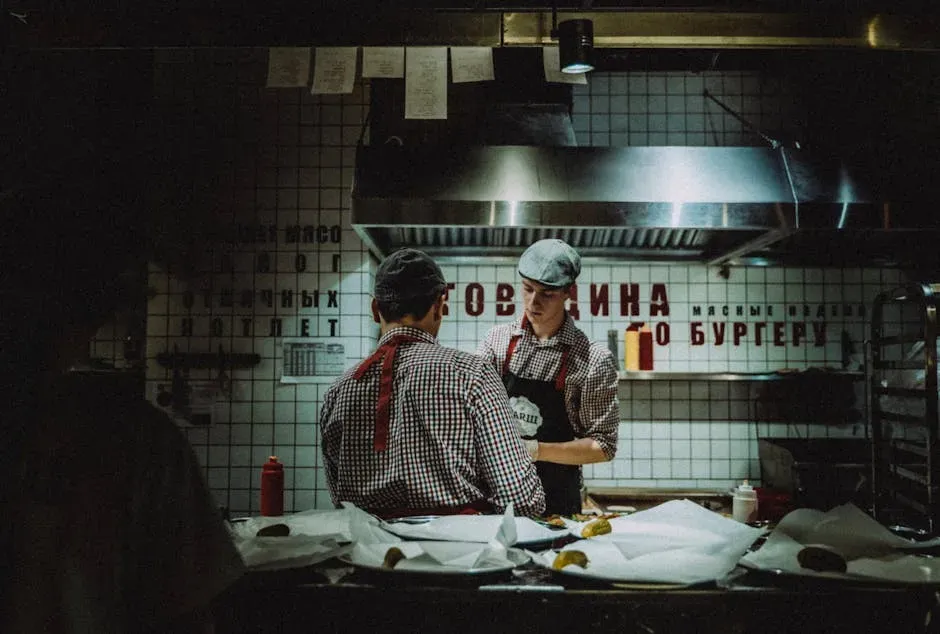
One staff member looking miserable must mean a bad day, but when you see it in the faces of the entire staff, then it reflects poor management. This means that the staff is frustrated about the management, and it could extend to food quality and cleanliness standards. Most importantly, you do not want to spend your hard-earned money at a place that mistreats its employees.
A happy kitchen produces better food. That might sound fluffy, but it is grounded in real operational logic. Disengaged staff skip steps. They forget temperatures. They rush through prep. When a restaurant looks lacking in organization, that might be a warning sign about their food.
Staff arguing or showing visible tension in front of customers can hurt business. It can signal deeper operational issues that may affect service and food quality. You should feel welcomed and comfortable in a restaurant, not like you've walked into someone's argument.
7. The Table Setting Is Visibly Unclean
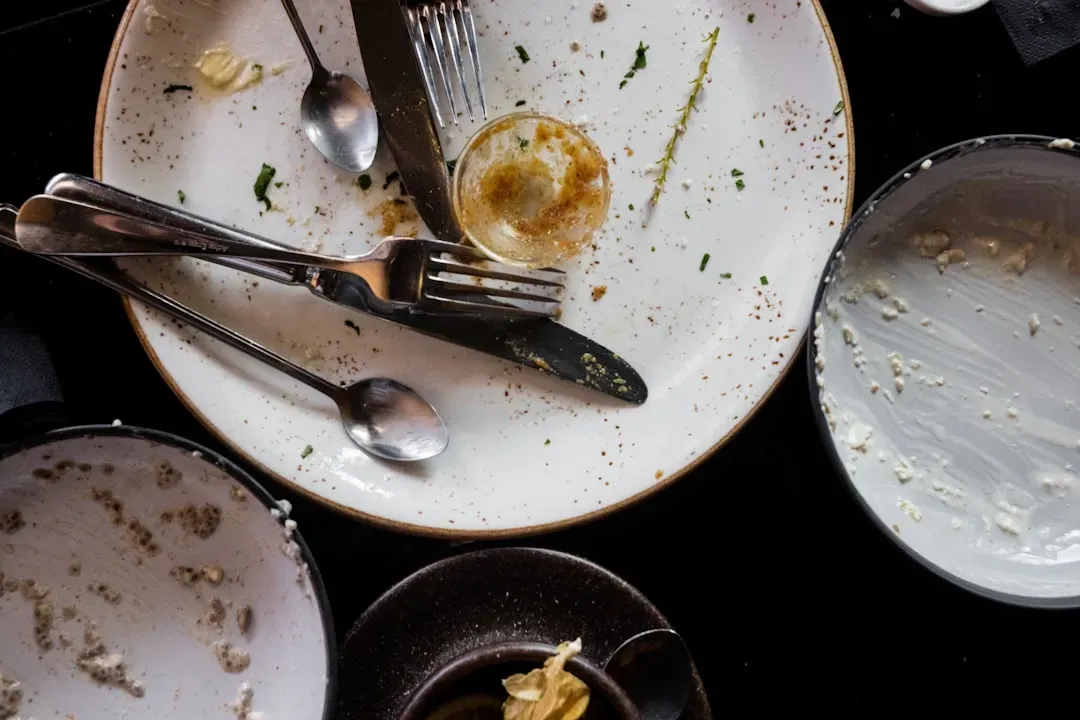
Water glasses, silverware, or plates arriving with visible spots or residue should raise flags. It's one of the first physical interactions with the table setting, and if it's not clean, it sets the wrong tone. This one matters more than people realize.
On paper, it sounds good to laminate menu pages as the film protects them from spills and they're easily wiped down at closing time. The key point is to actually wipe them down. Greasy or sticky menus should set off alarm bells in your head. If the restaurant can't clean what you're physically holding, think about what's on your plate.
Salt and pepper shakers deserve as much attention as the menus. Crusted shakers are often a sign of poor cleanliness. Studies have shown that dirty restaurant shakers contain all kinds of bacteria. The details always reveal the bigger picture.
8. The Food Looks and Smells Off
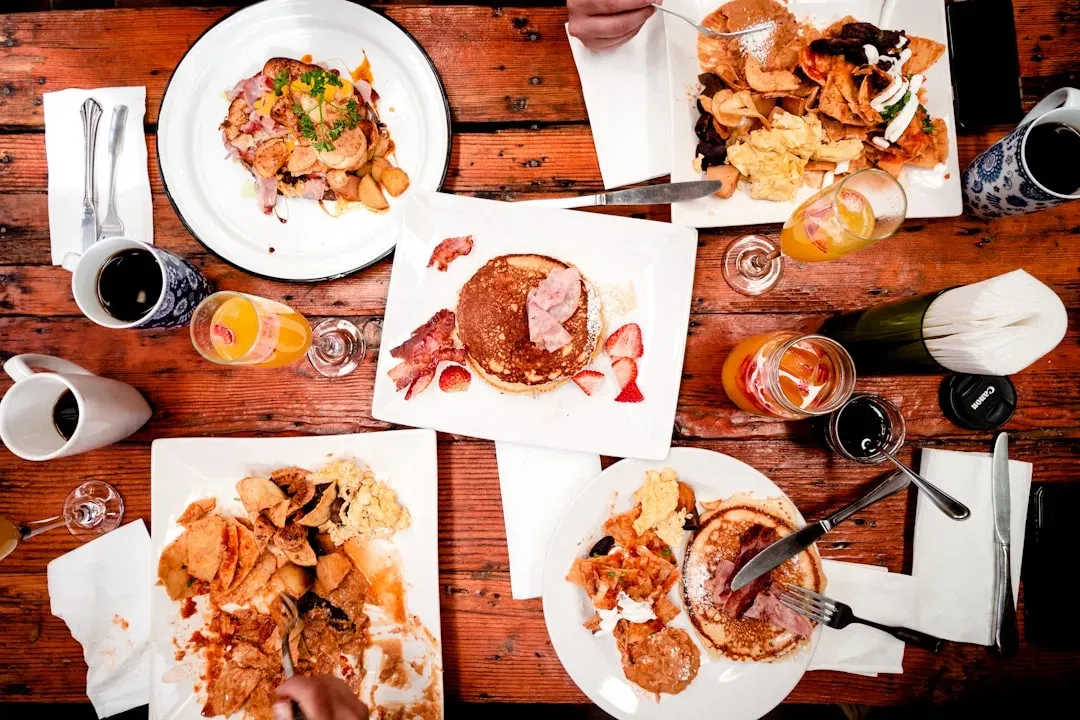
Freshness is one of the most important indicators of quality when it comes to restaurant food. The food presented should look fresh, smell fresh, and the colors should look correct. If your dish doesn't meet these standards, it could mean the ingredients are past their prime.
This one should feel instinctual, and yet people override their senses all the time out of politeness or awkwardness. Wilted greens and slimy veggies in a salad aren't just unappetizing, they're red flags that something's off. Fresh food should have bright, natural colors, not dull or brownish hues.
Maybe food items are improperly stored, causing them to go bad faster than they should. Maybe the kitchen is cutting corners by using older or lower-quality ingredients to save on costs. In either case, if your food doesn't look or smell fresh, it's a big red flag. Your instincts exist for a reason. Use them.
9. Signs of Pests or Cross-Contamination Practices
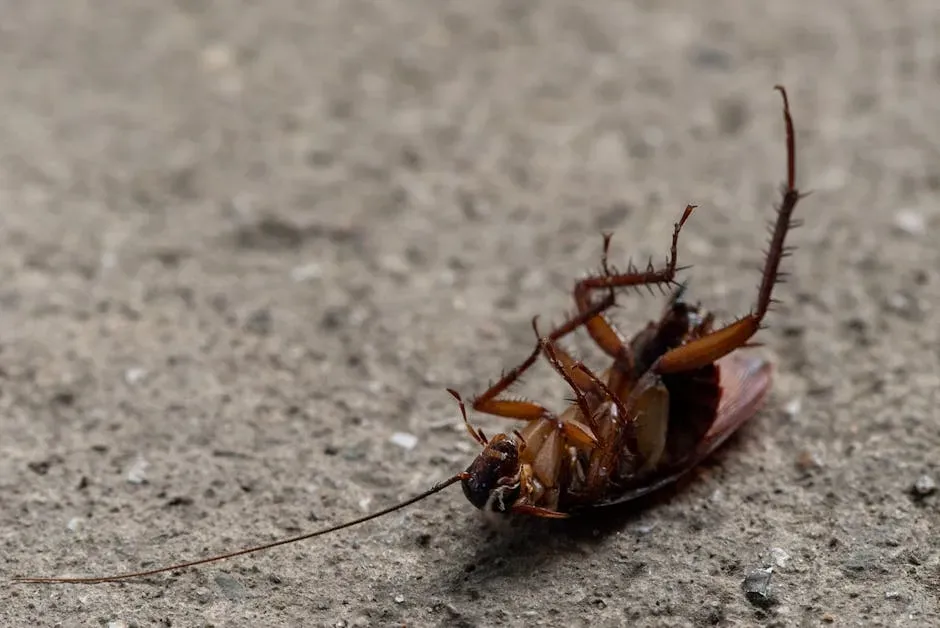
Few things alarm health inspectors and customers more than signs of pests. Rodents, insects, and other infestations not only threaten food safety but also cause lasting damage to a restaurant's reputation. Visible evidence includes droppings, nests, or live sightings of rodents, flies, or cockroaches.
We all take our chances on a patio, as insects want in on the action and it comes with the territory to swat them away. However, flies buzzing around indoors isn't a good sign. Most good restaurants keep their doors shut, even in the summer, to prevent winged customers.
Cross-contamination happens when harmful bacteria or allergens transfer from one surface or food item to another. It's one of the fastest ways for foodborne illness to spread, and it's a top priority during health inspections. Research from the National Restaurant Association found that restaurants with food safety training see a roughly fifty percent reduction in violations compared to those without it. That gap is enormous, and it shows in the food.
10. The Restaurant Prioritizes Aesthetics Over Substance
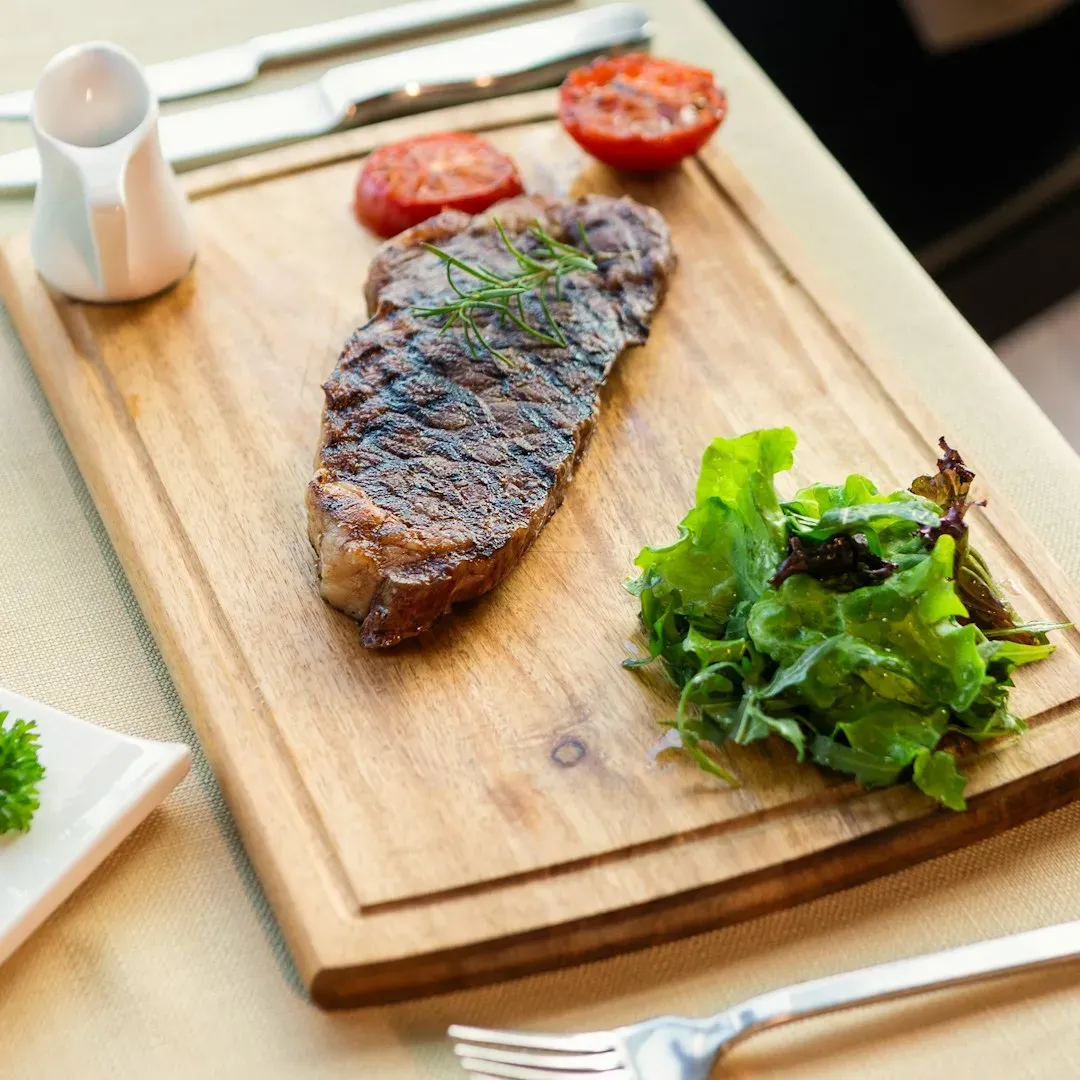
The charming flower arches, selfie-ready bathrooms, and over-the-top presentations may not seem like dead giveaways for a bad restaurant, but they each speak to an establishment's prioritization of aesthetics and photogenic qualities over the most important part of any eatery: the food.
It's hard to say for sure whether a gorgeous Instagram wall means terrible pasta, but the pattern is real. One way to tell if you're being selfie-bathroom-baited before you enter the restaurant is to look at its social media feed. Check what posts the restaurant is tagged in on TikTok and Instagram. If you see lots of people focusing on the wallpaper or the oversized mirror rather than the food being served, you've spotted a selfie trap.
Research shows that the vast majority of diners now trust online reviews as much as personal recommendations, and nearly three quarters choose where to eat based on social media. That kind of influence creates an incentive for some restaurants to sell an experience rather than a meal. Interestingly, roughly half of all consumers say food quality is one of their top three priorities when dining at full-service restaurants, which means that when aesthetics crowd out quality, diners eventually notice.
Final Thoughts: Your Gut Knows More Than You Think
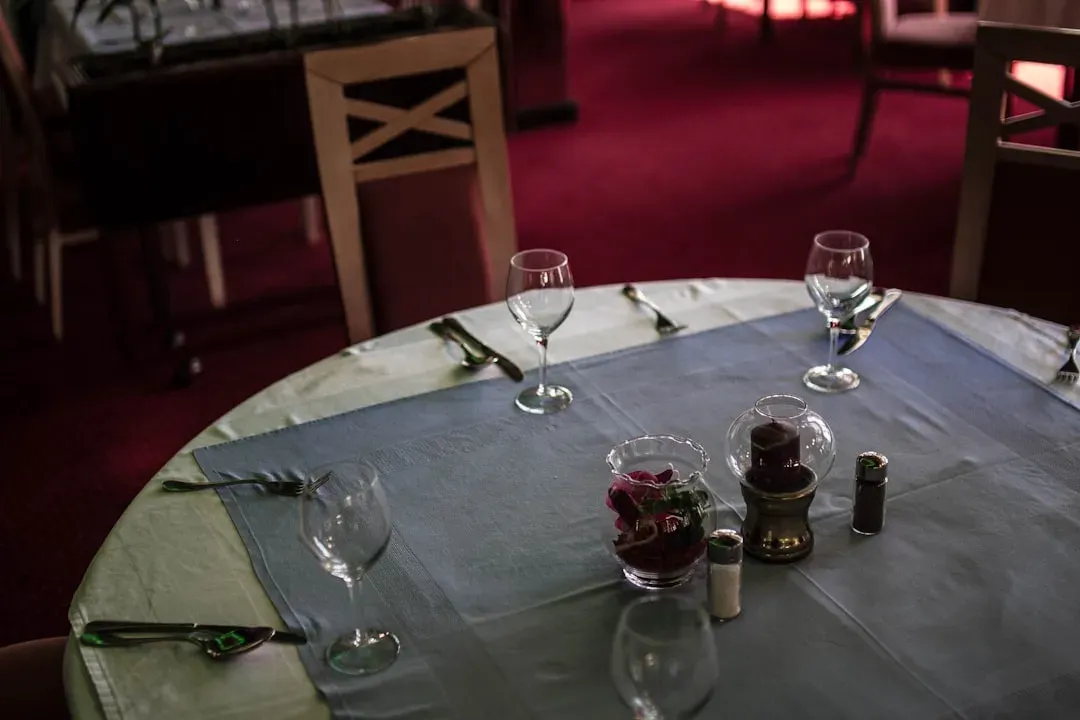
The next time you walk into a restaurant and something feels slightly off, pay attention. Whether it's a sticky menu, an eerily empty dining room on a Saturday night, or a plate that arrived in sixty seconds flat, these aren't isolated annoyances. They're patterns, and patterns reveal priorities.
Research consistently shows that nearly three quarters of consumers list cleanliness as one of their top three priorities when visiting a full-service restaurant, yet so many people still ignore the obvious signals once they've already sat down. You don't owe a restaurant your business just because you walked through the door.
Good food comes from kitchens that care. The signs of that care, or the lack of it, are visible long before your first bite. So next time you're unsure, trust your instincts. Would you have spotted these red flags before reading this article?



Leave a Reply