
You probably already know that kitchens can be surprisingly dangerous places. Not from knives or hot stoves, but from the invisible threats hiding on the foods we touch every single day. The kind of danger that doesn't smell, doesn't look suspicious, and doesn't announce itself until you're already feeling terrible.
Here's the unsettling truth: participants in a USDA Food Safety and Inspection Service observational study failed to successfully wash their hands a staggering 97 percent of the times they should have. Of the 1,195 recorded points when handwashing was necessary to control possible bacteria transfer, participants failed to wash their hands successfully more than 1,150 times. That's not a small number. That's nearly everyone, nearly all the time.
Instances of severe illness from contaminated food increased dramatically, with hospitalizations more than doubling from 230 in 2023 to 487 in 2024. These aren't abstract statistics. These are real people who got sick in their own kitchens. Let's dive in and look at the 10 food ingredients that demand an immediate trip to the sink.
1. Raw Chicken
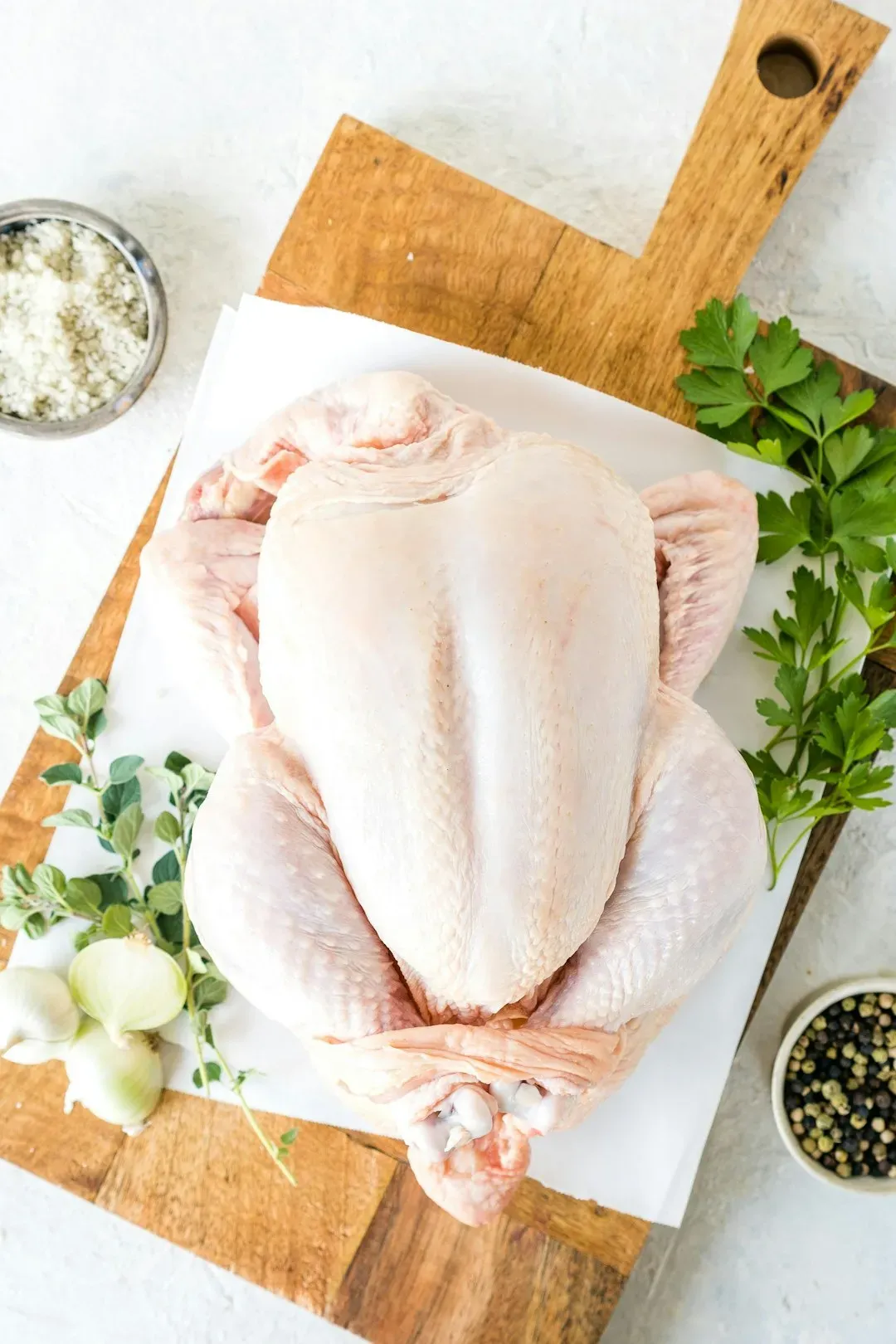
Let's be real - raw chicken is probably the most notorious offender on this entire list, and the data backs that up completely. In the United States, people eat chicken more than beef, pork, or turkey. When cooked, chicken can be a nutritious choice, but raw chicken can be contaminated with Campylobacter, Salmonella, or Clostridium perfringens germs.
Every year in the United States, about 1 million people get sick from eating contaminated poultry. That number is genuinely hard to wrap your head around. Think of it like this: if your city had a million residents, every single one of them could be affected in a single year.
Hand washing after handling raw meat or poultry or its packaging is a necessity because anything you touch afterwards could become contaminated. In other words, you could become ill by picking up a piece of fruit and eating it after handling raw meat or poultry without properly washing your hands.
Campylobacter and Salmonella, bacteria found in poultry products, have been shown to survive on food contact surfaces for up to four and 32 hours, respectively. That means the contamination doesn't disappear when you walk away from the counter. Wash hands immediately after handling raw meat and poultry. Wet your hands with water, lather with soap and then make sure you scrub your hands for 20 seconds.
2. Raw Eggs
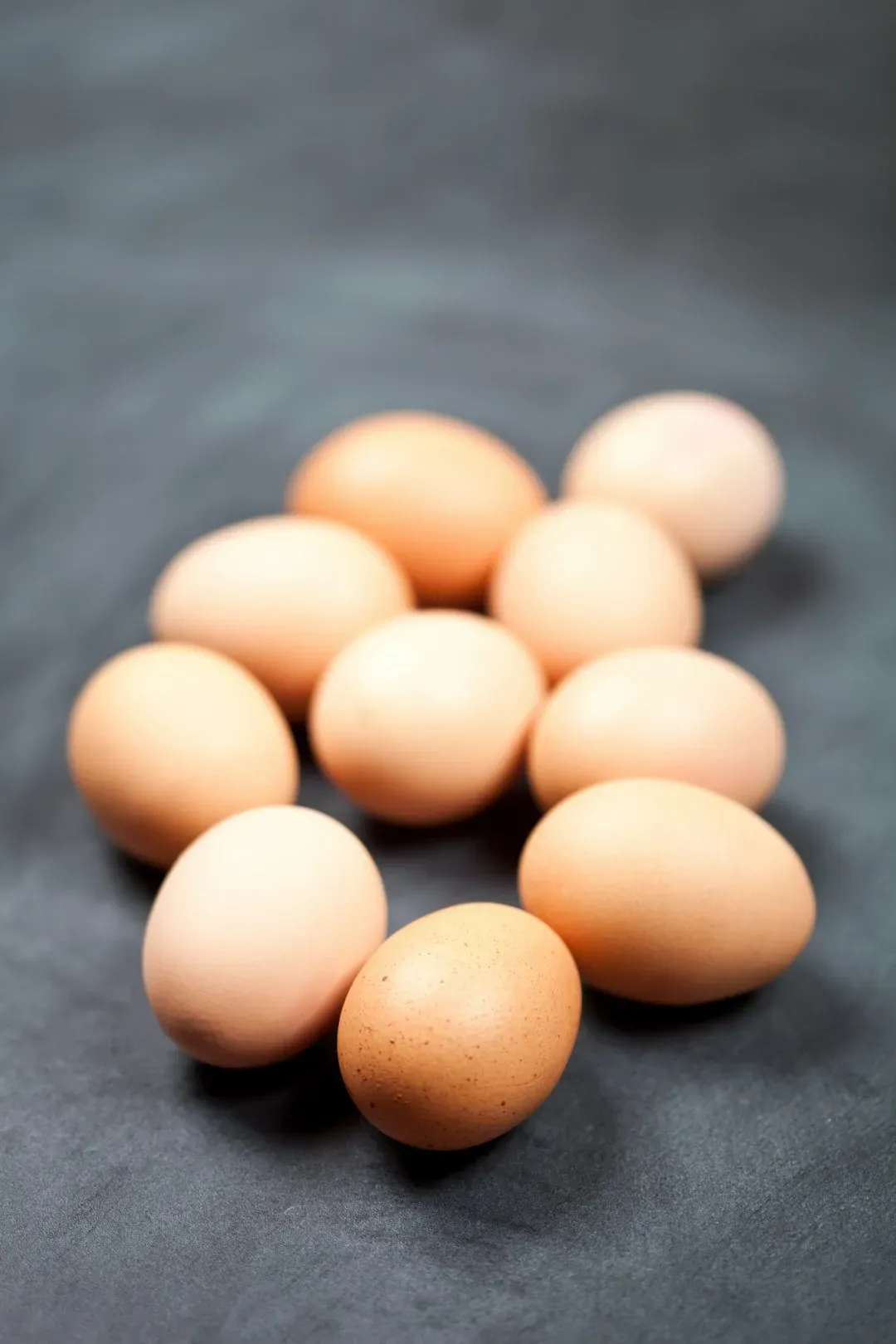
Eggs look harmless in their neat little shells. Honestly, it's easy to forget there's a potential health hazard sitting in that carton in your fridge. Shell eggs can be infected with Salmonella enteritidis in several ways. Salmonella can contaminate eggs during their development inside the hen's reproductive tract, before the shell even forms around the yolk and egg white. As the egg exits the hen's body, it passes through the same canal where feces are excreted. After eggs are laid, bacteria can also enter through the pores of the shell.
A large outbreak in 2024 was traced to Salmonella in eggs. There were 93 confirmed patients, 34 of whom required hospitalization. The patients were spread across 12 states. That's a real, documented incident from just last year. Not a hypothetical.
Unbroken, clean, fresh shell eggs may contain Salmonella Enteritidis bacteria that can cause foodborne illness. To be safe, eggs must be safely handled, promptly refrigerated and thoroughly cooked. After cracking or handling raw eggs, wash your hands before touching anything else in the kitchen. Cook eggs until the yolk and white are firm. Only use recipes in which eggs are cooked or heated thoroughly.
3. Raw Ground Beef
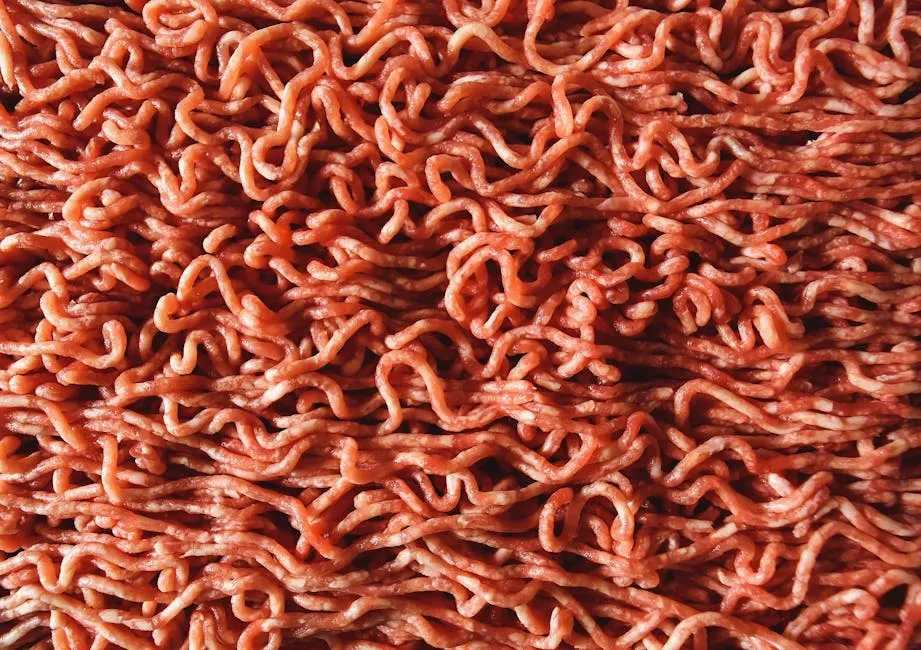
Ground beef carries a specific risk that whole cuts of beef don't share to the same degree. When meat is ground, any surface bacteria gets mixed throughout the entire product, meaning contamination isn't limited to the outside. An outbreak of E. coli O157:H7 infections was traced to wagyu beef. Twenty-two patients were identified by public health officials. All of the outbreak patients reported eating undercooked or made-to-order burgers made with wagyu beef at various restaurants.
An E. coli O157:H7 outbreak tied to ground beef sickened 19 people across four states. Seven people were hospitalized. Wolverine Packing Co. recalled 1.8 million pounds of ground beef in relation to the outbreak. Nearly 2 million pounds. That number is staggering.
Raw meat, poultry, seafood, and eggs are not sterile. Treating them as such is one of the most common and dangerous mistakes people make in the kitchen. After handling raw ground beef, wash your hands thoroughly before touching spice jars, refrigerator handles, or anything else nearby. Research found that nearly half of participants cross-contaminated spice containers due to lack of handwashing.
4. Raw Seafood and Fish

Raw fish and shellfish are beautiful ingredients in the right hands, but they come with a legitimate microbiological risk that deserves respect. Bacteria that can cause illness are the main concern with regard to seafood safety. When seafood is properly handled and cooked, the risks are minimal. Poor handling practices, such as raw foods coming in contact with cooked foods, can lead to cross-contamination.
Examples of some of the types of bacteria that may be found in seafood that cause foodborne illness include Vibrio, Salmonella, Shigella, and Listeria. That's a significant lineup of pathogens all in one product category. It's hard to say for sure which one is the biggest threat at any given moment, which is exactly why hand hygiene is so important after touching raw seafood.
Listeria may also be found in unpasteurized milk, soft cheeses, smoked seafood, and salads, such as ham salad, chicken salad, or seafood salad. Listeria infection can be serious. It is most likely to sicken pregnant women and their newborns, adults aged 65 or older, and people with weakened immune systems. Wash your hands right away after handling any raw fish or shellfish, and keep it well away from ready-to-eat foods.
5. Raw Sprouts
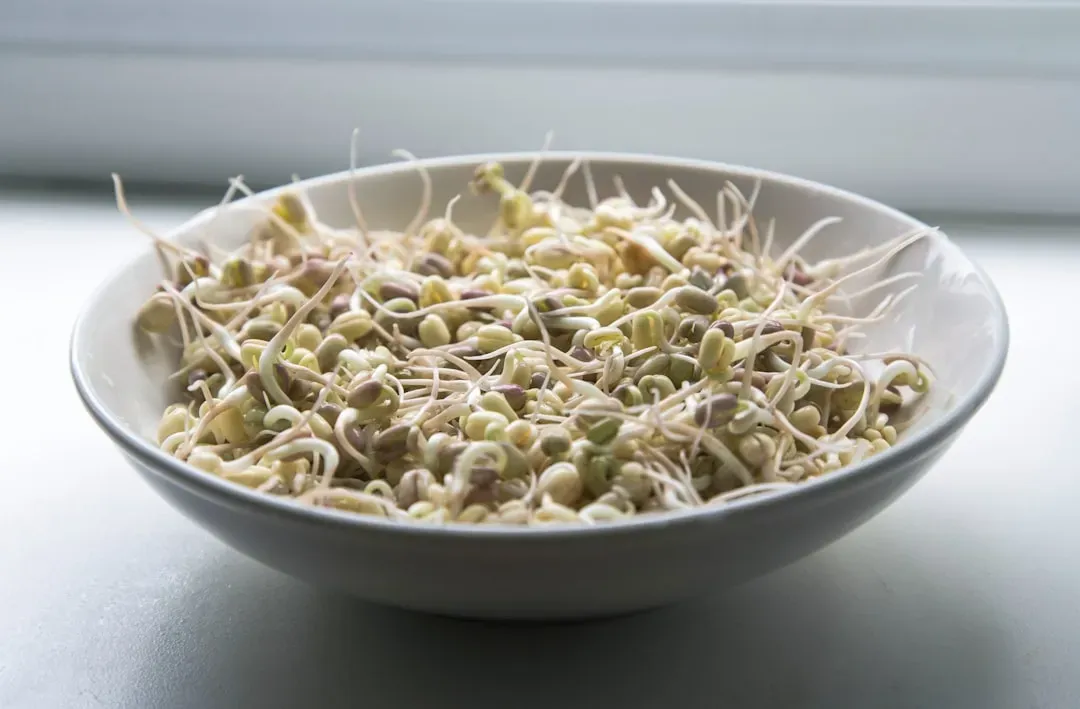
Sprouts seem so innocent. They're a health food staple, piled onto sandwiches and salads. But here's the thing - their growing conditions make them one of the trickier ingredients to handle safely. Warm, moist environments that sprouts need to grow are precisely the same conditions bacteria love.
The produce linked to 2024 foodborne illness investigations included mangoes, romaine lettuce, spinach, cucumbers, jalapeno peppers, carrots, onions, sprouts, alfalfa sprouts, basil, and parsley. Sprouts appeared on that list right alongside other high-profile offenders. Sprouts that are not fully cooked are flagged by food safety authorities as a higher-risk item for Listeria.
Raw meat, poultry, seafood, and eggs are not sterile. Neither is fresh produce such as lettuce, tomatoes, sprouts, and melons. Even produce you assume is clean isn't guaranteed to be. After rinsing and handling raw sprouts, wash your hands before touching other foods, especially anything that won't be cooked before eating. Even fruits and vegetables you plan to peel require thorough washing, as knife blades can carry surface contaminants into the flesh.
6. Raw Onions and Jalapeño Peppers
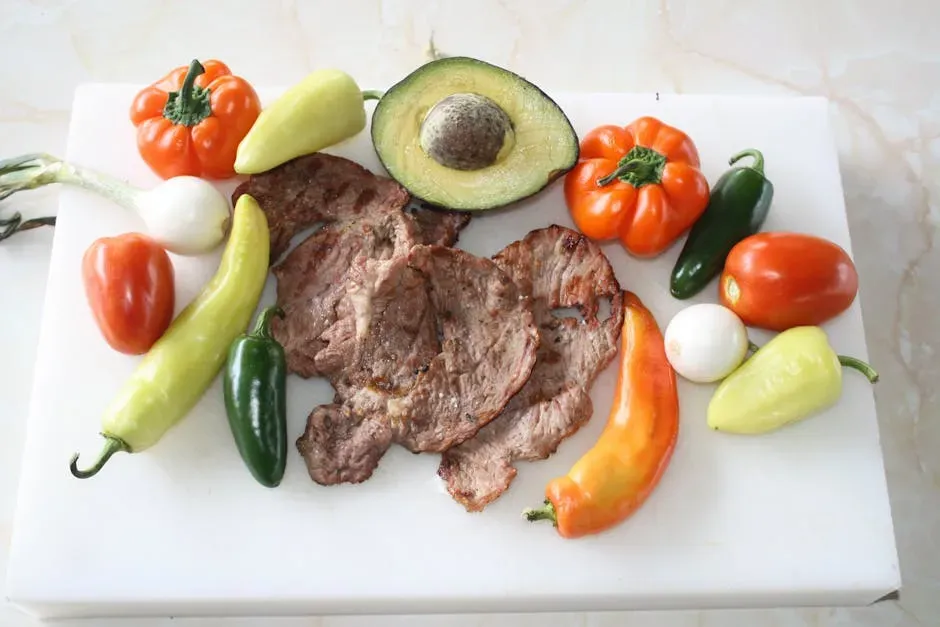
Onions and hot peppers are two ingredients that feel totally normal to handle, but they've both shown up prominently in recent food safety investigations. Not only can they carry pathogens, but peppers come with a bonus hazard: capsaicin, the compound that gives them their heat, can irritate skin, eyes, and mucous membranes seriously if transferred via unwashed hands.
Onions on McDonald's hamburgers were determined to be the source of an outbreak of E. coli O157:H7 infections. The CDC reported 104 patients from 14 states were confirmed. Of those patients, 38 required hospitalization and one patient died. That's one of the more dramatic outbreaks of 2024 - and it started with a simple salad topping.
Four patients in that outbreak developed hemolytic uremic syndrome, a serious condition that can cause kidney failure. Jalapeno peppers were also identified as a vehicle for contamination in 2024 outbreak investigations, according to the FDA's CORE annual report. Jalapeno peppers were specifically listed among the produce linked to foodborne illness investigations that year. After chopping either of these ingredients, wash your hands with soap and water, especially before touching your face or eyes.
7. Raw Deli Meats and Ready-to-Eat Processed Meats

This one surprises people. Deli meats are already cooked, so how can they be dangerous to handle? The answer lies in Listeria, a bacterium that is uniquely unfazed by refrigeration. It can actually grow at cold temperatures, which makes the usual "just keep it chilled" strategy much less reliable here.
The biggest outbreak of 2024 was a deadly Listeria outbreak caused by deli meat made by Boar's Head. In total there were 61 confirmed patients across 19 states. Ten people died. More than 7 million pounds of deli meat was recalled in relation to the outbreak. Ten deaths. Seven million pounds recalled. That's the scale of what Listeria in processed meat can do.
Listeria is persistent and grows in cool temperatures, even as low as 31 degrees Fahrenheit. It can contaminate luncheon meats like hot dogs, cold cuts, and dry sausages. For high-risk individuals, reheat all deli meats and hot dogs until steaming hot before consumption - this simple step eliminates Listeria contamination. After handling any deli meat directly, wash your hands thoroughly before touching any other surface in the kitchen.
8. Raw Flour
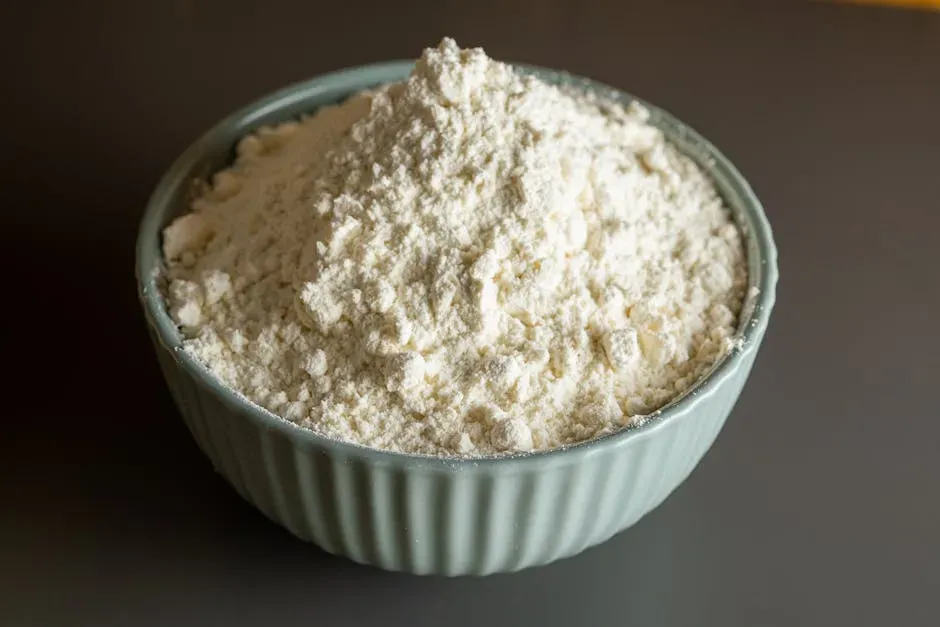
Here's one that catches almost everyone off guard. Flour. You'd never think twice about reaching into a flour bag, tasting raw cookie dough, or dusting your hands after kneading bread. Yet raw flour is a legitimate food safety risk that has led to real, documented outbreaks.
The CDC specifically lists flour alongside uncooked meat, chicken, poultry, seafood, and eggs as an ingredient that always requires handwashing after handling. Flour is made from raw grain, which can be contaminated with E. coli before it ever reaches your kitchen. The milling process does not kill pathogens.
Think about it like this: raw cookie dough is basically a delivery vehicle for several different bacterial risks at once - raw eggs and raw flour in combination. Consuming dangerous foodborne bacteria will usually cause illness within 1 to 3 days of eating the contaminated food. Wash your hands for a full 20 seconds before and after handling any food - this simple step eliminates the majority of harmful bacteria that cause cross-contamination. Flour deserves a lot more respect than it typically gets.
9. Raw Cucumbers, Carrots, and Fresh Produce
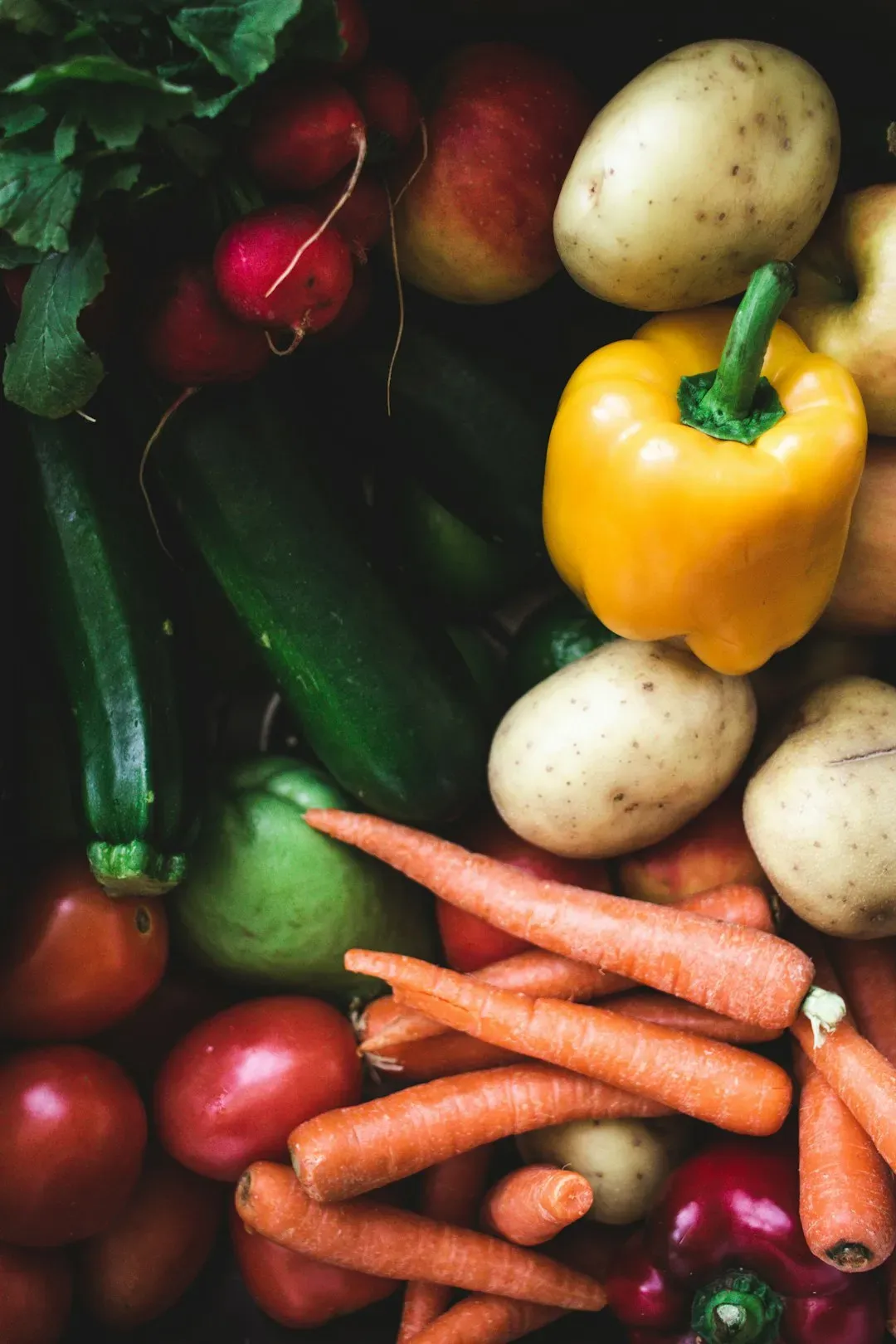
Fresh vegetables have been front and center in foodborne illness headlines in recent years, and the pattern is impossible to ignore. We tend to assume that produce is safer than meat. In reality, the contamination risk is enormous - partly because so much of it reaches the kitchen already carrying pathogens from soil, water, or processing facilities.
A Salmonella outbreak traced to contaminated cucumbers sickened 551 people in 34 states and Washington D.C. Over the course of four months, 155 people were hospitalized because of their symptoms, including fever, diarrhea, nausea, vomiting and abdominal pain. That's a single vegetable. In a single year.
For a deadly outbreak of E. coli O121:H19 infections traced to organic carrots from Grimmway Farms, there were 48 patients confirmed across 19 states, 20 of whom required hospitalization. One patient died, and another developed hemolytic uremic syndrome, a serious condition that can cause kidney failure and brain damage. Cross-contamination is the transfer of harmful bacteria to food from other foods, cutting boards, and utensils. This is especially true when handling raw meat, poultry, eggs, and seafood, but fresh produce is also at risk. Always wash your hands after handling unwashed fresh produce, especially before touching your eyes or mouth.
10. Raw Milk and Soft Unpasteurized Cheeses

Raw milk and unpasteurized cheeses occupy a passionate corner of the food world. Advocates argue for their flavor and purported health benefits. Food safety authorities argue something very different. The microbiological risk from these products is well-documented and has caused some serious outbreaks in recent years.
An outbreak caused by raw milk started in 2023 but extended into 2024. As of February 2024, at least 165 people were sickened with Salmonella infections tied to products from Raw Farm LLC, of Fresno, CA, according to public health records. 165 people from one farm's raw milk product. That's not a fringe case.
Food safety authorities advise never to drink raw milk or eat soft cheeses made with unpasteurized milk. Deli meats should be kept separate from raw meat and poultry products so that they do not become contaminated. Handwashing is a cornerstone of food safety and one of the best ways to prevent the spread of germs that cause food poisoning and foodborne illnesses. Without good hand hygiene, viruses and bacteria can easily make their way from your hands onto the hands of others or their food. After handling raw dairy in any form, make handwashing your immediate next move.
The Simple Step That Changes Everything

Looking at this list, a pattern becomes obvious. The risk is real, it's current, and it exists in ingredients most of us handle weekly. In 2024, hospitalizations from contaminated food more than doubled from 230 in 2023 to 487 in 2024. That trend is worth taking seriously.
A survey from the Centers for Disease Control and Prevention found that food workers only wash their hands one out of every three times necessary. One out of three. At home, the numbers are likely no better. Only 1% of more than 200 participants in a food safety study demonstrated correct handwashing based on CDC recommendations.
Apply enough soap to cover all the surfaces of your hands, then wash for at least 20 seconds - enough time to sing the "Happy Birthday" song. It's a small habit with an outsized impact. Every ingredient on this list presents a real, documented risk - but none of them are unmanageable. The sink is right there. Use it, every single time.
What do you think - were any of these ingredients on your list of concerns, or did some of them genuinely surprise you? Tell us in the comments.




Leave a Reply