
Walk down any grocery store aisle in America and you'll see rows of colorful packages, each promising convenience and flavor. Pick one up, flip it over, and chances are you'll see a list of ingredients that reads more like a chemistry textbook than a recipe. Here's the thing that might shock you: many of these ingredients are restricted or outright banned in Europe, Canada, Japan, and other developed nations. Yet here in America, we're still putting them in our bodies every single day.
The disconnect is jarring when you think about it. Countries we consider our peers have looked at the same science and decided these substances don't belong in food. Meanwhile, Americans continue munching on snacks, sipping sodas, and spreading condiments that contain additives other nations won't touch. The question isn't really whether these foods are forbidden elsewhere anymore. The real question is: why are we still eating them?
Brominated Vegetable Oil in Your Favorite Citrus Drinks
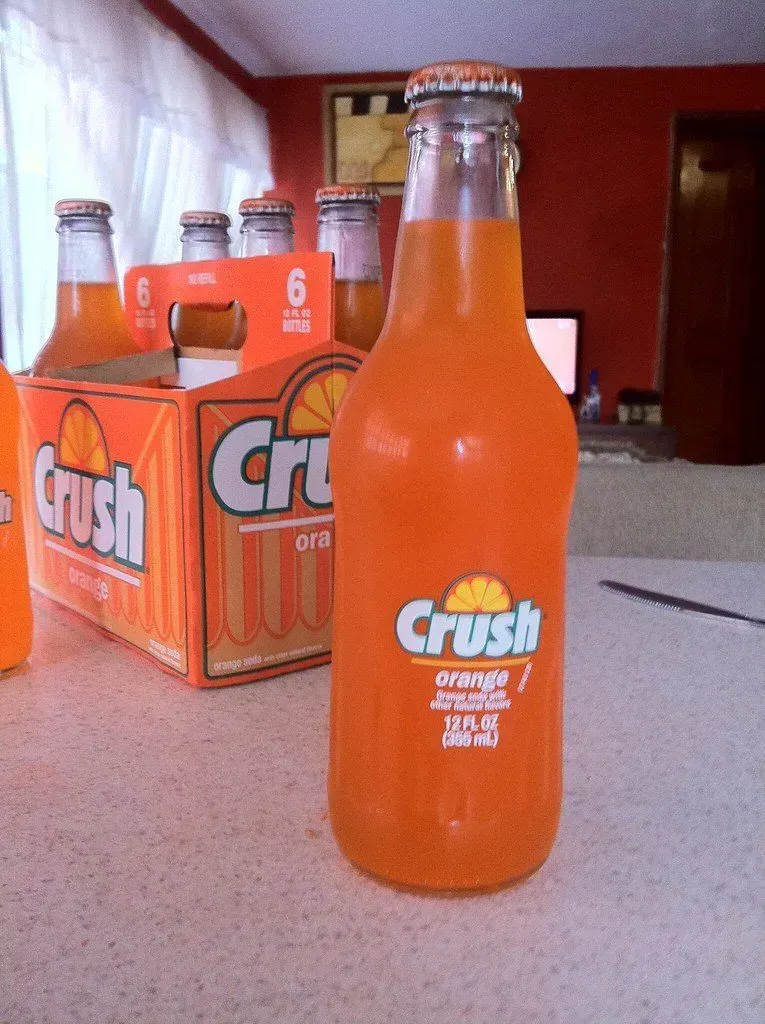
Brominated vegetable oil, commonly known as BVO, is a vegetable oil modified with bromine that was used in small amounts to stabilize fruit flavoring in beverages and keep citrus flavoring from floating to the top. If you've ever grabbed a brightly colored orange soda or sports drink, there's a decent chance it contained this stuff until very recently. The European Union banned BVO from use since 2008, and it was originally banned in the UK and several other European countries in 1970. Japan followed suit in 2010.
The problem with BVO goes straight to its core ingredient: bromine. Bromine is a naturally occurring element that is harmful when ingested in large amounts and accumulates in the body, impacting fat, the liver, heart and brain tissue. Studies have shown something deeply concerning about regular consumption. When rats were fed BVO at levels similar to what some people consume, both males and females showed significant increases in the amount of bromide in their blood and increased levels of brominated triglycerides in heart, lung and fat tissue, with changes in levels of some thyroid hormones.
The FDA no longer allows for the use of brominated vegetable oil in food, and on July 3, 2024, the FDA revoked its food additive regulation. Yet the enforcement deadline isn't until August 2025, which means products sitting on shelves right now might still contain it. Beverages that still contain BVO in the U.S. include Orangette orange soda, sold at Walmart, alongside various store brands and smaller manufacturers. Major players like Coca-Cola and PepsiCo already removed BVO from their products years ago after public pressure mounted, but not every company got the memo.
Artificial Dyes That Give Food Its Glow
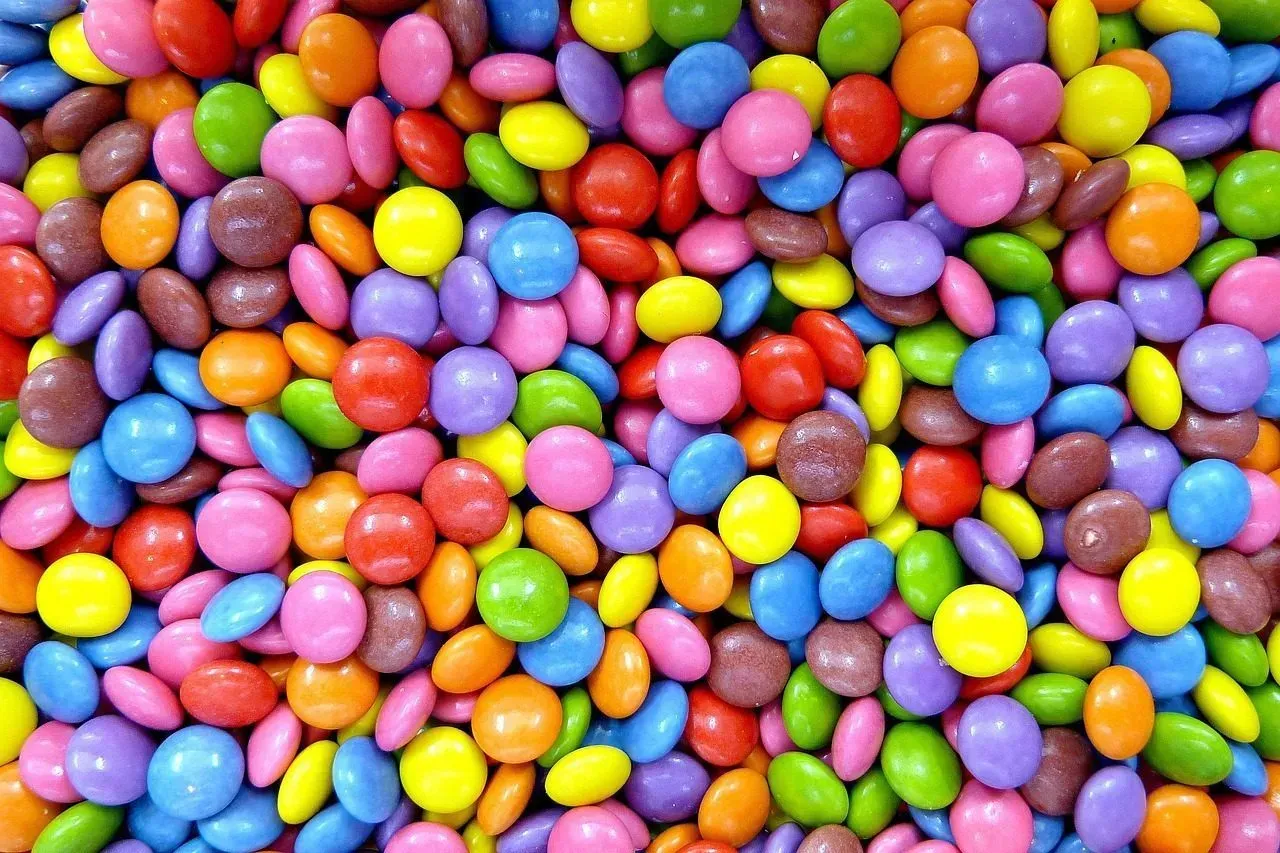
Ever wonder why American candy looks so much brighter than its European counterparts? Artificial food dyes like Yellow 5 and Red 40 are some of the most commonly used additives in the American food industry, giving everything from candies and cereals to sports drinks their vibrant, synthetic color. Walk through a European grocery store and you'll notice Skittles look different, Froot Loops seem duller, and even Gatorade appears less electric. That's because these countries either ban or heavily restrict these dyes.
Yellow 5, Yellow 6, and Red 40 must contain warning labels in the European Union and are banned in Norway and Austria, even though they are permitted in the U.S. where they are known to cause itching and hives for some. The concerns go beyond allergic reactions, though. Scientists in the California Environmental Protection Agency's Office of Environmental Health Hazard Assessment found that consumption of synthetic food dyes can result in hyperactivity and other neurobehavioral problems, such as inattentiveness and restlessness.
American parents continue feeding their kids cereals, snacks, and drinks loaded with these dyes without a second thought. Red 40 has been linked to allergies, migraine, and mental disorders in children. Let's be real, if these dyes were discovered today with what we now know about them, would they even get approved? Yet they remain ubiquitous in American processed foods, from breakfast cereals to birthday cake frosting.
Potassium Bromate in Your Daily Bread

Bread seems innocent enough. It's a staple food, right? Something humans have been making for thousands of years. Potassium bromate is an additive banned by the California bill signed into law, a slow-acting oxidizer that has long been used in flour to strengthen and increase the rising potential of dough, and is still used in certain packaged baked goods, such as in some hamburger buns and dinner rolls. That fluffy white bread, those perfectly shaped burger buns, those dinner rolls that stay fresh for weeks? Potassium bromate might be part of the reason they look and feel the way they do.
Potassium bromate is a chemical added to baked goods and drinks with evidence that it may cause cancer, and is banned in Europe, Canada, China, and Japan. The chemical is a food additive most used to strengthen dough and improve its elasticity, and has been linked to cancer, nervous system damage, and kidney damage. Here's what makes this particularly frustrating: American bakers don't actually need this stuff. European bakeries produce amazing bread without it. Japanese bakers create incredibly fluffy pastries without touching potassium bromate.
Because the flour additive is considered "prior sanctioned," meaning substances approved for specific uses in foods prior to September 6, 1958, it's not regulated by the FDA as a food additive. The regulatory loophole is maddening. We're eating something in our bread that other countries determined was too risky decades ago, and it gets a pass simply because it was used before a certain date. The FDA is currently reviewing petitions about potassium bromate, but Americans have been consuming it in the meantime.
Titanium Dioxide Making Your Food Picture-Perfect

That brilliant white frosting on cupcakes? The unusually bright appearance of certain candies and coffee creamers? Thank titanium dioxide. Titanium dioxide is used to make foods and beverages whiter and brighter, and the U.S. Food and Drug Administration considers it safe for human consumption, but it isn't found in foods in Europe. This chemical does absolutely nothing for taste or nutrition. Its sole purpose is cosmetic, making food look more appealing to our eyes.
In 2022, the European Food Safety Authority banned titanium dioxide, saying that after reviewing thousands of studies, it could no longer consider the additive safe because it has the potential to damage DNA or cause chromosomal damage. DNA damage. Chromosomal damage. These aren't minor concerns. The European Food Safety Authority concluded that while there wasn't enough evidence to deem titanium dioxide toxic, researchers could no longer consider it safe in food because they could not exclude genotoxicity concerns, as titanium dioxide particles do have the potential to cause breaks in strands of DNA and damage to chromosomes.
California tried to ban it along with several other additives, though the ban didn't ultimately stick for titanium dioxide. Companies like J.M. Smucker defended its use, noting it's FDA-approved and commonly used. Still, you have to wonder about the logic here. If scientists can't rule out the possibility of it damaging your DNA, why is looking at prettier frosting worth the risk? Americans continue eating it in everything from Skittles to salad dressings, often without even realizing it's there.
Growth Hormones in American Meat and Dairy
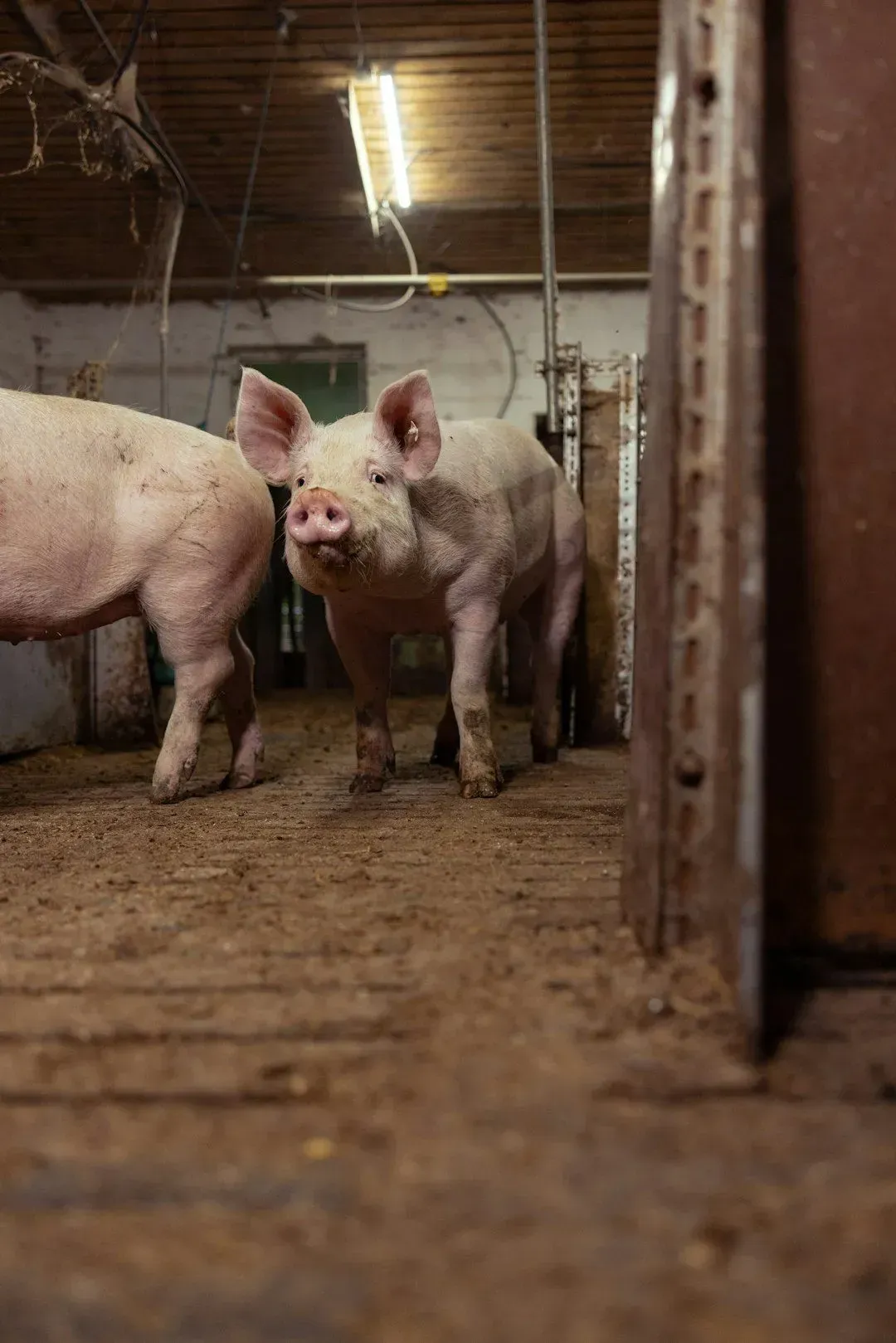
American portions are famously large, but the animals producing our food are unusually large too. In over 100 countries, American-made pork has been banned due to the use of substances like ractopamine, which is used to promote growth in pigs, and these substances are not required to be listed on labels. That pork chop on your plate might come from an animal that was fed growth-promoting drugs banned in most of the developed world. Ractopamine, often employed in pig farming, has been banned in numerous countries, and while research concerning the potential effects of ractopamine consumption on human health is somewhat limited, certain studies have found a correlation between this growth hormone and an increase in heart rate.
Dairy products present similar issues. Many dairy-based products like milk, yogurt, cheese, and ice cream may contain rBST in the United States, and this chemical has been banned in both Europe and Canada, though it may have little effect on human health but could cause health issues in dairy cows. So we're giving cows hormones that make them sick, then drinking their milk and eating their cheese. The EU and Canada looked at this practice and said no thanks. American regulators shrugged and said it's fine.
The real kicker? These hormones aren't even necessary. Farmers in countries that ban these substances still produce plenty of meat and dairy. They just do it without pumping animals full of growth promoters. American consumers largely have no idea this is even happening because, as noted, these substances don't have to appear on labels.
BHA and BHT Preservatives Extending Shelf Life Indefinitely
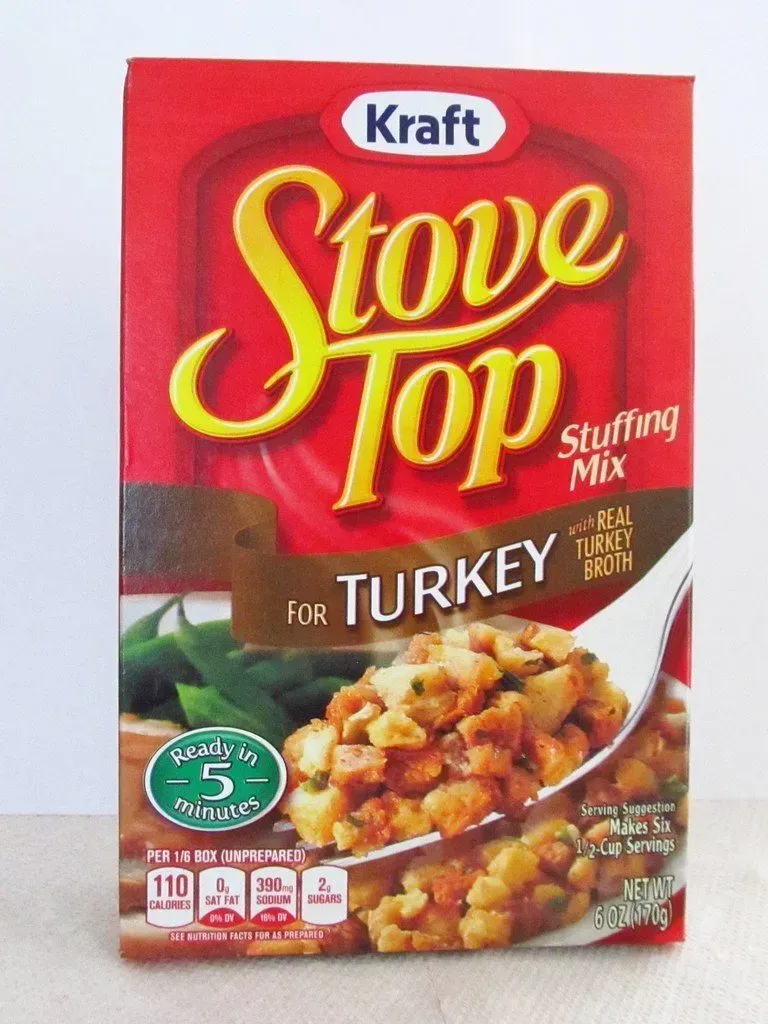
Butylated hydroxyanisole (BHA) and butylated hydroxytoluene (BHT) are synthetic preservatives added to processed foods to extend shelf life and prevent fats and oils from spoiling, and you'll find them in many pantry staples. That box of instant mashed potatoes that's been sitting in your cupboard for months? Those convenient Kraft Stove Top Stuffing packets? There's a reason they last practically forever. The popular mix contains the preservatives BHA and BHT, which have raised concerns due to suspicions of potential carcinogenic properties and their potential to hinder blood clotting, and consequently, these preservatives have been banned in the UK, Japan and other European nations.
In 1990, a doctor petitioned the FDA to ban butylated hydroxyanisole citing its link to cancer, and thirty-four years later, the agency is still considering whether to go ahead with a ban, even though the FDA has doubted the safety of BHA since 1978 and the National Toxicology Program's 2021 conclusion that it's "reasonably anticipated to be a carcinogen". Think about that timeline for a second. The FDA has had concerns about BHA since 1978. Scientists officially labeled it as reasonably anticipated to be a carcinogen in 2021. Yet Americans are still eating it daily in 2025.
These additives are banned in the EU but not in the U.S., and animal studies suggest that high doses of BHA and BHT may increase the risk of several different cancers. Defenders of these preservatives argue the amounts in food are too small to matter. Maybe they're right. But multiple other developed nations decided they'd rather not take that chance, finding alternative preservatives that don't come with cancer warnings attached.
The Real Question Nobody's Asking About These Banned Ingredients

Here's what really gets under my skin about this whole situation. We're not talking about obscure chemicals in weird foreign foods that nobody eats. These are mainstream American products sitting in practically every household right now, from your kid's breakfast cereal to your favorite sports drink to the bread you bought yesterday at the grocery store. And the wildest part? Most Americans have absolutely no idea they're consuming ingredients that other wealthy nations decided were too risky for their citizens. The European Union didn't ban these additives because they hate American innovation or want to protect their own food industries. They looked at the same scientific evidence available to the FDA and reached a completely different conclusion about acceptable risk. Japan, Canada, Australia, and dozens of other countries did the same thing. So either America knows something the rest of the developed world doesn't, or we're prioritizing corporate convenience and profit margins over public health concerns. The food industry argues these chemicals are safe at current levels, and maybe that's technically true for a single serving. But nobody eats just one thing containing these additives. When you're consuming BHA in your cereal, BHT in your snack bars, artificial dyes in your candy, and brominated oil in your soda, all in the same day, every single day for decades, what's the cumulative effect? That's the question regulators in other countries decided they didn't want to find out the hard way.



Leave a Reply