
Picture yourself at an elegant Victorian dinner party. Candlelight flickers across fine china, crystal glasses gleam, and your host proudly presents the evening's main course. You lift the silver dome and immediately regret accepting the invitation. What seemed like a sophisticated social event has turned into a culinary nightmare that makes reality TV food challenges look tame.
The Victorians had some seriously questionable ideas about what constituted fine dining. Their obsession with elaborate presentation often overshadowed concerns about taste or, honestly, basic human decency toward certain creatures. These dishes weren't just weird by accident. They were deliberate showpieces designed to impress guests and demonstrate wealth, even if that meant serving things that would make most of us lose our appetite instantly.
Calf's Head in Aspic
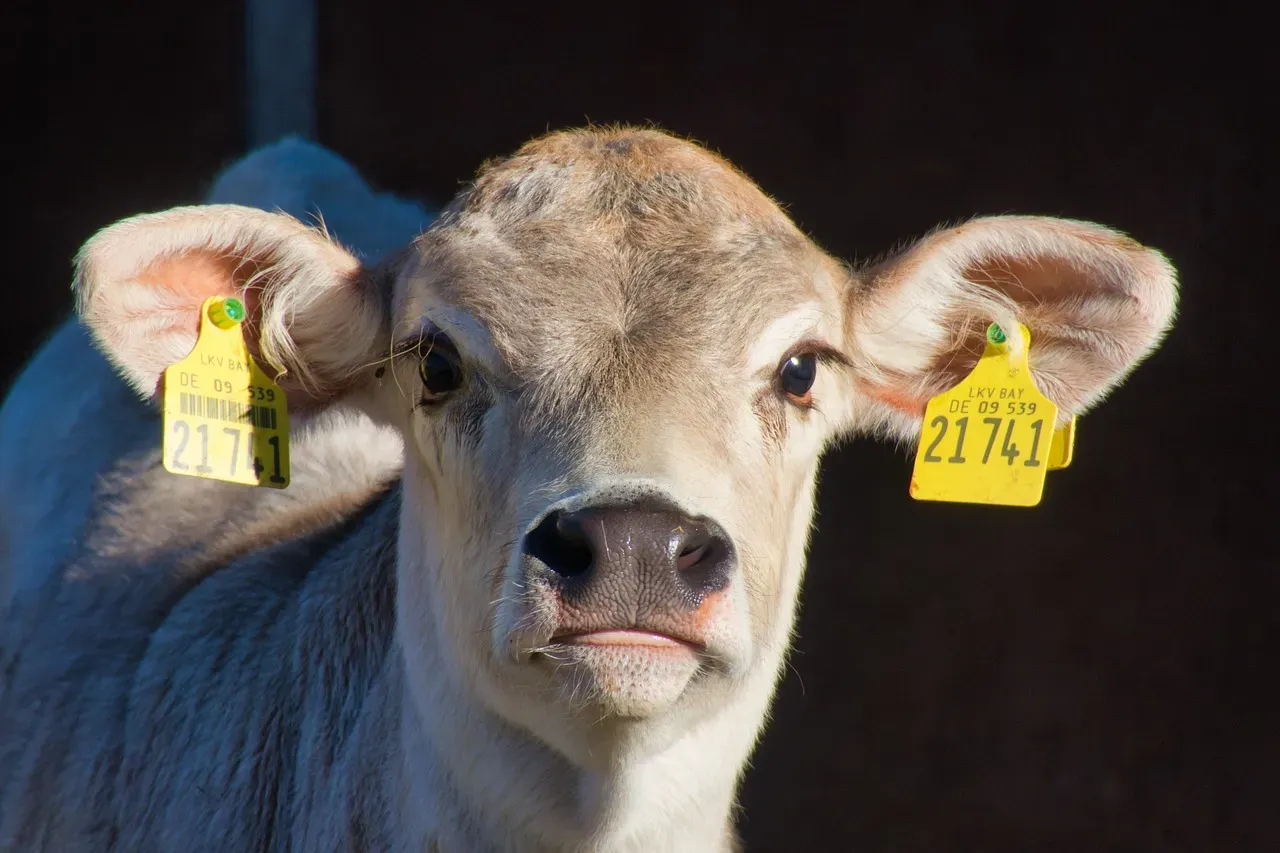
Let's be real, there's no gentle way to describe this monstrosity. Victorian hosts would boil an entire calf's head until the meat fell off, then set it in a savory gelatin mold with the eyeballs still intact. The tongue was considered a delicacy and often served separately or arranged artfully within the aspic itself.
The dish would arrive at the table as a grotesque, translucent centerpiece with the animal's features disturbingly visible through the wobbly gelatin. Guests were expected to praise the hostess for her culinary prowess while staring directly at a gelatinous cow face. Some variations included vegetables or hard-boiled eggs suspended in the jelly, but honestly, that didn't help the situation much.
What made this especially disturbing was the presentation style. Cooks would sometimes position the head to appear as if the animal was still alive, with the snout raised and ears perked. The aspic would be sliced at the table, revealing cross-sections of brain matter, bone, and various unidentifiable tissues that most modern diners would rather not contemplate.
This dish showcased the Victorian love of using every possible part of an animal, though one has to wonder if some parts deserved to remain unused. The gelatinous texture combined with the visual horror made this a true test of one's stomach and social graces.
Live Bird Pie
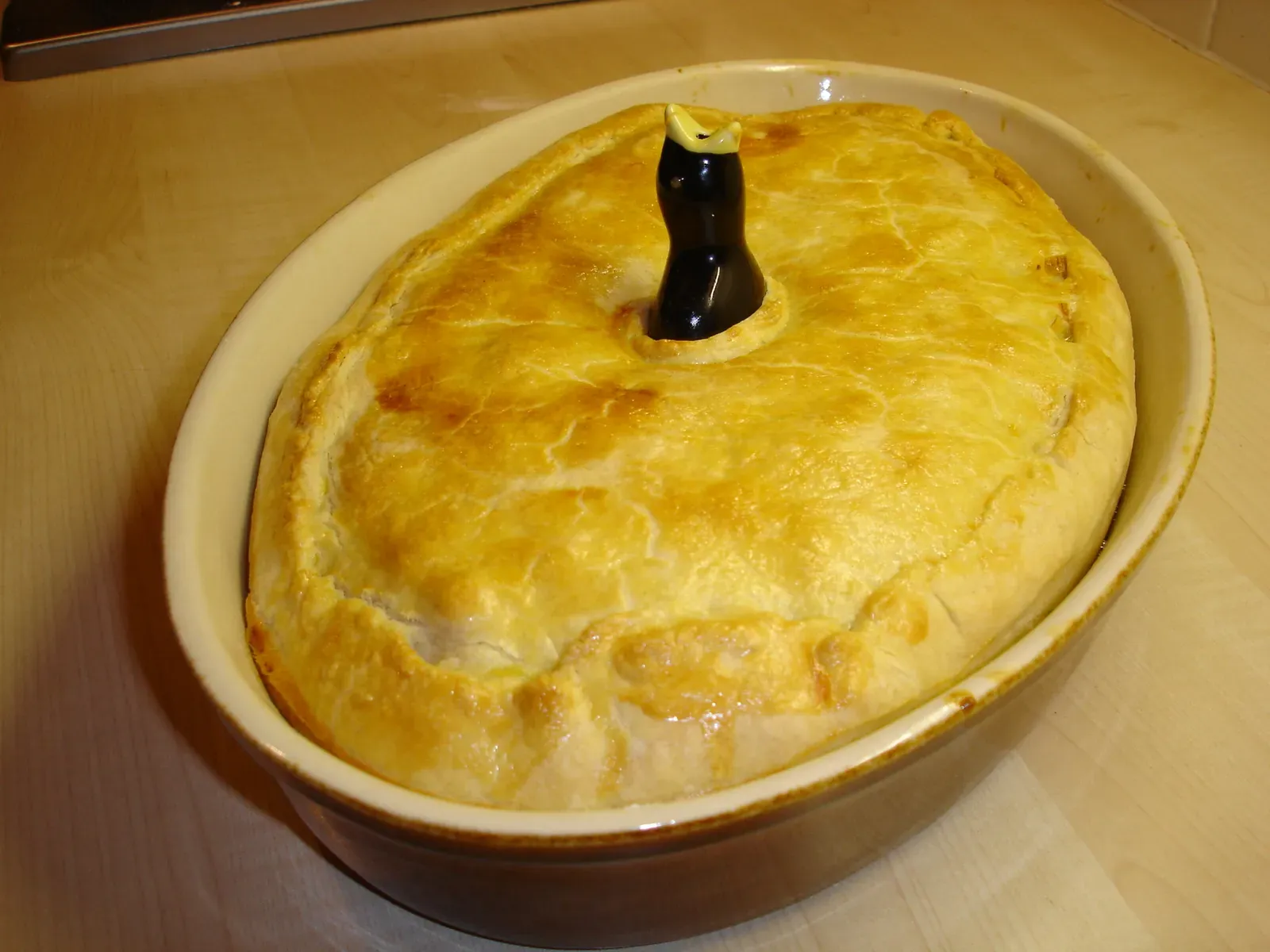
You know that nursery rhyme about four and twenty blackbirds baked in a pie? The Victorians actually did that, except the birds weren't baked at all. They were very much alive and extremely angry about their situation.
Cooks would construct an elaborate pie with a bottom crust and filling, but leave the top partially unsealed. Live birds, usually blackbirds or other small songbirds, would be placed inside just before serving. When the host cut into the pie at the table, dozens of panicked birds would explode into the dining room, flying into chandeliers, knocking over wine glasses, and probably leaving some unwelcome deposits on the fancy tablecloths.
This wasn't considered cruel or chaotic. It was entertainment. Guests would laugh and chase the birds while servants scrambled to restore order. The actual edible pie would be served afterward, though one imagines appetites might have diminished after watching terrified creatures flee for their lives across the soup course.
The logistics alone seem nightmarish. Someone had to catch all those birds, keep them calm enough to stay in the pie, and time everything perfectly. Meanwhile, your dining room would need serious cleaning afterward, assuming you could even convince the birds to leave.
Roasted Swan with All Its Feathers
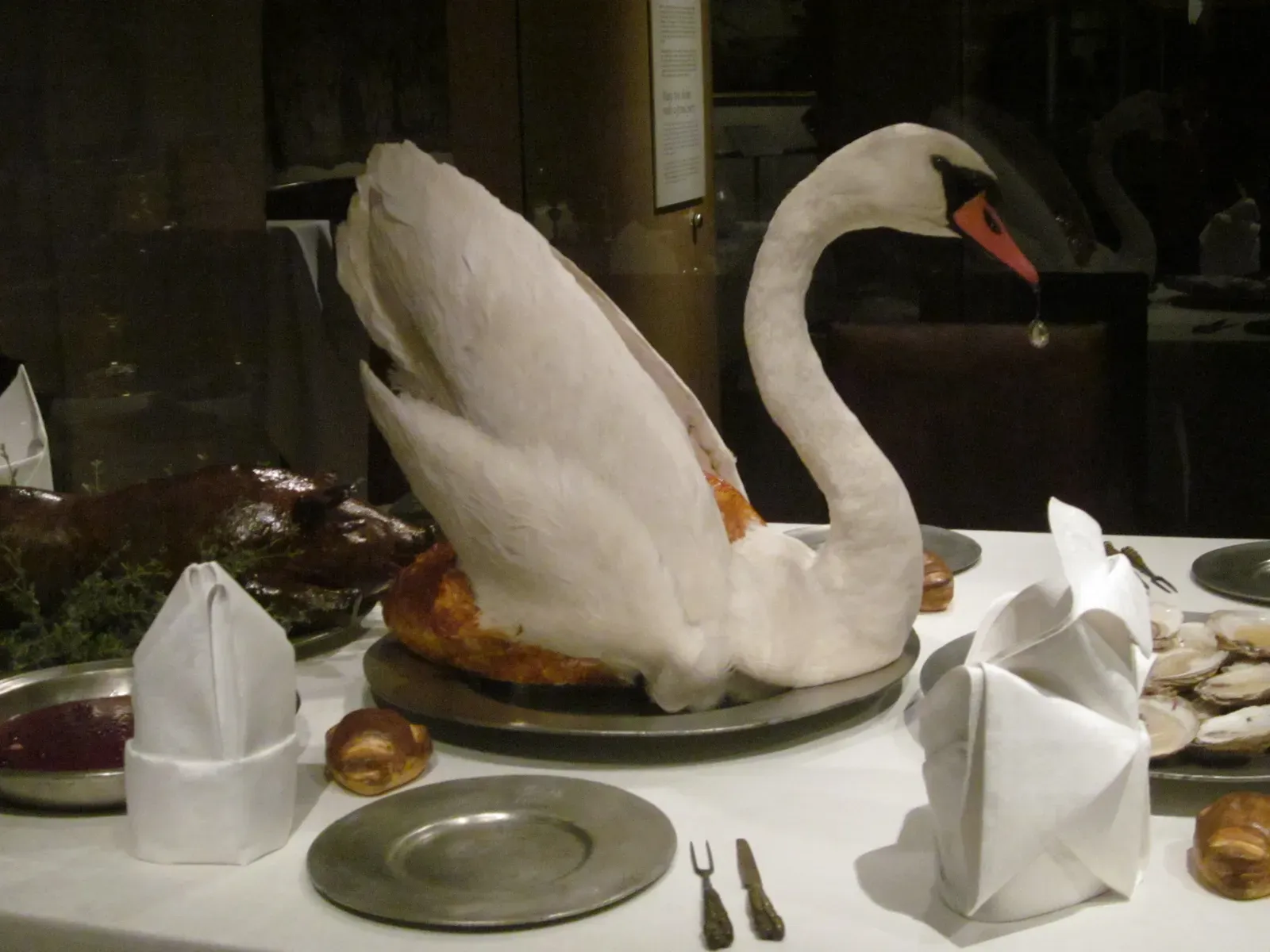
The Victorians took presentation to absurd levels with this dish. A swan would be carefully skinned, keeping the feathers and head intact. After roasting the meat, cooks would sew the feathered skin back onto the cooked bird, position the neck in an elegant curve, and present it as if the swan had simply decided to take a nap on your dinner table.
The visual impact was certainly dramatic. This massive bird, looking almost alive with its white plumage and regal bearing, would sit as the centerpiece of elaborate feasts. Guests were meant to admire the craftsmanship before the host would carve into it, revealing the actual roasted meat beneath the decorative exterior.
Here's the thing though. Swan meat is notoriously tough and fishy-tasting. All that effort went into presenting a bird that most people today would find barely edible. The Victorians didn't seem to mind, probably because eating swan was more about status than flavor.
The preparation process took hours and required serious skill. One wrong move and the feathered skin would tear, ruining the entire illusion. Modern health inspectors would have an absolute field day with this practice, given all the potential contamination issues involved in sewing raw bird skin onto cooked meat.
Jellied Eels
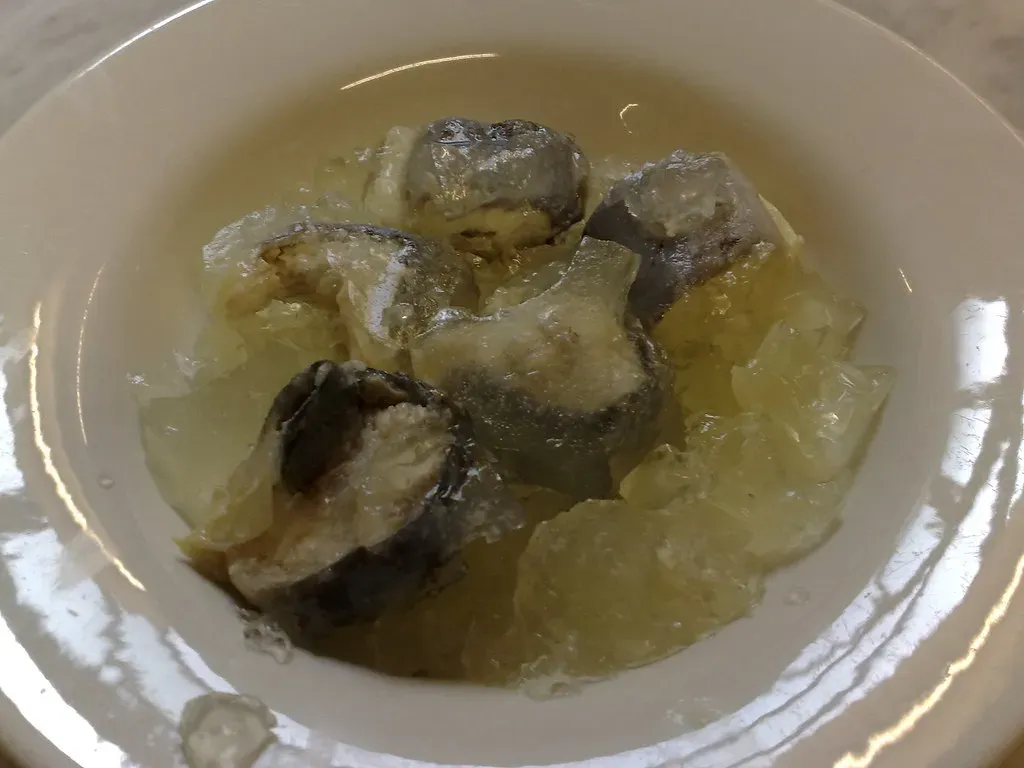
If you thought aspic dishes couldn't get worse, the Victorians would like a word. They took eels, chopped them into chunks, boiled them until they released their natural gelatin, and then let the whole mess cool into a quivering, cloudy jelly studded with segments of eel.
The eels would be served cold, often straight from the refrigerator, so you got the full experience of biting into chilled, rubbery fish suspended in fishy-flavored gelatin. Enthusiasts claimed the dish was refreshing. Everyone else probably wondered what they did to deserve such punishment.
This wasn't just a one-off weird recipe. Jellied eels were genuinely popular, especially in London, where eel sellers would hawk them from street stalls. Wealthy Victorians elevated the dish for formal dinners by serving it on fine china, as if fancy plates somehow made the concept less horrifying.
The preparation method meant the jelly would be cloudy rather than clear, giving it a murky, unappetizing appearance. Modern food science tells us that eel gelatin creates a particularly firm set, which translated to an especially bouncy, unpleasant texture that clung stubbornly to your teeth.
Boiled Calf's Foot Jelly
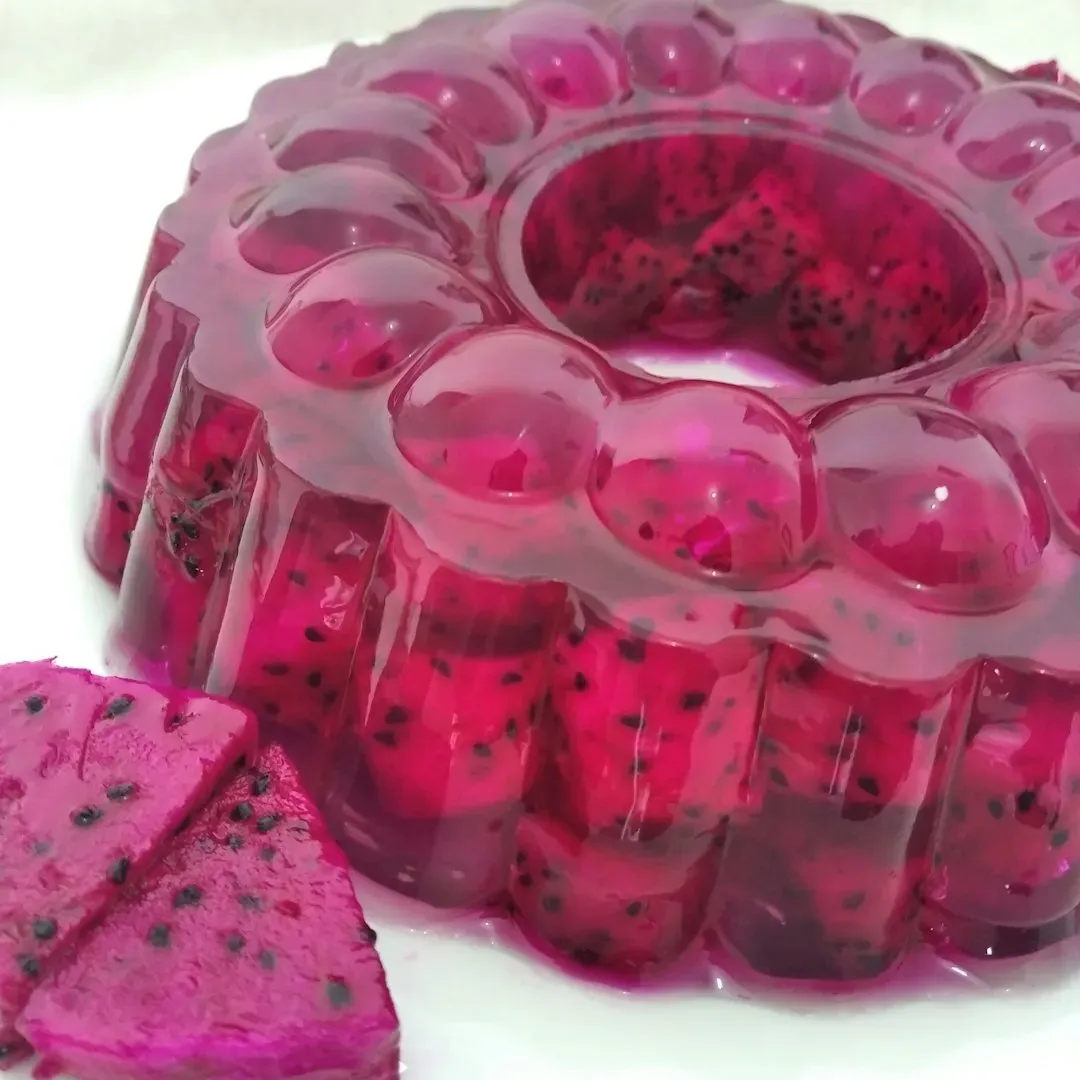
Sensing a pattern with the Victorians and gelatin yet? They absolutely loved turning animal parts into wobbly, translucent nightmares. This particular delicacy involved boiling calf's feet for hours until the collagen broke down into gelatin, then straining the liquid and letting it set.
The result was a clear or pale amber jelly that Victorians considered both a delicacy and a health food. They genuinely believed this stuff had medicinal properties and would serve it to invalids recovering from illness. Imagine being sick in bed and someone brings you a bowl of quivering foot jelly as comfort food.
What made this especially unsettling was that despite the straining, small bits of hoof, bone, or cartilage sometimes made it through into the final product. You'd be eating your supposedly refined dessert and suddenly encounter a hard, mysterious fragment that you really didn't want to identify.
Calf's foot jelly was often sweetened and flavored with wine or lemon, served alongside fruit or cream. The Victorians thought this made it sophisticated. The reality was more like eating sweetened Jell-O while trying not to think about its origins, except you absolutely couldn't stop thinking about them because your hosts would inevitably explain the preparation process in detail.
Cockscombs and Sweetbreads
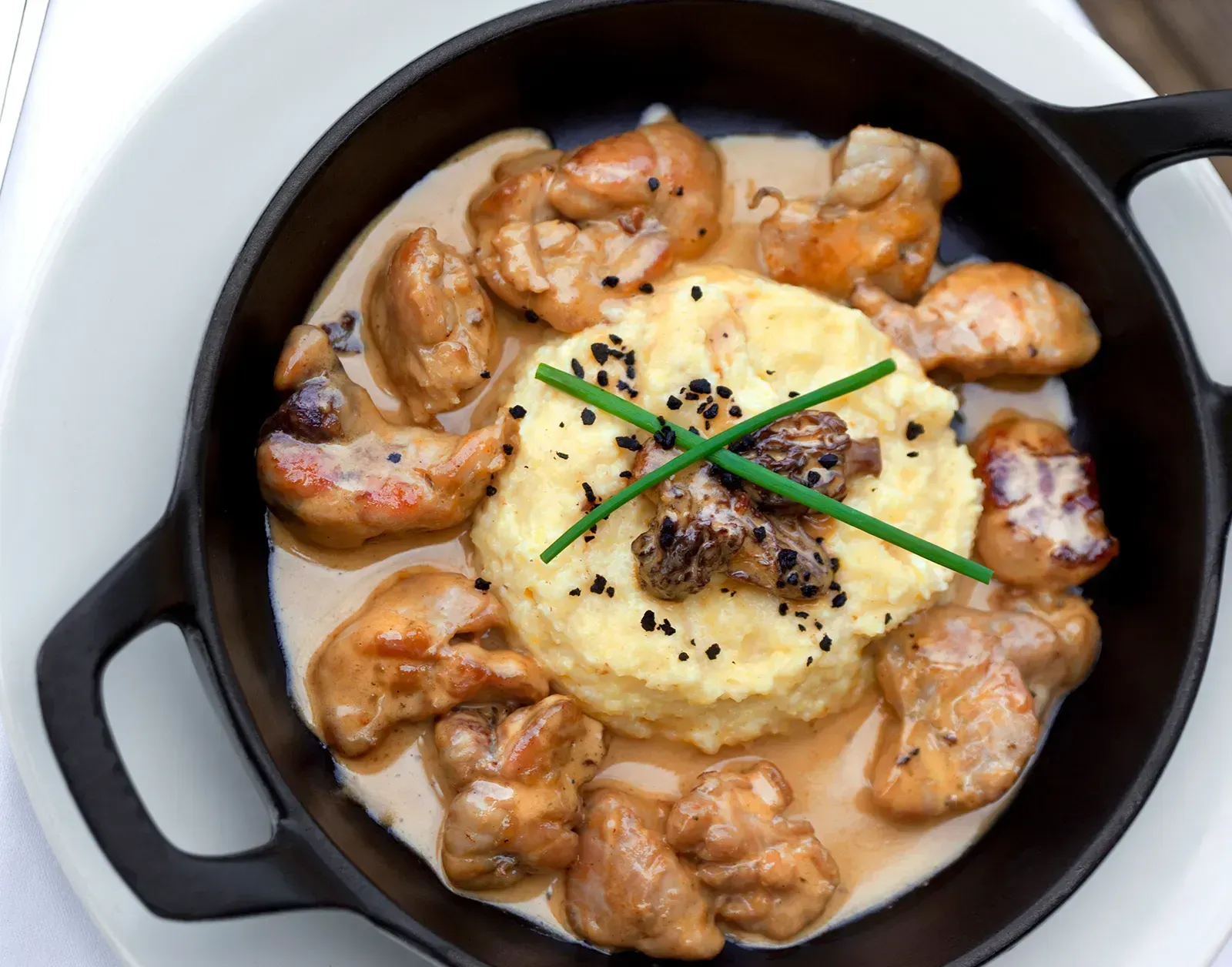
Saved the worst for last here. Cockscombs are exactly what they sound like, the fleshy red crests from roosters' heads. Sweetbreads, despite the innocent name, are thymus glands or pancreases from calves or lambs. The Victorians combined these delightful ingredients into elaborate dishes that were considered the height of sophistication.
Preparation involved blanching the cockscombs to remove their outer membrane, then cooking them until tender. They'd be arranged alongside sautéed sweetbreads in rich cream sauces, often garnished with truffles and served on toast points. The texture was described as somewhere between cartilage and rubber, which honestly doesn't sound appealing no matter how much truffle you add.
Victorian cookbooks treated this combination as perfectly normal haute cuisine. Instructions would casually mention things like "carefully remove the windpipe from the sweetbreads" as if everyone kept animal organs in their pantry for everyday cooking.
The visual presentation didn't help matters. Cockscombs retained their distinctive wavy shape even after cooking, so anyone looking at their plate knew exactly what they were eating. Combined with the pale, spongy sweetbreads, the whole dish looked like something you'd find in a Victorian medical specimen jar rather than on a dinner plate.
Conclusion
The Victorian era gave us remarkable literature, stunning architecture, and apparently a complete disregard for what should reasonably be served at dinner parties. These dishes weren't accidents or poverty food. They were deliberate choices made by wealthy people who had plenty of alternatives but decided that live birds exploding from pies represented the pinnacle of dining sophistication.
Modern food culture has its own weird moments, sure, but at least we've mostly agreed that dinner shouldn't involve making eye contact with our food or watching it fly around the room. The Victorians would probably find our squeamishness amusing, but honestly, I think we can all agree that some culinary traditions deserved to stay in the past.
Next time you complain about someone's experimental dinner party menu, just remember it could be worse. At least nobody's serving you calf's head in aspic. What's the strangest historical dish you've heard of? Would you have survived a Victorian dinner party, or would you have politely excused yourself after the first course?


Leave a Reply