
Ever noticed how some of the fanciest items on restaurant menus today used to be what poor people ate just to survive? It's a bizarre twist of culinary fate. Foods that once kept struggling families alive through harsh winters or economic hardship are now served with gold leaf and a price tag that could feed a family for a week.
The transformation didn't happen overnight, and it certainly wasn't some master plan by historical peasants hoping their descendants would cash in. It's a fascinating story of scarcity, marketing genius, and our collective obsession with status symbols. Let's dive into the surprising journey of these humble foods that climbed the social ladder.
Lobster: From Prison Fare to Premium Seafood
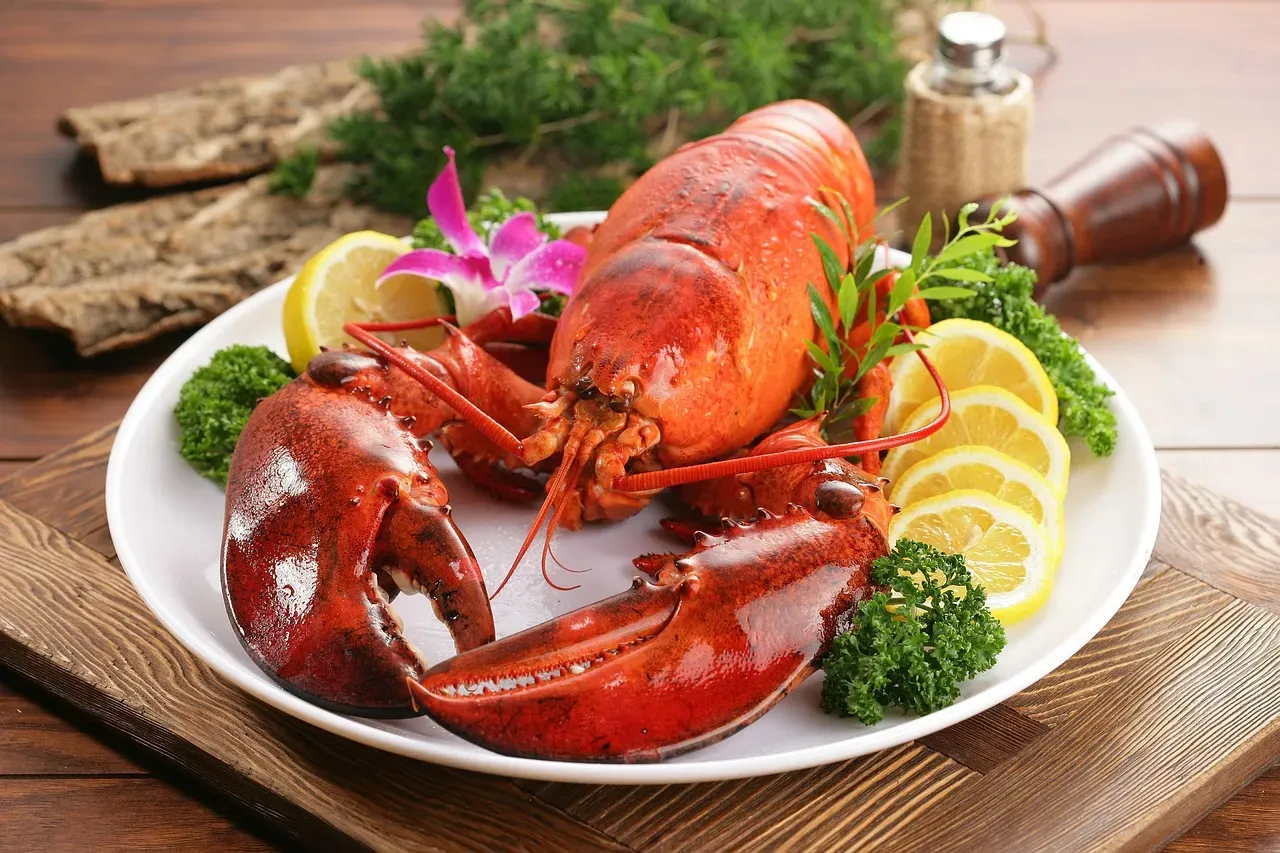
Hard to believe, but lobster was once considered garbage food. In colonial America, these bottom-feeding crustaceans were so abundant they'd literally wash up on beaches in piles after storms. Servants had clauses in their contracts limiting how many times per week they could be fed lobster because it was seen as cruel and unusual punishment.
Prisoners, servants, and the desperately poor ate lobster. The wealthy wouldn't touch it. Fast forward to today, and a decent lobster dinner can easily set you back fifty dollars or more at a mid-range restaurant. What changed?
The shift happened when railroads expanded in the mid-1800s. Canned lobster started being sold to inland customers who had never seen the ocean, let alone a lobster. They had no idea about its lowly reputation. Marketing campaigns positioned it as an exotic delicacy from the sea, and the myth was born.
Now lobster populations have declined dramatically due to overfishing and climate change. Scarcity drove prices through the roof. What was once so plentiful it was used as fertilizer and fish bait now costs more per pound than many cuts of beef.
Oysters: The Working Man's Protein Turned Status Symbol
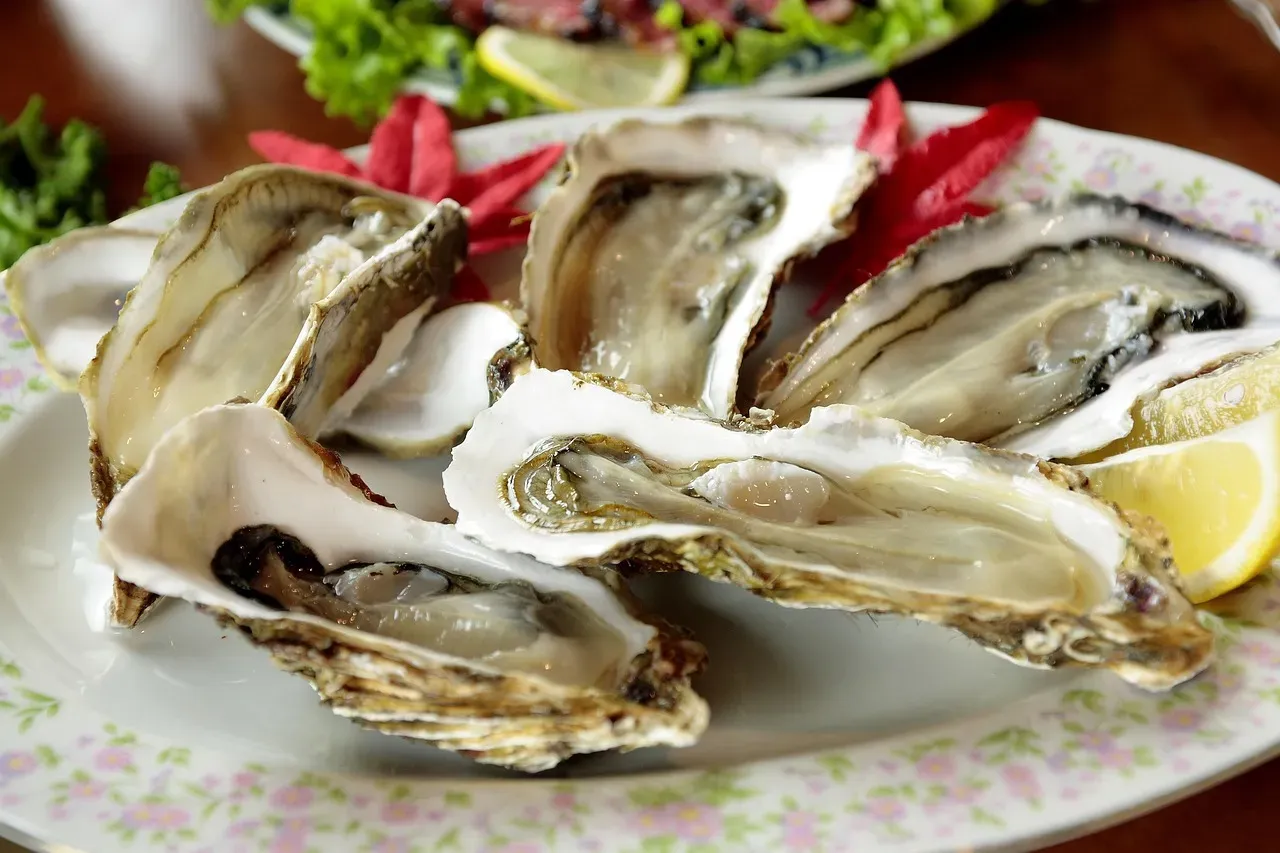
In 19th century New York, oyster bars lined the streets like modern fast-food joints. Workers would stop in for a quick, cheap meal of fresh oysters before heading home. They were the original dollar menu item, accessible to basically anyone with loose change.
Oyster cellars stayed open late, serving the working class and providing affordable nutrition. The bivalves were so common that they were used as cheap stuffing for pies and stews. Nobody thought twice about eating dozens in one sitting.
Today, ordering a dozen oysters at a trendy raw bar might cost you anywhere from thirty to sixty dollars. They're presented on ice beds with mignonette sauce and champagne pairings. It's hard to imagine dock workers casually slurping them down between shifts.
Pollution and overharvesting devastated natural oyster beds throughout the 20th century. Clean water regulations and sustainable farming practices have made quality oysters more difficult and expensive to produce. The combination of environmental challenges and clever marketing transformed them into luxury items.
Oxtail: Butcher Scraps to Fine Dining Star
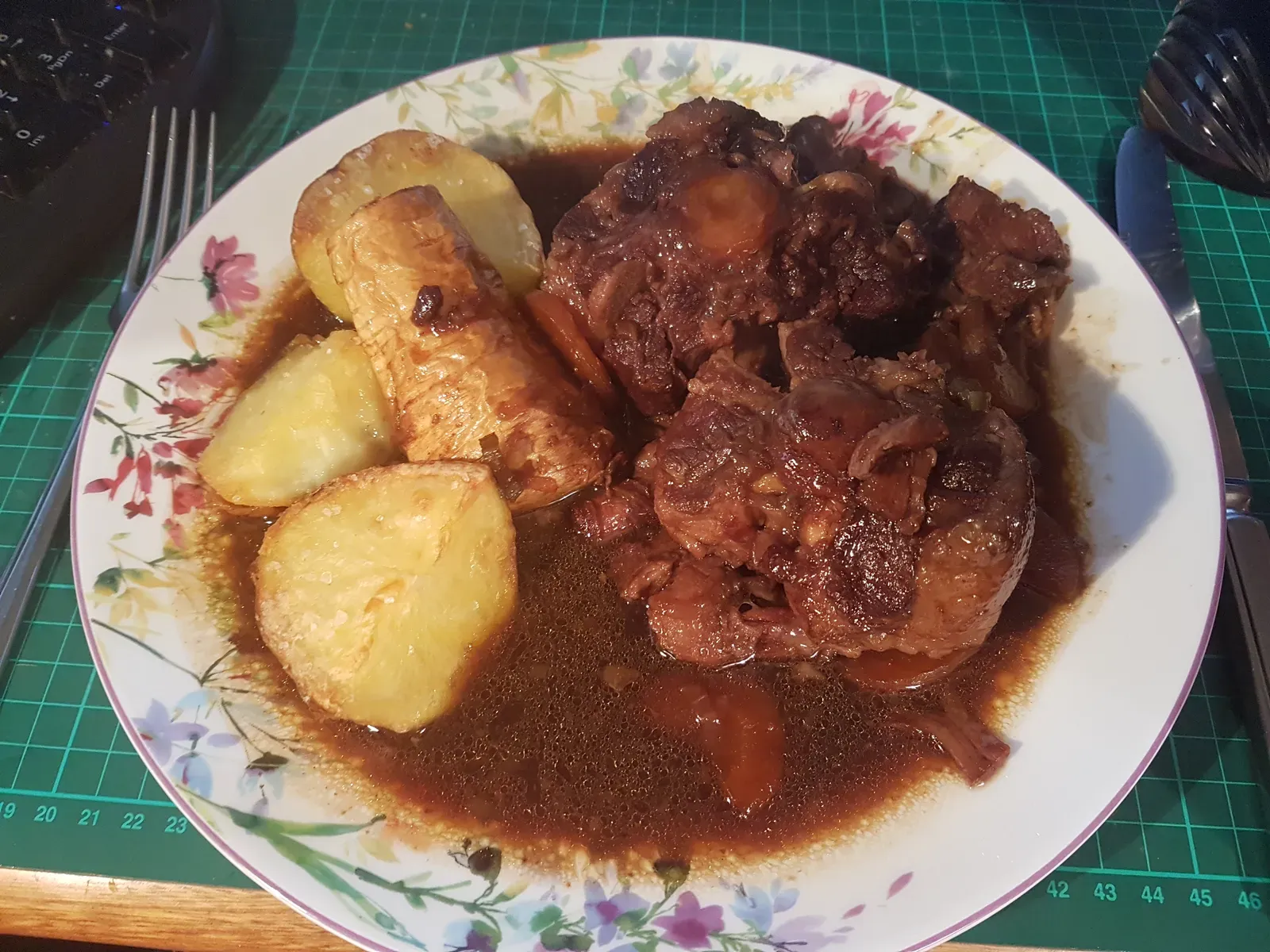
Let's be real, oxtail used to be what butchers gave away or sold for pennies. It was literally the tail of the cow, the part nobody wanted except poor families who couldn't afford better cuts. Jamaican immigrants, soul food cooks, and other communities turned these scraps into something delicious out of necessity.
The meat requires hours of slow cooking to become tender, making it perfect for working families who could set a pot on the stove and let it simmer all day. The resulting rich, gelatinous broth and fall-off-the-bone meat sustained generations through hard times.
Walk into an upscale restaurant now and you'll find braised oxtail going for twenty-five to forty dollars a plate. Fancy gastropubs feature it in ragu over handmade pasta. It's become a trendy ingredient that chefs love to showcase.
The price explosion happened partly because more people discovered how incredible oxtail tastes when prepared properly. Food bloggers and cooking shows popularized traditional recipes. Demand skyrocketed while supply remained limited since each cow only has one tail. Economics did the rest.
Pork Belly: From Poverty Meat to Bacon Mania
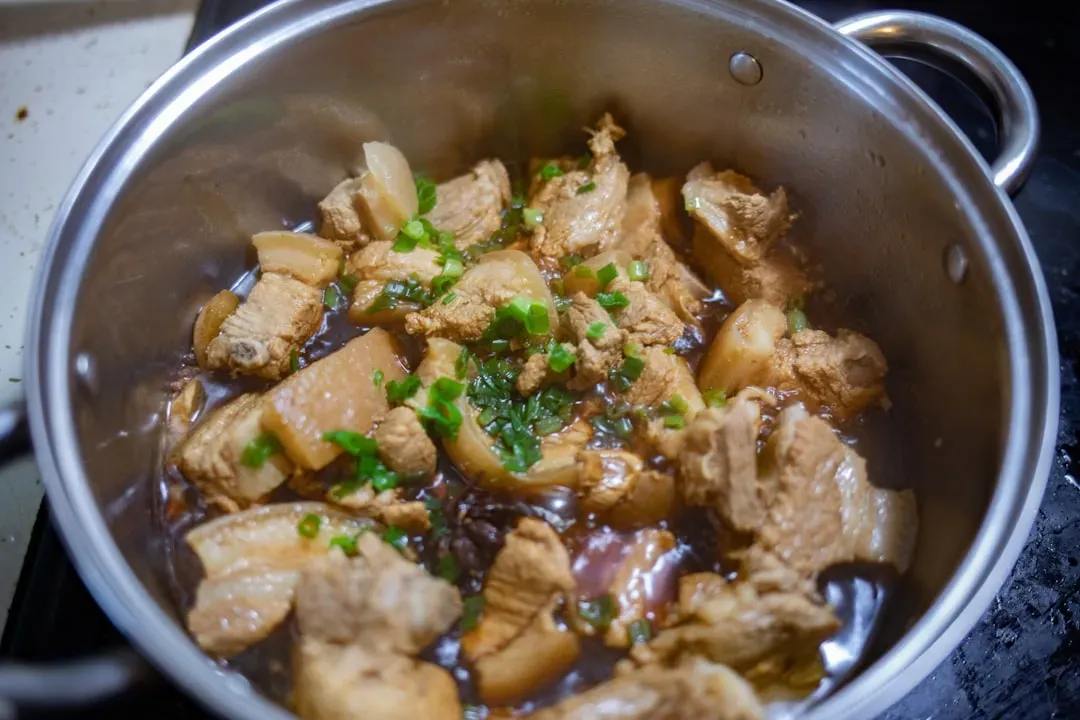
Pork belly, the fatty underside of a pig, was cheap because it wasn't considered desirable by those who could afford leaner cuts. Poor farming families used every part of the animal, and the fatty belly provided crucial calories during lean times. It kept longer when cured and could stretch meals.
Asian cuisines, particularly Korean and Chinese cooking, always appreciated pork belly's richness and versatility. But in Western fine dining circles, it was ignored for decades. Fat was the enemy, and this cut was basically all fat with streaks of meat running through it.
Then something shifted in food culture. Chefs started celebrating fat as flavor, and suddenly pork belly appeared everywhere. Bacon became a food group unto itself, spawning festivals, themed restaurants, and desserts. The once-humble belly rode that bacon wave straight to luxury status.
A good pork belly dish at a restaurant now costs about the same as prime steak. The irony is thick considering this was peasant food just a generation ago. Supply constraints and the bacon craze pushed prices up dramatically, making what was once the cheapest part of the pig into something special.
Caviar: Surprisingly Democratic Beginnings

This one might surprise you. Caviar wasn't always the ultimate symbol of wealth and sophistication. In 19th century America, bars served caviar for free like peanuts or pretzels because the salt made customers thirsty and they'd order more drinks. Sturgeon were incredibly abundant in American rivers.
Russian immigrants worked in caviar processing plants, eating the stuff regularly as part of their meals. It was plentiful, cheap, and honestly kind of boring when you ate it all the time. Nobody was treating it like liquid gold back then.
Overfishing nearly drove sturgeon to extinction by the early 1900s. As the fish became scarce, Russian aristocrats started marketing caviar as an exclusive delicacy. The price reflected the rarity, and suddenly having access to these tiny fish eggs meant you'd arrived socially.
Today, legitimate sturgeon caviar can cost hundreds or even thousands of dollars per ounce. Strict regulations and the endangered status of many sturgeon species keep production limited. What workers once ate casually is now something most people only experience on very special occasions, if ever.
Foie Gras: Geese Fed by Necessity, Not Luxury
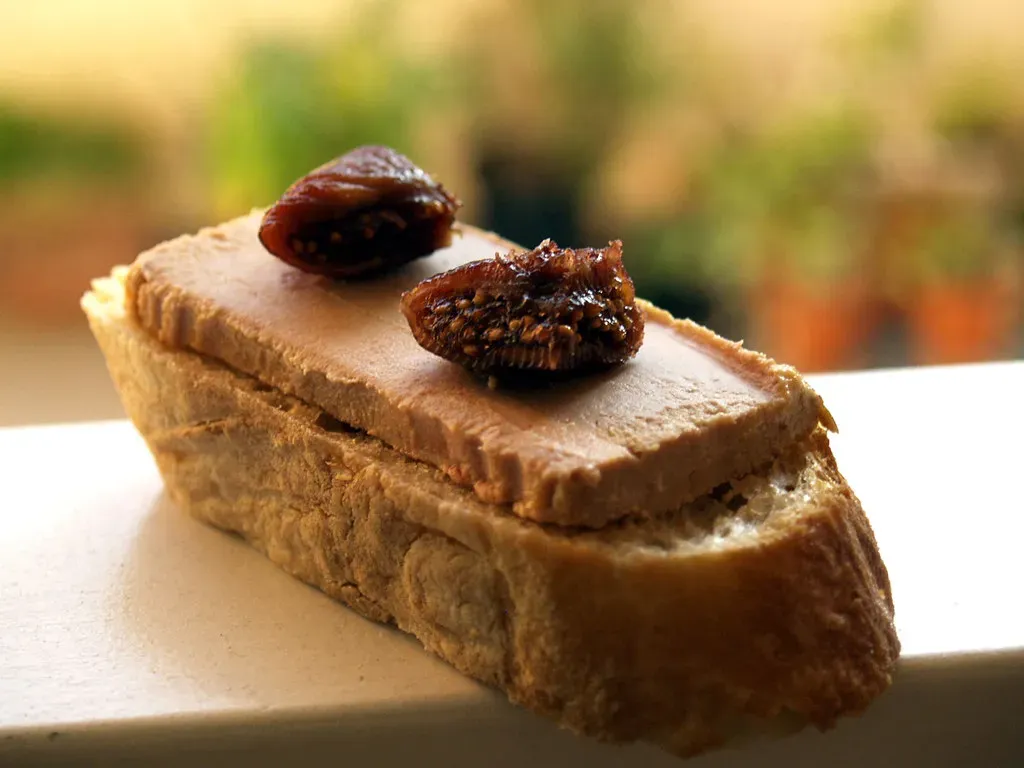
The practice of fattening geese and ducks dates back to ancient Egypt, where farmers discovered that force-feeding birds created enlarged, fatty livers. But for most of history, this was simply how rural farming communities preserved food and maximized nutrition from their flocks during winter preparation.
French and Hungarian peasants perfected techniques out of practicality, not culinary ambition. They needed calorie-dense foods that would last. The fatty liver could be preserved and provided crucial nutrition when other food was scarce. It was survival strategy, not gourmet cooking.
Wealthy French aristocrats eventually discovered foie gras and claimed it as their own, creating elaborate preparations and positioning it as a luxury item. Restaurants followed suit, and the transformation from farmhouse necessity to haute cuisine was complete. The controversy around production methods added to its mystique and exclusivity.
Premium foie gras now sells for over one hundred dollars per pound at specialty retailers. Restaurants charge thirty to fifty dollars for a single appetizer portion. The same food that kept farming families alive through harsh seasons is now something only the wealthy regularly consume.
Chicken Wings: Stadium Food to Superbowl Spending
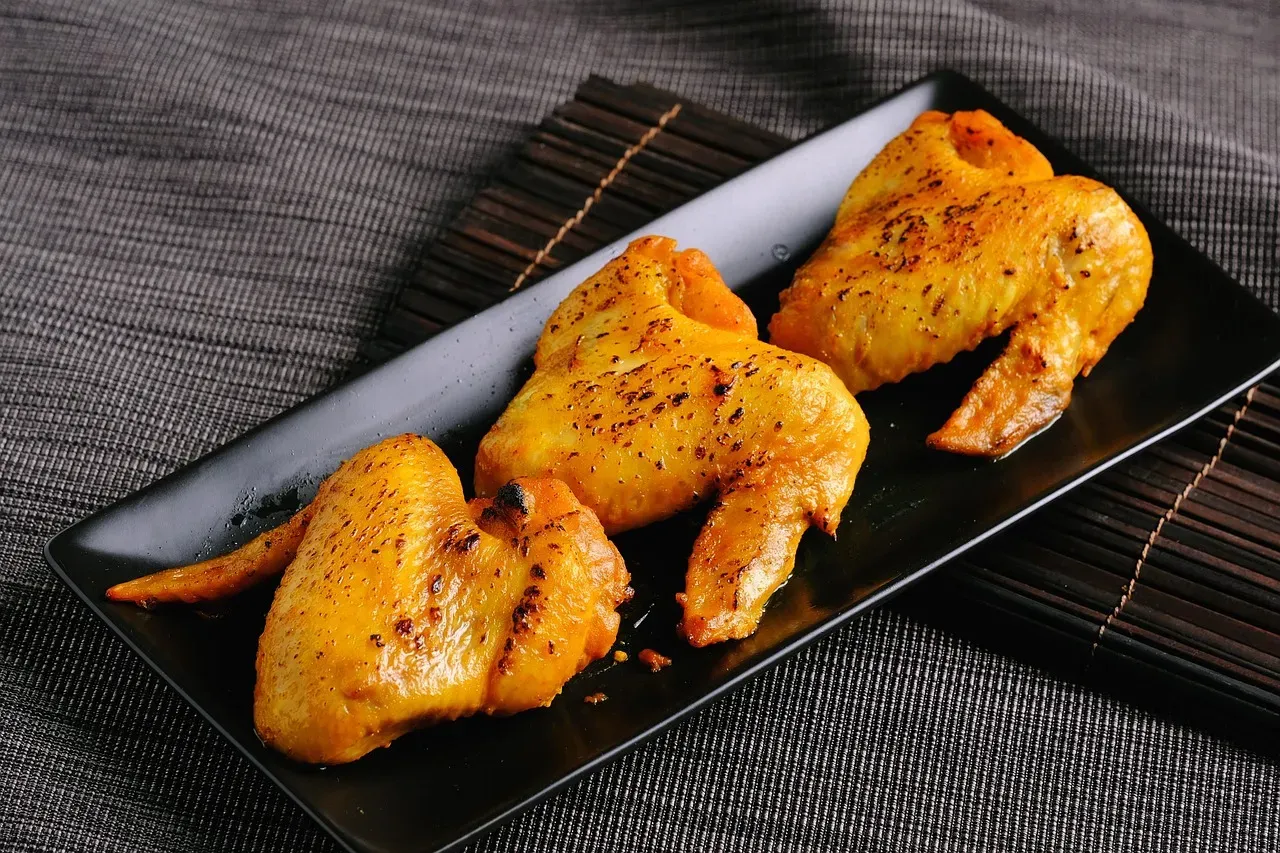
I know what you're thinking - chicken wings are still pretty affordable. True, but hear me out. Wings were literally thrown away by butchers for decades because there was barely any meat on them. They were considered waste, sometimes used for stock but often just discarded entirely.
The famous Buffalo wing invention in 1964 happened partly because the Anchor Bar received a shipment of wings instead of other chicken parts. Rather than waste them, Teressa Bellissimo fried them up with hot sauce. The rest is history, but it started as making do with what you had.
Wings gradually became bar food, then stadium food, then a cultural phenomenon. Americans now consume roughly 1.4 billion chicken wings during Super Bowl weekend alone. The demand is absolutely staggering compared to their origins as throwaway scraps.
While still more affordable than lobster or caviar, wing prices have increased dramatically. What once cost pennies per pound now rivals some premium chicken cuts. During major sporting events, prices spike even higher. The humble wing has certainly moved up in the world, even if it hasn't quite reached luxury status yet.
Quinoa: Ancient Sustenance to Superfood Gold Rush
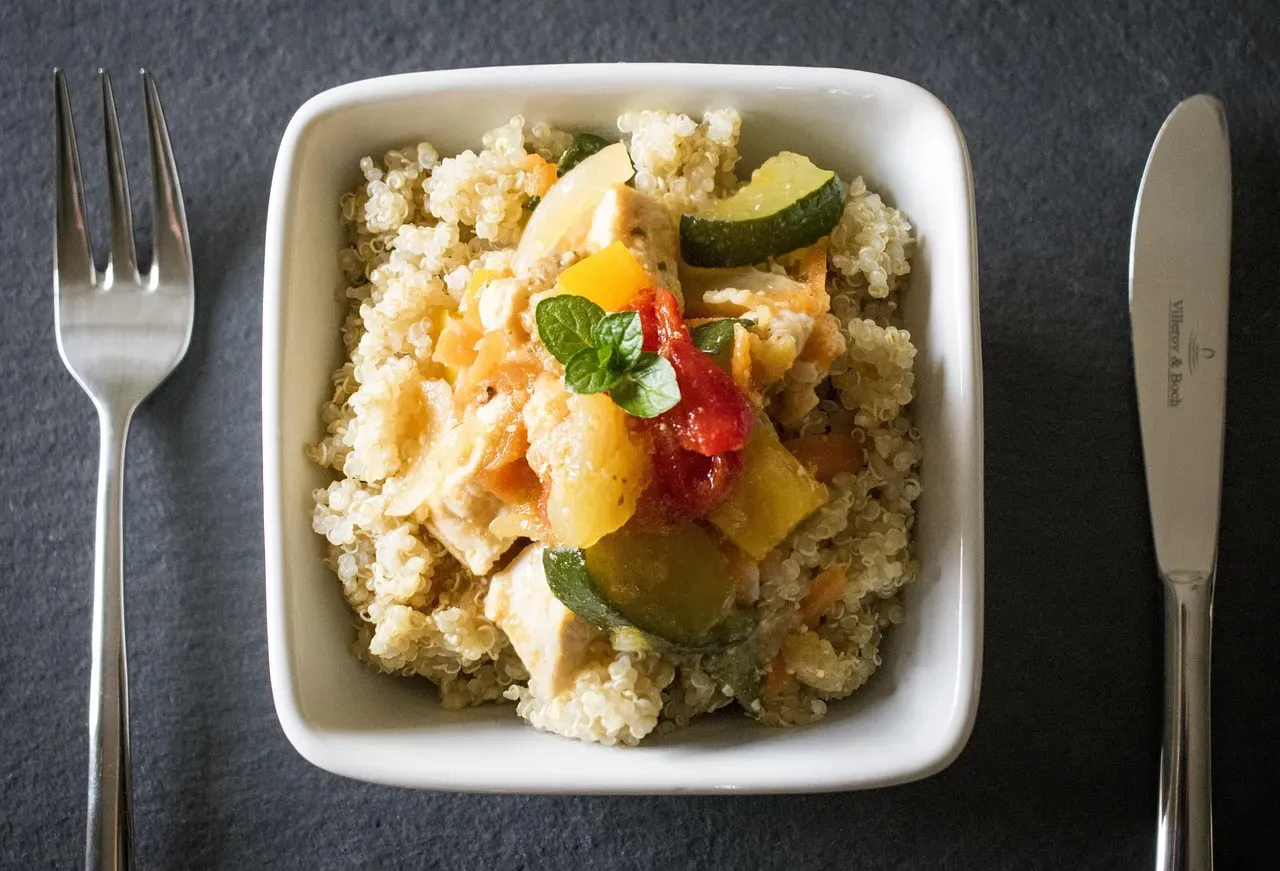
Quinoa sustained indigenous Andean peoples for thousands of years. It was their staple grain, grown by farmers in harsh mountain conditions where other crops struggled. Spanish conquistadors actually looked down on quinoa, considering it inferior "Indian food" unworthy of European palates.
For centuries, poor farming communities in Peru and Bolivia grew quinoa for their own consumption. It was cheap, nutritious, and reliably productive in difficult growing conditions. Nobody outside the region paid any attention to these tiny seeds.
Then health food marketers discovered quinoa's nutritional profile in the 2000s. Suddenly it was a "superfood," gluten-free, protein-rich, and ancient. Western consumers went crazy for it. Prices increased so dramatically that the farmers who had eaten it for generations could no longer afford their own traditional food.
Premium organic quinoa now sells for around eight to twelve dollars per pound at specialty stores. Restaurants charge extra for quinoa bowls and salads. The irony of turning a subsistence crop into an expensive health food trend isn't lost on anyone paying attention to food justice issues.
Brisket: From Tough and Cheap to BBQ Gold
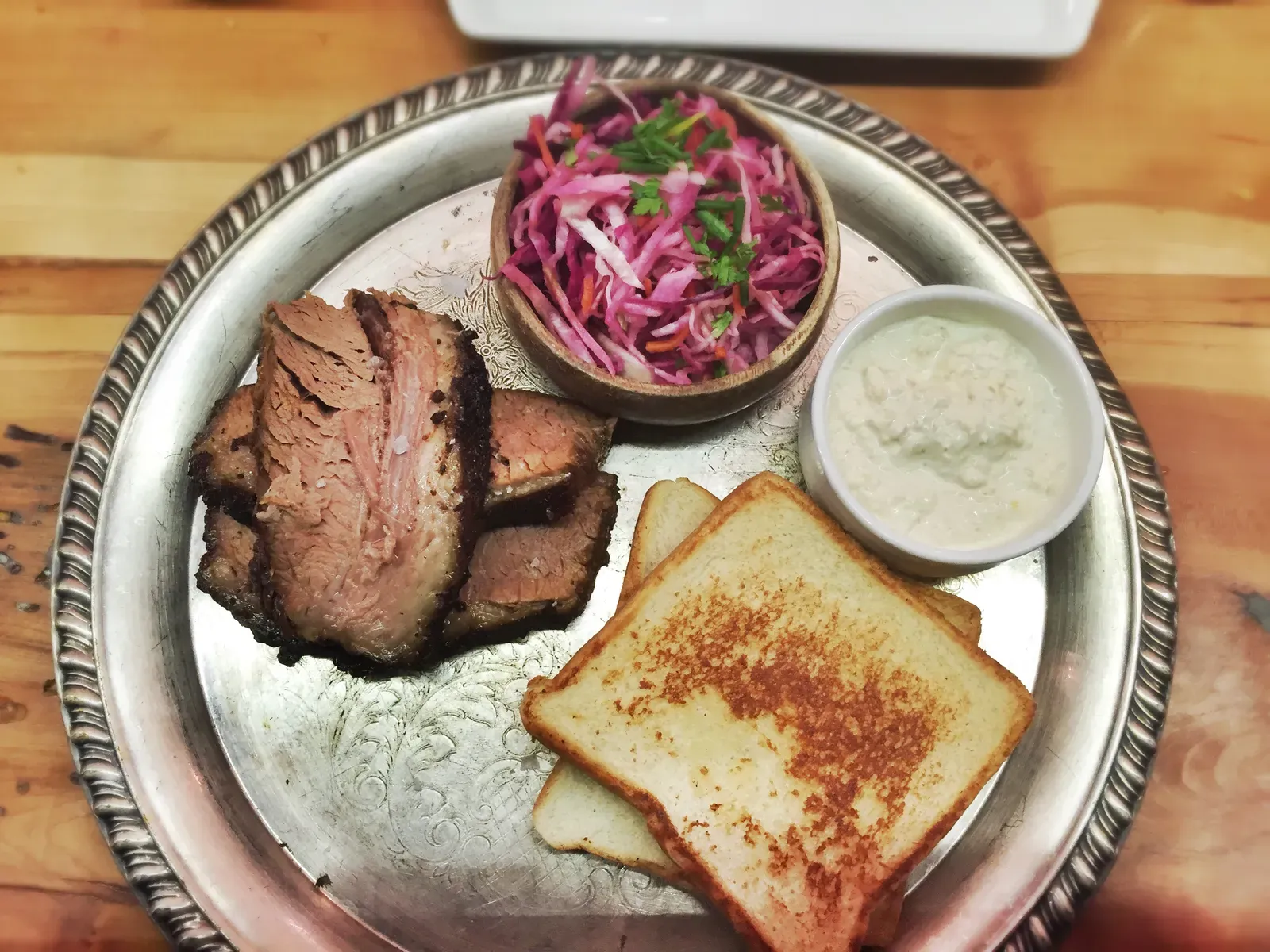
Brisket is one of the toughest cuts of beef, taken from the chest of the cow. For most of meat-eating history, this meant it was cheap because it required serious skill and patience to make edible. Poor Jewish immigrants used it for pot roast, and poor Black pitmasters in Texas perfected smoking techniques to tenderize it.
These communities weren't choosing brisket for its superior flavor - they were making the best of affordable cuts that wealthier folks passed over. The long, slow cooking times suited households where someone could tend a fire or a pot all day while doing other work.
Then BBQ culture exploded. Competitive smoking, food media coverage, and celebrity pitmasters made brisket the holy grail of barbecue. Franklin Barbecue in Austin became famous partly for its brisket, with people waiting hours in line. The cut became synonymous with serious BBQ cred.
A good brisket now costs nearly as much per pound as prime rib at many butcher shops. BBQ restaurants charge twenty to thirty dollars for a brisket plate. What was once the budget option has become something people plan trips around and pay premium prices to experience properly prepared.
Bone Marrow: Victorian Dog Food to Trendy Appetizer
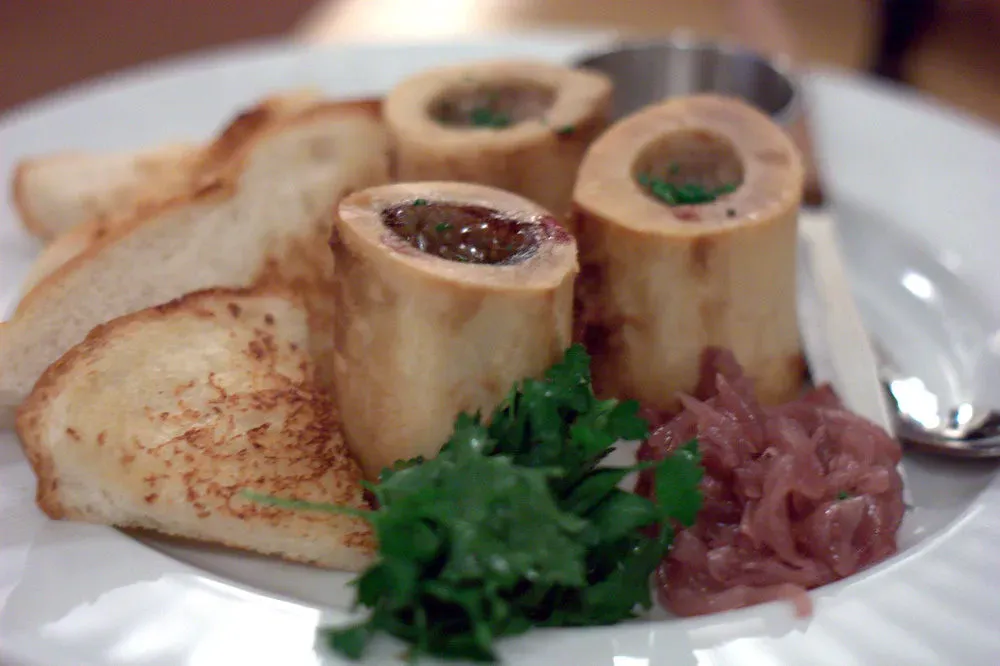
Victorians fed beef bones to their dogs. Seriously, that was the primary use for marrow bones in wealthy households - dog treats. Poor families might roast them for the nutrient-dense marrow inside, but it wasn't considered food for respectable people. Butchers practically gave them away.
The fatty, gelatinous interior of bones was associated with poverty and desperation. Why would anyone eat that when they could afford actual meat? Only those without better options scraped out bone marrow for the calories and minerals it provided.
French chef Fergus Henderson helped popularize roasted bone marrow in high-end restaurants during the 1990s. Food culture shifted toward celebrating offal and "nose to tail" eating. Suddenly, bone marrow was sophisticated and rustic in that calculated way that appeals to wealthy diners seeking authenticity.
Order roasted bone marrow at a restaurant today and you'll pay twelve to twenty dollars for what's essentially a fancy dog bone. It comes with toasted bread and fancy salt, presented as an indulgent delicacy. The dogs probably wonder what happened to their treats.
Skirt Steak: Butcher's Secret to Fajita Frenzy
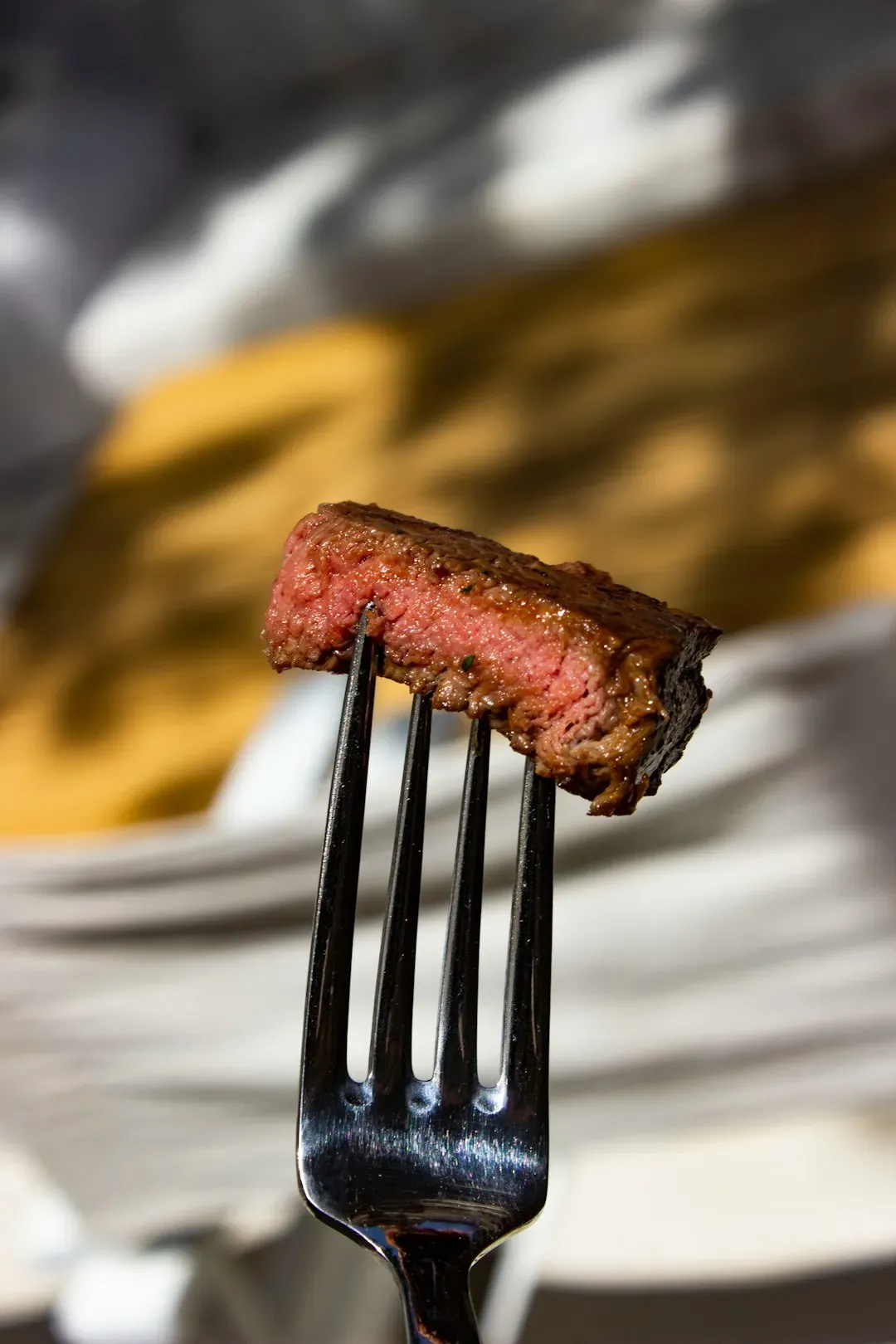
Butchers used to take skirt steak home for themselves because it was considered too tough and stringy to sell to customers. It was their secret cut, something they knew how to prepare properly through marinating and quick, high-heat cooking. Mexican ranch hands were given skirt steak as part of their wages - the cheaper cuts the ranch owner didn't want.
Those vaqueros created carne asada and eventually fajitas using skirt steak. The thin, flavorful cut worked perfectly when sliced against the grain and served with tortillas and peppers. It was resourceful cooking born from making do with less desirable portions.
Fajitas became a Tex-Mex restaurant phenomenon in the 1980s, and skirt steak demand exploded. What butchers once hoarded for themselves or gave to workers became a menu staple everywhere. The secret was out, and the price reflected that newfound popularity.
Skirt steak now costs nearly as much as more traditional premium cuts like ribeye or strip steak. During summer grilling season, prices climb even higher. The thin, chewy cut that nobody wanted is now something people specifically request at butcher counters, willing to pay top dollar for their fajitas and carne asada.
Why This Keeps Happening
There's a pattern here that's hard to ignore. Scarcity plays the biggest role in most of these transformations. When something goes from abundant to rare, whether through overfishing, environmental changes, or simple increased demand, prices naturally rise. But that's only part of the story.
Marketing and cultural positioning matter enormously. Once food writers, chefs, and restaurants decide something is worth celebrating, public perception shifts. People want to try the trendy ingredient, creating demand that drives prices up further. Social media accelerates this process exponentially compared to earlier generations.
There's also something psychologically appealing about exclusivity. We want what others can't easily have. Foods that were once everyday staples become special simply because they're now expensive and limited. The actual taste might not have changed, but our perception of value certainly has.
Class dynamics play into this too. Wealthy people often romanticize "authentic" working-class foods, but only when presented in upscale contexts. They're not lining up at actual hole-in-the-wall joints where these foods originated - they want the sanitized, expensive version served in trendy restaurants. It's cultural appropriation with a hefty price tag.
The Modern Implications
This isn't just quirky food history. When poor people's food becomes expensive, it creates real problems for the communities who relied on those affordable ingredients. Quinoa farming families can't afford quinoa. Oxtail used to stretch budgets but now strains them.
Food gentrification mirrors neighborhood gentrification. Original communities get priced out of their own culinary traditions while outsiders celebrate "discovering" these foods. It's frustrating to watch dishes your grandmother made out of necessity show up on fancy menus at triple the cost with none of the context or credit.
The trend also reveals how artificial many of our food hierarchies are. These ingredients weren't objectively inferior before becoming expensive - we just decided they were based on who was eating them. A lobster doesn't know whether it's prison food or a luxury item. Our value judgments are entirely constructed.
Looking forward, we're already seeing this pattern with new ingredients. Offal cuts beyond bone marrow are creeping onto upscale menus. Certain beans and grains from global cuisines are being marketed as the next superfood. The cycle continues, with prices inevitably following the hype.
What Comes Next
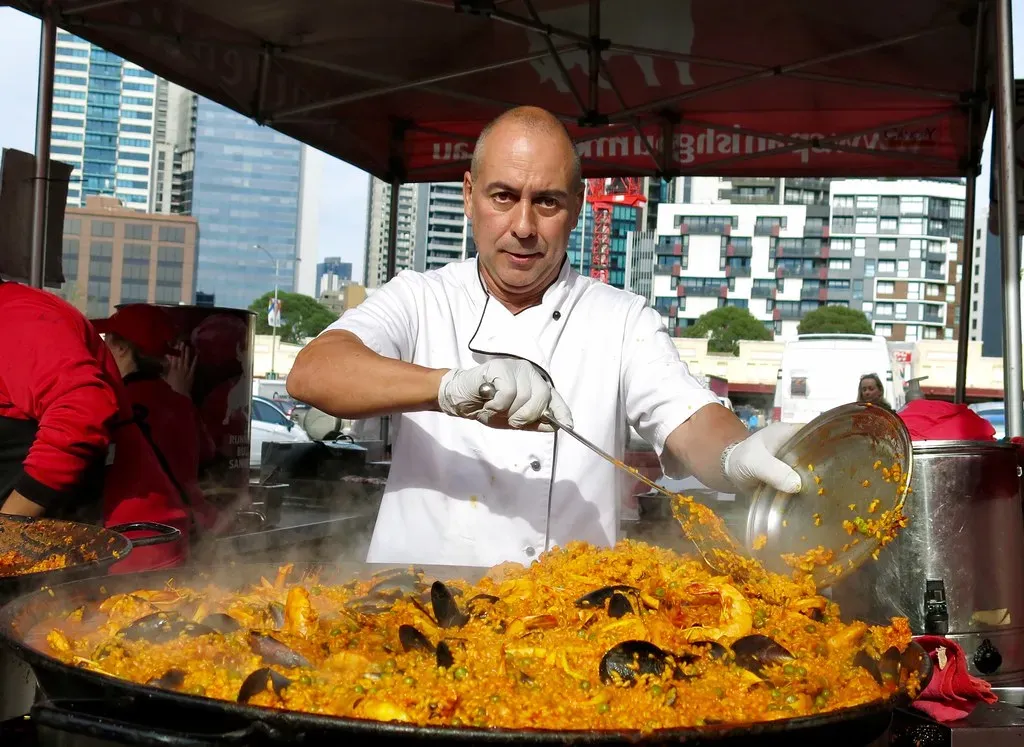
So what's the next peasant food destined for luxury status? Smart money is on things like chicken feet, which are already expensive in Chinese markets but still cheap elsewhere. Organ meats beyond liver could see their moment as nose-to-tail eating expands. Certain foraged ingredients might become the next truffle-level obsession.
Maybe we'll see insects make the jump. They've sustained people across many cultures for millennia, but most Western diners still view them as survival food at best. If the right chef or marketing campaign comes along, could crickets become the next caviar? It sounds absurd until you remember lobster's journey.
The pattern is so predictable now that you could almost invest based on it. Find foods that are cheap, traditional to specific communities, nutritious, and currently overlooked by mainstream culture. Wait for food media to "discover" them. Watch prices rise. It's depressingly reliable.
Some argue this elevation increases appreciation for diverse culinary traditions and rewards producers of quality ingredients. Others see it as another way capitalism finds to extract value from working-class culture while pushing original communities aside. Both perspectives hold truth, honestly.
What's certain is that our relationship with food is never just about taste or nutrition. It's bound up with class, identity, scarcity, and status in ways that profoundly affect what we eat and how much we pay for it. The peasant foods that became delicacies tell us as much about ourselves as they do about cooking. What do you think - is this food evolution or food injustice? The answer probably depends on which side of the menu you're sitting on.




Leave a Reply