
That bottle of extra virgin olive oil you drizzled on your salad last night? There's a decent chance it's not what the label claims. Food fraud is a multibillion-dollar industry, and your kitchen pantry might be harboring more imposters than you'd ever imagine. From diluted honey to mislabeled spices, counterfeit ingredients have infiltrated grocery store shelves with alarming frequency.
The thing is, most of us trust what we buy without question. We assume that fancy Italian olive oil is actually from Italy, or that the Manuka honey we paid a premium for is the real deal. But investigations have revealed that up to 80 percent of Italian olive oil sold worldwide doesn't meet the standards to be called extra virgin. Shocking, right? Let's dive into how you can protect yourself from these kitchen con artists.
The Olive Oil Scandal Nobody Talks About
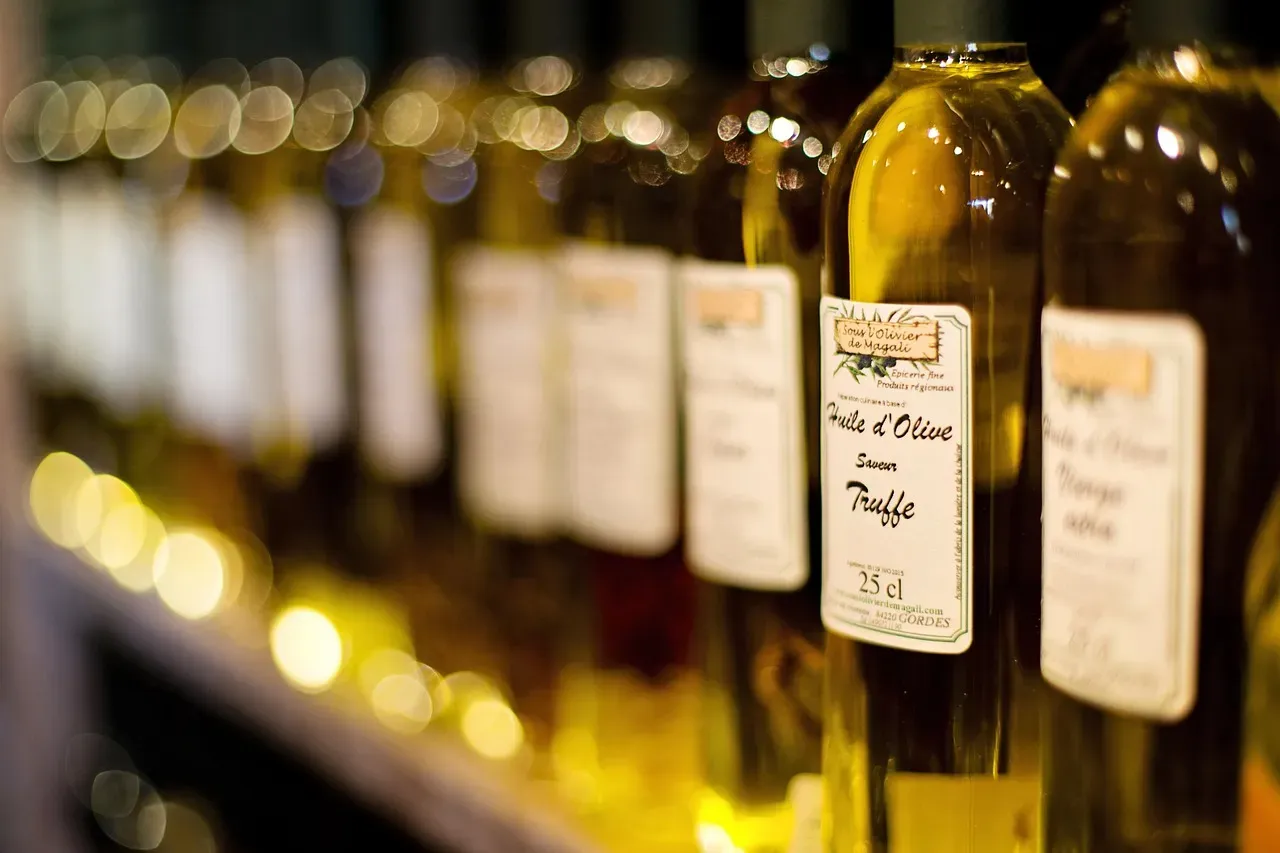
Extra virgin olive oil faces one of the highest rates of food fraud in the entire industry. Studies have shown that many bottles labeled as extra virgin are actually blended with cheaper refined oils like sunflower or canola. Sometimes the olive oil itself is low-grade, processed with heat and chemicals, then labeled as premium cold-pressed.
Italy and Spain are the biggest culprits in this deception. Importers often buy cheap oil from Tunisia, Morocco, or Greece, then repackage it with Italian labels to charge triple the price. The profit margins are too tempting for dishonest producers to resist.
You can spot fake olive oil by doing a simple fridge test. Real extra virgin olive oil will solidify and become cloudy when refrigerated because of its high monounsaturated fat content. If your oil stays completely liquid in the fridge, something's off.
Another telltale sign is the taste. Authentic extra virgin olive oil has a peppery, slightly bitter finish that might make you cough a little. If your oil tastes bland, greasy, or has a weird aftertaste, it's likely been cut with something else.
Honey That's Anything But Sweet
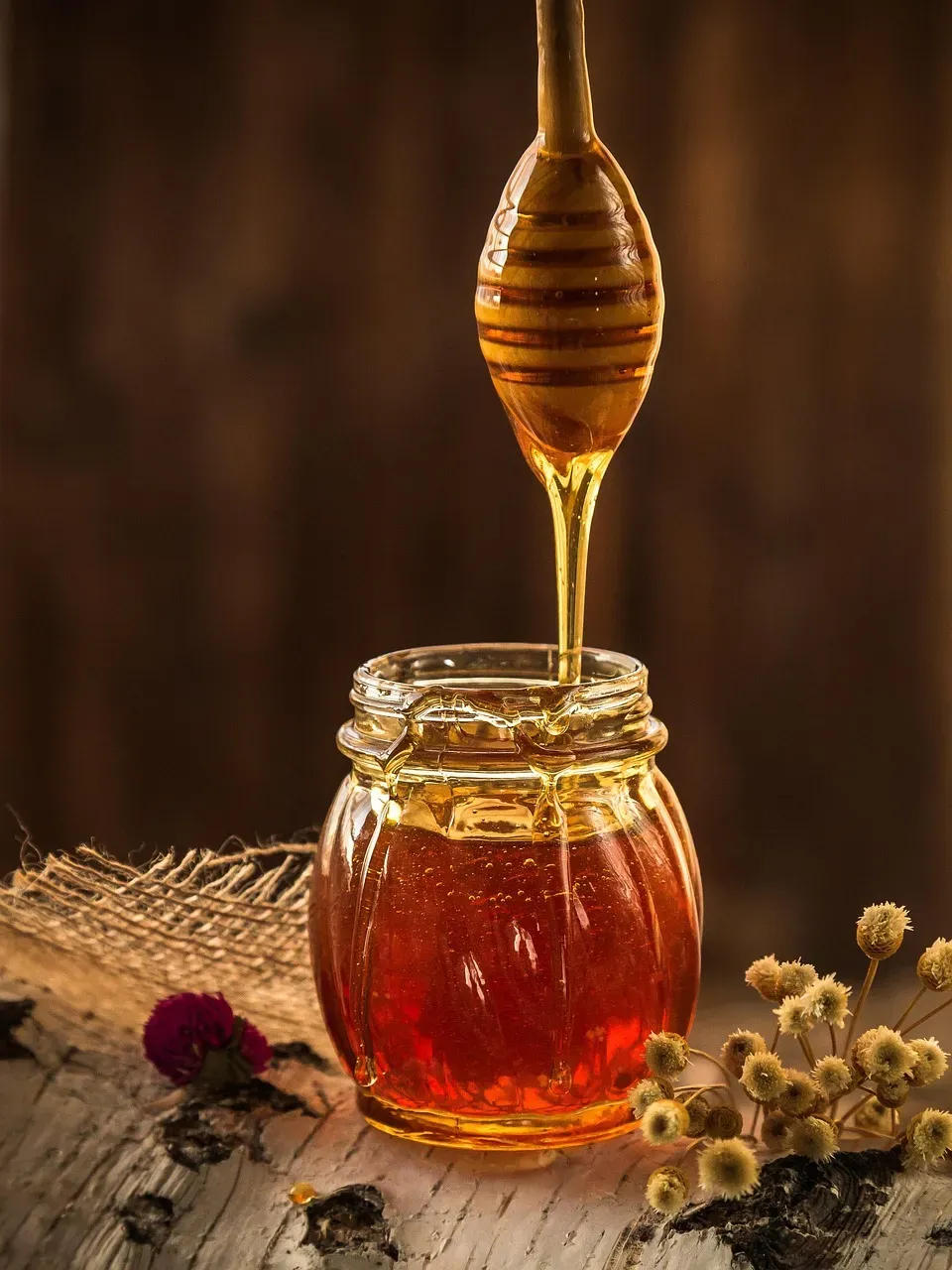
Honey might seem impossible to fake, but it's actually one of the most adulterated foods on the market. Roughly one third of honey sold in stores has been diluted with corn syrup, rice syrup, or other cheap sweeteners. Some products labeled as pure honey contain almost no actual honey at all.
The problem got so bad that food scientists developed pollen analysis tests to verify honey's authenticity. Many fake honeys have been ultra-filtered to remove all traces of pollen, making it impossible to determine their origin. This process also strips away the beneficial enzymes and antioxidants that make real honey valuable.
Manuka honey from New Zealand is especially targeted by fraudsters because it sells for premium prices. Tests have revealed that global sales of Manuka honey exceed New Zealand's entire production by several times. The math doesn't add up.
To check your honey, try the water test. Drop a spoonful into a glass of water without stirring. Real honey will settle at the bottom and slowly dissolve, while fake honey dissolves quickly or creates a cloudy mixture.
Parmesan That's Not Remotely Italian
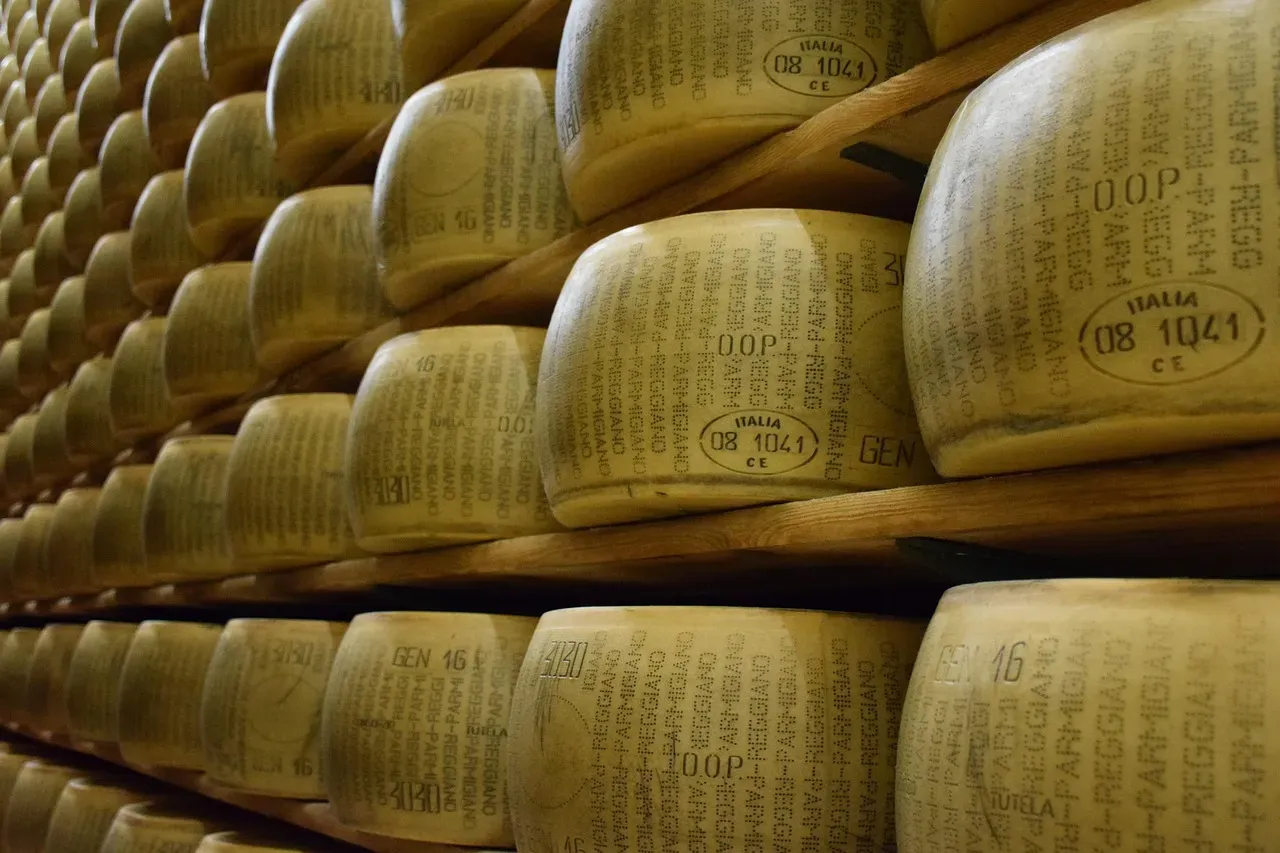
That pre-grated Parmesan in the green canister? Federal investigations discovered that some brands contained up to 20 percent cellulose, essentially wood pulp used as an anti-caking agent. Others mixed in cheaper cheeses like cheddar or Swiss, then labeled it all as 100 percent Parmesan.
Authentic Parmigiano-Reggiano comes only from specific regions in Italy and must age for at least 12 months. The real stuff has a granular texture and nutty, complex flavor that cheap imitations can't replicate. Most grocery store Parmesan fails these basic standards.
Even worse, some companies use the term Parmesan loosely since it's not legally protected in many countries outside Europe. They can essentially call anything Parmesan and get away with it. I know it sounds crazy, but the cheese industry has shockingly little regulation.
Buy whole Parmesan wedges and grate them yourself. Look for the official Parmigiano-Reggiano stamp on the rind. It costs more upfront but you'll actually get what you're paying for.
Saffron's Expensive Identity Crisis
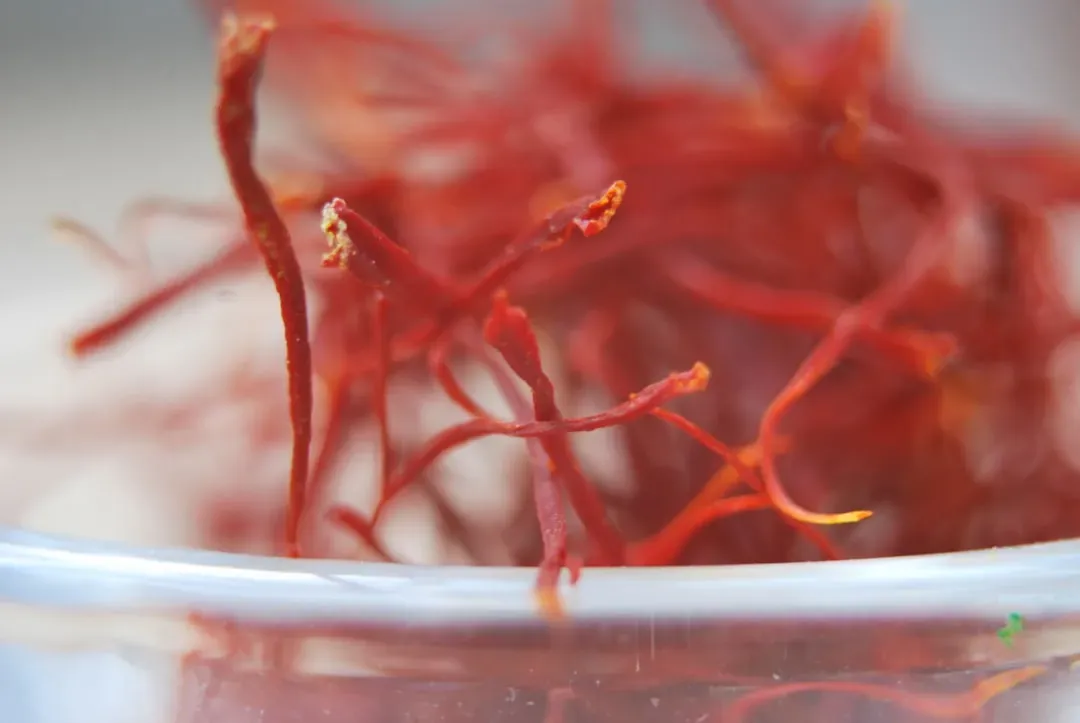
Saffron ranks as the world's most expensive spice, and that makes it a prime target for fraud. Real saffron consists of hand-picked stigmas from Crocus sativus flowers, requiring around 75,000 flowers to produce just one pound. The labor and rarity drive prices sky-high.
Counterfeiters sell colored corn silk threads, safflower petals, or even dyed paper strips as saffron. Some mix a tiny amount of real saffron with these fillers to fool casual buyers. The quality ranges from merely disappointing to completely fake.
Testing saffron requires careful observation. Real threads are deep red with a slightly lighter orange or yellow tip. They release color slowly when soaked in warm water, turning it golden yellow rather than immediate bright red. Fake saffron often dyes water instantly.
The scent should be sweet and hay-like, not musty or metallic. Real saffron tastes slightly bitter, not sweet or bland. If the price seems too good to be true, it absolutely is.
Coffee's Dark Roasted Secrets
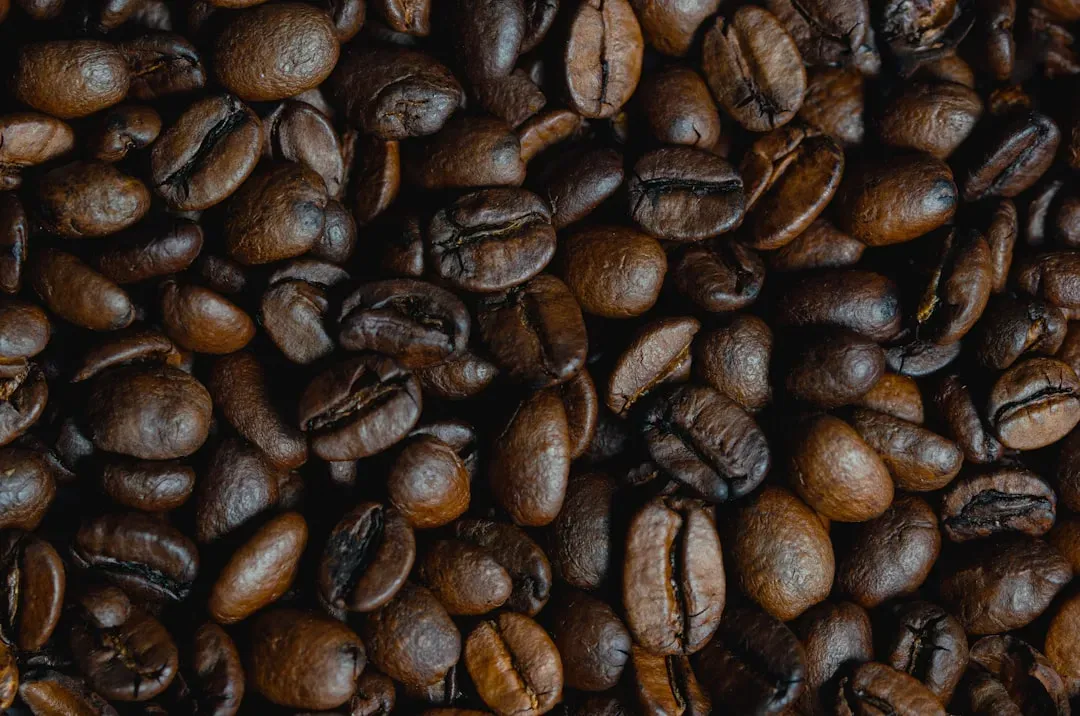
Ground coffee presents countless opportunities for deception since consumers can't identify the beans once they're pulverized. Manufacturers bulk out expensive coffee with roasted corn, barley, wheat, soybeans, or even sawdust. Some add chicory root to increase volume and save money.
Single-origin coffees labeled as Colombian, Ethiopian, or Jamaican Blue Mountain often contain beans from multiple countries or regions. The premium label justifies higher prices even when the beans inside are mediocre at best. DNA testing has exposed widespread mislabeling across the industry.
Instant coffee faces even worse problems. Studies found that some brands contain barely 50 percent actual coffee, with the rest being fillers and additives. The manufacturing process makes it nearly impossible for consumers to detect these substitutions without laboratory analysis.
Buying whole beans and grinding them yourself offers the best protection. Check for uniform color and size among the beans. Authentic coffee has a rich, complex aroma, not a flat or chemical smell.
Vanilla Extract's Synthetic Substitutes
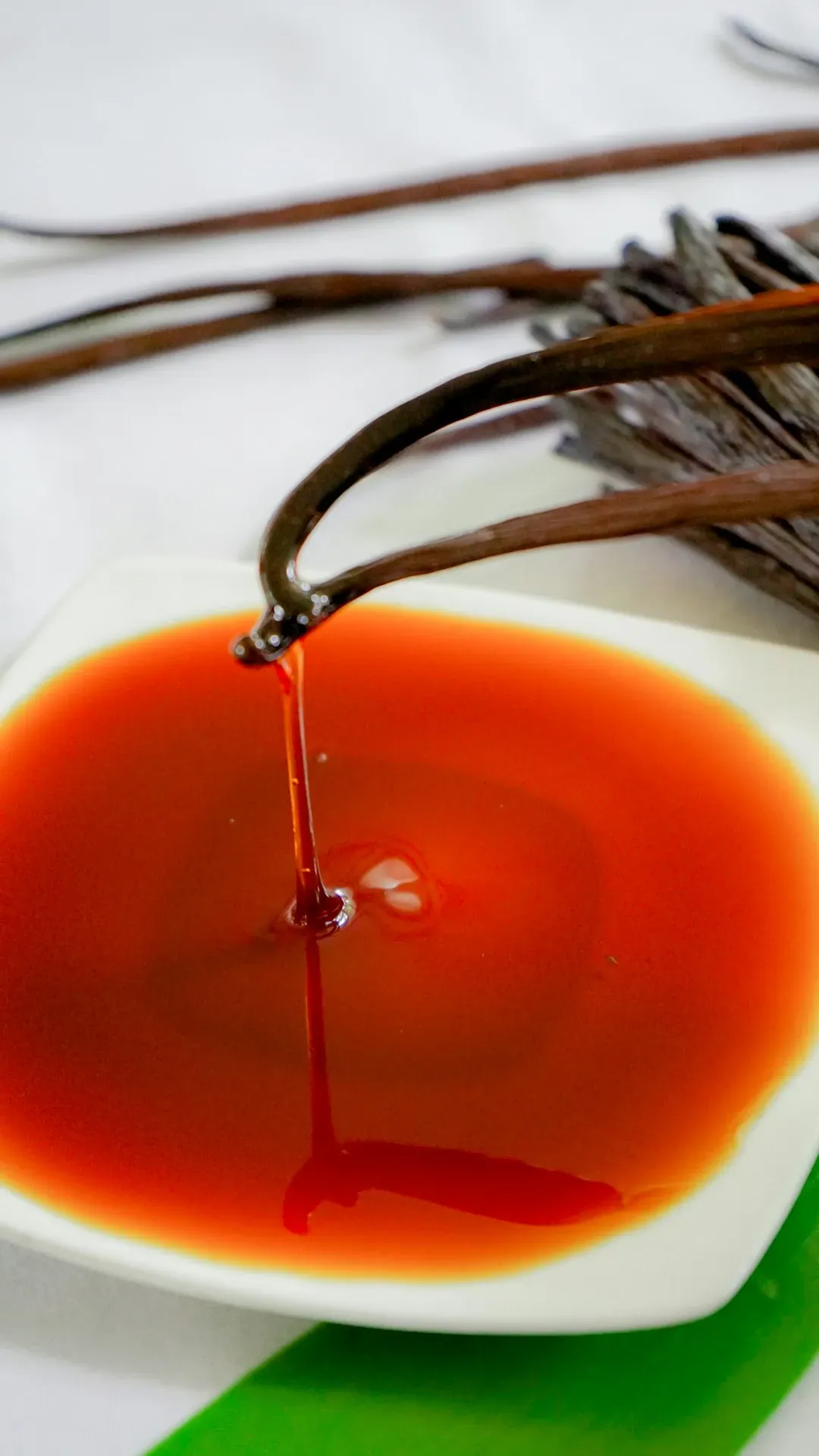
Pure vanilla extract costs a fortune because vanilla beans are labor-intensive to grow and process. Roughly about one third of vanilla products contain synthetic vanillin derived from wood pulp or petroleum byproducts instead of actual vanilla beans. Some bottles labeled as pure vanilla contain barely any real vanilla at all.
The vast majority of vanilla flavoring used in processed foods is completely synthetic. Even products claiming to use real vanilla often contain primarily artificial flavoring with just a trace of the real thing. Food manufacturers exploit loose labeling laws to mislead consumers.
Real vanilla extract should list only three ingredients on the label: vanilla beans, alcohol, and water. Nothing else. If you see artificial flavoring, corn syrup, or caramel color, put it back on the shelf.
The liquid should be dark brown and smell intensely aromatic, sweet, and complex. Synthetic vanilla has a sharp, one-dimensional scent that lacks depth. It's hard to say for sure without tasting, but real vanilla has a warm, rounded flavor while fake vanilla tastes harsh.
Fish Mislabeling Reaches Epidemic Levels
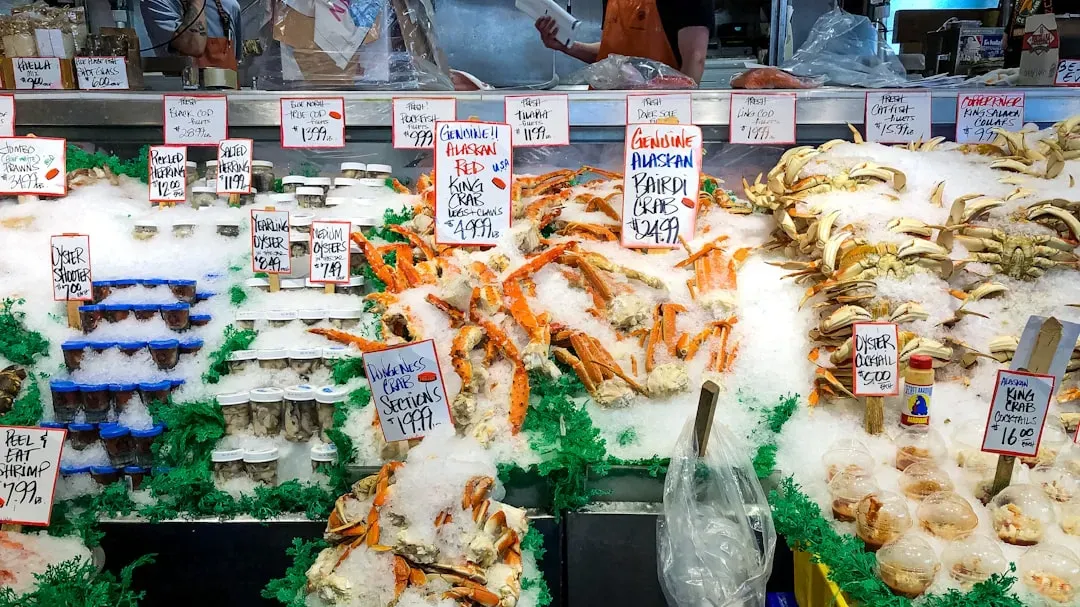
Seafood fraud has reached staggering proportions. Studies show that roughly one third of fish sold in restaurants and grocery stores is mislabeled. Red snapper is almost never actually red snapper, with substitution rates exceeding 90 percent in some markets.
Cheap fish like tilapia or pangasius often get passed off as expensive varieties like grouper, halibut, or wild salmon. Farm-raised fish is frequently labeled as wild-caught to justify higher prices. Some restaurants serve entirely different species than what appears on the menu.
The health implications go beyond just paying too much. Some substitute fish contain higher levels of mercury or other contaminants. People with seafood allergies might accidentally consume species they're trying to avoid. The deception creates real safety risks.
DNA testing is the only foolproof method to verify fish identity, which isn't practical for home cooks. Your best bet is buying whole fish when possible, developing relationships with trusted fishmongers, and staying skeptical about bargain-priced premium species.
Truffle Oil's Dirty Little Secret
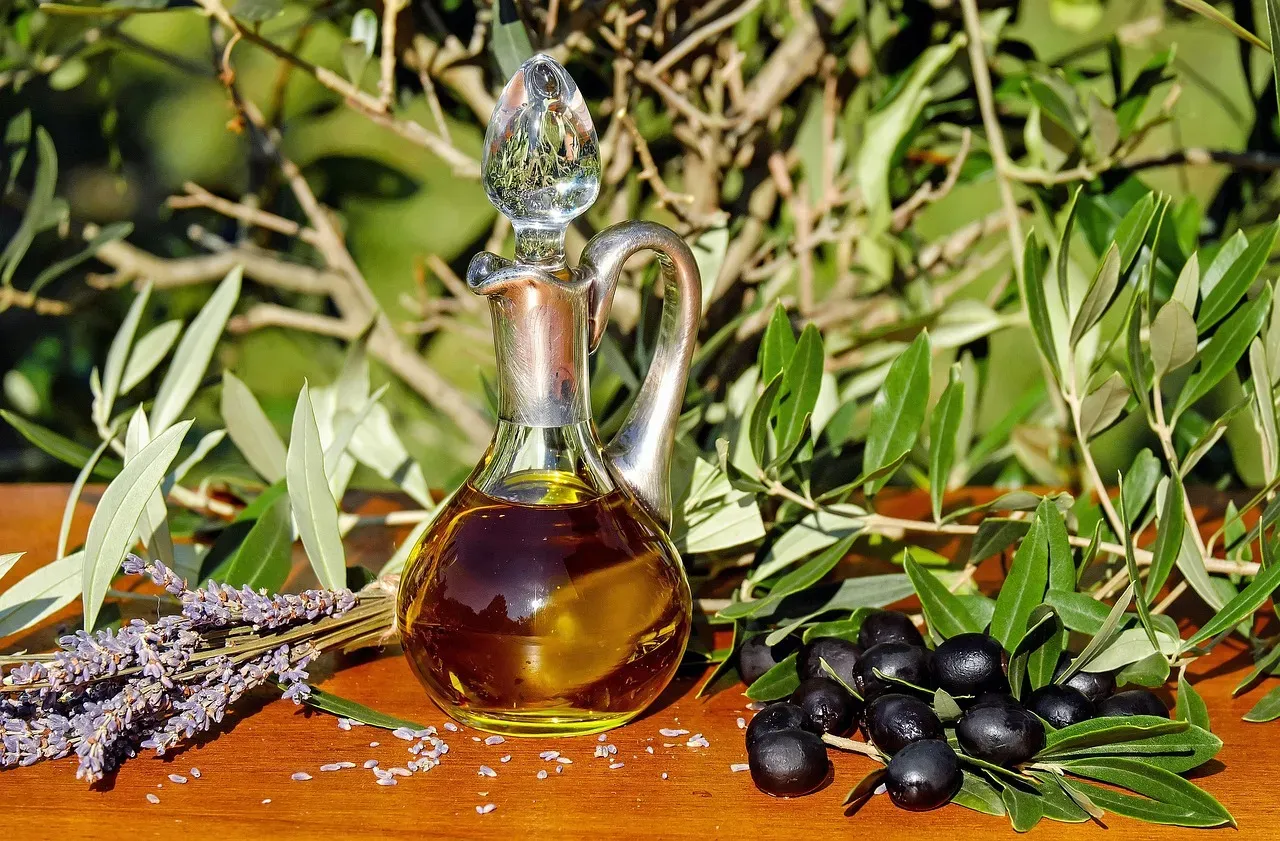
Let's be real, almost no truffle oil actually contains truffles. The vast majority is olive oil or grapeseed oil infused with synthetic compounds like 2,4-dithiapentane, which mimics truffle aroma. These chemicals are manufactured in laboratories, not extracted from actual fungi.
Even brands claiming to use real truffles often use the cheapest, lowest-quality varieties that have barely any flavor. They rely on synthetic flavoring to create that distinctive truffle scent consumers expect. The deception is so widespread that chefs joke about truffle oil being a complete fraud.
Real truffle products should prominently feature pieces of actual truffle visible in the bottle or listed high on the ingredient list. The price will reflect the authenticity. Genuine truffle-infused oil costs significantly more than the synthetic alternatives.
Here's the thing: many professional chefs refuse to use truffle oil at all because it tastes artificial and overpowering. If you want real truffle flavor, save up and buy fresh or preserved truffles instead of settling for chemical knockoffs.
Spices That Stretch the Truth
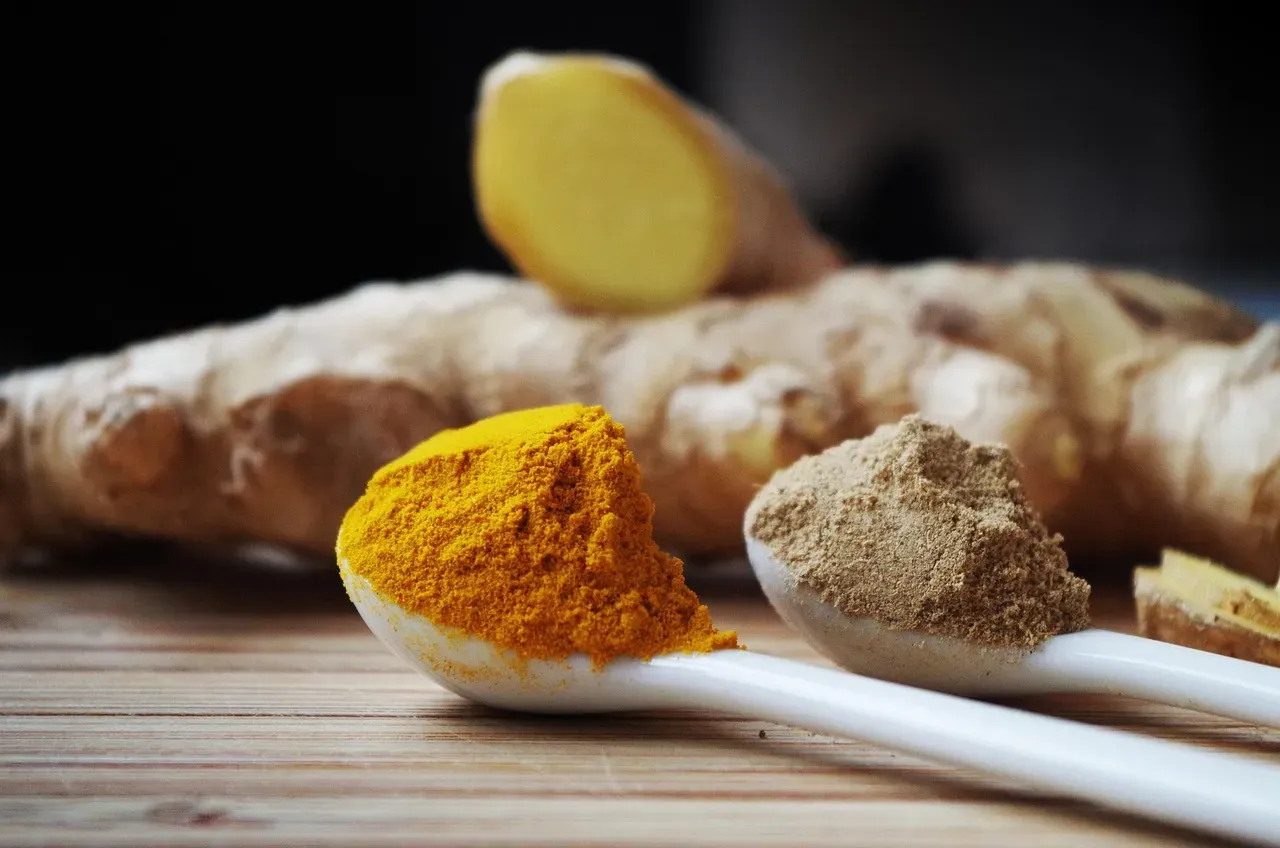
Ground spices are incredibly easy to adulterate because consumers can't identify the original plant once it's been pulverized. Black pepper gets cut with papaya seeds or ground plant stems. Turmeric is diluted with flour or sawdust, sometimes dyed with industrial chemicals to maintain color.
Oregano and basil frequently contain olive leaves, myrtle leaves, or even sumac. One investigation found that nearly half of oregano samples tested contained other plant materials. Some had absolutely no oregano in them at all.
The problem extends beyond mere cost-cutting. Some adulterants pose serious health risks. Lead chromate has been found in turmeric to enhance its yellow color. Sudan red dyes, which are carcinogenic, have contaminated paprika and chili powder.
Buying whole spices and grinding them yourself provides the strongest protection. Smell your spices regularly. Fresh, authentic spices have vibrant, potent aromas. If they smell musty, weak, or off, they might be cut with fillers or just incredibly old.
Balsamic Vinegar's Watered-Down Versions
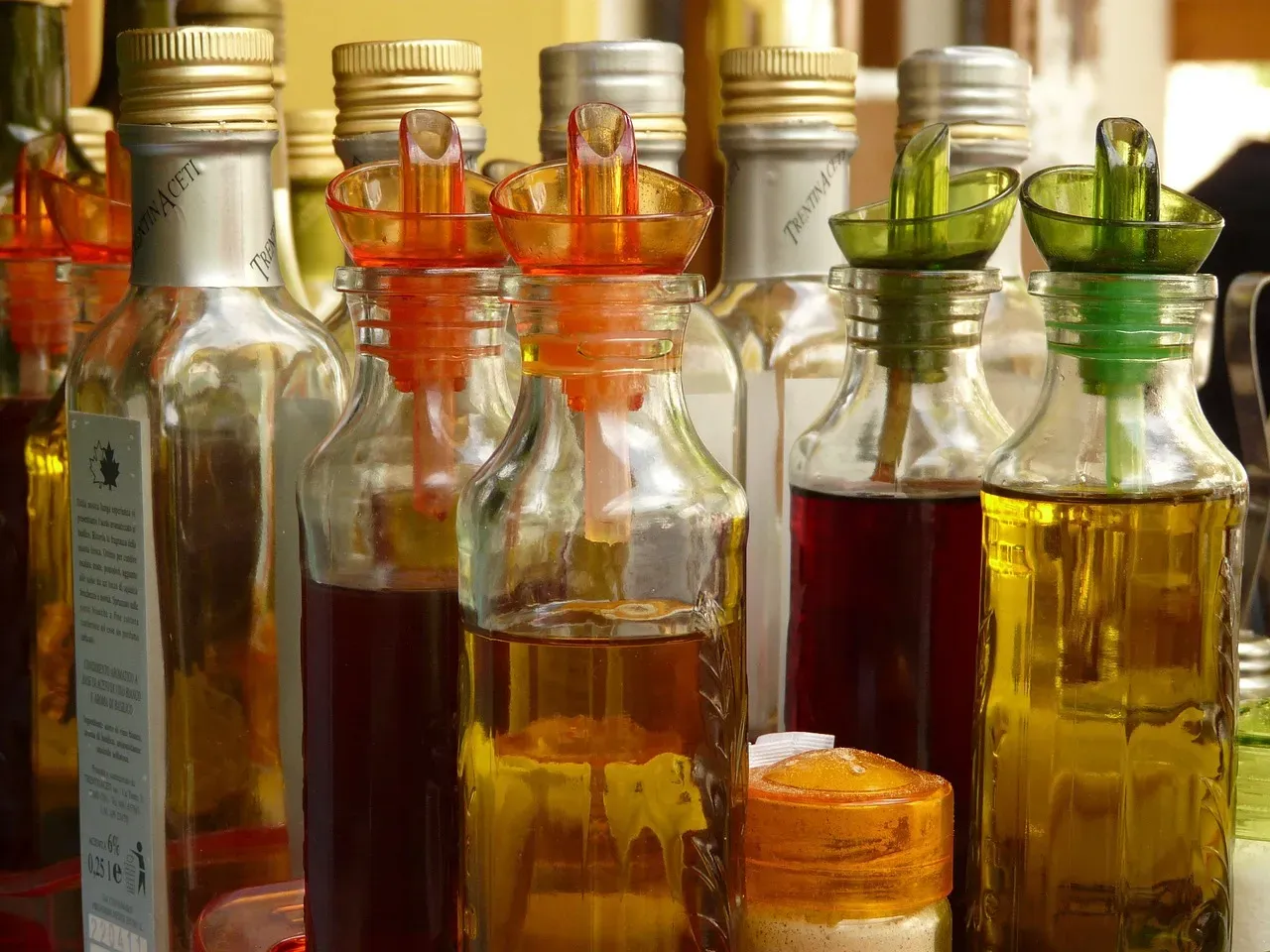
Traditional balsamic vinegar from Modena, Italy, ages for at least 12 years in wooden barrels and costs hundreds of dollars per bottle. What most people buy as balsamic vinegar is actually wine vinegar colored with caramel and thickened with cornstarch or guar gum.
These cheap imitations contain added sugar, sometimes grape must concentrate, and artificial flavoring. They taste vaguely similar to real balsamic but lack the complex, syrupy sweetness and depth of authentic aged vinegar. The difference is night and day once you've tried the real thing.
Look for the designation Aceto Balsamico Tradizionale on the label, which is legally protected. The ingredient list should include only grape must. If you see wine vinegar, sugar, or caramel color listed, it's not traditional balsamic.
Real balsamic vinegar is thick enough to coat a spoon and has a glossy, syrupy consistency. It tastes sweet and tangy without being harsh. Most grocery store versions are watery and one-dimensional by comparison.
Coconut Oil's Sneaky Substitutions
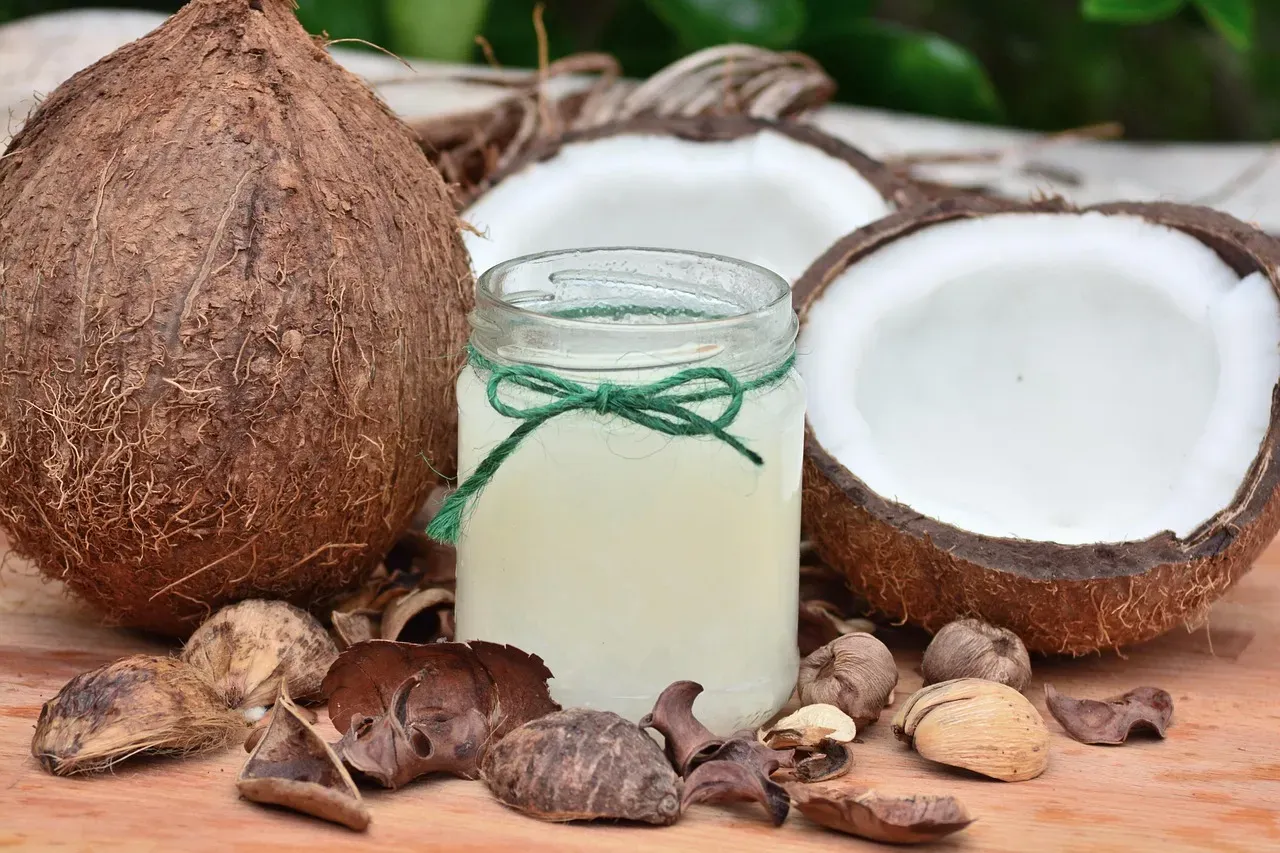
Virgin coconut oil has become wildly popular, which naturally attracted fraudsters looking to cash in. Some brands dilute coconut oil with cheaper oils like palm kernel oil, which has a similar appearance and melting point. Others use refined coconut oil but label it as virgin to charge premium prices.
The distinction matters because virgin coconut oil retains beneficial compounds like lauric acid and antioxidants that get stripped away during refining. You're paying extra for health benefits you're not actually getting when you buy mislabeled products.
Authentic virgin coconut oil smells distinctly like coconut, with a sweet, tropical aroma. Refined oil is virtually odorless. If your supposedly virgin coconut oil has no scent, something's wrong. The taste should be mild but noticeably coconutty.
Check the melting point too. Pure coconut oil melts at around 76 degrees Fahrenheit. If it stays solid at room temperature in warm weather or melts at odd temperatures, it might be blended with other fats.
Maple Syrup's Corn Syrup Cousins
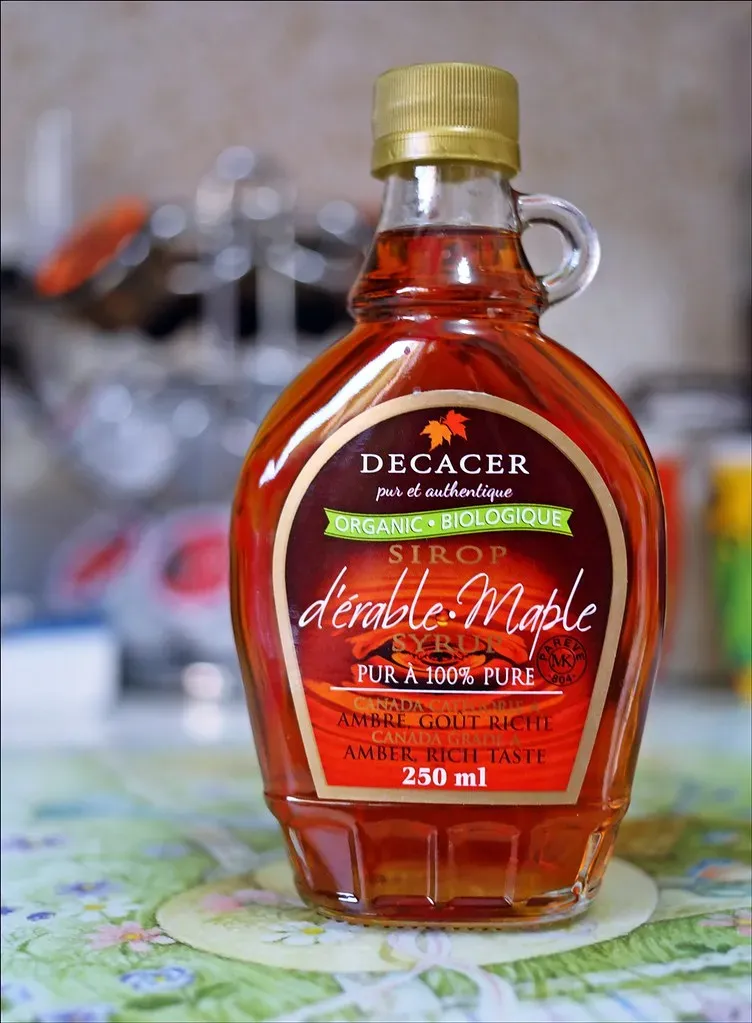
Real maple syrup comes from boiled tree sap and requires roughly 40 gallons of sap to produce one gallon of syrup. It's expensive and labor-intensive, which is why so many pancake syrups contain zero actual maple.
Most cheap breakfast syrups are corn syrup colored with caramel and flavored with artificial maple extract. Some contain a tiny percentage of real maple syrup, just enough to legally use the word maple on the label. Reading the ingredient list carefully is essential.
Pure maple syrup should list exactly one ingredient: maple syrup. Nothing else. If you see corn syrup, high fructose corn syrup, or any artificial flavors, it's not the real deal. The price difference exists for a reason.
Real maple syrup has a complex, nuanced sweetness with woody, caramel notes. Fake syrup tastes flat and one-dimensionally sweet. The texture is different too, with authentic maple being thinner and less sticky than corn syrup-based imitations.
Tea's Hidden Fillers and Dyes
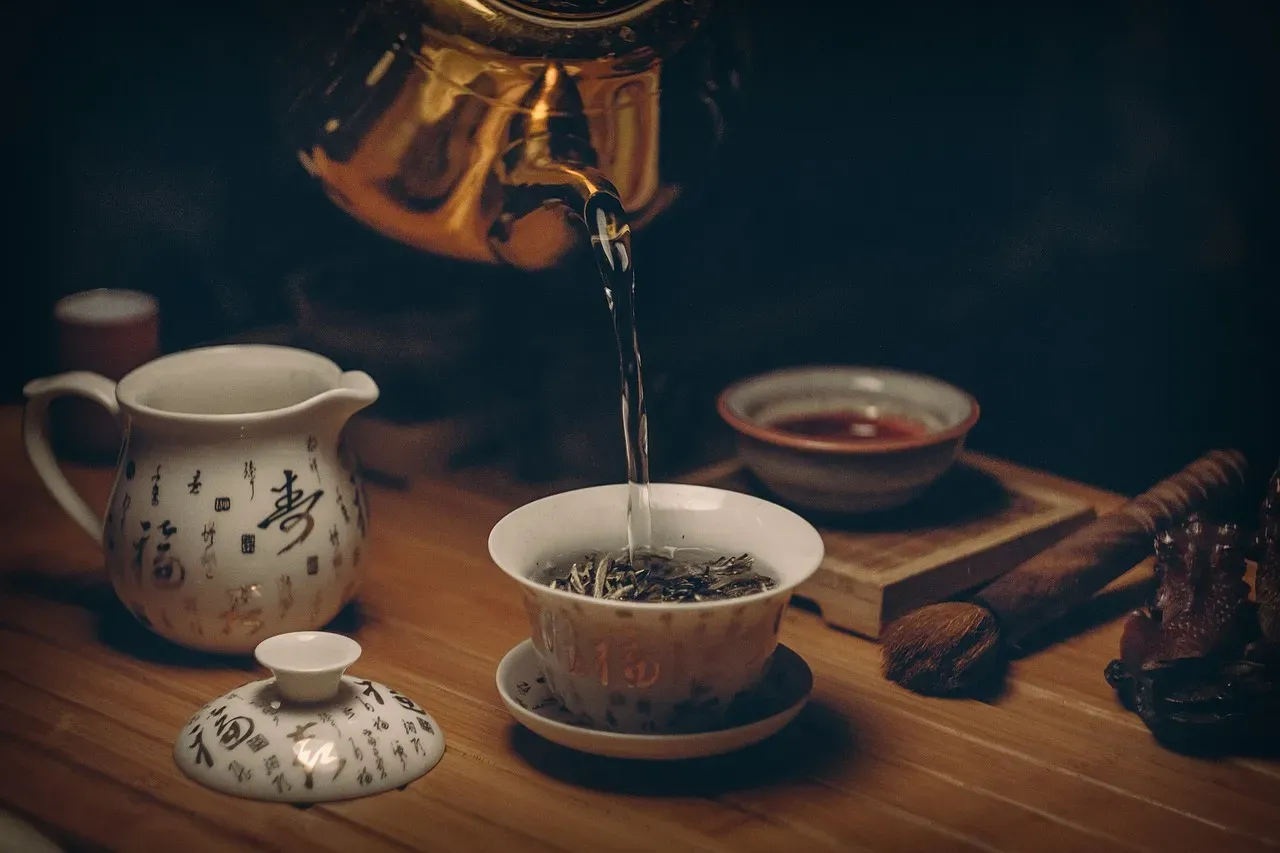
Tea fraud operates quietly but extensively. Lower-quality leaves, twigs, and even other plant materials get mixed into tea bags. Some black teas contain added dyes to make them appear higher quality. Green tea sometimes gets bulked out with colored grass clippings.
Expensive varieties like matcha face particularly high fraud rates. Some matcha powder contains very little actual tea, being mostly food coloring and ground plant material. The vibrant green color that buyers associate with quality can easily be faked with additives.
Loose leaf tea offers more transparency than tea bags since you can actually see what you're buying. Quality tea leaves should be whole or only lightly broken, uniform in color, and free of dust or stem pieces. They should unfurl when steeped, not just float as powder.
Smell matters tremendously. Fresh tea has a clean, bright aroma specific to its variety. Musty, hay-like, or flat smells indicate old or adulterated tea. The liquor should be clear and aromatic, not cloudy or weak.
How to Protect Your Pantry Going Forward
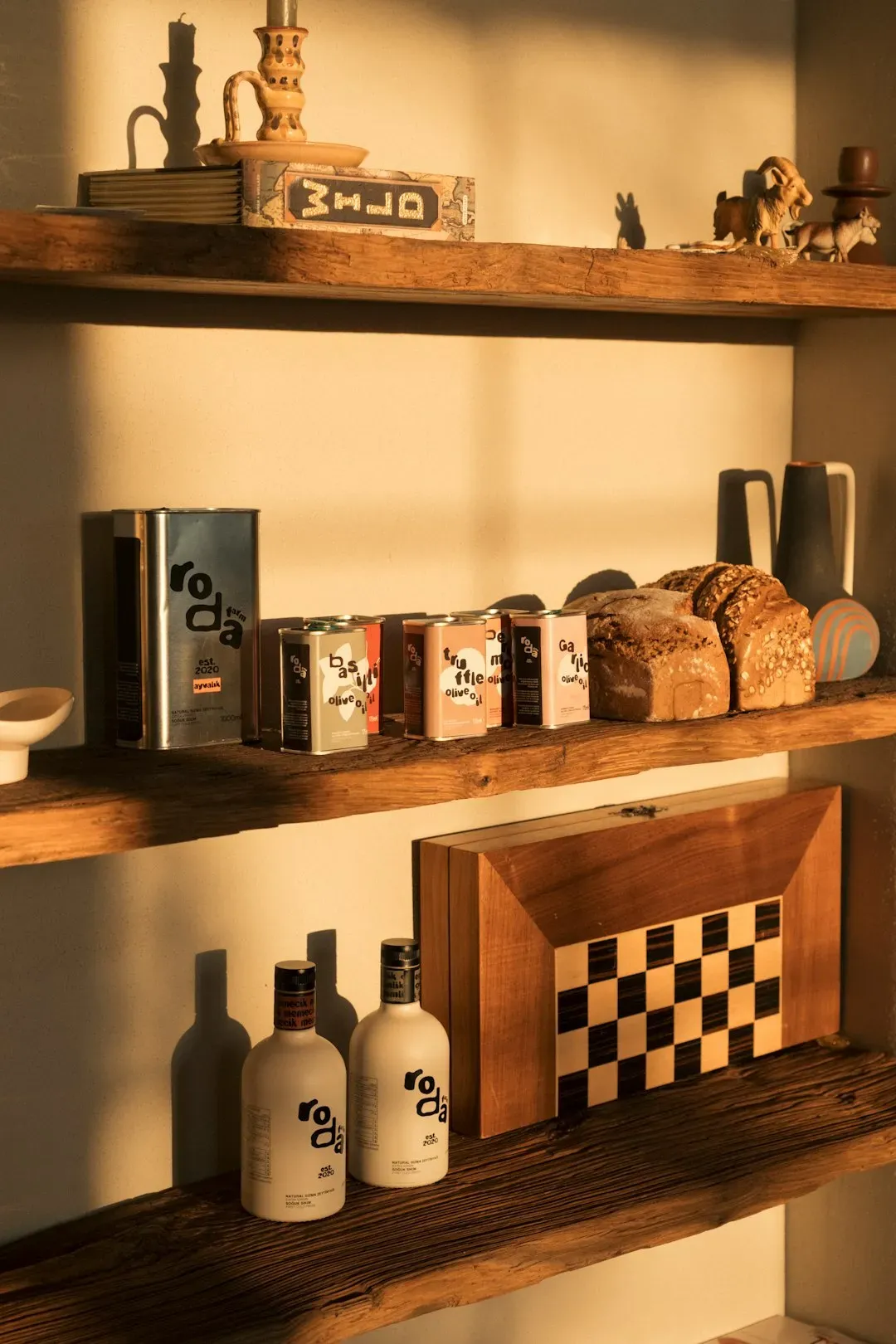
Start by accepting that if a price seems suspiciously low for a premium product, it probably is. Real extra virgin olive oil, genuine Manuka honey, and authentic Parmigiano-Reggiano cost what they cost for legitimate reasons. Deep discounts usually mean compromised quality or outright fraud.
Buy from reputable sources and develop relationships with specialty food retailers who care about authenticity. Farmers markets, specialty importers, and stores that focus on quality over bargains tend to have more trustworthy products. Ask questions about sourcing and don't be shy about it.
Learn to trust your senses. Your nose, eyes, and taste buds are powerful fraud detection tools once you know what to look for. Real foods have complex aromas and flavors that cheap imitations can't fully replicate. If something tastes off or seems wrong, it probably is.
Read labels obsessively. Ingredient lists reveal a lot about authenticity. Look for minimal, recognizable ingredients without fillers, artificial colors, or vague terms like natural flavoring. Certifications from legitimate organizations add another layer of verification.
Consider buying whole versions of products when possible and processing them yourself. Whole spices you grind at home, cheese blocks you grate, coffee beans you grind, these approaches dramatically reduce your fraud exposure. It takes slightly more effort but guarantees what you're actually eating.
Conclusion
Food fraud thrives on consumer ignorance and the assumption that labels tell the truth. Once you start paying attention, you'll spot red flags everywhere in your pantry. The good news is that armed with knowledge, you can make smarter choices and stop wasting money on fake ingredients masquerading as the real thing.
Your taste buds and your wallet will thank you for taking the time to verify what you're actually buying. The difference between authentic and counterfeit ingredients isn't just about snobbery or perfectionism. It's about getting what you pay for and ensuring your food is actually what it claims to be. What counterfeit ingredient in your pantry surprised you the most? Share your thoughts in the comments.




Leave a Reply