
Let's be real. Most of us have grown up watching someone rinse raw chicken under a running tap before tossing it in a pan. Maybe it was your mom, your grandmother, or even that celebrity chef you adore. It seems so logical, right? We wash everything else before we eat or cook it. Fruit gets a quick rinse. Vegetables too. So naturally, washing chicken would make it cleaner and safer. Except, here's the thing. Food safety experts are now shouting from the rooftops that washing your raw chicken is not just unnecessary but potentially dangerous.
This practice has become one of the most hotly debated topics in home kitchens. Despite the warnings from major health organizations, surveys show that the vast majority of home cooks still rinse their poultry before cooking. What might surprise you is that this well-intentioned habit could be putting you and your family at greater risk of foodborne illness. Let's dive in and uncover why ditching this age-old practice might be one of the smartest kitchen decisions you'll ever make.
The Myth That Just Won't Die
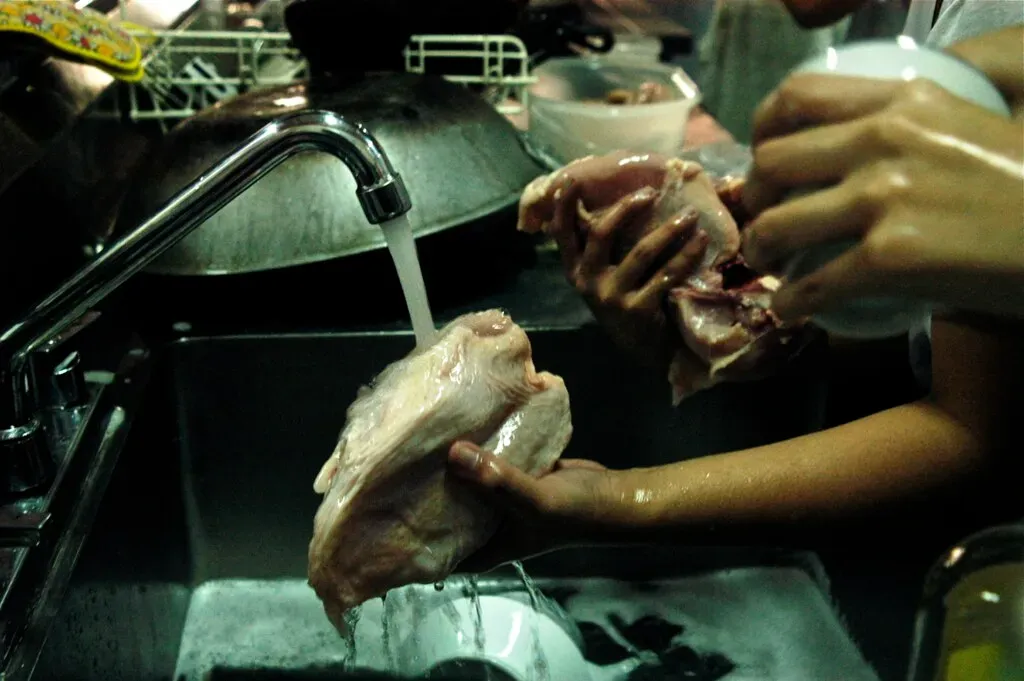
For decades, washing chicken before cooking seemed like the responsible thing to do. Our grandparents may have been cooking chicken that had some unsavory things on it, but today's manufacturing cleans the chicken, so there is no filth or feathers on it that needs to be washed off. The belief that rinsing removes bacteria and makes meat safer has been passed down through generations like a treasured family recipe.
In 2022, an online survey found that among 1,822 consumers in the US, 73 percent of respondents said they washed their raw poultry. Even more concerning, only a small fraction of these people were aware that the practice is actually inadvisable. Recent research reveals that since 2021, the proportion of home cooks typically washing raw chicken has increased, suggesting that social media trends and influencers might be reinforcing outdated kitchen habits.
What the Major Health Organizations Actually Say
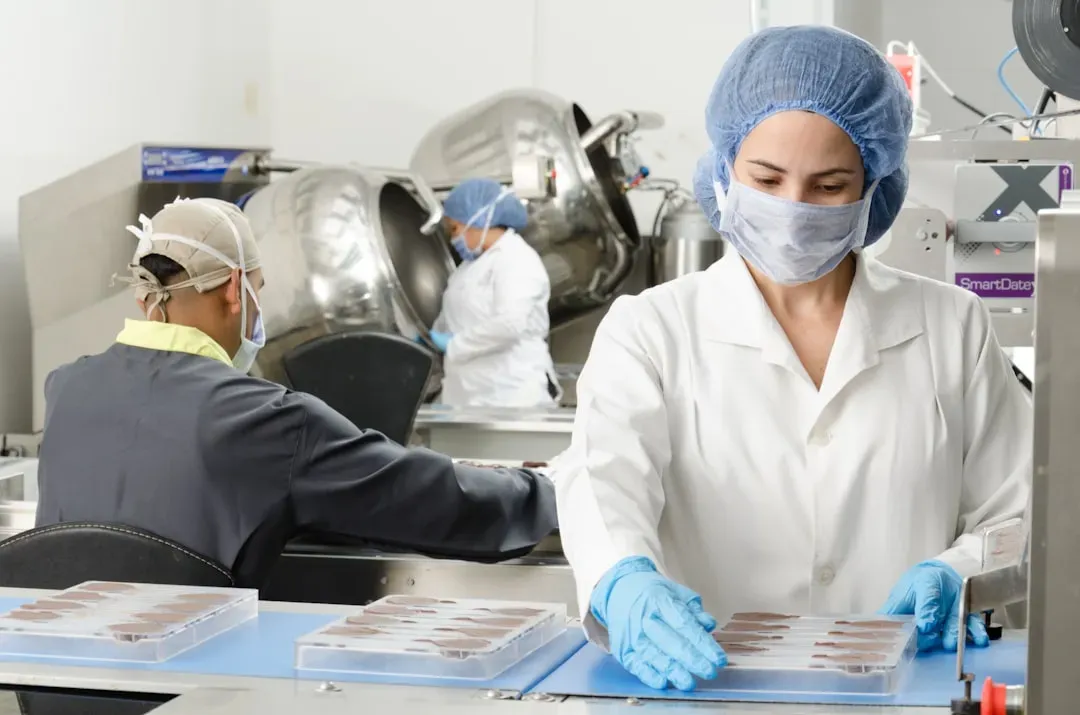
For years, both the CDC and USDA have been advising home cooks not to wash or rinse their raw poultry. This isn't some casual suggestion either. The FDA, NHS, and multiple food safety councils around the world have joined in this united front. Food safety experts state that washing chicken will likely spread bacteria throughout your kitchen, increasing the risk of foodborne illness.
Chicken already undergoes washing during processing, so further washing in your kitchen is problematic. Chicken bought at the grocery store is already washed. The bird you bring home has been through rigorous cleaning protocols at the processing facility, making your kitchen rinse completely redundant.
The Real Danger: The Splash Zone
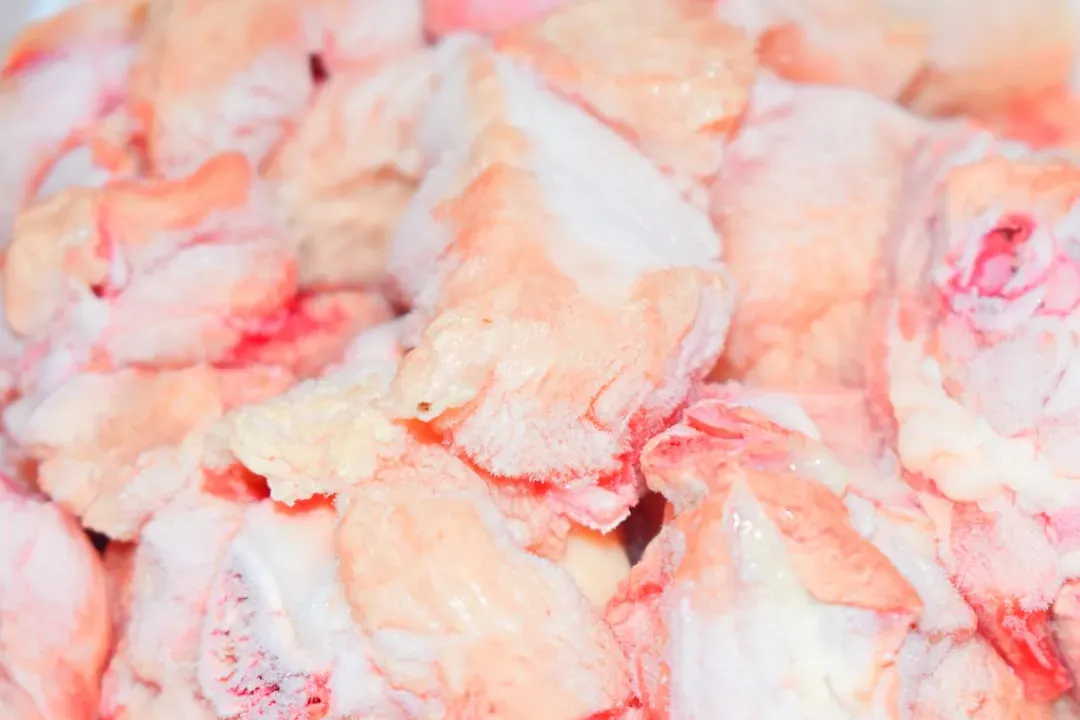
Here's where things get genuinely alarming. Washing chicken in the sink under standard kitchen faucet conditions can eject droplets containing culturable levels of pathogens throughout the kitchen. Think about that for a moment. You're not just rinsing the chicken. You're creating an invisible mist of bacteria that can travel much farther than you'd imagine.
Water droplets may extend up to three feet away, exposing countertops, utensils, and even your hands to harmful pathogens. Recent scientific research using high-speed cameras and bacterial tracking revealed something even more startling. This provides the first experimental evidence that washing raw chickens can lead to significant cross-contamination in a home kitchen. Those splashes can land on fresh produce, dish towels, or that loaf of bread sitting nearby, creating a contamination web you never intended.
The Bacteria That Won't Budge
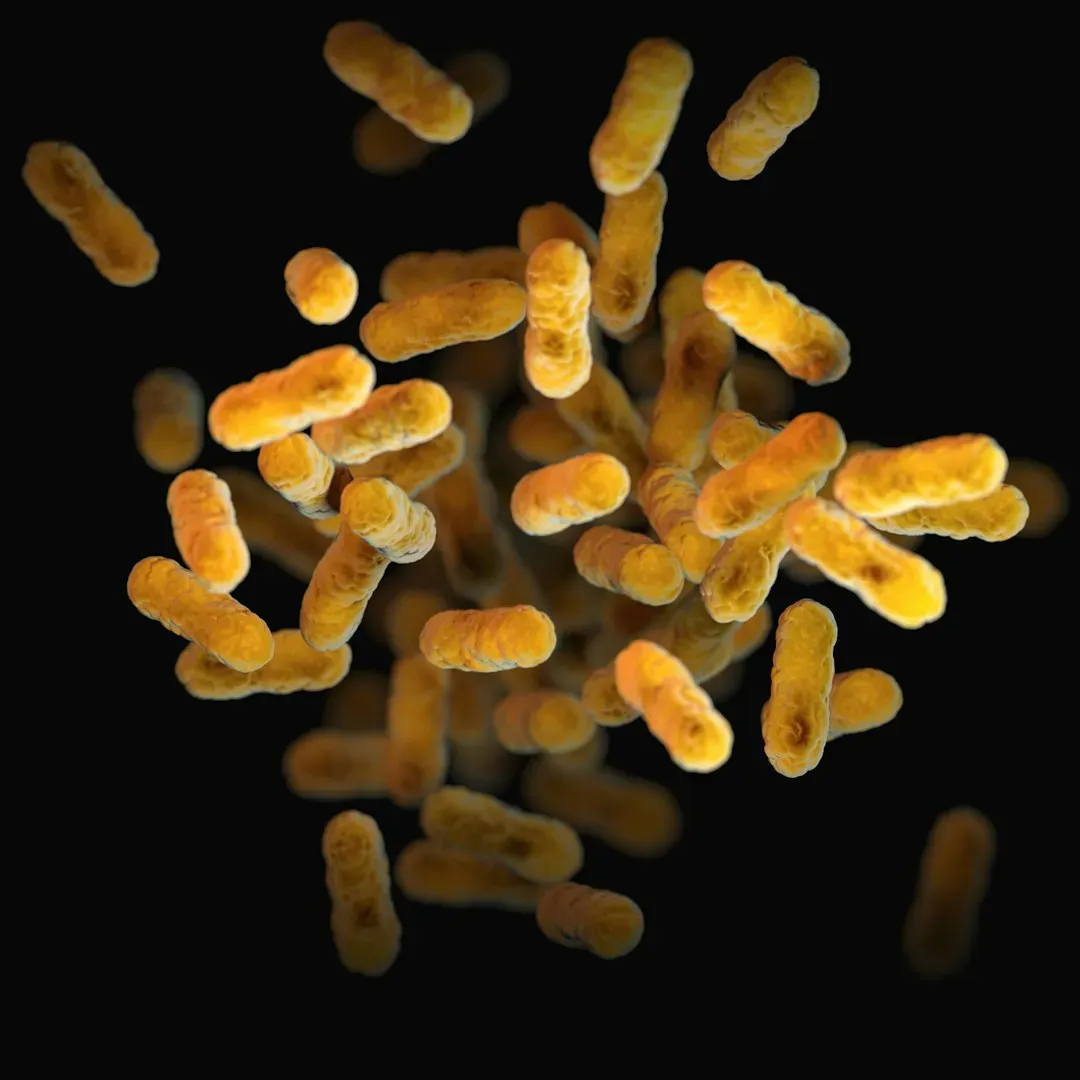
Some of the bacteria are so tightly attached that you could not remove them no matter how many times you washed. This reality check destroys the entire premise of washing chicken. Rinsing or soaking chicken does not destroy bacteria. Water alone simply doesn't have the power to eliminate pathogens like Salmonella or Campylobacter.
Salmonella, Campylobacter and other harmful bacteria live on raw chicken, and washing or rinsing doesn't remove this but makes it worse by helping the bacteria spread. Even trying alternative methods like using vinegar, lemon juice, or saltwater doesn't work. Washing, rinsing, or brining meat and poultry in salt water, vinegar or lemon juice does not destroy bacteria.
How Cross-Contamination Really Happens
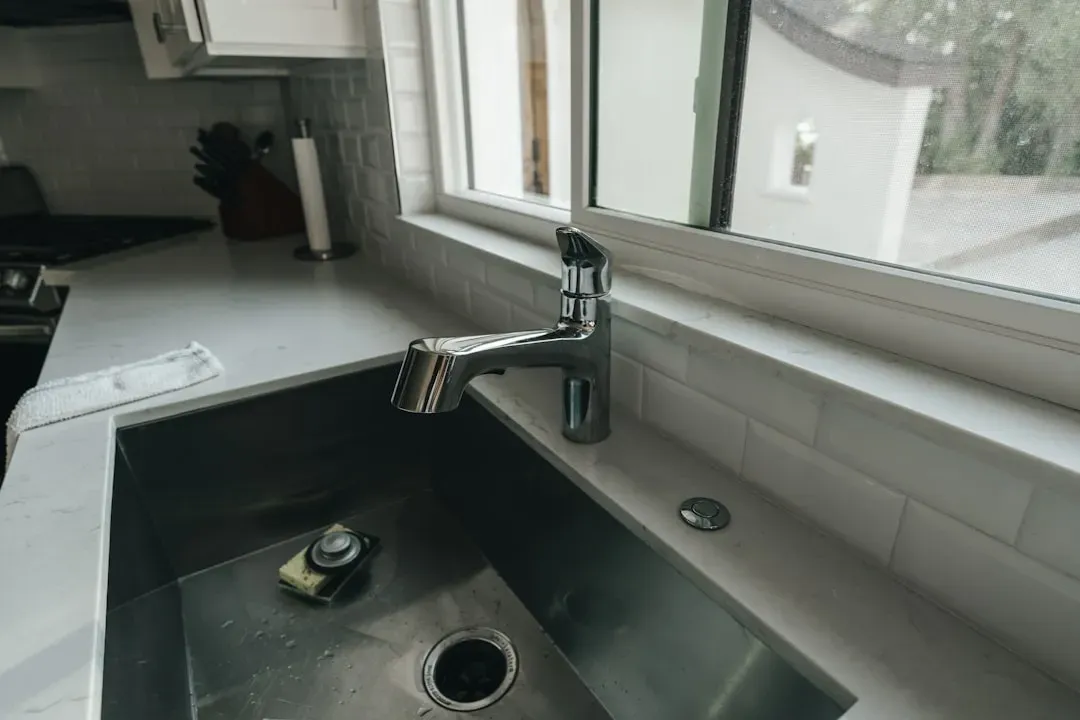
Honestly, the scariest part isn't the chicken itself. It's what happens after you handle it. A groundbreaking USDA study revealed some jaw-dropping statistics. Of the participants who washed their raw poultry, 60 percent had bacteria in their sink after washing, and 14 percent still had bacteria in their sinks after they attempted to clean it. Let that sink in for a moment.
26 percent of participants that washed raw poultry transferred bacteria from that raw poultry to their ready to eat salad lettuce. That's roughly one in four people accidentally contaminating food that won't be cooked again. According to a USDA study, 1 in 7 people who cleaned their sink after washing chicken still had germs in the sink.
It gets even more interesting. Of the participants that did not wash their raw poultry, 31 percent still managed to get bacteria from the raw poultry onto their salad lettuce, likely due to a lack of effective handwashing and contamination of the sink and utensils. This tells us that hands are often the primary culprit in spreading contamination, not just the washing itself.
Cooking Is Your True Safety Net
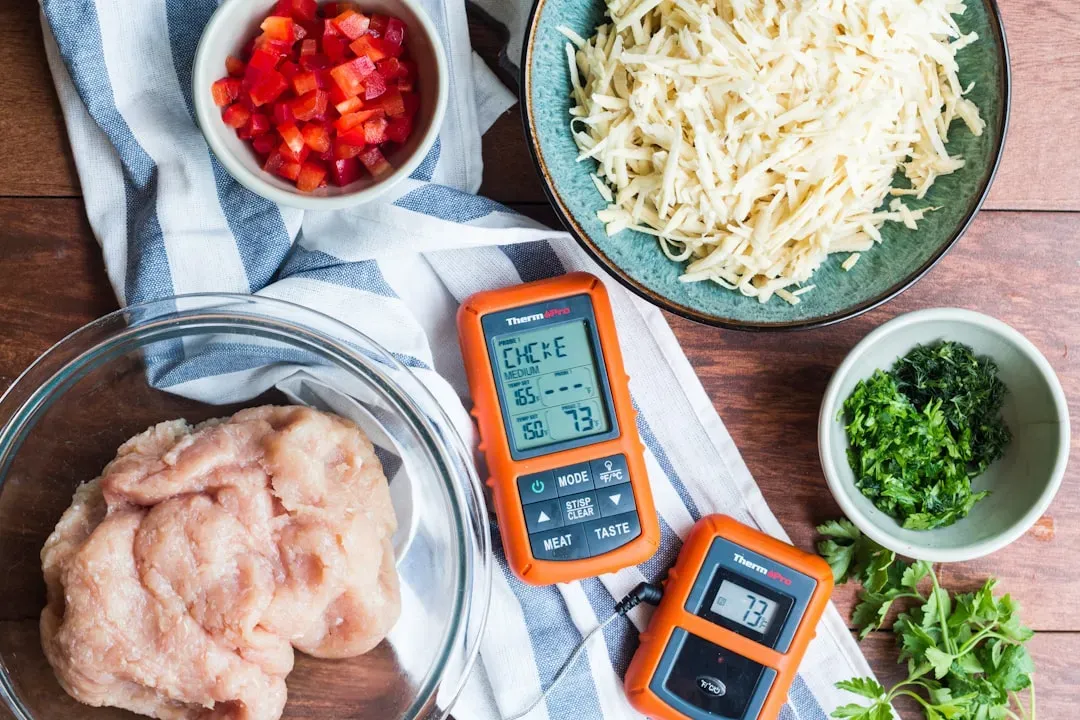
Only cooking will destroy any bacteria that might be present on fresh chicken. This is the golden rule that trumps everything else. The only way to kill the bacteria on chicken is to cook it to a minimum temperature of 165 degrees. Using a meat thermometer isn't optional if you care about food safety.
For chicken, the thickest part of the meat should reach 165 degrees before it's safe to eat. This temperature effectively destroys Salmonella, Campylobacter, and other nasty pathogens that might be lurking on your poultry. Think of proper cooking as your kitchen's ultimate superpower against foodborne illness.
The Staggering Health Impact
Each year in the US, there are an estimated 47.8 million cases of foodborne illness, and the most common single food responsible is raw poultry. These aren't just statistics. They represent real people suffering from painful symptoms like severe diarrhea, stomach cramps, and vomiting.
It's estimated that about 1 million people in the United States get sick every year from eating contaminated poultry. CDC estimates that Salmonella causes more foodborne illnesses than any other bacteria, and chicken is a major source of these illnesses. Recent research even linked poor handling of raw meat in the kitchen to urinary tract infections.
What to Do Instead of Washing
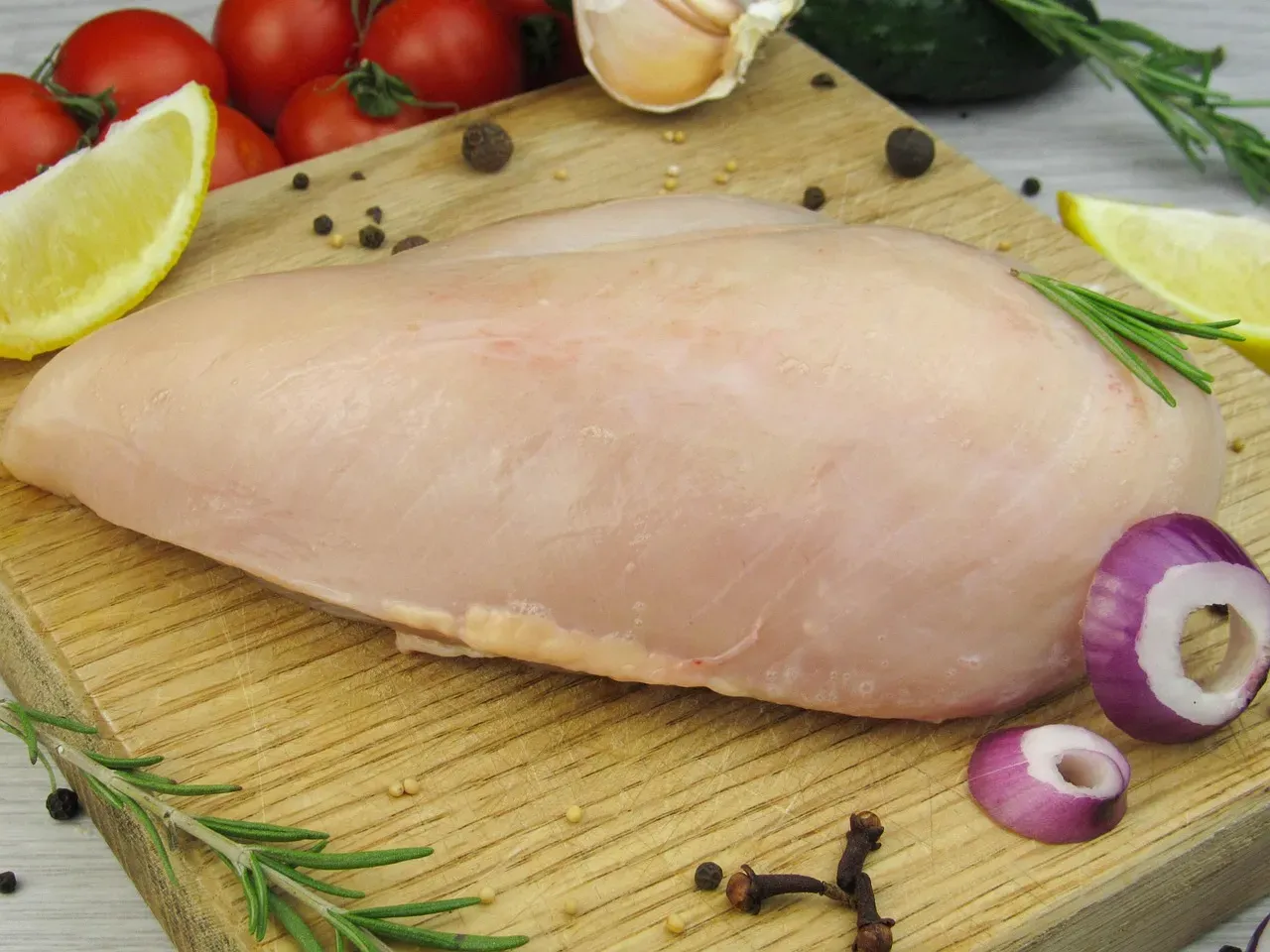
If you're feeling uncomfortable about the thought of cooking unwashed chicken, there's a safer alternative. If there is anything on your raw poultry that you want to remove, pat the area with a damp paper towel and immediately wash your hands. This method removes any visible residue without creating that dangerous splash zone.
Poultry may have a coating of water and protein which gets cooked off, or you can remove it with a clean paper towel. Some people notice a pinkish liquid in the chicken packaging and assume it's blood. However, it is mostly water that was absorbed by the chicken during the chilling process, as blood is removed from poultry during slaughter.
If You Absolutely Must Wash
Look, I get it. Old habits die hard. Some people simply cannot shake the urge to rinse their chicken. If you're one of those people who will wash regardless of the warnings, at least minimize the damage. Run the water gently over the chicken to reduce splashing, then immediately clean the sink and area around the sink with hot, soapy water and sanitize them thoroughly.
The CDC and USDA note their approach as "our science, your choice", acknowledging that some consumers will continue the practice. Just remember that you're taking on additional risk and creating extra work for yourself. You'll need to meticulously sanitize every surface that water could have touched.
The Critical Importance of Hand Hygiene
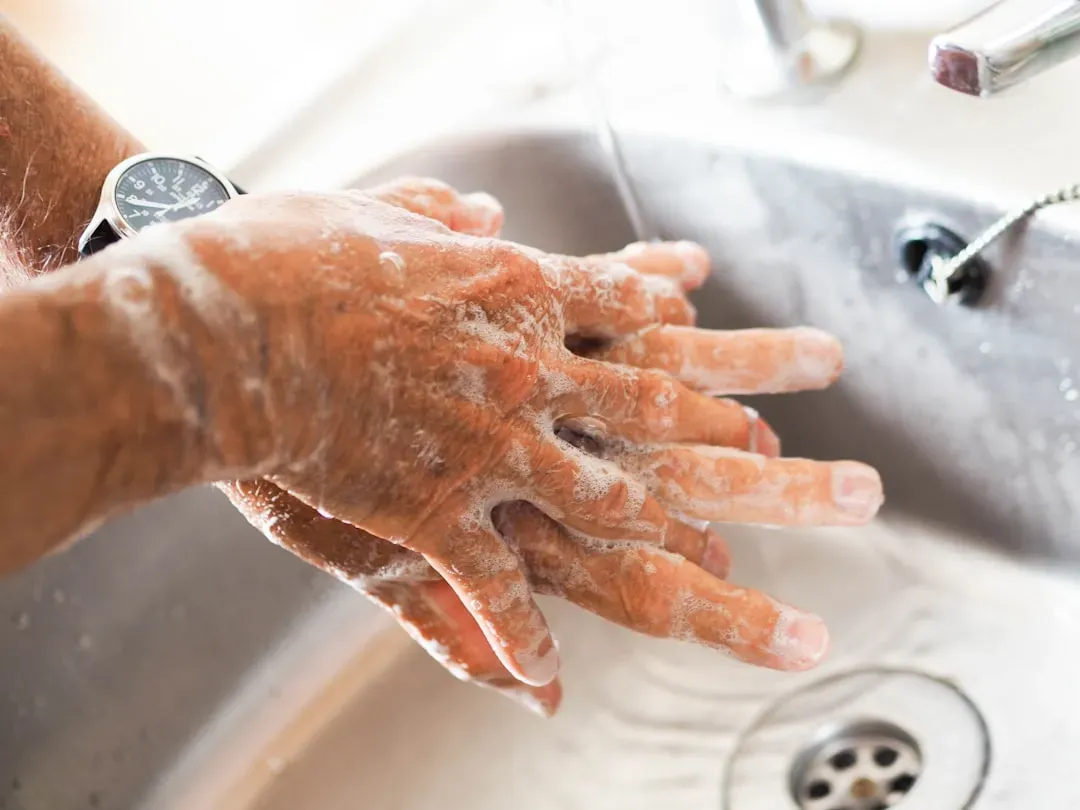
Your hands are the most powerful tools for either spreading or preventing contamination. Hand washing after handling raw meat or poultry or its packaging is a necessity because anything you touch afterwards could become contaminated. This isn't about being paranoid. It's about being smart.
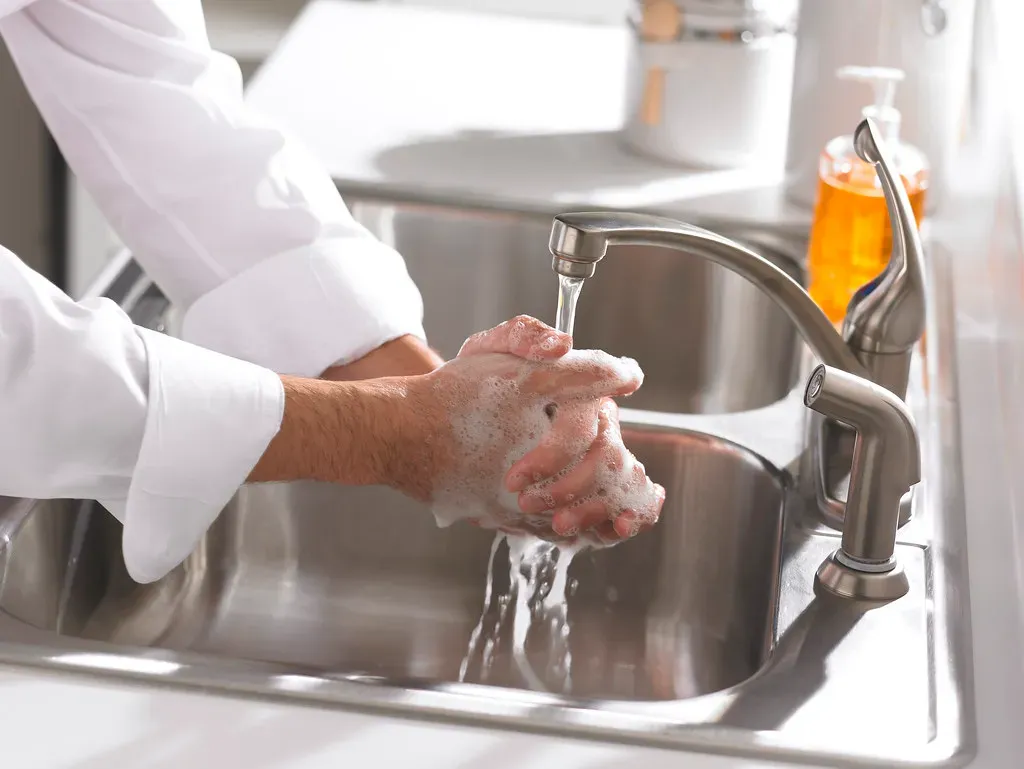
Proper handwashing means using soap and warm water for at least 20 seconds. You could become ill by picking up a piece of fruit and eating it after handling raw meat or poultry without properly washing your hands. Campylobacter can survive in your kitchen for up to 4 hours and Salmonella can last for up to 32 hours, so thorough cleaning is essential.
Smart Kitchen Practices That Actually Work
Preventing cross-contamination requires a multi-pronged approach. Use a dedicated cutting board exclusively for raw chicken. Use a separate cutting board for raw chicken and never place cooked food or fresh produce on a plate, cutting board, or other surface that previously held raw chicken.
Washing raw poultry before cooking is not recommended because bacteria in raw meat and poultry juices can be spread to other foods, utensils, and surfaces, which is called cross-contamination. Store raw chicken on the lowest shelf of your refrigerator to prevent juices from dripping onto other foods. Always prepare foods that won't be cooked, like salads, before you handle raw meat.
The Bottom Line
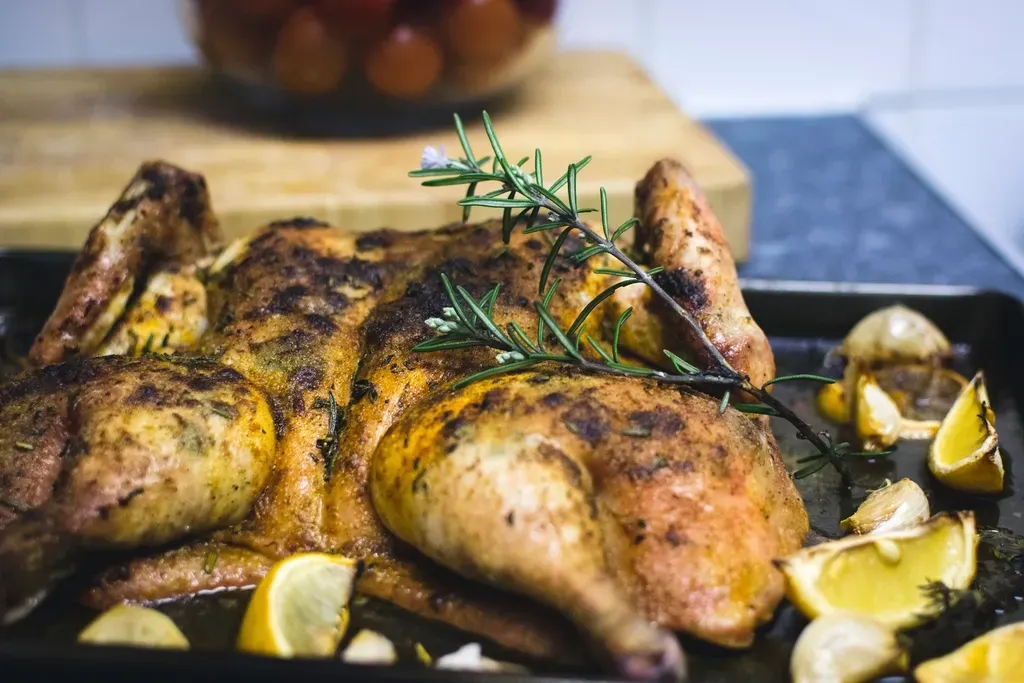
This isn't about judging anyone's kitchen practices or dismissing traditions that have been passed down through families. It's about evolving our understanding based on solid scientific evidence. The research is overwhelmingly clear that washing chicken creates more problems than it solves. Your best defense against foodborne illness is proper storage, careful handling, thorough cooking to the right temperature, and meticulous cleaning of surfaces and hands.
Next time you reach for that package of chicken, resist the urge to rinse. Trust the cooking process to do its job. Your kitchen will be safer, your cleanup easier, and your family better protected. What do you think about it? Will you break the chicken-washing habit, or are you still on the fence?


Leave a Reply