
You just spent a decent chunk of change on that beautiful ribeye or filet mignon. The marbling looks incredible. You're excited about dinner tonight. Then you pull it straight from the fridge and slap it onto a blazing hot pan, expecting steakhouse magic. What happens next? Disappointment.
Overcooking or messing up expensive meat means you've just wasted a pretty pricey ingredient. Let's be real, nobody wants to admit they turned their premium steak into expensive shoe leather. Yet it happens all the time in home kitchens. The mistakes people make with costly cuts of meat are surprisingly consistent, and honestly, most are completely avoidable once you know what to watch for.
Skipping the Essential Dry Step Before Cooking
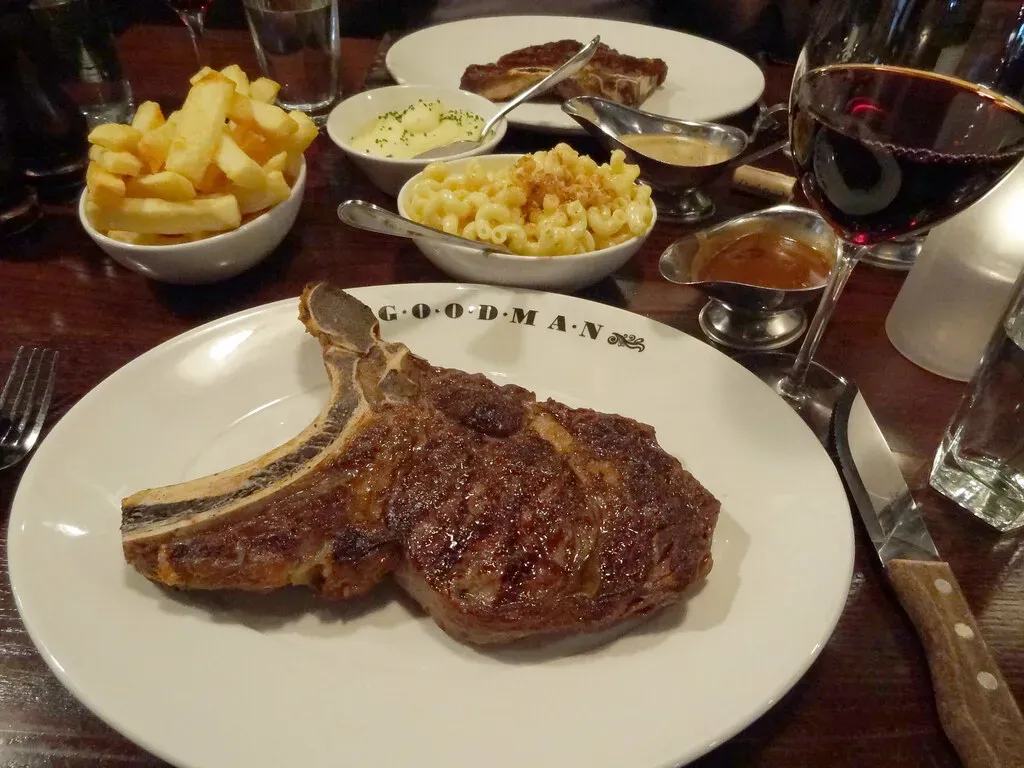
When searing meat, always blot all sides with paper towel just before seasoning and putting it into your preheated pan, because removing excess moisture gives you a great crust when searing. This might sound incredibly basic, but it's where tons of home cooks stumble right out of the gate.
Moisture is the enemy of that gorgeous brown crust everyone craves. When your expensive steak hits the pan with surface moisture, you're essentially steaming it instead of searing it. The water has to evaporate before the Maillard reaction can even begin. How dry the steak is before it goes into the pan is one of the most important factors in cooking great steak, and blotting the outside with paper towel may seem small but it's an unskippable step.
Think about it like this: you wouldn't try to get a tan while soaking wet, right? Same principle. Your meat needs to be dry to develop that beautiful caramelized exterior that locks in flavor. Just a few seconds with a paper towel can make the difference between a pale, disappointing surface and that restaurant-quality crust you're paying premium prices to achieve.
Cooking Straight From the Refrigerator
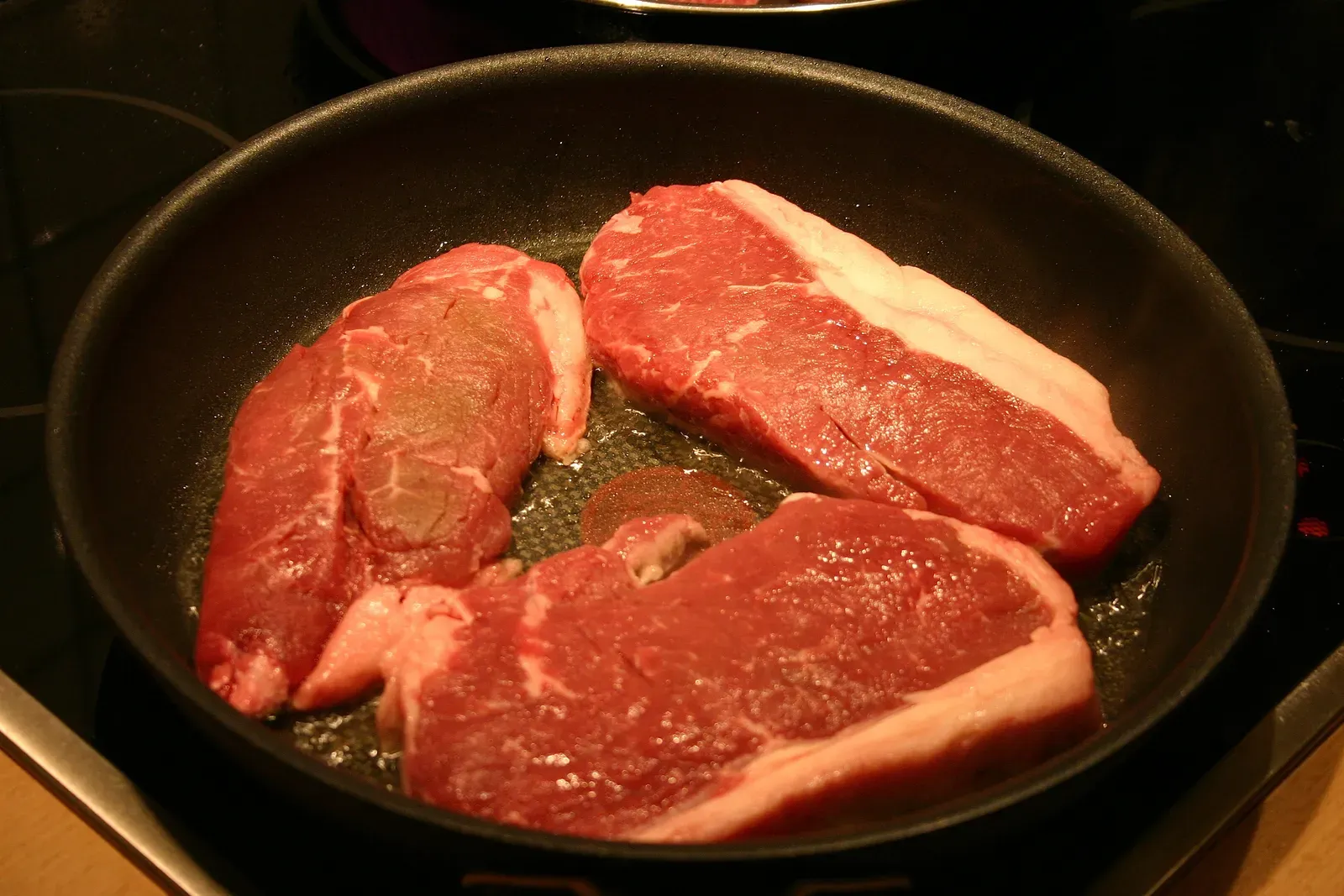
Cooking straight from the fridge with cold meat or eggs can cool down the pan and prevent even cooking, so let them sit at room temperature for a few minutes before cooking. I know you're hungry and ready to cook, but patience pays off here.
When you pull steak right out of the fridge to cook on a busy weeknight, experts caution against this, noting that a quality steak shines when it has time to get to room temperature, with Jamie Oliver recommending a full hour on the counter. Sure, an hour might seem excessive when you're starving. Twenty to thirty minutes will still make a noticeable difference though.
The science behind this is simple. A cold steak means the exterior will overcook by the time the interior reaches your desired temperature. The muscle fibers tense up when shocked with sudden heat, leading to a tougher final texture. Room temperature meat cooks more evenly from edge to center, giving you that perfect medium-rare throughout instead of a grey band around the edges with a cold, undercooked middle.
Under-Seasoning Premium Cuts
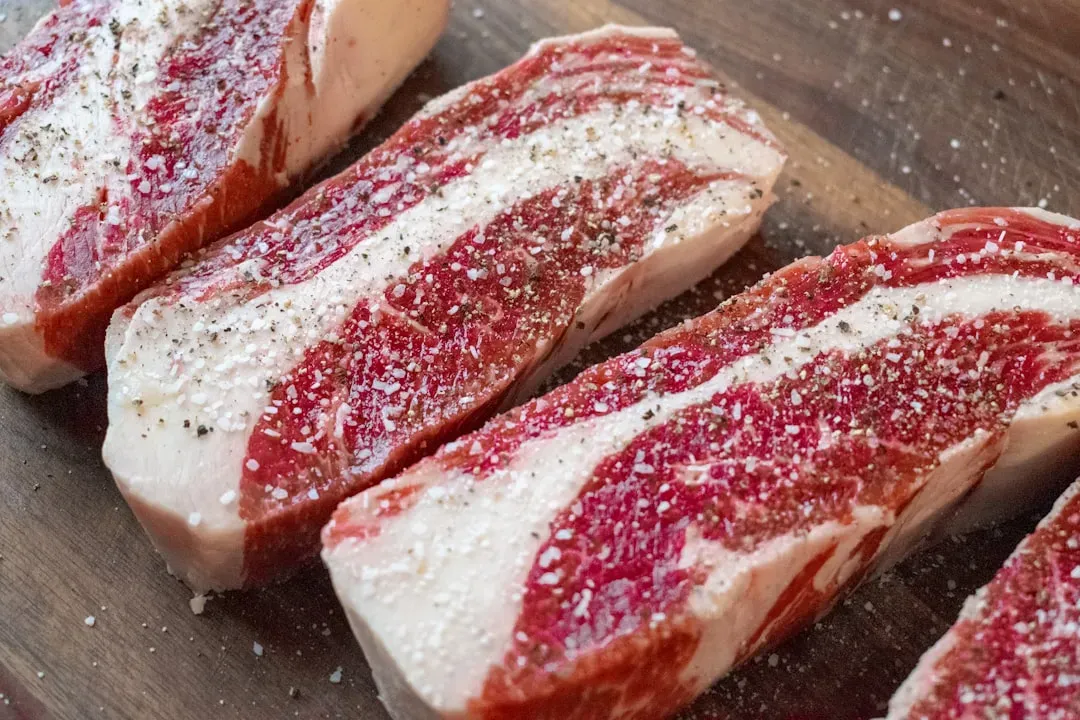
Many people are afraid of making steak too salty or overpowering it with spices, but caution doesn't pay when it comes to seasoning, since you can't season the steak's interior, playing it safe will deprive you of rich flavors and bold crust. This one surprises people because they think expensive meat should speak for itself.
Here's the thing though: even the finest cut of Wagyu needs proper seasoning. Salt doesn't mask the beef flavor; it enhances it. It draws out moisture, creates that crust, and amplifies the natural taste of the meat. Most home cooks use maybe a third of what they should.
Many people are not aware of properly seasoning their food with overseasoning or underseasoning being common, as chefs see people season one part of the dish and forget the rest. Don't be timid with your salt and pepper. Season generously on both sides. The salt should be visible on the surface. You paid good money for that meat, so give it the seasoning it deserves to truly shine.
Using the Wrong Pan or Cooking Surface

If your entire pan collection is non-stick, your food will come out wonky, as non-stick pans are perfect for eggs, crepes, or pancakes but that's all they're good for, yet most home cooks crank up heat on non-stick cookware and try to sear in them. This is a mistake that costs you both in results and potentially in ruined cookware.
Non-stick pans can't handle the high temperatures needed for proper searing. They'll start to break down and release fumes when pushed too hot. Meanwhile, your expensive steak sits there, not developing that crust you want. Cast iron or stainless steel pans are your friends here.
Investing in a great quality pre-seasoned cast iron pan and simple stainless steel pots and pans are truly all most home cooks need, and non-stick cookware should be left to breakfast preparation only. Cast iron retains heat beautifully and gives you those picture-perfect sear marks. Stainless steel allows you to build fond, those delicious brown bits at the bottom that become the base for pan sauces. Choose your weapon wisely when cooking expensive meat.
Not Getting the Pan Hot Enough
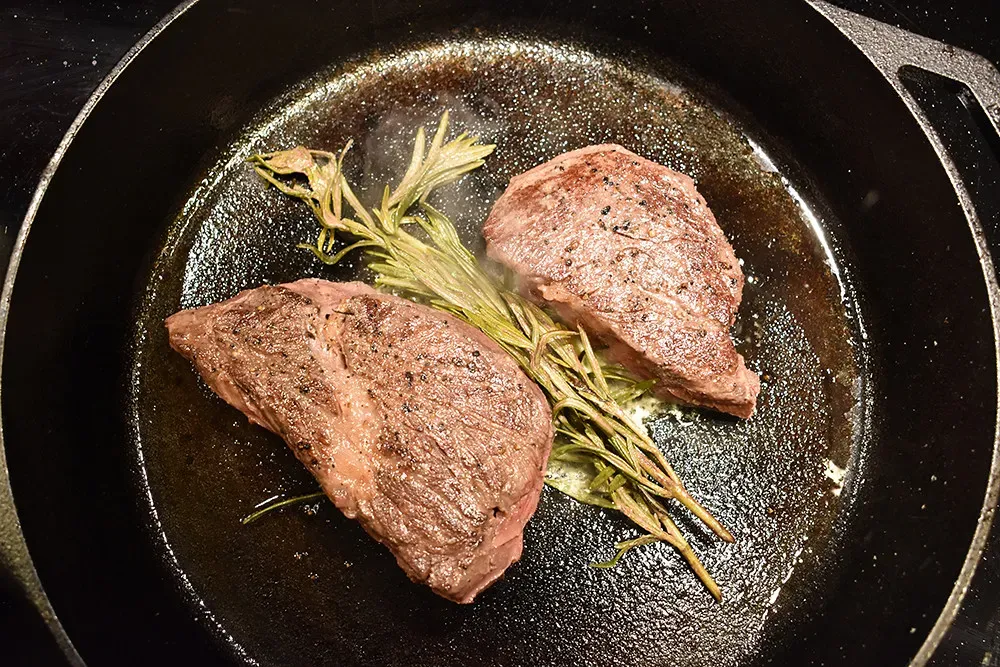
To cook the perfect steak, you need seriously high heat, with most restaurants cooking at such high heat that you may not be able to replicate it at home without setting off the smoke alarm. Yeah, it's going to get smoky. Open a window, turn on the fan, and embrace it.
As one cattle farmer advises, don't be scared to give the steak heat, noting you should hear your steak sizzle when it hits the pan, with experts agreeing it's important to get your flame or pan to the highest heat you can generate. That sizzle is music to any cook's ears. It means the Maillard reaction is happening, creating complex flavors and aromas.
Too many home cooks set their burner to medium, afraid of burning their expensive purchase. The result? A grey, steamed piece of meat that never develops proper color. Most people are terrified of letting things get real color, but browning creates flavor. Crank that heat up. Your steak will thank you, and so will everyone eating it.
Cutting Into It Too Soon
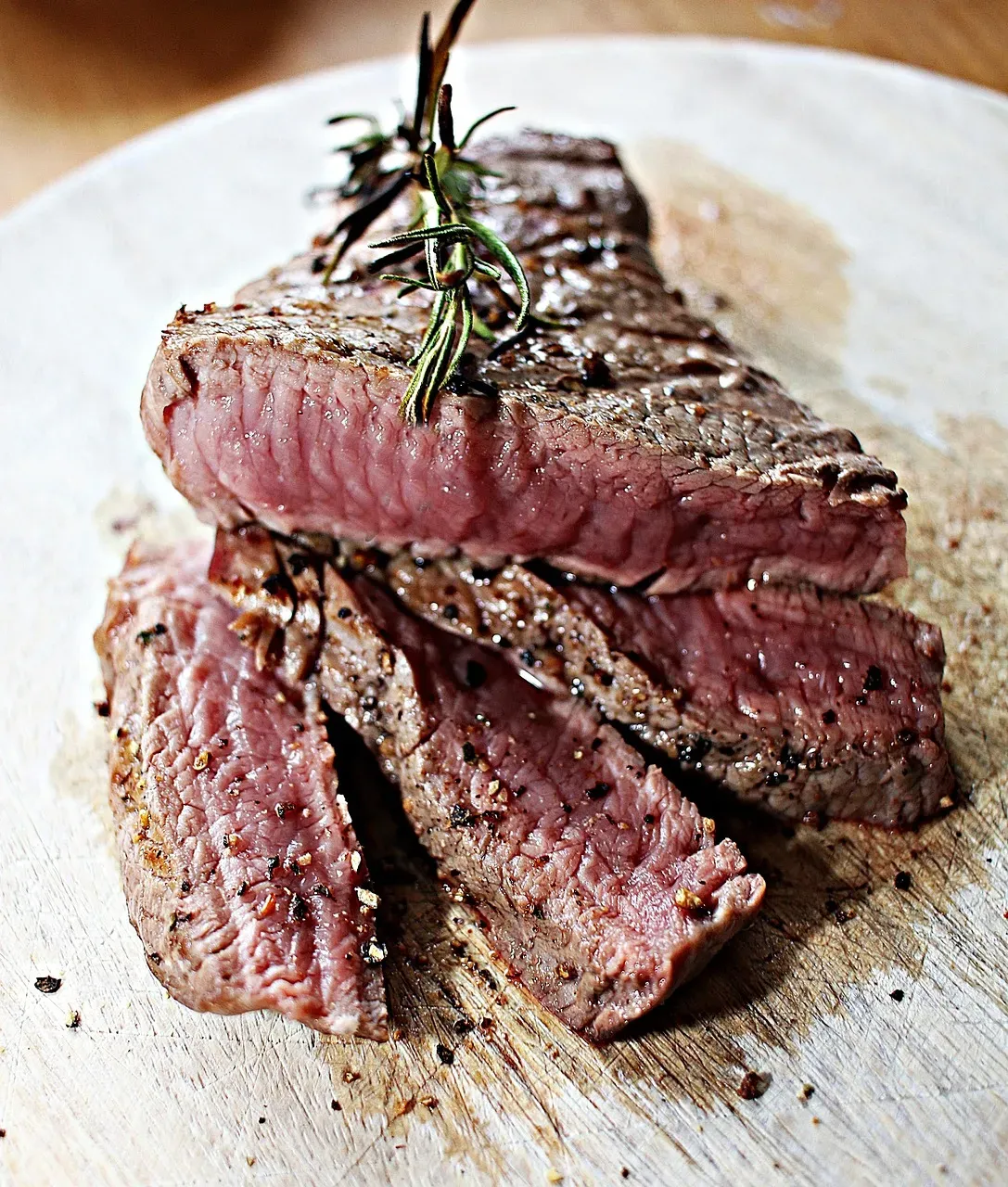
It breaks hearts to watch someone cut into a nice steak fresh off the grill, as those juices could have stayed in the meat if the cook had some patience. This is probably the most painful mistake to witness because the damage is done the moment the knife goes through.
Cutting too soon by slicing meat right after cooking lets the juices run out and leaves the meat dry, so briefly rest the food to keep it moist. Those juices you see pooling on your cutting board? That should be inside the steak, keeping every bite moist and flavorful.
Resting allows the muscle fibers to relax and reabsorb moisture. Five to ten minutes is standard for steaks, longer for larger roasts. I know it's tempting to dig in immediately when you're hungry and that steak smells incredible. Cover it loosely with foil, take a breath, and wait. The difference in juiciness is dramatic and absolutely worth those extra minutes.
Overcooking Due to Lack of Temperature Monitoring
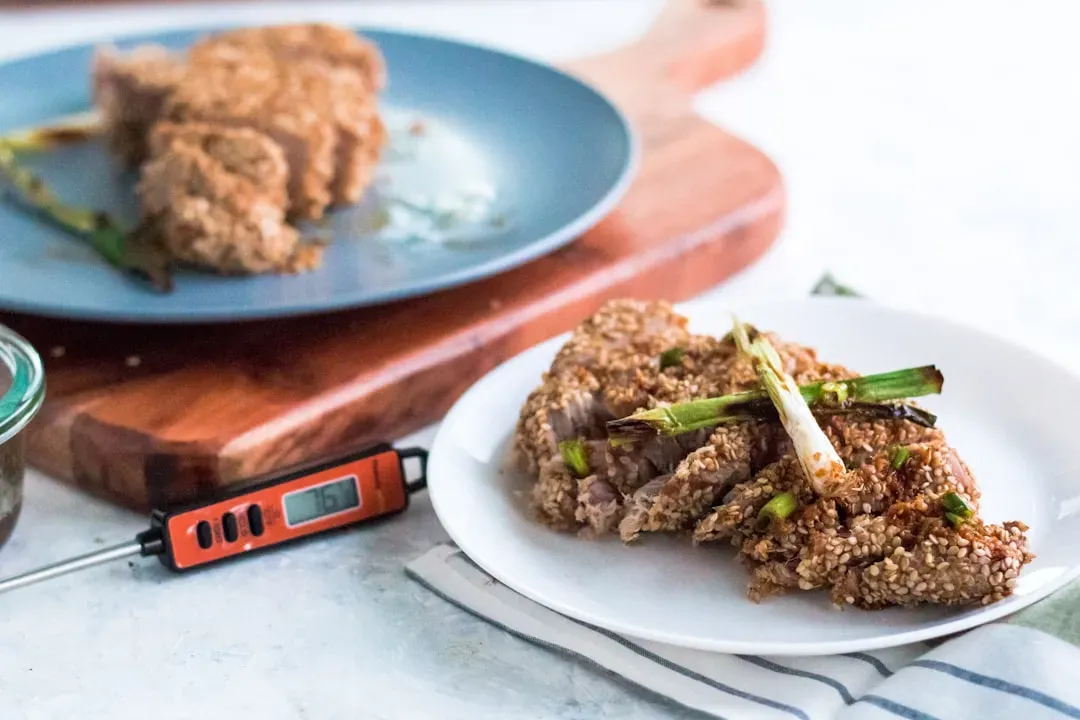
Not using thermometers is a big cooking mistake to avoid to get the perfect level of doneness on all meats, as all ovens are different and every cut of meat is different. Guessing doesn't work when you've spent serious money on a premium cut.
One home cook paid a lot for a rare-breed, two-bone rib of beef as a Christmas treat, completely took their eye off timing and cooked it way beyond where wanted, noting it was still edible but took the shine off the meal, and recommending using a leave-in meat thermometer. Nothing stings quite like realizing you've turned an expensive piece of beef into an overcooked disappointment.
Instant-read thermometers are inexpensive and remove all the guesswork. Medium-rare is around 130-135°F, medium is 135-145°F. Remember that meat continues cooking after you remove it from heat, a phenomenon called carryover cooking. Pull your steak off the heat about five degrees before your target temperature. It's the most reliable way to nail your preferred doneness every single time.
Moving and Flipping the Meat Too Often

Many cooks love to toss food around the pan every few seconds like it's some wrestling match hoping it will cook faster, but it won't, and leaving the food in contact with the pan to cook will help enrich ingredient flavors, textures, and that golden brown color. Constant flipping is nervous cooking, plain and simple.
Actually, here's where things get interesting. Getting into the habit of turning your steak multiple times as it cooks, especially when heat is high, allows the steak to cook more quickly, up to roughly one third faster than the one-flip method, and gives you a juicier steak. So there's a balance. Strategic flipping can help, but fidgeting every thirty seconds won't.
The key is letting the meat develop contact with the pan long enough to build that crust before you move it. If you're constantly poking, prodding, and flipping, you interrupt the browning process. Put the spatula down, step back, and let the heat do its work. Check once or twice, flip strategically, but resist the urge to constantly mess with your expensive steak.
Choosing the Wrong Cut for Your Skill Level

Cooking steak at home is both simple and kind of daunting, as a great cut of meat doesn't need much aside from good seasoning and a nice sear, but overcook or mess up a steak and you've just wasted a pricey ingredient. Not all expensive cuts are created equal when it comes to home cooking difficulty.
One chef notes they serve New York and Kansas City strip steaks at their restaurant as a specialty, but these aren't necessarily cuts encouraged for people to make at home unless confident in cooking skills, recommending saving these cuts for a steakhouse experience as there's nothing worse than overcooking or burning expensive meat. Some steaks are genuinely more forgiving than others.
Trying to cook flank and skirt steaks just right, somewhere between over and underdone, is like trying to balance on a tightrope, as both are flavorful but known to be tougher in texture. If you're still building confidence, start with cuts like ribeye or strip steak that have more fat content and forgive minor timing errors. Save the ultra-lean filet mignon or fancy Japanese Wagyu for when you've mastered the basics.
Ignoring the Importance of Resting Temperature
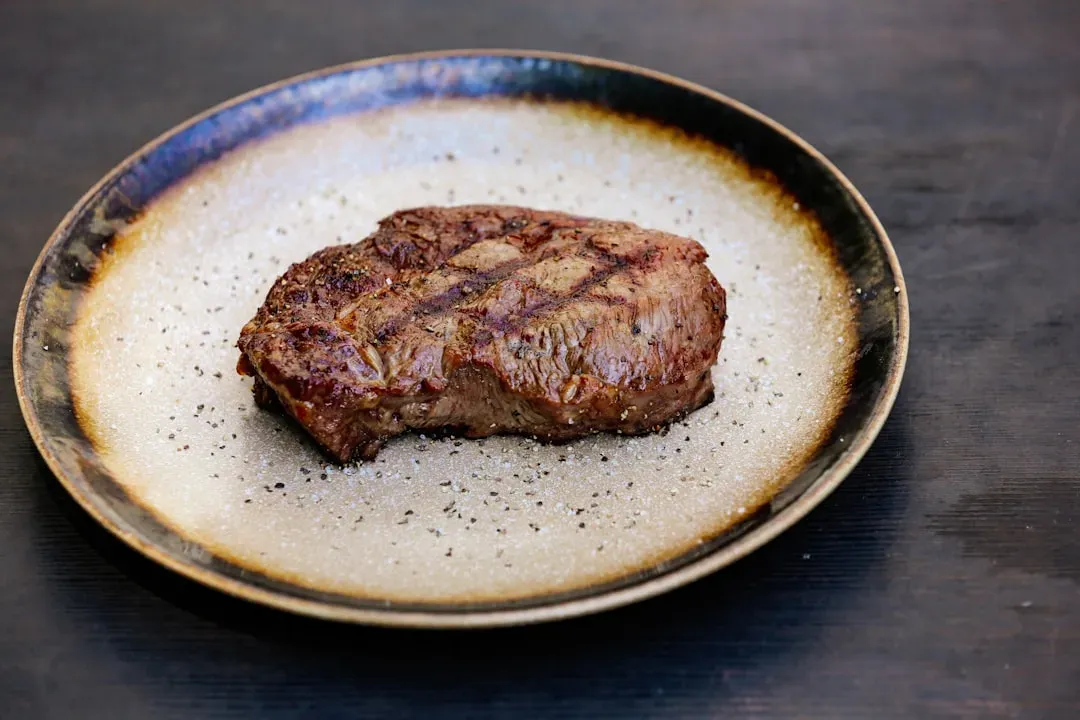
Let's circle back to temperature, but from a different angle. It's not just about cooking temperature or final internal temperature. The temperature at which you let your meat rest matters too. Tossing that hot steak onto a cold plate immediately drops its temperature and can make the exterior firm up unpleasantly.
Warm your plates before serving. Just pop them in a low oven for a few minutes or run them under hot water and dry them. It's such a simple step that restaurants do automatically but home cooks often skip. That warmth helps maintain the steak's ideal serving temperature and keeps the texture pleasant throughout your meal.
The texture difference between steak served on a warm plate versus a cold one is subtle but noticeable. When you've invested in quality meat, these tiny details compound to create a truly restaurant-quality experience at home. Small effort, big payoff.




Leave a Reply