
Think about small-town America for a moment. Church basements, long folding tables covered in checkered tablecloths, and the smell of casseroles wafting through the air. That's where community happened, where families bonded, where traditions were born from scratch. Potlucks weren't just about eating. They were about showing up, contributing something from your own kitchen, and sharing what you had with neighbors.
These gatherings reflected resourcefulness, hospitality, and a sense of belonging that defined entire generations. The dishes that appeared at these events became icons of an era when convenience food was revolutionary and home cooking meant something different than it does today.
Funeral Potatoes: The Casserole That Conquered the West
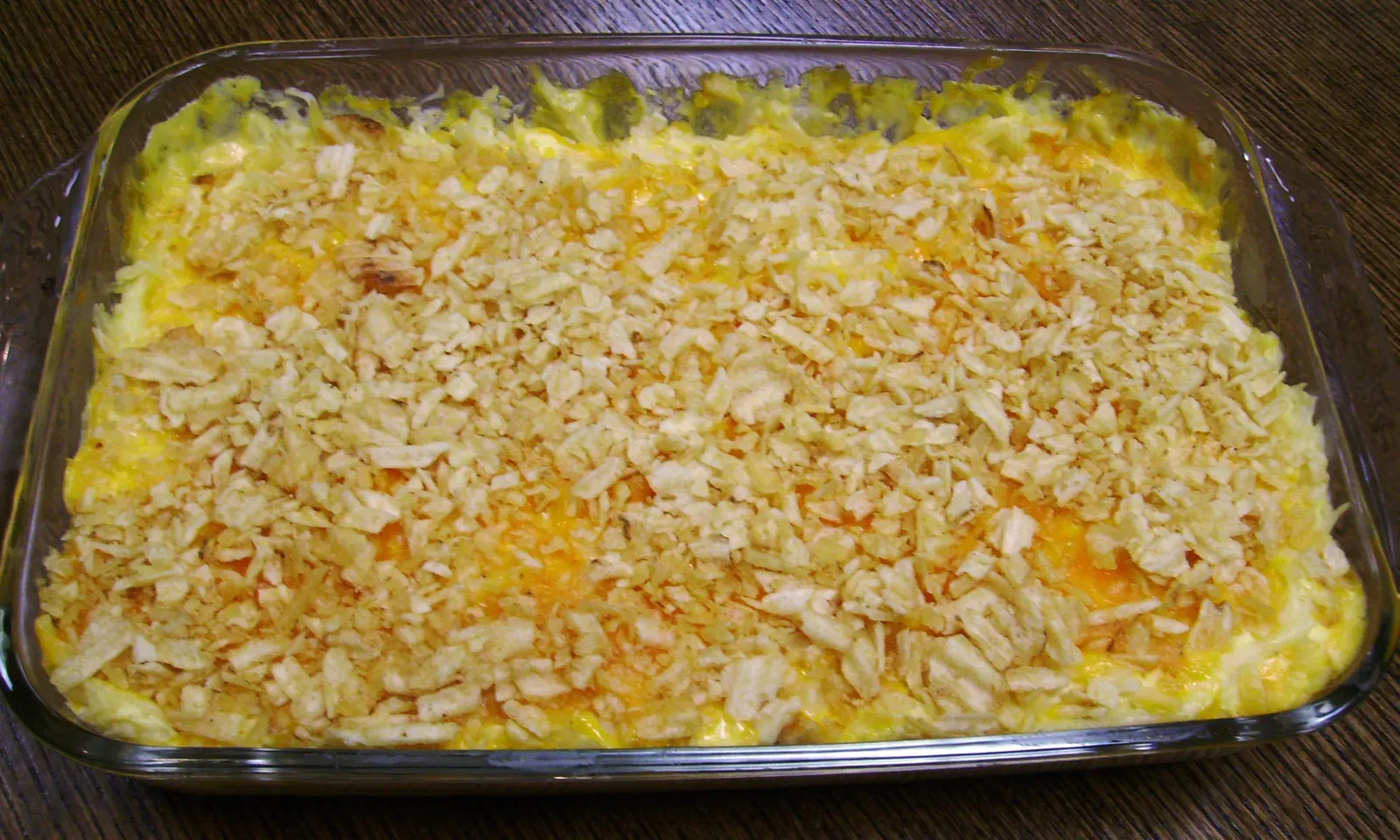
Funeral potatoes is a potato-based hotdish or casserole, similar to au gratin potatoes, popular in the American Intermountain West and Midwest, commonly served as a side dish during traditional after-funeral dinners, but also at potlucks and other social gatherings. Despite the somewhat morbid name, this dish became a staple of comfort and community.
The dish has been associated with members of the Church of Jesus Christ of Latter-day Saints because of its popularity among members of the church, and emerged in Utah's Mormon community during the late 19th century. The LDS Relief Society served the dish for organization functions, and it spread within the community.
The genius of funeral potatoes lies in their simplicity. The dish usually consists of hash browns or cubed potatoes, cheese, onions, cream soup, sour cream, and a topping of butter with corn flakes or crushed crackers. Everything could be kept in the pantry, ready to go at a moment's notice.
The long-lasting ingredients of funeral potatoes are almost always inside a Mormon's pantry - a holdover from the Church's post-Depression push for maintaining a three-month food supply at all times. This practicality made it perfect for busy families needing to feed a crowd quickly. When Salt Lake City hosted the 2002 Winter Olympics, it honored its treasured dish with commemorative pins proudly featuring funeral potatoes.
Jello Salad: The Wobbly Wonder of Mid-Century Potlucks
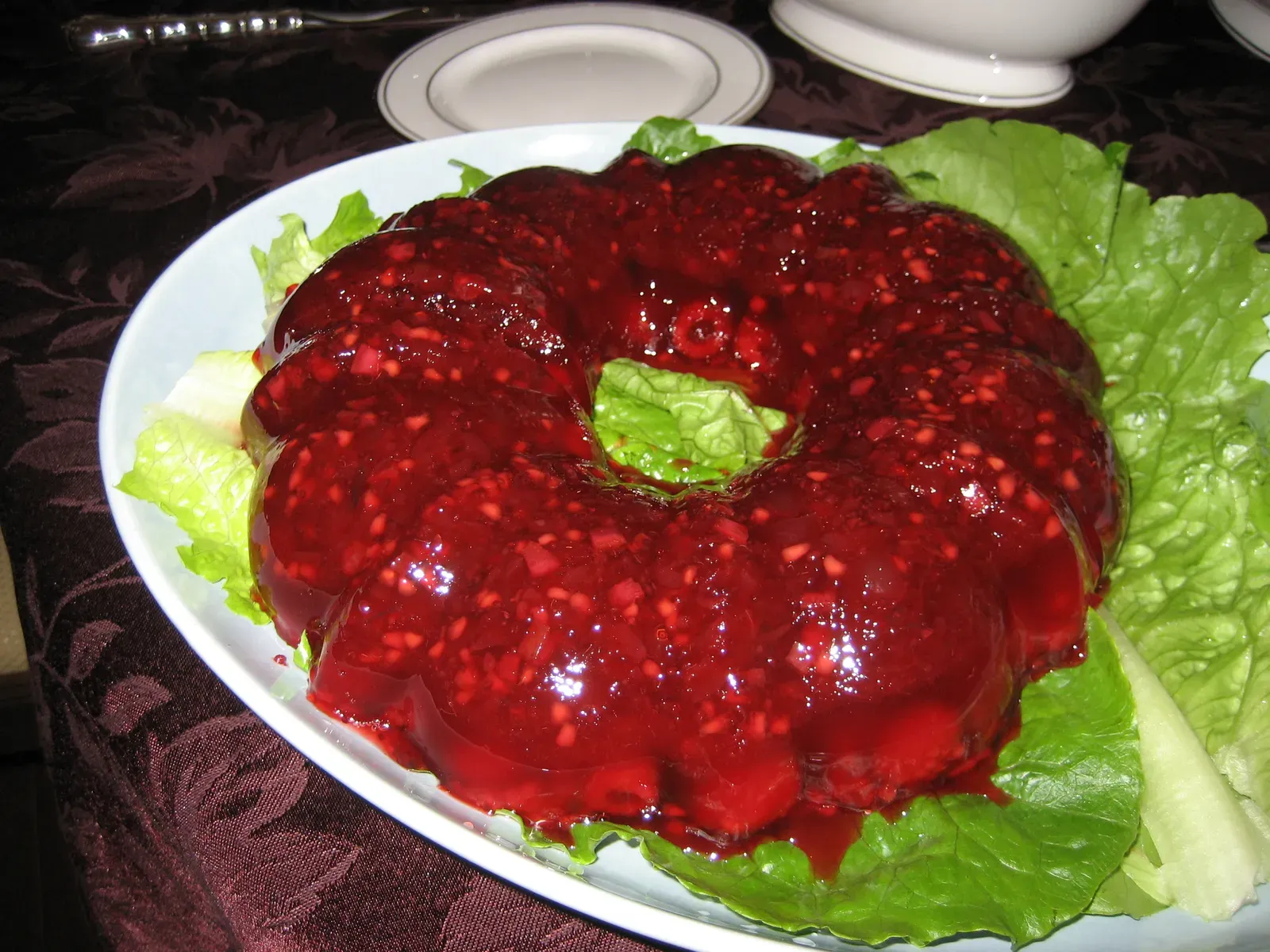
Honestly, nothing screams vintage American potluck quite like a molded Jello salad. Jello salad has been a staple at family gatherings, potlucks, and church functions for decades. These jiggly, colorful creations dominated tables throughout the middle of the twentieth century.
Jell-O salads had a special significance at mid-twentieth century gatherings, as one has to think in terms of status and electricity, because it wasn't until the advent of electric refrigeration that Jell-O became a staple of the potluck supper or the women's club luncheon. Owning a refrigerator meant you had arrived, and serving Jello proved it.
Jello salads were especially fashionable in the suburbs in the 1950s, seen as a marker of sophistication, elegance and status, indicating that a housewife had time to prepare jello molds and that her family could afford a refrigerator. The flavors got wild, too. In response to the mid-century popularity of jello salads, Jell-O released several savory flavors, including seasoned tomato and celery.
Especially in the Midwest, sheltered from the stream of immigrants who brought ethnic cuisine to the coasts, Jello represented a novel yet wholly American invention, beloved at potlucks and church suppers. It was the future, in a box. Jello salad fell out of fashion in the 1960s and 70s.
Green Bean Casserole: Campbell's Kitchen Creation
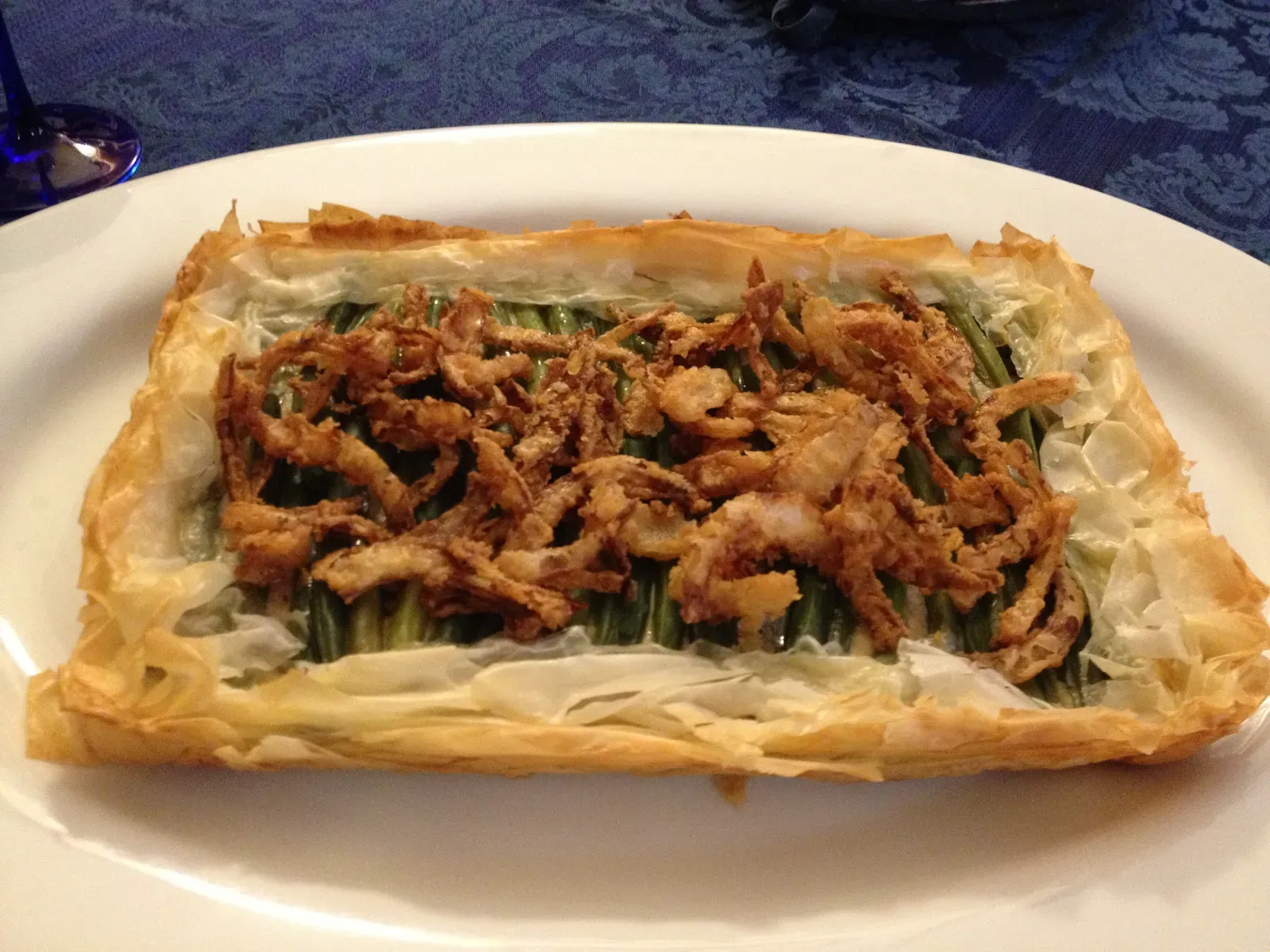
Few dishes are as iconic to the American holiday table as green bean casserole. The recipe was created in 1955 by Dorcas Reilly at the Campbell Soup Company. What started as a corporate test kitchen experiment became a national phenomenon.
Reilly was inspired to create an easy-to-make recipe with items that would already be present in a 1950s kitchen and that reflected the tastes and pantries of the time. Fresh mushrooms weren't available year-round and they were expensive, and at the time, even frozen green beans weren't common, but canned varieties were.
It was originally marketed as an everyday side dish but became popular for Thanksgiving dinners in the 1960s after Campbell's placed the recipe on the can's label. The dish's simplicity made it perfect for potlucks and church suppers everywhere. Campbell's estimated it was served in 20 million Thanksgiving dinners in the United States each year and that roughly about forty percent of the company's cream of mushroom soup sales go into a version of the dish.
Interestingly, the recipe didn't even test well at first. Initially the dish did not test well within the company but, in part because of Reilly's persistence, eventually earned a reputation for being the ultimate comfort food. Now it's hard to imagine American holiday gatherings without it.
Deviled Eggs: The Devilishly Good Appetizer
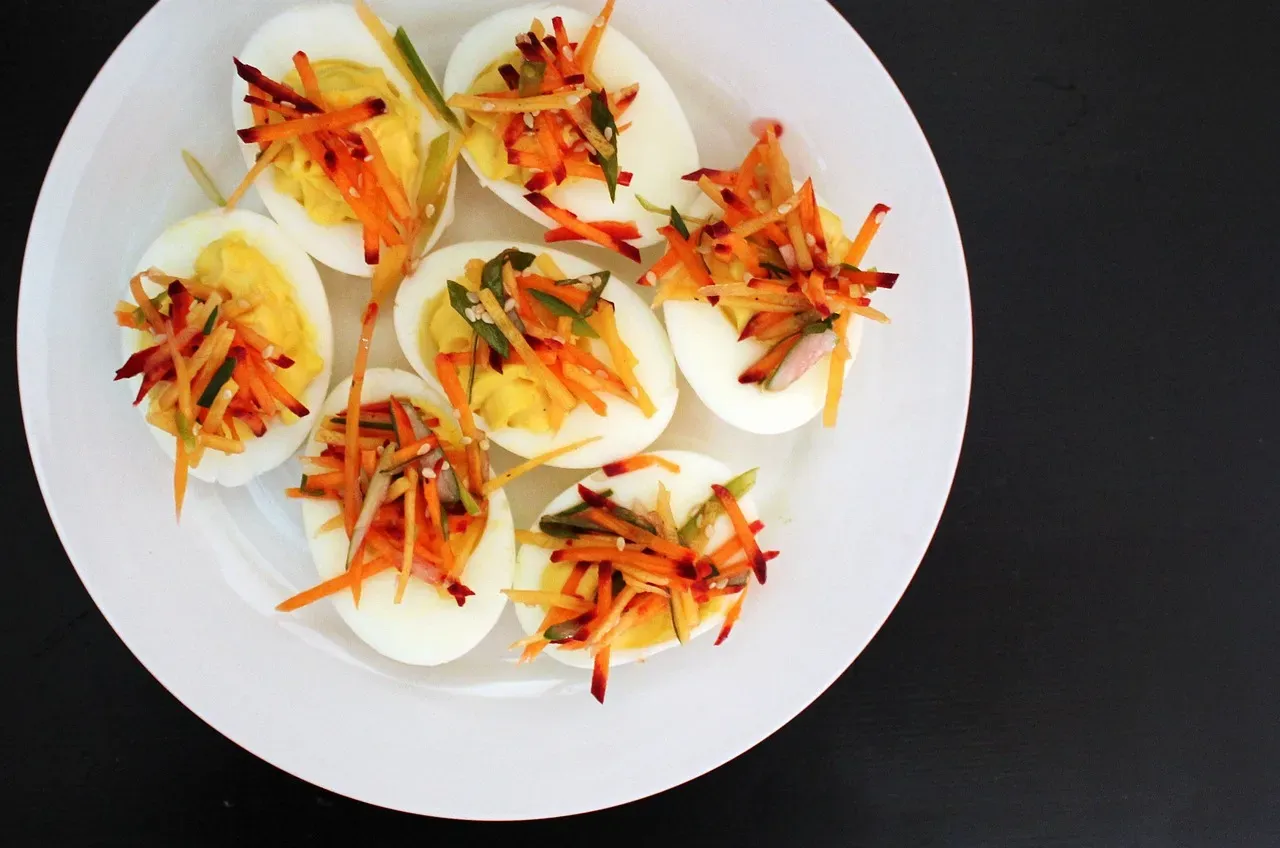
The earliest known American recipe for deviled eggs was printed in the Montgomery Advertiser in Montgomery, Alabama, in 1877, and deviled eggs have been a popular dish in the United States as far back as the 1920s. These bite-sized treats became the undisputed stars of church potlucks across the nation.
These deviled eggs were a big hit at early church picnics and suppers, and that piquant seasoning is precisely how they got their name, from the spicy cayenne and mustard that also seasoned deviled crab. The term referred to anything hot or zesty.
Here's the thing: In some regions of the South and the Midwest, deviled eggs are also called salad or dressed eggs when they are served at a church function, to avoid the term deviled. Churches didn't want anything associated with the devil at their gatherings. The first known recipe to suggest the use of mayonnaise as an ingredient in deviled eggs was in the 1896 version of The Boston Cooking School Cook Book by Fannie Farmer.
According to an online survey commissioned by McCormick in 2019, nearly 61 percent of Americans planned to make or eat deviled eggs during Easter Sunday that year. They're versatile, portable, and every family swears their recipe is the best.
The Rise of Casserole Culture
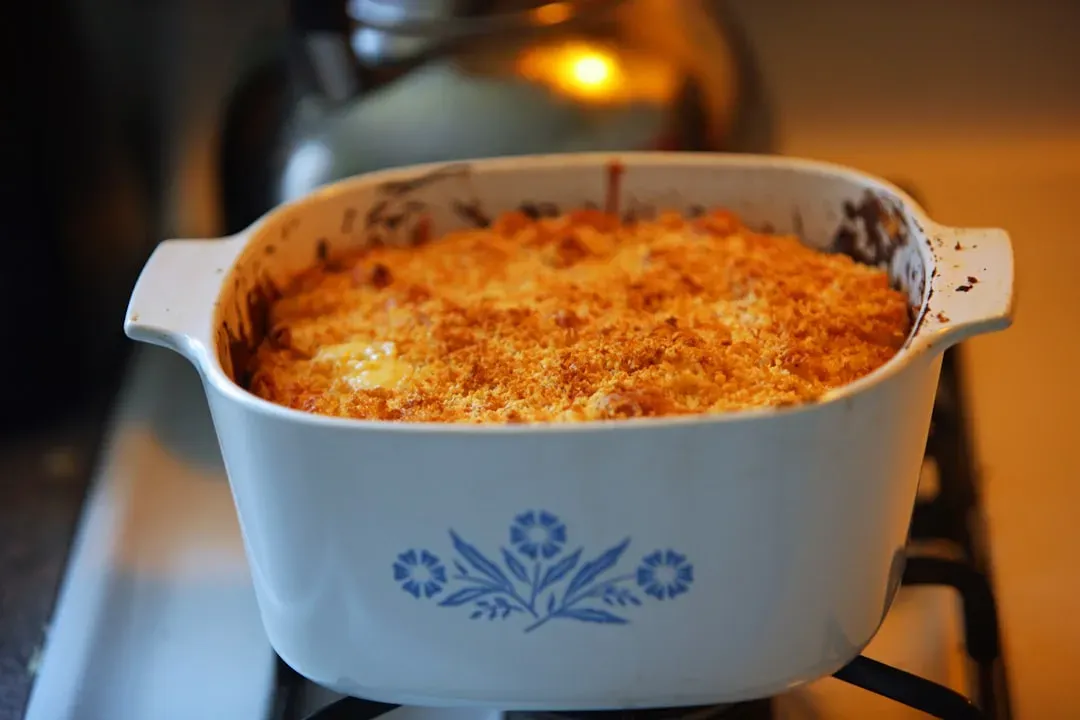
Let's be real: casseroles defined the potluck era. These one-dish wonders combined protein, starch, vegetables, and a binding sauce, all baked together in a single pan. They were easy to transport, served a crowd, and could be assembled ahead of time.
The post-World War II era saw an explosion in convenience foods. Canned soups, frozen vegetables, and packaged ingredients made cooking faster than ever before. Women entering the workforce in greater numbers needed meals that didn't require hours of preparation.
Church potlucks became the perfect venue for these new recipes. Casseroles checked every box: affordable, filling, and adaptable. You could use whatever you had on hand, swap ingredients based on availability, and still end up with something delicious.
The beauty of casserole culture was its democratic nature. Rich or poor, everyone could contribute something. The dishes weren't fancy, they were functional. They represented community over competition, substance over style.


Leave a Reply