
We've all been there. You pull out a pan, crank up the burner, and within minutes, you hear that telltale sound. A sharp ping echoes through the kitchen. When you look down, your once-flat pan now sits like a wobbling seesaw on the stovetop. How did a solid piece of metal just... bend?
Let's be real, warped pans are one of those kitchen frustrations that make you question everything. You're trying to cook dinner, and suddenly your eggs are pooling to one side, your steak is cooking unevenly, and you're wondering if you should just toss the whole thing in the trash. The truth is, certain pans are basically destined to warp the moment they hit high heat. Understanding which one is the worst offender could save you money, frustration, and maybe even a ruined meal or two.
The Thin Aluminum Pan Is Your Kitchen's Biggest Warping Culprit
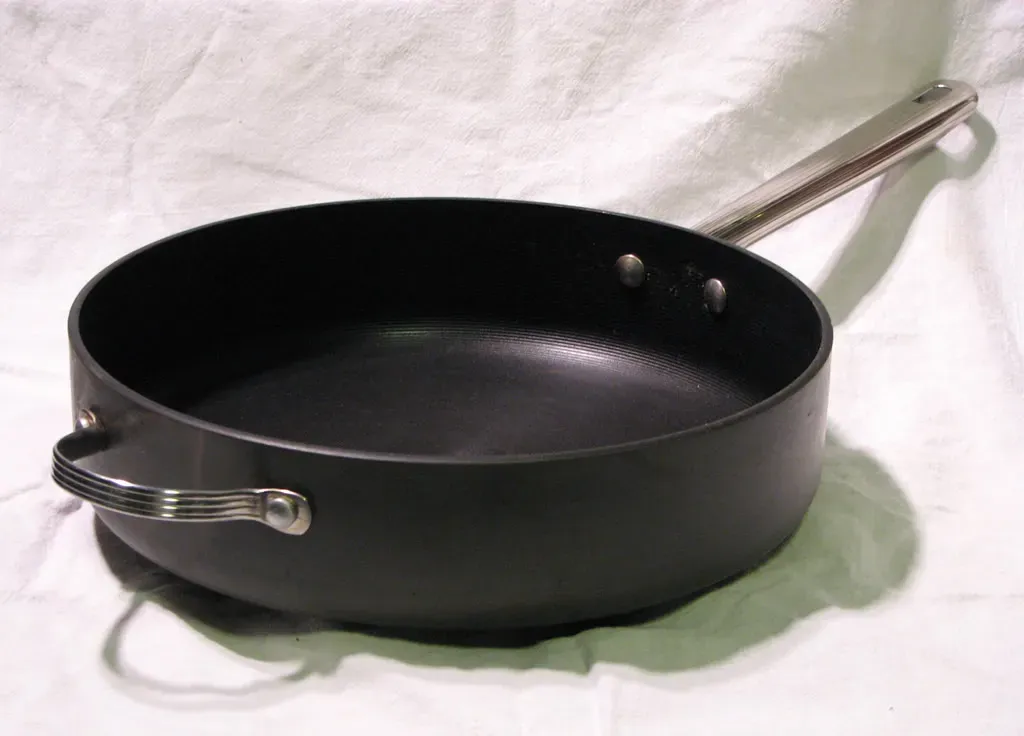
Here's the thing most people don't realize. Thin pans are more likely to warp because they don't absorb expansion and contraction like thicker pans, with pans at least 2.5 mm thick being less susceptible. Thin aluminum pans are especially problematic because aluminum itself is a soft metal with a loose molecular structure. The molecular structure of aluminum makes it highly reactive to excessive heat or cold, causing it to contract and expand more rapidly.
Analysis of over 10,000 customer reviews across major retailers for cookware from the same brand revealed differences in warping complaints between aluminum and stainless steel frying pans, with T-fal having been in the cookware business for decades. What makes this worse is that aluminum conducts heat incredibly fast. Both copper and aluminum are very good conductors, warming up faster than thicker metals like steel but never able to lock in the heat, causing it to escape quickly.
When you place a thin aluminum pan on high heat, the base heats up almost instantly while the walls lag behind. This uneven heating creates stress within the metal's structure. Before you know it, the pan has permanently changed shape. Cheaply-made nonstick pans usually have a gauge less than 2mm, and while they cost less, they bring more frustration in future use and maintenance.
How Thermal Shock Destroys Your Cookware in Seconds
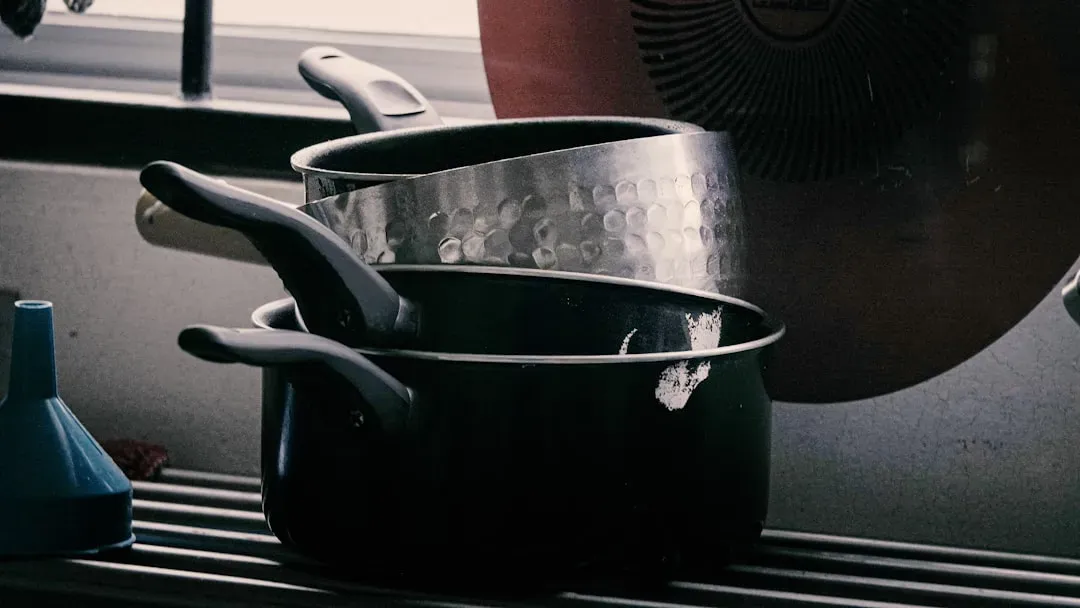
The science behind warping is actually pretty fascinating, even if the results are annoying. Warping occurs when cookware is exposed to rapid changes in temperature. Picture this scenario: You preheat your pan on high, then suddenly add cold ingredients or rinse it under cold water immediately after cooking. The temperature difference creates what experts call thermal shock.
Warping is essentially the differential expansion and contraction of a metal's crystalline structure, meaning one part of a pan subtly changes its shape more often or at a different rate from another, such as when a pan base gets hotter than its walls. Think of it like this. Metal molecules need space to move when they heat up. When heating happens too quickly or unevenly, some parts expand while others don't, and the pan literally bends under the stress.
Plunging a hot pan into cold water is a common mistake, as this sudden change can cause the metal to contract rapidly, leading to warping. I know it's tempting to speed up cleanup by running that hot pan under the faucet, but honestly, that's probably the fastest way to ruin it. Heating a pan up too quickly, even taking a room temperature pan and heating to high temperature quickly versus over a longer period causes stress, and the unevenly distributed heat can misshape metal cookware.
Why Nonstick Pans Are Especially Vulnerable to High Heat Damage
Nonstick pans present a double problem. Most of them are made from thin aluminum as their base material, already putting them at risk. Warping is a common issue affecting many nonstick pans, as they are all made of aluminum and will be warped to different extents. The nonstick coating adds another layer of complication because it has its own temperature limitations.
PTFE starts to dissociate at about 600 degrees Fahrenheit (300 degrees Celsius), whereupon toxic fumes begin to be released into the air. What's scarier is how quickly pans can reach dangerous temperatures. It only takes a couple of minutes of heating an empty pan for it to reach 500 degrees F, and cooking a steak can require a temperature of around 600 degrees F.
So not only are you warping the pan itself, but you're also degrading the coating that made it nonstick in the first place. High heat can be tempting when you're in a hurry, but it can damage nonstick pans, as excessive heat not only affects the nonstick coating but also increases the chances of warping. The coating can break down, release fumes, and lose its nonstick properties permanently. You're basically destroying your pan from two different angles at once.
The Hidden Dangers of Overheating Your Cheapest Cookware
Budget-friendly cookware might seem like a smart purchase initially, but there's a reason those pans are so inexpensive. Cheap, no-name brands found in department stores are most likely to warp. Manufacturers cut costs by using thinner materials and simpler construction methods. The result is cookware that simply can't withstand normal cooking stress.
Thin, lightweight pans, especially those made from aluminum, are more prone to warping due to their lower heat capacity. Lower heat capacity means these pans can't absorb and distribute heat effectively. Instead, all that thermal energy concentrates in specific spots, creating weak points. Heat concentrates in specific areas of the pan as compared to thicker metal pans.
Here's what really gets me. Many pans warp because they've been left on a hot burner too long, and most cookware comes with instructions that include proper temperature ranges, with going beyond this range putting extra stress on the pan. Yet how many people actually read those instructions? We assume pans can handle whatever we throw at them, and that assumption costs us replacements far sooner than necessary.
Single-Ply Versus Multi-Ply Construction Makes All the Difference
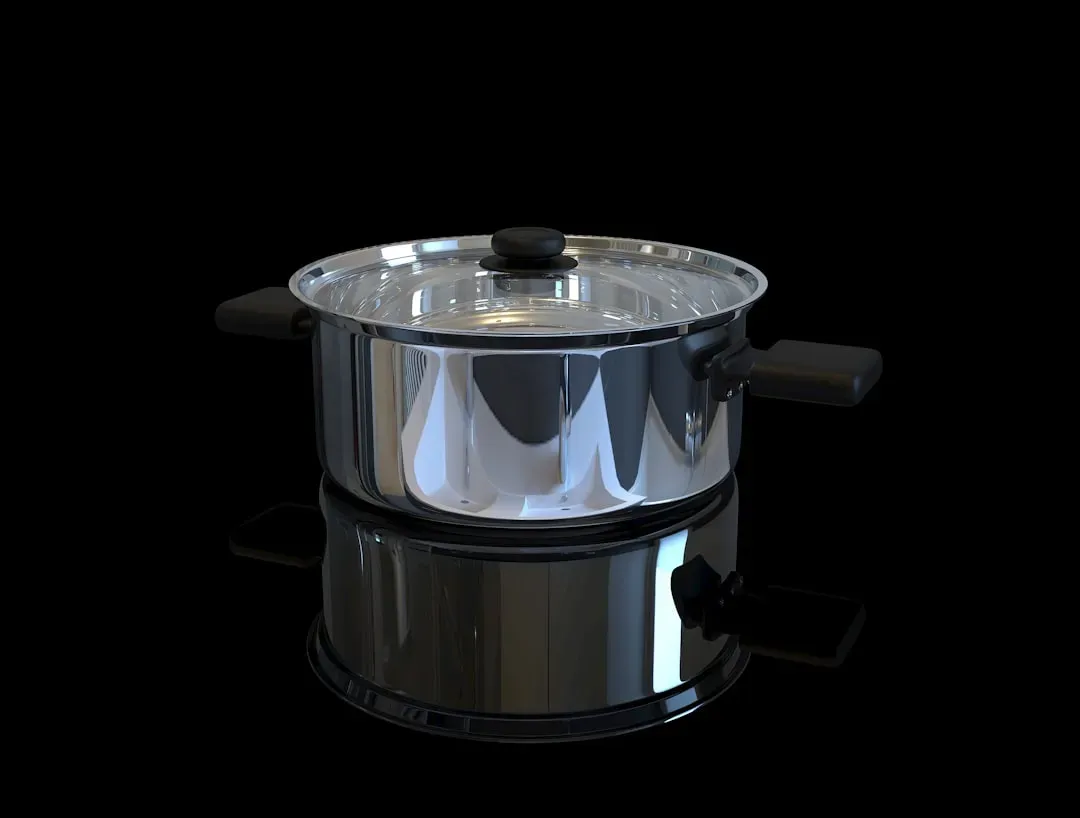
Construction quality matters more than most people realize. Single-ply cookware is more susceptible to warping than multi-ply cookware due to its thinner walls and uneven heat conduction. Single-ply pans are essentially one thin layer of metal. Multi-ply pans, however, sandwich multiple layers of different metals together.
Multi-ply cooking products are even more durable than single-ply. These layers work together to distribute heat more evenly across the entire surface. The different metals compensate for each other's weaknesses. For example, a layer of aluminum might provide fast heat conduction while a layer of stainless steel adds structural integrity and prevents warping.
Stainless steel pans with an impact-bonded base or disc bottom should be avoided as the walls of those pans are thin and more likely to warp. Even within stainless steel options, construction varies dramatically. Impact-bonded bases might seem sturdy, but if the walls remain thin, you're still dealing with an inferior product. It's hard to say for sure, but I suspect many home cooks get fooled by heavy-bottomed pans, assuming the entire pan is equally robust when it's not.
The Burner Size Mistake That Guarantees Warping
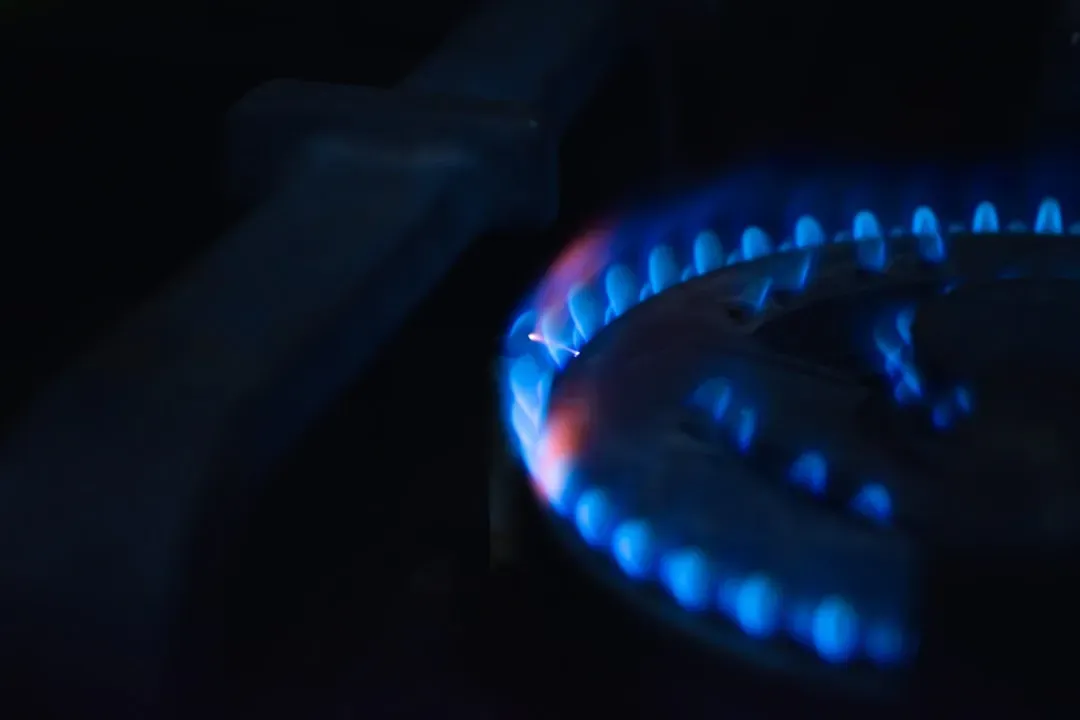
Nobody talks about this enough, but burner size is crucial. Warping may result if the burner is smaller or larger than the pan, hence focusing the heat at one point causing that part of the pan to expand. When your burner is too small, heat concentrates in the center of the pan. When it's too large, flames lick up the sides, heating the pan unevenly.
A burner that's too small can cause uneven heating, while one that's too large can expose the pan's edges to excessive heat, so matching pan size to burner ensures even heat distribution. This is especially problematic with gas stoves where flames extend beyond the grate. The edges get blasted with direct heat while the center receives less, creating exactly the kind of differential heating that causes warping.
When the pan cools and constrains, it takes up the new shape, happening mostly in the middle of the pan causing it to rise and make food cook unevenly. Once this happens, you're stuck with a pan that wobbles on flat surfaces and creates hot and cold spots during cooking. Your breakfast eggs will slide to one side every single time. Honestly, it's maddening.
Material Matters More Than Brand Names or Price Tags
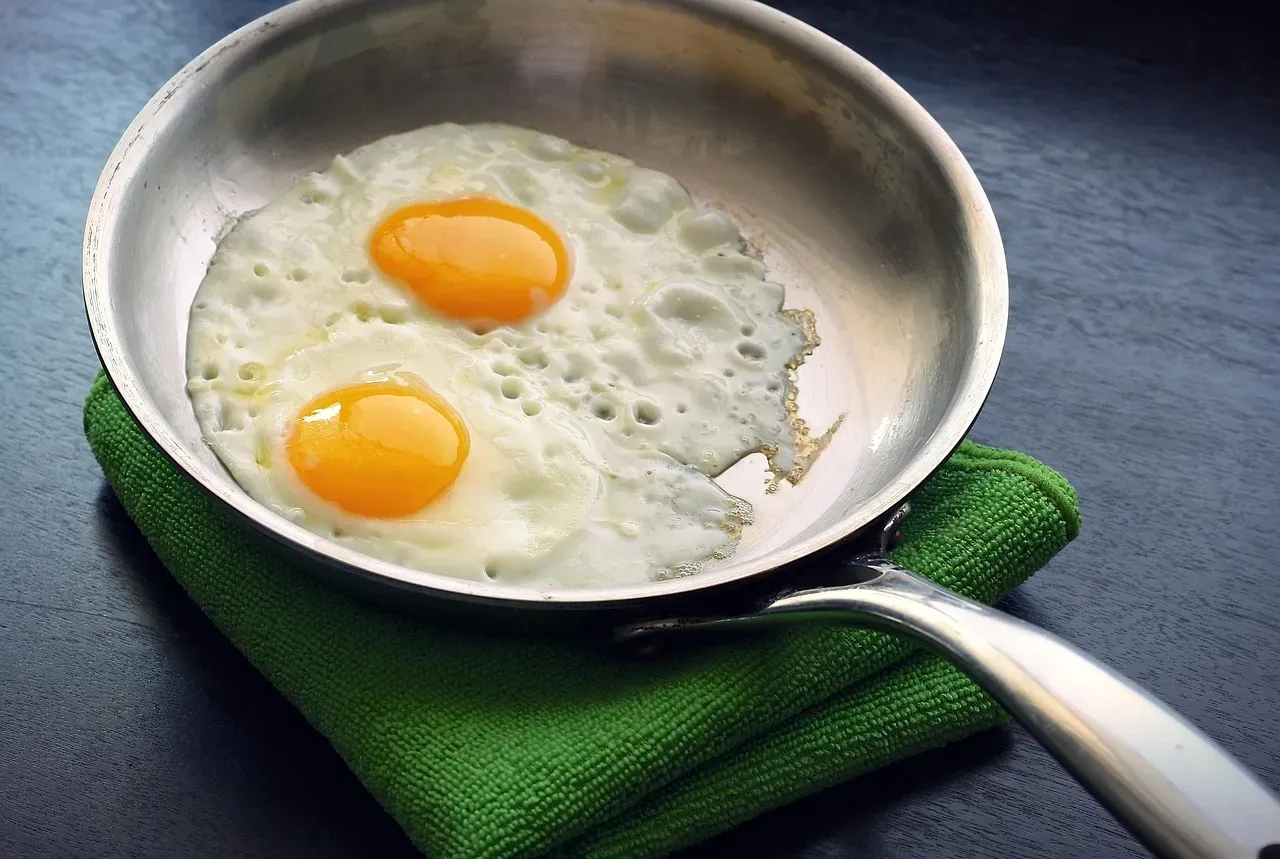
Let's talk materials for a second. Pans made with softer materials like aluminum and copper are more prone to warping than hard, durable stainless steel pans. Copper looks gorgeous hanging in a kitchen, and aluminum heats up fast, but both are softer metals that simply can't withstand repeated thermal stress as well as harder alternatives.
Soft metals such as copper and aluminum almost always warp if thinly constructed, while harder, more resistant metals like carbon or stainless steel resist warping but will still do so under the right circumstances. Even premium brands using these materials can't fully overcome their inherent properties. The thickness helps, the construction quality helps, but the fundamental nature of the material still matters.
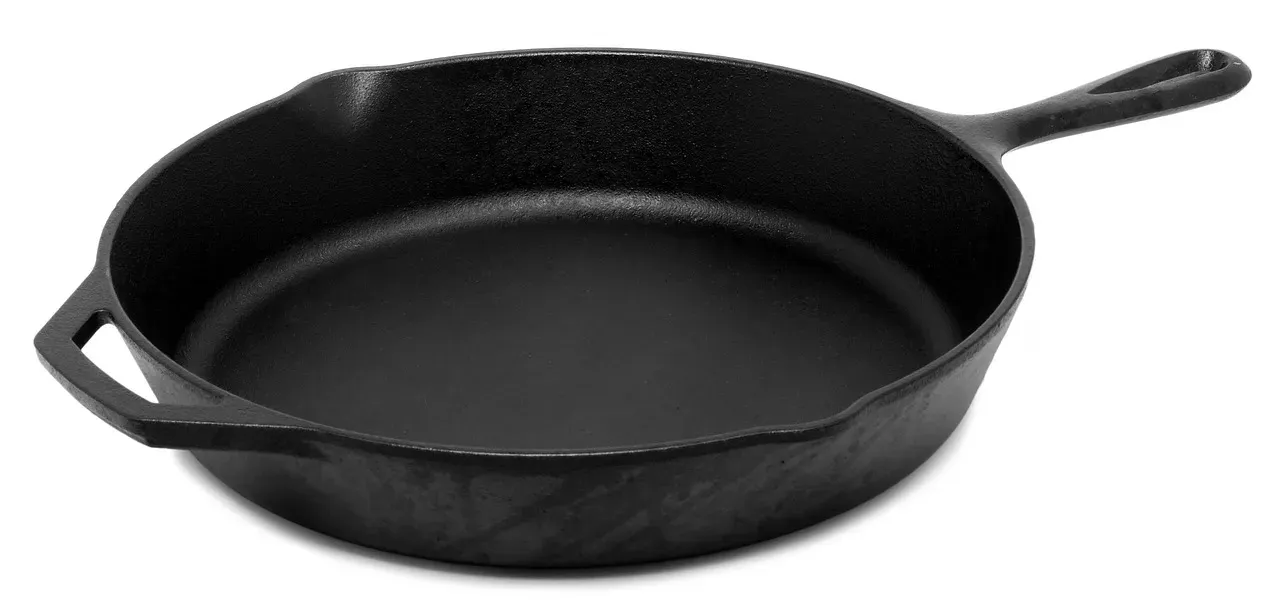
Stainless steel is considered more heavy-duty than aluminum, being denser, more durable and less likely to bend under heat and weight. Cast iron takes this even further. Cast iron pans generally experience the least cases of warping due to their thick and firm nature. The tradeoff is weight and maintenance requirements, but if you're tired of replacing warped pans, cast iron becomes pretty appealing.


Leave a Reply