
When you imagine American barbecue, your mind probably drifts to Texas brisket or Carolina pulled pork. These big names dominate the scene, plastered across TV shows and Instagram feeds. Still, there's a whole hidden world of regional barbecue styles that nearly faded into oblivion. Some survived by the skin of their teeth, kept alive by dedicated pitmasters and loyal communities who refused to let traditions die.
Think about it for a second. Barbecue represents way more than just food on a plate. It carries stories of immigration, economic shifts, and cultural identity. When a barbecue style vanishes, we lose a piece of history that can never quite be recreated. These endangered styles faced serious threats from changing tastes, rising costs, and the relentless march of standardization. Let's dig into six remarkable barbecue traditions that almost slipped away forever.
West Tennessee Whole Hog BBQ – The Vanishing Pit Tradition
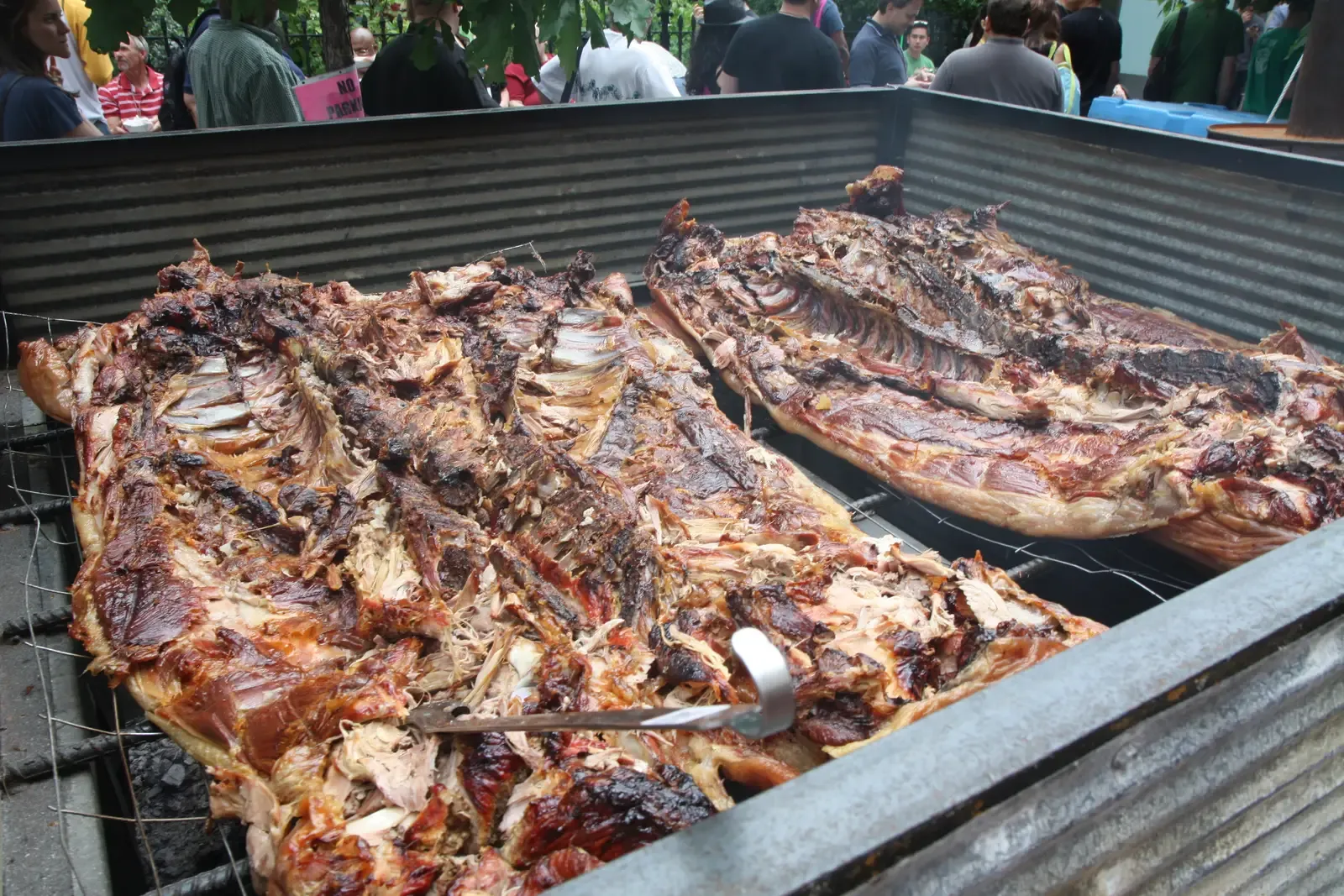
Pitmaster Pat Martin calls West Tennessee whole-hog barbecue an "endangered species of regional barbecue," with only 27 traditional joints remaining, six of which are Martin's own locations. This style used to be everywhere in rural Tennessee communities. People would gather for massive hog roasts that fed entire neighborhoods without costing much at all.
Whole-hog BBQ was once part of daily life in small communities throughout West Tennessee, where pigs were abundant and cheaper to maintain than cattle, making this barbecue style accessible for feeding many people. The method requires incredible patience and skill. Pitmasters cook the entire animal low and slow until the meat falls apart in smoky, tender shreds.
Here's the thing though. The economics changed dramatically. Whole hogs became expensive and labor intensive in ways that didn't make business sense anymore. Fast food chains and quick service restaurants offered cheaper alternatives that young people found more appealing. Pat Martin remains among a handful of chefs keeping the Tennessee whole hog sandwich alive today, fighting against what seemed like inevitable extinction. His cookbook shares techniques that might otherwise have disappeared completely.
Santa Maria Style BBQ – California's Red Oak Tradition
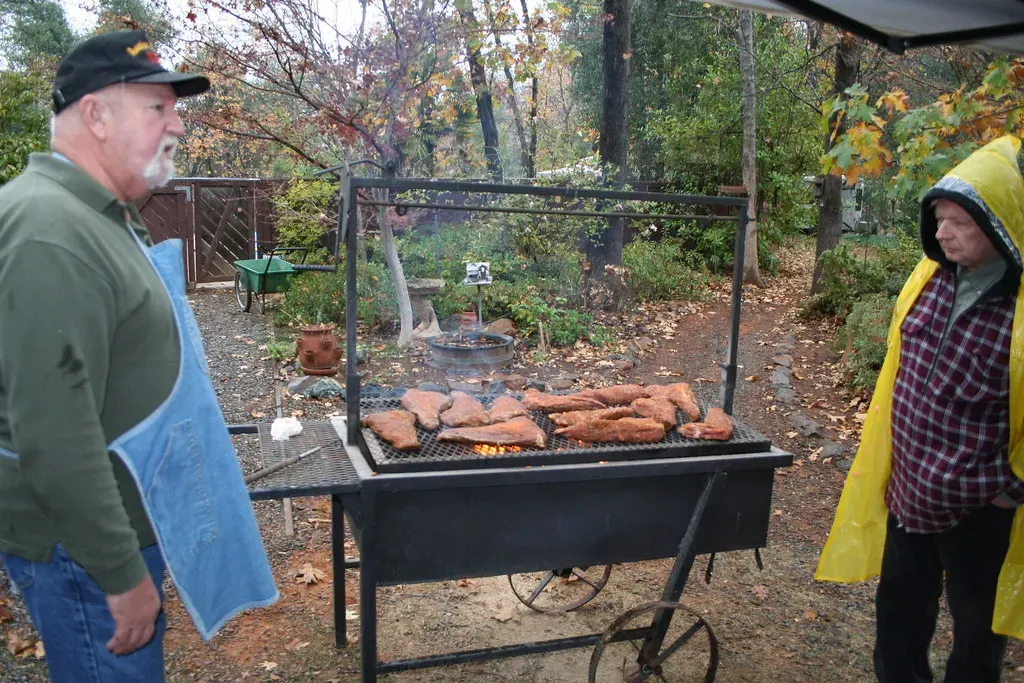
The Santa Maria Style Barbecue Association works to preserve this 150-year-old tradition of authentic culinary heritage. Dating back to the mid-1800s when large ranches occupied the Santa Maria Valley hills, local ranchers hosted Spanish-style feasts for their vaqueros, barbecuing meat over earthen pits filled with hot coals of red oak native to the valley. This wasn't just cooking. It was a social ritual binding communities together.
In the 1950s, local butcher Bob Schutz perfected the tri-tip, a triangular bottom sirloin cut that became a staple of Santa Maria Style barbecue. The magic lies in the simplicity: just salt, pepper, and garlic on quality beef, cooked over red oak coals. Nothing fancy, no heavy sauces, just pure smoke and meat. California Native Plant Society estimates that over 1 million acres of oak habitat have been lost during the past 70 years due to development and climate change, creating growing concern among those preserving Santa Maria barbecue style.
Without red oak, this tradition literally cannot exist. The wood provides a unique sweetness and smoke profile that mesquite or hickory can't replicate. Development consumed valley land at alarming rates, threatening both the oak trees and the ranching culture that sustained this barbecue style. Organizations formed specifically to protect this heritage before it vanished completely. People outside California barely knew it existed.
Kentucky Mutton BBQ – The Sheep Nobody Wants
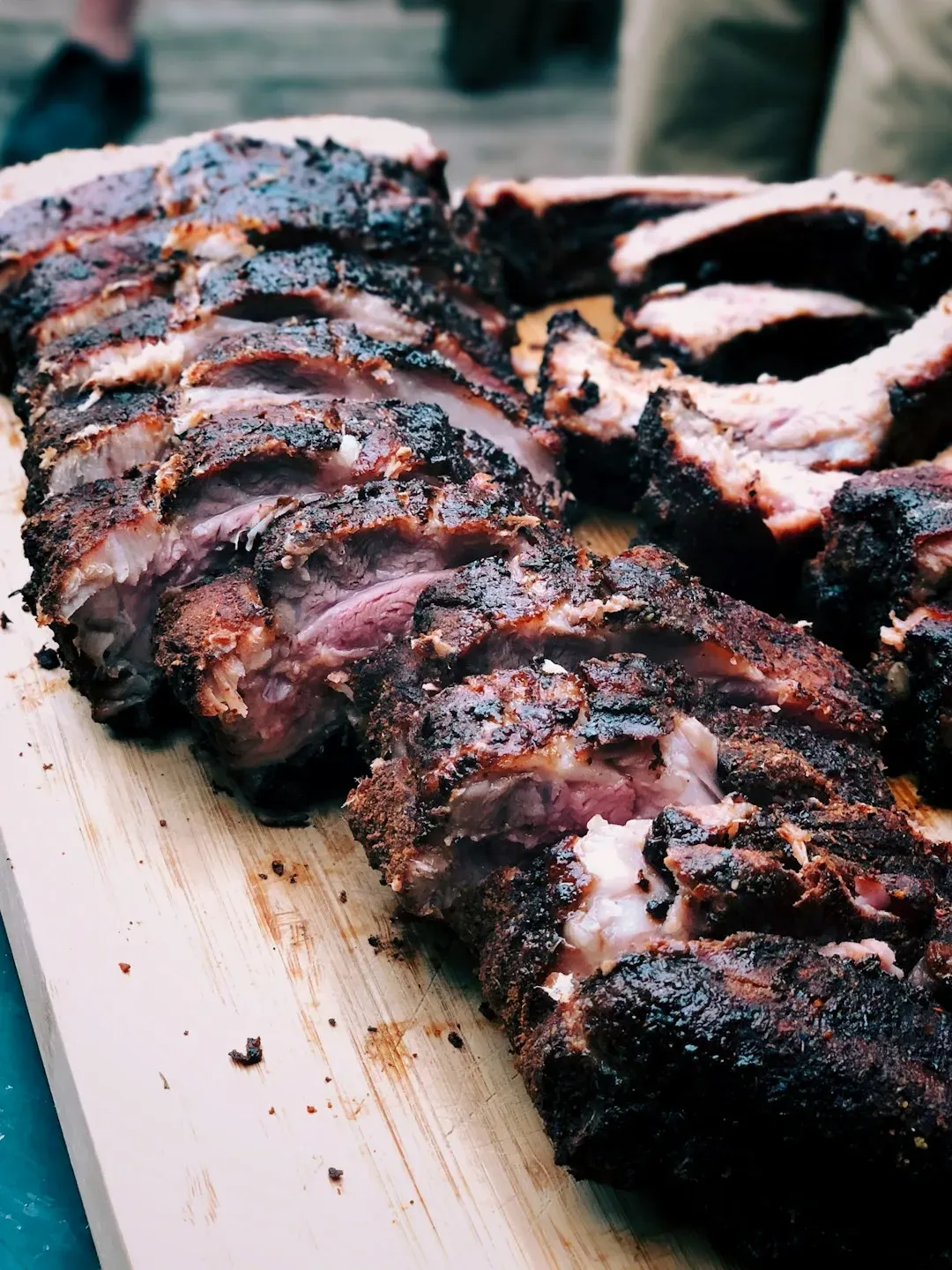
Mutton barbecue dates back to the 1800s in Owensboro, representing the last pocket in America where this tradition survives. Only 18 out of 160 Kentucky barbecue places visited served mutton, concentrated in western Kentucky with Christian and Hopkins counties forming the core, branching into Union, Henderson, and Daviess counties. Let's be real here. Most Americans don't even know what mutton is, much less want to eat it.
Using hickory wood and an acidic basting combination of water, vinegar, salt and peppers that breaks down the meat through slow cooking helps transform tough sheep meat into tender fare. The flavor is intense, gamey, utterly unlike anything else in American barbecue. Mutton is extremely expensive now and leaves a natural gamey taste in smokers, causing some traditional restaurants to abandon it entirely.
Sheep farming declined dramatically across the region as beef and pork became more profitable. The strong flavor doesn't appeal to mainstream palates raised on milder meats. Younger generations showed little interest in continuing family traditions that required specialized knowledge and hard-to-source ingredients. Church picnics and community gatherings that once sustained mutton barbecue culture became less common. This incredibly unique tradition teetered on the edge of extinction.
Alabama White Sauce BBQ – The Mayo Revolution Nobody Expected
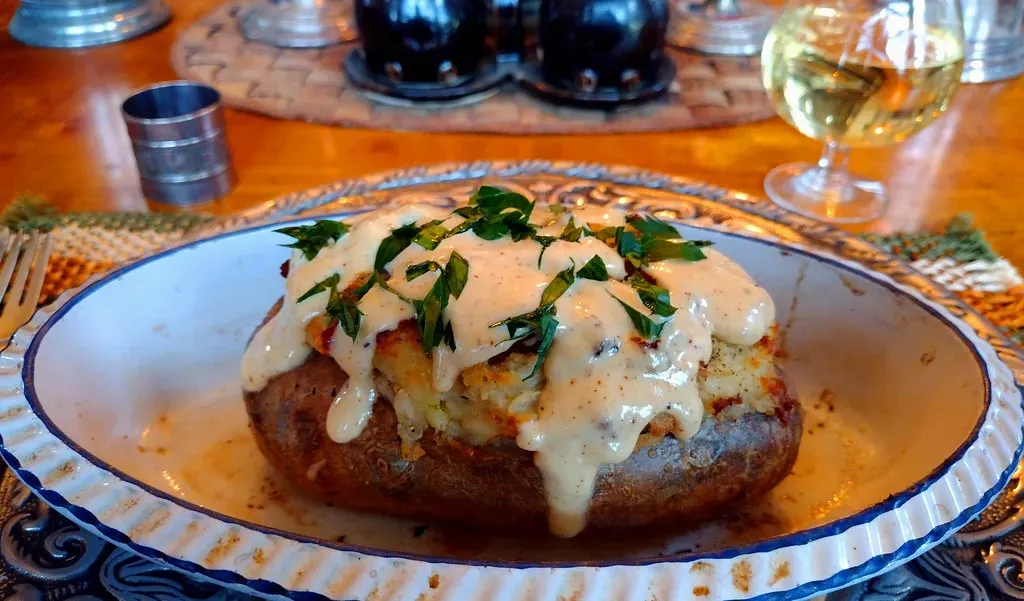
Bob Gibson from Big Bob Gibson's Bar-B-Q in Decatur, Alabama created white sauce in the 1920s, and it has been a prized recipe ever since. Imagine walking into a barbecue joint and seeing mayonnaise-based sauce slathered on smoked chicken. It sounds absolutely bizarre until you taste it. The tangy, creamy concoction completely transforms barbecued poultry in ways tomato-based sauces never could.
Legend says Gibson added mayonnaise to traditional Eastern North Carolina sauce because it locked in pork's flavors more effectively and prevented smoked chicken from drying out. At Big Bob's BBQ joint, they dunk smoked chicken into vats of the sauce before serving. The sauce includes vinegar, horseradish, lemon juice, and spices creating a flavor profile that's both familiar and completely unique.
White sauce remained almost completely unknown outside northern Alabama for decades. National barbecue culture fixated on Kansas City sweet sauces and Carolina vinegar bases, leaving no room for oddball mayo concoctions. It simply didn't photograph well for food magazines and TV shows. People dismissed it without trying because the concept sounded wrong. Recently, adventurous pitmasters discovered it and started spreading the gospel. The style nearly disappeared through sheer obscurity rather than any actual decline in quality.
South Carolina Mustard BBQ – The German Connection
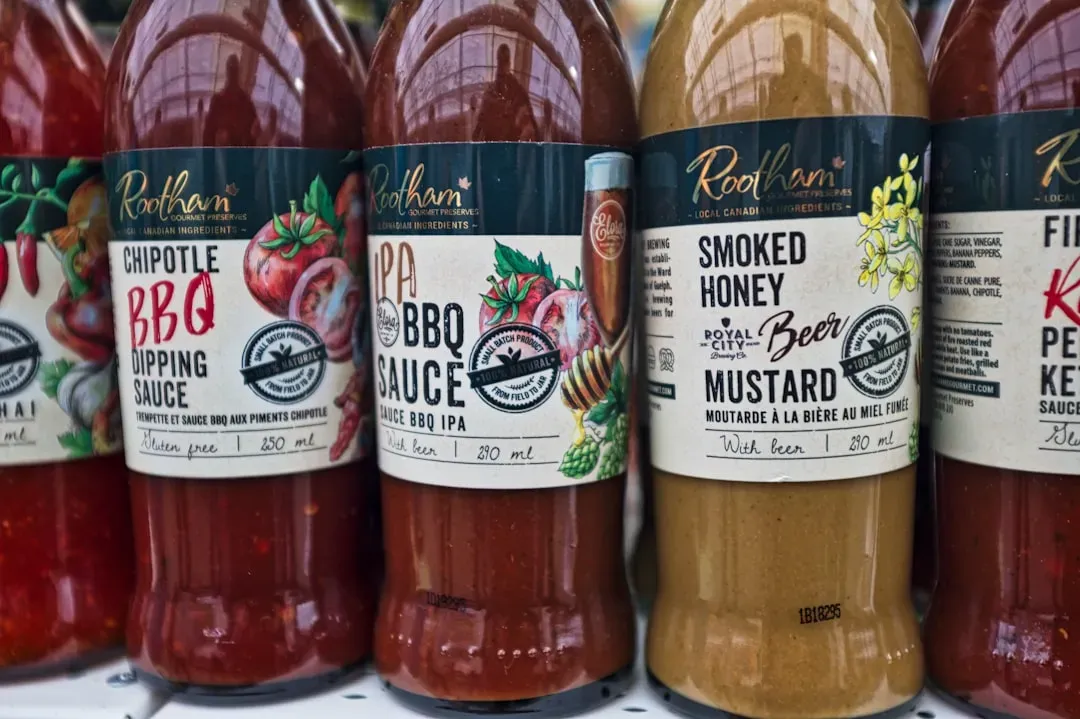
In South Carolina, which housed a large population of French and German immigrants, a mustard-based sauce was born reflecting immigrant populations' traditional preferences. The sweet yellow gold of mustard-based barbecue sauce is steeped in tradition, as German immigrants made up a large portion of original South Carolina settlers who came with their love for mustard. This creates one of America's most distinctive regional sauce styles.
Mustard is thinned with cider vinegar and lots of brown sugar and spices are added, commonly mixed with pulled pork before serving to customers. The bright yellow color makes it instantly recognizable on a plate. It delivers tangy sweetness with a sharp bite that cuts through fatty pork in delicious ways. You either love it intensely or find it completely perplexing.
The style faced pressure from neighboring regions with more nationally recognized traditions. Eastern North Carolina's vinegar sauce and western Carolina's tomato-based versions overshadowed it in barbecue conversations. Chain restaurants homogenized American barbecue tastes around Kansas City style sweetness. Younger South Carolinians sometimes preferred trendy Texas brisket over their own heritage. The mustard tradition persisted mainly in small town joints run by families who refused to change, keeping it alive when it could have easily faded away.
Monroe County Style Kentucky BBQ – Grilled Not Smoked
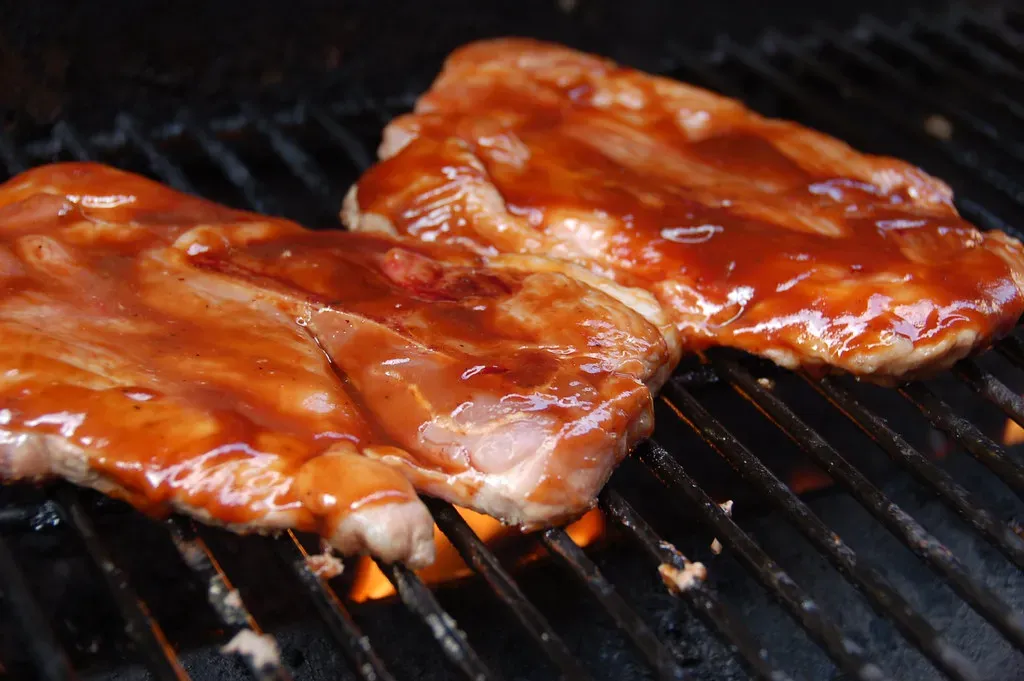
Monroe County style dominates barbecue menus in five south-central Kentucky counties: Monroe, Barren, Cumberland, Allen, and Warren. Here's where things get interesting. This style doesn't follow traditional slow smoking methods at all. Instead, pitmasters grill sliced pork shoulder over direct heat, creating a completely different texture and flavor profile than low-and-slow smoking.
The technique produces meat with crispy, caramelized edges and a firmer texture than pulled pork. It's served sliced rather than shredded, often with a thin vinegar-based sauce. The "shredded" variety often comes from Boston butts, sometimes boiled and then covered in tomato-based sauce, which barbecue purists from other regions find absolutely horrifying.
This hyper-local tradition remained virtually unknown even to Kentuckians from other parts of the state. The grilling method contradicted what most Americans consider "real" barbecue, making it easy to dismiss. Economic pressures pushed restaurants toward more standardized offerings that tourists expected. The specific regional knowledge required to execute it properly existed only in a handful of family-run establishments. Without deliberate preservation efforts, this unusual style could have vanished without anyone outside five counties even noticing.



Leave a Reply