
Let's be real, the fat-free craze that swept through America wasn't just another diet fad. This was an epic shift in how an entire nation ate, driven by government guidelines, food industry marketing, and scientific studies that seemed convincing at the time. Doctors told us to cut the fat, labels screamed zero percent, and grocery store aisles exploded with products promising health without the guilt. People gobbled up low-fat cookies like candy, thinking they'd found the secret to staying thin.
Here's the thing though. While Americans were getting fatter during the same decades that the low-fat approach assumed ideological status, leading to what many called an obesity epidemic, something clearly wasn't working. According to CDC statistics, approximately fifteen percent of the US adult population was obese in 1980, but by the early 2000s that figure rose to over thirty percent, and by 2018, over forty percent. The numbers don't lie. So what went wrong with these supposedly healthy foods?
Low-Fat Yogurt: Sugar's Sneaky Disguise
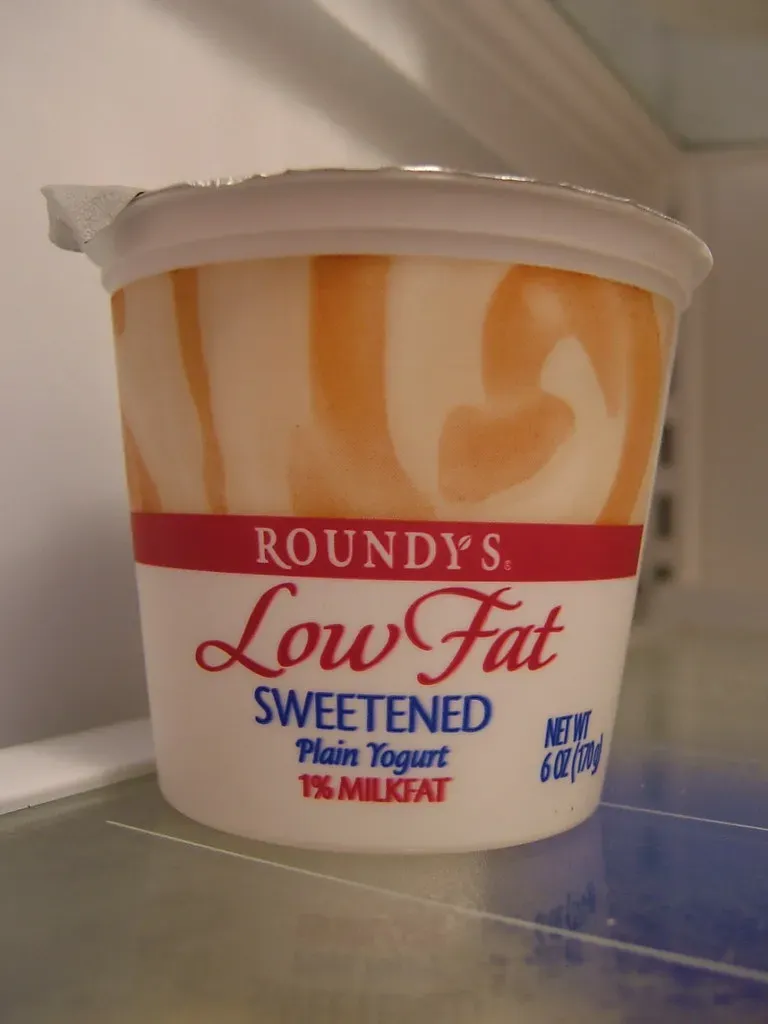
Walk into any supermarket dairy aisle today and you'll see rows upon rows of low-fat yogurt. Sounds healthy, right? Yet these products became one of the most misleading health foods of the low-fat era. Research shows that fifty-five percent of low-fat yogurts contained between 10 and 20 grams of sugar per 100 grams. That's roughly the same amount of sugar you'd find in many desserts.
Low-fat yogurt is heavily processed and generally includes added sugars, and may also contain flavorings, whey proteins, and pectin, with processing often removing the friendly gut-boosting bacteria. The irony is brutal. Food manufacturers stripped out the natural fat that made yogurt satisfying, then pumped in sugar to make it taste decent. One cup of fruit-flavored, nonfat yogurt contains 31 grams of sugar, about as much as a cup of banana pudding. Honestly, you'd be better off eating the real thing.
Removing fat also removes fat-soluble vitamins, such as vitamins A, D, E, and K, which some manufacturers then add back into their products. This gave companies a marketing opportunity to announce added vitamins on labels, creating a health halo around what was essentially a sugar bomb. Added sugar found in low-fat yogurt poses concern, with some products containing as much as 14 grams of sugar in a small serving, which represents over half of women's daily added sugar limit.
Margarine: The Trans Fat Disaster

For decades, margarine was championed as the heart-healthy alternative to butter. Doctors recommended it. Government guidelines endorsed it. Families across America ditched butter and spread margarine on their toast, convinced they were making a smart choice for their hearts. Various margarines containing trans-fatty acids were marketed as being healthier because of the absence of cholesterol, suggesting to use margarine instead of butter.
The problem? Trans fats raise bad LDL cholesterol levels and lower good HDL cholesterol levels, increasing risk of developing heart disease and stroke. There never was any good evidence that using margarine instead of butter cut the chances of having a heart attack or developing heart disease. Think about that for a moment. Millions of people switched based on assumptions, not solid evidence.
Women in the highest fifth of trans fat intake had a fifty percent increased risk of heart disease compared to the lowest, and the link remained strong even after adjusting for other dietary fats and lifestyle factors. Artificial trans fat was estimated in 2006 to cause up to one in five heart attacks per year in the United States. The damage was massive and preventable.
It wasn't until 2015 that the FDA declared partially hydrogenated oils no longer safe, and the ban didn't fully take effect until 2018. That means people consumed these harmful fats for roughly four decades after scientists began raising red flags.
Fat-Free Cookies and Snacks: The SnackWell's Phenomenon
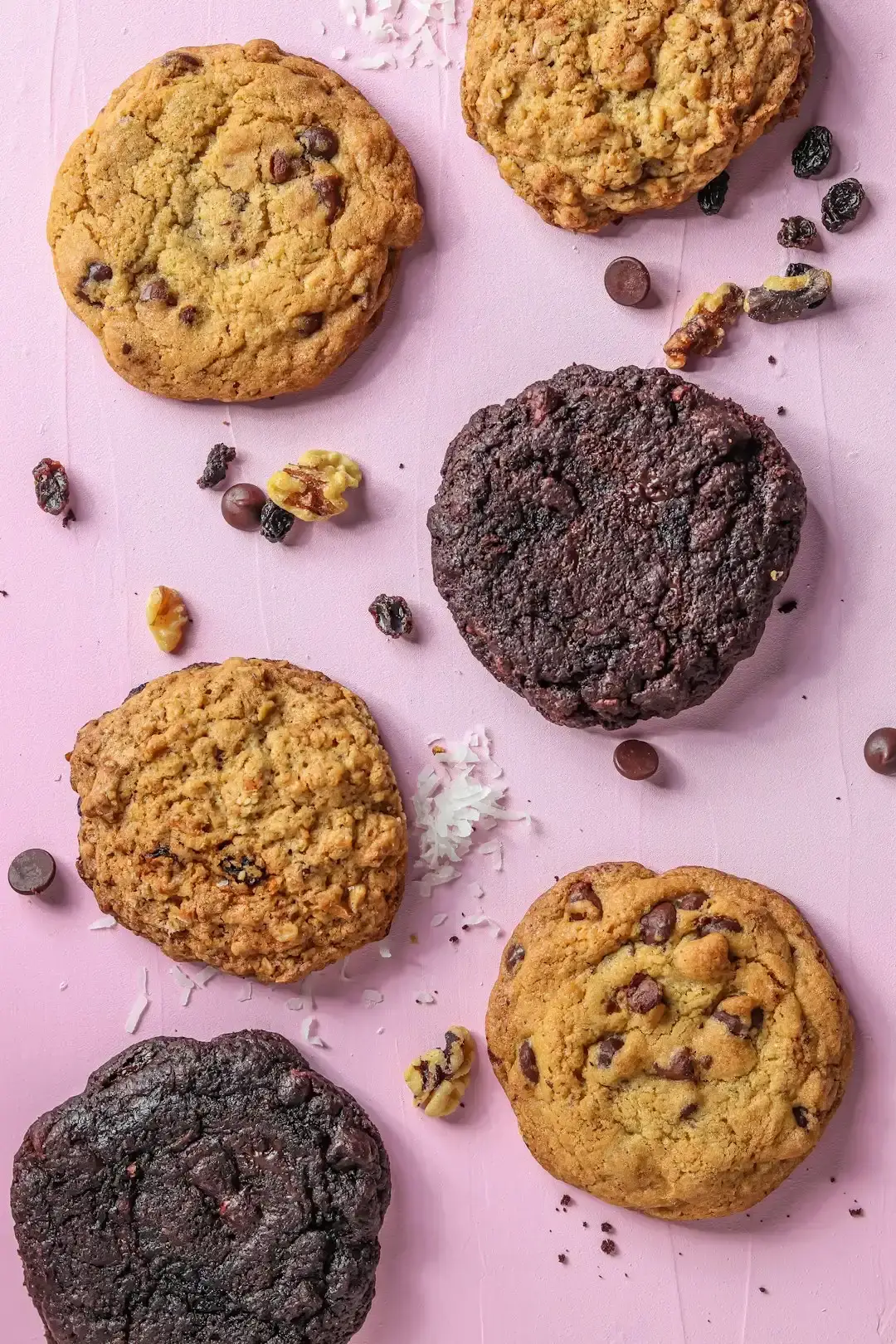
Fat-free frozen yogurt, fat-free muffins and cookies followed the formula of taking out the fat and adding lots of sugar, and by the early nineties, foods with little or no fat were flying off the shelves. SnackWell's cookies became the poster child for this craze. People devoured entire boxes in one sitting, thinking that because they were fat-free, calories didn't count.
The psychology was fascinating and destructive. Americans assumed that they could eat as much as they wanted if the food was low or no-fat without considering their caloric intake. It's hard to say for sure, but the message got completely twisted. The government meant well, recommending whole grains and vegetables, yet what Americans heard was simple: fat bad, carbs good.
The fat-free era of the 1980s and 1990s resulted in a surge of low-fat, high-carb packaged snack foods which were often loaded with sugar. The food industry saw dollar signs and delivered exactly what the confused public wanted. These products were nutritionally hollow, offering little more than empty calories that left people hungry an hour later.
Low-Fat Milk: Processing Out the Good Stuff
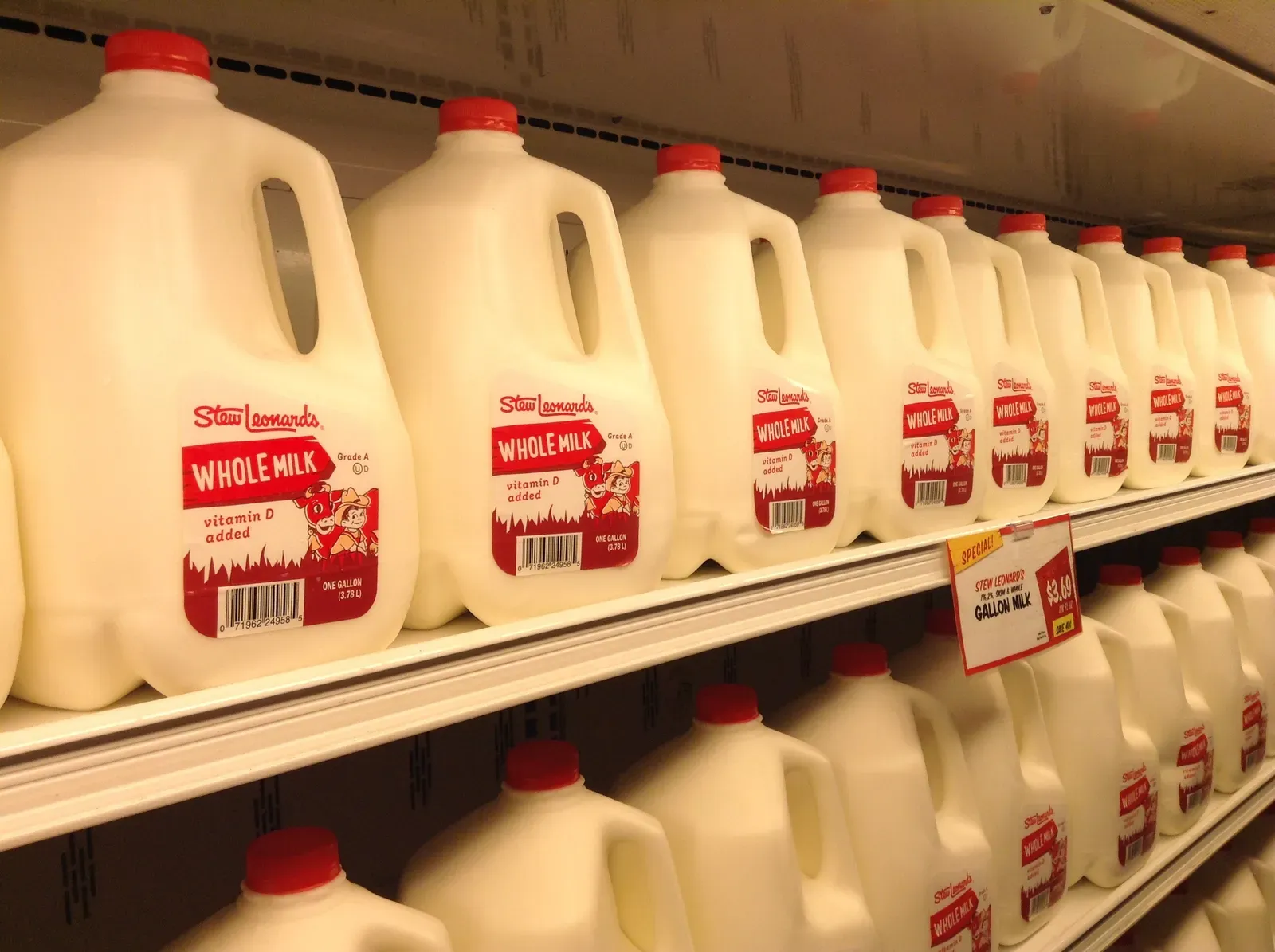
For years, health authorities pushed skim milk as the smart choice. Less fat meant fewer calories, and fewer calories meant weight loss. Right? Skim milk has long been touted as the healthiest type of milk, but research suggests that's not the case, as skim and reduced fat milks must go through extra processing to remove the milk fat, and numerous studies suggest skim milk provides no benefit over whole milk for heart health or weight management.
The processing required to strip fat from milk changes its nutritional profile in ways most people never considered. Processing of skim milk removes healthy omega-3s present in milk from grass-fed cows and produces a product with slightly more natural sugars than whole milk. You're trading beneficial fats for extra sugar, hardly a fair exchange.
More recent evidence suggests that whole milk might protect against heart disease and type 2 diabetes, and in children, evidence actually suggests greater long-term weight gain with reduced-fat milk than with full-fat milk. The conventional wisdom got flipped on its head. Parents fed their kids skim milk thinking it would keep them lean, when full-fat might have been the better choice all along.
Low-Fat Salad Dressings: Defeating the Purpose
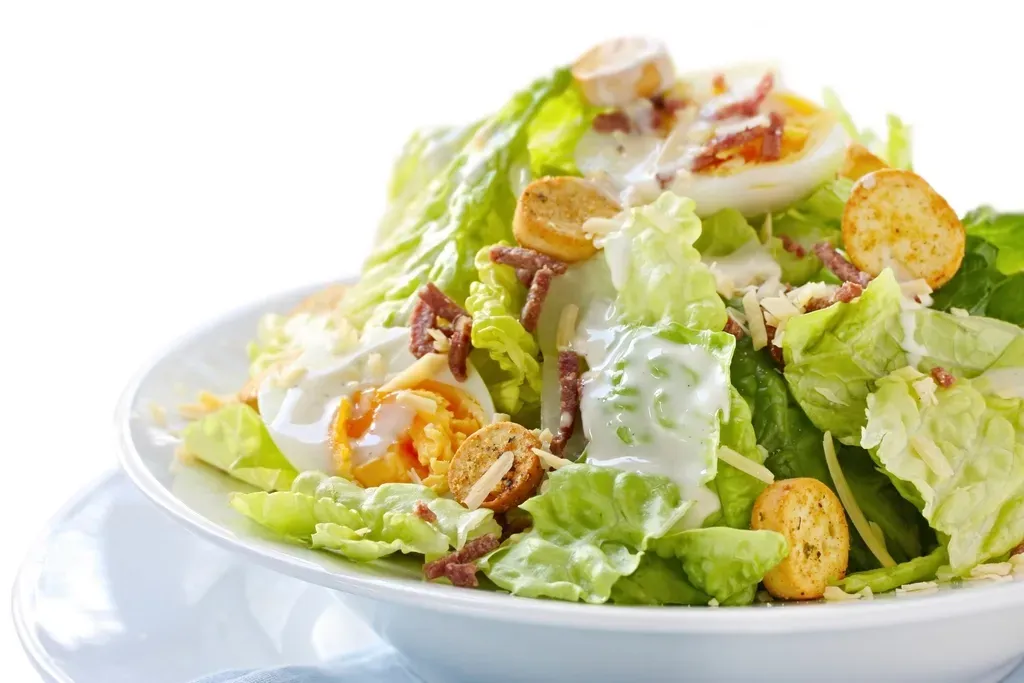
Salads are healthy. Everyone knows that. Yet when you drench your greens in low-fat dressing, you might be sabotaging your efforts in ways you never imagined. Traditional dressings contain fat for a reason beyond taste. Traditional salad dressings are high in fat, which helps your body absorb the fat-soluble vitamins A, D, E, and K.
Low-fat versions strip away the good oils and replace them with thickeners, stabilizers, and often sugar to compensate for flavor. Manufacturers may need to add starches, emulsifiers, flavorings, stabilizers, and preservatives to help replace the flavor and texture of fat. Suddenly your healthy salad becomes a vehicle for processed additives and hidden sugars.
The cruel irony is that without fat, your body struggles to absorb the very nutrients that make salads valuable in the first place. You're eating vegetables but missing out on their benefits. Research on fat absorption shows that a moderate amount of healthy fat actually enhances nutrient uptake, making full-fat dressings used sparingly a smarter nutritional choice.
Low-Fat Muffins and Baked Goods: Calorie Traps

The bakery section of the low-fat era was perhaps the most deceptive of all. Low fat muffins may seem like a healthier option than other baked goods, but a small seventy-gram low fat blueberry muffin contains 19 grams of sugar, which is forty-three percent of its calorie content. That's in a small muffin. The massive ones sold at coffee shops contained even more.
Muffins, both those that are low and high in fat, can be loaded with added sugar and contain very little fiber. Without fat to provide satiety, these products left people unsatisfied and reaching for more food shortly after eating. The promised weight loss benefits never materialized because total calorie intake actually increased.
Food companies got creative with fat replacements. Cookbook authors and magazine writers provided home cooks with recipes that cut out or reduced fats and instead incorporated purees, often apple or banana. While fruit purees sound healthy, they're still sugar. The texture suffered too, with many low-fat baked goods turning out dense, rubbery, and generally less appealing than their full-fat counterparts.
Fat-Free Ice Cream and Frozen Yogurt: Cold Sweet Lies

Low fat or nonfat frozen yogurt is considered a healthier choice than ice cream because it's much lower in fat, however it can contain just as much sugar as ice cream, if not more. People lined up at frozen yogurt shops throughout the nineties, piling on sugary toppings and convincing themselves they were being good.
A hundred-gram serving of nonfat frozen yogurt contains 21 grams of sugar, which is the same amount found in vanilla ice cream. Where's the health benefit? You're consuming the same sugar load, just missing out on the satisfying richness that fat provides. The result was often eating larger portions to feel satisfied, completely negating any calorie savings.
The psychological effect was powerful. Fat-free labels created what researchers call a health halo, where people perceive a product as so healthy that they overeat it. Studies on labeling effects have shown that when identical products are labeled differently, people consume more of the version marked as low-fat or healthy, even when calorie content is exactly the same.
Reduced-Fat Peanut Butter: Removing the Best Part
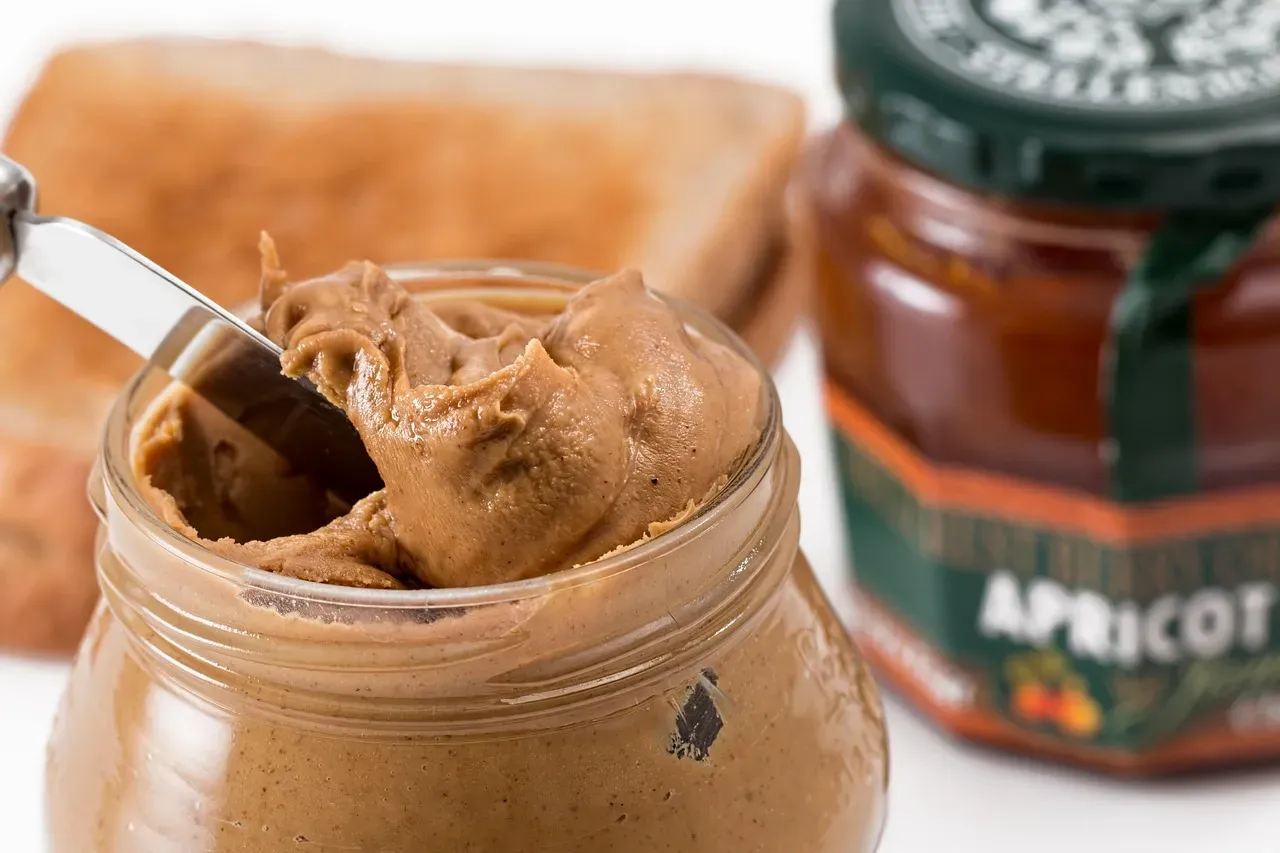
Peanut butter is naturally high in fat, but here's the twist: those are mostly healthy unsaturated fats. The low-fat era convinced manufacturers to mess with a product that didn't need fixing. Reduced-fat peanut butter removes some of the natural peanut oils and often adds sugar, corn syrup solids, or other fillers to maintain texture and taste.
The fat in regular peanut butter is exactly what makes it nutritious and satisfying. It provides energy, helps with nutrient absorption, and keeps you full. Without detailed, clear instructions about what to eat in place of fats, a low-fat diet was often dominated by unhealthy, processed carbs. Reduced-fat peanut butter exemplifies this problem perfectly.
When you compare labels, the calorie difference between regular and reduced-fat peanut butter is often minimal, sometimes just ten or twenty calories per serving. Yet the reduced-fat version typically contains added sugar and loses the satisfying quality that makes a small amount of regular peanut butter genuinely fulfilling. You end up eating more to feel satisfied, completely defeating the purpose of choosing reduced-fat in the first place.
The lesson from forty years of the low-fat experiment is clear: real food beats processed alternatives every time. Recent research suggests that eating a low-fat, high-carbohydrate diet, which Americans were advised to do for about forty years, is not a good idea. The foods we demonized, like eggs, nuts, and full-fat dairy, are being rehabilitated by science, while the processed low-fat alternatives that replaced them are finally being recognized for what they always were: nutritional imposters that disrupted American diets and contributed to the very health problems they promised to solve.
What would you have guessed was the worst offender on this list?




Leave a Reply