
Canned tuna is a nutritious, budget-friendly staple packed with protein and omega-3s, the kind of food that shows up in lunch boxes, quick salads, and those late-night fridge raids when nothing else seems appealing. You probably have a can or two tucked away in your pantry right now. It's convenient, it tastes pretty decent, and you can practically throw it into anything. Still, there's this nagging question hanging around: is eating it every single day actually a smart move for your health? Let's be real, if something seems too easy, there's usually a catch lurking somewhere.
In the United States, almost 1 billion pounds of canned and pouched tuna are consumed each year, making it one of the most widely eaten seafood options out there. People love this stuff because it doesn't need refrigeration, it's dirt cheap compared to fresh fish, and it delivers a solid protein punch without much effort. The thing is, while tuna brings some genuinely impressive nutritional benefits to the table, there are also some real concerns dietitians want you to understand before you make it your daily go-to meal. So let's dive in and see what the experts actually have to say.
The Mercury Problem You Can't Ignore

Here's the thing about mercury that catches most people off guard. Mercury can act as a neurotoxin and interfere with the brain and nervous system, which sounds scary because it is. Natural bacteria absorb mercury and convert it into methylmercury, introducing it into the food chain, where small fish consume or absorb the methylmercury and are eaten by larger fish, and instead of breaking down or dissolving, mercury builds up at every level of the food chain. Tuna sits near the top of that food chain, so these fish accumulate more mercury than smaller species. If tuna is a regular guest at your table, you're giving mercury the chance to quietly build up in your system, and while the occasional serving is nothing to worry about, making tuna your go-to meal every day can increase the risk of long-term side effects.
Over time, mercury can accumulate in your brain, nervous system, and kidneys, leading to symptoms like fatigue, memory issues, or hand tremors, and in more severe cases, it can cause movement problems, numbness, mood changes, or even trouble with hearing and vision. That's not some distant, theoretical risk either. High levels of mercury exposure may lead to brain cell death and result in impaired fine motor skills, memory and focus, and mercury buildup is also linked to a higher risk of heart disease. Think of it like this: your body can handle a little mercury here and there, but bombard it every single day and things start to go sideways. The slow creep is what makes it dangerous.
Not All Canned Tuna Is Created Equal
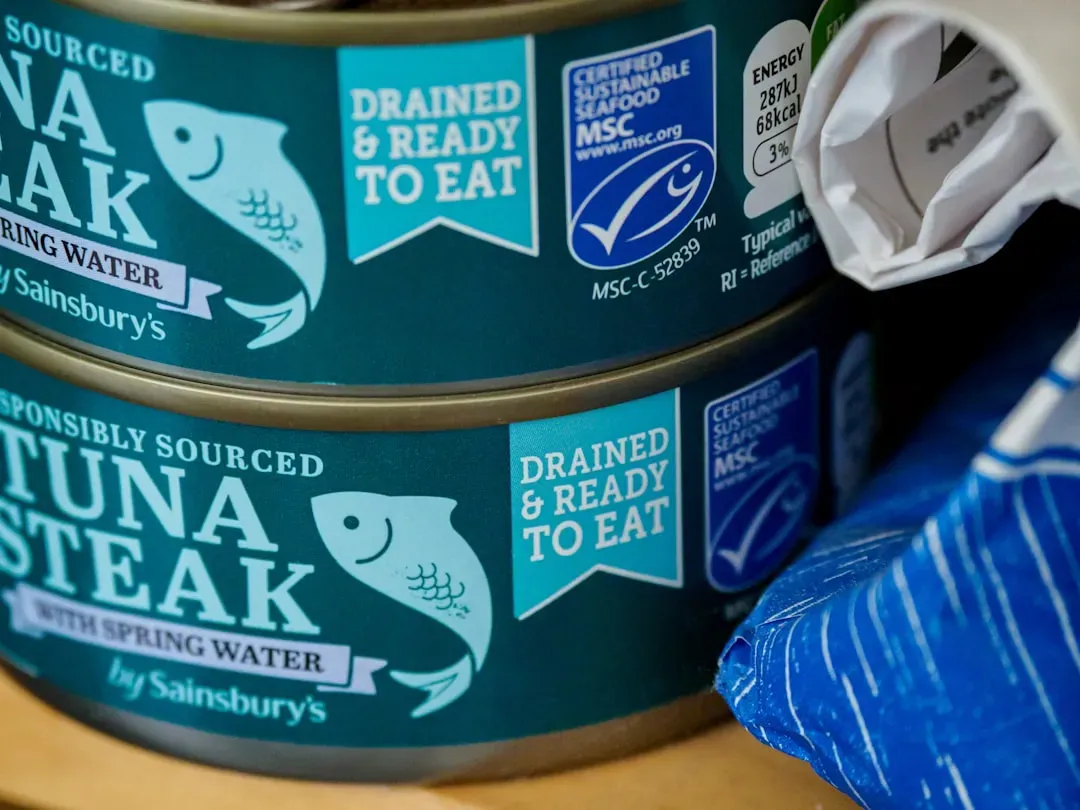
If you've been grabbing whatever can is cheapest at the grocery store, you might want to pause and actually read those labels. White-style tuna had significantly more total mercury (mean 0.407 ppm) than light-style tuna (mean 0.118 ppm), presumably reflecting that "white" tuna is albacore, a species relatively larger than the skipjack tuna. That's a massive difference when you think about it. Albacore tuna can grow over four feet long and weigh nearly 90 pounds, meaning they live longer and accumulate way more mercury compared to their smaller skipjack cousins.
Light or skipjack tuna has lower mercury levels and can be eaten more frequently than albacore, because skipjack is a smaller species of tuna which means it tends to have lower mercury levels compared to its larger cousins like albacore or yellowfin, and skipjack is often labeled as "light tuna" on cans. Honestly, this is one of those label-reading moments that actually matters. If you're committed to eating tuna regularly, going for the skipjack or light varieties is a smarter play. Though mercury levels in light tuna tend to be low on average, it's clear from data that there can be unpredictable spikes of the toxin in individual cans, with six individual spikes in mercury content found that would change recommendations about how often someone should eat that particular tuna, which is 20 percent of the samples, or one in five cans. That variability is a bit unsettling, to be honest.
The Protein Powerhouse Advantage

Let's shift gears for a second because tuna isn't all doom and gloom. There's a reason this fish has stayed popular for decades. Canned tuna is high in protein, low in fat, and contains important vitamins and minerals such as omega-3 fatty acids, vitamin D, calcium, and riboflavin. That's a pretty solid nutritional resume right there. Just three ounces gives you over 20 grams of protein, which is great news if you're trying to build muscle, stay full between meals, or just get more quality nutrition without spending half your paycheck.
Tuna is one of the best food-based sources of vitamin D, a nutrient in which many Americans are deficient, and just three ounces of canned tuna provides about half of the recommended daily amount of vitamin D. That's especially important during winter months when sunlight is scarce and your body struggles to produce enough vitamin D naturally. The stuff supports your bone health, boosts your immune system, and helps you recover faster if you do get sick. Another major benefit is tuna's high level of vitamin B12, a nutrient needed to form healthy red blood cells and prevent anemia. People who eat less meat or have absorption issues often struggle with B12, so tuna can actually fill a crucial nutritional gap.
How Much Tuna Is Actually Safe?
This is where things get a little complicated because recommendations vary depending on who you are and what type of tuna you're eating. Most adults should aim to eat at least 8 ounces, or 2 servings, of fish per week, which sounds reasonable enough. Adults can typically consume two to three 4-ounce servings of light tuna each week, so we're talking about maybe two or three cans spread across seven days.
Things change pretty dramatically if you're going for albacore. The FDA recommends limiting albacore (white) tuna to about one serving (4 ounces) per week due to its higher mercury content. That's a significant drop from the two to three servings allowed for light tuna. For those weighing over 140 pounds, it's safe to consume a single serving of canned light tuna every three days, but only one serving of canned albacore tuna every 10 days. The math gets tighter the lighter you are, which makes sense when you think about how body weight affects mercury tolerance. Adults are recommended to limit canned tuna consumption to one or two cans a week, as any more than that can start to overload the body with mercury, which can accumulate over time.
Special Concerns for Pregnant Women and Children

If you're pregnant, planning to get pregnant, breastfeeding, or feeding young kids, this section is especially important. While the brain of a child develops, it rapidly absorbs nutrients, and mercury can affect that absorption, causing learning disabilities and developmental delays, while in infants and fetuses, high doses can lead to cognitive difficulties, cerebral palsy, deafness, and blindness. That's genuinely terrifying when you stop and think about it.
Canned light tuna is considered one of the best choices for individuals who need to limit their exposure to mercury, and people who are pregnant or breastfeeding can consume 2 to 3 servings of canned light tuna per week and children can consume 2 servings per week. Notice how those numbers drop for vulnerable populations. Canned white albacore tuna and yellowfin tuna contain slightly more mercury, and though these varieties of tuna are not recommended for children, those who are pregnant or breastfeeding can consume up to 1 serving per week. Consumer Reports food safety experts caution that pregnant people may be best off avoiding tuna altogether, because while canned tuna, especially light varieties, has relatively low average levels of mercury, individual cans can sometimes have much higher levels. That unpredictability is exactly what makes some experts nervous.
What About Fresh Tuna Versus Canned?
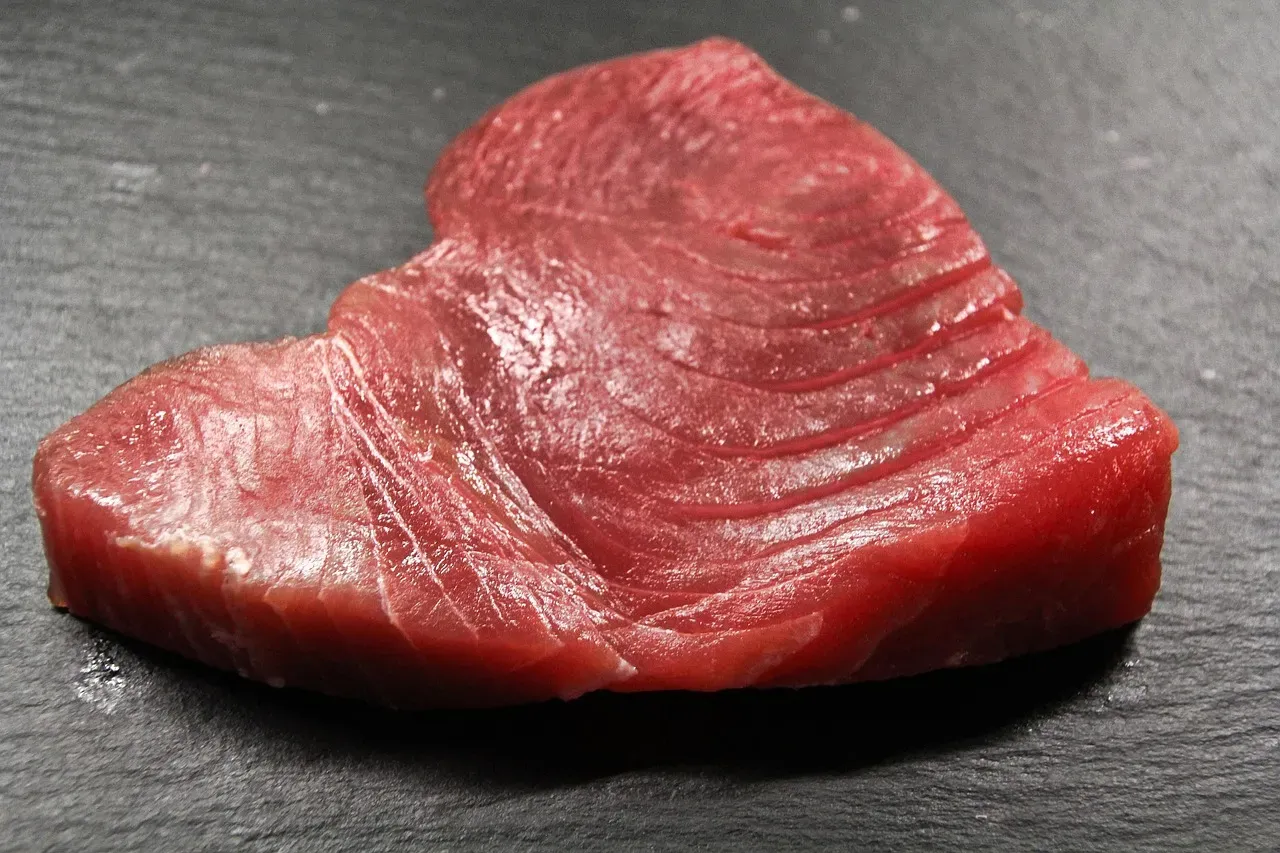
You might be wondering if swapping canned tuna for fresh tuna steaks solves the mercury problem. Unfortunately, it often makes things worse. Compared to canned light tuna, tuna steaks tend to come from older, larger, and therefore more contaminated fish, so the advisory suggests no more than 6 ounces of tuna steaks per week for women of childbearing age and children. Those beautiful fresh tuna steaks at the fish counter? They're typically from bigger, older fish that have accumulated way more mercury over their lifetimes.
Both canned and fresh tuna can contain mercury, yet this fish is still recommended because it's such a good source of protein and fatty acids, with chunk light tuna containing less mercury than chunk white. The processing and canning doesn't magically remove mercury, but at least with canned light tuna you're generally getting younger, smaller fish. Fresh tuna might seem fancier and healthier, yet it's often the riskier choice from a mercury standpoint. That's one of those counterintuitive facts that catches people by surprise.
Signs You Might Be Getting Too Much Mercury

Let's talk about what happens if you've been going overboard with the tuna. Eating more than the advised amount of tuna each week can result in increased exposure to mercury, with mercury poisoning causing several concerning neurological symptoms, including coordination loss, memory problems, seizures, and tremors, along with loss of peripheral vision, impaired speech, hearing, or movement, muscle weakness, and a numb, "pins and needles" feeling in the hands, feet, or mouth. Those aren't subtle symptoms you'd easily brush off.
Some people report even stranger sensations. There's a range of symptoms and health complications that can come about as a result of high mercury levels, which might manifest as itching, burning, or even a sensation that small insects are crawling under one's skin, as well as more visible symptoms like pink cheeks and swelling in certain parts of the body. If you've been eating tuna daily for months and notice any of these red flags, it's probably time to get your mercury levels checked. Your doctor can test mercury concentrations through hair and blood samples. The good news is that the human system slowly removes methylmercury over a span of months, so cutting back on tuna intake can help bring levels back down over time.
Smarter Alternatives and Variety Matters
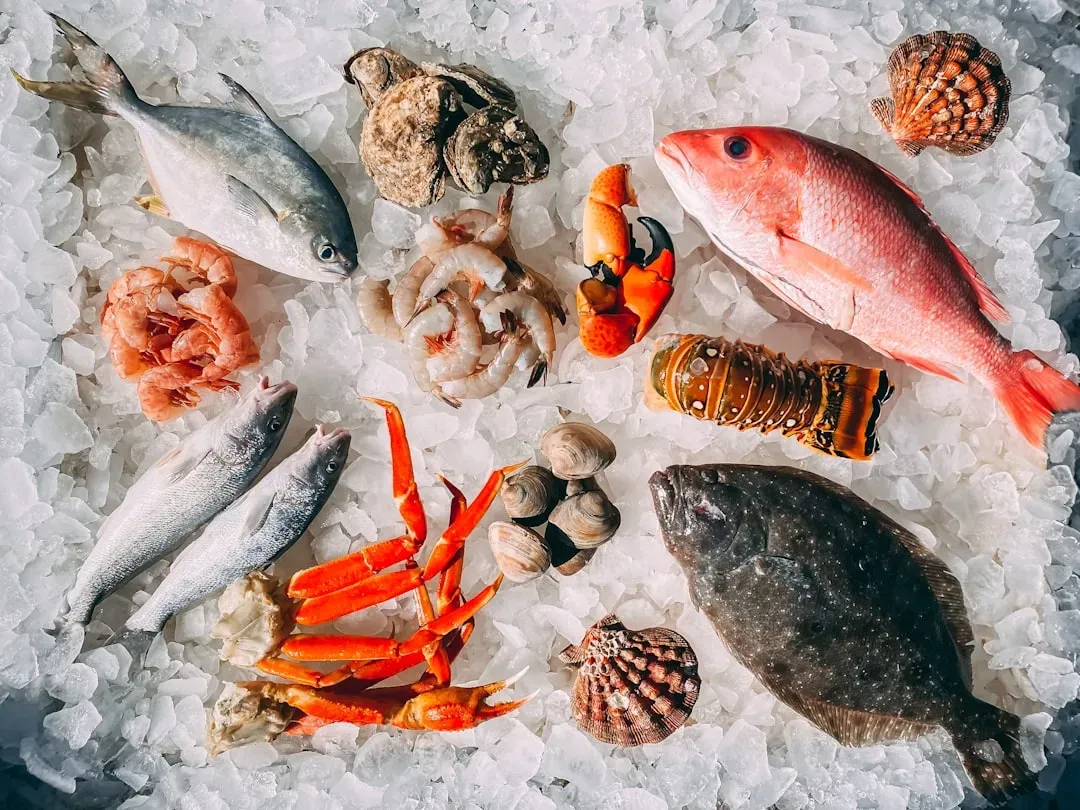
Dietitians consistently emphasize one critical principle: dietary variety. We don't recommend eating any single food every single day, because it reduces the overall variety you get in your diet and that means you don't get as wide an assortment of nutrients through your food choices, and according to the FDA and EPA, it is recommended to eat 2 to 3 servings of fish or shellfish each week. That doesn't mean exclusively tuna. Rotating in other seafood gives your body a broader spectrum of nutrients while reducing exposure to any single contaminant.
A better alternative is canned salmon (mostly sockeye or pink from Alaska), which is low in contaminants and high in heart-healthy omega-3s, and it's also sustainably caught in Alaska and similarly priced. Sardines, mackerel, and shrimp are other excellent low-mercury options. Choosing different types of seafood, especially those low in mercury, like salmon, tilapia, cod, in addition to tuna can be beneficial in providing a variety of nutrients while avoiding overexposure to mercury. Mixing things up isn't just about mercury management either. Different fish bring different vitamin and mineral profiles, so you're literally getting more nutritional bang for your buck by switching it up.
The Bottom Line on Daily Tuna Consumption

In general, eating canned tuna once or twice a week is safe, and fish is a very healthy protein choice. That's the sweet spot most dietitians land on when you press them for a clear answer. Experts say it's convenient, but due to mercury risks, it's best enjoyed in moderation. Daily consumption? That's pushing it beyond what most nutrition professionals would recommend, especially if you're eating albacore instead of light tuna.
Tuna is incredibly nutritious and packed with protein, healthy fats and vitamins, but it should not be consumed every day. Think of tuna as a valuable player on your nutrition team, yet not the star who needs to be on the field every single game. The convenience factor is undeniably appealing, the protein content is legitimately impressive, and those omega-3s deliver real health benefits. Yet the mercury concern is equally legitimate and shouldn't be brushed aside just because you love a good tuna salad sandwich. Moderation really is the name of the game here. Eat your tuna, enjoy it, get those benefits, yet give your body regular breaks to process and eliminate any accumulated mercury. Balance is what separates a healthy habit from a potential health problem.
So what do you think? Has this changed how often you'll reach for that can of tuna, or are you already pretty careful about mixing up your protein sources?



Leave a Reply