
Let's be honest here. Most of us have thrown away perfectly good herb scraps without thinking twice about it. Those leftover basil stems, that bunch of mint you forgot about, even the wilted cilantro in the back of your fridge. You're probably tossing money down the drain and missing out on one of the simplest gardening tricks imaginable. Picture this scenario instead: a sunny windowsill lined with glass jars filled with vibrant herbs that cost you nothing after that initial purchase. Sounds too good to pass up, right? These plants don't need soil, expensive equipment, or even much of your time. Just water, a bit of sunlight, and maybe a little patience.
Regrowing vegetables and herbs in water is not only fun but also an excellent way to reduce waste, save money, and enjoy fresh produce at home. The beauty of this method lies in its simplicity. Whether you're someone who kills every houseplant you touch or an experienced gardener looking for convenience, growing herbs in water levels the playing field. The results are surprisingly impressive once you get started.
Basil: The Kitchen Superstar That Keeps on Giving
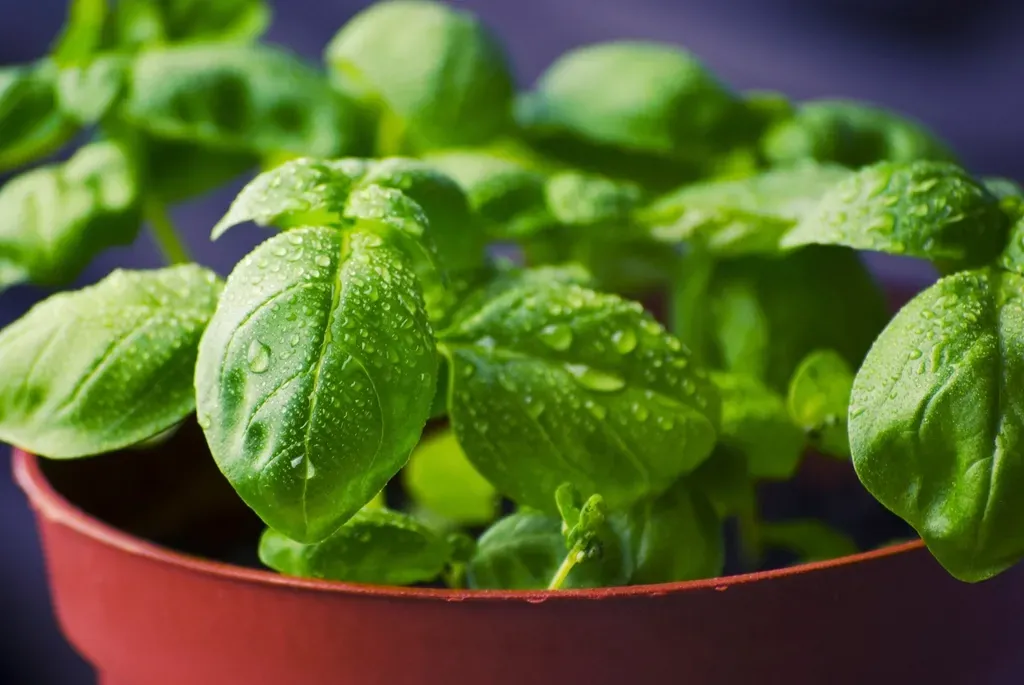
Basil is a versatile herb that can be regrown from its stems. Place them in water, and soon you'll see new roots and leaves appearing. Change the water every few days to keep it fresh and healthy. This herb ranks among the absolute easiest for beginners to propagate. Take a cutting roughly four to six inches long from a mature plant that hasn't started flowering yet, strip off the lower leaves, and pop it in a glass of water.
Basil needs plenty of sunlight, so ensure it gets at least 6-8 hours of light daily. Within about a week, you'll start seeing tiny white roots forming at the bottom of the stem. Basil plants will develop roots in one to four weeks. Here's the thing though: basil can be surprisingly picky about water quality. Basil is sensitive to chlorine, commonly found in tap water. Consider using filtered water or collected rainwater when rooting a basil plant in water.
Once those roots reach about an inch or two in length, you have options. You can transplant it into soil for a more robust plant, or simply let it continue growing in water. Basil can last for several months in just water as you can see from the photo below, they will develop quite large root systems. Keep snipping fresh leaves for your pasta, pizza, or pesto, and the plant will keep producing more. I know it sounds almost too easy, but that's precisely why basil works so well for this method.
Mint: The Unstoppable Spreader
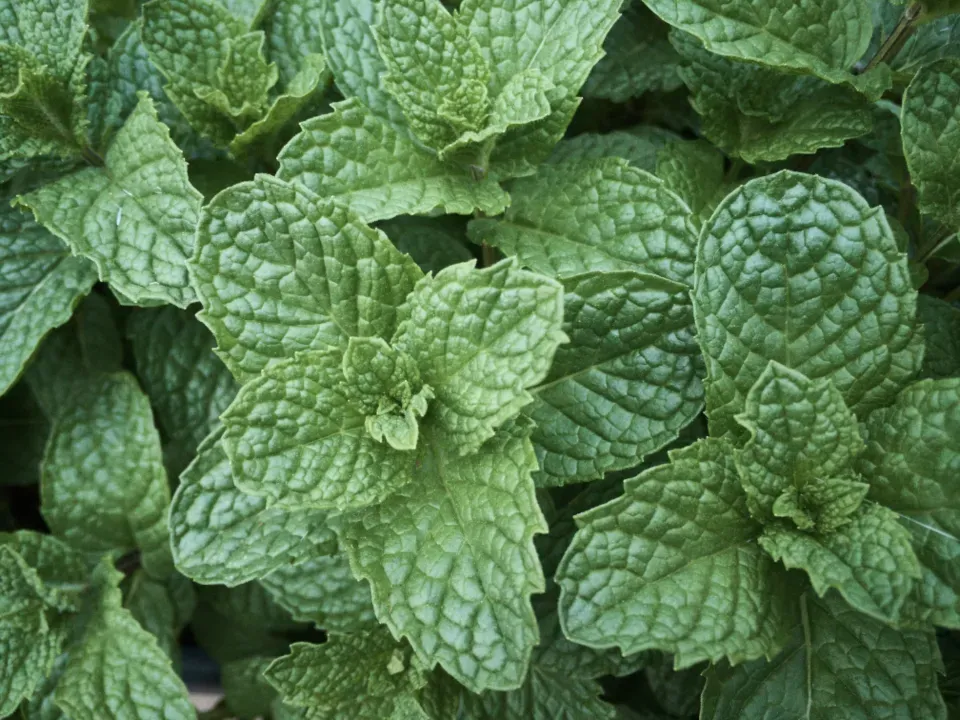
Anyone who's ever planted mint outdoors knows its reputation. It spreads like wildfire and takes over entire garden beds. It's also one of the easiest herbs to grow in water. Cut a sprig of mint, place it in a jar of water, and watch it thrive. Mint prefers indirect sunlight and cooler temperatures, making it perfect for indoor hydroponic growth. The good news? When grown in water, mint's aggressive nature becomes an asset rather than a problem.
To take cuttings from mint, use sharp scissors or pruning shears to cut stems about 3 to 5 inches long. Remove at least two or three leaves from the lower part of the stem but leave the top leaves intact. Mint will develop roots in water in as little as 10 days. That's faster than nearly every other herb you'll try. The roots shoot out quickly, and before you know it, you're harvesting fresh mint for mojitos, teas, or whatever your heart desires.
Yes, mint can thrive in water indefinitely if you provide it with proper care. Change the water every few days to prevent stagnation and the build-up of bacteria. Place the mint in a spot with bright, indirect sunlight. Mint can tolerate lower light conditions, but more light promotes vigorous growth. Some gardeners even add a tiny bit of liquid fertilizer occasionally to keep their water-grown mint extra happy. The plant literally grows so enthusiastically that you might find yourself giving cuttings away to friends.
Green Onions: The Budget-Friendly Miracle
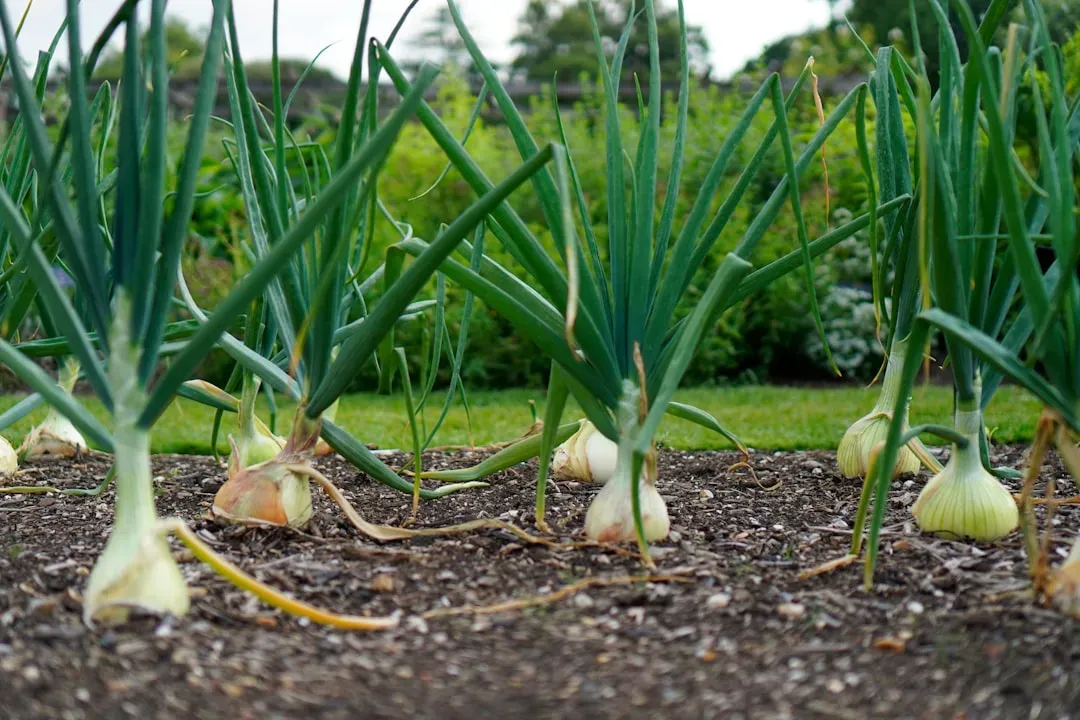
This one feels like actual magic, honestly. Like most root vegetables, you can regrow green onions almost indefinitely on your kitchen counter with just a glass of water. After chopping off the green tops for cooking, most people just toss those white root ends. Stop doing that immediately.
Measure from the base where the roots start, cut each sprig of green onions so you have 1″ to 2″ of stem attached to the roots. This will be plenty for the green onions to regrow. Place those stubby ends in a glass with just enough water to cover the roots and bulb. Within a few days, the cutting part will show new growth on the top. The green onion will be ready for harvest within a week or less.
The key is to change out the water every day to keep them happy and fresh. After about a week or so, look what had happened. Fresh green shoots emerge like tiny miracles from your countertop. I tend to regrow mine for 3 full growths in water and plant them in soil. I found that by the 5th regrow the bulbs and roots can get slimy to the point it's too hard to clean them. After multiple regrowths in water, transplanting them to soil gives them renewed vigor and allows for even more harvests. For roughly the cost of one store-bought bunch, you could potentially have green onions for months.
Oregano: The Mediterranean Essential
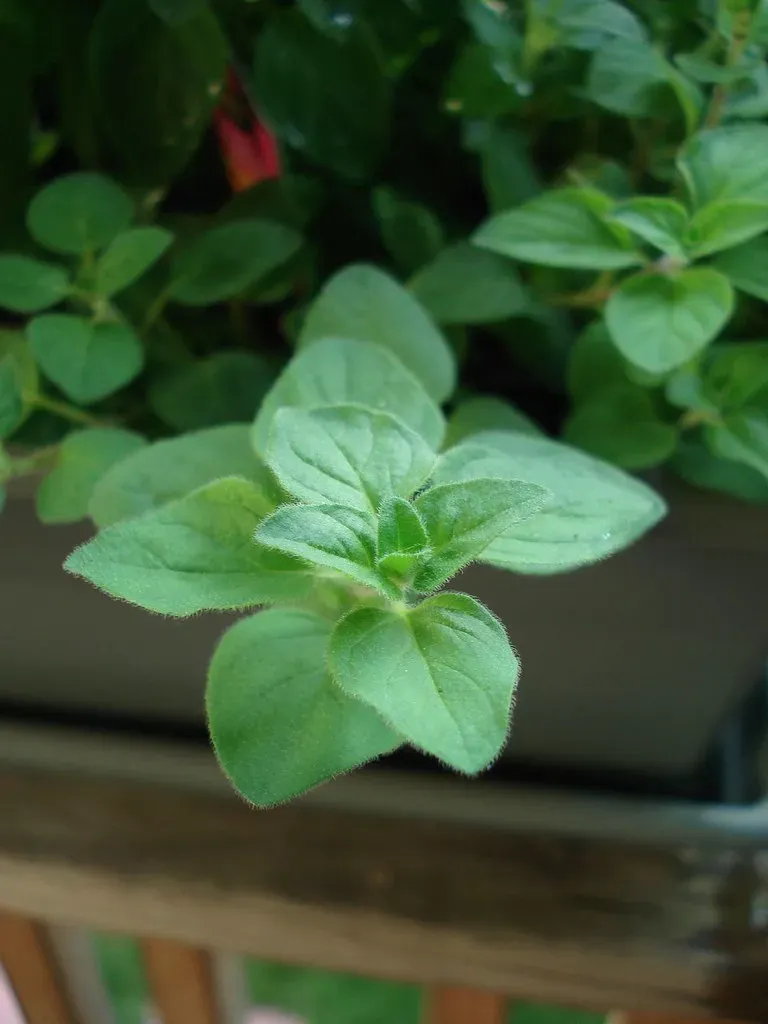
Oregano is a staple in Mediterranean cuisine, and it's easy to grow in water. Take a cutting from an existing plant, place it in a glass of water, and position it in a sunny spot. Oregano prefers bright light, so a windowsill that gets plenty of sunlight is ideal. Keep the water fresh, and your oregano will thrive. This herb does take a bit more patience than basil or mint, but the wait is worthwhile.
Cut 3″ to 5″ long stems from a juvenile plant with sterilized shears. Make sure that the cuts are made a 45 degree angle to ensure enough surface area for new roots to develop. Remove all but 3 to 4 sets of leaves at the top. Place the stems in clean water and change the water every other day. Oregano's stems tend to be woodier than some other herbs, which means root development happens more slowly.
Since fresh oregano grows new roots at a slower rate, you can speed up the process by using a natural rooting hormone in water. Place the plant cuttings in a bright area away from direct sunlight. In about 4 weeks the new plants are ready to transplant in pots. While waiting for roots, you can still pluck leaves from the top for cooking. The robust flavor of fresh oregano beats the dried stuff by miles, making this waiting game totally worth your while. Once established, oregano becomes quite hardy and continues producing aromatic leaves for pizza, pasta sauces, and Greek dishes.
Rosemary: The Slow But Rewarding Challenge
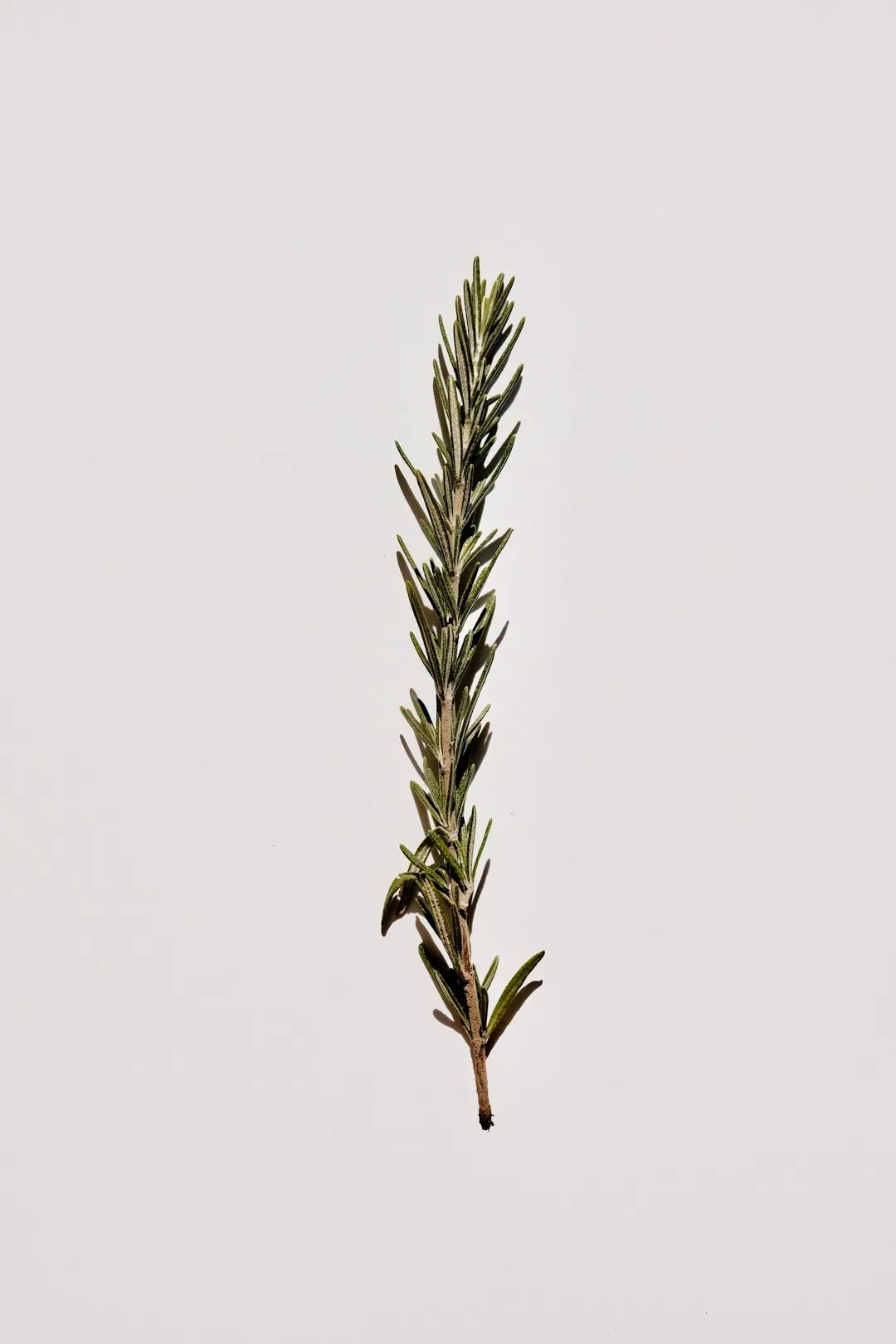
Let's be real here. Rosemary tests your patience more than any other herb on this list. Keeping Rosemary herbs alive is more difficult compared to basil and mint, especially when grown from cuttings. It will take much longer, up to 2 months, before you see roots. That might sound discouraging, but don't abandon hope just yet.
Rosemary is a hardy herb with a strong, woody flavor that pairs well with meats and roasted vegetables. To grow rosemary in water, take a cutting from a healthy plant, strip the leaves from the bottom, and place the stem in water. Rosemary can be slow to root, so be patient. Once established, it will continue to grow and produce fragrant leaves throughout the year.
Like oregano, when trimming rosemary, only trim off new growth. Take your cuttings in the springtime and look for stems that appear greener in color, instead of brown. Trim a 6-inch section of the plant, removing the bottom 2 inches of leaves. Place rosemary cuttings into a glass of water and leave it in a bright location. As long as the leaves remain green, your rosemary sprig is fine. To help the roots grow, use a natural rooting hormone and add nutrients into the water. Some rosemary cuttings will not survive without these, and they're a good idea to use even on the other herbs! The woodier nature of rosemary means it requires more coaxing, but once those roots finally appear, you've got yourself a long-lasting herb plant. The intense piney fragrance alone makes this worthwhile for roasted potatoes, focaccia bread, and lamb dishes.
Thyme: The Delicate Aromatic
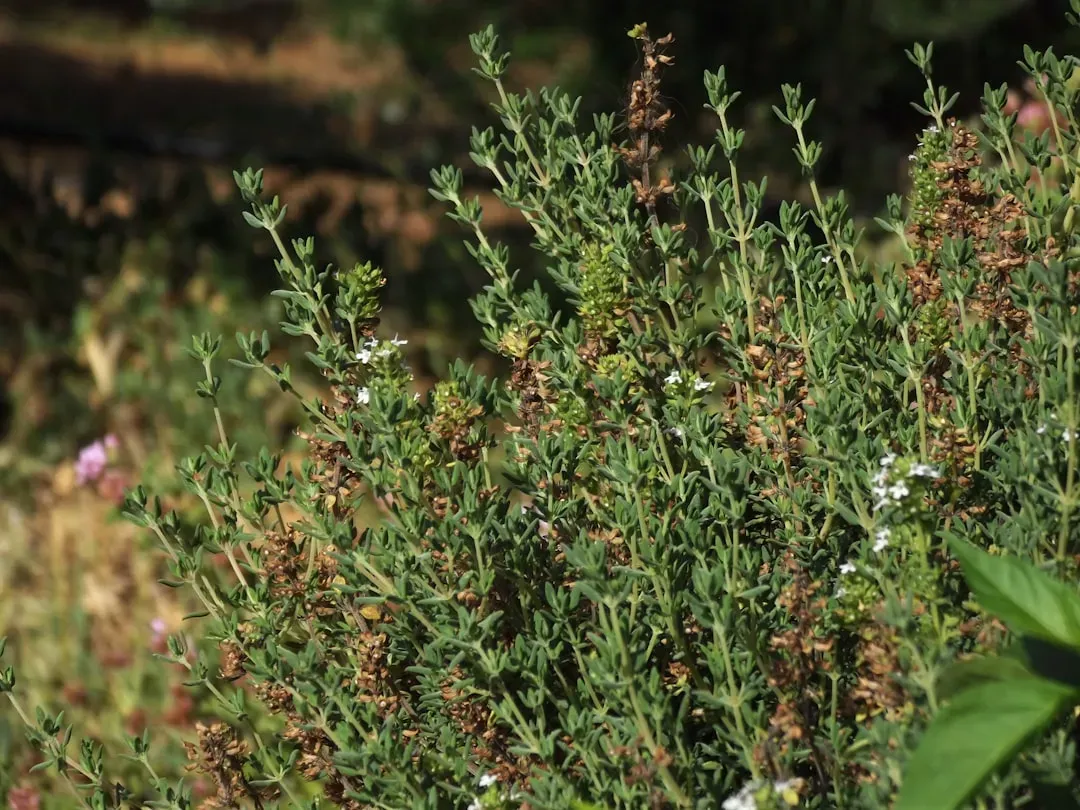
Thyme is a delicate herb that adds depth to soups, stews, and marinades. It's easy to propagate in water - simply place a cutting in a jar with the leaves above the waterline. Thyme grows best in indirect sunlight and can be harvested frequently, making it a great herb to keep on hand year-round. This small-leafed herb works beautifully in everything from Thanksgiving stuffing to simple roasted vegetables.
To propagate thyme and grow it in water, first take cuttings from a thyme plant between the middle of spring and beginning of summer. Choose healthy, bright green sections to propagate, and make your cuts on a node (the part where the leaves join the stem of the plant). Strip the cutting of leaves on its lower portion, and place them in a container of water immediately after taking the cutting. Unlike basil that screams for full sun, thyme appreciates some protection. Find a sunny windowsill for your plant, but avoid locations where the cutting will be beaten down on by direct sunlight all day long. Some dappled shade or shade during the afternoon will protect the cutting from heat or sun damage.
Freshen the water in your container every two days. Within about two weeks, you should notice roots developing. Mint and thyme might be the easiest herbs for beginners to root. Once your thyme establishes itself, pinch off sprigs as needed. The more you harvest, the bushier it becomes. Fresh thyme transforms ordinary chicken soup into something restaurant-worthy.
Cilantro: The Controversial Quick-Grower
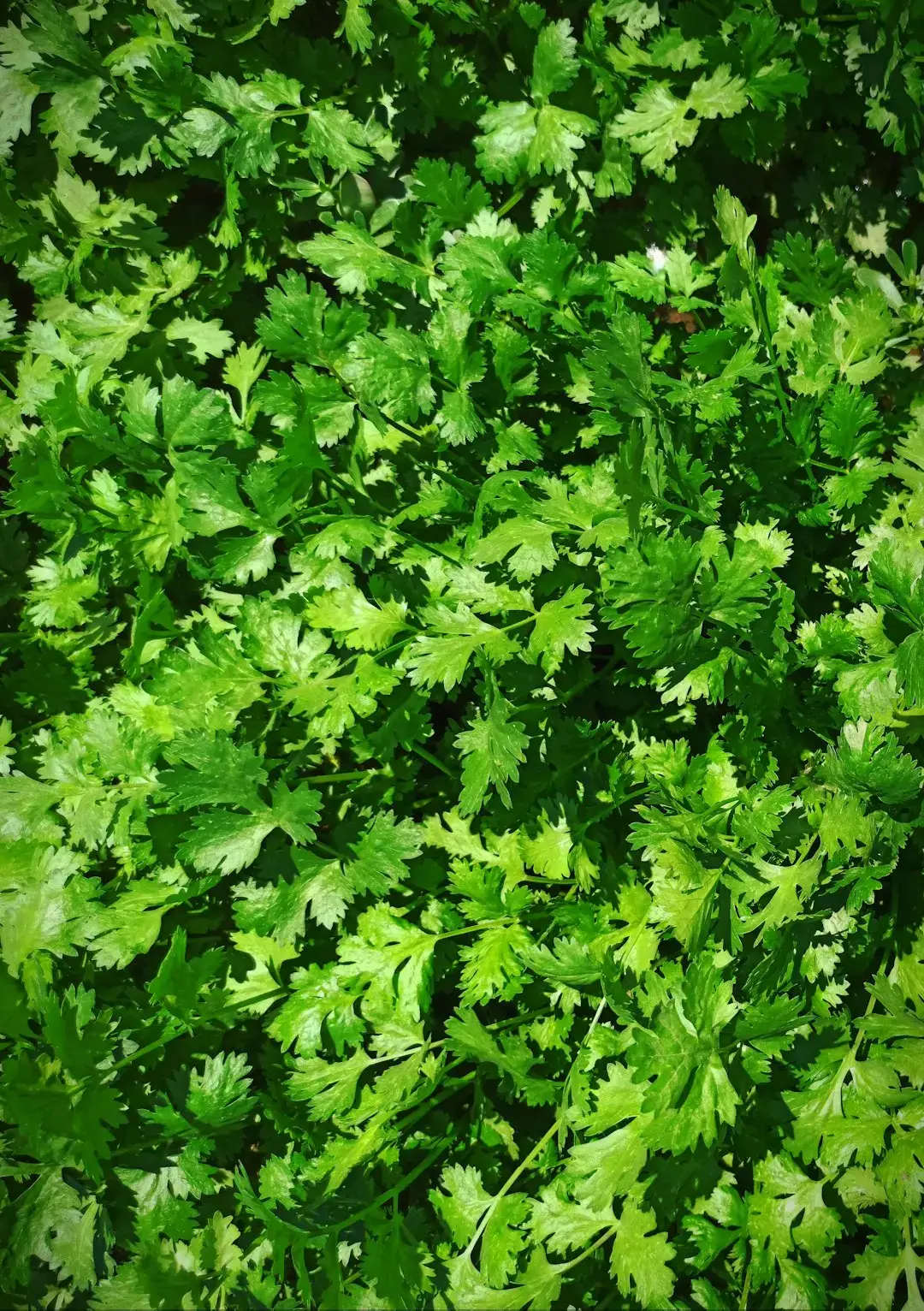
Here's the thing about cilantro. People either love it passionately or think it tastes like soap. Cilantro tends to come up fast and fall over quickly, making it one of the hardest plants to keep alive. Cilantro clippings can grow in water, though not as well. To "reset" this plant, simply harvest the cilantro, leaving between a half-inch and an inch of stem, and wait for it to grow again. Despite its reputation for being tricky, cilantro definitely deserves a spot on your windowsill.
Cilantro regrows well from its stems. Cut a stem piece around four inches long and place it in water, making sure the leaves are above the waterline. Place it in a sunny area and change the water regularly. Roots will form, and new leaves will grow, giving you fresh cilantro for your dishes. The key with cilantro lies in starting fresh and changing water frequently.
Annuals like dill, mustard, and cilantro typically need to be started in soil and then transitioned carefully to water (which doesn't always succeed due to root type differences). That said, many gardeners report success with water propagation when using very fresh cuttings from grocery store bunches. Cilantro grows fast when happy, providing fresh leaves for salsas, curries, and tacos. The flavor difference between fresh and dried cilantro is night and day, making even moderate success with this herb totally valuable.
Lemon Balm: The Calming Citrus Cousin
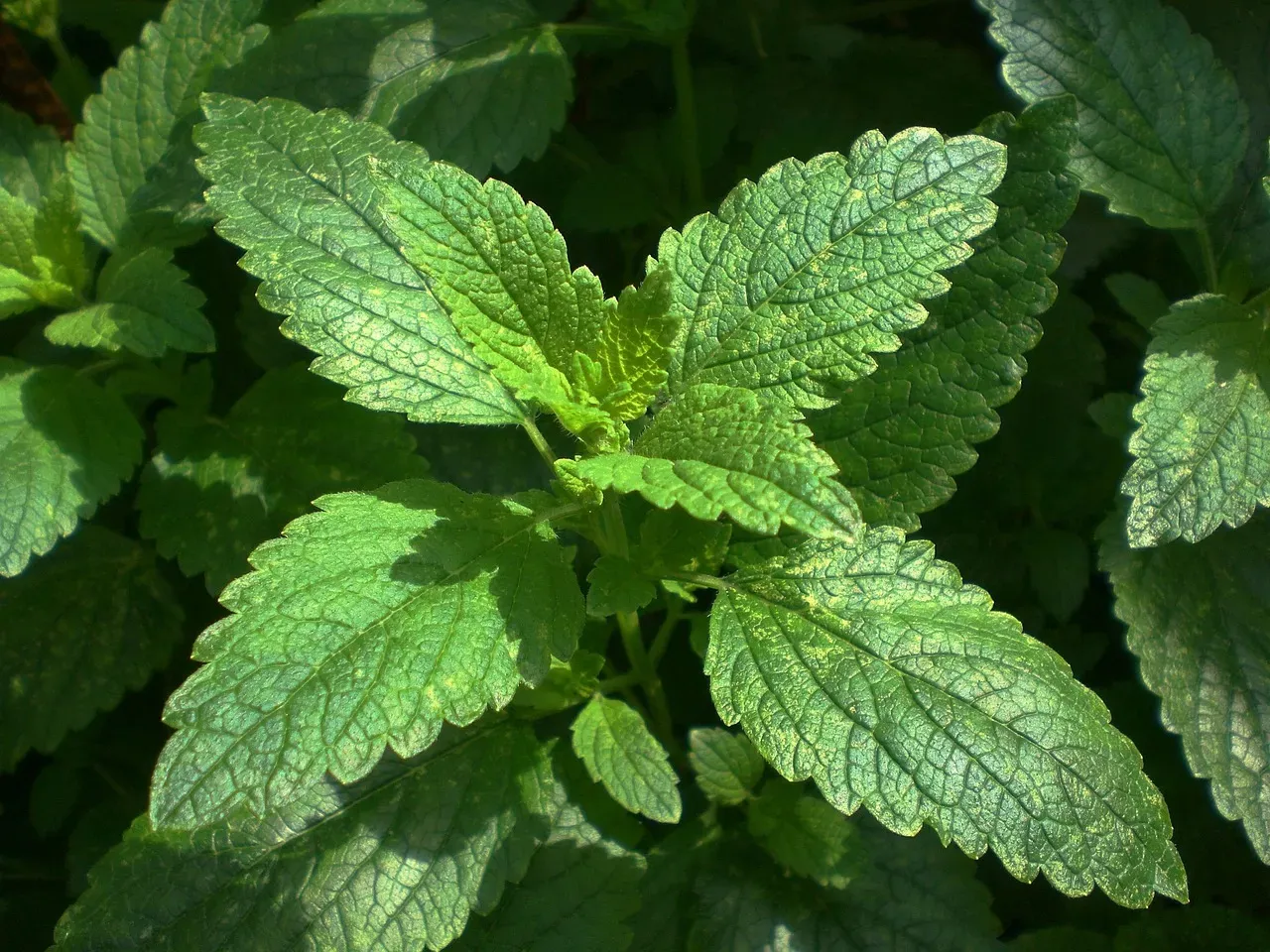
Lemon balm has a bright, citrusy flavor that works well in teas and desserts. It's also known for its calming properties. To grow lemon balm in water, cut a sprig from an established plant, place it in a glass of water, and keep it in a sunny spot. Lemon balm is fast-growing, so you'll have plenty of leaves to harvest throughout the year. This member of the mint family shares many of the same easy-growing characteristics as its cousin.
It may take up to a month for roots to appear on lemon balm. Transplant your cuttings into a solid growing medium once the roots are 1-2 inches long. While it requires slightly more patience than regular mint, lemon balm rewards you with intensely fragrant leaves that smell like a cross between lemon and fresh grass. The scent alone makes it worthwhile to have around.
Some herbs can be kept fresh in water for weeks, while others like mint, lemon balm, and lemongrass last for many months. Lemon balm falls into that longer-lasting category, potentially thriving in water for extended periods. The leaves make exceptional herbal tea, either fresh or dried. They're also wonderful in fruit salads, desserts, or simply floated in ice water on hot summer days. Many people swear by lemon balm tea for its calming effects before bedtime.



Leave a Reply