
School lunch in the seventies was a wild, unrestricted free for all that would horrify modern nutritionists. Let's be real, cafeterias back then served whatever was cheap, convenient, and somewhat edible. There were no detailed nutrition labels in sight, no trans fat warnings, and certainly no one fussing over added sugars.
Impressed by fast food efficiency, schools embraced hamburgers, French fries, and other greasy options, with one Houston school district menu from 1974 featuring chiliburgers, hamburgers, oven fried chicken, buttered corn, and fruit gelatin. Those school lunch trays from decades ago carried foods that modern regulations have deemed too risky, too unhealthy, or too questionable for today's students. Honestly, it's shocking what made it onto those trays.
Hamburgers And Cheeseburgers Loaded With Trans Fats
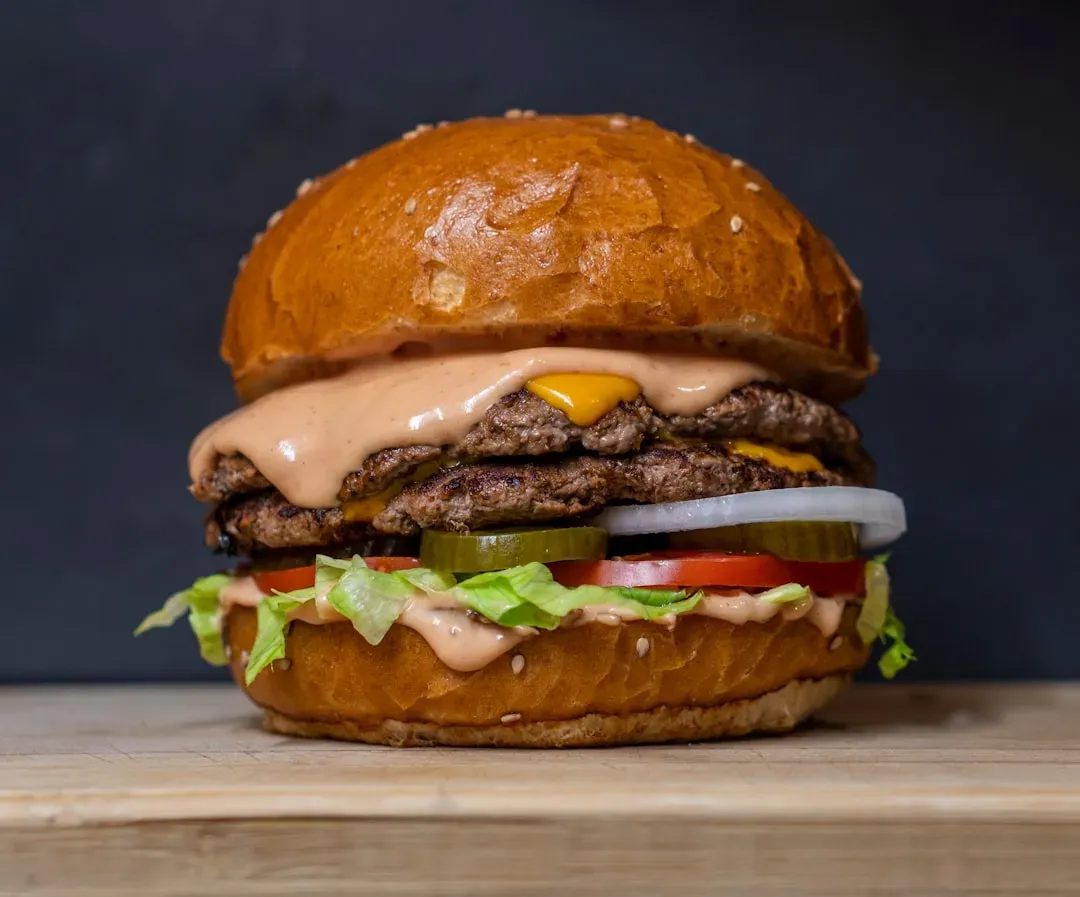
The 1970s marked the moment when fast food invaded school cafeterias, with major chains like McDonald's and Burger King selling their products in schools. Those juicy burgers were cooked in partially hydrogenated oils packed with artificial trans fats, which manufacturers loved because they were cheap and shelf stable. The problem? Trans fats raise bad cholesterol levels and significantly increase heart disease risk. The FDA ruled in 2015 that partially hydrogenated oils were unsafe, leading to a full ban by June 2018. School cafeterias today can't touch those industrial trans fats anymore. Think about it, entire generations of kids ate those burgers without anyone questioning what was actually in them.
Fried Chicken Prepared In Dangerous Oils

Fried chicken appeared frequently on school menus during the seventies, often prepared in the same trans fat laden oils as those burgers. The crispy coating and juicy meat made it a student favorite, no doubt. A typical 1974 Houston school lunch included oven fried chicken alongside other high fat options. Here's the thing, cafeteria workers had no idea they were serving up something that would eventually be recognized as a major cardiovascular threat. The cooking methods were convenient but nutritionally catastrophic. These days, schools must avoid artificial trans fats completely, which means those classic fried chicken recipes are history.
Buttered Corn Swimming In Excess Sodium

Vegetables technically made it onto seventies lunch trays, though calling buttered corn a health food is laughable. Government reports from the seventies found that school meals fell far short of minimum nutritional standards and were particularly high in fat. That corn was drowning in salted butter, packing way more sodium than today's strict limits allow. Modern schools must gradually reduce sodium, with implementation requiring a 15 percent decrease in lunches and 10 percent in breakfasts by July 2027. The butter itself was loaded with saturated fats that nobody worried about back then. I know it sounds crazy, but salt shakers sat freely on cafeteria tables, inviting kids to pile on even more sodium.
Heavily Sugared Fruit Gelatin Desserts
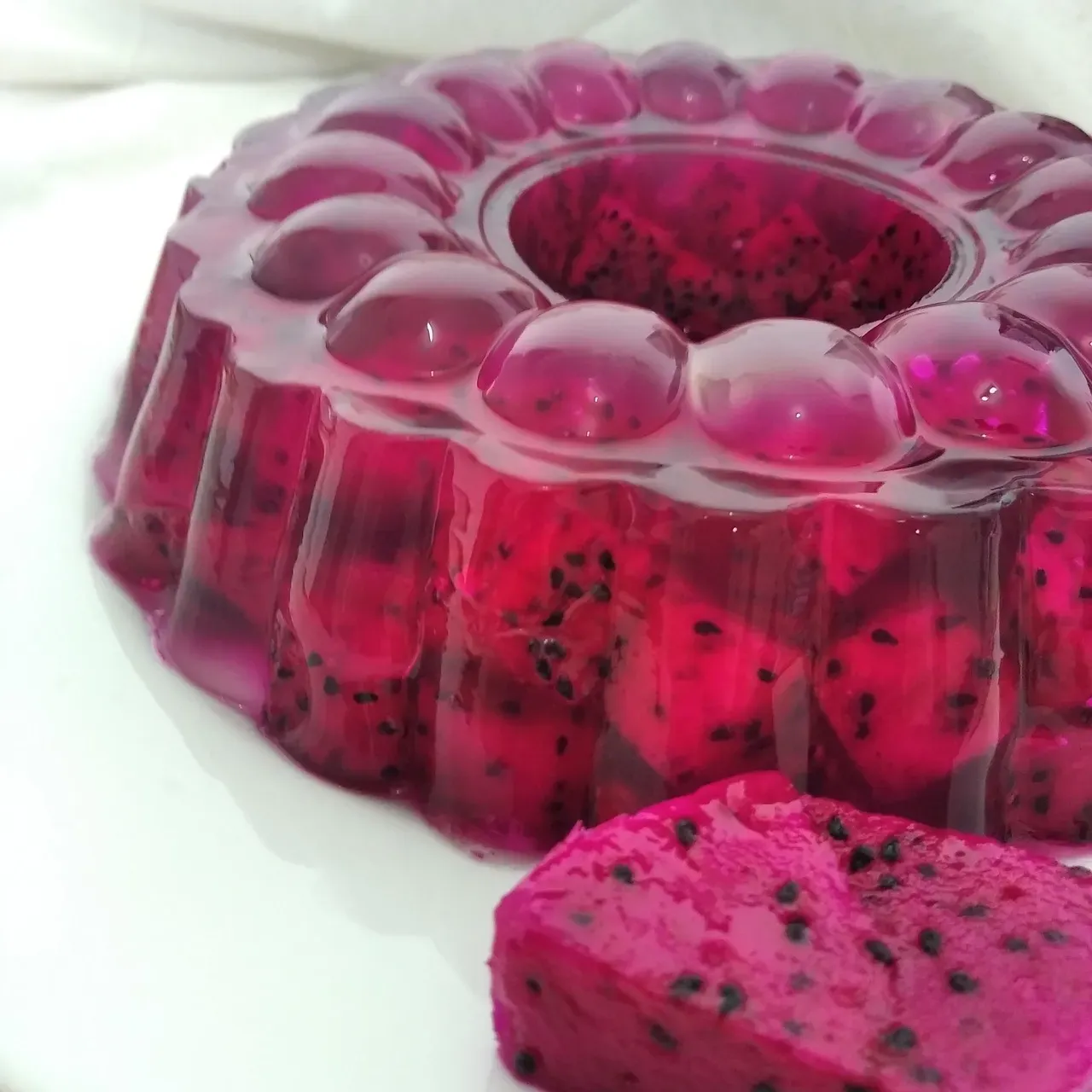
Fruit gelatin was a staple on that 1974 Houston school lunch menu, appearing alongside burgers and fried foods. These wobbly, artificially colored desserts contained astronomical amounts of added sugar, often exceeding what an entire day's worth of meals should provide. Starting in 2025, new nationwide limits restrict added sugars in school meals, with breakfast cereals capped at 6 grams per ounce and a weekly limit requiring added sugars to make up less than 10 percent of total calories by 2027. Nobody thought twice about serving bright red or green gelatin cubes back in the day. The artificial dyes used to create those vivid colors have themselves become controversial. Schools today would struggle to find a gelatin product that meets current sugar restrictions while still tasting appealing to kids.
Chocolate Milk With Excessive Added Sugars
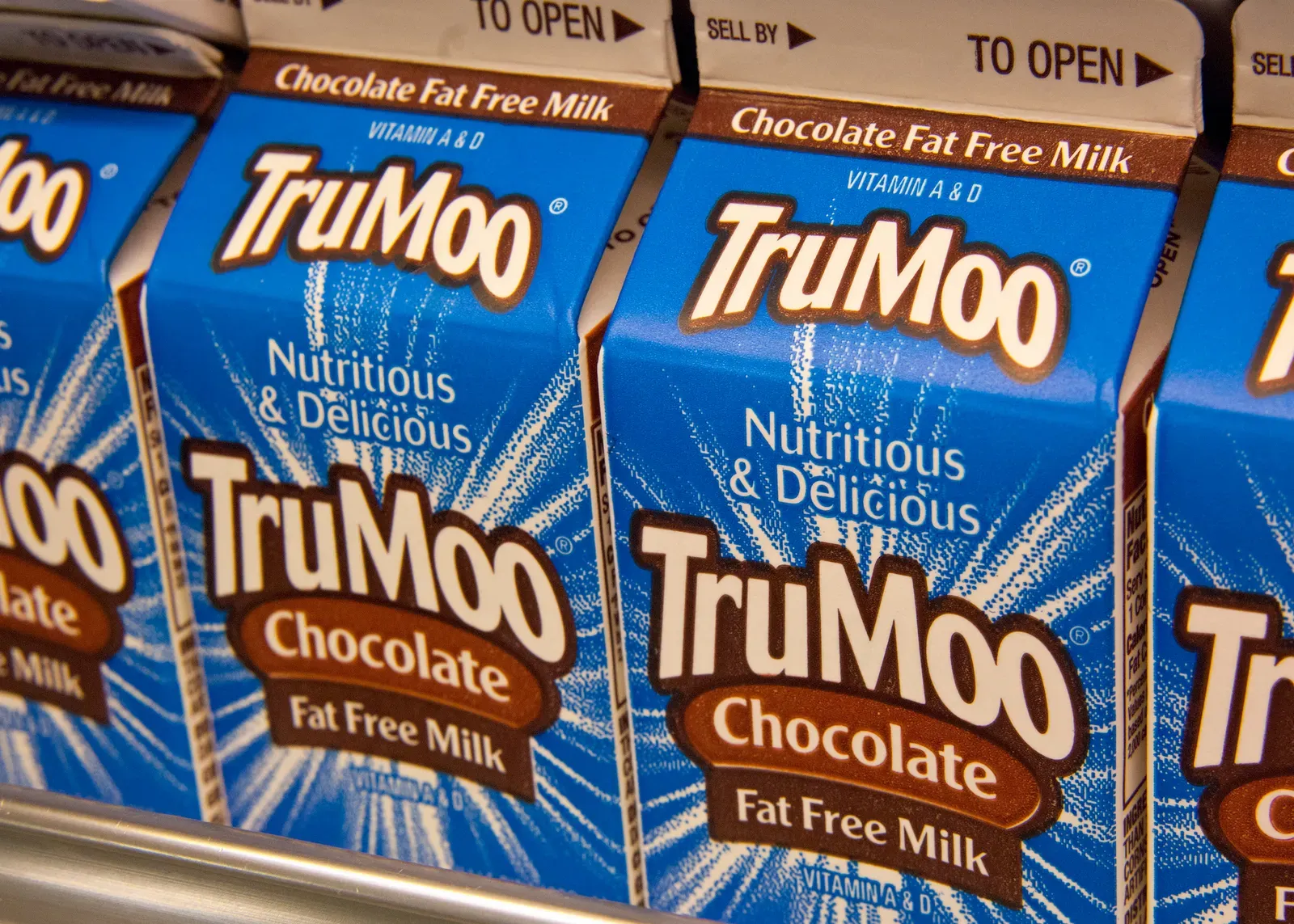
Chocolate milk was everywhere in seventies school cafeterias, served in cute little cartons that kids grabbed eagerly. The sugar content in those flavored milks was off the charts by today's standards. By fall 2025, flavored milk cannot contain more than 10 grams of added sugar per 8 fluid ounces, a regulation that would have eliminated most seventies chocolate milk options. Sure, the milk provided calcium and vitamin D, but it also delivered a sugar rush that modern nutritionists find unacceptable. More than 90 percent of the school milk market has committed to meeting these new added sugar limits. Back then, though, nobody was counting grams of sugar or worrying about childhood obesity rates.
Deep Fried Potato Products In Trans Fat Oils
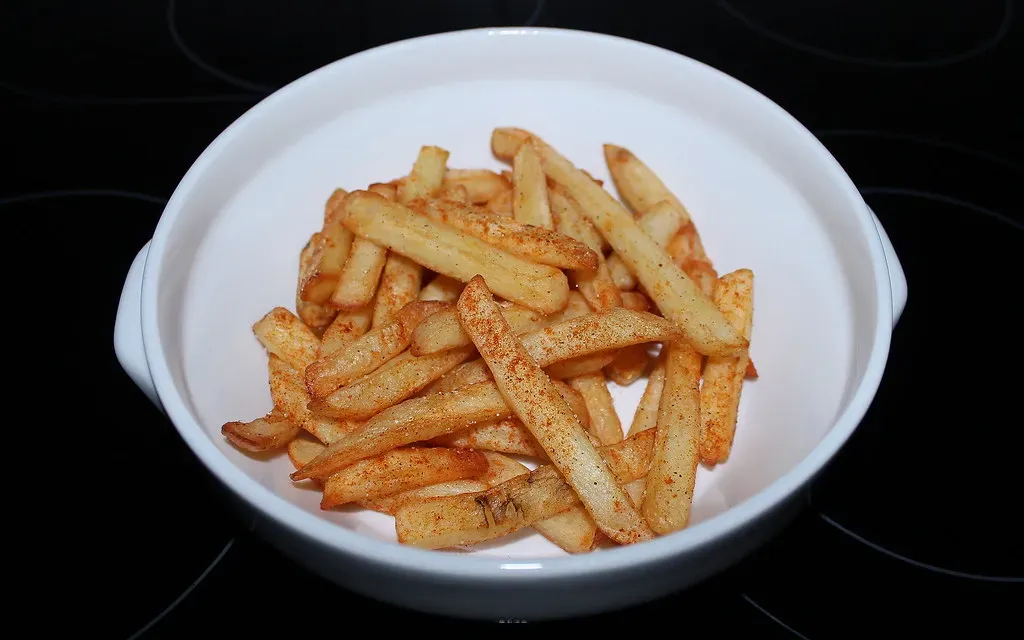
French fries, tater tots, and hash browns ruled the seventies cafeteria scene. Schools put hamburgers, French fries, and other greasy fare on menus after being impressed by fast food chains like Kentucky Fried Chicken and McDonald's. These potato products were deep fried in the same partially hydrogenated vegetable oils that are now completely banned from school kitchens. The result was food that tasted great but delivered dangerous trans fats with every bite. In 2012, Colorado became the first state to ban industrially produced trans fat in public school food. Today's cafeterias might still serve potato products, but they have to use oils that meet strict safety standards. The crispy, golden fries of the seventies? Gone forever from school lunch lines.
Rectangular Pizza With Processed Cheese Food
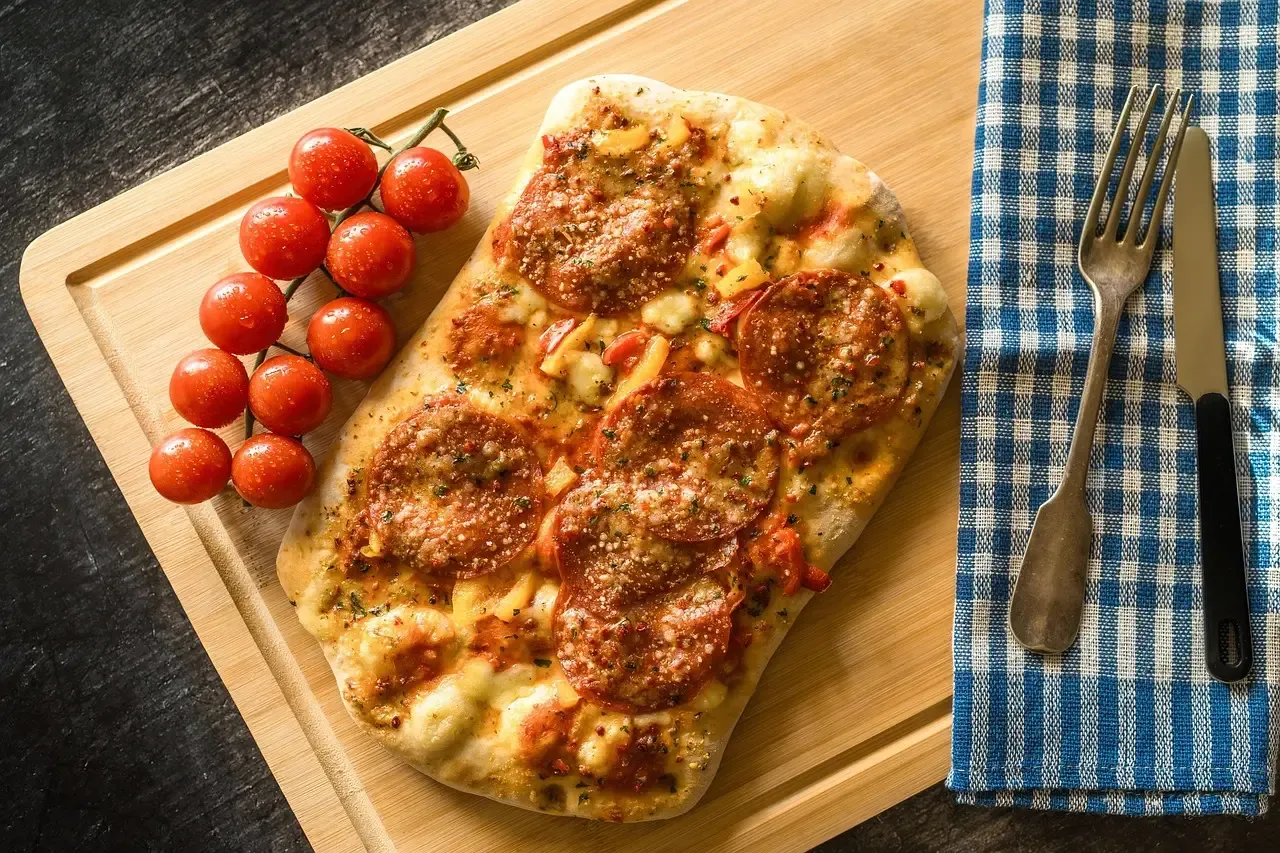
That iconic rectangular pizza became a cafeteria legend during the late seventies and early eighties. Processed food creations took hold of cafeterias, with rectangular pizza becoming a consistent menu item alongside chicken nuggets and cheeseburgers. The "cheese" on those pizzas wasn't real cheese at all but a processed cheese product loaded with sodium, artificial ingredients, and often made with trans fat containing oils. The 1970s witnessed a rise in processed foods high in sugar and low in nutritional value. Schools today face sodium limits that would make those salty pizza slices impossible to serve. The sauce counted as a vegetable in the eighties, which tells you everything about how unregulated things were. Those pizzas were cheap to produce and kids loved them, which was apparently enough justification back then.




Leave a Reply