
You're finally seated in that restaurant you've been dying to try for months. The lighting is perfect, the atmosphere impeccable, the menu reads like poetry. Everything feels just right. What you might not realize is that within moments of sitting down, someone in the kitchen or dining room has already sized you up. Not in a judgmental way necessarily, though honestly, sometimes that too.
Impeccable table manners are a cornerstone of Michelin star restaurant etiquette, demonstrating respect for the setting and the culinary artistry on display. These little signals you send without even thinking about it reveal more than you'd guess about your dining sophistication. Let's be real, we all want to enjoy a beautiful meal without accidentally broadcasting that we have no idea what we're doing. Here's what trained eyes pick up on immediately.
How You Handle Your Napkin From the Start
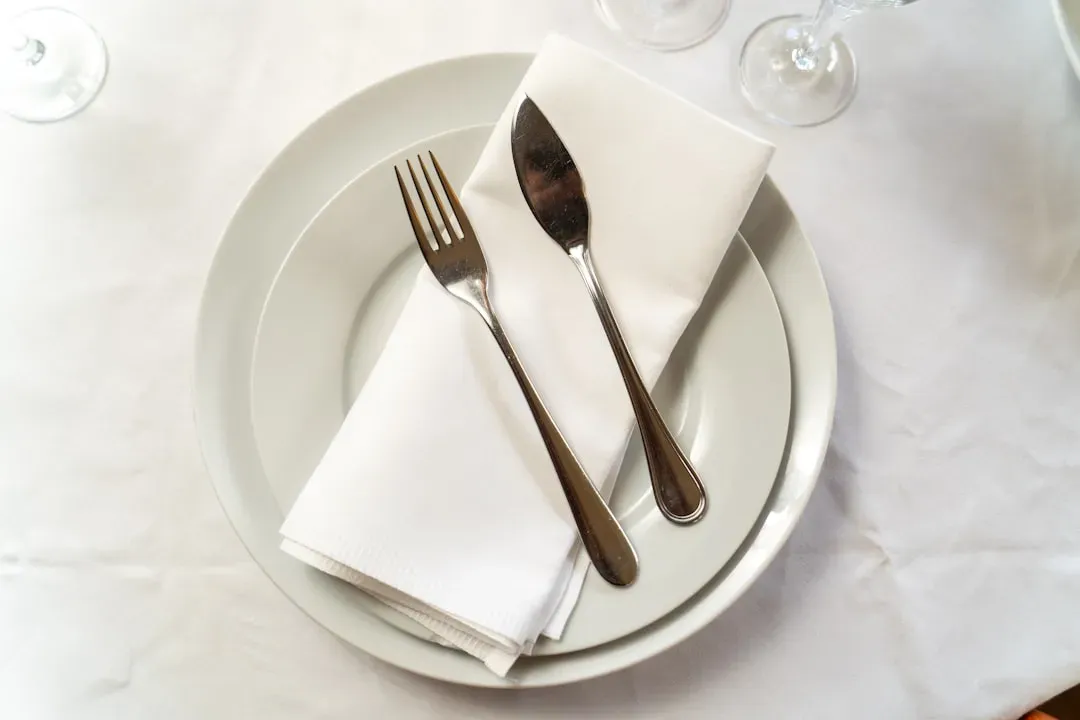
When you sit down to dine, place your napkin on your lap and unfold it gently. Seems simple enough, right? Yet so many people either forget entirely or tuck it into their collar like they're preparing for a lobster massacre. Don't tuck it into your shirt collar. When using it to clean your mouth, just dab it. Avoid wiping your face with it. The napkin tells a story before you even touch your fork. If you leave it sitting on the table while you eat, that's a dead giveaway. The humble napkin is a powerful tool for communicating your understanding of fine dining protocol. As soon as you are seated, unfold your napkin and place it on your lap. This signals that you are ready to begin the meal. It's not just about hygiene or keeping crumbs off your lap, it's about showing you understand the ritual. The way you blot your lips versus aggressively swiping at them matters more than most people think. I know it sounds crazy, but these tiny gestures stick out in a formal setting.
The Way You Position Your Silverware Between Bites
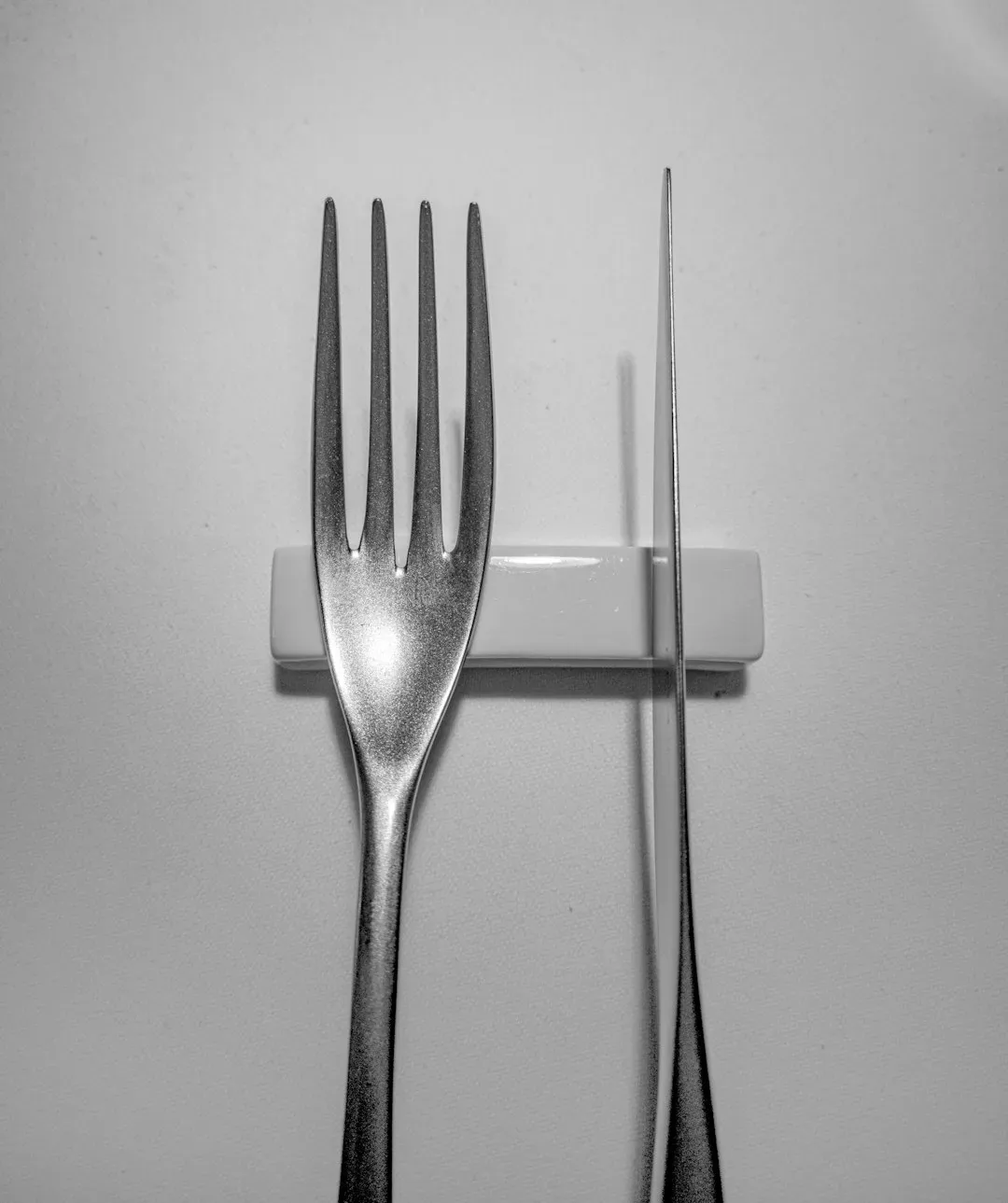
Here's the thing. Your cutlery serves as a sort of silent code to servers so that they can tell whether you're ready to have your dishes cleared away or whether you're still eating. If you put your knife and fork down, either momentarily or because you have to leave the table, place them crossed or pointing together in a V shape; this signifies that you are not done. This is actual restaurant language, not something invented by etiquette snobs centuries ago for fun. If you are done, place your knife and fork side-by-side, either pointing straight up and down on your plate or at a diagonal between the 10 o'clock and 4 o'clock positions. Most diners have zero clue about this. They rest their used fork on the tablecloth, leaving little sauce stains everywhere. Once you've started using your cutlery, don't put it back on the tablecloth; it should stay in your hands or resting on your plate at all times. Chefs and servers notice instantly when someone understands this silent language. It's hard to say for sure, but it probably influences how attentively they watch your table.
Whether You Salt Before You Taste
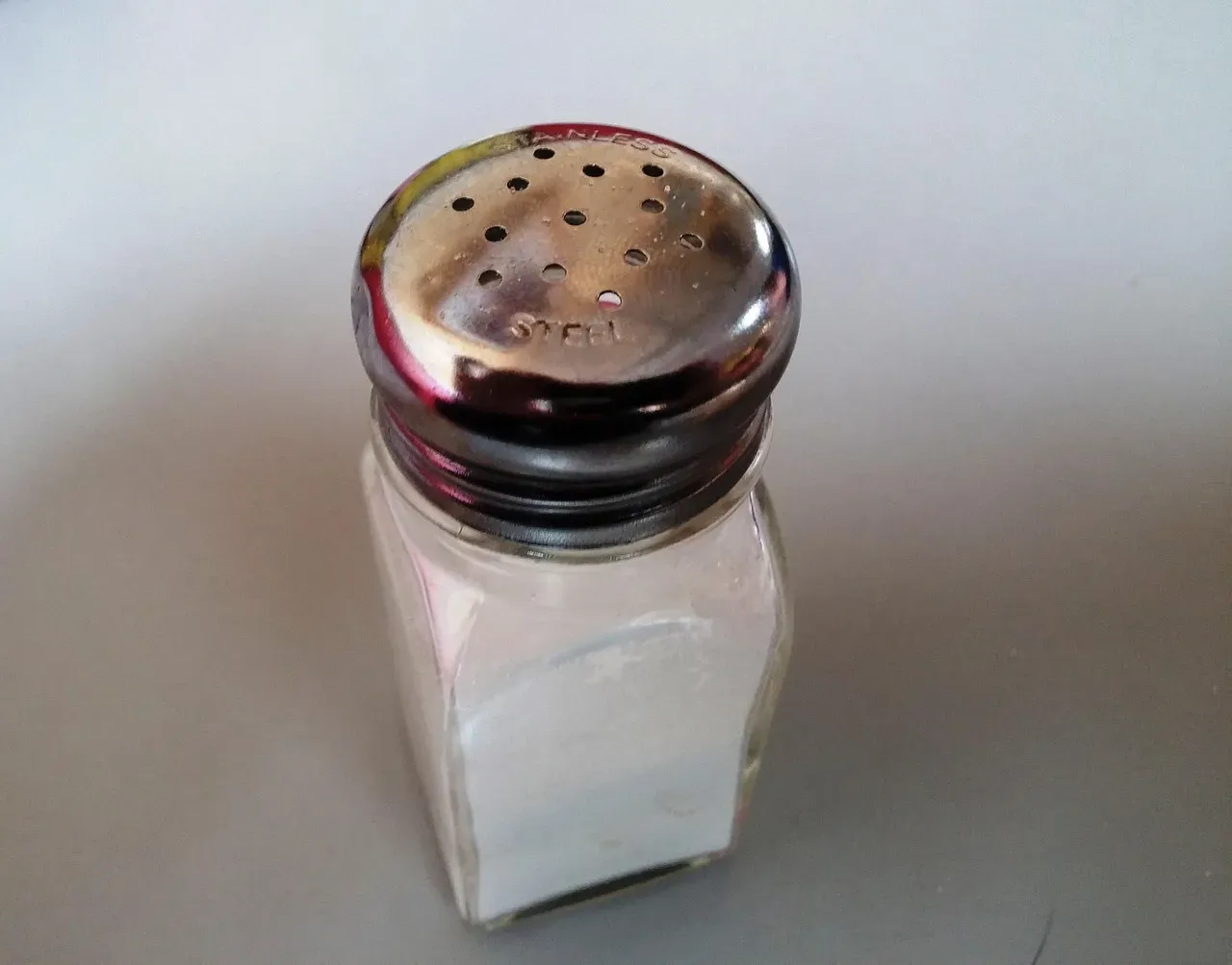
This one drives professionals absolutely bonkers. Never season your meal before you taste it. It shows great disrespect for the chef. It also shows that you are impulsive and that you can't wait to see how it tastes first. Picture this: a chef has spent hours, maybe days, perfecting the seasoning balance on your dish. They've tasted it multiple times, adjusted the salt levels, considered the interplay of every ingredient. Then you sit down and immediately reach for the salt shaker before your fork even touches the food. It's commonly presumed that each course comes from the kitchen ready to eat, not still needing finessing. That split second decision tells the kitchen you don't trust their expertise. Now, everyone has different taste preferences and tolerances for sodium, so tasting first lets you know how far you want to go. It's just basic respect for the craft.
Your Understanding of the Outside-In Rule
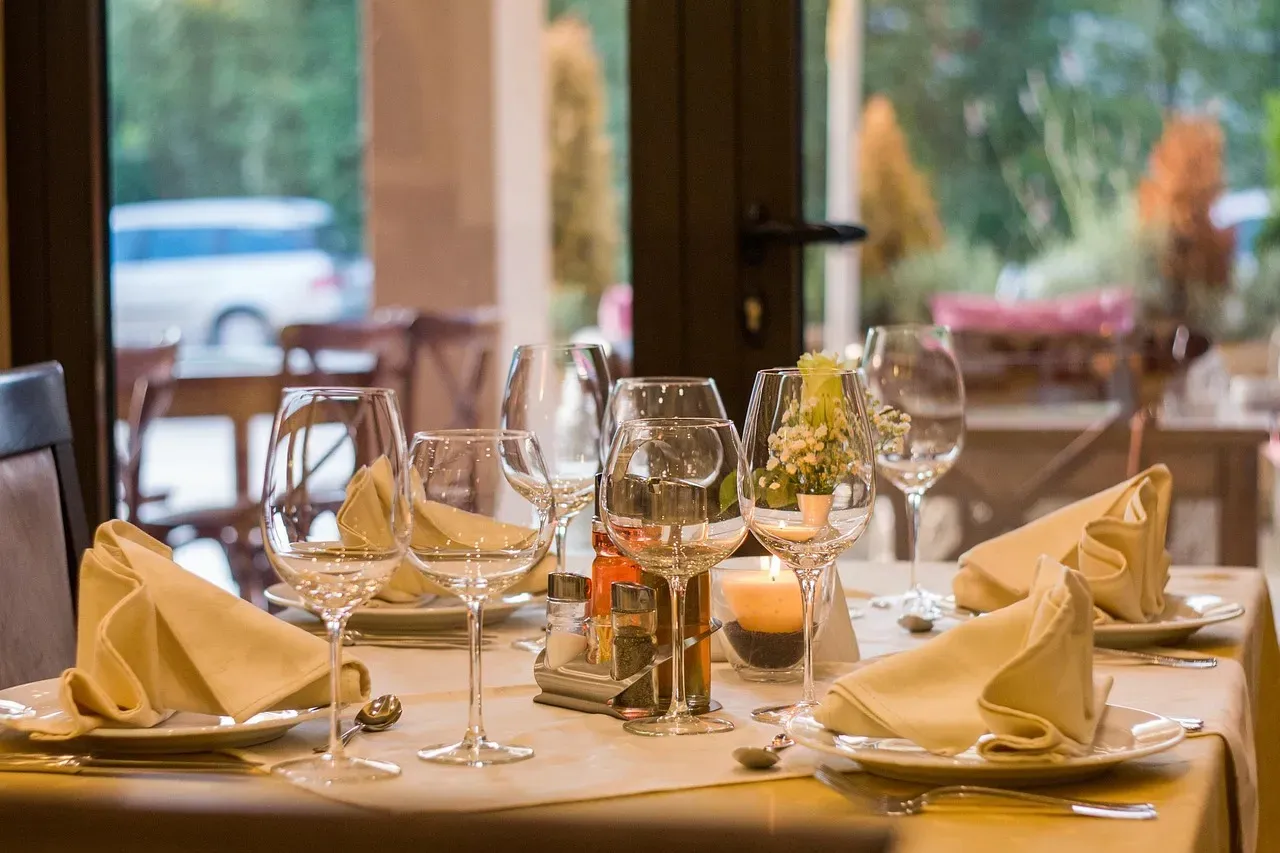
You should always start with the ones on the outside. So, you'll eat the first course with the farthest pieces from your plate and the last with the closest piece. Seems straightforward when you read it written out. In practice though, roughly about half the diners at any given upscale restaurant seem utterly baffled by the array of silverware. You always use silverware from the outside inward as the different courses are brought out. Generally the soup and salad utensils are outermost, with the silverware for the heavier courses on the inside and the dessert fork and spoon placed above the place setting. Watching someone panic and grab the wrong implement happens more often than you'd think. Servers can spot a nervous diner from across the room based solely on their hesitation over which fork to use. If you're ever in doubt, just watch what others are doing or discreetly ask your server for guidance. Trust me, it's much better than guessing and getting it wrong.
Your Relationship with the Menu
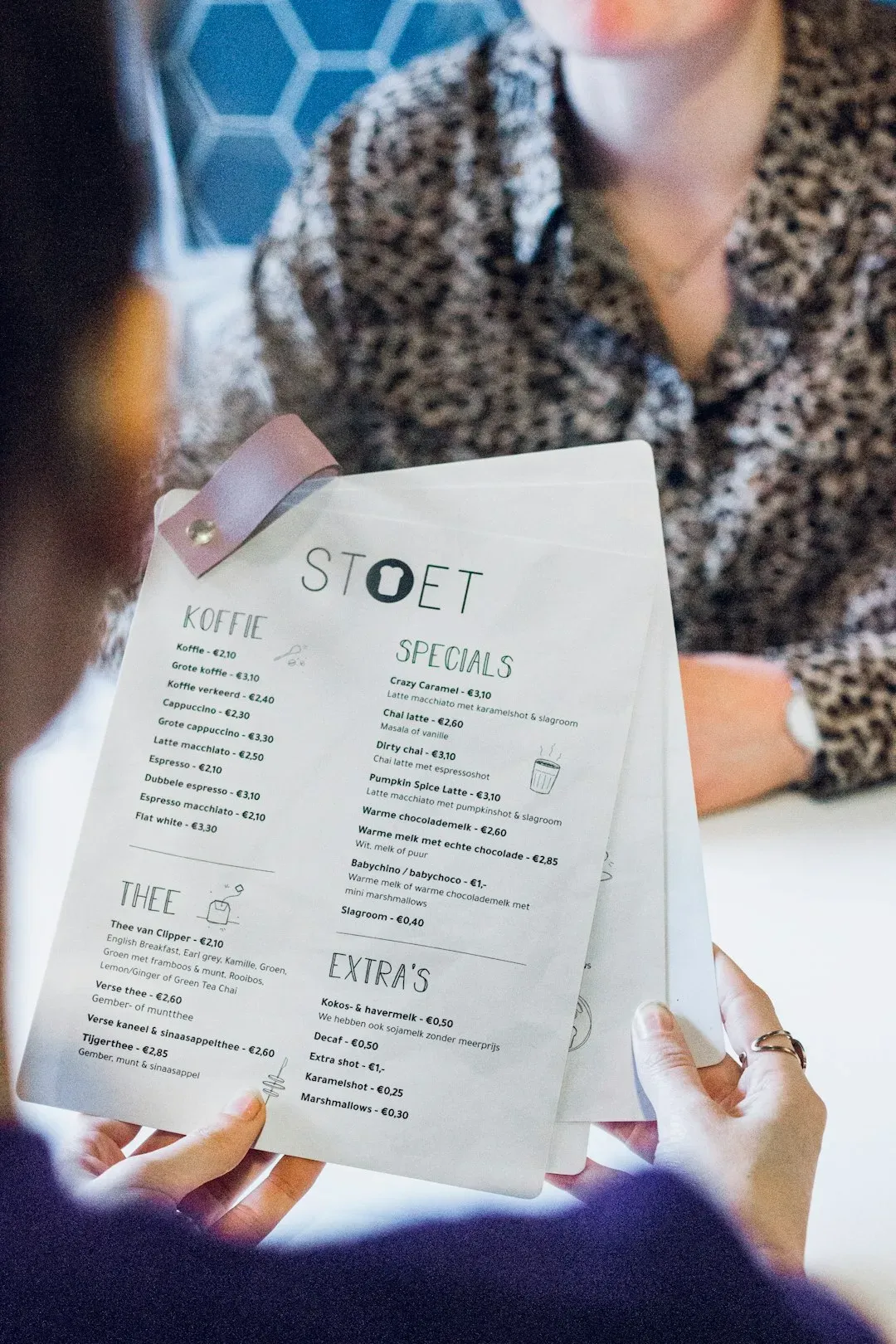
Lifting the menu off the table is one of the most common blunders in fine dining etiquette. In a formal dining setup, the menu should always be touching the table. This seems like such a minor detail that most people never even consider it. Yet holding the menu up in front of your face like you're reading the morning newspaper instantly marks you as unfamiliar with proper protocol. The menu should rest flat on the table or be positioned with the bottom edge making contact while you decide what to order. Even if you feel the impulse to bring it closer to your face for better lighting or vision, you should resist. It's proper etiquette to show respect for that care and intentionality by ordering items directly from the menu, without making special requests. If you do order off-menu, stick to classic cocktails or basic combinations that are easy to communicate. The way you interact with the menu reveals whether you've been in this type of environment before.
Your Phone Etiquette at the Table
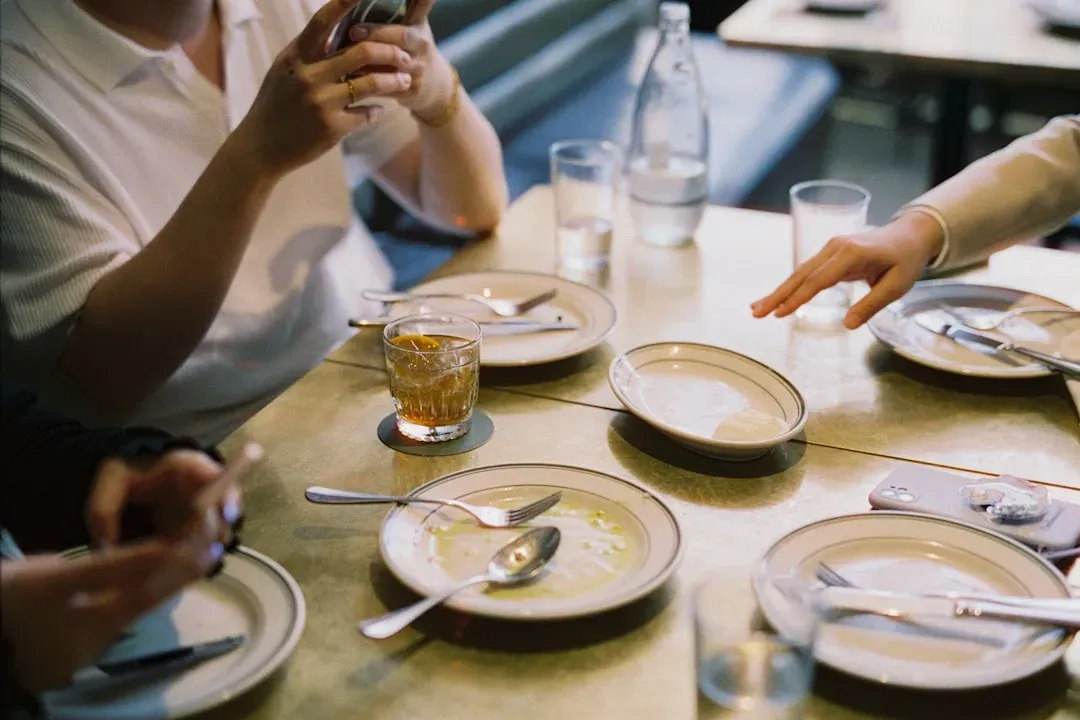
Arrive on time, silence your phone, and treat staff respectfully. Photography is usually allowed, but discreet shots are preferred; avoid flash or disturbing other guests. Nothing quite kills the carefully curated ambiance of a Michelin-starred restaurant like the glow of a smartphone screen at every table. Taking one or two quick photos of a particularly stunning plate? Most places tolerate that now. Spending the entire meal on your device, taking videos with flash, or worse, conducting a phone conversation at the table? That's a whole different story. Chefs and servers immediately notice who's present for the experience and who's just there for the Instagram content. The dining room is meant to be a refuge from the outside world, a place where the focus shifts entirely to the sensory experience in front of you. Those who understand this distinction make a lasting impression for the right reasons.
These details might seem trivial or overly fussy to some people. They're not about snobbery or making diners feel uncomfortable. Rather, they represent a shared language of respect between those who create exceptional food and those who appreciate it. Understanding these signals doesn't require years of study or a trust fund, just a willingness to pay attention and show consideration for the craft unfolding before you. Next time you find yourself in a high-end restaurant, you'll know exactly what signals you're sending. Did you realize how many subtle cues you were giving off without even knowing it?




Leave a Reply