
You might think your kitchen is clean. You wipe the counters, you rinse your dishes, you trust that your fridge is keeping everything safe. The truth is, most of us are unknowingly harboring invisible dangers that could send us straight to the emergency room. These habits seem harmless, even helpful, but they're actually breeding grounds for bacteria like Salmonella, E. coli, and Listeria. Let's be real, no one expects their own home to be the culprit when food poisoning strikes, yet an estimated 1 in 6 Americans will get sick from food poisoning this year alone, and roughly 128,000 Americans are hospitalized each year because of it. Some of these cases start with simple mistakes you're probably making right now without even realizing it. So let's dive in and uncover the six everyday kitchen habits that are secretly turning your home into a hotspot for foodborne illness.
Using the Same Cutting Board for Everything

Here's the thing. Your cutting board is not just a surface for chopping vegetables. It's also a massive germ highway if you're not careful about what you place on it. Cross-contamination by hands, cutting boards and knives was equally important when it comes to spreading bacteria in the kitchen, research has confirmed. When you chop raw chicken on a board and then use the same board to slice tomatoes for your salad, you're basically inviting pathogens to the dinner table.
Salmonella bacteria persisted on polyethylene and glass cutting boards for up to 4 hours, whereas on wooden surfaces, they were detected only up to 2 hours. That's hours of contamination risk sitting right there on your counter. A recent study found that 87% of food handlers used the same board for all foods, which is honestly terrifying when you think about it. Even if you wash the board with soap and water, tiny grooves and knife marks can harbor bacteria that survive the rinse.
Wooden boards have an interesting quirk, though. Wooden boards showed lower transfer rates compared to polyethylene and glass surfaces, which might surprise you. Still, the safest move is to designate separate boards: one for raw meat and poultry, another for ready-to-eat foods like fruits and veggies. Color coding them makes it easy to remember. Honestly, it's one of those small changes that can make a massive difference in preventing illness at home.
That Kitchen Sponge You Keep Reusing
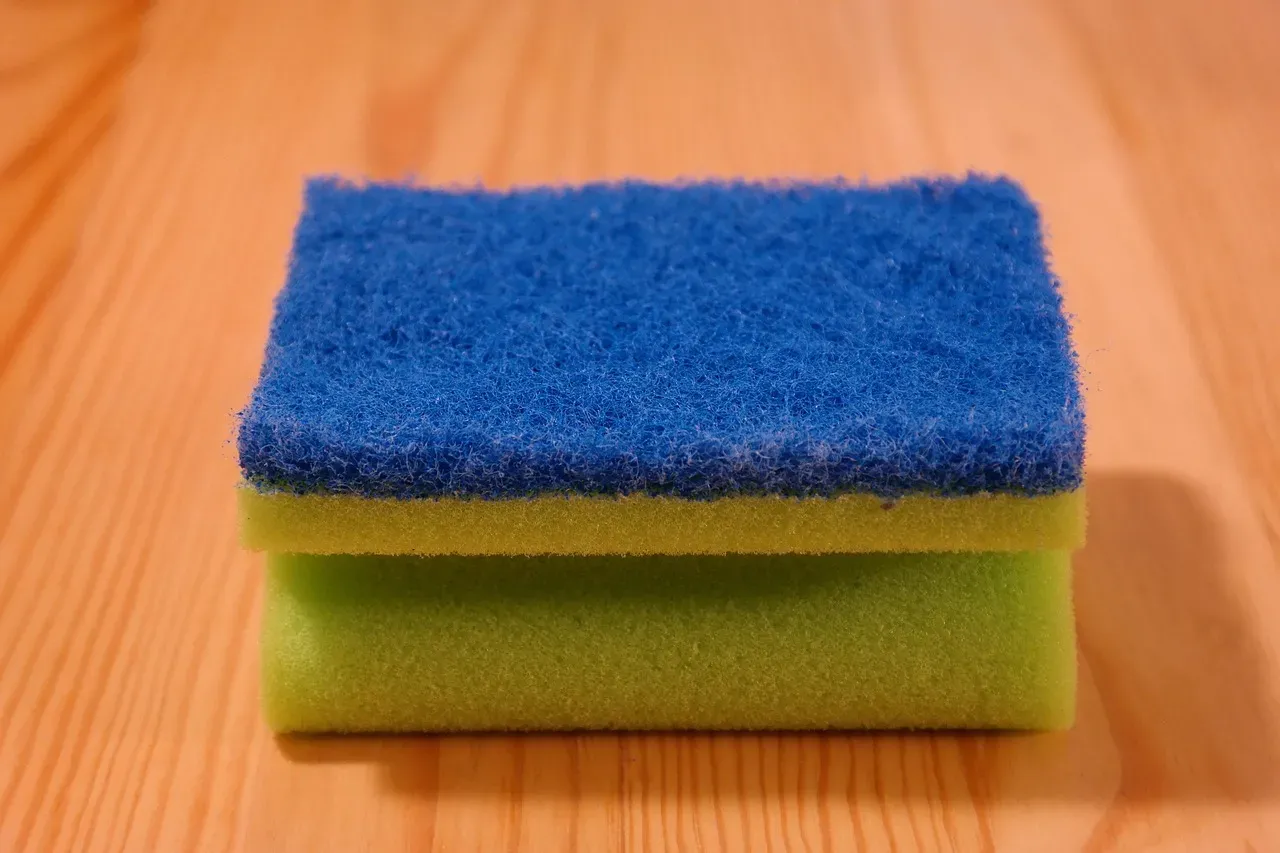
I know it sounds crazy, but your kitchen sponge is probably the dirtiest thing in your entire house. Kitchen sponges contain more active bacteria than anywhere else in the house - including the toilet. Let that sink in for a moment. The very tool you use to clean dishes and wipe counters is actually spreading germs everywhere it touches.
That sponge in your kitchen sink harbors zillions of microbes, including close relatives of the bacteria that cause pneumonia and meningitis, according to research. A study analyzing used kitchen sponges discovered that they're absolutely teeming with bacteria, some of which are dangerously close to pathogens. Even worse, sponges that had been regularly sanitized teemed with a higher percentage of bacteria related to pathogens than sponges that had never been cleaned. It seems like boiling or microwaving your sponge doesn't solve the problem; it just makes space for tougher bacteria to take over.
Kitchen sponges represent an important vehicle of microbial transmission and maintenance of spoilage bacteria and pathogenic strains responsible for food borne diseases. The porous structure of sponges creates the perfect little apartments for bacteria to live, feed, and multiply. Experts now recommend replacing your sponge once a week rather than trying to sanitize it repeatedly. Alternatively, switch to dishwashing brushes, which may be more hygienic than the use of sponges since they dry out faster between uses.
Ignoring Your Refrigerator Temperature
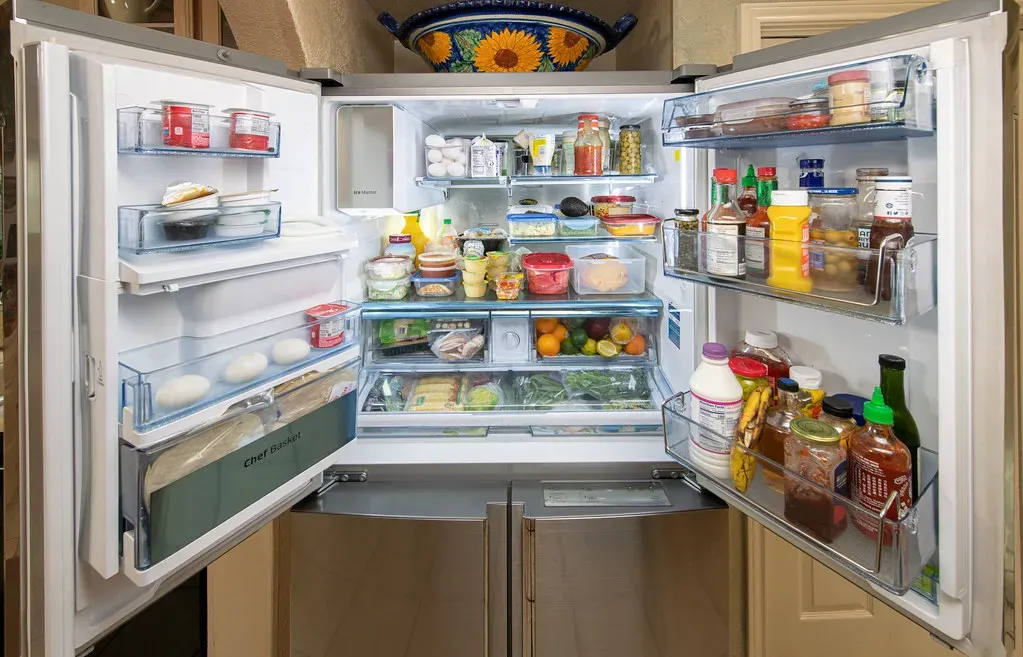
Most people assume their fridge is cold enough because, well, it feels cold. The problem is, feeling cold and being cold enough to stop bacteria growth are two very different things. Refrigerators should be set to maintain a temperature of 40 °F or below, but how many of us actually check that with a thermometer? Probably not many.
Bacteria that cause food poisoning multiply quickest between 40°F and 140°F, a range known as the danger zone. If your fridge is running just a few degrees warmer than it should, bacteria like Listeria can thrive. Some bacteria such as Listeria monocytogenes thrive at cold temperatures, and if present, will multiply in the refrigerator over time and could cause illness. This is especially concerning because Listeria can grow even in properly refrigerated conditions if the temperature creeps above the safe threshold.
Data from a study of retail delis found that in 17.1% of delis, at least one refrigerator was greater than 41°F. Home kitchens likely face similar issues. The solution is simple but often overlooked: buy an appliance thermometer and check your fridge regularly. If the temperature is off, adjust the settings immediately. Keeping perishable foods like meat, dairy, and leftovers properly chilled can be the difference between a safe meal and a trip to the hospital.
Washing Raw Chicken Before Cooking
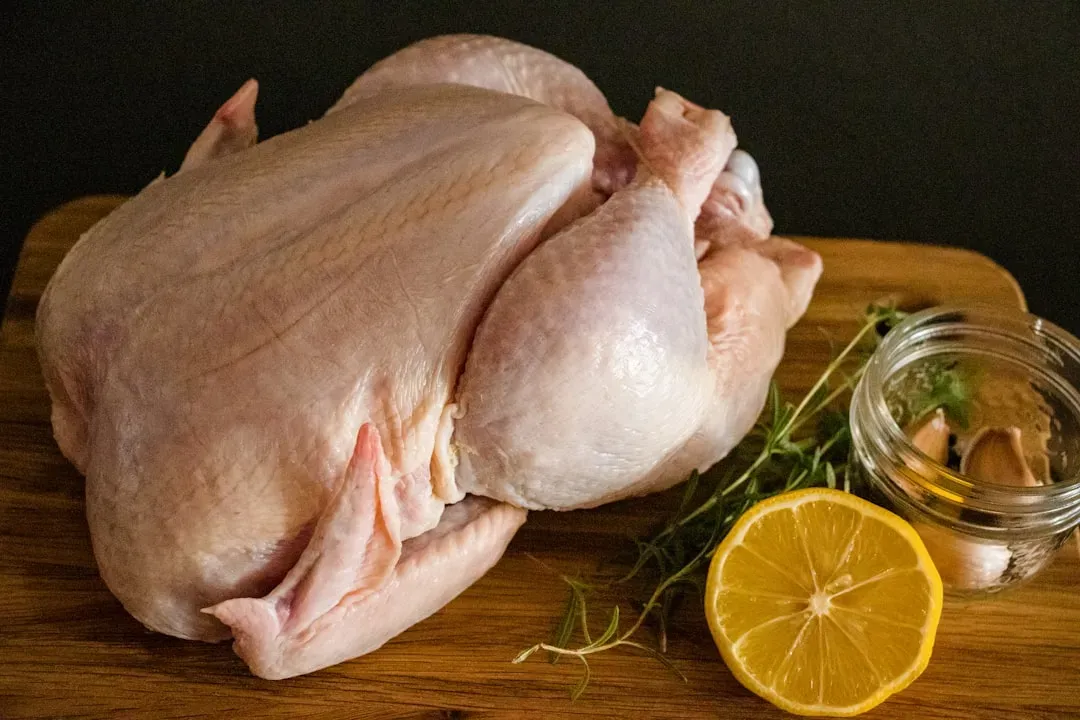
This one surprises a lot of people because washing raw meat feels like the logical, hygienic thing to do. In reality, it's one of the worst habits you can have in the kitchen. Don't wash meat, poultry, eggs, or seafood to avoid spreading harmful germs around your kitchen. When you rinse chicken under the tap, water droplets carry bacteria everywhere.
In 2019, a study from the United States Department of Agriculture found that 26 percent of participants who washed raw chicken transferred bacteria to their salad when they later used the sink again to wash their greens. Even more alarming, washing chicken can splash bacteria up to three feet away from your sink and because you can't see the bacteria, it's very easy to then spread it all over your kitchen and home. Your countertops, dish towels, and anything nearby can become contaminated without you even realizing it.
A survey found that 73 percent of respondents said they washed their raw poultry, and only 30 percent of that group were aware that the practice is inadvisable. Clearly, education on this topic is lacking. The only way to kill bacteria on chicken is to cook it thoroughly to an internal temperature of 165°F, not to rinse it with water. Skipping the rinse protects you and everyone in your household from invisible contamination that could lead to serious illness.
Not Washing Your Hands Enough During Meal Prep

You'd think handwashing would be an obvious one, but it's shocking how often people skip this step or don't do it properly. 1 in 3 participants did not wash their hands after touching raw chicken and before touching a smart device, according to recent research. That means bacteria from raw poultry can end up on your phone, tablet, or any other surface you touch, creating endless opportunities for cross-contamination.
Use plain soap and water - skip the antibacterial soap - and scrub the backs of your hands, between your fingers, and under your nails for at least 20 seconds. This simple act is one of the most effective ways to prevent the spread of foodborne pathogens in your kitchen. Yet many people rinse their hands quickly under water without soap, or they wash them only once at the beginning of cooking and then touch raw meat, vegetables, utensils, and their face without washing again.
The real risk comes from what happens after you handle raw meat or eggs. A high rate of cross-contamination was likely due to a lack of effective handwashing and contamination of the sink and utensils, studies have shown. Even if you didn't wash raw chicken, bacteria can still spread if you don't wash your hands thoroughly after handling it. Make handwashing a non-negotiable habit at every stage of food prep: before you start, after handling raw ingredients, and before you touch anything that won't be cooked. It's a small effort that pays off in a big way.
Not Cleaning Utensils Between Tasks
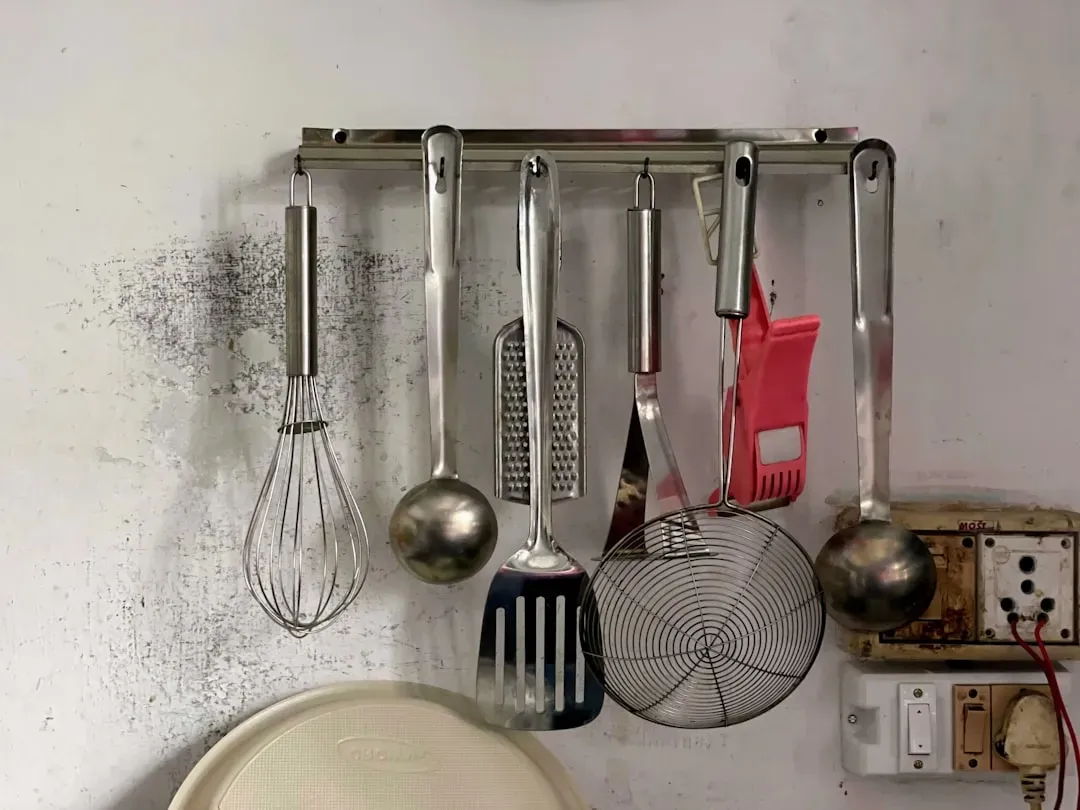
Reusing utensils without washing them is a sneaky source of cross-contamination. You use a spoon to stir raw ground beef, then rinse it quickly under water and use it again to taste your pasta sauce. Or you flip raw chicken with tongs, set them aside, and later use the same tongs to serve cooked vegetables. These small oversights can introduce harmful bacteria into foods that are otherwise safe to eat.
The key is to treat utensils like cutting boards: wash them thoroughly with hot, soapy water after they come into contact with raw meat, poultry, seafood, or eggs. Better yet, have separate sets of utensils designated for raw and cooked foods, or make a habit of washing and sanitizing utensils immediately after handling raw ingredients.
Even seemingly minor contact can transfer enough bacteria to cause illness. Cross-contamination by hands, cutting boards and knives was equally important, and utensils fall into the same category. Don't underestimate the risk. A quick rinse under running water isn't enough to kill pathogens. Only hot, soapy water or a trip through the dishwasher can effectively eliminate bacteria from utensils and make them safe to use again.




Leave a Reply