
Let me be honest with you. After spending more than a decade serving passengers at cruising altitude, I've seen what happens behind those galley curtains. Most travelers think ordering a beverage is one of the safer choices you can make during a flight. Well, I have some news that might surprise you. Not all drinks are created equal when you're thousands of feet in the air, and some choices can turn your journey into a seriously uncomfortable experience.
I've watched countless passengers make the same mistakes over and over again. They order what seems refreshing or comforting, only to feel terrible by the time we land. What you consume on a plane affects your body differently than it does on the ground, and honestly, some of the beverages we serve come with risks you probably don't want to take. Let's dive into what you should absolutely skip next time you fly.
Hot Coffee and Tea Brewed Onboard

Studies have found harmful bacteria in airplane water tanks, and in 2019, the Airline Water Study ranked the water quality of major U.S. airlines, with many not meeting safety standards for drinking water. Here's the thing that kept me up at night during my years in the sky: those water tanks supplying your coffee and tea aren't exactly pristine.
Former flight attendant Alex Quigley warns that airplane water tanks, used to brew these beverages, are not always regularly cleaned. I've personally witnessed how infrequently these tanks get proper attention. Quigley explained that there's no telling how often or when the tank has been cleaned last, and he never knew or saw anyone empty and refill or wash them out between trips.
The really gross part? Leftover coffee was never allowed to be poured into the drain of the airplane and was usually instructed to be poured out into the toilet, which entails bringing the pot into the bathroom to dispose of the coffee. Yeah, you read that right. Coliforms were found in the drinking water of roughly one in six planes tested. I know it sounds crazy, but flight attendants themselves rarely touch the stuff. While the cabin crew may smile as they hand you that steaming cup, many of them wouldn't drink it themselves and haven't for years.
Any Drink with Ice Cubes
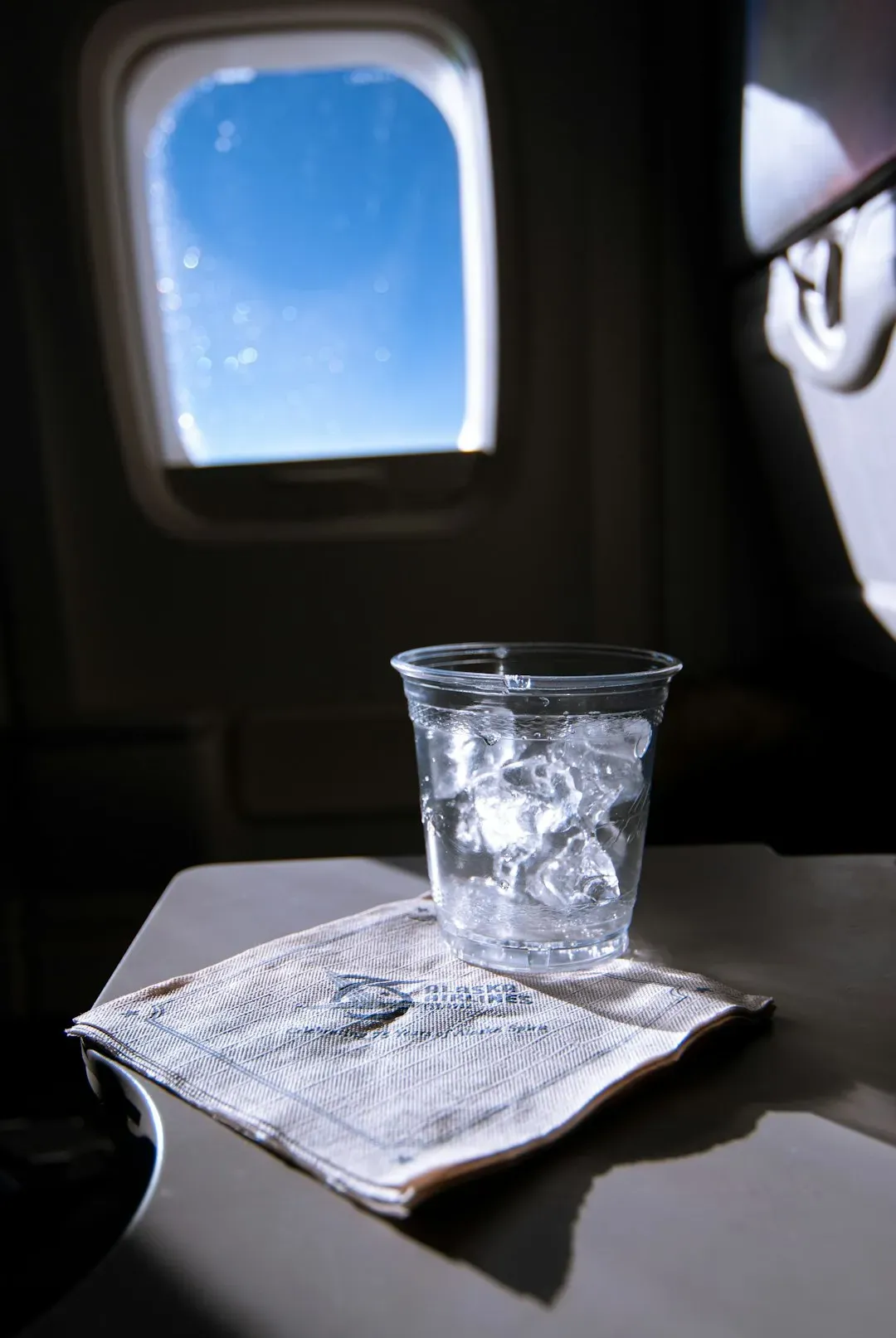
This might be the most shocking revelation for frequent fliers. The ice on airplanes is often made with the same unfiltered water used for coffee and tea, which means it can carry bacteria or other contaminants from the plane's water tanks. I watched colleagues refuse drinks with ice for years before I understood why.
In some cases, ice cubes may contain harmful microbes like E. coli, which can cause stomach issues, nausea, or even food poisoning. Airlines are only required to clean and disinfect an airplane's water tank four times a year, and a 2019 study conducted by CUNY's Hunter College found that most airlines did not score above a 3 on a 0–5 rating scale for onboard water cleanliness. That's barely acceptable by any standard.
Even when ice comes from external suppliers, the risk doesn't vanish. According to food safety expert Melvin Kramer, flight attendants can accidentally contaminate ice cubes by using incorrect food handling procedures or scooping and storing the ice with poorly cleaned utensils and bins. Trust me, I've seen those ice scoops touch surfaces you wouldn't believe. Flight attendants rarely drink beverages with ice for this reason.
Alcohol of Any Kind
The reduced oxygen levels in pressurized cabins intensify alcohol's effects, and one drink in the air can affect you like two drinks on the ground, combined with the dehydrating effects of the cabin environment. I've seen this play out hundreds of times. Passengers think they're having a normal glass of wine, then suddenly they're stumbling to the lavatory.
New research found that alcohol compounds the effects of high altitude on people's bodies, putting an extra burden on the cardiovascular system, reducing blood oxygen levels, compounding dehydration, and impairing sleep quality. People who drank before falling asleep in altitude conditions on average had their blood oxygen saturation drop to roughly 85%, while their heart rates rose to compensate to an average of nearly 88 beats per minute. Those numbers are worrying, especially if you have any underlying health conditions.
The combination can be dangerous in ways most passengers never consider. When combined with the already dehydrating environment of an airplane cabin, drinking alcohol can lead to significant dehydration, causing headaches, dizziness, fatigue, and confusion. According to the International Air Transport Association, alcohol factors into about 27 percent of reported disruptive passenger incidents. I've dealt with enough alcohol-related incidents to last a lifetime.
Bloody Marys and Other Salty Cocktails

Look, I get it. Bloody Marys seem like the quintessential airplane drink. They're incredibly popular at cruising altitude. Yet this is one trend I desperately wish would end. Bloody Marys, despite their popularity in flight, exacerbate the already dehydrating conditions of air travel, and the combination of alcohol and high sodium content creates a perfect storm for feeling terrible upon landing.
Flight attendants specifically call out Bloody Marys because they tend to be super salty, which further dehydrates you on the plane. The cabin humidity already sits lower than the Sahara Desert. Adding massive amounts of sodium to your already stressed system is just asking for trouble. You might feel fine ordering it, but wait until you land and that headache kicks in with full force.
Flight staff who regularly cross time zones typically avoid or strictly limit alcohol while flying, opting instead for regular water intake to maintain hydration and arrive feeling refreshed. We learned early on that salt and alcohol together create the worst possible combination at altitude. Some passengers would order two or three of these during a flight, and I could practically predict how miserable they'd be hours later.
Tap Water from the Lavatory or Galley
According to Sue Fogwell, a flight attendant with 22 years of experience, plane tap water should be avoided altogether, noting that if you see a pitcher of water on the beverage cart in economy class, skip it because it's from the water tank. This was practically rule number one among crew members.
A 2015 study on aircraft water quality published in the International Journal of Environmental Research and Public Health found that the water tanks are conducive for microbial growth. EPA data showed that tap water on about 12 percent of commercial airplanes in the U.S. tested positive for coliform at least once. Those aren't odds I'd be willing to bet my digestive system on.
While the water is technically treated, it is stored in onboard tanks that are notoriously difficult to fully sterilize, and frequent independent studies have identified various levels of bacteria in these systems. Long-haul flights were found to be significantly poorer in terms of microbial quality than short haul flights, and the water service vehicle was a significant source of increased microbial load in aircraft. The longer the flight, the worse it gets. I always brought my own bottled water for international routes.
Drinks with Orange Juice from Concentrate
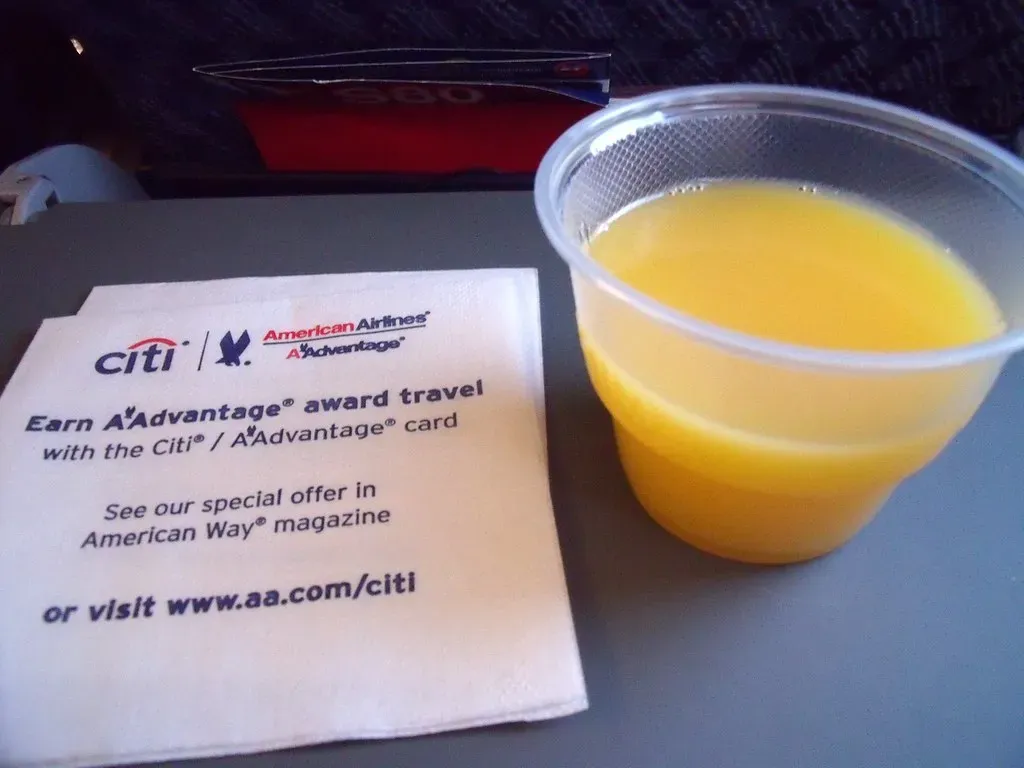
This one surprised even me when I first learned about it. It's best to avoid anything mixed with orange juice, as it tends to be high in acidity, which can upset the stomach. At altitude, your digestive system already functions under stress. The cabin pressure affects how your body processes food and beverages.
Orange juice's high acidity becomes even more problematic when you're flying. I noticed passengers who ordered orange juice, especially mixed with alcohol like screwdrivers or mimosas, often complained of stomach discomfort later in the flight. The acidic nature combined with reduced cabin pressure creates a recipe for heartburn and nausea that nobody wants to deal with in a cramped airplane bathroom.
The concentrate versions served on planes are particularly harsh because they're more concentrated than fresh juice. Your stomach acid levels change at altitude, making you more susceptible to acid reflux and indigestion. Many passengers don't connect their upset stomach with that innocent-looking glass of OJ they had hours earlier, but after seeing the pattern repeatedly, the connection became impossible to ignore.




Leave a Reply