
Let's be real here. Walking through the grocery store, you expect certain departments to deliver what their signage promises. When you pick up something from the bakery or seafood counter, you probably assume it's as fresh as it looks. The smell of warm bread, the sparkle of ice around fish fillets, those artfully arranged pastries behind the glass. Everything seems just made this morning, right?
Here's the thing. According to people who actually work behind those counters, not everything labeled or displayed as fresh has been anywhere near fresh recently. Some products have been frozen for weeks or even months before they show up on those beautiful displays. I know it sounds crazy, but employees across the country have started speaking up about what really goes on behind the scenes.
So let's dive in. The truth might make you rethink a few shopping habits.
Bakery Bread and Rolls
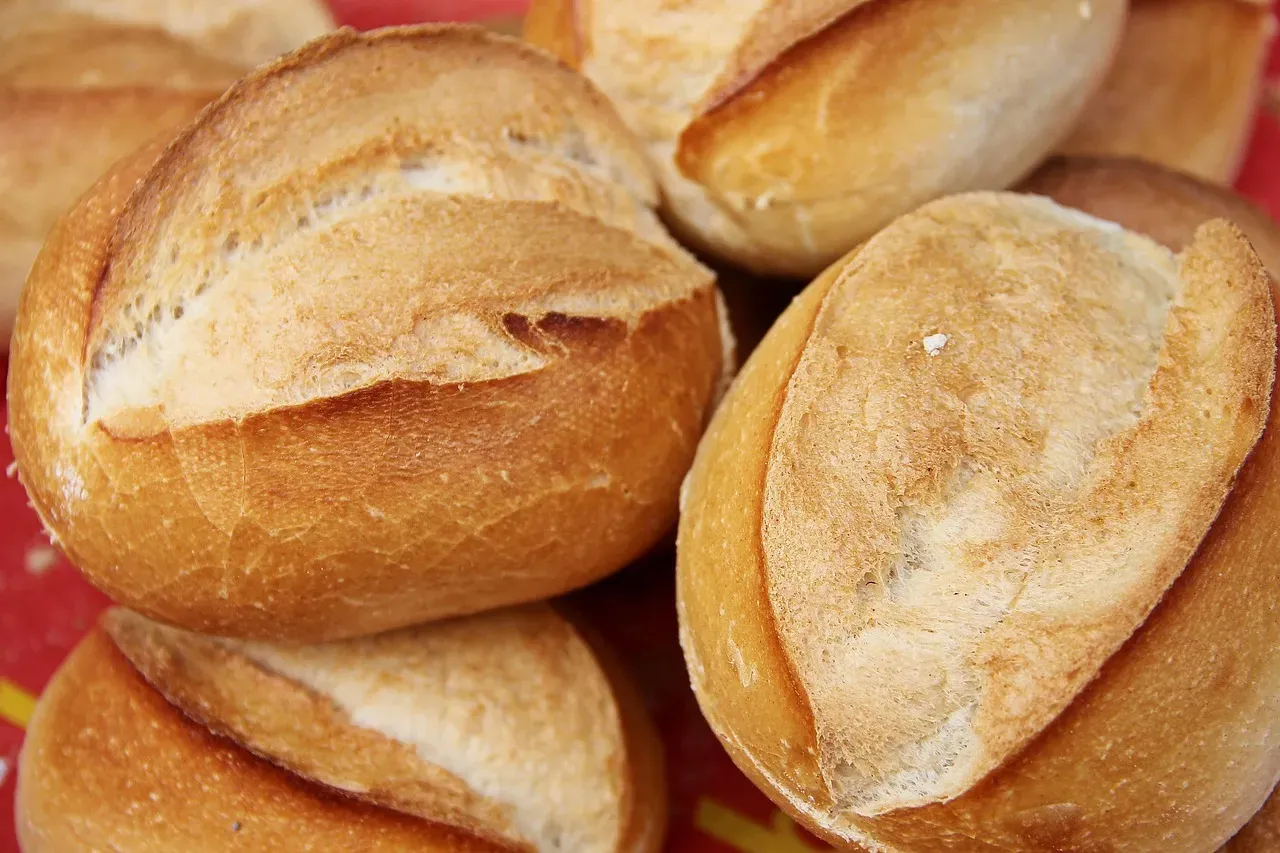
That incredible smell wafting through the grocery store bakery section isn't always what you think it is. Many freshly baked breads, cookies, and pastries arrive at the store as frozen, pre-made dough or par-baked items that employees then simply bake off in ovens. The smell of freshly baked bread drifting from the in-store bakery doesn't mean you're getting something baked from scratch, as workers question whether customers think three people they see in the department baked thousands of products from scratch every day.
Most goods arrive in the form of frozen dough or are partially baked in a factory, needing just a few minutes in the oven to crisp up and get that fresh scent. The grocery chains simply don't have the manpower or facilities to make everything onsite. Think about it. How could a handful of employees possibly knead, proof, and bake hundreds of loaves before dawn each morning? They can't.
Some stores are more transparent than others about this practice. Grocery store bread labeled as sourdough is often made from frozen dough, with the freezing process dulling the bread's natural sourness and resulting in a denser texture, and some stores even use sour flavoring instead of a real sourdough starter. You're essentially paying bakery prices for factory-produced items that get a quick finishing touch in the store's oven.
Fresh Seafood at the Counter
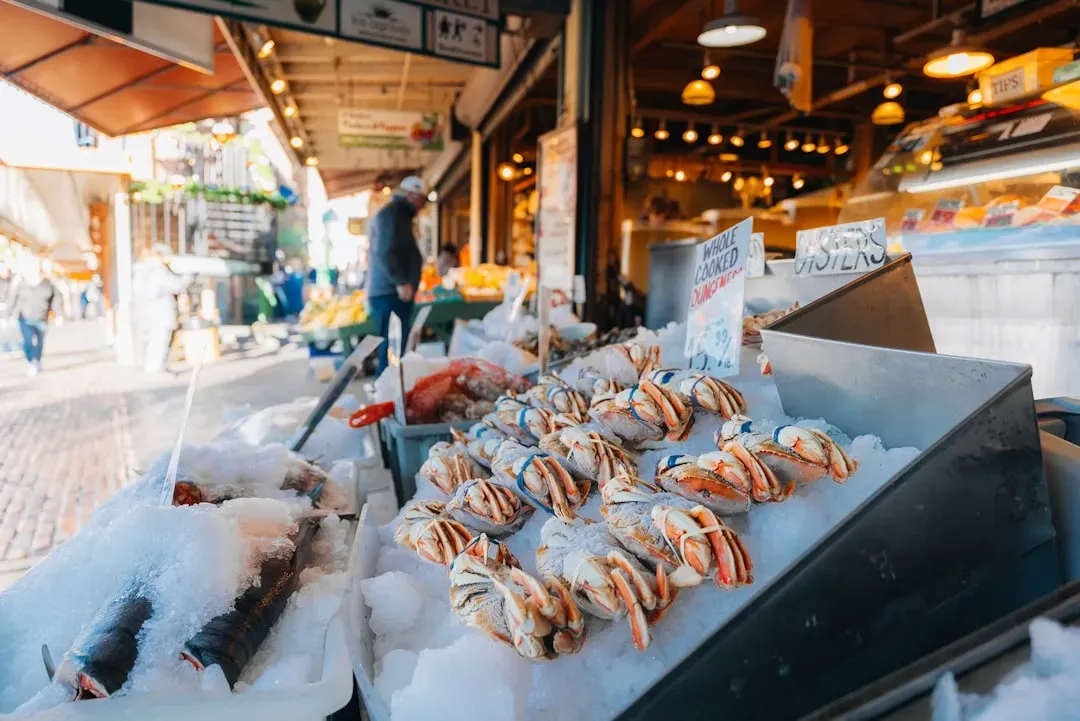
This one surprised me when I first heard about it. Fresh seafood is flash-frozen after being caught just like frozen seafood, transported to stores, then unfrozen and sold as fresh, because there'd be no way to get salmon to somewhere like Pittsburgh before it started smelling extremely ripe. Unless you live near a coastline, it's almost certain that the fish you're buying has been frozen at some point during the process of bringing it to your supermarket counter, and the reason is simple because it has to be for the fish to be available at all.
Most consumers assume fresh means fresh, not previously frozen and now thawing at your local butcher counter, and while some fresh fish sold is truly fresh, in general the rule is that fish is only fresh for about two days, meaning the farther one is away from the source of where the fish was caught, the less likely it is that the fresh fish was only caught two days ago, and it's more likely to assume the fish was frozen, shipped and then taken out of the freezer to sell as fresh. In reality, you're mostly paying for someone else to thaw out your fish for you.
The counter fish might not be as fresh as you believe it to be, with some of them labeled as previously frozen, while others may have sat on the counter for weeks beforehand. The display on ice looks impressive. The reality is less so.
In-Store Bakery Cookies and Pastries
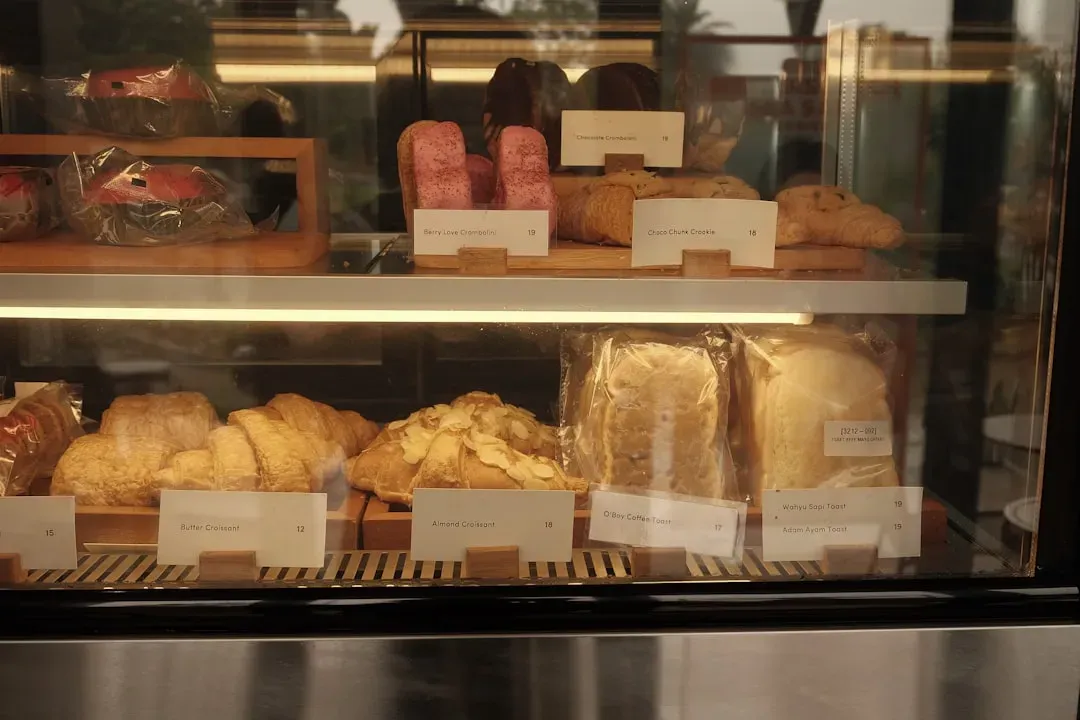
Those beautiful cookies and Danish pastries stacked in the bakery case? Same story as the bread. Everything in many grocery bakeries comes in frozen, even the few things they actually do bake in store come in as frozen dough first. I honestly didn't expect this level of pre-fabrication when I started looking into it. The decorated sugar cookies, the chocolate chip cookies that look homemade, even those fancy croissants. All frozen before they arrived.
Frozen bakery items from the grocery store don't hold up well, as single slices of cake in plastic containers will likely be dry and flavorless once thawed, with the plastic container failing to prevent air from seeping in and infiltrating the crumb, resulting in a stale taste and dried-out consistency, and circulating cold air could cause moisture in the cake, bread, or cookies to form ice crystals, which renders a freezer-burned taste and soggy texture. The quality just isn't there compared to an actual bakery that makes things from scratch daily.
The worst part? Many argue that you should think twice before buying baked goods at a grocery store period, as they may be cheap and convenient, but that's because they're mass-produced with low-quality ingredients. You're better off supporting a real local bakery if you want genuinely fresh baked goods.
Shrimp and Shellfish Displays
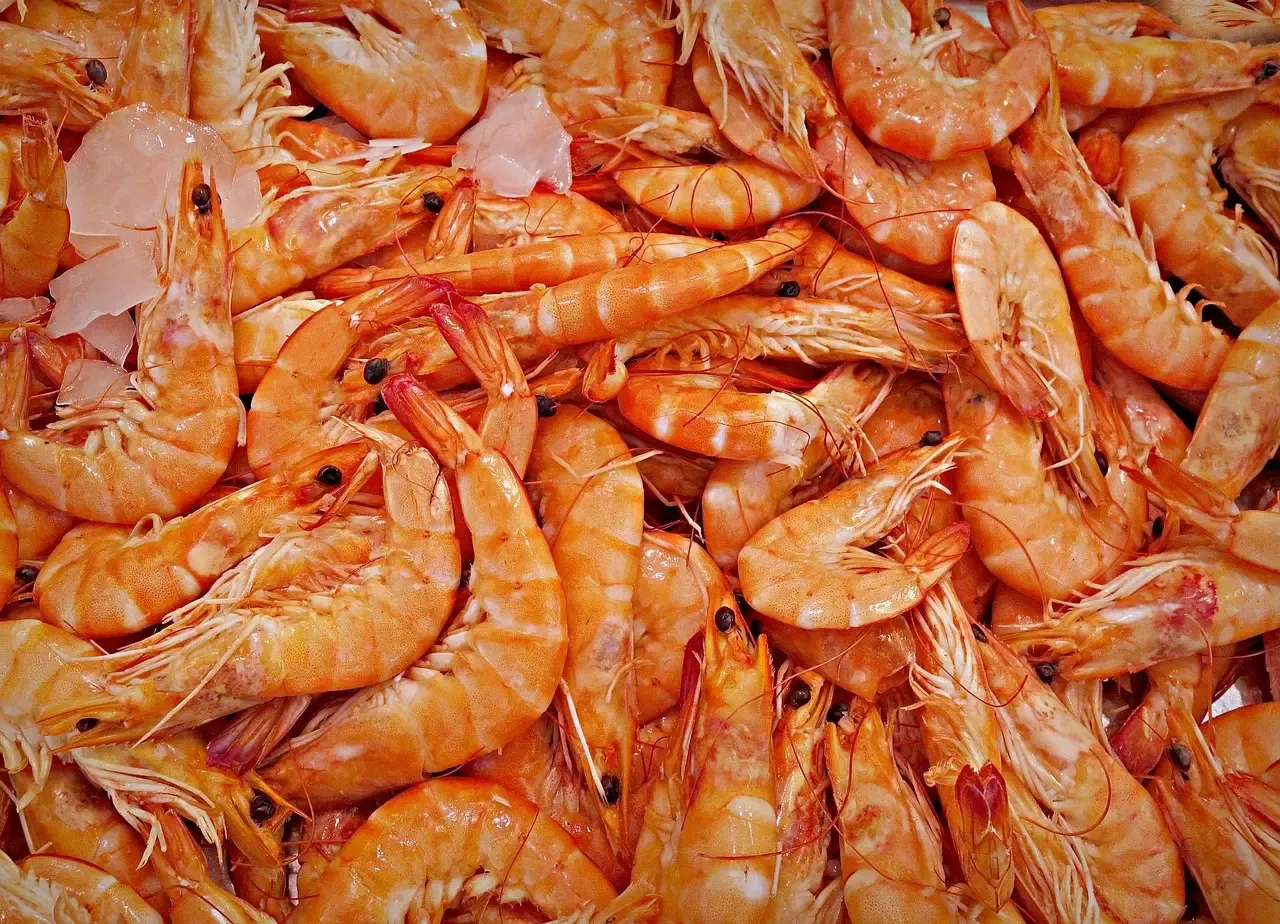
Shrimp is one of the most popular seafood items in America, yet what you see at the seafood counter is almost never truly fresh. Even when placed on ice and shipped properly, the fish in your grocery is probably more than a few days old, while fresh frozen fish and seafood is flash frozen immediately after being caught, and by flash freezing fresh fish, the temperature creates a protective layer of ice that prevents the cellular breakdown that grocery store sold fish endure during shipping and storage, meaning fresh frozen fish is typically of higher quality than the fish sold at your local supermarket.
Recent investigations have exposed widespread fraud in the seafood industry. DNA testing conducted by SeaD Consulting revealed a high rate of imported shrimp being sold at restaurants in communities around the Gulf, and in June the South Carolina Shrimpers Association sued dozens of local restaurants accused of falsely presenting imported shrimp as domestic caught, and in another high-profile case a Biloxi, Mississippi seafood wholesaler was banned from importing food for five years over a conspiracy that saw it and others mislabeling imports and selling the foreign seafood as higher-priced domestic products.
The shrimp on ice at your grocery store seafood counter was almost certainly frozen at some point. The difference is whether they're honest about it or trying to pass it off as never-frozen product.
Grocery Store Cakes and Decorated Desserts
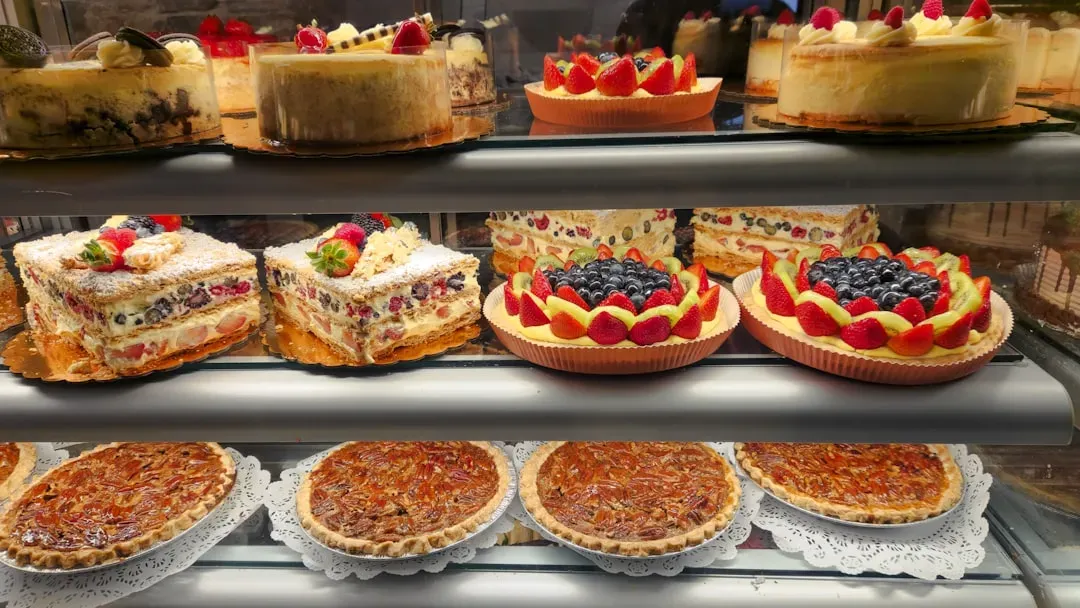
Cinnamon rolls are yet another bakery product that you should think twice about buying from the grocery store, as they tend to dry out very quickly, losing their ooey-gooey appeal. The same goes for most decorated cakes you see in those refrigerated bakery cases. Many of these products started their journey frozen, got thawed for decoration, and then sit in the case for days.
I've talked to bakery employees who confirmed that layer cakes are often baked weeks in advance, frozen, then thawed for decorating when needed. The frosting might be fresh, sure. The actual cake underneath? It could be months old. The freezing and thawing process affects moisture content and texture in ways that are hard to hide, no matter how much buttercream you pile on top.
Eco-Trust found that 23 percent of seafood at supermarkets goes to waste, but similar waste issues plague bakery departments. Items sit too long, quality declines, and they eventually get tossed. You want to catch them early, but honestly, you're probably better off just avoiding these products altogether.
Meat from the Prepared Foods Section
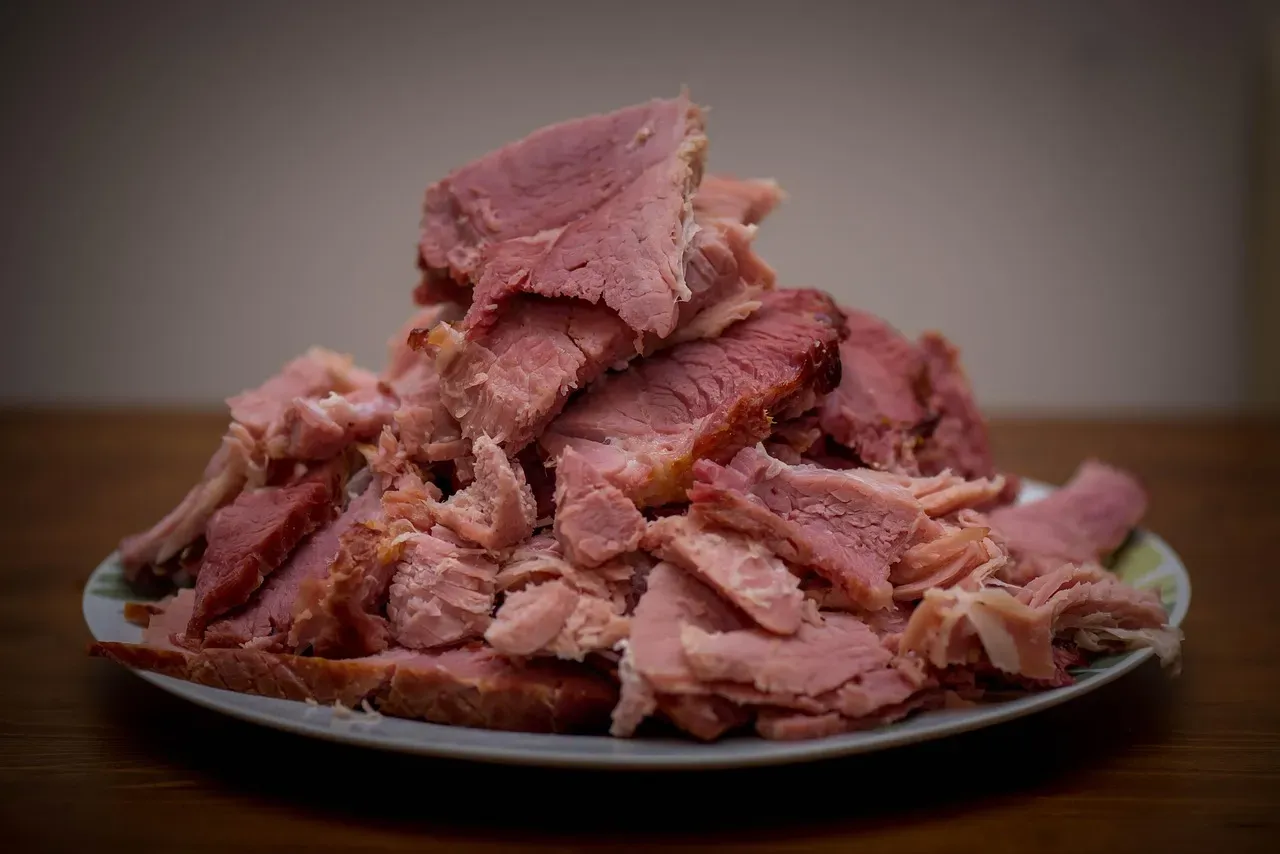
The meat in the hot meal section was often just about to expire. This is a practice employees readily admit happens across many stores. When fresh meat is approaching its sell-by date, it gets transferred to the prepared foods or deli section where it's cooked and sold as rotisserie chicken, meatloaf, or other hot items.
The primary reason for freezing meat is to keep it fresh while it is being transported from the supplier to the grocery store, and frozen meat is simpler and safer to deliver because the chances of spoilage and contamination are reduced, particularly over long distances. Not all grocery stores sell both frozen and fresh meat, with nicer and more upscale stores more likely to have in-house butchers who cut the meat on the premises, meaning they will have more fresh meat and less frozen meat.
The quality meat that doesn't sell gets repurposed. It's technically safe because it's cooked thoroughly, but it's definitely not the premium fresh product the prepared foods display might suggest. Budget stores especially rely on this practice to minimize losses.
Salmon and Other Fish Fillets
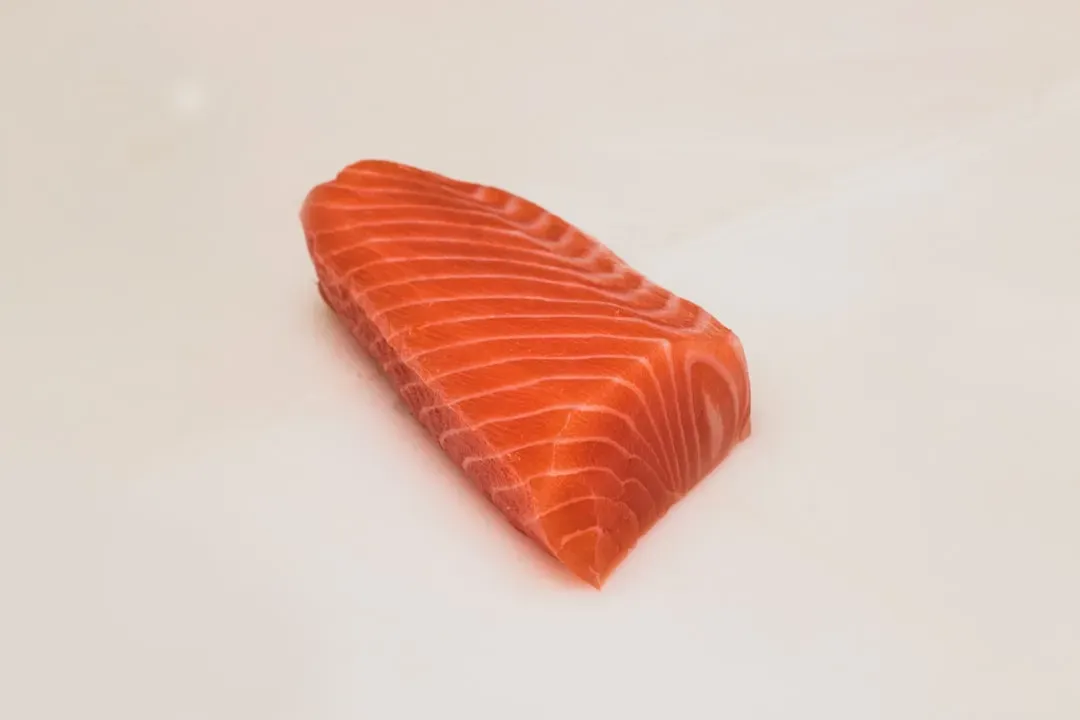
Slow freezing causes cell walls to expand and rupture, resulting in a loss of moisture and negatively impacting flavor and texture, and once this slow-frozen fish is thawed and sold as fresh or previously frozen, the quality has drastically declined. Not all frozen fish is created equal, and what ends up at the seafood counter isn't always handled with care.
The FDA requires that fish sold as "Previously Frozen" be labeled as such. Fresh fish and fish fillets sold as Previously Frozen may not have all the characteristics of fresh fish such as bright eyes, firm flesh, red gills, flesh, or bloodlines, however they should still smell fresh and mild, not fishy, sour, or rancid. The problem is that not all stores are diligent about this labeling, and customers often don't know to look for it.
Bargain pricing may reflect poor handling, previously frozen fish that's being sold as fresh, or the product being harvested through dubious fishing methods. If that salmon fillet seems too cheap to be true, it probably is. Quality seafood costs more for good reasons.
French Baguettes and Artisan Loaves
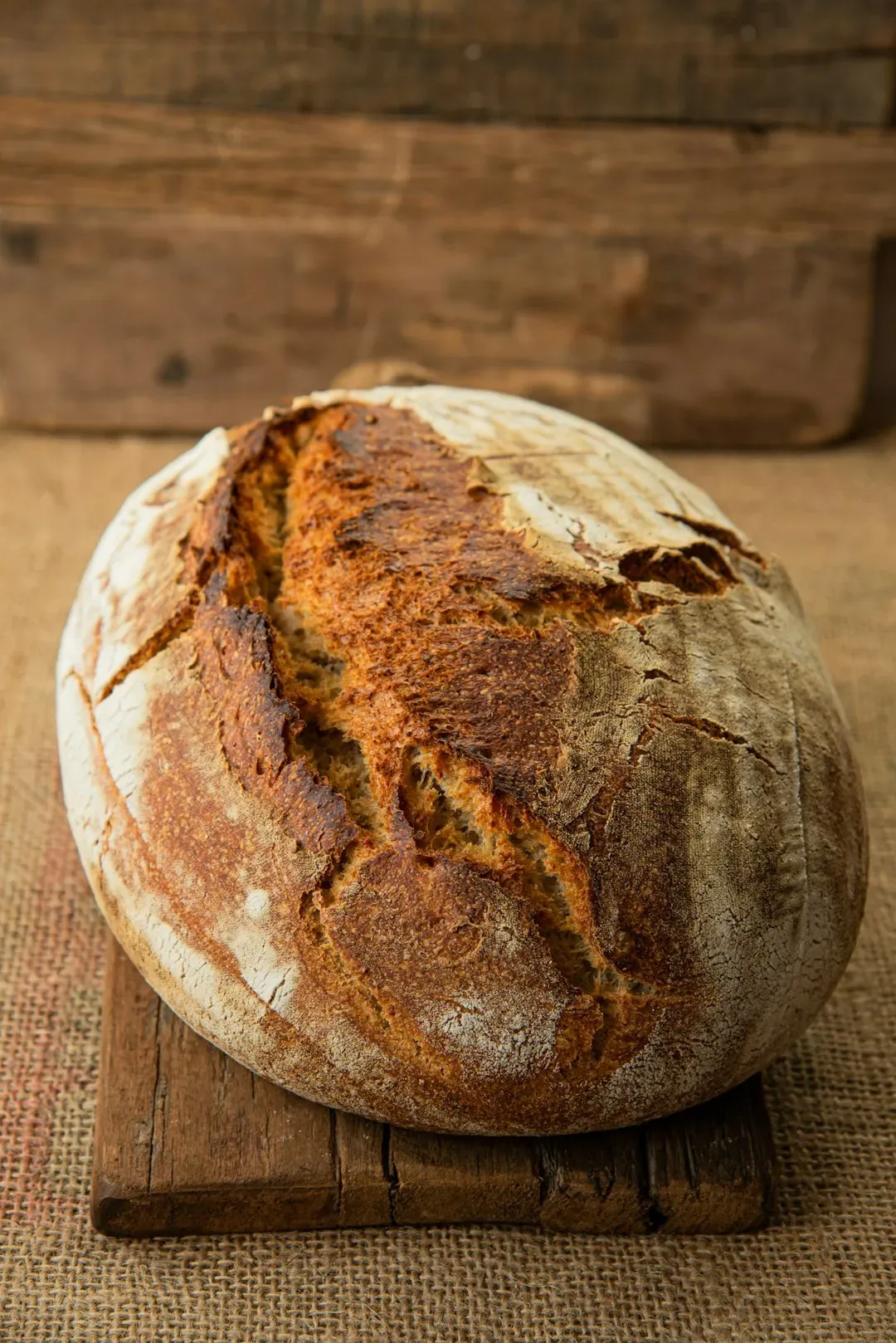
French baguettes are a staple in many grocery store bakeries, but most grocery store bread labeled as French baguette is made from dough mixed and shaped in a factory, then frozen and shipped to stores. Those golden, crusty loaves that seem so authentically European? They were likely frozen solid just hours before they hit the oven.
The artisan bread movement has convinced many shoppers that grocery store bakeries are producing traditional, handcrafted loaves. In reality, enormous industrial bakeries produce millions of units of pre-shaped, par-baked, or frozen dough that get distributed nationwide. Your local grocery store is essentially just the final warming station.
Rye bread is a favorite for deli sandwiches, but most grocery store rye is made from frozen dough, with the freezing process muting the distinctive flavor of caraway seeds and rye flour, resulting in a bland loaf, and for a more flavorful experience people should look for bakeries specializing in European-style breads. The difference in taste between truly fresh artisan bread and the thawed grocery store version is like night and day once you experience it.



Leave a Reply