There's a strange kind of magic that happens at a bar. Two people can walk in at the exact same time, order the exact same drink, and leave with completely different experiences. One gets a nod and a glass. The other gets remembered - maybe even served first next time. The difference? Often, it comes down to nothing more than a few words.
Bartenders notice more than you think. After years of working on both sides of the bar, the patterns become unmistakably clear. Certain phrases open doors. Others quietly close them. So if you've ever wondered why some people seem to have a bartender wrapped around their finger while you're left waving your arm in the air, you're in the right place. Let's dive in.
1. "I'll Have Whatever You Think Is Best Right Now"
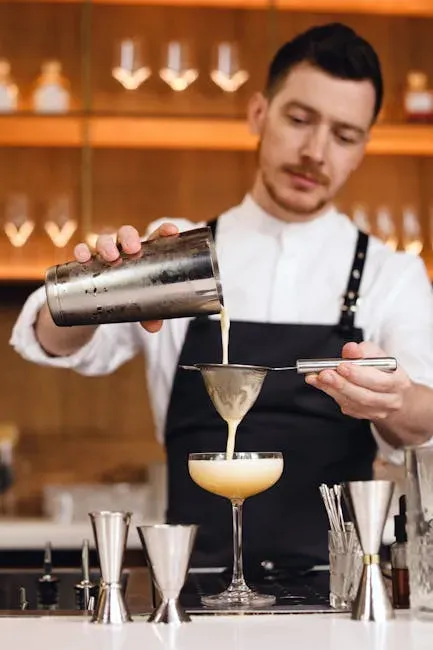
This is, hands down, one of the most powerful things a customer can say. It signals trust. It signals openness. Bartenders who get to engage with guests to create custom cocktails based on preferences build a sense of exclusivity that makes the experience feel tailored and memorable. When you hand that creative power over, you're not just ordering a drink - you're starting a collaboration.
Think of it like this: imagine walking into a jazz club and telling the musicians to play what they feel like playing tonight. You're going to get something real. Something honest. For many, bartending is a rewarding career with a level of autonomy that allows for personal expression, creativity, and individualized service. Giving them the room to express that? That makes you memorable immediately.
2. "Take Your Time - No Rush"
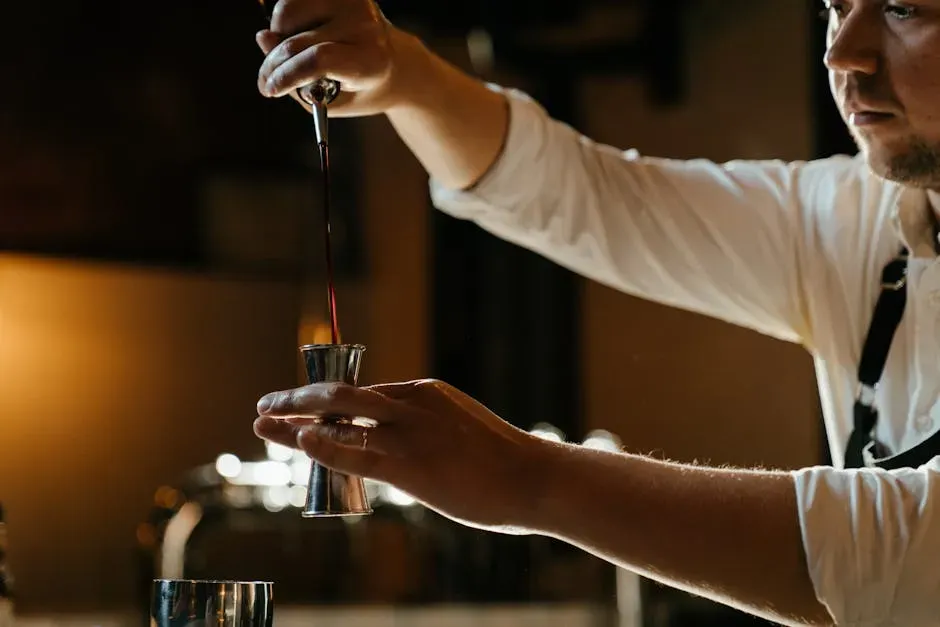
Here's the thing: bars can be absolute war zones. Friday nights, holiday weekends, packed houses - the pressure behind that counter is relentless. Bartenders need to juggle multiple tasks in a timely manner, and at any given moment they could be managing drink orders, helping customers cash out, restocking supplies, and cleaning equipment. So when a customer genuinely means "no rush," it registers instantly.
It communicates patience. It communicates awareness. And honestly, even if a bartender isn't purposely ignoring you, it may appear that way in a crowd - so simply stating you're aware they're busy and will wait is enough to demonstrate respect. Respect, it turns out, is a currency that pays dividends in this industry. Bartenders remember who treated them like a human being.
3. "What Do You Recommend?"
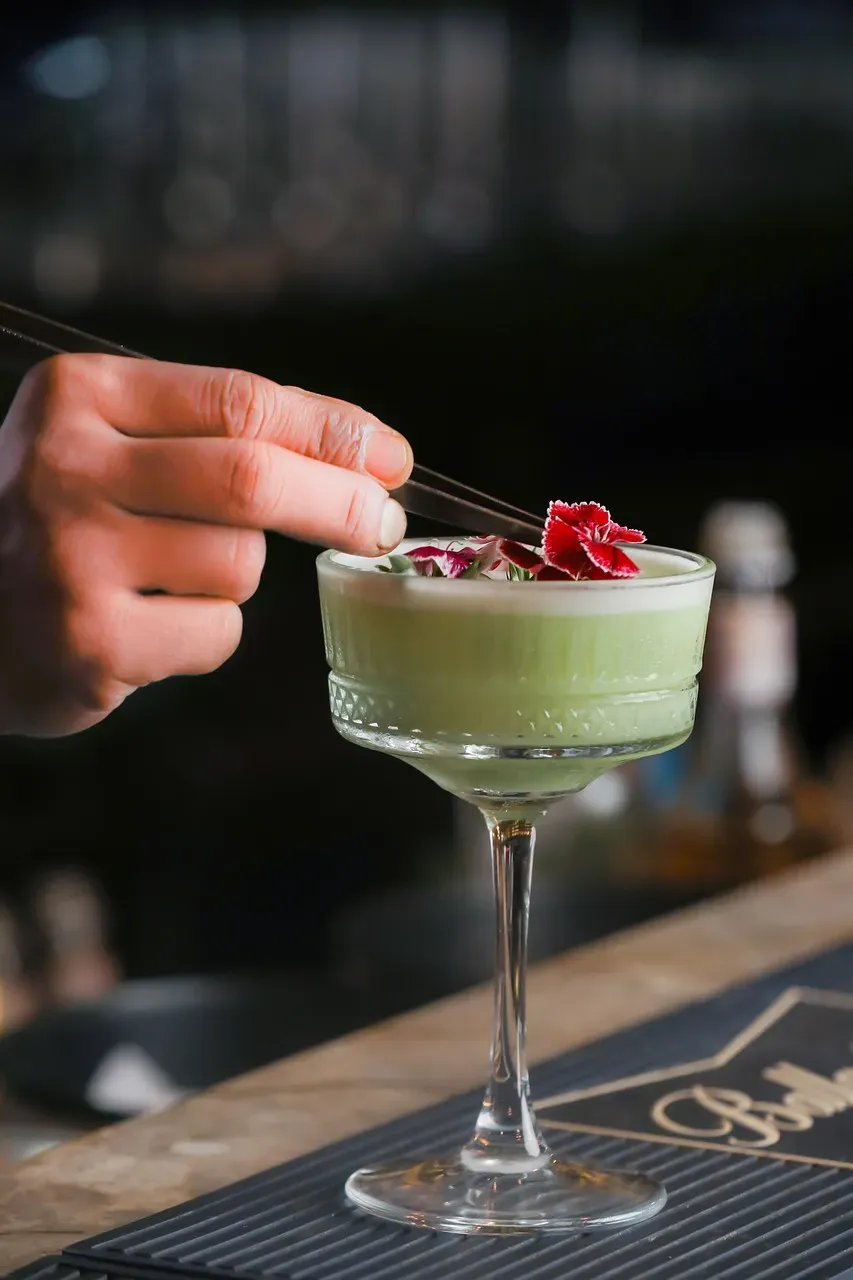
Asking for a recommendation is deceptively simple, but it matters enormously. Experienced bar professionals are often encouraged to have an "ace up their sleeve" - choosing one beer, one wine, and one cocktail as their personal recommendation, with genuine knowledge of each. When a customer asks for a recommendation, that bartender gets to show expertise they've spent real time building.
Understanding the characteristics of different mixed drink ingredients is essential to good bartending - knowledge of spirits, liqueurs, bitters, and garnishes, and an understanding of flavor profiles, enables bartenders to make informed recommendations and cater to diverse preferences. Asking "what do you recommend?" is an invitation to use that knowledge. It's flattering. It builds rapport. And nine times out of ten, you'll get something better than what you would've ordered on your own.
4. "I Appreciate You - Thank You So Much"
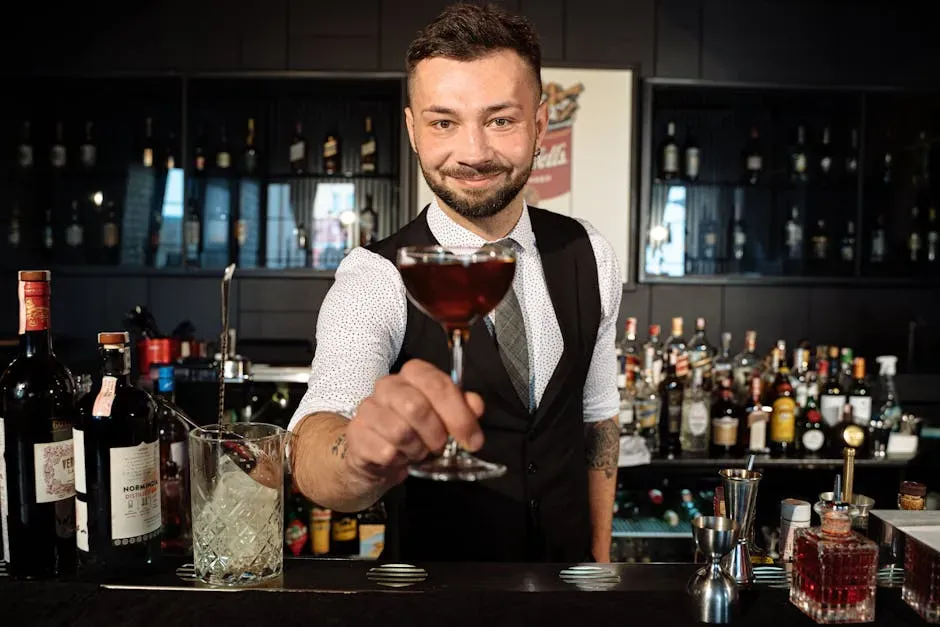
Gratitude expressed genuinely is not the same as a polite social reflex. There's a difference between a mumbled "thanks" while you reach for your glass and actually making eye contact and meaning it. Direct interactions between customers and employees play an important role in shaping consumer perceptions and experiences, and friendly, courteous service from employees can create a positive experience that stays in the minds of consumers. The same works in reverse - customers who express genuine warmth are the ones staff remember.
Research confirms that when surveyed, customers frequently mention that they tip to reward good service. What's less discussed is how gratitude flows both ways. The main motivations for tipping are expressing gratitude and conforming to social norms - the technical term for expressing gratitude is "reciprocity." A warm "thank you" creates a small but real reciprocal loop. Bartenders naturally want to take better care of people who make them feel appreciated.
5. "I'll Have My Usual" (When You Actually Have One)
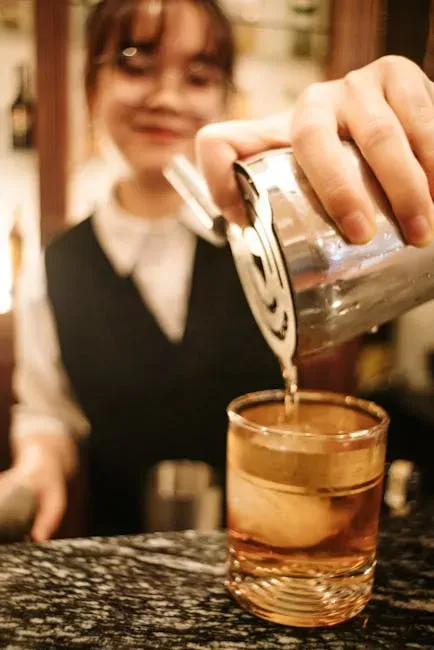
Few things make a bartender's night better than a regular who has settled into a rhythm. When a frequent customer comes in, remembering to greet them warmly and asking about their "usual" lets customers feel valued and strengthens the important bond that every bartender wants to have with their regulars. This works both ways - when a customer says "I'll have my usual," they're acknowledging the relationship too.
Remembering each individual customer's drink preference and offering the same drink when they return to the bar - like "another Mojito, Ms. Smith?" - demonstrates genuine attention. This kind of recognition is powerful. Nearly three out of five consumers report that good customer service is vital for them to feel loyalty toward a brand, and in bar culture, that loyalty is deeply personal and immediate. It's not about a brand. It's about a person behind a counter who knows your name.
6. "Keep the Change"
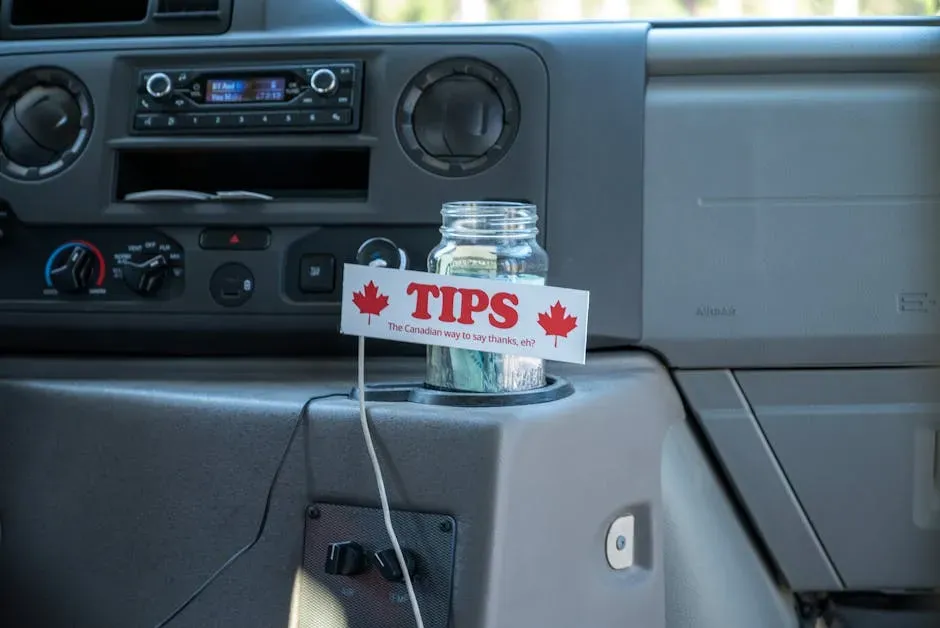
Let's be real - nobody goes into bartending expecting to get rich on salary alone. In the hospitality industry, tipping is often perceived as an essential source of income to compensate for low wages, with more than two million servers in the US relying on tips, and tipping in the U.S. carrying an economic value of roughly $50 billion per year. Saying "keep the change" - and meaning it - is not just generous. It's a statement of character.
Research on tipped restaurant employees has revealed five categories where servers focus their time and effort to earn tips: service quality, connection, personal factors, expertise, and food quality. When a customer tips generously early in the evening, they're essentially signaling they appreciate all five. Quantitative research shows that roughly half of customers tip to reward excellent service, which means the other half are tipping for other reasons - connection being a big one. Tipping well for good service, without making a show of it, is quietly one of the most effective ways to become a regular who's genuinely welcomed back.
7. "Honestly, Whatever Is Easiest for You Right Now"
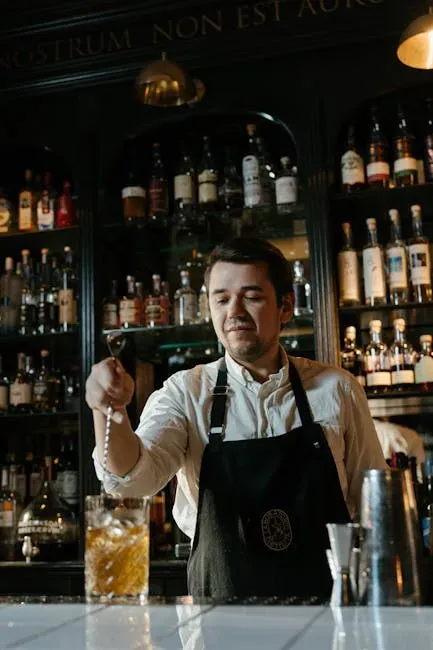
This phrase is a gift on a busy Saturday night. It's situational awareness in verbal form, and bartenders notice it immediately. A good bartender handles high-pressure situations with grace and composure - during busy bar shifts or when dealing with demanding customers, they must maintain calm, prioritize efficiency, and anticipate customer needs. A customer who senses that pressure and responds with flexibility earns genuine goodwill.
Think about what this phrase actually communicates: "I see you. I'm not going to add to your stress." That's not small talk. That's social intelligence. Emotional intelligence - the ability to recognize and interpret emotions in others and use those emotions productively - is a key component of what separates great bartenders from average ones, and it involves having empathy for guests' feelings and perspectives. Customers who reciprocate that emotional awareness? They become the favorites. Every time.
8. "Could I Get a Glass of Water With That?"
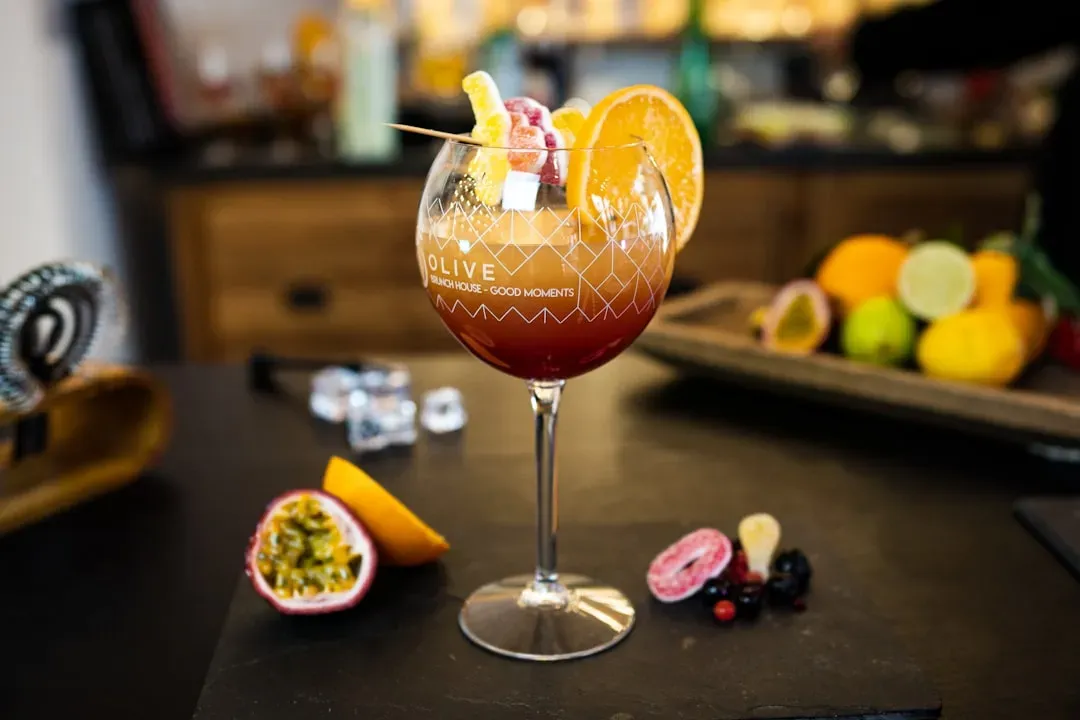
Okay, I know this sounds counterintuitive. But hear me out. Asking for water alongside your drink signals to a bartender that you're pacing yourself thoughtfully. People want to enjoy the social aspects of drinking without the downsides, and about two in five Americans are actively trying to drink less in 2025 - a notable increase from the year before. Bartenders in 2025 and 2026 are acutely aware of this cultural shift.
A customer who paces themselves is also a customer who stays longer, orders more over time, tips across multiple rounds, and leaves without causing a problem. More and more consumers are now chasing good value and straightforward classic drinks, with consistency and reliability becoming key watchwords in what guests expect. Asking for water alongside your drink quietly says: I'm here for the experience, not just to get wrecked. That makes you someone a bartender genuinely enjoys serving.
9. "Sorry for the Wait - I Know You're Slammed"
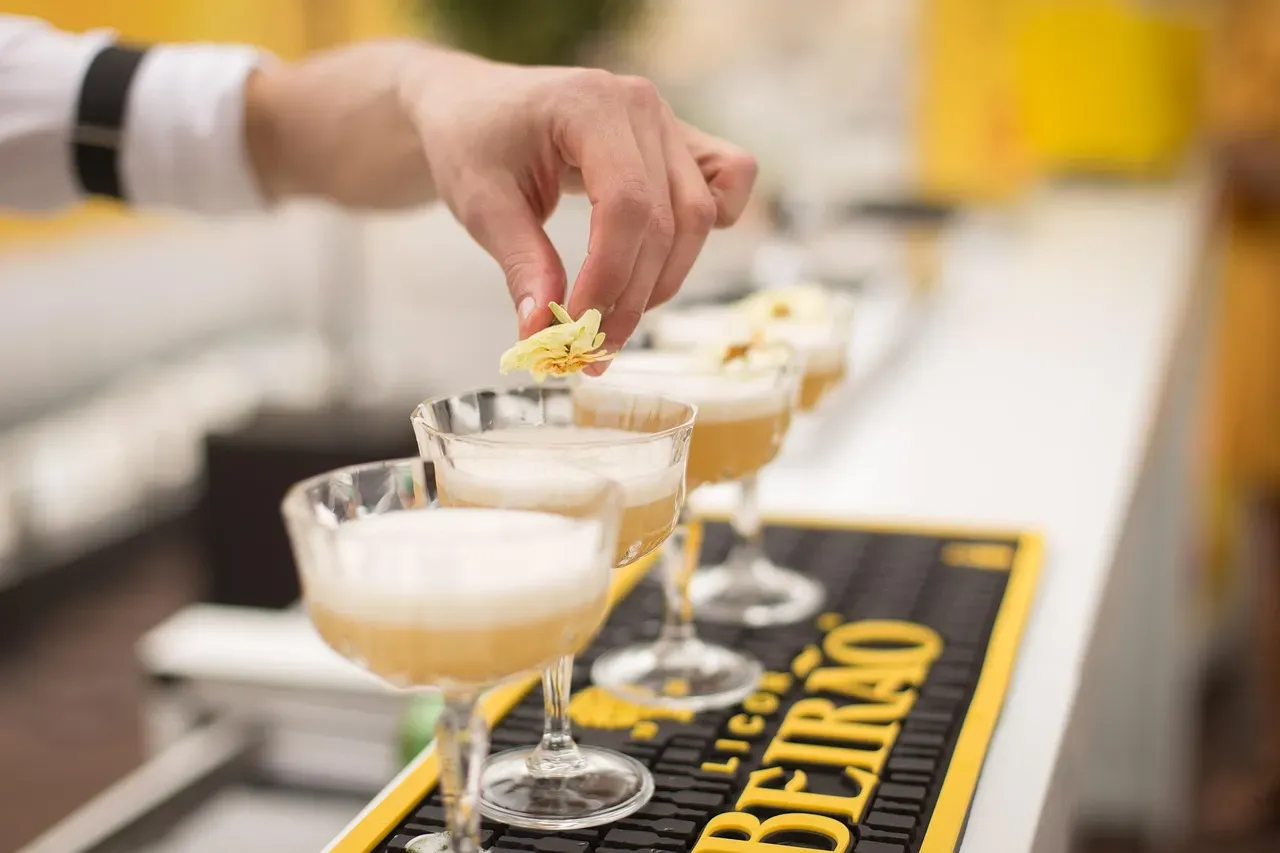
This one might surprise you most of all. Most customers never apologize. They don't think they need to. Simply saying "thanks for waiting" to a customer when it's busy makes a great impression - but when a customer says it first, it flips the entire dynamic. It's disarming. It's generous. It instantly shifts the energy at the bar.
Good manners is a basic quality that fewer and fewer people seem to possess, and far too many skilled bartenders have watched customers screw up an entire interaction simply by being rude or thoughtless. Acknowledging a bartender's workload with a few honest words costs you absolutely nothing. By understanding previous experiences, bartenders can tailor their approach to meet consumer expectations, ensuring each visit is more satisfying and encouraging long-term loyalty. That tailored approach begins the moment someone sits down. Start with empathy, and watch how differently the night unfolds.


Leave a Reply