
Every home cook has stood at the stove convinced they were doing everything right - only to pull a disappointingly bland, soggy, or overcooked meal out of the oven. Cooking is an art, but even the most passionate chefs can unknowingly sabotage their meals with small mistakes. The frustrating truth? Most of those failures don't come from missing talent or the wrong ingredients. They come from small, deeply ingrained habits that go completely unnoticed.
According to a 2024 nationwide survey of over 2,000 Americans, the vast majority of respondents admitted to failing miserably at cooking a meal, with the most common problems being either over or undercooking. Nearly three quarters had burned a meal, and more than half had undercooked their food. These numbers might surprise you, but honestly, they shouldn't. Bad habits are sneaky. Let's dive in and find out which ones you might be guilty of.
1. Skipping the Preheat - A Silent Saboteur
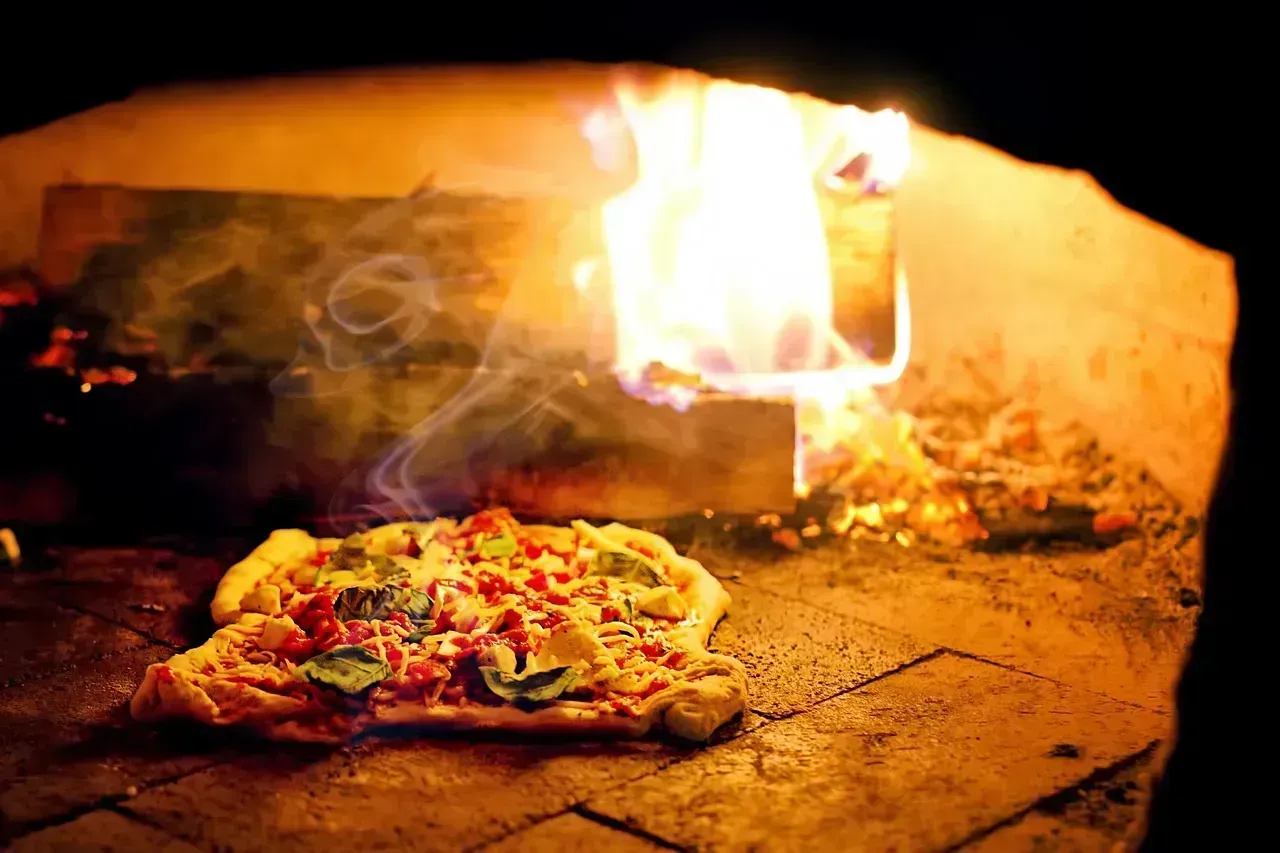
Here's the thing about preheating: most people think it's optional. It is absolutely not. Skipping preheating is a common mistake that can ruin your cooking efforts. Preheating ensures that your oven reaches the correct temperature before you start cooking, which is crucial for consistent results. Without it, food cooks unevenly and may not develop its intended texture or flavor.
Imagine sliding a tray of roasted vegetables into a cold oven. They don't caramelize. They don't crisp up. They just sit there getting slowly warm and turning into something depressingly limp. The dough or food spends several minutes in an environment that's gradually heating up, leading to uneven outcomes. Roasting vegetables or meats in a cold oven has similar consequences - they won't achieve that perfect caramelization or crispiness.
Most ovens take around 10 to 15 minutes to reach the desired temperature. Use that window to prep your mise en place, clean up, or just take a breath. Don't rush the oven. It will repay your patience with better food every single time.
2. Overcrowding the Pan - The Number One Texture Killer
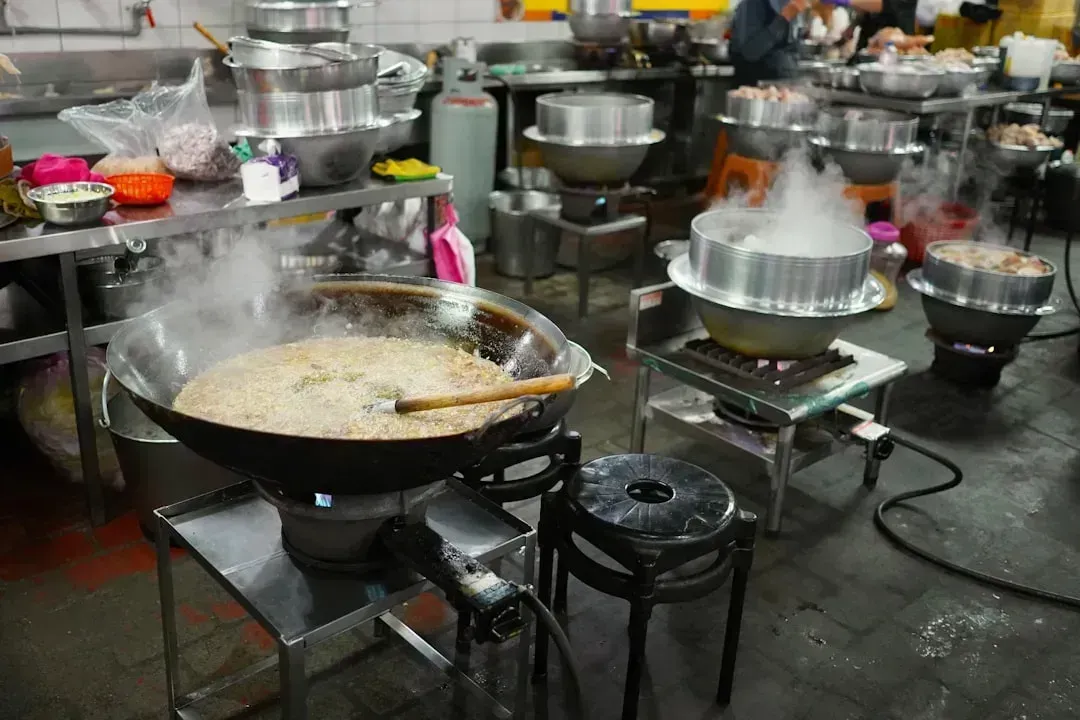
This one gets me every time I see it in home kitchens. The logic seems harmless - throw everything in at once and save time. It's not technique gremlins - it's thermal reality. Piling too much cold food onto a hot pan drops the surface temperature, traps moisture, and turns a searing moment into a steaming sauna.
For the Maillard reaction and caramelization to occur - those two beautiful chemical reactions that bring flavor to food - the pan needs to be at a certain temperature, around 330°F to 350°F. Throw too much stuff into the pan, the pan loses too much heat, bringing the overall temperature below the critical threshold, and your food steams instead of browns.
Overcrowding can cause food to cook unevenly. The pieces in direct contact with the pan might cook faster, while those crowded in the middle or piled on top end up undercooked. This is particularly problematic when cooking proteins like chicken or steak, where uneven cooking can result in unsafe or unappealing dishes. The fix is simple: cook in batches. Yes, it takes a little longer. No, it's absolutely worth it.
3. Not Seasoning in Layers - The Root of Bland Food
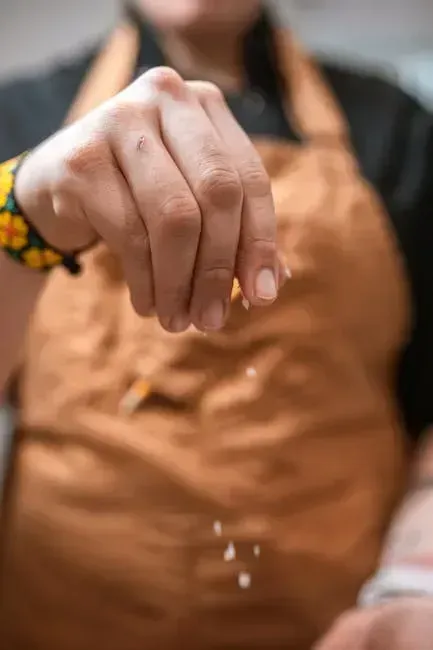
Most home cooks season at the end. A little sprinkle of salt on the plate, maybe some pepper, and they call it a day. Seasoning is so much more than adding salt, pepper, and a careless dash of red pepper flakes. Many err on the side of caution and end up with flavorless dishes.
One of the most common cooking mistakes is adding too little salt. Proper seasoning enhances natural flavors without making food taste salty. Season in layers throughout the cooking process rather than only at the end. Think of it like building a house - you don't just paint the exterior and call it done. Every layer matters.
Salt and sweetness can be balanced with a dash of lemon juice or vinegar. Adding a last-minute splash of acidity to any dish can go as far as salt can toward brightening the final product. A squeeze of lemon over a finished pasta or a roast chicken is one of those small moves that separates confident cooks from hesitant ones.
4. Using Dull Knives - More Dangerous Than You Think
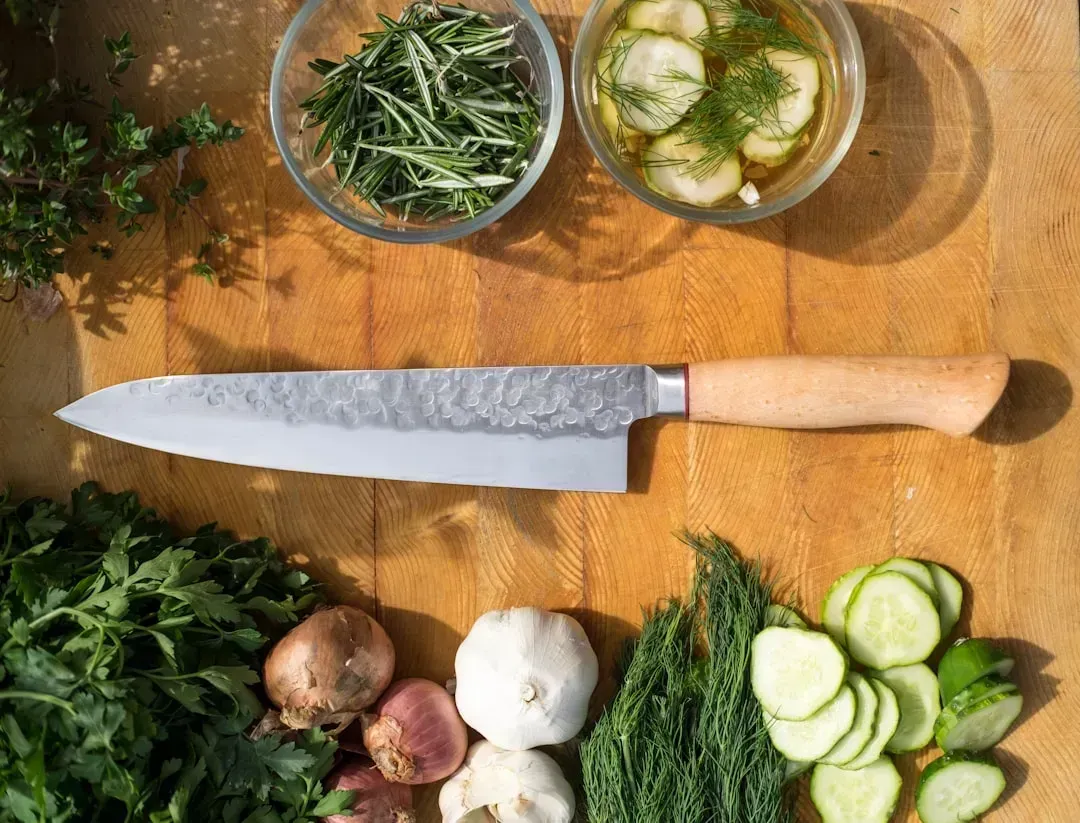
Cutting with dull knives is actually more dangerous than cutting with sharp ones. That might sound counterintuitive, but a dull blade needs much more force behind it, meaning if it slips, it slips hard. Sharp knives do the work for you, cleanly and predictably.
Many people think they can sharpen their knife once every five years, yet a sharp knife makes all the difference with everything in the kitchen. Even if you're a casual cook who makes two to three meals a week, you should still be sharpening your knives at least two to four times a year.
A properly sharpened knife should easily slice through paper. Sharp knives cut cleanly with minimal pressure, giving you better control and reducing injury risk. Beyond safety, there's a real flavor argument here too. Knife skills are essential in the culinary arts, yet many chefs overlook their importance and use dull knives. Crushed herbs and bruised vegetables release their moisture early and lose vibrancy on the plate.
5. Skipping Mise en Place - Cooking in Chaos
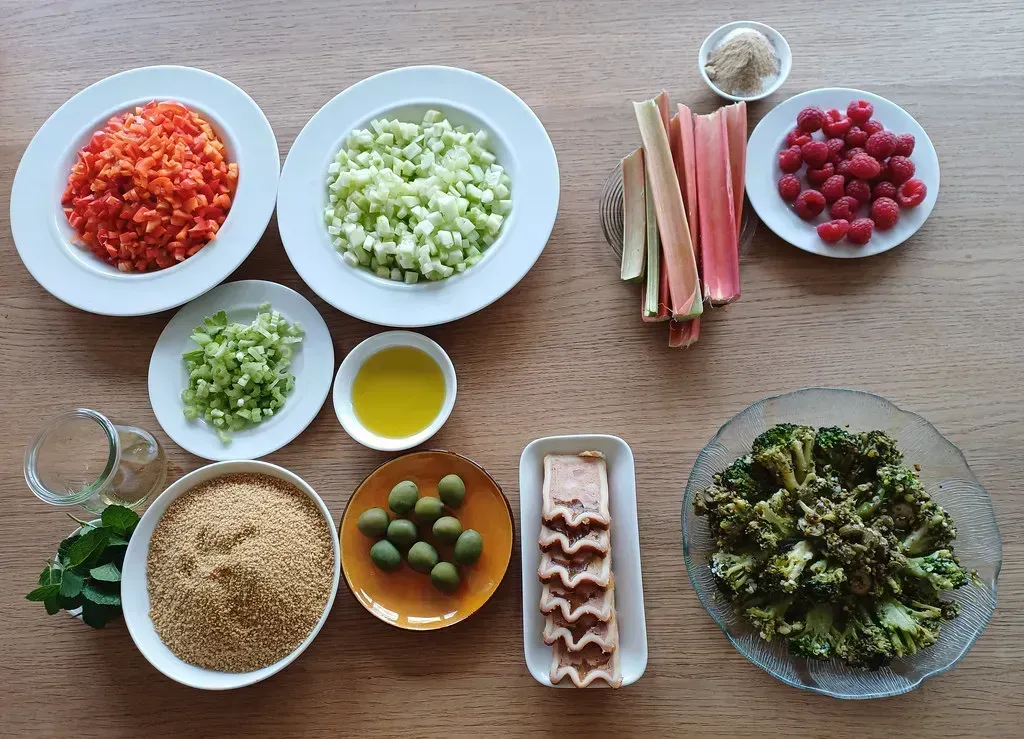
Mise en place. It's French. It means "everything in its place." It's also, I would argue, the single most transformative habit any home cook can adopt. If you want to save time and end up with a tastier meal, you should have all your ingredients measured out and prepped before you start the cooking process, not during. The French even have a phrase for this - "mise-en-place," which translates to "putting in place."
If the recipe calls for adding minced garlic right after the broccoli, you need the garlic ready and minced. Spending time to mince the garlic mid-step may actually end up ruining the recipe. Think of it like a surgeon who can't stop mid-operation to go find a scalpel.
It also reduces stress dramatically. Cooking without prep feels like driving without a map in an unfamiliar city at night. Cooking with mise en place feels, honestly, like a kind of flow state. Everything comes together when it should because you already made it ready.
6. Burning the Garlic - The Dish-Ruiner No One Warns You About
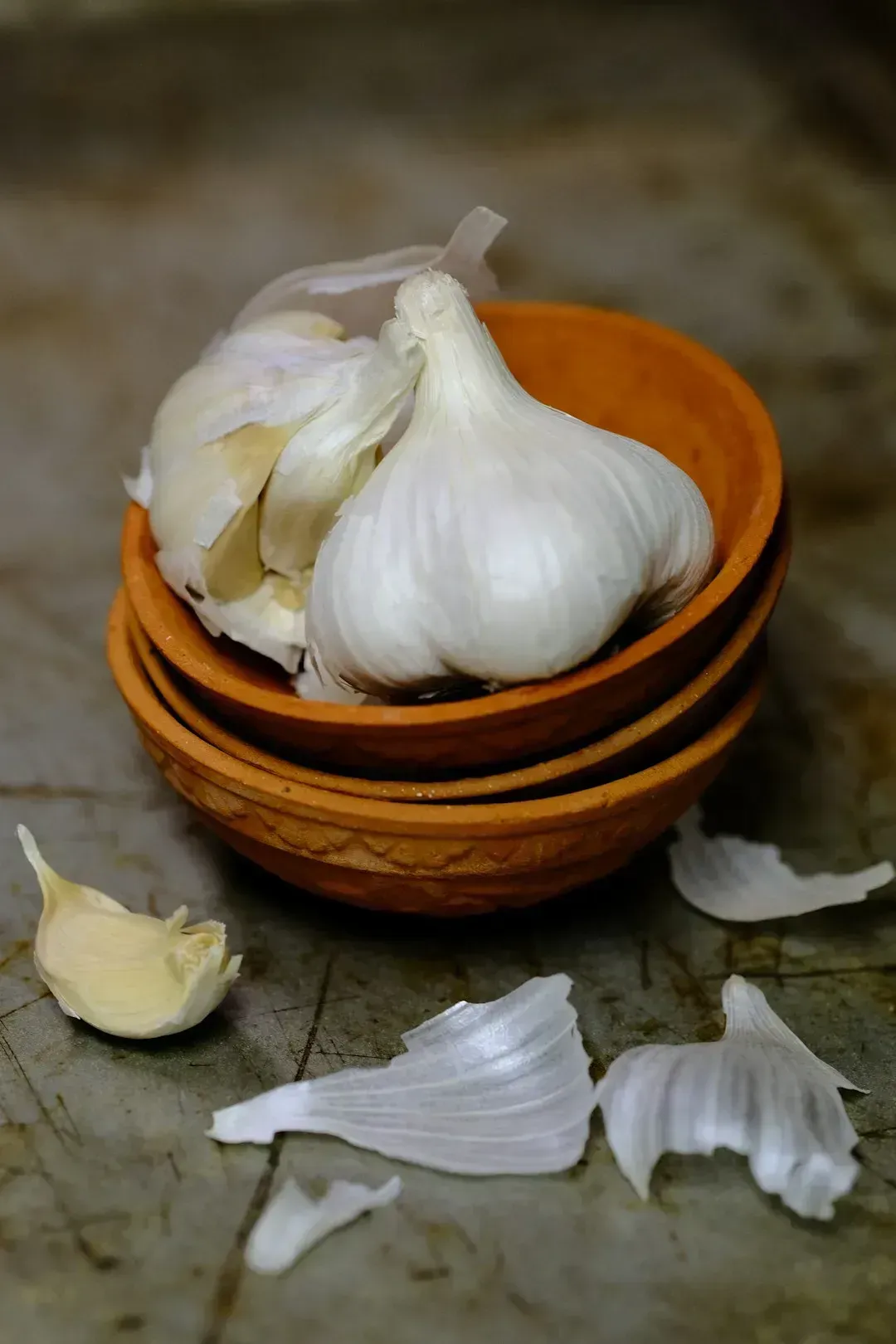
Garlic is wonderful. Burnt garlic is catastrophic. It's one of those kitchen moments that feels unfair because it happens in seconds. Overcooked garlic has an unpleasant flavor, loses its luster, and can even ruin a dish. It only takes garlic about 30 seconds - or until it becomes fragrant - to fully cook. It should never turn golden, or become stiff or chewy.
A common mistake is to add the onions, aromatics, and garlic into a hot pan all in one go. If you do this, you risk burning the garlic and imparting a nasty, acrid flavor into the base of your dish. Garlic burns very easily and the essential oils it releases once chopped or minced can go from sweet and savory to unpleasant in an instant.
The solution is simple: add your onions and aromatics first, let them soften, then add garlic toward the end of that initial sauté. Give it your full attention for those 30 seconds. Never walk away from cooking garlic. Not even once.
7. Not Resting Your Meat - Losing All That Flavor to the Cutting Board
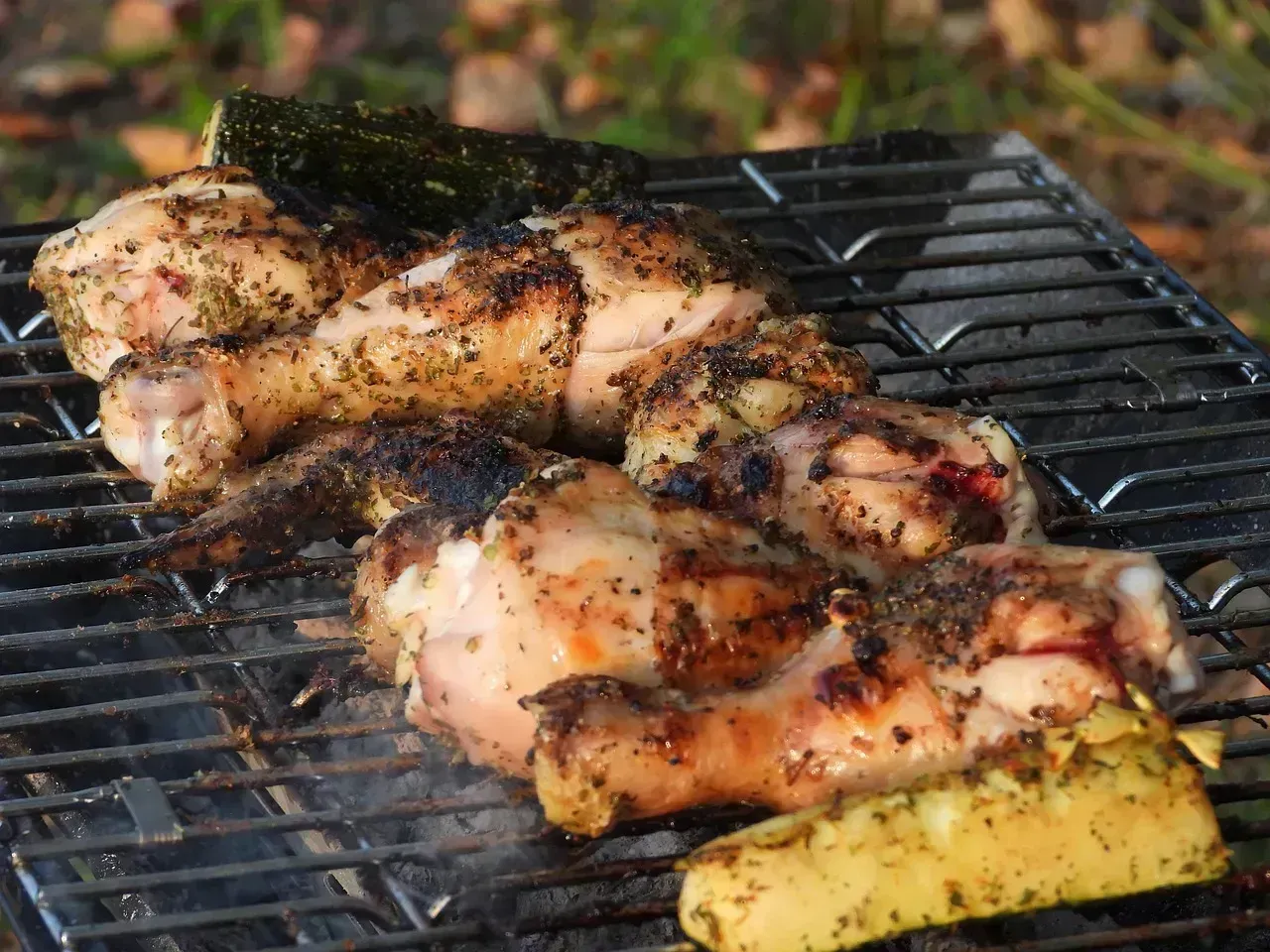
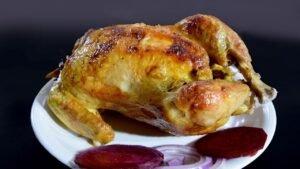
You've just pulled a beautiful steak or a golden roast chicken from the heat. You're hungry. You slice into it immediately. The juices pour out all over the board, not into your mouth. That is a real, physical, preventable loss. After cooking, let your meat rest before cutting into it. This allows the juices to be redistributed, ensuring a moist and flavorful dish.
For safety and quality, allow meat to rest for at least three minutes before carving or consuming. For reasons of personal preference, consumers may choose to cook meat to higher temperatures. For larger cuts like a whole chicken or a thick roast, rest time should be considerably longer - often 10 to 20 minutes, depending on size.
Some meats also need rest time after cooking. Rest time is important for certain meats because it allows the innermost parts and juices of the meats to become fully and safely cooked. Skipping this step is the culinary equivalent of spending an hour on a painting and then spilling water on it right before it dries. Patience here is the whole point.
8. Ignoring Cooking Temperatures - A Safety and Flavor Issue
Here is a number that should genuinely alarm you. Overall, 55% of survey respondents admitted they don't know the correct temperature for cooking meat. That is a staggering proportion of home cooks operating on guesswork and visual cues that simply aren't reliable.
FSIS reports that even if hamburgers look fully cooked, one in four hamburgers may not be safely cooked. Yet only 6 percent of home cooks use a food thermometer for hamburgers and only 10 percent use one for chicken breasts, according to the latest data from the Food Safety Survey. Those numbers are almost absurdly low given the stakes involved.
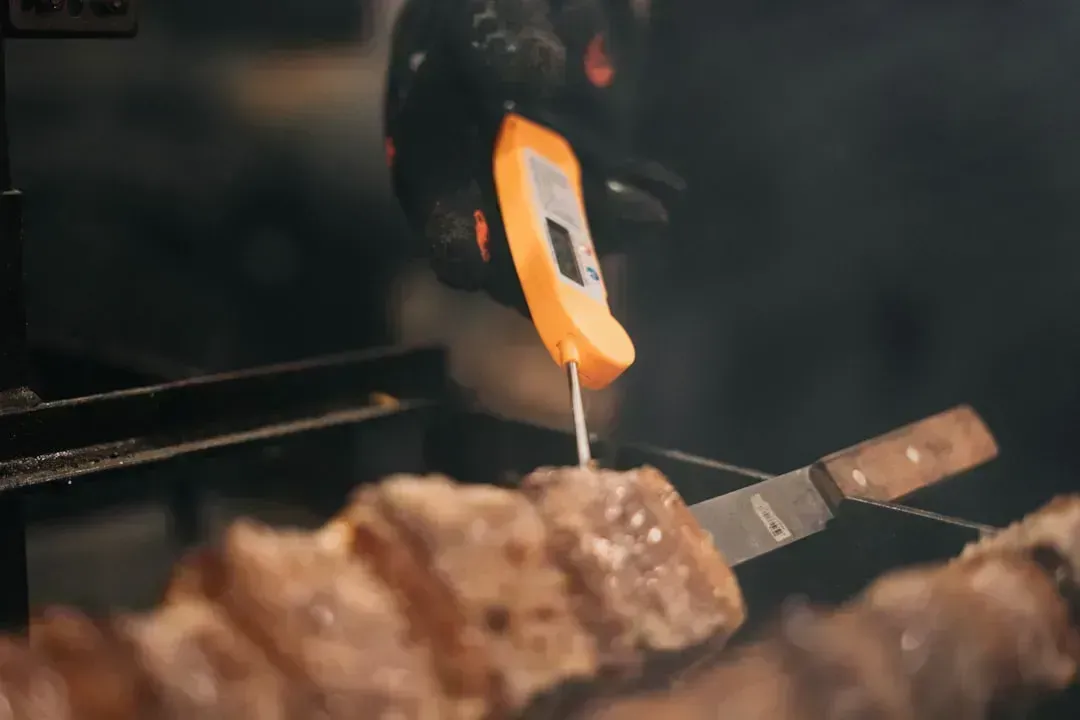
Foodborne illness is a preventable public health challenge that causes an estimated 48 million illnesses and 3,000 deaths each year in the United States. A meat thermometer costs next to nothing and eliminates all the guesswork. Failing to cook food to a safe internal temperature can lead to foodborne illnesses, which is especially risky for poultry and ground meats. Use a meat thermometer - don't rely on color alone.
9. Fidgeting With the Food - Stop Touching It
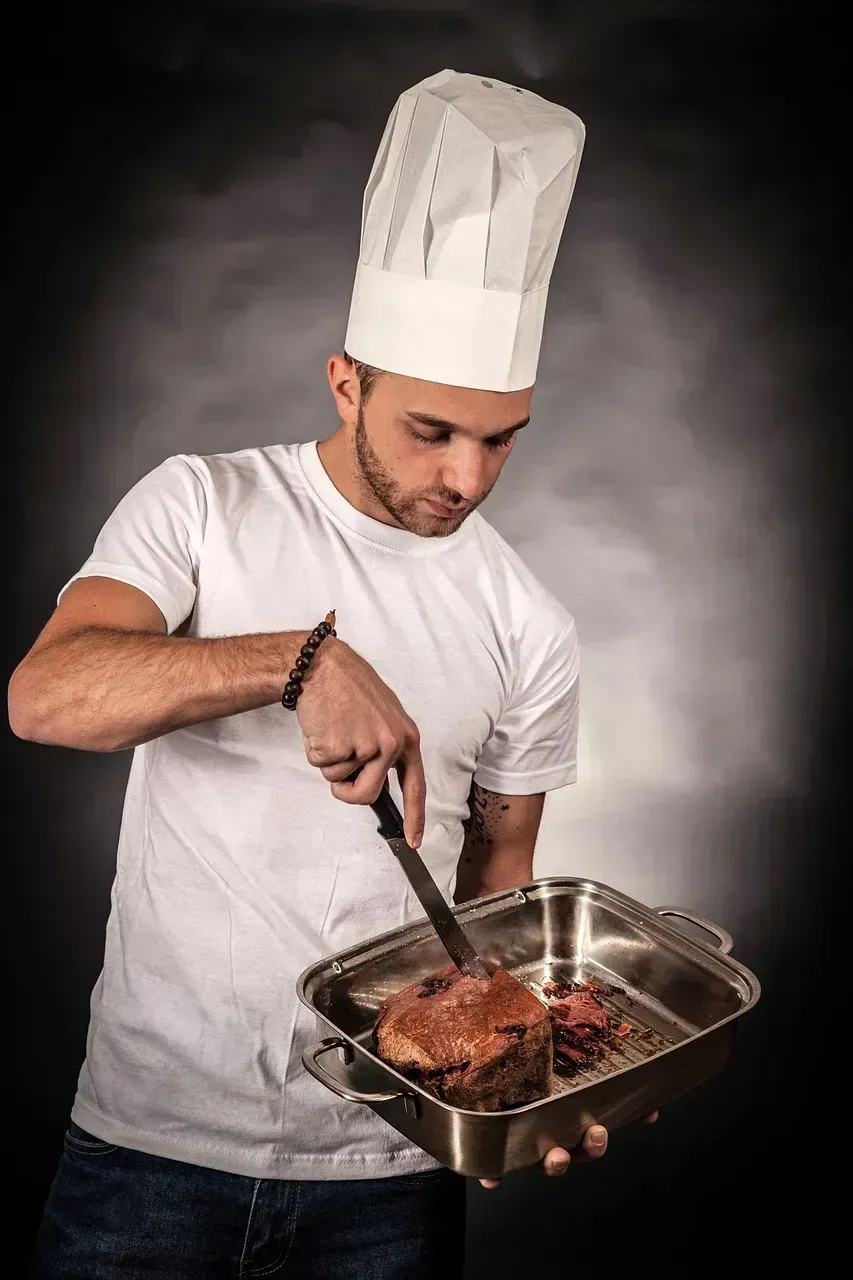
There's this compulsive need many home cooks have to constantly poke, prod, and flip whatever is in the pan. It feels productive. It is actually the opposite. Poking and prodding your food isn't a good thing unless the recipe calls for consistent agitation or stirring. Let your meat and vegetables brown before flipping them.
Think of searing as a conversation between the hot metal and your food. Interrupting it over and over means that conversation never finishes. Moving food too soon prevents proper browning. Let food cook undisturbed for at least two to three minutes before flipping or stirring.
Don't fidget with burgers, pancakes, or soft vegetables. Flipping burgers too often can actually ruin them. The same principle applies to fish fillets, chicken thighs, and even sautéed mushrooms. When food is ready to release from the pan naturally, it will. Forcing it early tears it and ruins the crust you worked to create.
10. Using the Wrong Oil for the Heat Level
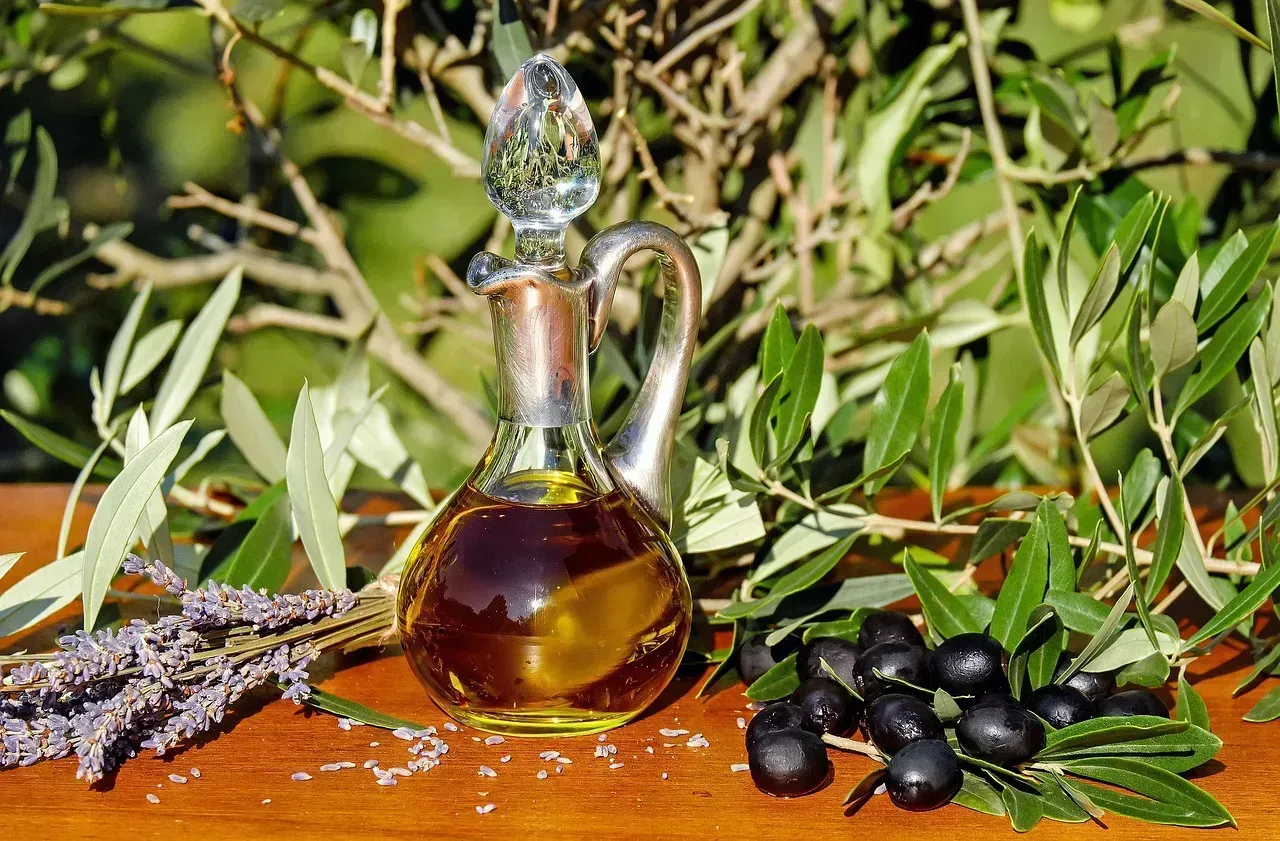
Not all oils are created equal. Using olive oil to sear a steak at high heat is a genuinely common mistake, and the consequences range from a burnt, bitter flavor to unnecessary smoke filling your kitchen. Different cooking methods require different types of oils with specific smoke points and flavor profiles. Using the wrong oil can result in unpleasant flavors, smoking, and even the production of harmful compounds. For high-heat cooking methods like stir-frying or pan-searing, it's best to use oils with high smoke points such as avocado oil or grapeseed oil. These oils can withstand the heat without breaking down or releasing smoke.
Butter's milk solids burn at around 302°F. Use clarified butter, also known as ghee, for high-heat cooking because it has a smoke point of 485°F. If you want that rich butter flavor with a proper sear, ghee is the answer. It's one of those upgrades that costs almost nothing but immediately lifts the quality of everything you cook over high heat.
11. Not Reading the Whole Recipe Before Starting
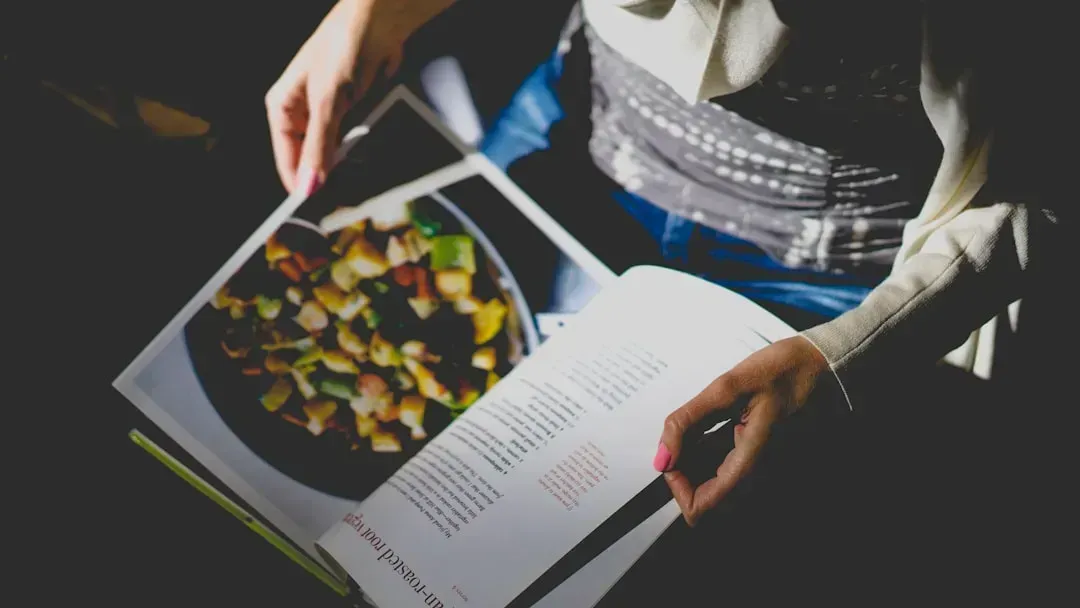
It sounds almost too obvious to be worth mentioning. And yet, it might be the most universally committed mistake in home cooking. You'd be surprised by the number of people who start cooking before reading the entire recipe from start to finish beforehand. You should always read it through at least once before even turning on the stove.
A recipe has steps you're supposed to follow for a reason: flavor development. If you add your ingredients out of order, you risk ruining the dish and creating a meal that tastes off from the original recipe. Many herbs, like parsley and chives, are added toward the end of the cooking process because they tend to lose their flavor the longer they cook.
Regular cooking fails include forgetting a key ingredient (admitted by roughly half of all survey respondents), misreading the recipe (by more than four in ten), and using spoiled ingredients. A full recipe read-through takes maybe two minutes. It tells you what to prep, what to preheat, and what timing to expect. Think of it as the map before the drive. You wouldn't start a road trip to somewhere new by just getting in the car and figuring it out as you go, would you?


Leave a Reply